


Darius Build Guide (Patch 26.9): Items, Runes, & Tips 2026




Recent update
This list is regularly updated to match what’s trending and in-demand among gamers.
The Darius build I trust wins lane early and closes games fast. Darius is a juggernaut with simple tools that hit hard: stack Hemorrhage, yank with Apprehend, and finish with Noxian Guillotine. Manage spacing, track cooldowns, and your trades snowball fast.
I’ve mained him for years and climbed using this exact setup. In this guide, I’ll give you the items, runes, and skill order I use, plus matchup notes, lane plans, and mid-game rules for turning one kill into the whole side of the map. Keep it tight, play your windows, and make every stack count.
Jump to:
Understanding the Darius Build Fundamentals
Darius thrives on extended trades and his ability to dunk low‑health targets with Noxian Guillotine. A strong Darius build amplifies his natural tankiness and damage so that he can push advantages early and carry team fights.
I always start by thinking about my lane match‑up and the overall enemy team composition. If I see heavy attack damage on the other side, I lean into armor and health; if the enemy has multiple mages or crowd control, I pivot toward magic resist and movement speed.
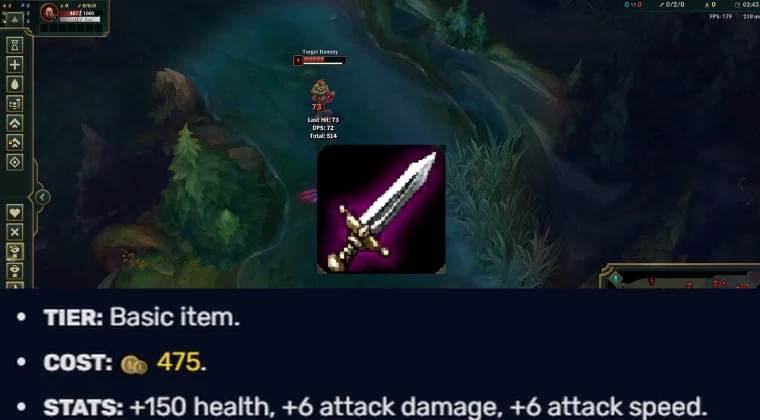
A good foundation for any Darius build begins with Doran’s Blade and a Health Potion. Doran’s Blade offers early attack damage and lifesteal, letting you sustain through trades. Against ranged poke, Doran’s Shield can be the smarter choice because its health regen reduces harass.
At level one, unlock Decimate (Q) and position the blade’s outer circle to hit enemy champions while healing yourself. This single ability determines your lane dominance, so practicing its timing and spacing is essential.
When building core items, I prioritize a mythic that offers both damage and mobility. Stridebreaker is currently the standard because its active provides a dash and slow, letting Darius close gaps and stick to slippery targets. If the match‑up requires more burst and attack speed, Trinity Force becomes a viable alternative. In rare cases when you need extra mobility and ability haste, Spear of Shojin can take the mythic slot, though it’s more situational.
Darius’s boots depend on the enemy damage sources. Plated Steelcaps reduce incoming basic attack damage and are ideal against fighters and marksmen. Mercury’s Treads help when facing heavy magic damage or crowd control. After boots, I rush Sterak’s Gage for the health and shield passive, which helps me survive burst during all‑in fights.
The through-line of every strong Darius build is the same: health and damage stack together. Darius’s passive, Hemorrhage, scales with bonus attack damage, and Noxian Guillotine’s true damage hits harder the more HP the target is missing, meaning tankier items that give health also indirectly amplify your kill pressure.
This is why you never build a pure glass cannon on Darius; every item in a well-constructed Darius build should either keep you alive long enough to stack Hemorrhage, close the gap to land it, or both.
If you’re looking to customize your Darius experience beyond runes and items, the Riftbound Legends list covers every cosmetic worth adding to your collection.
Runes and Summoner Spells for My Darius Build

The rune page is the backbone of any Darius build. I always run the Precision tree with Conqueror as my keystone. Conqueror’s stacking attack damage synergizes perfectly with Darius’s passive, turning extended trades into overwhelming victories.
The minor runes in Precision are Triumph, Legend: Alacrity, and Last Stand. Triumph heals you on takedowns and adds a bit of gold; Legend: Alacrity provides attack speed; Last Stand increases damage when you’re low on health. These runes keep Darius threatening even when he’s focused in team fights.
For the secondary tree I typically choose Sorcery with Nimbus Cloak and Celerity. Nimbus Cloak gives a burst of movement speed after using summoner spells, which makes chasing or escaping easier. Celerity amplifies all movement speed bonuses, including the Stridebreaker dash and Ghost. Some Darius mains swap to Resolve for Second Wind and Unflinching when laning against hefavy poke or crowd control. Adjust your secondary choices based on lane opponents and play style.
Regarding summoner spells, Flash and Ghost are the current meta pairing. Flash remains essential for repositioning and finishing kills with Noxian Guillotine. Ghost has become increasingly popular because it lets Darius stick to targets during extended trades. The slow resistance and movement speed help maintain Conqueror stacks and secure multi‑kill ultimates. In very high‑elo or competitive play, Teleport can replace Ghost when macro map pressure outweighs dueling power.
The reason this specific rune page works so well with any Darius build is that every choice compounds his one core mechanic: staying on top of targets long enough to stack Hemorrhage.
Conqueror rewards extended fights with bonus attack damage; Triumph keeps you healthy enough to chain kills after a Noxian Guillotine reset; Last Stand makes you threatening precisely when enemies think they’ve won the trade. Ghost and Nimbus Cloak then solve the delivery problem – Darius’s kit is lethal in close range, and this rune page is built entirely around getting and staying there.
Optimal Item Path for Darius

After the starting items and core, my usual darius build follows a pattern that maximizes survivability and damage. Here’s a typical path after completing Stridebreaker and boots:
- Sterak’s Gage – The bonus health and Lifeline shield prevent you from being burst down. Its synergy with Darius’s high base health makes you hard to kill in mid‑game skirmishes.
- Dead Man’s Plate – This item grants armor and health while building momentum. The passive movement speed helps reposition for Decimate and Apprehend pulls. When fully charged, your next attack slows the target, allowing for easy follow‑up.
- Force of Nature – Against teams with multiple magic damage threats, this item offers magic resist, movement speed, and a stack‑based passive that reduces spell damage after taking hits.
- Death’s Dance or Guardian Angel – If the enemy comp has high physical damage and burst, Death’s Dance gives sustain through its bleed effect and converts a portion of damage into a delayed bleed that heals on takedowns. Guardian Angel adds attack damage and a revive, perfect for aggressive plays in late‑game team fights.
Situational choices include Randuin’s Omen when facing critical strike champions, Thornmail against lifesteal heavy opponents, and Maw of Malmortius to survive burst from fed mages. Knowing when to adapt is what separates average players from those who consistently carry games.
What makes this Darius build path work is that each item solves a specific vulnerability without sacrificing kill threat. Sterak’s Gage solves burst – the Lifeline shield triggers exactly when enemies commit to killing you, buying time to stack Hemorrhage.
Dead Man’s Plate solves mobility, keeping you accelerating toward targets rather than chasing. Force of Nature covers sustained magic damage between fights. Every item in a well-constructed Darius build gets harder to kill as the game goes longer, while still hitting hard enough to execute with Noxian Guillotine.
Our Hub has a detailed overview of gear to complement your champion builds. For example, if you’re looking to upgrade your mouse for more precise last‑hitting and kiting, check out our guide to the best mouse for League of Legends. Using the right hardware can boost your mechanical consistency and make executing combos smoother.
Darius Matchups: Who He Beats and Who Beats Him
Your Darius build adapts based on the matchup – knowing who you beat and who beats you is half the work before the game even starts. Here’s how to approach the key ones.
Darius vs Garen (Favored)
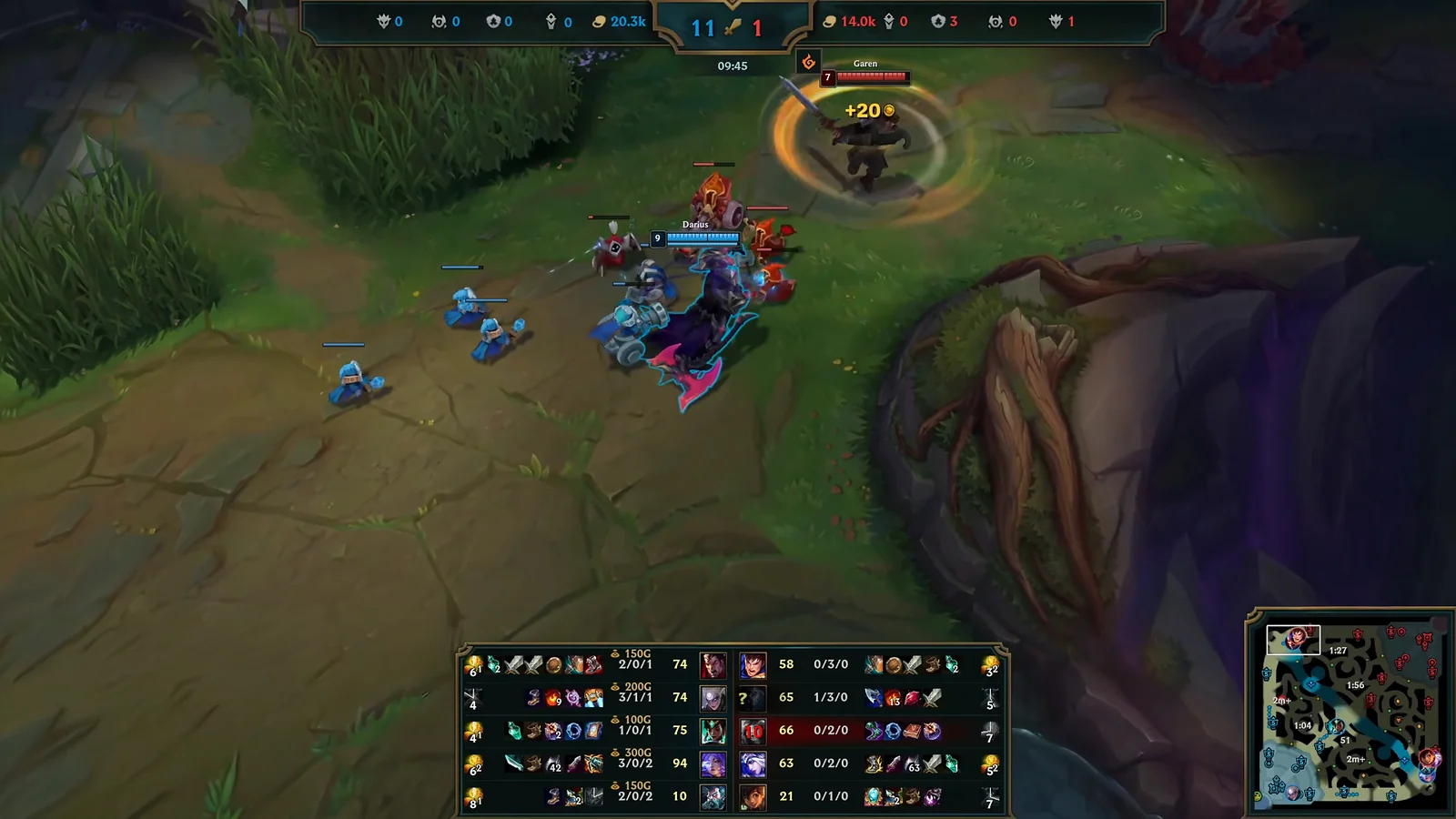
Garen can’t sustain through Hemorrhage the way your Darius build is designed to stack it. Trade early and often – Decimate heals on the outer edge hit, while Garen has no real answer to five-stack pressure. Watch his Q silence at level one since it prevents Apprehend, but once you’re level two the lane is yours. Ghost makes chasing him after his W sprint trivial.
Darius vs Nasus (Favored)
Nasus wants to farm stacks safely for 20+ minutes; your Darius build wants a fight at level two. Punish every Q stack attempt with Decimate and auto resets, denying him the early game he needs. He can’t trade back effectively before level six, and by then you should already have a significant lead. Don’t let him reach 200+ stacks before rotating to objectives.
Darius vs Yasuo (Favored)
Yasuo’s mobility looks threatening but his Wind Wall can’t block Apprehend – your pull is his nightmare. Wait for him to dash through a minion wave, then yank him back before he can reset. His kit rewards short trades; a well-executed Darius build rewards extended ones. Force him into a prolonged fight and he falls apart fast.
Darius vs Fiora (Hard Matchup)
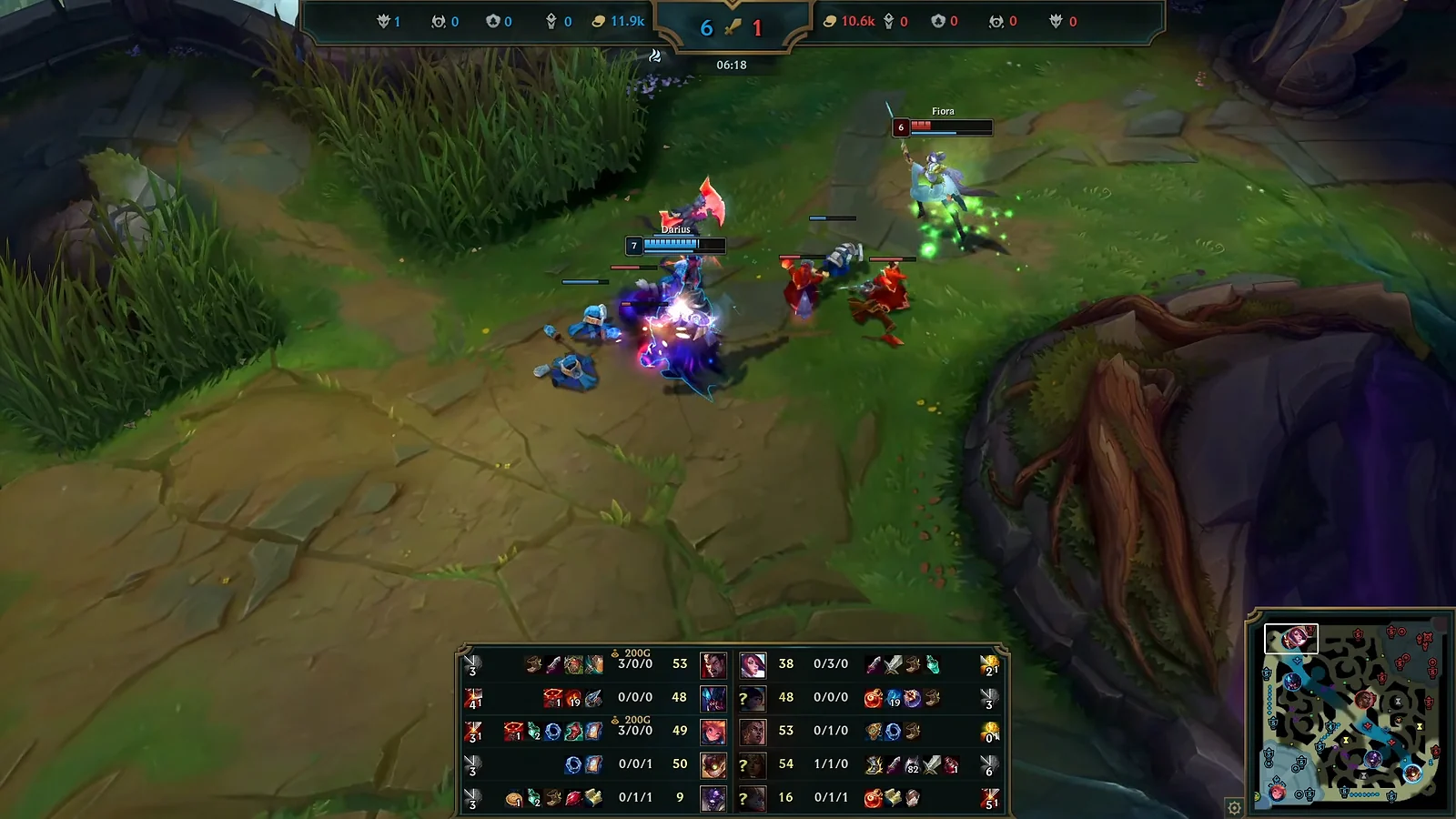
Fiora is one of Darius’s hardest counters in patch 26.9, exploiting predictable ability patterns with Riposte. Never auto-attack into Riposte when she’s at low health; she’ll parry your W or Apprehend and stun you. Play around her Riposte cooldown, short-trade when she’s repositioning Vitals, and respect her level six dueling power. Adjust your Darius build by taking Ghost over Teleport here – you need every bit of chase range.
Darius vs Kled (Hard Matchup)
Kled is statistically the worst matchup for any Darius build in patch 26.9, with a win rate just above 30%. Kled’s remount mechanic makes executing him nearly impossible – he survives your ult window by dropping to dismounted form and healing back before you can finish. Play for farm and jungle assistance rather than solo kills; a Darius build ahead on CS with items still beats Kled mid-game.
Darius vs Teemo (Skill Matchup)
Teemo keeps your Darius build at range and stacks blinds to null Decimate’s healing, making this a lane decided by positioning. Land Apprehend once and he dies – the entire matchup is about creating that one window. Bramble Vest early reduces his poison sustain; Ghost is more valuable than Flash here since closing the gap is the whole challenge.
Darius vs Vayne (Hard Matchup)
Vayne tumbles out of Apprehend range and stacks True Damage through Silver Bolts, which ignores your health stacking. Play short on her Tumble cooldown – the brief window when she can’t dodge is your only real trade opportunity. Rushing Plated Steelcaps delays her scaling; adjust your Darius build with Ghost to run her down if she mistimes Condemn.
If these matchups make you want to take a break from top lane entirely, our list of the best MOBA games covers other titles worth trying when the grind gets to you.
And if the ranked grind is starting to pay off, learn how to make money playing League of Legends to find ways to turn your skills into something more.
Darius Counters – Champions to Ban and Avoid
No Darius build survives champion select mistakes. These are the picks that make your life miserable, regardless of how well you itemize.
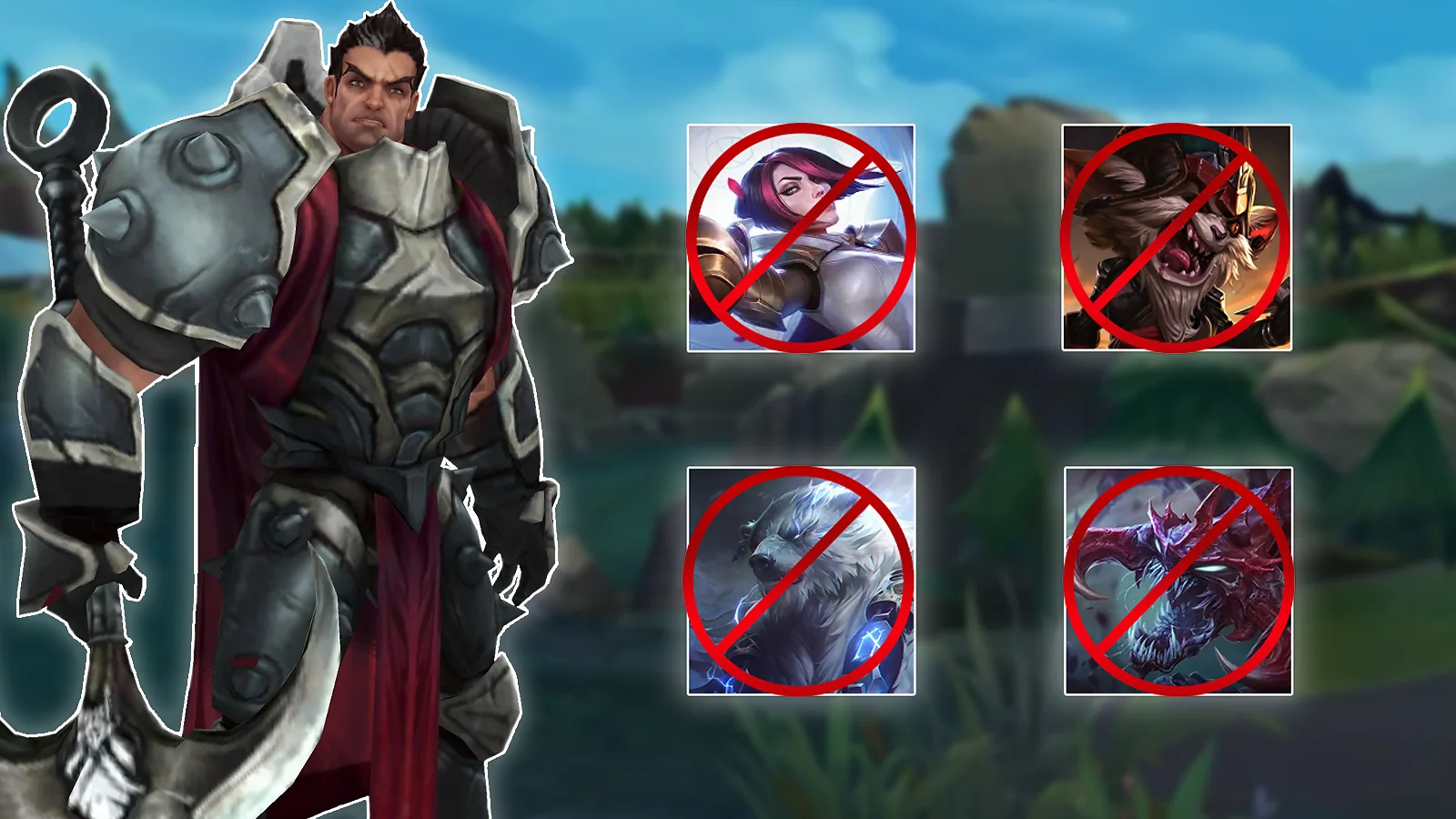
Kled is Darius’s hardest counter in patch 26.9, with just a 30.23% win rate for Darius in this matchup. His remount mechanic directly neutralizes your Darius build’s win condition – executing low-health targets with Noxian Guillotine – since Kled effectively has two health bars. Ban Kled whenever possible.
Fiora (31.25% win rate for Darius) punishes the predictability that every Darius build relies on. Her Riposte reads your W and Apprehend like clockwork, turning your engage tools against you. She also duels you comfortably at level six, which is supposed to be your power spike.
Cho’Gath (38.6% win rate for Darius) simply grows too tanky for your Darius build to execute. His Rupture keeps you at range, and his health stacking makes Noxian Guillotine’s true damage insufficient to finish him late.
Secondary threats worth noting: Volibear and Jax both out-duel a standard Darius build in extended trades once they hit their item spikes; Gangplank pokes you safely from range while barreling objectives you can’t contest alone.
Favorable picks into your Darius build: Nasus, Garen, and Mordekaiser all struggle against your passive stacking and extended trade pressure. Lock in confidently against these.
How to Play Darius: Laning Phase Tips and Combos
Skill order is straightforward for Darius. Max Decimate (Q) first because it deals the majority of your damage, heals you when the outer blade hits enemies, and has the highest base damage. I take Apprehend (E) at level two to threaten pulls if an opponent mispositions. Crippling Strike (W) comes at level three because it resets your auto attack, slows the target, and deals empowered damage. Once all three abilities are unlocked, the max order remains Q > E > W, putting points into Noxian Guillotine (R) whenever it becomes available.
During the laning phase, focus on spacing your Q. Walk forward and perform a short stride back to ensure the outer circle hits the enemy champion while avoiding minion aggro. Apprehend can be saved for when your opponent uses a mobility spell; pulling them back denies their escape and allows you to land a full Decimate and Crippling Strike combo. Always keep track of your Hemorrhage stacks. At five stacks you reach Noxian Might, gaining bonus attack damage and applying max stacks with each attack. Look for all‑ins when you hit Noxian Might because your ultimate deals true damage that resets on kills.

Team fights revolve around flanking and finding the right target. Darius lacks hard crowd control beyond Apprehend, so engage when your team can follow up on your pull. Peel for yourself with Decimate and W slows, then dunk priority targets when they fall low. I often position in side lanes to force the enemy to send multiple members; Darius’s dueling power lets you draw pressure and secure objectives for your team.
For players who care about smooth visuals and performance, our article on how to fullscreen League of Legends explains how to maximize frame rate and reduce input lag. High FPS and minimal latency make landing Decimate’s outer edge easier, which in turn affects your success with the darius build.
Darius Tips for Beginners
If you’re new to the champion, here’s what your Darius build actually needs you to understand before the items matter.
- Practice Q spacing first. Decimate’s outer blade deals full damage and heals you; the inner ring does neither. Every trade you win or lose comes down to whether that outer edge lands – walk into range, then step slightly back to catch the enemy with the outer circle.
- Always go for extended trades. A standard Darius build is designed around Hemorrhage stacking, so the longer a fight lasts, the more your passive bleeds the enemy down. Short trades favor ranged opponents; extended fights favor you.
- Don’t all-in before level six. Your Darius build’s first real power spike is Noxian Guillotine – true damage that resets on kills. Before then, focus on stacking Hemorrhage and zoning opponents off CS rather than forcing kills you can’t close.
- Save Apprehend for escapes, not openers. New players burn E to initiate, telegraphing the engage. Its real value is pulling back enemies who try to disengage after a trade – not starting the fight.
- Track Conqueror stacks alongside Hemorrhage. Hitting max Conqueror while at five Hemorrhage stacks is when your Darius build’s damage peaks. That’s the window for all-ins, not before.
If Darius still doesn’t click after a few games, you can learn how to sell League of Legends account if you decide to start fresh on a new one.
Advanced Tips for Mastering Darius Build
Darius is simple to pick up but difficult to master. Here are some personal tips that have helped me refine my play:
Animation Canceling: Use Crippling Strike immediately after Decimate to reset your auto attack and squeeze in extra damage. This also lets you apply Hemorrhage stacks faster.
Ghost Timing: Activate Ghost just before engaging. The speed boost fades over time, so plan your all‑in around its peak duration. With Nimbus Cloak, you gain an additional burst of movement speed after using Flash or Ghost, which makes it easier to chase fleeing targets.
Wave Management: Slow push waves before roaming. A large minion wave crashing under the enemy tower forces them to respond. During this window, roam mid or invade jungle with your jungler to secure kills and objectives.
Objective Priority: Darius excels at taking early herald and dragons thanks to his high base damage. Coordinate with your jungler to secure these objectives after pushing your lane. The Rift Herald can be used to break the first tower and snowball your gold lead.
Mental Discipline: Because Darius has such strong snowball potential, it’s tempting to play overly aggressive. Resist the urge to dive without proper vision or jungler location. Many of my ranked losses came from overconfidence rather than mechanical misplays.
Keeping up with League of Legends esports coverage is one of the fastest ways to spot meta shifts and adjust your Darius build before the ladder catches up. For the mobile side of Riot’s ecosystem, you might find our news on Wild Rift patch updates useful, especially if you enjoy playing on the go. Keeping up with patch notes allows you to adjust your darius build when item or rune balances shift.
Darius ARAM Build (Patch 26.9)
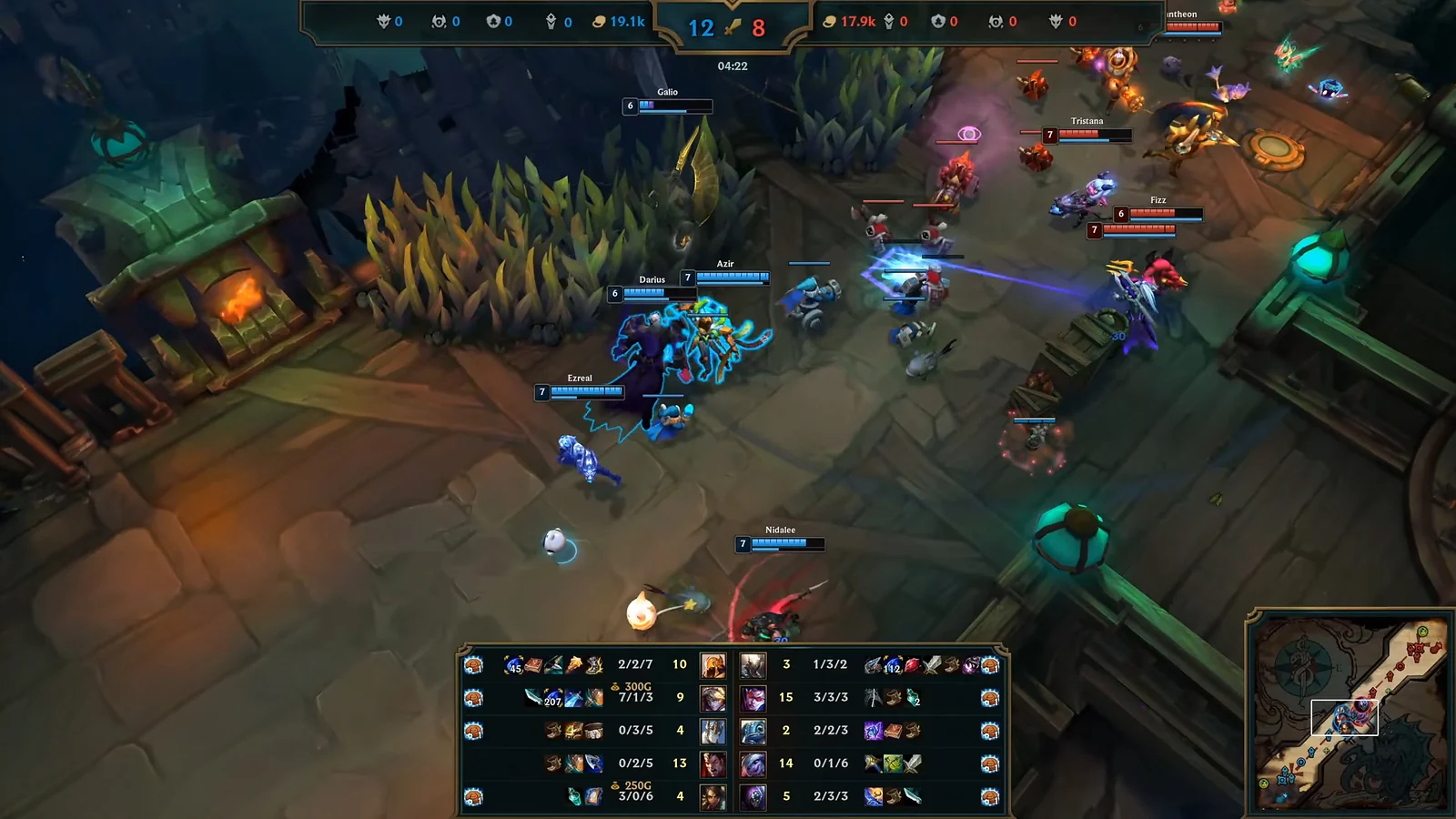
The Darius ARAM build differs from the standard top lane setup in one key way: ARAM’s Howling Abyss removes the laning phase entirely, so you need burst damage and durability from the first teamfight rather than tools for extended one-on-one trades.
Core Darius ARAM build: Trinity Force, Mercury’s Treads, Stridebreaker, Sundered Sky, Sterak’s Gage, Dead Man’s Plate – sitting at a 58.06% win rate across 25,000+ games in patch 26.9.
Trinity Force takes the first item slot here instead of rushing Stridebreaker, because the Spellblade passive adds burst damage on your first hit after an ability, which is critical when ARAM fights start immediately and you don’t have time to stack Conqueror gradually. Mercury’s Treads replace Plated Steelcaps since ARAM pools significantly more crowd control than a typical top lane game, and getting chain-CCed while Conqueror stacks fall off is a losing formula.
For runes, Conqueror remains the keystone but the secondary tree shifts to Resolve with Bone Plating and Unflinching. The constant poke and CC in ARAM make Bone Plating’s damage reduction more valuable than the movement speed you’d take in top lane. Legend: Haste replaces Legend: Alacrity to lower your cooldowns faster in a game mode where you’re fighting every 20 seconds.
Flash and Ghost remain the correct summoner spells for the same reason as top lane – your Darius build lives and dies by closing gaps, and ARAM’s narrow bridge makes Ghost even more oppressive than usual.
Is the Darius Build Worth Mastering?
A well‑rounded Darius build combines mobility, damage, and survivability to maximize the champion’s juggernaut identity. Starting with Doran’s Blade and Health Potion, rushing Stridebreaker, and layering defensive items like Sterak’s Gage, Dead Man’s Plate, and Force of Nature sets you up for success in most matches.
Conqueror remains the best keystone rune, and Ghost paired with Flash provides the movement needed to stick to targets. Adapt your build depending on matchups, and remember that patience and positioning matter as much as items and runes.
If you want to unlock new skins or champions, check out the best sites to buy League of Legends gift cards to get everything you need at the best price.
FAQs
The best mythic item for Darius in 2026 is Stridebreaker because it offers a dash, slow, and solid stats that complement his playstyle. Its active lets Darius close gaps and stay on top of mobile champions, making it the most consistent choice in the current meta.
The runes you should use on Darius are Conqueror, Triumph, Legend: Alacrity, and Last Stand as your primary tree, with Nimbus Cloak and Celerity in the secondary tree. This setup provides stacking damage, sustain on takedowns, attack speed, and movement speed to help you stick to targets during trades.
The summoner spells that work best with Darius are Flash and Ghost, offering both mobility and repositioning. Flash lets you secure kills or escape dangerous situations, while Ghost gives sustained speed for chasing opponents and maintaining Hemorrhage stacks during extended fights.
The optimal skill order for Darius is to max Decimate (Q) first, followed by Apprehend (E), and then Crippling Strike (W), while taking Noxian Guillotine (R) whenever possible. Maxing Q provides the most damage and healing, E reduces the cooldown on your pull, and W is leveled last since it offers utility rather than raw damage.
To play Darius into ranged or mobile champions, you need to be patient and focus on wave management, avoiding unnecessary trades until you get help or item spikes. Build armor or magic resist early, use Ghost for extra engage range, and capitalize on enemy mistakes; once you catch them with Apprehend and stack your passive, even ranged opponents become vulnerable to your all‑in.