

7 Ideas for Passive Income You Can Build in 2026

Eneba Hub contains affiliate links, which means we may earn a small commission if you make a purchase through them—at no extra cost to you. Learn more


KEY TAKEAWAYS
Best Overall: Amazon KDP. Publish an ebook once and earn royalties on future sales, with 35% and 70% royalty options.
Best for Game Creators: Unity Asset Store. Publishers keep 70% of Asset Store revenue and can reach over 1.7 million monthly users.
Best for Digital Downloads: Etsy. Instant-download listings can deliver files automatically after payment is confirmed.
Best for Stock Licensing: Shutterstock. Contributors earn 15% to 40% of the licensing revenue attached to each download.
Ideas for passive income work best when you build something useful once and can sell or license it again. That is the angle here. These seven options focus on ebooks, game assets, digital downloads, beats, stock media, teaching resources, and technical creative assets.
If you are comparing passive income ideas, the useful question is how much work happens before the first sale and how much work remains afterward. The best passive income ideas still need a product people want and a marketplace that can reach buyers.
There are plenty of ways to make passive income online, but most are only semi-passive. You create the asset first, then the platform handles delivery, licensing, or checkout when a customer buys it. If you are still unclear on the meaning of passive income, the useful distinction is simple. The income can continue after the main creation work is finished.
These ideas for passive income all rely on marketplaces that can keep selling after the main creation work is finished. Learning how to earn passive income this way starts with choosing a format you can actually make well.
Jump to:
Are These Ideas for Passive Income Actually Realistic?
Yes. These ideas for passive income can generate real money, but the word passive describes what happens after the setup. Writing an ebook, building a Unity package, creating a template, or producing a beat still takes real work before anyone can buy it.
The most realistic passive income ideas usually start with a skill you already have. If you can write, design, code, teach, produce music, or shoot useful media, you already have the raw material for a product that can be sold repeatedly.
If you are learning how to create a passive income, think in terms of a catalog. One ebook or one template can sell, but several useful products give buyers more ways to find you and reduce the pressure on any single item.
The best passive income ideas also have a clear earning model.
- Amazon KDP pays royalties
- Unity Asset Store licenses assets
- Etsy delivers digital files after purchase.
That clarity matters when you are comparing ways to make passive income because you can see exactly where the money comes from.
Knowing how to earn passive income also requires a clear view of take-home pay. Platform fees, payment processing, subscriptions, taxes, and update work can reduce the number you keep. For most beginners, these ideas for passive income should start as extra income. Build one product, prove that someone will pay for it, then expand the catalog once you know what buyers respond to.
7 Real Ideas for Passive Income
The ideas for passive income below all use reusable digital or intellectual assets. Each one can keep earning after the original work is finished, though maintenance and marketing still vary by platform.
These are not magic ways to make passive income. Each entry breaks down what you create, how the platform pays, what it costs to start, and the biggest limitation that can stop an otherwise good product from earning.
1. Self-Publish eBooks With Amazon KDP
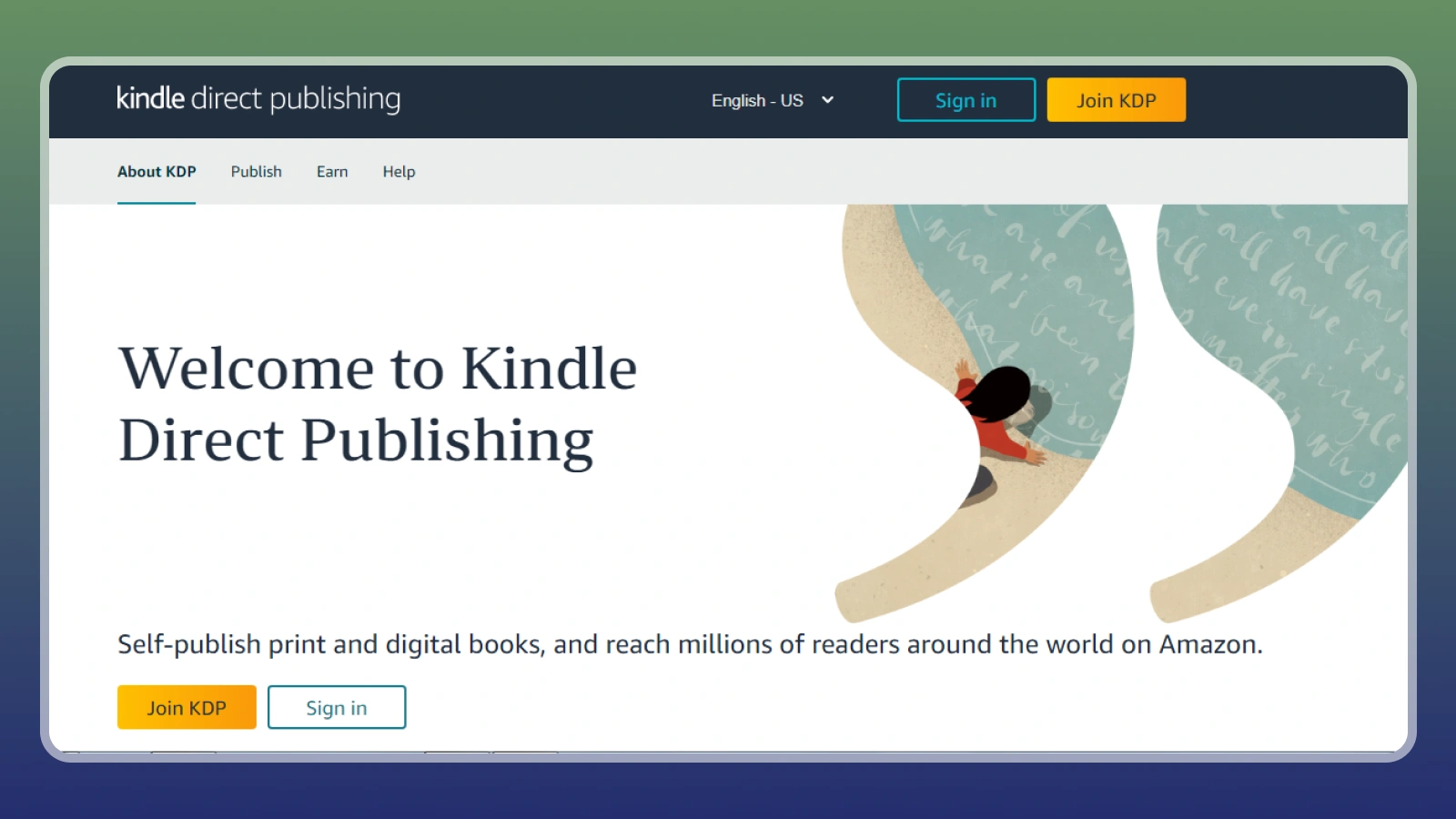
Publishing through Amazon KDP is one of the broadest ideas for passive income because Amazon handles the storefront and digital delivery after your ebook goes live. You write the book upfront, then future sales can keep generating royalties.
KDP currently offers 35% and 70% ebook royalty options. In the U.S., eligible ebooks priced between $2.99 and $12.99 can qualify for the 70% rate. A $4.99 ebook with roughly $0.06 in delivery costs would generate about $3.45 per eligible sale.
Amazon also reported $71 million in KDP Select author earnings for July 2026, although that covers the entire program and should not be treated as typical beginner income.
- Startup cost $0 to publish
- Example earnings About $3.45 on an eligible $4.99 ebook
- Payout Monthly, around 60 days after the sale month
Among the best passive income ideas, ebooks have a simple advantage. One finished file can sell repeatedly.
The common mistake is publishing a book and expecting Amazon to find readers for you. A useful topic, strong cover, and clear product page still matter. For ideas for passive income built around writing, start with a focused book that solves one specific reader problem.

2. Sell Game Assets on Unity Asset Store
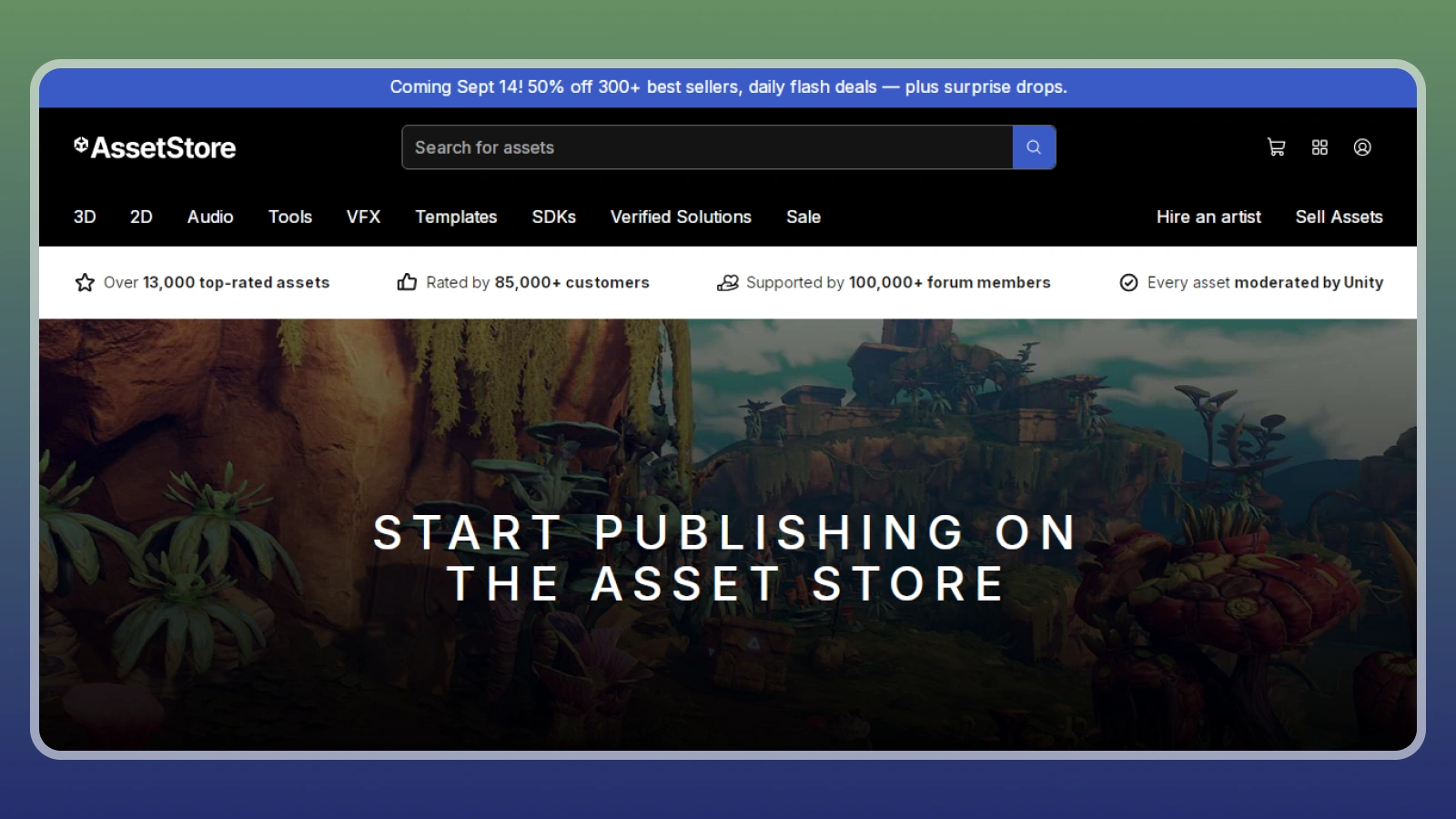
Game developers and digital artists can turn reusable work into ideas for passive income through Unity Asset Store. Models, shaders, tools, and scripts can all be licensed repeatedly after the original asset is finished.
Publishing currently costs $0, and Unity says publishers keep 70% of Asset Store revenue. The marketplace reaches over 1.7 million monthly users.
A $19.99 asset would leave roughly $13.99 per sale at a 70% share before applicable deductions. Twenty sales at that price would produce around $280.
- Publishing cost $0
- Publisher share 70%
- Minimum asset price $4.99
- Payout Monthly through PayPal or quarterly through bank transfer
That makes game assets one of the more relevant ways to make passive income for developers who already create reusable content.
Technical products may need maintenance. A model pack can stay useful for years, while a code tool may need updates when Unity changes. A common mistake is uploading an unfinished tool and relying on buyers to figure it out. Good documentation reduces support work later.
For anyone learning how to earn passive income through game development, the strongest asset is usually one that saves another developer real time.

3. Sell Digital Downloads on Etsy
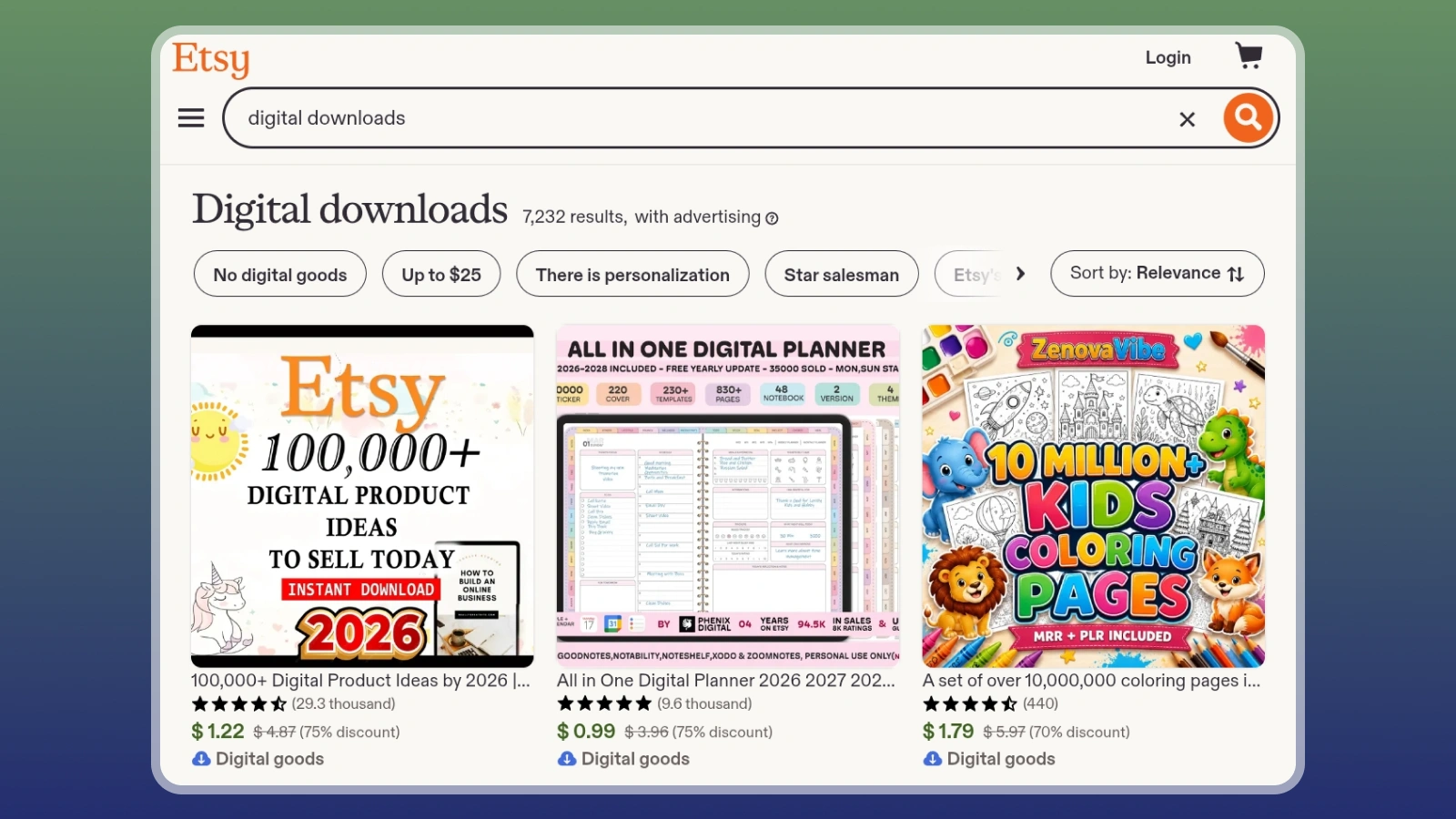
Digital products are among the most accessible ideas for passive income because Etsy can automatically deliver instant-download files after a customer pays. Templates, planners, and printable artwork can all be sold repeatedly.
For U.S. sellers, Etsy currently charges a $0.20 listing fee, a 6.5% transaction fee, and payment processing of roughly 3% plus $0.25.
Twenty sales of a $9.99 digital item would generate $199.80 in gross revenue. After those core U.S. fees, the seller would keep roughly $172 before taxes, setup fees, or any applicable Offsite Ads fees.
- Startup cost $0.20 per listing, plus any applicable shop setup fee
- Delivery Automatic for instant downloads
- Main costs Listing, transaction, and payment-processing fees
This is why digital downloads keep appearing among passive income ideas. Once the file and listing are finished, another sale requires very little extra work.
The mistake is building dozens of products before checking what buyers actually want. Start with a small related catalog and use real clicks and sales to guide the next products.
For ideas for passive income built around design, Etsy gives you an existing audience. Among the ways to make passive income online, that marketplace access is one of its strongest advantages.
4. License Beats Through BeatStars
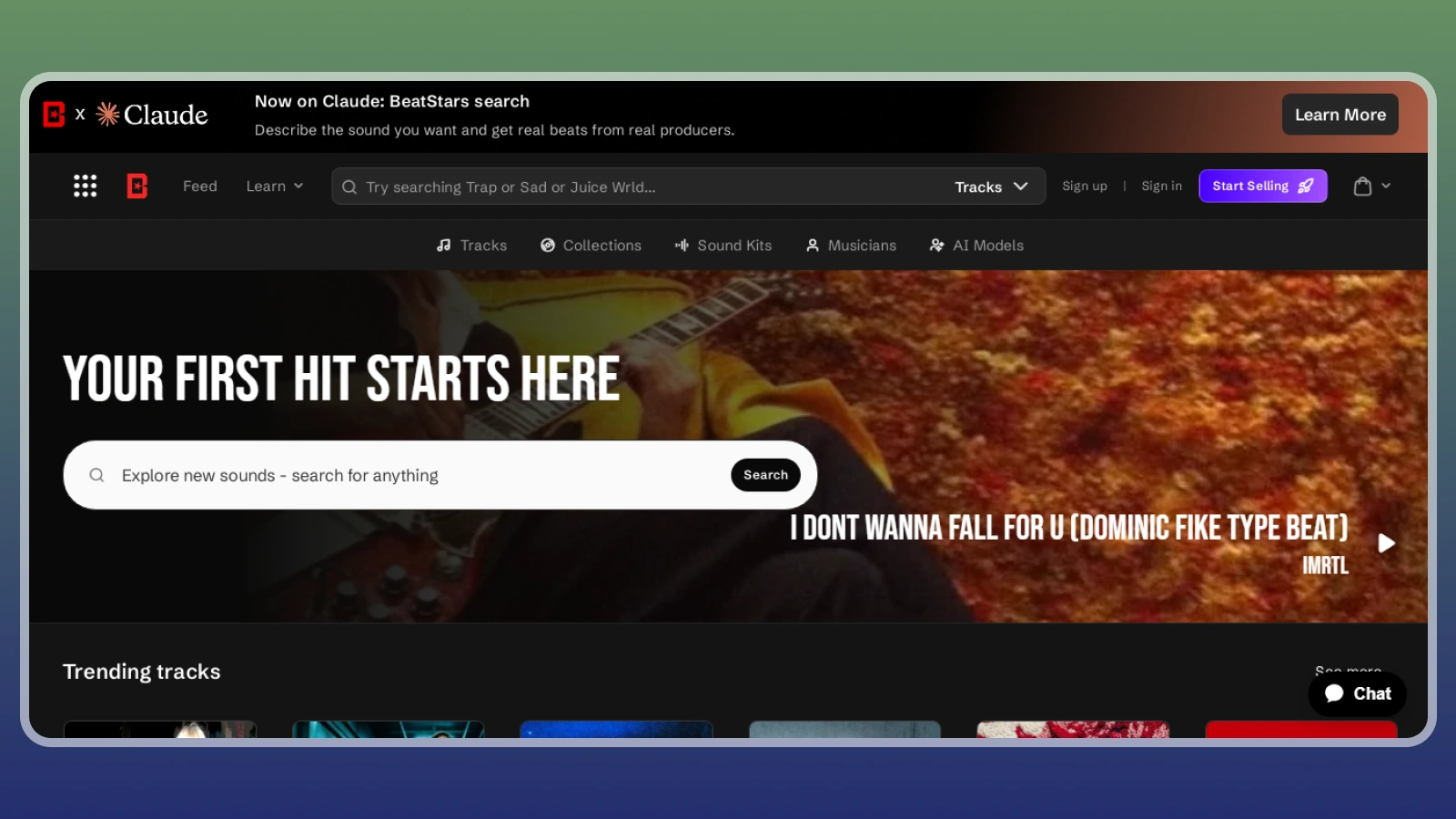
A non-exclusive beat can be licensed to several artists, which makes BeatStars one of the better ideas for passive income for music producers. You create the track once and set the terms for future buyers.
The Starter seller plan currently costs $19.99 per year or $4.99 per month. BeatStars takes 0% of beat-sale revenue itself, although payment-processing charges can still apply.
If you price a non-exclusive license at $29.99, ten sales would create $299.90 in beat-sale revenue before processing, taxes, and your subscription cost.
- Startup cost $19.99 yearly on the Starter plan
- BeatStars commission 0% on beat sales
- Payout Sent to the connected payment account after a completed sale
For producers, this is one of the best passive income ideas because the same beat can generate several non-exclusive licenses.
The harder part is discovery. Uploading one strong beat does not create traffic automatically. A useful catalog gives buyers several chances to find your work.
The common mistake is using unclear licensing terms. Buyers need to know exactly what each license allows before they pay.
Among ideas for passive income built around music, ownership matters too. Only license beats and samples you have the legal right to sell.

5. License Stock Photos and Video on Shutterstock
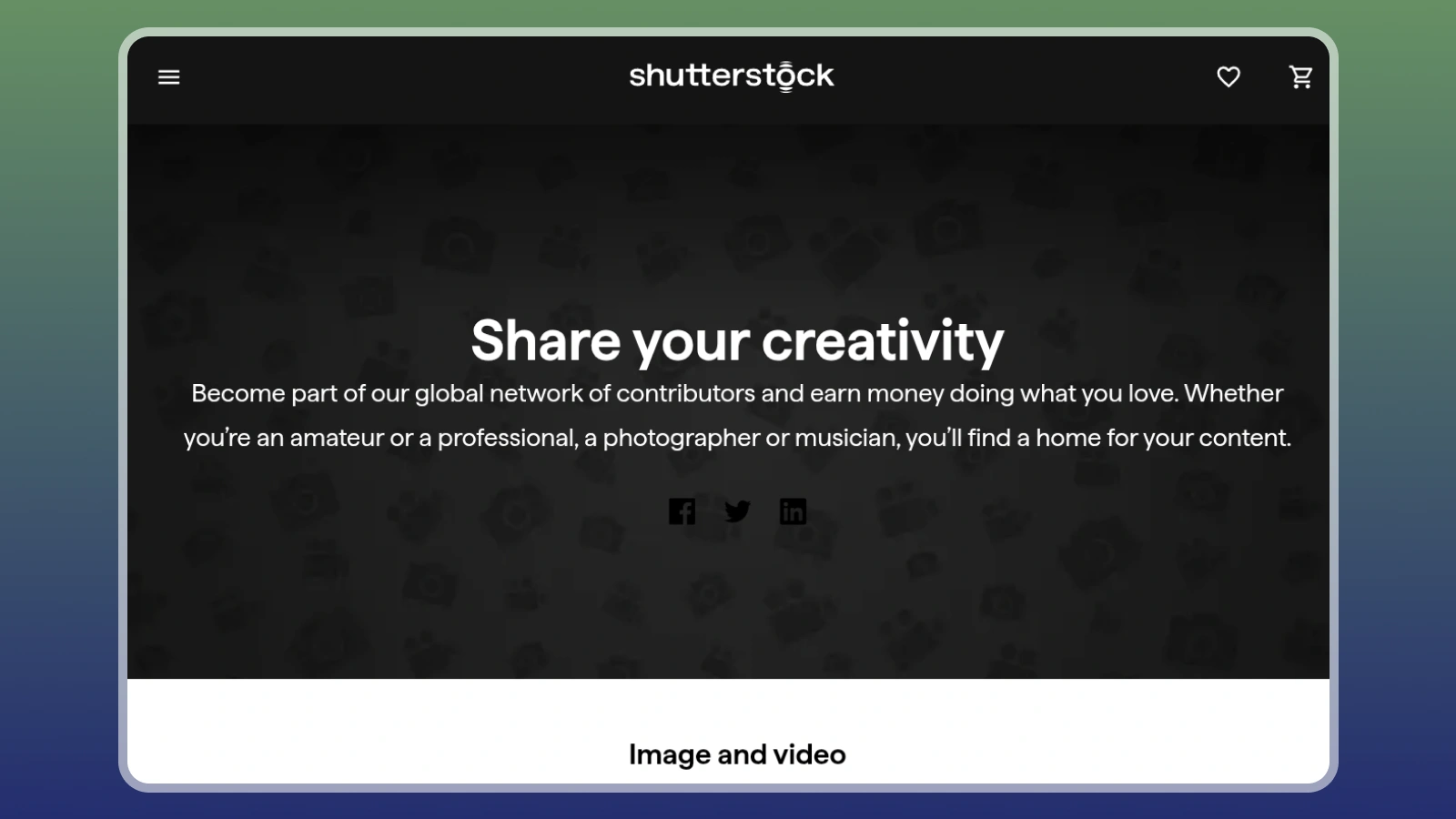
Stock licensing is one of the classic ideas for passive income because one approved image or video can be licensed repeatedly. Shutterstock handles the marketplace while you keep ownership of your original work.
Contributors currently earn 15% to 40% of the licensing revenue attached to each download. The platform says it has paid over $1 billion to contributors since 2003.
There is no useful universal monthly average because earnings depend heavily on the portfolio and customer demand.
- Startup cost $0 to submit
- Royalty range 15% to 40%
- Minimum payout $25
- Payout Monthly once the threshold is met
The best passive income ideas in stock media usually come from commercially useful subjects. A specific workplace situation or hard-to-stage scene can have a clearer buyer than a random photo from your camera roll.
A common mistake is thinking volume automatically creates income. A hundred weak images can still produce almost nothing if customers have no reason to license them.
For photographers and videographers exploring how to earn passive income, Shutterstock works best as a growing catalog. Each useful upload gives buyers another opportunity to discover your portfolio.

6. Sell Teaching Resources on Teachers Pay Teachers
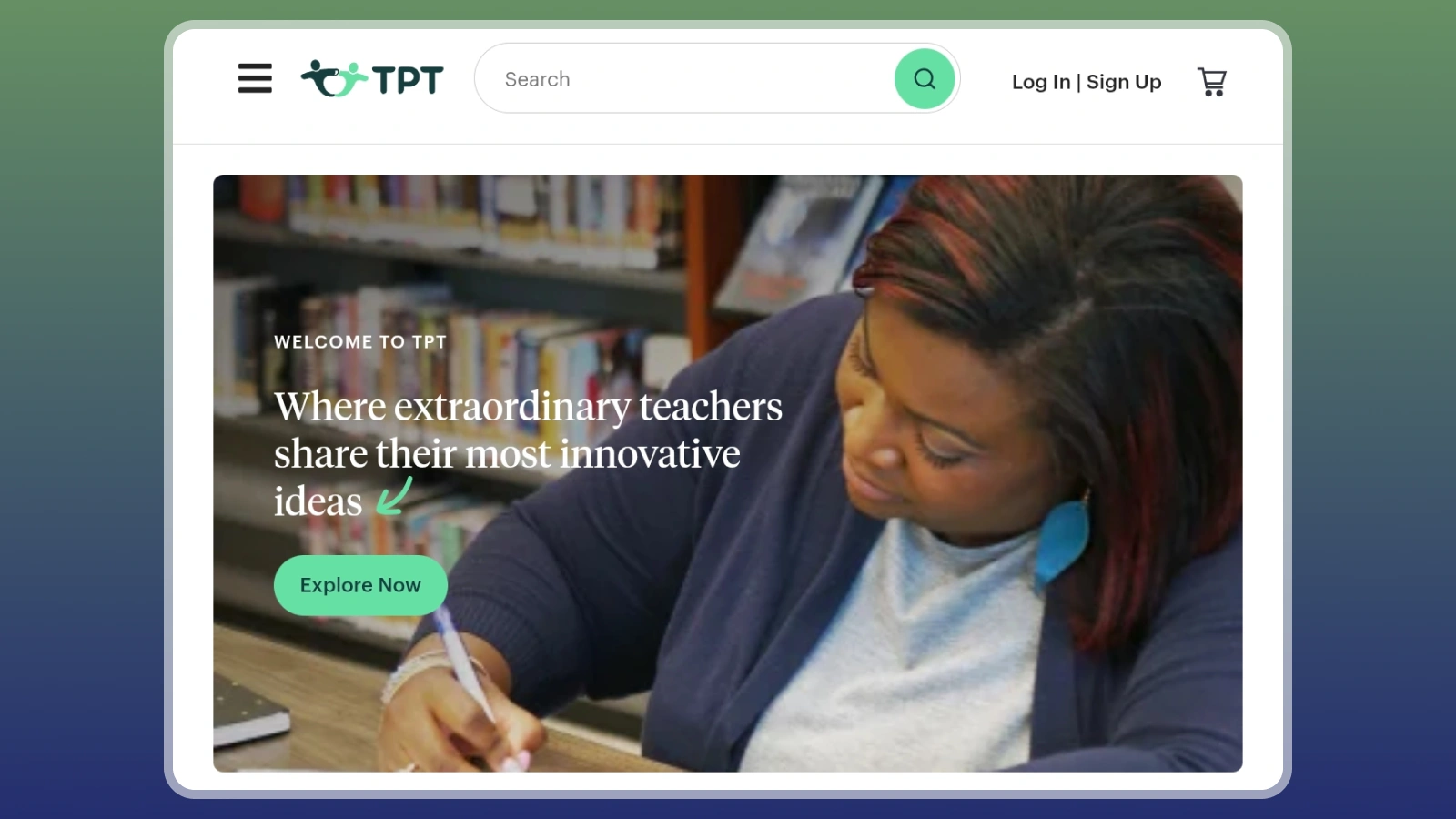
Teachers can turn worksheets, lesson plans, and classroom resources into ideas for passive income through Teachers Pay Teachers. Once uploaded, the same original resource can be sold to many educators.
A Basic Seller account currently costs $29 once and pays 55% of sales. Premium costs $59.95 per year and pays 80%.
Take a $5 resource sold 20 times. That creates $100 in revenue. A Basic Seller would keep around $49 after the platform share and twenty $0.30 transaction fees. A Premium Seller would keep about $80 before taxes under the current fee structure.
- Basic plan $29 one-time fee
- Premium plan $59.95 annually
- Seller share 55% or 80%
- Payout Monthly
For educators comparing ways to make passive income, this works best when you already have material that has proven useful in a real classroom.
A polished worksheet does not automatically make a good teaching resource. Another teacher needs to understand and use it independently. The common mistake is uploading files that rely on verbal instructions only you know. Clear directions make the product easier to adopt.
Among the best passive income ideas for teachers, reusable classroom material has a clear advantage because the buyer already understands what problem the resource needs to solve.

7. Sell Creative and Technical Assets on Envato Market
Envato Market lets creators license themes, code, graphics, music, and other reusable digital products. That makes it one of the broader ideas for passive income for designers and developers.
Authors set their item price. Under the current standard structure, Envato takes a 50% author fee from the item-price portion of a Market sale.
One of Envato’s own tax examples uses a $49 WordPress theme with a $12 buyer fee. That leaves a $37 item price, and the standard 50% author fee reduces the author’s amount to $18.50 before applicable taxes.
- Startup cost $0 to submit
- Standard author fee 50% of the item-price portion
- Minimum payout $50
- Payout Monthly on the 15th
The strongest passive income ideas on Envato are products that can sell repeatedly with limited upkeep. Graphics may need little maintenance, while code and themes can require ongoing compatibility updates.
That is the main reality check. A technical product with constant support requests can stop feeling passive very quickly. The common mistake is pricing only against competing products. Account for the support and maintenance your item may create.
For creators learning how to earn passive income through reusable digital work, choose an asset you can maintain efficiently after launch.

Ideas for Passive Income Compared
Comparing ideas for passive income side by side makes the tradeoffs much clearer. Free publishing does not guarantee easy sales, and a high royalty percentage matters less when the product has little demand.
| Method | Startup Cost | How You Earn | Payout |
|---|---|---|---|
| Self-published ebooks (Amazon KDP) | $0 | 35% or 70% ebook royalties | Monthly, about 60 days after sale month |
| Game assets (Unity Asset Store) | $0 | 70% publisher share | Monthly PayPal or quarterly bank transfer |
| Digital downloads (Etsy) | $0.20 per listing plus possible setup fee | Sale price minus marketplace and processing fees | Etsy Payments schedule |
| Beat licensing (BeatStars) | $19.99/year Starter plan | 0% BeatStars commission on beat sales | Funds go to connected payment account |
| Stock licensing (Shutterstock) | $0 | 15% to 40% licensing royalty | Monthly after $25 minimum |
| Teaching resources (Teachers Pay Teachers) | $29 once or $59.95/year | 55% Basic or 80% Premium payout rate | Monthly |
| Technical assets (Envato Market) | $0 to upload | Item price minus 50% author fee | Monthly after $50 minimum |
The line between passive and active income can get blurry once updates, customer support, or marketing enter the picture. Our guide to the meaning of passive income explains where that line sits and how much ongoing work can still count as passive.
The best passive income ideas here depend on what you already know how to make. For anyone comparing ways to make passive income with little upfront cash, KDP, Unity, Etsy, and Shutterstock can all start cheaply. The real investment is the time required to build something buyers consider useful.
Learning how to earn passive income becomes easier once you stop asking which platform pays the most and start asking which asset you can make better than a generic competitor.
If the passive income ideas you want involve investing cash or renting physical assets, our guide to smart passive income covers a different set of methods.
Add Small Rewards While Your Assets Build
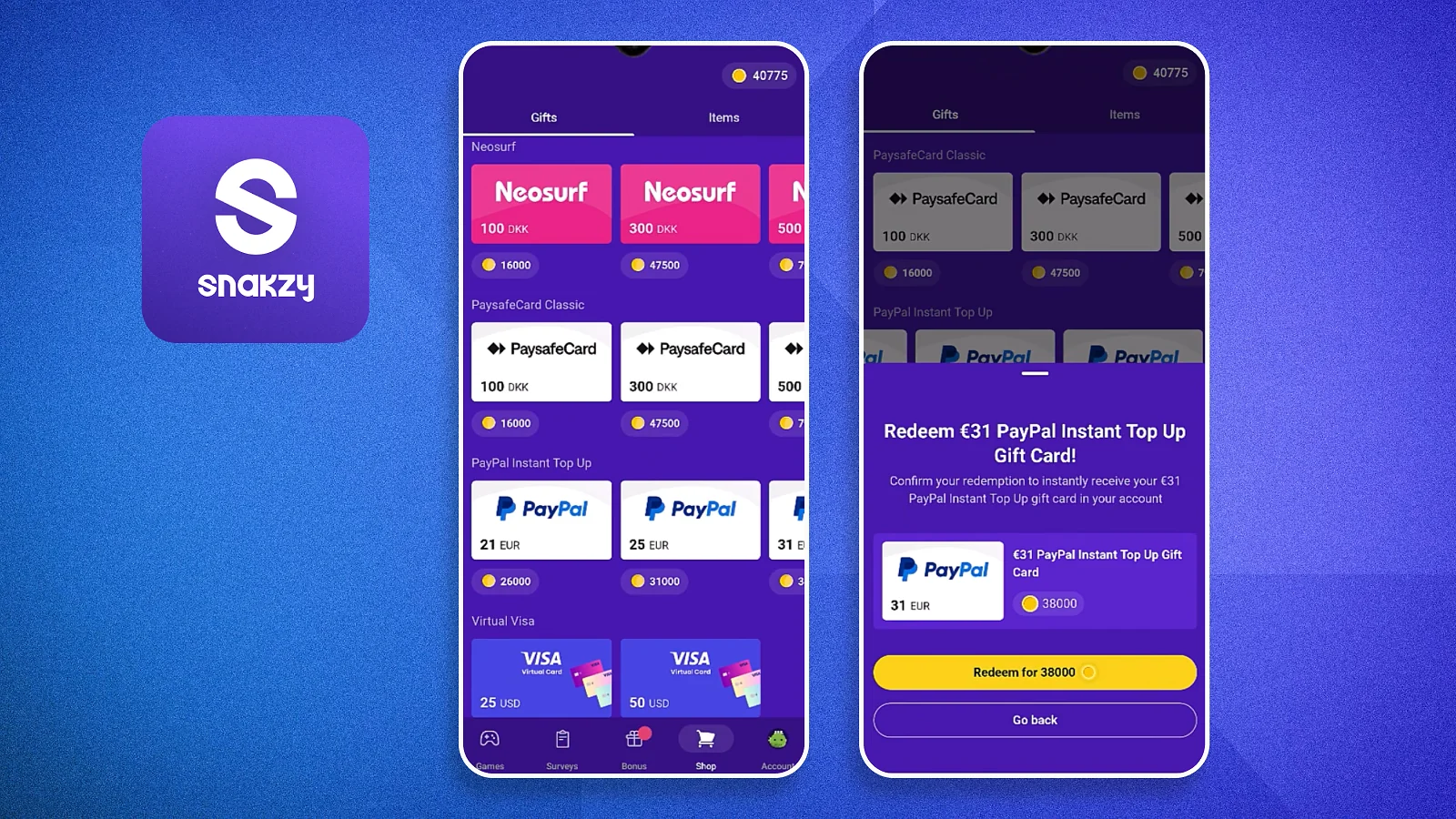
Reward apps are not one of the core ideas for passive income because you still have to complete activities to earn. They can provide small extra rewards while an ebook, asset store listing, or digital-product catalog is still waiting for sales.
If you want a deeper look at passive income with money-making apps, treat those apps as a supporting layer. A reusable asset remains the main strategy.
This is one of the simpler ways to make passive income-adjacent cash during downtime, but the earning ceiling is much lower than selling a product repeatedly.
Pick up small rewards while your digital products find buyers.

What Doesn’t Work
Bad ideas for passive income usually hide the work, the risk, or the ownership problem. A promise that skips those details is worth checking carefully before you spend money building around it.
- Copying copyrighted products. Reusing someone else’s characters, music, code, photos, or teaching materials can trigger removals and account penalties. Sell work you own or have the rights to license.
- Uploading generic resale-rights bundles unchanged. Buyers have little reason to choose a product they can find everywhere, and marketplace quality rules may create another problem.
- Treating royalties as guaranteed income. A 70% royalty or 80% seller payout only matters after a customer buys. Revenue share does not create demand.
- Ignoring maintenance. Themes, plugins, game tools, and teaching resources can need updates. Build that future workload into the product before calling it passive.
The best passive income ideas survive a basic test. You can explain what the customer buys, why they would pay for it, and how the platform sends your share.
Final Verdict on Ideas for Passive Income
The strongest ideas for passive income turn work you do once into something that can keep selling. I’d pick Amazon KDP as the best overall option because publishing costs nothing, the royalty structure is clear, and one finished ebook can generate repeated sales.
The best passive income ideas still depend on demand. Among the different ways to make passive income, start with the format that matches a skill you already have and prove someone will pay before building a larger catalog.
That is the practical answer to how to earn passive income. Finish one useful product, put it where buyers already shop, then use real sales to decide what you create next.
Pick up small rewards while your digital products find buyers.
FAQs
The best ideas for passive income for beginners use skills and tools you already have. Digital downloads, ebooks, stock media, and reusable creative assets can all start with low platform costs.
Yes. Several ideas for passive income have no publishing fee, including Amazon KDP, Unity Asset Store, and Shutterstock. You still need the time, skills, and equipment required to create the product.
The best passive income ideas for creative people include ebooks, game assets, digital templates, stock media, and licensable music. Pick the format that matches work you can produce consistently.
It depends on the product and marketplace. A digital item can sell soon after approval, but there is no guaranteed first-sale timeline. Most catalogs need time to build visibility and buyer trust.
Realistic ways to make passive income online include selling digital products, publishing ebooks, and licensing reusable creative assets. Each one requires upfront work before repeat sales become possible.
If you are learning how to earn passive income from digital products, create a reusable file, list it on a marketplace, and let the platform handle repeat checkout or delivery. Sales still depend on buyer demand.