


How to Create a Passive Income in 2026: 7 Real Ways That Work

Eneba Hub contains affiliate links, which means we may earn a small commission if you make a purchase through them—at no extra cost to you. Learn more


If you’re researching how to create a passive income, this guide ranks seven real, sourced methods rather than repeating the usual vague list of blogging, dividends, and real estate with no real numbers behind it.
“Passive” still means real upfront work here. This guide covers the honest timeline for each method and a practical breakdown of how to make passive income without skipping the unglamorous setup stage that most guru content leaves out. The list below is ranked, and each method includes a real earnings range and a startup cost.
| QUICK VERDICT | |
| Learning how to create a passive income realistically takes 10 to 40 hours of upfront, active work before the first sale or payout, plus a few more months of light, ongoing maintenance before a method runs with little day-to-day effort. Most people land in the $100 to $1,000 a month range, not four figures overnight. The fastest methods, like selling printables on Etsy, running a print-on-demand store through Printify, and one-off Printify designs, can see a first payout in as little as 30 to 90 days and are the most genuinely passive once launched. A Udemy course or a YouTube channel takes longer to ramp but can compound further over time. Pick one method and go deep before adding a second. |
Jump to:
Is a Passive Income Actually Realistic?
Yes, but “passive” is a misleading word. Learning how to create a passive income still requires real, often unpaid upfront effort before a method can produce income with little day-to-day work. Any guide to passive income for beginners should make that setup burden clear because nobody should expect meaningful money in week one.
Across the methods in this article, creating a passive income typically involves 10 to 40 hours of upfront setup before the first sale or payout. Most methods then need another 2 to 6 months of light maintenance before the income becomes reliably passive-ish. That timeline helps separate workable passive income ideas from faster-cash options. If you want cash sooner than that, Eneba’s guide to making money online fast covers more active, faster-turnaround options.
The strongest passive income ideas usually fit an existing skill and a schedule you can sustain for a few months. That is a more realistic way to create a passive income than trying to replace a full salary within weeks.
7 Real Ways to Create a Passive Income in 2026
These seven methods rank the best passive income streams 2026 has to offer by balancing realistic earning potential against upfront effort and cost. The figures come from each platform’s fee or royalty disclosures plus documented seller case studies.
1. Sell Digital Templates and Printables on Etsy
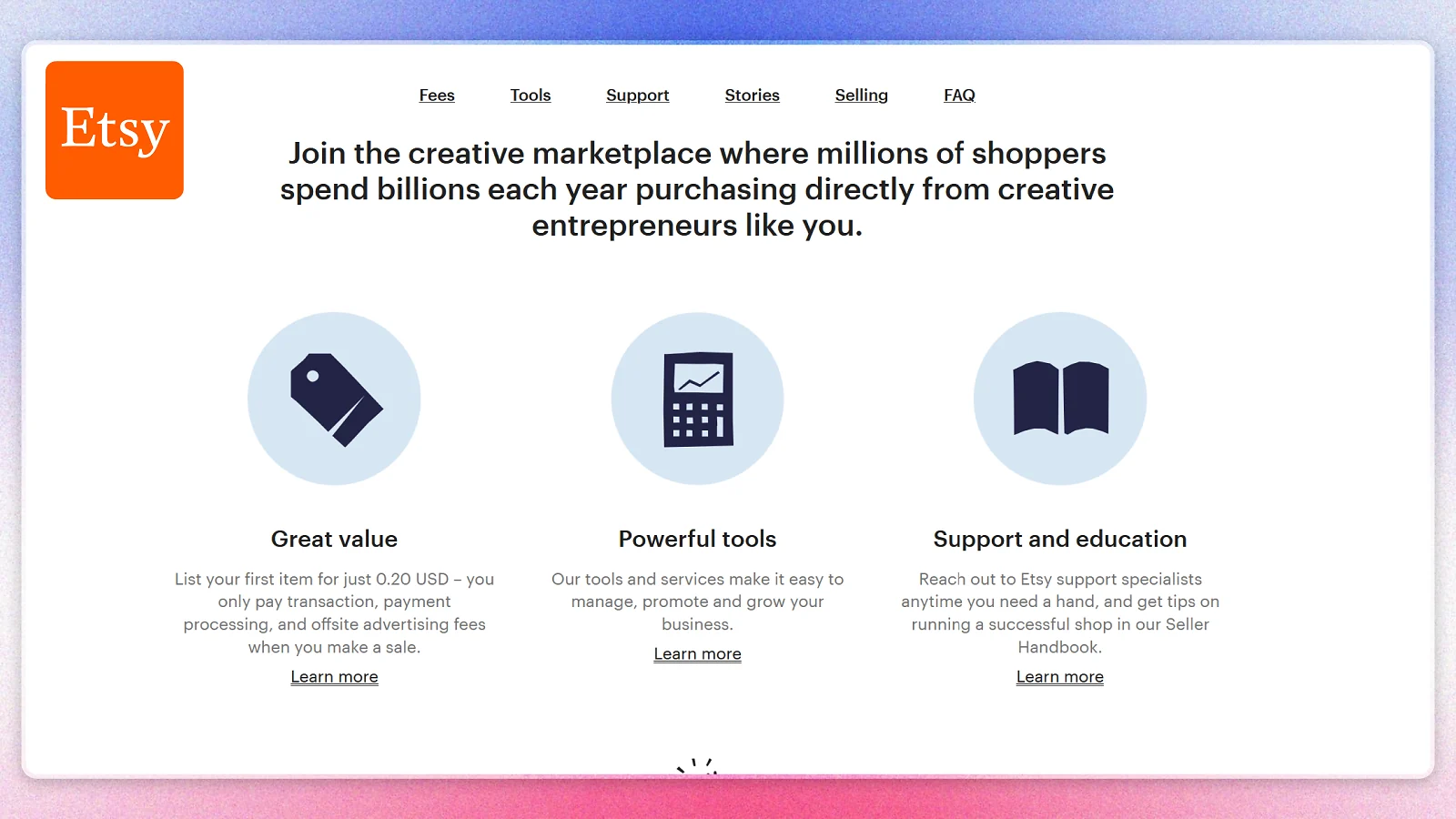
Digital printables are one of the clearest examples of how to create a passive income from a reusable product. Design a planner, budget tracker, or piece of printable wall art once, then list it with no reprinting or shipping required after each sale. Among low-cost passive income ideas, that repeat-sale model is the main appeal. New digital shops typically gross $100 to $1,000 a month, established printable sellers $200 to $2,000, and top niche sellers $3,000 to $10,000-plus.
The fee stack eats into gross revenue:
- Transaction fee: 6.5%
- Payment processing: about 3% plus $0.25
- Listing fee: $0.20 per listing
- Offsite Ads: 12% to 15%, mandatory above $10,000 a year in sales
- Startup cost: $15 to $29 shop setup fee plus $0.20 per listing
One documented Etsy shop offers a useful benchmark for how to create a passive income, with $1,200 in monthly sales leaving roughly $800, or about 67%, after fees.
Personal-finance blogger Michelle Schroeder-Gardner of Making Sense of Cents documented earning $6,161 in the first four months of a brand-new Etsy printables shop. That result is useful evidence for making passive income with printables, but the model still needs maintenance.
Shops that stop refreshing SEO tags and adding new listings can plateau fast. First sales for anyone learning how to create a passive income typically land 30 to 60 days after listing, and Etsy can hold new-seller payments for up to 20 business days as a fraud-prevention reserve, so the first payout may arrive later than the first sale.

2. Launch a Print-on-Demand Merch Store With Printify and Etsy
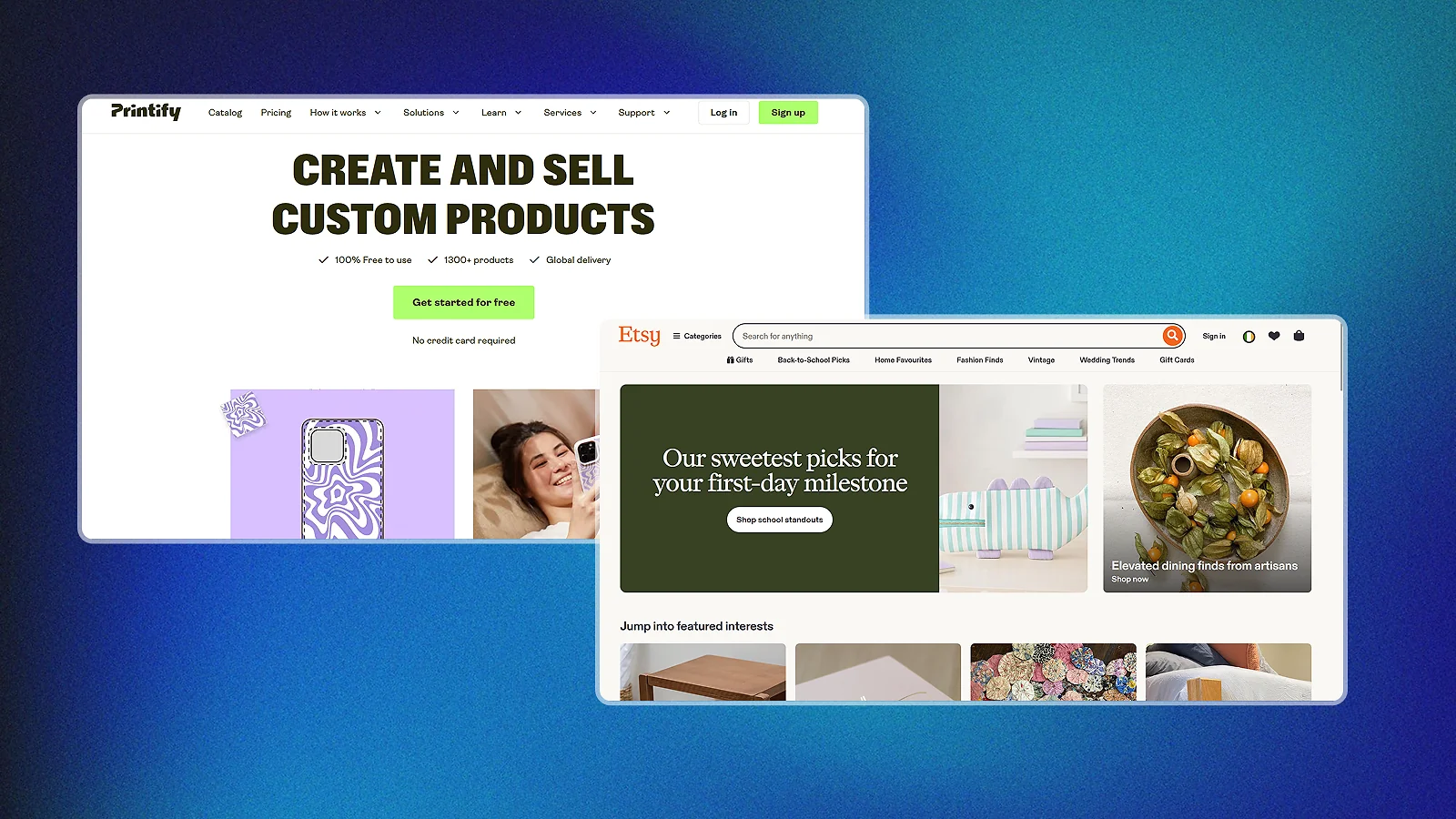
Print-on-demand shows how to create a passive income with no inventory purchase upfront. Connect a free Printify account to a storefront such as Etsy or Shopify, then upload original designs onto shirts, mugs, hoodies, and totes. Printify charges production and shipping after a customer orders. That low entry cost is why print-on-demand appears often in guides to passive income for beginners.
You also do not need to build a large catalog from day one. One of the lower-commitment passive income strategies is to test individual designs one at a time, then invest more effort into the products that actually sell. Typical per-item profit after Printify’s product and fulfillment cost runs around:
- T-shirts: $8 to $15
- Mugs: $5 to $10
- Hoodies: $15 to $25
- Tote bags: $6 to $12
Beginner sellers gross $50 to $500 a month, full-time sellers $2,000 to $7,000 a month, and top sellers $10,000 to $50,000-plus a month, according to Printify’s own figures. Treat those numbers as directional because they are not independently verified.
Printify recommends targeting a 40% to 50% net margin after production costs and marketplace fees. Startup cost for testing how to create a passive income stream through merch is $0 on the free plan, with the optional Premium plan at $39 a month, or $24.99 a month billed annually.
Printify cites a seller who reached $525,000 in cumulative Etsy sales over two years using this model. The case shows how to create a passive income at scale through repeat product sales, though it is a selected success story and not a typical result.
The common mistake is pricing too close to Printify’s base cost plus shipping, which lets Etsy’s roughly 12% to 15% stacked fees erase much of the profit per sale. A new store typically sees its first sale in 30 to 60 days.
3. License Stock Photos and Video Through Adobe Stock and Shutterstock
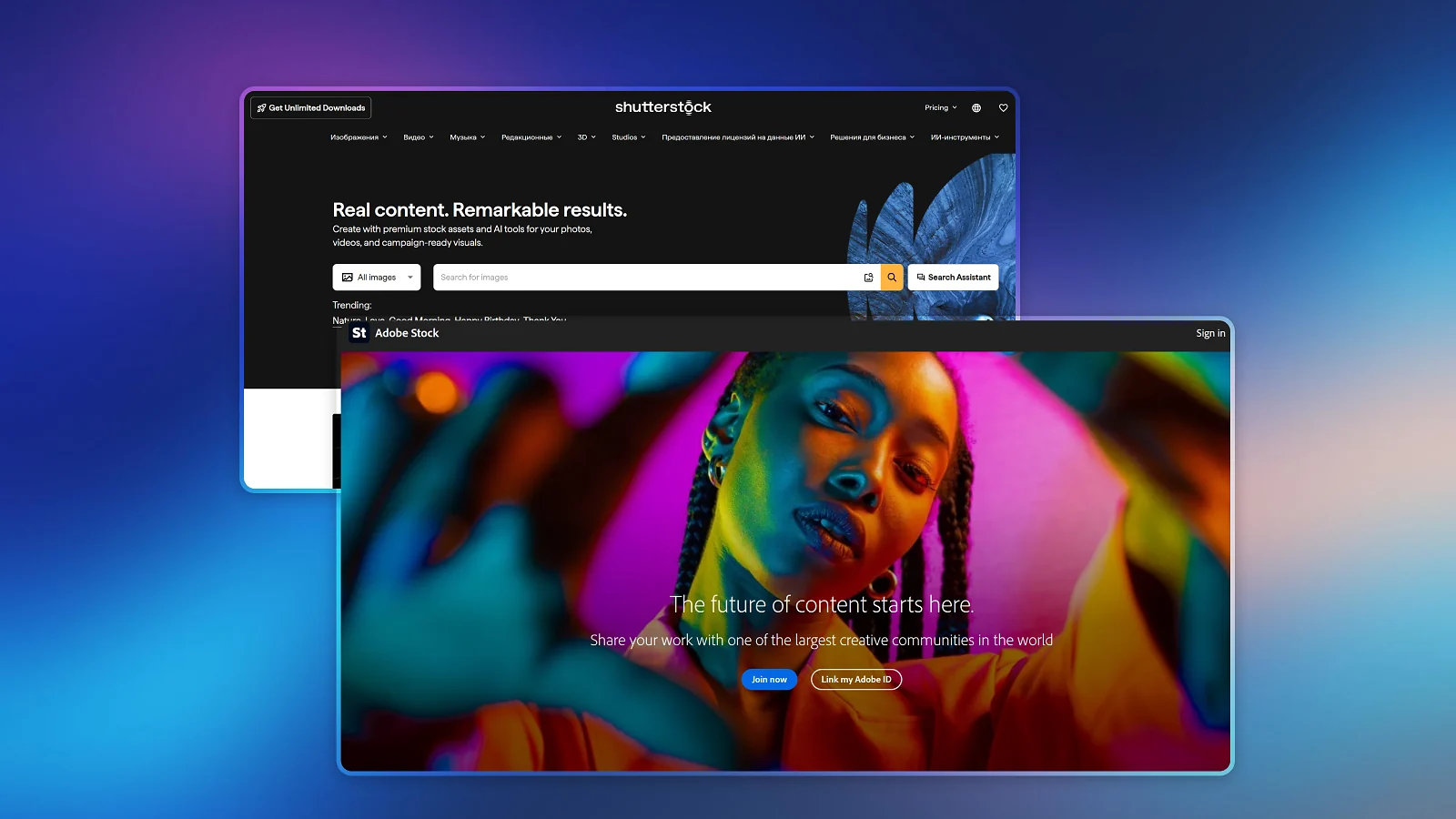
Stock licensing shows how to create a passive income from photos, vectors, or footage that can keep earning royalties after upload. Spreading a portfolio across several platforms gives you more diversification than relying on one. For photographers, it can rank among the best passive income streams 2026 has to offer once the portfolio is large enough to generate repeat downloads.
Royalty rates are a key difference when deciding how to create a passive income stream across the two platforms.
- Adobe Stock: 33% of net price for image and 35% of net price for video
- Shutterstock: 15% to 40% per download, with contributor tiers resetting to the lowest level every January 1
Portfolio size is also the biggest lever for anyone trying to make passive income scale, since it has a major effect on the earning range. Third-party industry estimates put 100 to 500 images at roughly $30 to $200 a month, while professional portfolios of 5,000 to 20,000-plus images across multiple platforms can reach roughly $1,000 to $5,000 a month. These are not platform-disclosed averages.
Submitting is free, though camera or video gear can cost anywhere from $0 for a smartphone to $1,000-plus for a professional kit.
Photographer Kaspars Grinvalds states that he earns roughly $4,200 a month from a 9,580-image portfolio spread across Shutterstock, Adobe Stock, iStock, Canva, and 123RF, which is a self-reported figure. His scale is a useful lesson in how to create a passive income through stock licensing because meaningful benchmarks usually assume portfolios in the thousands.
Among the ways to create a passive income through stock photography, uploading only a handful of images is one of the least effective, since results depend on portfolio size more than luck. Shutterstock also resets contributor tiers every January 1 regardless of the prior year’s performance.
4. Create and Sell an Online Course on Udemy
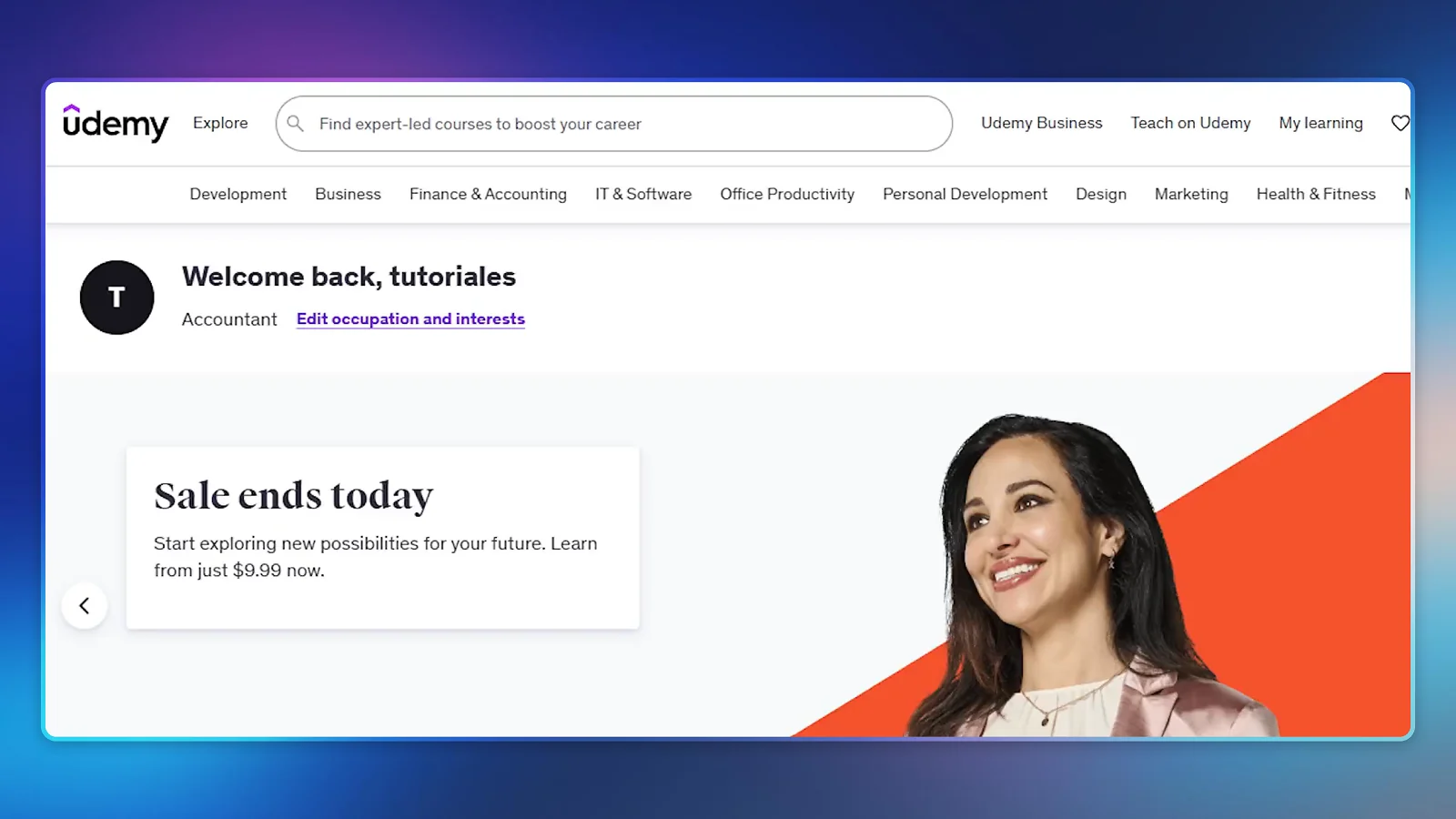
An online course is another example of how to create a passive income from a skill you already have. Record the course once, publish it free on Udemy, then make occasional updates as needed. It is also a practical option in guides to passive income for beginners because publishing itself costs nothing.
Different passive income strategies on Udemy earn different revenue shares, depending on where the sale comes from:
- Organic marketplace sales: 37%
- Instructor coupon or referral sales: 97%
- Udemy Business consumption: 15%
When judging how to create a passive income on Udemy, the average instructor figure of about $3,306 a year gross is heavily top-skewed. Most instructors earn under $1,000 a year, and only about the top 1% clear $50,000-plus. Startup cost is $0 to publish, while optional recording gear runs roughly $50 to $300 if you don’t already own any.
Per an earnings-roundup aggregator, instructor Rahul Iyer has earned over $250,000 teaching on Udemy. A 2015 Udemy press release cited at the time by EdSurge stated that the platform’s then all-time top 10 earners had made a combined $17 million.
A course catalog is another example of how to create a passive income from work completed upfront, but one published course does not become passive by itself. Relying only on Udemy discovery also leaves instructors at the 37% organic marketplace share. Payouts run monthly about 45 days after the sale month ends once the balance reaches $25, so the first payout realistically takes 6 to 10 weeks after the first sale.
5. Build a Content and Affiliate Income Engine on YouTube and a Blog

Evergreen content is a classic example of how to create a passive income because published videos and articles can keep earning ad revenue and affiliate commissions long after they go live. For creators researching how to make passive income from content, the main tradeoff is time. This is the slowest ramp of the seven methods here, but it has the highest long-term compounding potential.
YouTube’s ad-revenue split is officially 55% to the creator, 45% to YouTube, on long-form video, with Shorts using a separate pooled fund. For creators researching how to create a passive income stream on YouTube, the eligibility bar is 1,000 subscribers plus 4,000 valid public watch hours in the trailing 12 months, or 1,000 subscribers plus 10 million public Shorts views in 90 days.
Realistic RPM, revenue per 1,000 views after YouTube’s cut, runs roughly $2 to $8 for monetized long-form channels, hedged as third-party industry estimates since YouTube doesn’t publish official per-niche RPM data. This is one of the lowest-cost ways to create a passive income on this list, with startup cost at $0 since a phone and free editing software is enough.
Affiliate links alone rarely make passive income add up as fast as new creators expect, with realistic income for new creators running $0 to $1,000 a month in year one and most beginners reaching only about $300 to $500 a month by month twelve. The common mistake is confusing CPM, what advertisers pay per 1,000 impressions, with RPM, what the creator actually nets, which overstates expected earnings.
The second mistake is relying on ad revenue alone without stacking affiliate links and sponsorships. It’s a gap that shows up directly in how much this method can realistically contribute to how to create a passive income overall. AdSense pays out once the balance hits a $100 minimum, finalized around the 3rd of the following month and paid roughly 21 days later.
6. Sell Broader Digital Products via Etsy or Gumroad
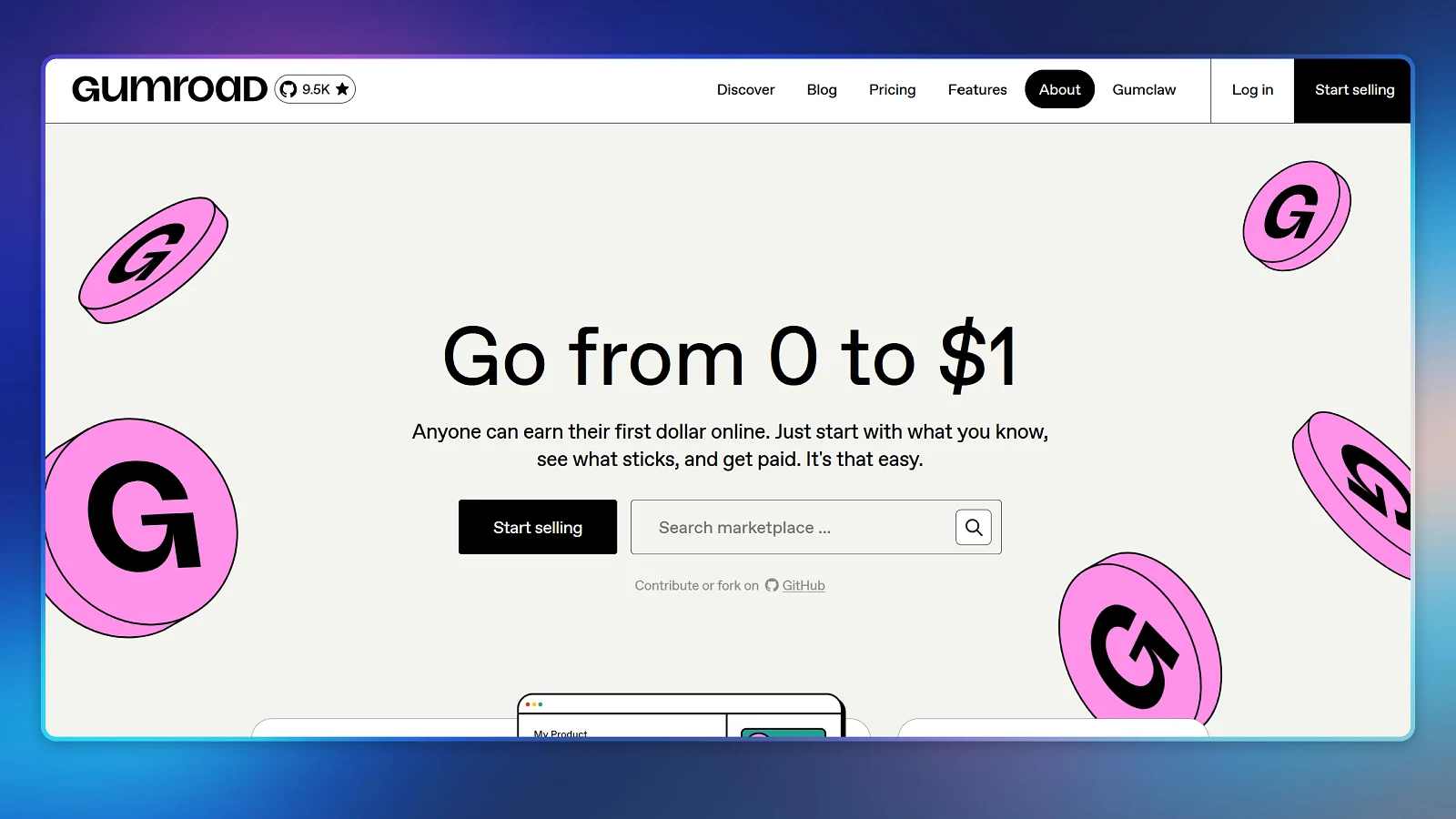
Broader digital products offer another route for how to create a passive income through reusable files such as ebooks, worksheets, small tools, and license packs. They are among the more flexible passive income ideas because the same product can be sold repeatedly after the initial build. Etsy supports digital downloads, while Gumroad has acted as merchant of record since January 2025.
Beginners can make passive income through digital products at roughly $200 to $1,000 a month in year one, while sellers with 100-plus optimized listings report $2,000 to $10,000 a month gross before fees. The aggregated storewide median across all Etsy sellers is around $574 a month, with most shops under $100 a month.
Fee structures are one of the clearest ways to compare passive income strategies across the two platforms, and here they differ significantly.
| Etsy | Gumroad |
| Listing fee: $0.20 per listingTransaction fee: 6.5%Payment processing: roughly 3% plus $0.25Offsite Ads: 12% to 15% once a shop passes $10,000 a year | Direct sales: 10% plus $0.50 per saleGumroad Discover sales: 30% |
Those fees matter when working out how to create a passive income through digital products because they directly reduce real monthly take-home.
Effective August 11, 2026, Etsy’s Creativity Standards update narrows the ways to create a passive income through digital products by requiring listings to use the seller’s own original design. Purchased or commercially licensed templated designs are no longer allowed unless substantially transformed, even with a valid license. The common mistake this creates: buying a PLR pack and reselling it with minimal changes is now an outright Etsy policy violation, not just a copyright gray area.
Sellers who want to keep using licensed template bases should sell via their own site or Gumroad instead, where no such originality policy applies. Etsy also holds new-seller payments up to 20 business days after the first sale as a fraud-prevention reserve.
7. Build a Dedicated Adobe Stock Portfolio

A dedicated Adobe Stock portfolio shows how to create a passive income through one platform, one dashboard, and one set of contributor rules. For photographers who prefer depth on a single platform, it sits among the best passive income streams 2026 offers.
For contributors deciding how to create a passive income stream on Adobe Stock, the confirmed royalty is 33% of net sale price for photos, vectors, and illustrations and 35% for video. Per-file earnings vary hugely by license type: subscription-plan downloads pay roughly $0.30 to $1 per image, while credit-pack or extended-license sales can pay $2 to $25-plus per file. The payout threshold is a $25 minimum account balance, confirmed on Adobe’s own contributor page, plus a standard 30% automatic tax withholding for contributors without a valid tax form on file.
Each submitted asset typically takes 5 to 15 business days for content review, with backlog periods reaching about 8 weeks and AI-generated submissions taking 1 to 2 months. That delay matters when learning how to create a passive income from a stock portfolio because approval comes before any download can pay.
Contributor forum posts give rough benchmarks for these passive income strategies, with community self-reports describing roughly 1,600 EUR from 65 premium images in a year or $1,410 from 91 downloads. The common mistake for anyone learning how to create a passive income stream around volume alone is assuming a high download count guarantees high income, when most subscription-plan downloads pay only a fraction of a dollar per file.
These methods differ enough in startup cost, time to first payout, and realistic income that comparing them side by side makes how to create a passive income easier to plan. Each one represents a different shape of passive income ideas, better suited to different skills and starting budgets. Passive income apps sit outside this ranking because their earning ceiling is lower and they work better as a quick-cash supplement.
| Method | Startup Cost | Time to First Payout | Realistic Monthly Income |
|---|---|---|---|
| Etsy printables | $15–29 shop fee + $0.20/listing | 30–90 days | $100–10,000+ (gross) |
| Printify + Etsy store | $0–39/month | 30–60 days | $50–50,000+ (gross) |
| Adobe Stock / Shutterstock (multi-platform) | $0–1,000+ (gear) | 5–15+ business days review, then per-download | $30–5,000 |
| Udemy course | $0–300 | 6–10 weeks after first sale | ~$275/month average (highly top-skewed) |
| YouTube + blog | $0 | 6–12+ months to monetization eligibility | $0–1,000 in year one |
| Etsy / Gumroad digital products | $0.20/listing or 10%+$0.50/sale | 30–90 days | $200–10,000 (gross) |
| Dedicated Adobe Stock portfolio | $0–1,000+ (gear) | 5–15+ business days review, then per-download | $0.30–$25+ per file (forum self-reports ~$1,400–1,800/year) |
Boost Your Passive Income With Quick-Cash Reward Apps
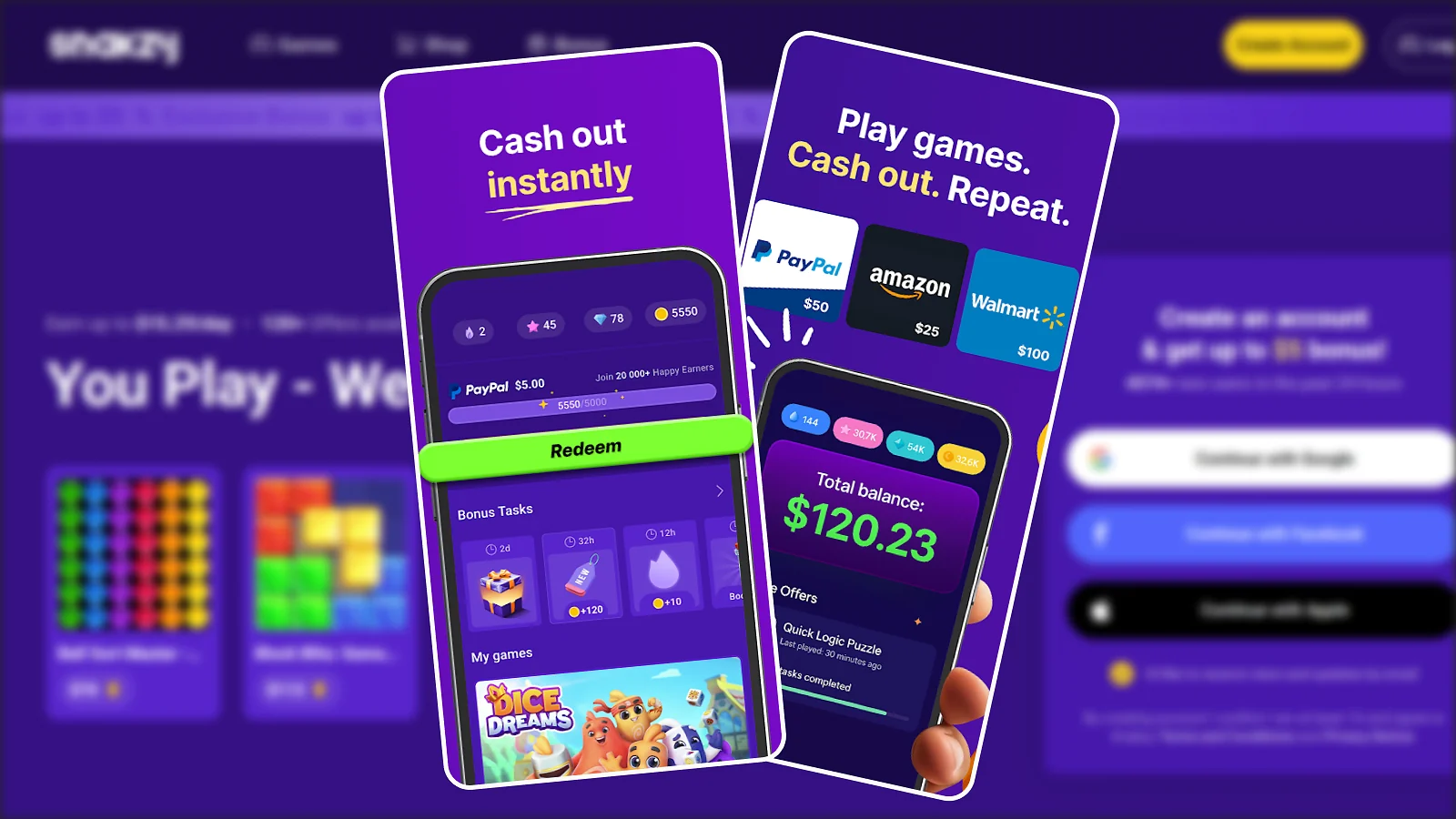
While the seven methods above are still ramping up, Eneba’s roundup of money-making apps covers a faster-cash layer. Anyone learning how to create a passive income should treat reward and cashback apps as a supplement while a printables shop or stock portfolio grows. These products often appear in lists of passive income apps, but their earning ceiling is much lower than the methods ranked above.
All three apps below are free to join with real, verifiable minimum payouts, and any reward balance you build up is also a simple way to cash out toward gaming credit rather than letting it sit unused. None of these apps make passive income on their own, but they smooth out the wait while a real method above builds.
Snakzy pays out fast, whenever you’re ready to cash out.

What Doesn’t Work
- Reselling licensed templates as your own. It’s a poor route for anyone figuring out how to create a passive income on Etsy. Since August 11, 2026, buying a commercially licensed template pack and reselling it with minimal changes has been a policy violation even when the license was legally purchased.
- Bulk-uploading unedited stock photos hoping volume alone pays off. Most subscription-plan downloads pay a fraction of a dollar per file, so quantity without quality or proper releases just wastes review-queue time.
- “Guaranteed six-figure” course and coaching upsells are a red flag. The FTC warns against income-claim coaching programs, and the real Udemy data above tells a different story, since most instructors earn under $1,000 a year. Steer clear of anyone selling a shortcut version of how to create a passive income. The slow, method-specific approach covered here is the real version.
- Chasing YouTube ad revenue alone with no second income stream. The CPM-versus-RPM confusion from method five applies here too. Creators who rely on ads only, without affiliate links or sponsorships, are underpowered compared to those who stack multiple revenue types.
Final Verdict on How to Create a Passive Income in 2026
Anyone learning how to create a passive income in 2026 should expect front-loaded work. Every method above requires weeks of unpaid setup before it produces anything close to passive.
Pick one method that matches a skill or interest you already have and commit to it for at least 3 months before judging the result. The practical lesson in how to make passive income is to let one method build momentum before adding another. Treat passive income apps as a side supplement while that method ramps up. Once it has traction, Eneba’s guide to side hustles to start this week is worth a look for a faster-cash option you can run alongside it.
FAQs
Learning how to create a passive income does not require a large starting budget, since most methods here cost $0 to $40 to start. Stock photography is the main exception if you need to buy camera gear.
No. Every method covered here, Etsy, Printify, Adobe Stock, Udemy, and YouTube, requires real upfront setup time before it produces income without ongoing effort. Anyone looking into how to create a passive income should expect that setup phase first.
Most Etsy and Printify sellers see a first sale in 30 to 60 days, while a Udemy course or YouTube channel typically takes weeks to months longer. When learning how to make passive income, first-dollar timing depends heavily on the method you choose.
Selling digital printables on Etsy or launching a Printify print-on-demand store are the most beginner-friendly, since both are free or near-free to start and don’t require an existing audience, making them a solid entry point into passive income for beginners specifically.
Yes. The methods above show how to create a passive income that can reach $1,000 a month, but most Etsy sellers, Printify stores, and stock portfolios need several months of consistent listing and promotion to reach that level.
Yes, in most countries passive income from platforms like Etsy, Printify, Adobe Stock, Udemy, and YouTube is taxable. Check with a local tax professional for advice specific to you.