

Meaning of Passive Income: How It Works and How Much You Can Earn

Eneba Hub contains affiliate links, which means we may earn a small commission if you make a purchase through them—at no extra cost to you. Learn more


The meaning of passive income is money earned with little ongoing effort after the initial setup. Two accessible options are dividend investing and high-yield savings accounts, which can generate modest payouts within one to three months.
“Passive” exists on a spectrum, though. Savings interest and dividends require little ongoing work, while online courses and stock photo portfolios need upfront effort before becoming hands-off.
So how does passive income work? Real passive income is achievable on a normal budget, but realistic earnings range from about $400 a year in a high-yield savings account to a few thousand dollars through dividends, real estate crowdfunding, or content royalties. Below are legitimate methods to help you choose based on your available time and capital.
| QUICK VERDICT |
| Dividend ETF investing is the most realistic passive starting point, with real quarterly income, no ongoing work once you own a share, and a low minimum. Schwab offers an easy way to invest in dividend ETFs. A high-yield savings account is the zero-risk alternative for anyone who wants no setup cost. |
Jump to:
Is Passive Income Actually Realistic?
Yes, it’s realistic if you’re exploring the meaning of passive income, how it works, and how much you can earn on a normal starting budget, landing in the range of a few hundred to a few thousand dollars a year. How much you end up with depends almost entirely on how much capital or upfront creative work you’re willing to put in before the passive part actually starts.
There’s a technical wrinkle worth knowing when researching passive income examples. The IRS defines passive income narrowly as business activity you don’t materially participate in, plus rental real estate. Dividends and interest are technically portfolio income in that framework.
Personal-finance content uses passive income in the broader everyday sense that includes dividends and interest, so it’s worth knowing both usages exist, especially when tax season comes around. That tax-code nuance is a small but real part of the meaning of passive income.
This realistically works for two kinds of people: someone with some capital to deploy, anywhere from $10 to $2,500, or someone with real hours to spend building a content or creative asset before payouts start.
The catch is that all types of passive income below ask for one of those two things up front. Investing and lending need money first, while courses and stock photography need months of unpaid work first.
7 Real Ways To Earn Passive Income
Nothing on this list is both zero-cost and zero-effort while still paying meaningfully. That trade-off is the core of the meaning of passive income.
1. Dividend ETF Investing
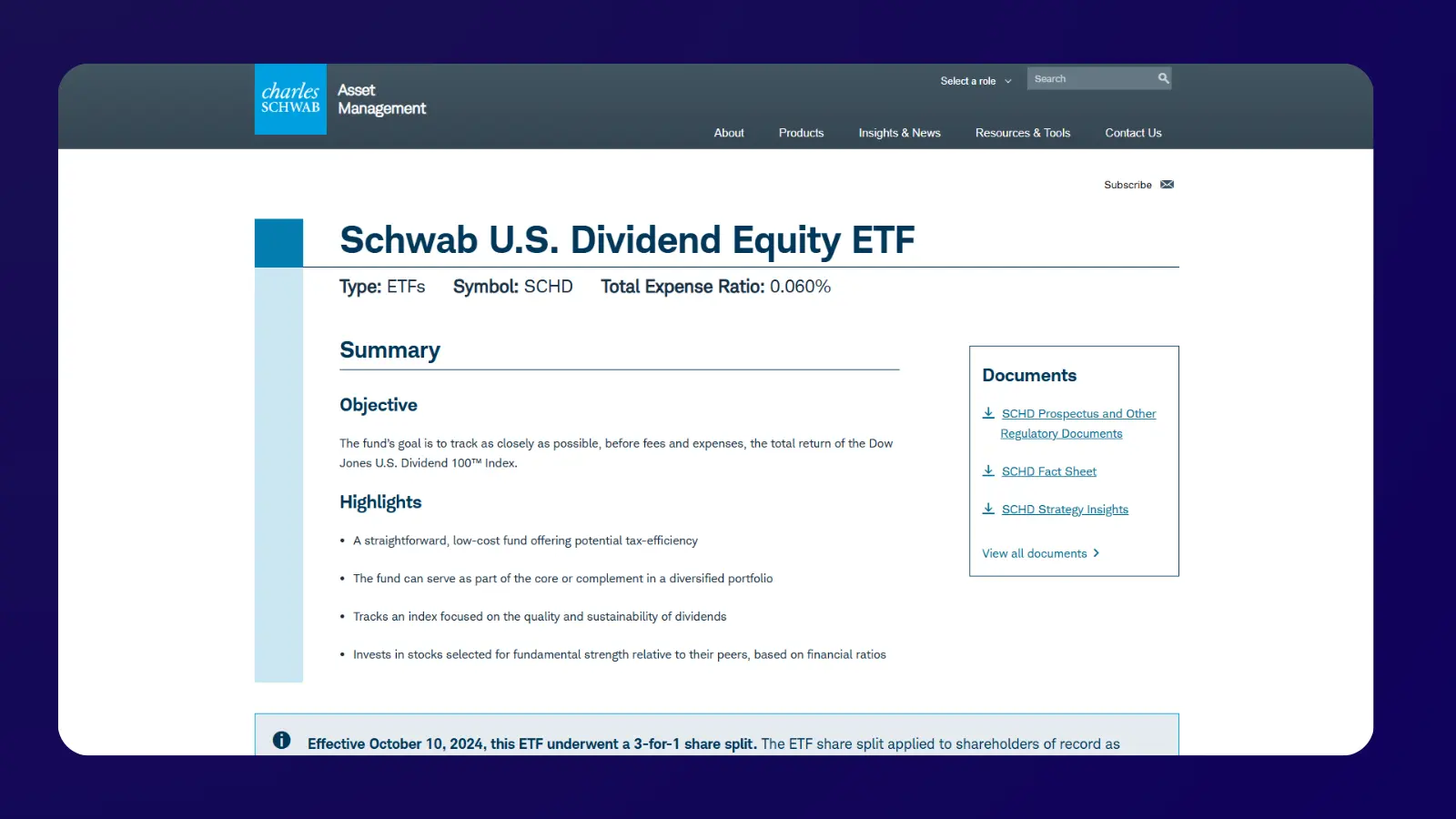
Dividend ETF investing is one clear illustration of the meaning of passive income. A single share of Schwab’s SCHD dividend ETF carried a 2.89% forward yield as of August 30, 2026, on a roughly $34.92 share price. On a $10,000 position, that works out to about $289 a year, paid quarterly, without selling a single share.
You can buy in through any brokerage account with no minimum beyond the price of one share, around $35. The first payout can take up to three months since dividends arrive quarterly rather than monthly. Don’t chase whichever dividend ETF shows the single highest yield on a screener instead of one with a stable payout history, since some high-yield funds cut their distributions in a downturn.
Getting started requires a brokerage account and meeting the account’s age requirements, along with enough money to make your initial investment. This makes dividend ETF investing one of the lower-barrier ways to explore the meaning of passive income.

2. High-Yield Savings Account Interest
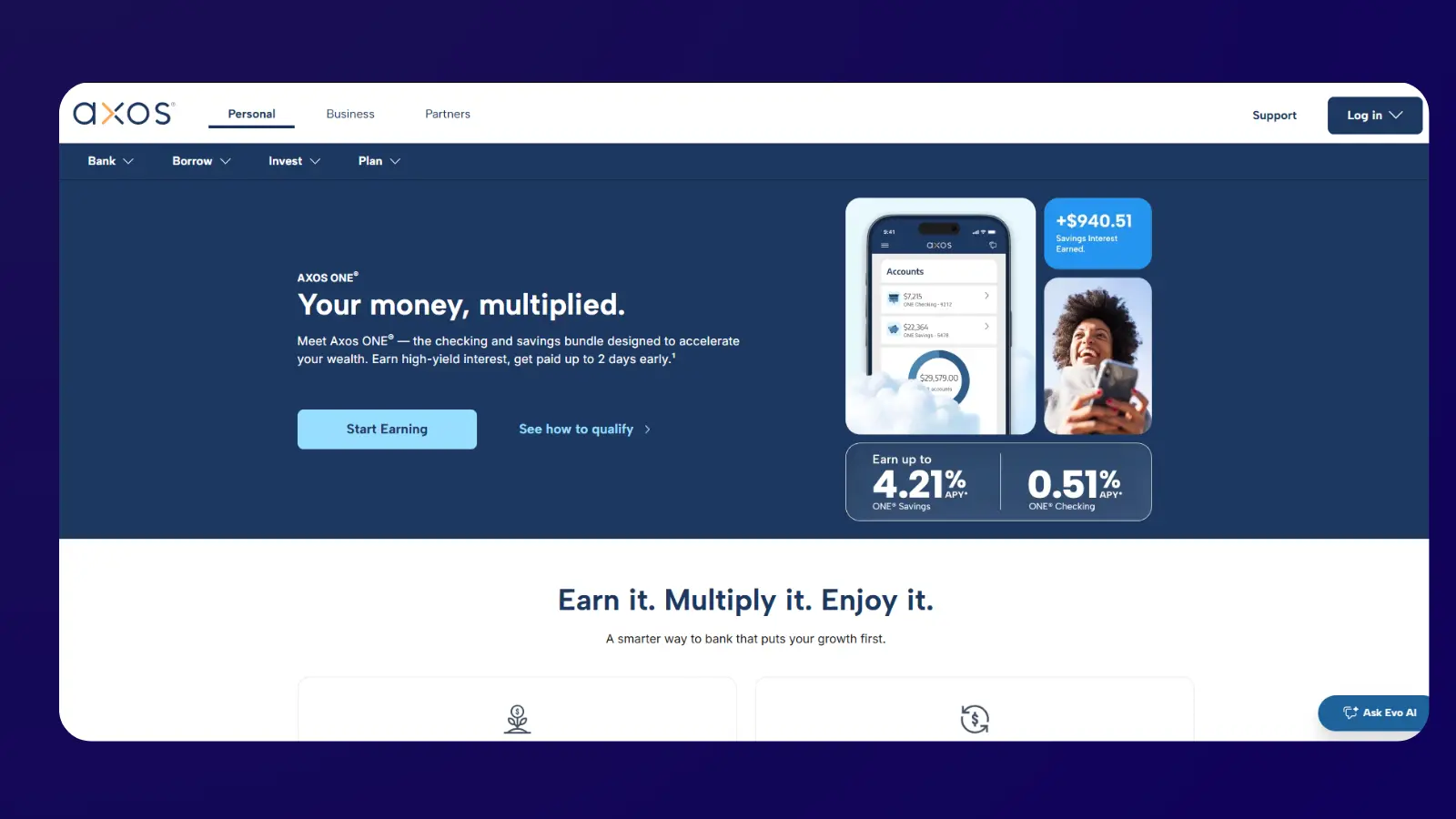
If you already have cash sitting in a near-0% bank account, moving it into a high-yield savings account is the single most passive method on this list. As of August 28, 2026, Axos Bank’s top savings tier paid 4.21% APY, which works out to $421 a year on a $10,000 balance for literally no ongoing work.
But that top rate has conditions. Either a $1,500 average daily balance plus $1,500 in monthly direct deposits, or a $5,000 and $5,000 combination, both requiring a linked Axos checking account. No-condition accounts pay less. For comparison, Western Alliance Bank’s account pays 3.80% APY with no minimum balance required once it’s open, though opening the account itself takes a $500 deposit.
The single biggest mistake here is leaving savings sitting in a legacy big-bank account earning close to 0% instead of moving it, which is the largest gap between possible and actual passive income on this whole list. Closing that gap is a big part of the meaning of passive income.
To open an account, you’ll generally need a government-issued ID, Social Security number, and an initial deposit of $0 to $500, depending on the bank. A high-yield savings account offers a low-risk way to explore the meaning of passive income.
3. Real Estate Crowdfunding via Fundrise
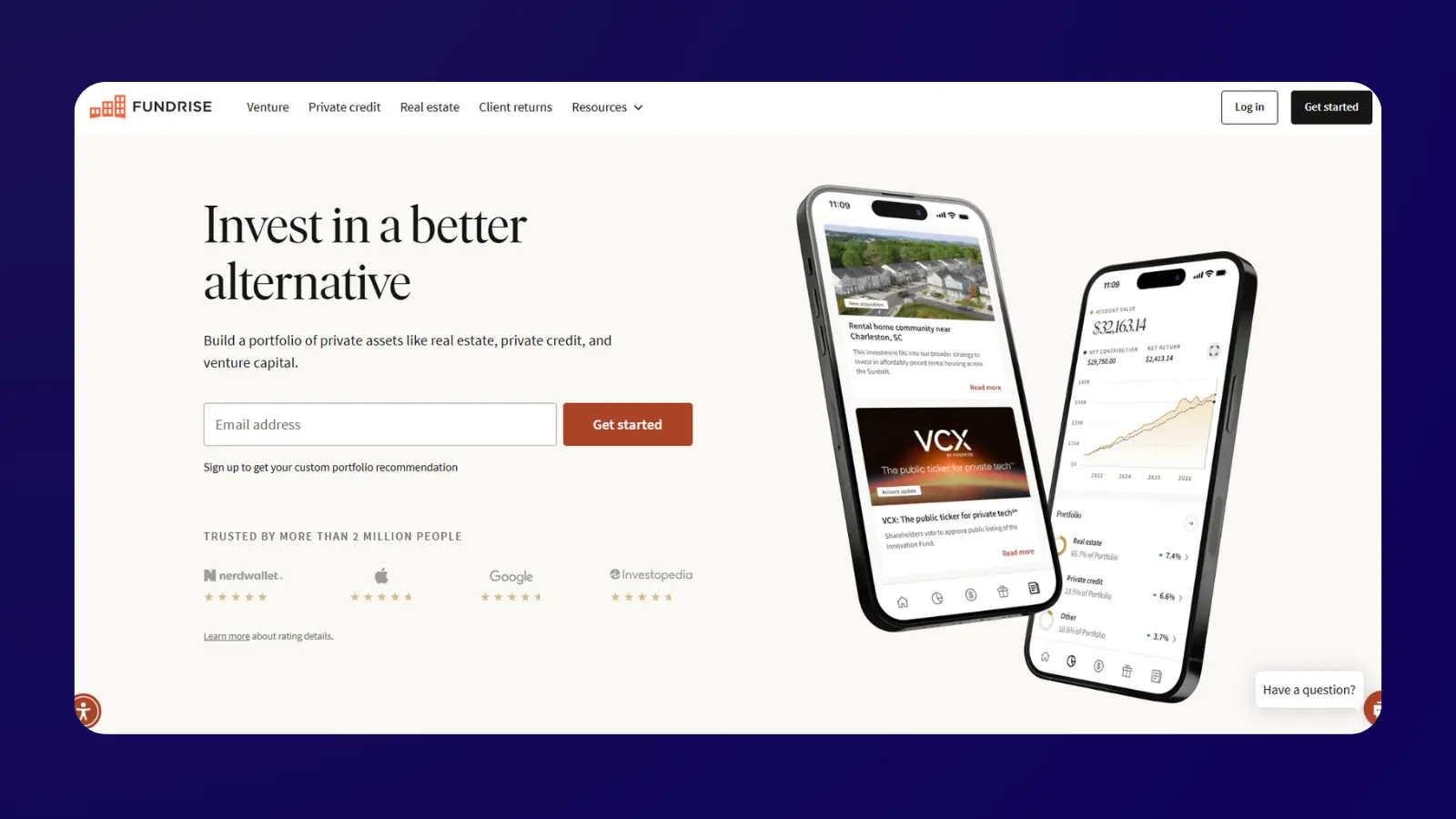
Real estate crowdfunding is another practical answer to the meaning of passive income, how it works, and how much you can earn. Investing in real estate without buying a property is realistic, starting at just $10, the minimum to open a Fundrise account.
Its portfolios returned an average of 5.7% annualized, net of fees, over the eight years from 2018 through 2025. That return comes from rental and property income rather than a paycheck, which tends to trail the stock market in strong years while smoothing out some of the swings.
You can get started with as little as $10, complete the identity checks, and open a standard investment account. This low minimum makes it an accessible option for exploring the meaning of passive income. But don’t expect instant liquidity. These funds hold real property, so redemptions can be delayed during down markets.

4. Peer-to-Peer Lending via Prosper
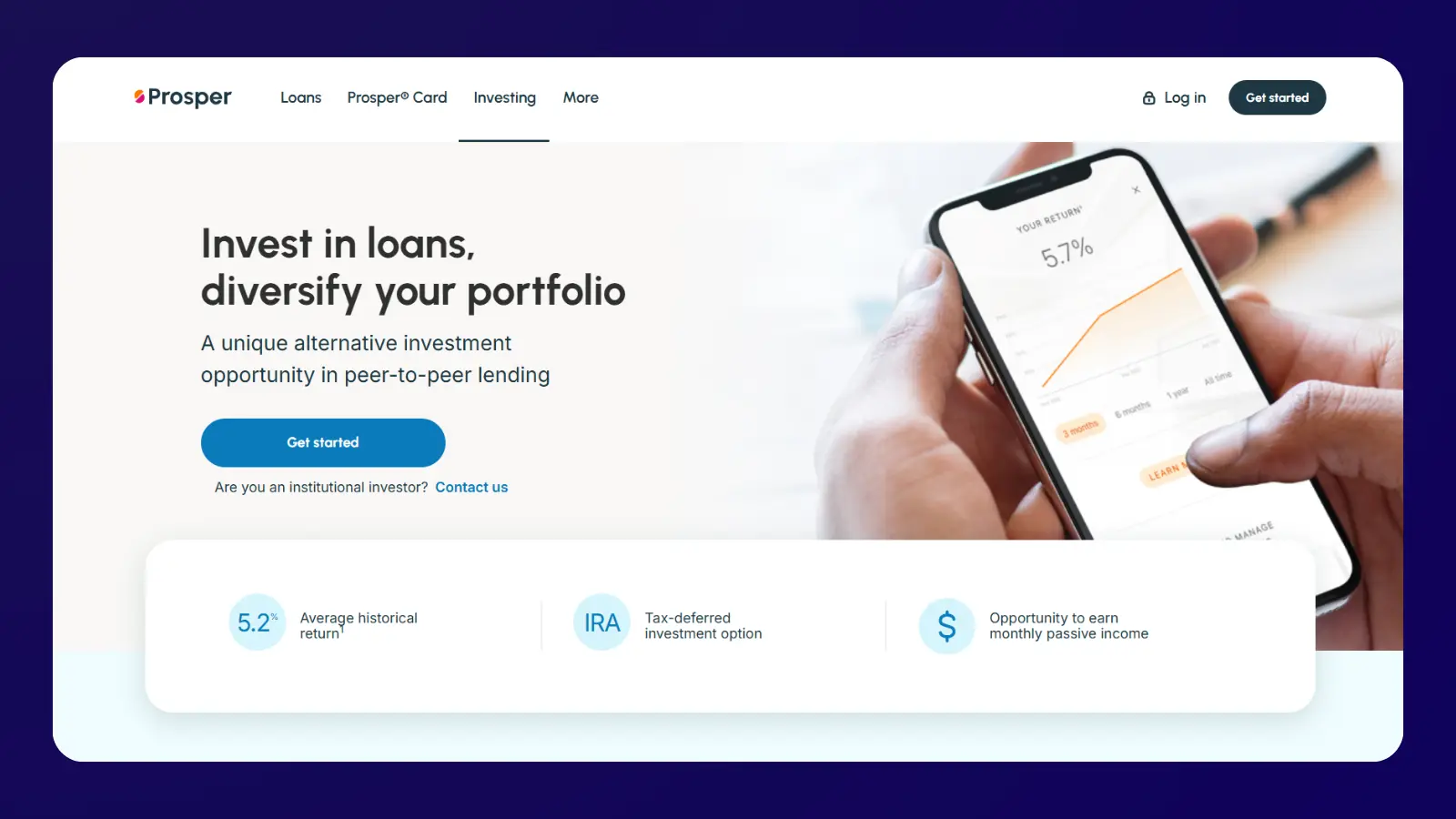
Peer-to-peer lending is a higher-risk answer when exploring the meaning of passive income. Lending small amounts to individual borrowers through Prosper has produced average historical returns of roughly 5.2% to 5.3%, but that’s the gross figure before loan defaults, servicing fees, and taxes.
The minimum is $25 per note, though Prosper itself recommends spreading at least $2,500 across 100 individual notes to diversify away single-borrower default risk. Loan terms run two to five years, with monthly repayments starting the first payout cycle after funding, typically 30 to 60 days out.
Getting started requires you to be at least 18, live in the US, and have a funded account. Some states have restrictions, and each note requires a minimum $25 investment. This option carries more risk if you’re looking into the meaning of passive income.

5. Licensing Stock Photos and Video

Licensing stock photos and videos through Shutterstock’s contributor program is another way to create passive income. It pays $0.10 to $0.25 per download at the entry tier, a company-set floor, no matter how the royalty percentage climbs. That royalty runs 15% to 40% of each sale, rising in tiers based on lifetime earnings and resetting every January 1.
It’s free to join and simply requires a camera or phone, though you have to be 18 or older and own the copyright to whatever you submit. There’s no fixed payout timeline. A file might license within days or sit unsold for months, and that unpredictability makes this one of the least reliable options if you’re researching the meaning of passive income.
Keep in mind that real stock income takes a large, well-tagged, consistently growing portfolio built over months or years, not a one-time upload session. So this can be a slow process if you’re looking into the meaning of passive income.

6. Building and Selling an Online Course

Course royalties are more time-intensive if you’re exploring the meaning of passive income. Building a course on Udemy is one of the types of passive income that keeps getting less generous for instructors, but it can still produce real royalty income.
Instructors keep 37% of an organic marketplace sale and 97% of any sale driven by their own coupon or referral link. That huge gap is really the whole story. A course only becomes passive once it sells to strangers who find it on their own, not just to a creator’s existing audience.
You’ll need course content and basic recording equipment to get started. Publishing is free, but creating quality content takes time, which is an important aspect to consider when exploring the meaning of passive income. Payouts require a $25 minimum account balance and land around the 7th of each month for the prior month’s earnings.

7. Renting Out Storage or Parking Space
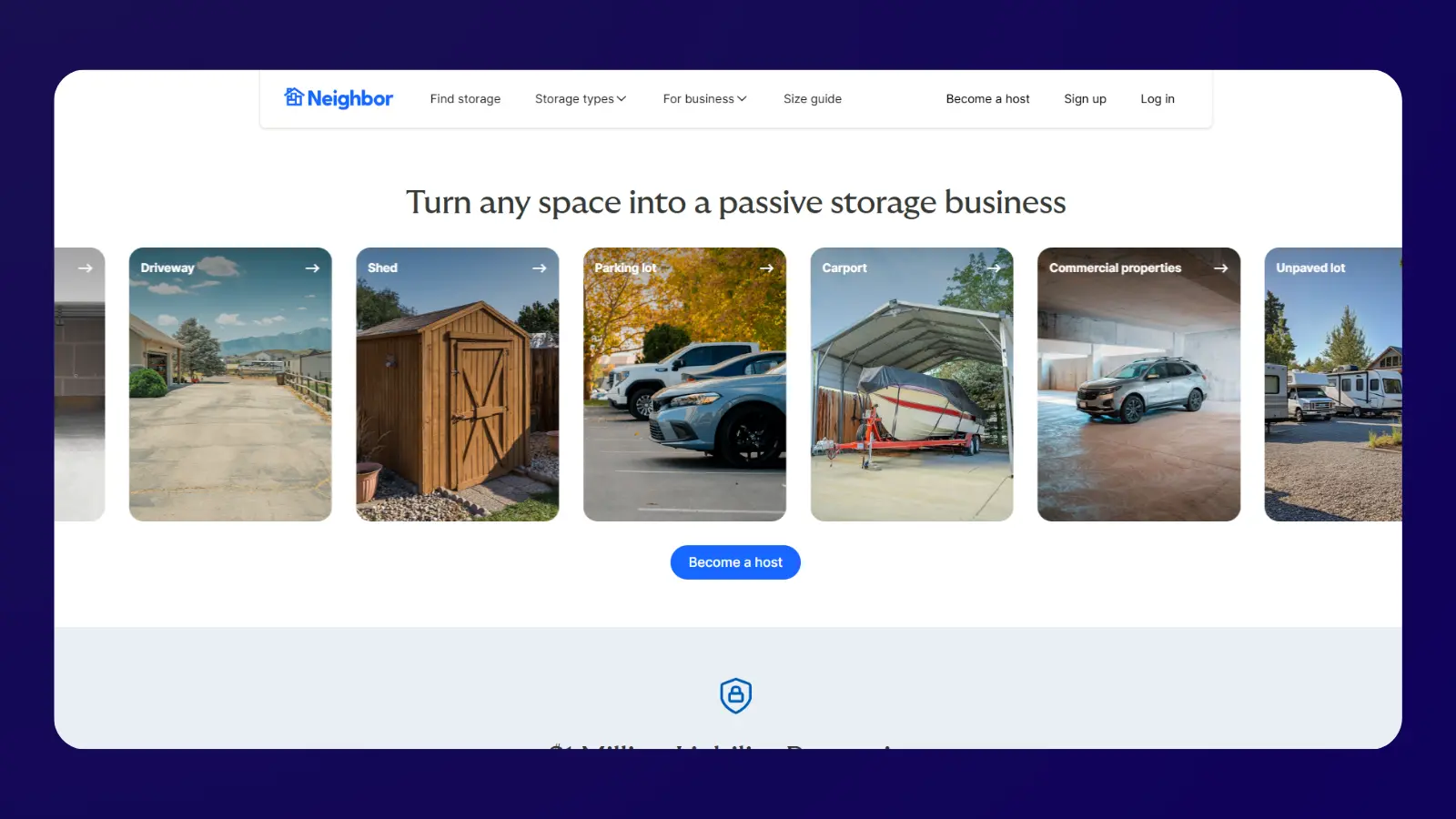
Listing an unused garage, driveway, or storage space on Neighbor turns dead space into rent, which makes it a legit side hustle among passive income ideas. The core mechanic is simple: you set a price, a renter books monthly, and Neighbor pays you on a recurring basis.
Neighbor charges hosts a processing fee of 4.9% plus $0.30 per transaction, so a single space renting for roughly $115 a month nets a host about $109 after that fee, which adds up to roughly $1,300 a year for one space.
Renting out space is a low-cost option if you’re interested in the meaning of passive income. But a common mistake here is listing a driveway or storage space without first checking local zoning rules or an HOA agreement, which can void the arrangement after a renter has already booked.
To get started, you need an unused space, like a parking spot or storage area, plus ID verification to create a listing. There is no listing fee, making this a solid option when you’re exploring the meaning of passive income.

Comparing Different Passive Income Ideas
So how does passive income work? Comparing the types of passive income side by side is the fastest way to see the meaning of passive income, how it works, and how much you can earn. Startup cost and payout timing vary a lot across these passive income ideas, so here’s how they stack up before you pick one.
| Method | Startup Cost | Realistic Annual Income | Time to First Payout |
|---|---|---|---|
| Dividend ETF Investing (SCHD) | ~$35 (one share) | ~2.89% yield (~$289/yr per $10k invested) | Up to 3 months (quarterly) |
| High-Yield Savings Account | $0–$500 to open (bank-dependent) | 3.80–4.21% APY (~$380–$421/yr per $10k) | ~1 month (monthly interest) |
| Real Estate Crowdfunding (Fundrise) | $10 minimum | ~5.7% annualized net (8-yr average) | 90-day minimum hold; paid quarterly |
| Peer-to-Peer Lending (Prosper) | $25 minimum ($2,500 to fully diversify) | ~5.2–5.3% gross; often ~2.5% net | 30–60 days for first repayment |
| Stock Photo/Video Licensing (Shutterstock) | $0 to join | $0.10–$0.25 per download at entry tier | Days to months (demand-dependent) |
| Online Course (Udemy) | $0 to publish | Average $3,306/yr; ~75% earn under $1,000/yr | ~5–6 weeks (first monthly payout cycle) |
| Storage/Parking Rental (Neighbor) | $0 to list | ~$1,300/yr per single space, after 4.9% + $0.30 fee | 30–60 days after first booking |
Boost Your Passive Income With Reward Apps
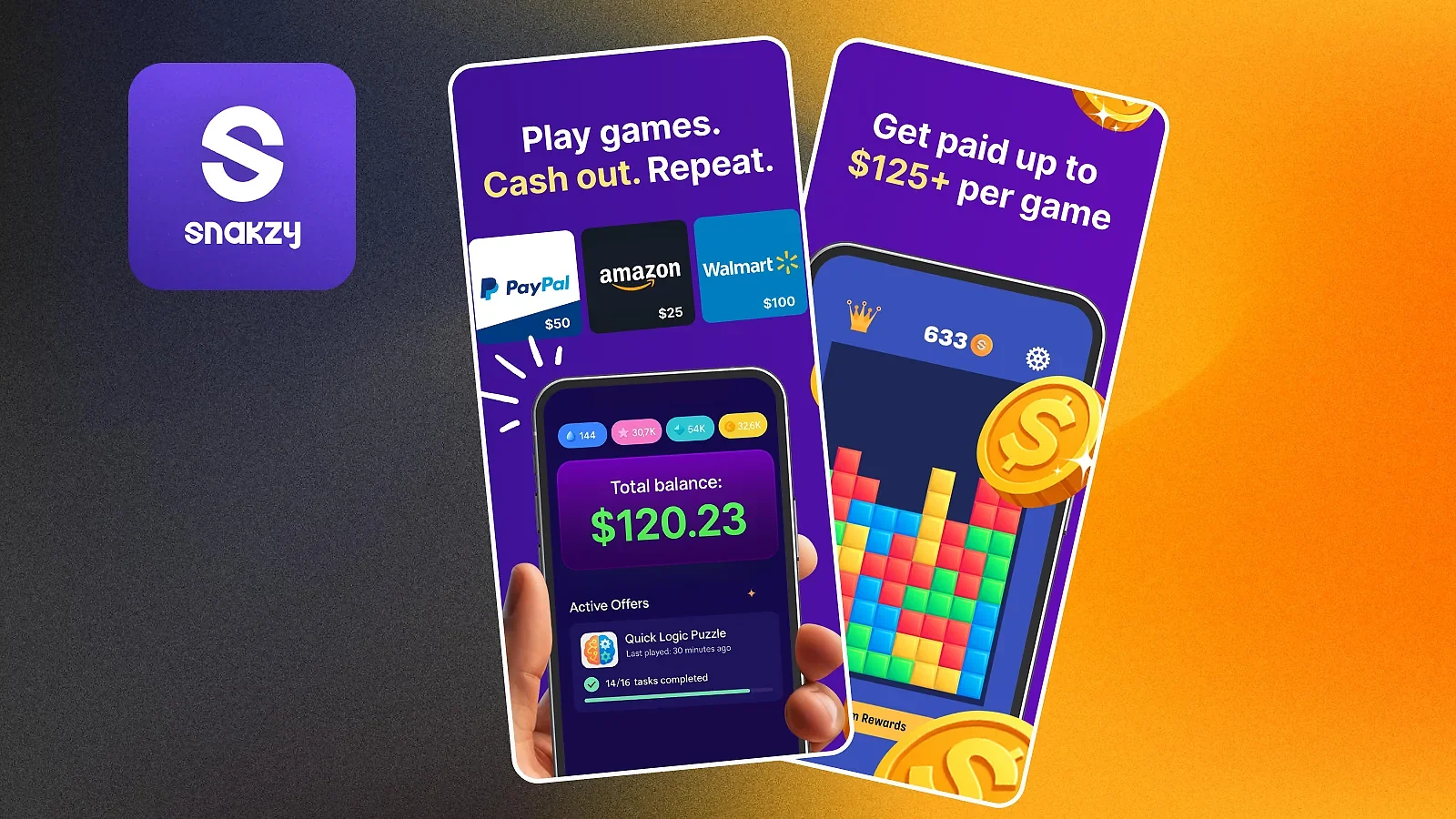
Play-to-earn and reward apps like Snakzy won’t replace the passive income ideas above, but they add a passive trickle on top of things you’re already doing, like browsing or answering the odd survey, with payouts starting as low as $1.
They work best stacked on top of one of the seven types of passive income above, not treated as a stand-alone income plan. Stacking small rewards on top of a bigger method is still part of the meaning of passive income.
| App | Minimum Payout | Entry Cost |
|---|---|---|
| Snakzy | $5 to $25 (varies by region and reward) | Free |
| Bigcash | $1 | Free |
| KashKick | $10 | Free |
Bigcash and KashKick are two of the lowest-friction, real-payout apps in this category, and they pair well with Snakzy for stacking small payouts on top of everyday browsing.
Earn extra money and supplement your passive income with Snakzy.

What Doesn’t Work
Not all types of passive income are honest, and a handful of patterns show up repeatedly around dividends, lending, and content-royalty schemes. Knowing the warning signs keeps your money from quietly draining away instead of generating anything.
- Passive income MLM recruiting pitches. These are commission schemes marketed as passive income through recruiting, not real types of passive income. The FTC warns that most participants lose money once starter-kit and inventory costs are counted against commissions.
- Guaranteed-yield lending or crypto passive income clubs. Any platform promising a fixed double-digit return with zero risk is a red flag, since real lending income and dividend income both fluctuate with the market.
- “Set and forget” print-on-demand or dropshipping claims. Reputable sellers on these platforms still spend real hours a week on marketing and customer service. The income only starts to feel passive after months of built-up audience and repeat buyers; it never begins hands-off.
- Resold passive income course or ebook flip kits. Buying resale rights to a generic ebook or template and marketing it as an original passive income product rarely earns meaningful money.
Avoiding these traps matters just as much as understanding the meaning of passive income, how it works, and how much you can earn.
Final Verdict on the Meaning of Passive Income
The meaning of passive income, how it works, and how much you can earn comes down to money that keeps arriving after the setup work is done. It’s anywhere from $400+ a year of savings interest to a few thousand dollars from dividend investing, real estate crowdfunding, or content royalties built up over time.
How much you can earn in those passive income ideas depends almost entirely on how much capital or unpaid upfront work you’re willing to put in before the passive part actually kicks in. Dividend ETFs and high-yield savings suit near-zero-effort starters who have some capital, while real estate crowdfunding and peer-to-peer lending suit people willing to risk more for a bit more yield.
Stock photography, online courses, and space rental are better for those with more time than capital to spend up front. That trade-off is another thing to consider when looking into the meaning of passive income, and it comes down to which side of it you’re willing to take on.
FAQs
The meaning of passive income is money you earn on an ongoing basis from an asset or piece of content you already built or bought, like dividends, rent, or royalties, rather than money tied directly to hours you work today.
Your job pays you for hours worked this week, while passive income ideas keep paying from work or capital you already put in, like a dividend stock or a stock photo, even on weeks you do nothing new.
It ranges from a few hundred dollars a year from a high-yield savings account to several thousand from dividend investing or course royalties, depending mostly on how much capital or upfront work you put in first.
Not exactly, as the IRS treats dividends and interest as portfolio income and rental real estate as passive income, both with different rules than the earned income from a regular job, so check current IRS guidance before filing and exploring types of passive income.
Yes, but only barely. Among types of passive income, licensing stock photos or renting out space you already own can start near $0. But most passive income examples, like dividend ETFs or real estate crowdfunding, need at least $10 to $25 to open a position.
It depends on the method. Savings interest pays out monthly, dividends pay quarterly, and content royalties can take months. Understanding the meaning of passive income starts with picking one method and starting today.