

How Many Endings Does BG3 Have? A Deep Dive into Baldur’s Gate 3’s Finale

How many endings does BG3 have is a natural question to ask given all the freedom you have. Baldur’s Gate 3 is famous for giving players control over their story. From the first dice roll to the last dramatic choice, nearly every action shapes where your adventure ends.
In this article I’ll break down the big finale options, explain the differences between major and minor conclusions, and share my own insights from playing through 14 times (yup!). By the end you’ll understand why there’s talk of 17 000 endings and how those endings actually work in practice.
Jump to:
Understanding How Many Endings BG3 Has
When developer Larian Studios mentioned 17 000 ending variations prior to release, it sparked confusion. The reality is simpler: there are a handful of major ending paths, each with dozens of small differences based on your decisions. The huge number comes from combining all these minor changes – who’s alive, who you romanced, side‑quest outcomes, and dice rolls – to create a truly personalized conclusion.
According to interviews with the lead writer, the game funnels players toward one of a few core endings while tracking countless variables along the way. Each ending then branches into subtle variations, so no two players’ epilogues look exactly the same.
The Two Main Endings: Good vs. Evil
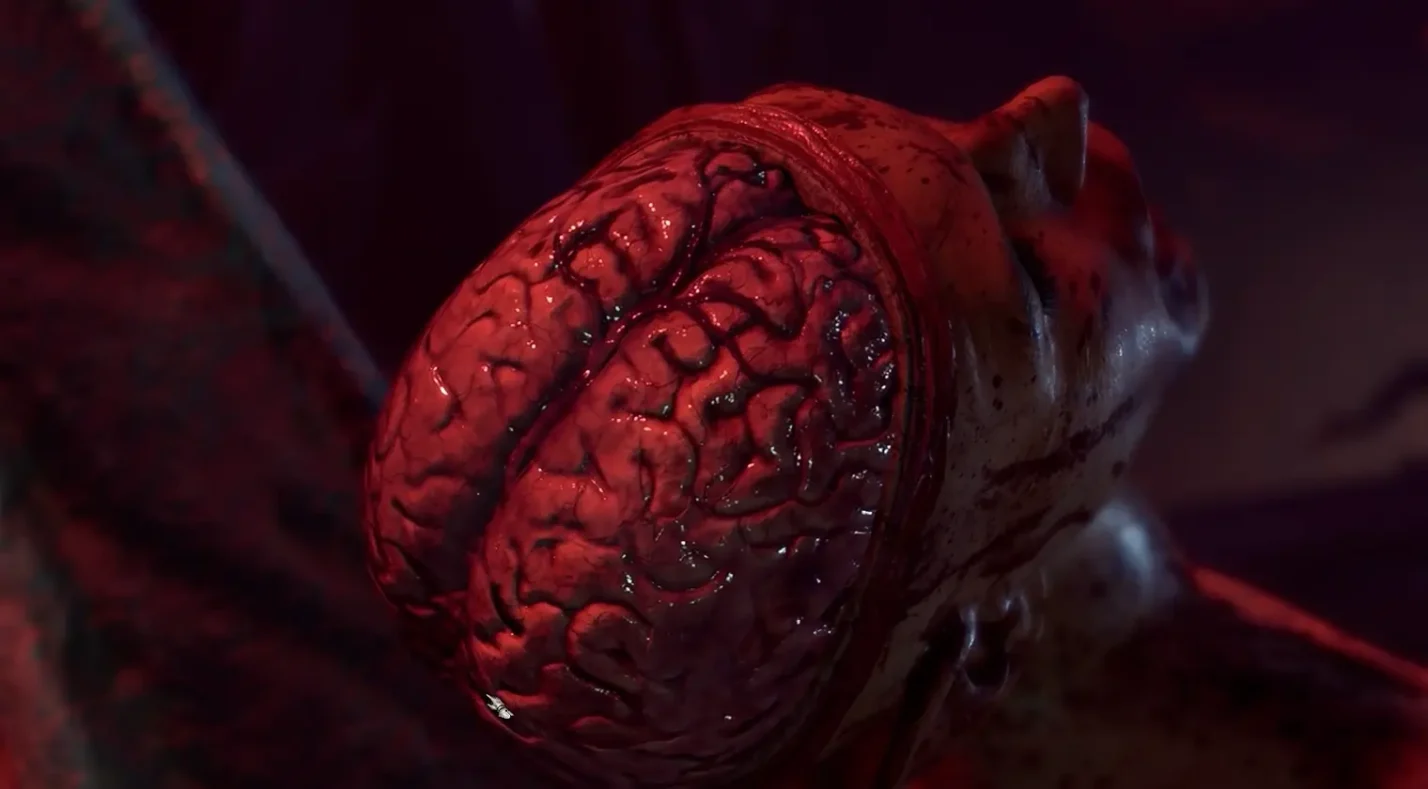
The climactic battle at the Netherbrain offers a stark choice: save the world or seize it.
Destroying the brain is the good ending. You command the Netherbrain to destroy itself, which liberates Baldur’s Gate and frees the thralls. Your party stands on the harbor watching the brain crash into the sea, and the people celebrate. Epilogue scenes follow for each surviving companion, giving closure and hinting at future adventures.
In contrast, the evil ending involves dominating the Netherbrain. Your character becomes the Absolute, enslaving the companions and raising an illithid empire. This path may require you to kill an ally like the Emperor or Orpheus during the final phase. Dark Urge characters or Bhaal worshippers also gain special variations – they proclaim “In Bhaal’s name” instead of “In my name” after taking the throne.
The Mind‑Flayer Choice: Becoming or Assigning the Illithid
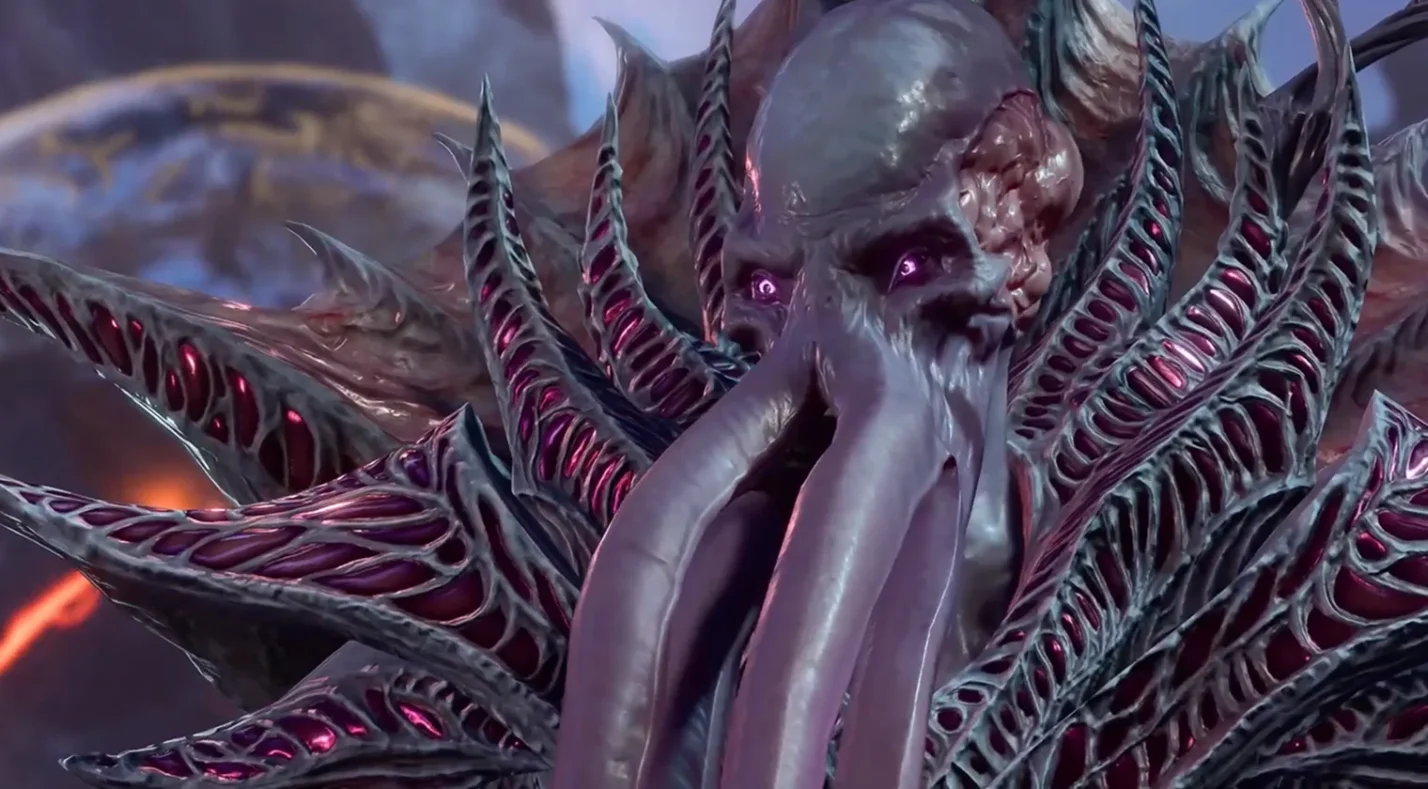
Whichever major path you choose, someone must transform into a mind flayer to control or destroy the brain. You can accept the Emperor’s offer and undergo ceremorphosis, or convince a companion like Karlach to do it.
If you become the mind flayer yourself, extra epilogue scenes explore the struggle between your humanity and illithid instincts. Choosing Karlach creates another variation: she sacrifices her humanity but survives longer than her overheating engine ever would. Letting Orpheus become the illithid opens yet another branch, with Lae’zel leading his dragons to free the Githyanki. Despite these differences, all of these routes still fall under the umbrella of the good or evil endings.
Gale’s Netherese Bomb Ending

An often‑missed option allows you to skip the final battle altogether. If you complete Gale’s personal quest and let him detonate his Netherese orb on the Netherbrain’s stem, he sacrifices himself and destroys the brain.
The city is saved, but your party watches in stunned silence as the explosion erupts. Because you bypass the final choices, this ending lacks some companion epilogues. It’s a bittersweet path that appeals to players who want an unconventional conclusion.
Bhaal and Dark Urge Variations
Baldur’s Gate 3 includes a hidden Origin called the Dark Urge. Playing this origin unlocks Bhaal‑aligned endings where you embrace your murderous heritage. In the evil ending, the Dark Urge sits on the throne and leads a Bhaalspawn empire, while in the good ending they must resist their urge and destroy the brain.
Failing to overcome the urge leads to an early game over during Act 2, demonstrating how some choices can terminate your adventure prematurely. These darker paths add flavor to the primary endings without creating entirely new ones.
Early and Secret Endings
Besides the main finale, BG3 has a few early endings. For example, if you allow Gale to detonate his orb inside the magic city of Waterdeep, you’ll trigger an Act 2 fail state. Letting the Netherbrain absorb your party in the opening mission, or attacking your companions in Act 1, can also end the game abruptly.
These outcomes count toward the 17 000 variations but are essentially game‑over screens. There’s also a secret epilogue where your character becomes a ghost haunting your companions – you must die while Gale sacrifices himself. Although striking, these endings are variations rather than new storylines.
How Choices and Companions Influence Endings
Even within the good and evil endings, character interactions shape the epilogue. In my first playthrough I freed Orpheus and chose to destroy the brain. Lae’zel swore to overthrow Vlaakith, Karlach asked me to end her suffering as her Infernal Engine overheated, and Gale pondered whether to return the Crown of Karsus to Mystra.
On a subsequent run I dominated the brain, which forced companions like Shadowheart to kneel, their eyes blank as puppets. These shifts made each ending feel dramatically different.
Romance options also play a part. If you romanced Astarion, he flees into the shadows in the good ending after sunlight scorches him. Wyll’s fate depends on whether he accepts his father’s pact, and Karlach either dies or travels to Avernus.
Your decisions during side quests, such as helping He Who Was decide Madeline’s fate or mastering the Punish the Wicked quest, influence companion approval, which can unlock or block certain scenes. For help navigating those quests, our guide on He Who Was BG3 explores the moral dilemmas and rewards.
Character Builds and Ending Difficulty
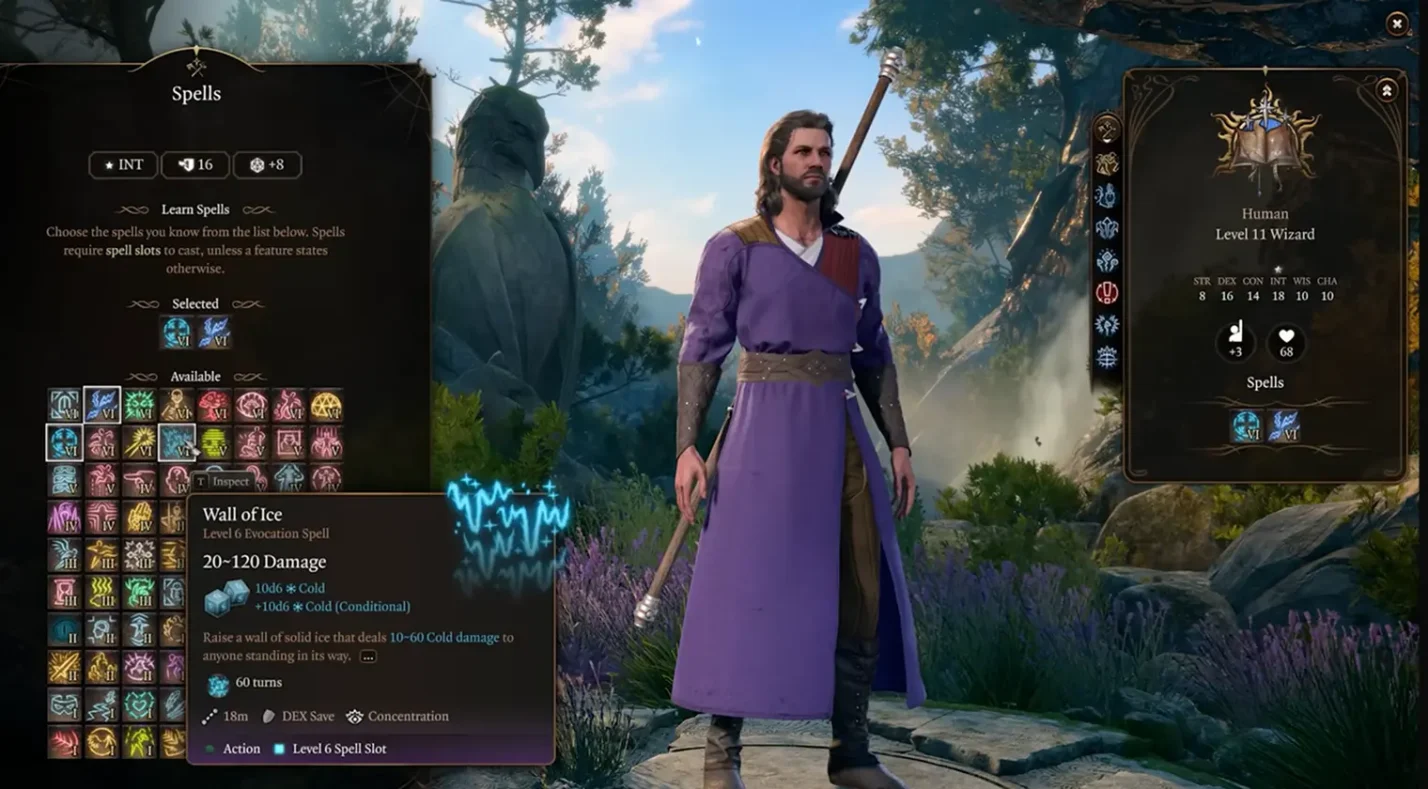
Your build influences how you reach the ending but not which ending is available. However, a well‑planned character can make the final fight easier. I used our BG3 Build Planner guide to experiment with race, class, and feat combinations before committing to my character.
A balanced party of a high‑initiative spellcaster, a durable front‑liner, and a support healer handled the final battle with fewer reloads. Our build planner guide explains how to optimize ability scores, multiclass effectively, and coordinate party synergies so you’re prepared for any ending.
RPGs to Play After You Finish BG3
Once you’ve seen every ending, you might want more story‑driven RPGs. Our guide on games like Baldur’s Gate 3 offers sixteen recommendations that capture BG3’s choice‑driven storytelling. Titles such as Divinity: Original Sin 2 and Pillars of Eternity II emphasize decisions that shape the world, much like BG3. Exploring these games can help you appreciate how Larian’s design philosophy informs other masterpieces.
Final Thoughts: Why BG3’s Endings Matter
So, how many endings does BG3 have? The answer depends on how you count. There are two primary endings (good and evil), plus notable variations like the mind‑flayer choice, Gale’s sacrifice, and Dark Urge paths.
When you consider companion outcomes, side‑quest resolutions, romance flags and random dice rolls, you end up with thousands of subtle permutations. This makes each playthrough feel fresh without demanding that Larian write 17 000 completely different finales.
I love that BG3 rewards curiosity. Even on my 10th run I saw scenes I’d never encountered before. Whether you embrace heroism or succumb to darkness, the game respects your agency.
If you’re ready to craft your own tale, pick up a Baldur’s Gate 3 key from our store. It’s my favorite way to experience Faerûn, and it might just become yours too.
FAQs
How many endings does BG3 actually have?
To answer how many endings BG3 actually has, it’s best to separate major conclusions from minor variations. There are two core endings (good and evil) with additional branches like the mind‑flayer choice, Gale’s sacrifice, and Dark Urge outcomes. Combine those with companion resolutions and side‑quest decisions, and you get thousands of subtle differences.
What is the good ending in Baldur’s Gate 3?
The good ending in Baldur’s Gate 3 is achieved by commanding the Netherbrain to destroy itself and the illithid tadpoles. This choice frees Baldur’s Gate, leads to celebratory scenes on the harbor and unlocks individualized epilogues for your companions.
What counts as the bad or evil ending in BG3?
The bad or evil ending in BG3 occurs when you dominate the Netherbrain and become the Absolute. Doing so enslaves your companions and establishes a new illithid empire, with special dialogue if you follow the Dark Urge or worship Bhaal.
Is there a secret or hidden ending in BG3?
Yes, there is a secret or hidden ending in BG3 that involves Gale detonating his Netherese orb on the Netherbrain’s stem. If you allow him to sacrifice himself during Act 3 while you die, you can unlock a ghost epilogue where your character haunts their friends.
Can you continue playing Baldur’s Gate 3 after the ending?
You cannot continue playing Baldur’s Gate 3 after the ending, as the game concludes and rolls credits once the final choice is made. To explore different outcomes, you need to load an earlier save or start a new playthrough and make different decisions.