
BG3 Build Planner: Plan Your Perfect Baldur’s Gate 3 Build


The BG3 build planner is your best friend when creating a character that actually works in Baldur’s Gate 3. With so many races, classes, and feats to juggle, it’s easy to mess up a run before you even hit the Goblin Camp.
I’ve spent hours testing builds, rerolling stats, and breaking multiclasses just to see what sticks. This guide walks you through how to use the BG3 build planner to shape a character that fits your playstyle.
We’ll go over race, class, abilities, gear, and party balance so you can spend less time theorycrafting and more time wrecking enemies.
Jump to:
Understanding the BG3 Build Planner
The BG3 build planner is a web‑based tool designed to help you map out every aspect of your character before you enter the Forgotten Realms. It mirrors the game’s character creator but lets you experiment without consequences.
It was designed to help players plan their characters with an intuitive interface. The EIP Gaming planner goes further and lets you choose your character’s name, race, origin, background, ability points, classes, spells, equipment and boons all in one place. You can even save builds and revisit them later.
When I first used the planner, I loved how it laid out each category. You start by choosing a race and a sub‑race. Next comes the background, which determines skill proficiencies. Being able to preview these elements before committing saved me from making choices I later regretted.
For players who love character creation in other games, our guide to games with character creation provides suggestions for titles that scratch a similar itch.
Building a Character: Races, Classes, and Backgrounds
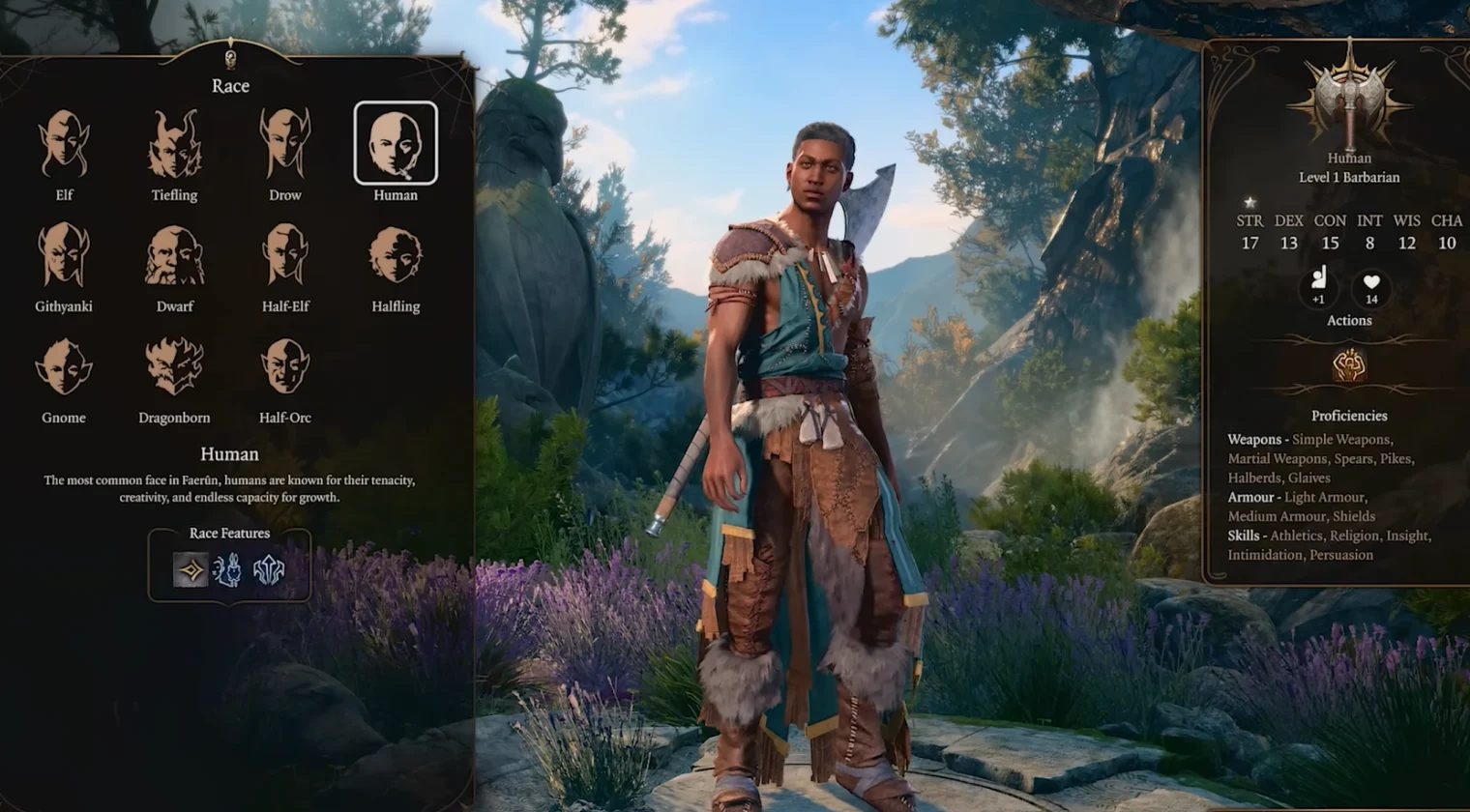
Selecting a race is more than a cosmetic decision – each race comes with ability bonuses, unique features and sometimes extra proficiencies. For instance, elves gain proficiency in Perception and immunity to charm, while tieflings receive fire resistance.
When planning your build, think about how these bonuses complement the class you want to play. The planner allows you to preview combinations, so you can see how a dragonborn paladin differs from a half‑elf bard.
Next, pick your class. Baldur’s Gate 3 offers 12 base classes and numerous subclasses. The planner displays each class’s hit dice, primary abilities and starting equipment. If you’re new to the game, martial classes like Fighter or Barbarian provide straightforward mechanics, and spellcasters like Sorcerer require careful spell selection.
Backgrounds tie your character to the world and grant extra skills. A Criminal might start with Deception and Stealth, while a Sage offers Arcana and History. The EIP planner lists backgrounds right alongside race selection, which makes it easy to test how different backgrounds fill skill gaps.
This is also where ability scores come into play. The planner uses a 27‑point buy system so you can assign points to Strength, Dexterity, Constitution, Intelligence, Wisdom and Charisma. Each class favors a particular primary ability: Strength for Fighters and Paladins, Dexterity for Rogues and Rangers, and Charisma for Sorcerers and Warlocks.
For more context on how narrative choices and backgrounds influence gameplay, our guide to He Who Was BG3 explores a specific Act 2 quest and shows how your decisions impact companions and story outcomes. Linking these elements back to your build makes the planner feel connected to the game world.
Mastering Multiclassing and Feats
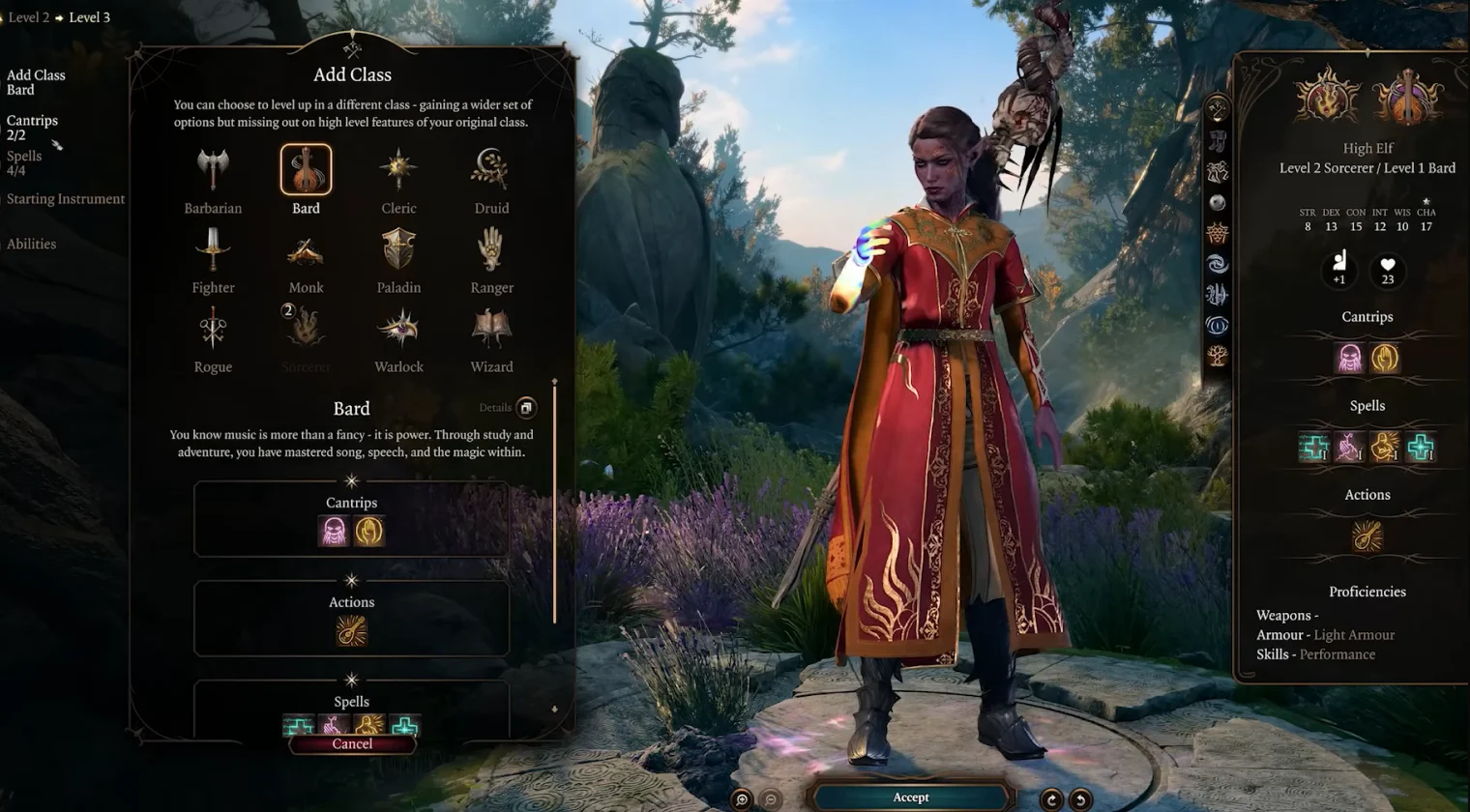
Multiclassing is where the BG3 build planner shines. In Baldur’s Gate 3 you can combine classes to create hybrid characters, but the game’s level cap of 12 means every level matters. The planner lets you allocate class levels, preview proficiencies and spell slots, and see which subclasses unlock at each level.
For example, a popular build is a Paladin 6/Warlock 6 that harnesses Paladin’s Divine Smite and Warlock’s Eldritch Blast. When I built this combination, the planner highlighted that I’d need a Charisma score of at least 13 to multiclass into Warlock and that I’d gain an extra short‑rest spell slot. Without the planner, I might have overlooked those requirements.
Another favorite is Fighter 2/Rogue 10 for a high‑damage dual‑wielder with Action Surge and Sneak Attack. The planner helped me balance Dexterity and Constitution while ensuring I had enough feats to pick Dual Wielder and Sharpshooter.
Feats can significantly change how your character plays, so use the planner to weigh the benefits of ability score increases versus special abilities. I often choose Alert on my spellcasters because early initiative can mean the difference between winning and losing a fight. Exploring these options ahead of time ensures your character feels powerful from Act 1 through Act 3.
If you’re looking for more adventures beyond BG3 that reward experimentation and deep role‑playing, our list of games like Baldur’s Gate 3 provides several recommendations. Many of those games feature similar character planning systems, so the skills you learn here translate well to other RPGs.
Optimizing Ability Scores, Skills, and Equipment
Once you’ve selected race and class combinations, it’s time to fine‑tune ability scores and skills. The planner displays your current ability modifiers and automatically calculates derived stats like hit points, armor class and initiative. It also shows your skill proficiencies, so you can see at a glance whether your party has enough lockpicking, persuasion or perception.
I like to use the planner to maximize my character’s strong suits while covering weak spots elsewhere in the party. For example, if my main character has low Wisdom and no survival skills, I’ll recruit companions who excel in those areas. The ability to view your character’s complete stat block, including darkvision range, movement speed and carrying capacity, helps prepare you for obstacles.
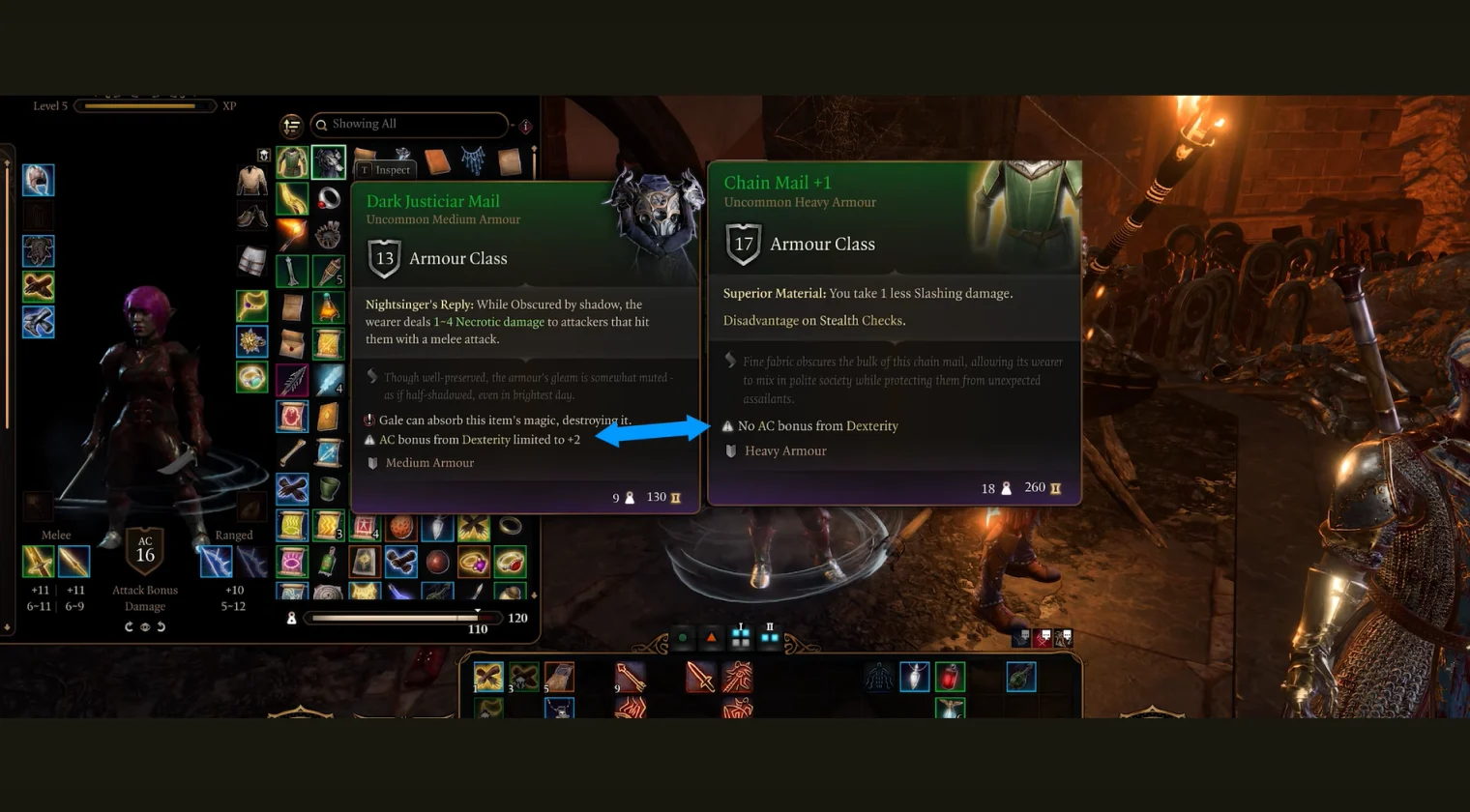
Equipment selection is another area where planning pays off. The planner includes slots for helmet, armor, gloves, boots, amulets and rings, plus main‑hand and off‑hand weapons. You can experiment with different armor types to see how they affect your armor class, or decide whether to dual‑wield weapons or use a shield. For spellcasters, selecting the right focus or staff can boost spell damage or grant an extra spell slot.
Finally, the planner lets you assign boons, which further customize your character. In my experience, picking boons that complement your class, such as Mistress of Pain for Warlocks or Fighting Style: Archery for Fighters, gives you an edge in tougher encounters.
If you plan to enjoy Baldur’s Gate 3 on handheld platforms, our guide to the best RPGs on Steam Deck discusses how games like BG3 perform on portable hardware and suggests other titles that are perfect for gaming on the go.
Party Composition and Synergy
A strong build is only part of the equation. Baldur’s Gate 3 is party‑based, so you need to consider how your main character fits into your team. While the official build planner focuses on individual characters, the EIP Gaming site offers a party planner that lets you check dialogue tags, missing skills and useful items for the entire group. Even without the party planner, you can use the build planner to ensure your party covers essential roles: front‑line tank, healer, support spellcaster and damage dealer.
When choosing companions, think about complementary abilities. A Paladin pairs well with a Warlock or Sorcerer because they all use Charisma. Meanwhile, combining a Fighter with a Rogue creates synergy between high damage and utility skills like lockpicking.
Use the planner to check whether your party has a mix of proficiency bonuses. For example, someone with Thieves’ Tools and someone with Persuasion. Planning ahead prevents frustrating moments when no one can pass a critical skill check.
Forge Your Story with a Purposeful Build
A well‑thought‑out build can make Baldur’s Gate 3 feel like your own personal epic. Using the BG3 build planner to experiment with races, classes, abilities and equipment gives you a roadmap before you even roll your first initiative check.
If you’re ready to dive into Faerûn, you’ll need access to the game. You can pick up Baldur’s Gate 3 at a great price through Eneba, which offers instant delivery of digital keys. Purchasing through our marketplace supports our work on guides and reviews while giving you a secure way to start your adventure.
FAQs
Does Baldur’s Gate 3 have a build planner?
Yes, Baldur’s Gate 3 has a build planner created by community members that lets you experiment with races, classes, ability scores and equipment before you play. It mirrors the in‑game creator and provides a safe space to test ideas without committing to a character.
How do I use the BG3 build planner?
To use the BG3 build planner, you open the tool in your browser, select your character’s race, sub‑race and background, then allocate ability points and choose a class. The planner will display your derived stats and let you preview spells, equipment and feats before you finalise your build.
Can you respec or change your build in Baldur’s Gate 3?
Yes, you can respec or change your build in Baldur’s Gate 3 by speaking to Withers, an NPC found in your camp. He charges a small gold fee to reset your character’s class and ability points, which allows you to rebuild your hero if your planned build doesn’t play as expected.
What is the max level in Baldur’s Gate 3 build planner?
The max level in Baldur’s Gate 3 build planner is level 12 because the game currently caps characters at twelve levels. This limit means you need to plan how you spread those twelve levels across one or more classes, especially if you’re multiclassing.
What are some recommended builds for Baldur’s Gate 3?
Some recommended builds for Baldur’s Gate 3 include a Paladin/Warlock multiclass for burst damage and utility, a Fighter/Rogue combo for high physical damage with Action Surge and Sneak Attack, and a pure Light Cleric for healing and support. Each build benefits from careful ability score allocation and complementary feats.