

Fallout TV Show Review: Vault-Tec Was Right (Almost)



Writing this Fallout TV show review, I realized how little I trust video game adaptations. Too many of them borrow the costumes and forget the soul. Fallout isn’t just power armor and Nuka-Cola props – it’s satire, cruelty, corporate paranoia, and that weird thread of hope running through nuclear ruin. I went in cautious. I came out impressed.
Prime Video’s Fallout series drops us into the same universe as the games, years after the bombs fell, and treats it like canon instead of cosplay. With Jonathan Nolan and Lisa Joy steering the ship, the show leans hard into the franchise’s DNA – sudden bursts of violence, straight-faced absurdity, and a strangely upbeat vision of the end of the world.
What grabbed me wasn’t the references, it was the mindset. The show carries that late-night Mojave energy, the kind you only recognize after wandering for hours and making a lot of questionable choices.
By the finale, I wasn’t measuring it against the games. I was accepting it as part of the canon.
Jump to:
TL;DR – Fallout TV Show Review Overview
| Core story identity | A post-apocalyptic character drama told through multiple perspectives, following a Vault dweller stepping into the Wasteland and discovering a world shaped by factions, shifting loyalties, and moral compromises. |
| Biggest strengths | Faithful Fallout tone blending dark humor, sudden violence, and retro-futuristic satire, supported by strong performances and detailed production design that makes the Wasteland feel authentic. |
| Worldbuilding highlights | Vault culture, Brotherhood presence, and wasteland settlements are portrayed with impressive detail, making the setting feel like a natural continuation of the Fallout timeline. |
| Main criticisms | Occasional pacing issues and a few underdeveloped side arcs that could have benefited from more screen time and deeper exploration. |
| Clear verdict | A highly successful video game adaptation that respects the source material while telling its own story. Great for longtime Fallout fans and accessible enough for newcomers curious about the Wasteland. |
Fallout TV Show: Nukes, Vaults, and Bad Decisions
In this Fallout show review, I’m looking at a series that blends post-apocalyptic sci-fi with deadpan comedy and surprisingly sharp character drama. The tone jumps from sudden brutality to straight-faced absurdity without losing emotional weight.
At its core, the story tracks a Vault dweller stepping into the surface for the first time and realizing the rules underground don’t apply anymore. Survival above ground means shifting loyalties and hard moral turns.
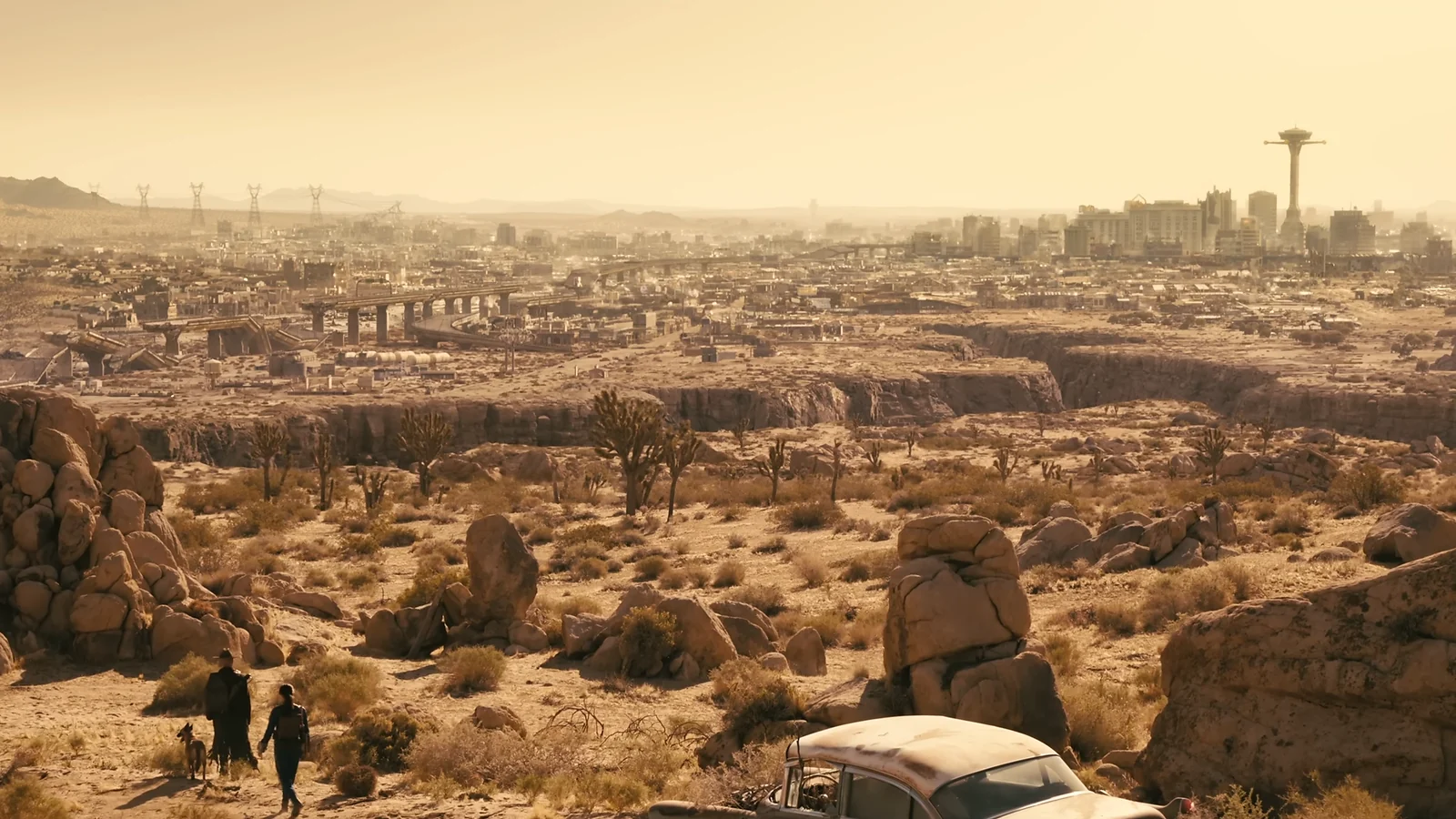
Released in 2024 on Prime Video, the Fallout TV series fits directly into the established timeline rather than rebooting it. Its success has already paved the way for more stories, as seen in the recent Amazon Fallout Season 2 reveal.
Fans who’ve logged hours in Fallout 3, New Vegas, or Fallout 4 will catch the nuance. Newcomers get a wild, character-driven entry point that doesn’t require homework.
Three Perspectives, Zero Safety Nets
What makes this work for me is the character split. We’re not stuck in one viewpoint but rather bouncing between three very different moral compasses.
Ella Purnell anchors Lucy with a heartbreakingly earnest optimism. She sells the belief in rules and decency, making the inevitable collision with the surface feel brutal. Purnell doesn’t flip the character overnight; she lets the erosion show. You see every compromise form in her eyes in real time.
Aaron Moten portrays Maximus with a perfect blend of rigid Brotherhood structure and desperate insecurity. He captures a man seeking purpose, trapped within an ideology that comes with strings and blind spots.
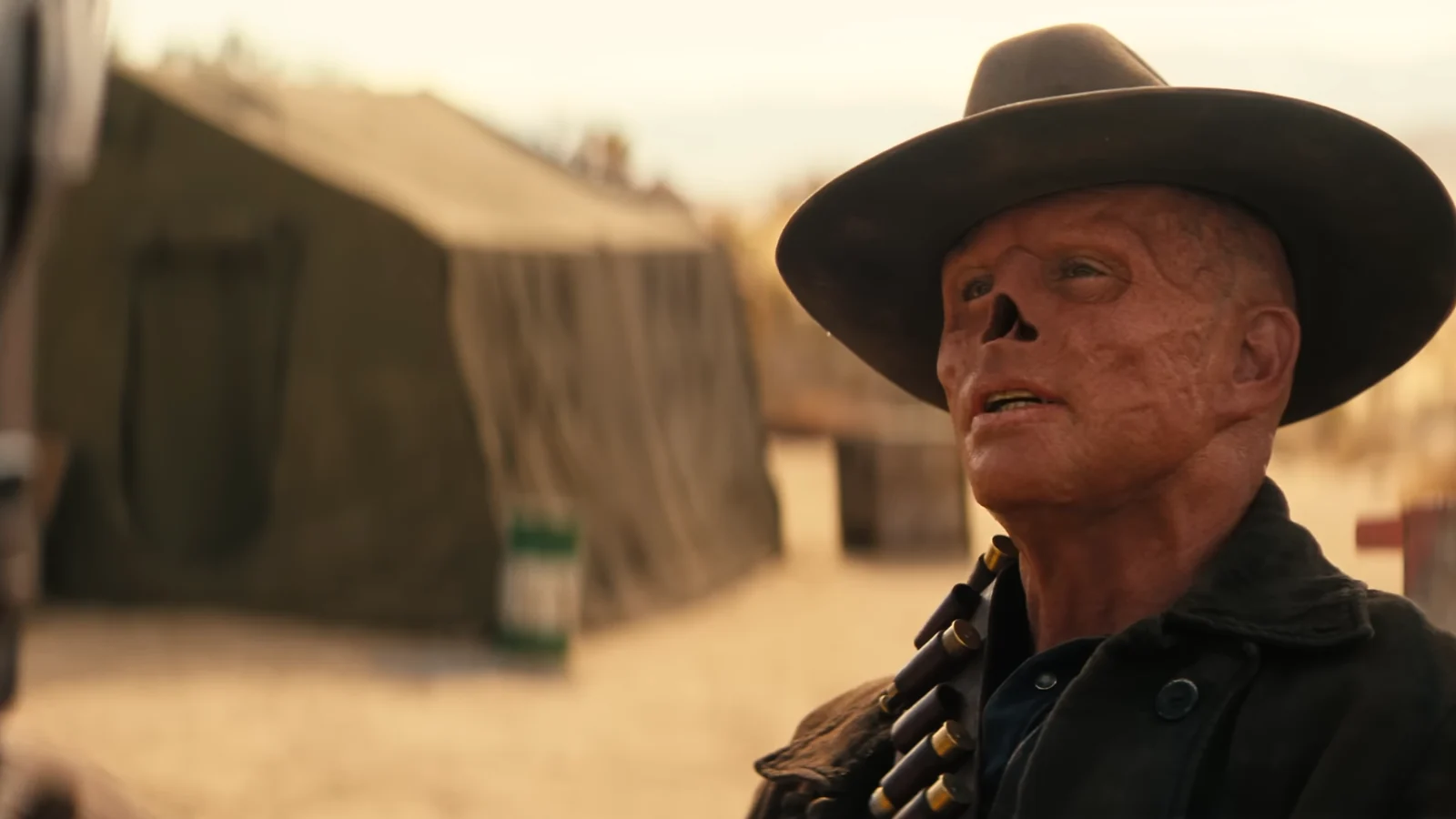
Then there’s Walton Goggins as The Ghoul. He steals scenes with effortless swagger. Under the dry one-liners, Goggins conveys centuries of history: pre-war fame, loss, and resentment. He feels like a high-level player character who’s seen every ending.
Watching these three navigate the Wasteland perfectly mirrors the visceral action RPG gameplay that made the series famous. You’re seeing every ‘player’ choice play out in a world where every faction has strings attached.
The supporting cast pulls real weight, too. Thaddeus and his awkward “fiddle music” energy bring uncomfortable laughs. Norm plays a quiet detective inside the Vault. Moldaver moves like someone who knows more than she’s saying.
Stepping Into the Surface
The first time the camera pulled back on Filly, I had that familiar Fallout feeling, like I’d just discovered a new settlement marker on the map. Rusted metal, faded signage, improvised markets built from scraps. It doesn’t look polished. It looks used. The Brotherhood airships hovering above sell the scale immediately, all steel bulk and religious intensity.
Inside the Vault, it’s the opposite kind of unsettling. Clean lines, bright colors, 1950s smiles plastered over systems designed to control people. The set dressing and costumes lean hard into that retro-futuristic contrast. Cheerful jumpsuits, sterile corridors, and secrets humming behind every terminal.
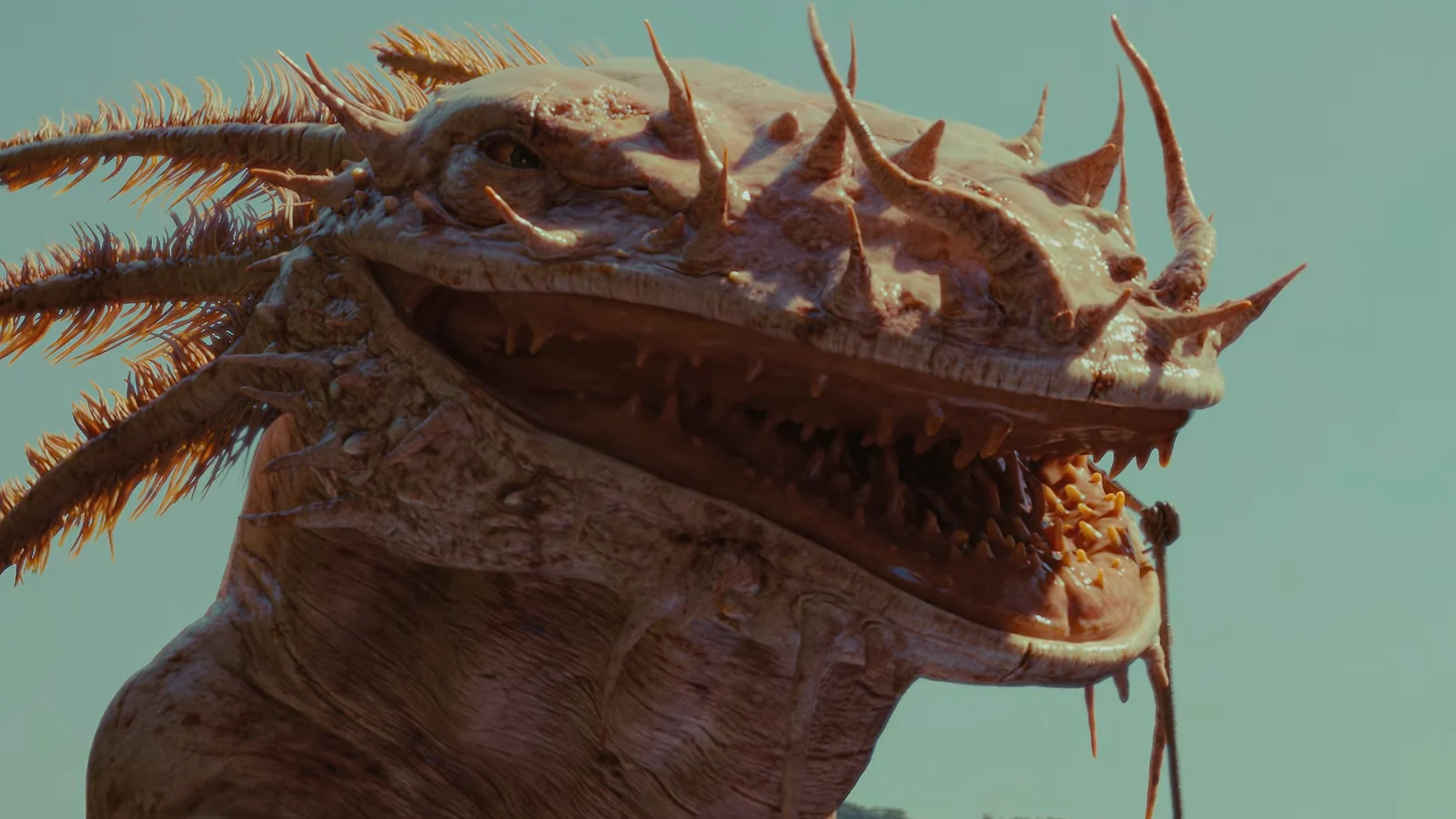
The creature work is exceptional. The Gulper is slick, oversized, and deeply unsettling, while even the giant cockroaches feel ripped from a low-level encounter you once underestimated.
And when “I Don’t Want to Set the World on Fire” kicks in, it’s pure Fallout. These moments perfectly capture the atmosphere that defines some of the most iconic post-apocalyptic games ever made.
If there’s something you take with you from my Fallout TV show review it’s that by balancing brutality, dark humor, and atomic-age optimism, the show transcends its sets. It stops feeling like a production and becomes a living, breathing world you can actually believe in.
Dry Jokes, Gore, and True Fallout DNA
What drew me in wasn’t just the post-apocalyptic setup, it was how the show got the jokes right while still being terrifying. Fallout’s humor is rarely punch-line obvious; it’s straight-faced and deadpan, the kind of comedy that hits because everyone involved is taking the absurdity seriously.
Characters like Thaddeus carry that vibe perfectly: casually wounded, delivering awkward lines while the world explodes around them. Even the organ-harvesting robot voiced by Matt Berry leans into that same “this is happening, and it’s somehow hilarious” energy.
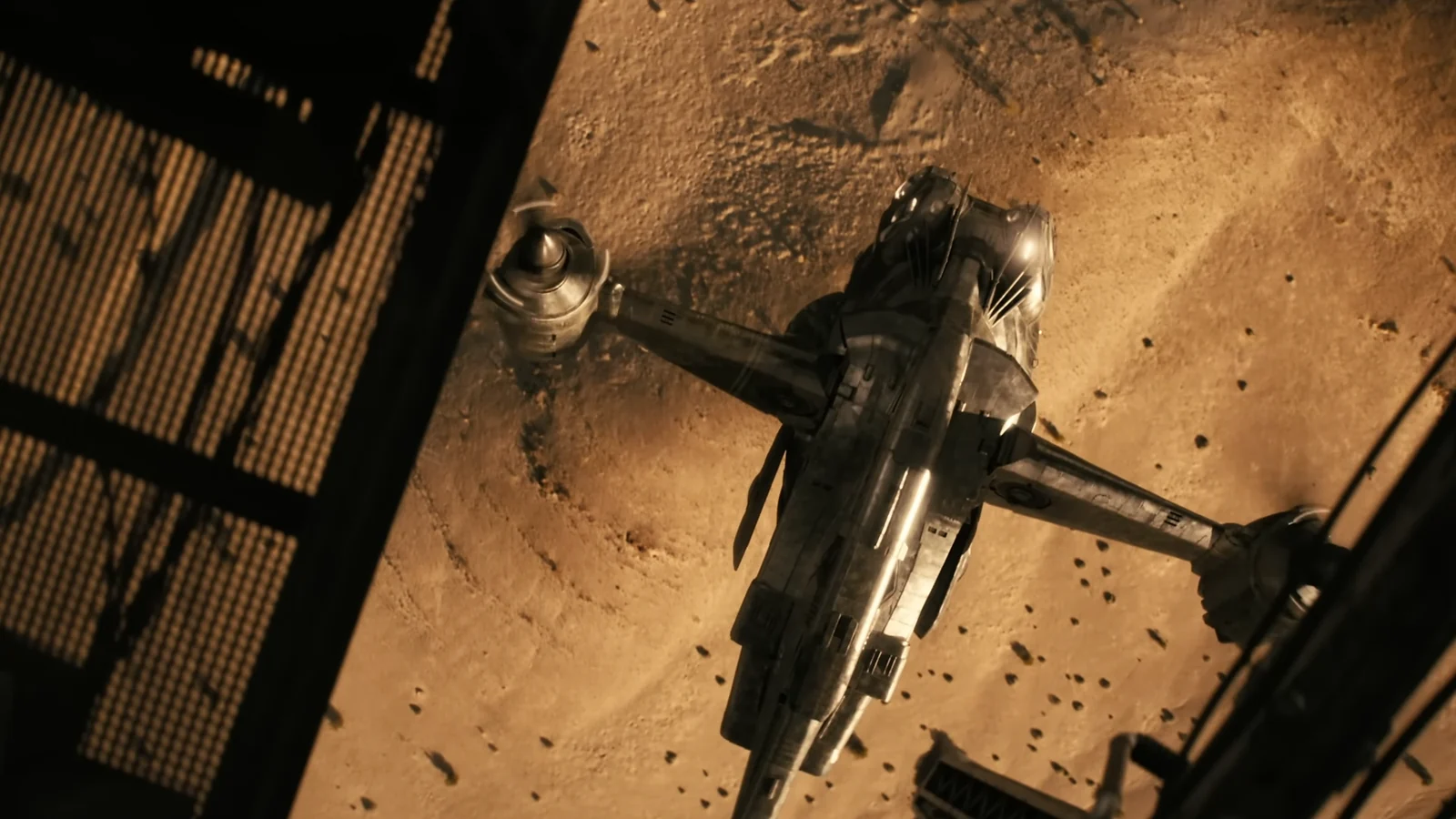
That tonal blend feels like a Nolan-style satire of corporate structure and dystopian bureaucracy, where the danger isn’t just mutant hordes but the grotesque logic of a broken society. It’s cynical without being joyless, reminding me of how Fallout games poke fun at everything, from adverts to authoritarian zeal.
The result? Scenes that make you flinch and laugh in close succession, bloody moments that would feel gratuitous in another show become part of the absurd rhythm. It’s a mix of grim violence, sharp levity, and retro-futuristic charm that works whether you grew up with the games or are just meeting the Wasteland for the first time.
Multi-Verse Pacing with Pip-Boy Flair
As I dove deep into analysis for my Fallout show review, I realized that the story outright surprised me, in a good way. It doesn’t unfold like a single straight line, but rather moves like a world full of ghosts and echoes. The show weaves multiple timelines and threads together, revealing lore and character motives in a way that kept me leaning forward instead of zoning out.
Watching events converge makes it feel less like a TV adaptation and more like expanded canon. The pacing is generally sharp. Episodes open with strong hooks and propel you into the next chunk of worldbuilding or conflict before you even catch your breath.
This show understands the beats that make Fallout feel like Fallout. The nods to stimpaks, bobbleheads, and that running gag about “primary missions” show affection for the source material without constantly breaking the fourth wall.
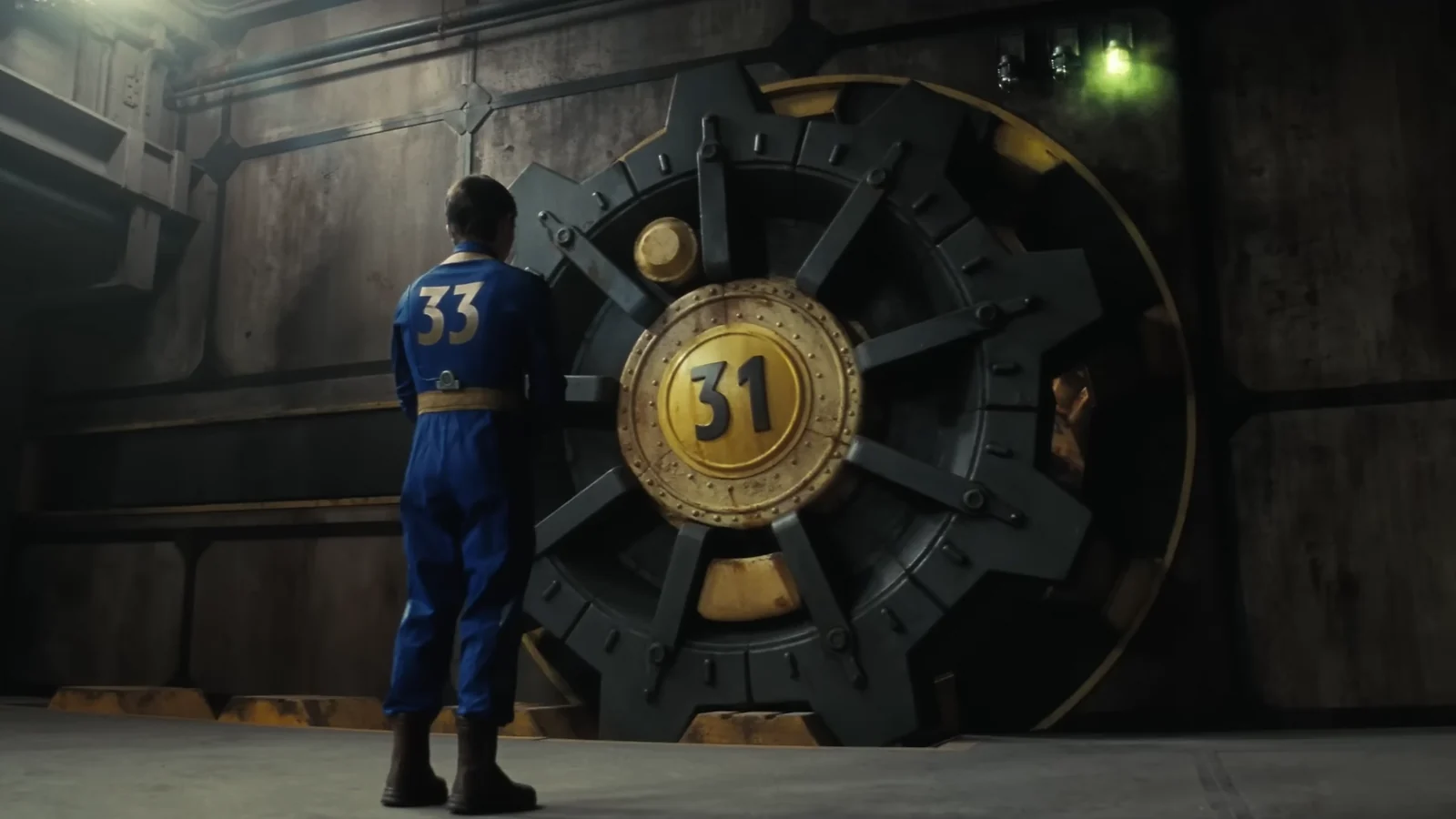
This iteration sits comfortably in the established timeline, set roughly ten years after the events of Fallout 4, and it doesn’t treat lore as an optional accessory — it’s part of the air you breathe in every scene.
Not everything lands perfectly, though. And I want my Fallout TV show review to make it clear that there are moments where the pacing feels uneven – some episodes rush character beats while others linger a bit too long. A couple of key arcs could have used deeper exploration, which left me wanting more context on motivation and backstory.
Still, that mix of momentum and detail mostly works in its favor, giving the narrative both weight and replay-bait energy for fans and newcomers alike.
Back to the Video Games That Started It
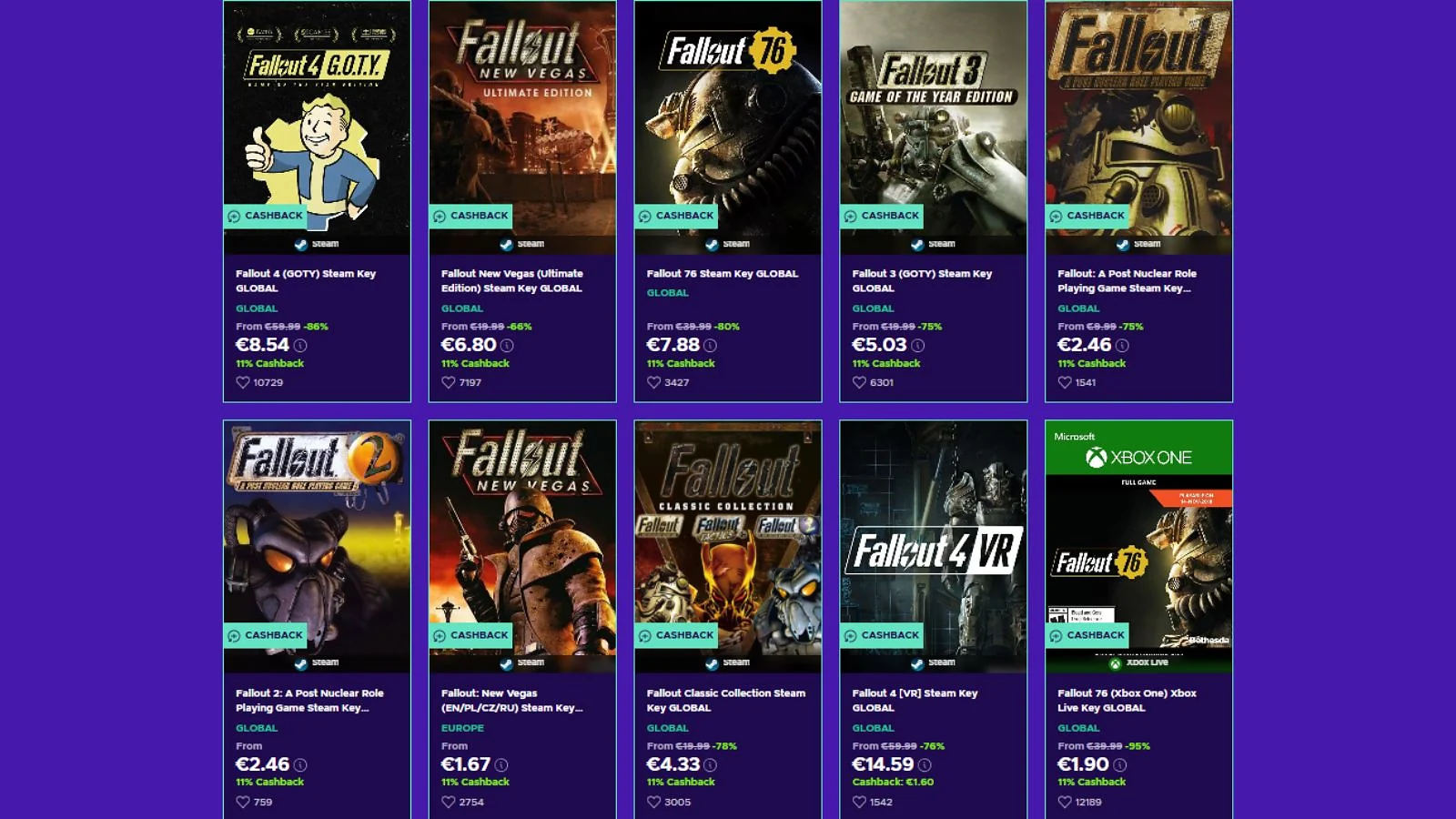
If this Fallout review and the show left you wanting to reinstall something immediately, you’re not alone. Watching factions clash, Vault secrets unravel, and Power Armor stomp across the screen pushed me straight back to the iconic video games.
The best part is that each title hits a different part of the Fallout experience; political intrigue, open-world RPG freedom, survival chaos, or pure retro RPG roots.
To help you find your next destination in the Wasteland, these entries offer the most direct connection to the show’s unique timeline, providing the high-stakes survival and dark humor that define this iconic universe.
| Game | Platform | Best For… | Why Buy Now? |
|---|---|---|---|
| Fallout 4 (G.O.T.Y. Edition) | PC, Steam | Players who want the closest timeline connection to the show | Set 10 years before the series, packed with DLC and modern polish |
| Fallout: New Vegas (Ultimate) | PC, Steam | Fans of moral complexity and faction politics | The sharpest writing in the franchise, complete edition included |
| Fallout 76 | PC, Steam | Co-op explorers who want a shared Wasteland | Ongoing updates make it the most actively evolving Fallout |
| Fallout Classic Collection | PC, Steam | Lore purists and old-school RPG lovers | Experience the roots of the universe the show builds on |
| Fallout 76: Atoms | Xbox Live | Customization-focused players | Upgrade your gear and cosmetics after the show hype hits |
My Overall Verdict on the Fallout TV Show: Solid Part of the Fallout Canon
In my Fallout TV show review, I’m giving it a 9/10 because this doesn’t feel like a side project, it feels like Fallout. The tone lands, the world feels lived-in, and the characters carry real weight. I didn’t watch it thinking about missed potential; I watched it thinking about my next playthrough.
Streaming on Prime Video, it benefits from solid 4K and HDR support. The production design shines in high resolution: dusty skylines, Power Armor detail, flickering Vault lights. No technical hiccups worth noting; playback is stable whether you’re on console apps, smart TV, or PC.
Where it stumbles slightly is in pacing and depth. A few arcs deserved more breathing room. But emotionally, it works. It respects the games without copying them beat for beat.
| Pros | Cons |
|---|---|
| ✅Faithful to Fallout’s tone ✅Strong lead performances ✅Rich, immersive world-building ✅High production quality | ❌Occasional uneven pacing ❌Some side arcs feel underdeveloped |
Great for: Longtime Fallout fans and smart sci-fi lovers.
Less ideal for: Viewers who dislike tonal shifts between gore and dark comedy.