

10 Best Tabletop RPG Games – Ultimate Adventure Guide for 2026

Eneba Hub contains affiliate links, which means we may earn a small commission if you make a purchase through them—at no extra cost to you. Learn more


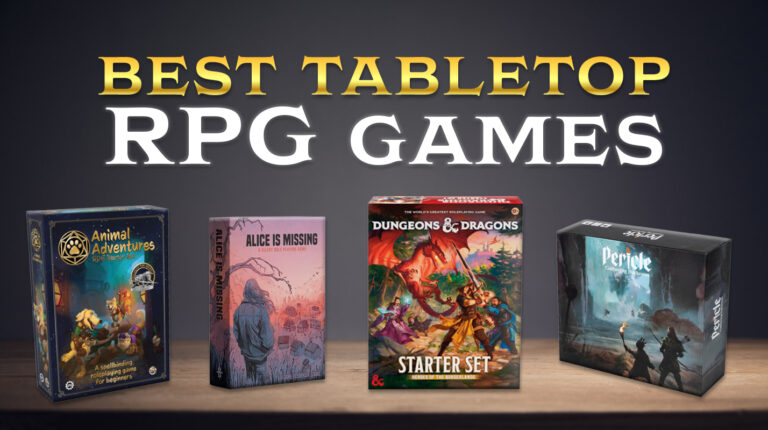
If you’ve ever looked for tabletop RPG games and thought, “I want a role-playing game, but where do I find something truly awesome?”, know that you’re not alone.
Millions of players around the world are passionate about tabletop role-playing games, but often get stuck trying to find the right system or campaign.
My guide is a real solution to that problem. Here, everyone will find something interesting. Both beginners just diving into the world of tabletop RPGs and experienced players looking to level up will benefit.
Jump to:
Our Top Picks for Tabletop RPG Games
In our list, there are legendary classics like the first edition Dungeons & Dragons, as well as fresh new system versions, including the best alternative for those tired of the usual rules. I’ll do a deep dive into mechanics, worlds, characters, and all the rough edges, so you know exactly what makes each game worth picking up, but for now, here’s the best tabletop RPGs of all time:
- Dungeons & Dragons (1974) – Legendary classic for beginners with a huge world, simple rules, and endless fantasy adventures.
- Pathfinder (2009) – Tactical and deep fantasy RPG for experienced players, with flexible character customization and strategic combat gameplay.
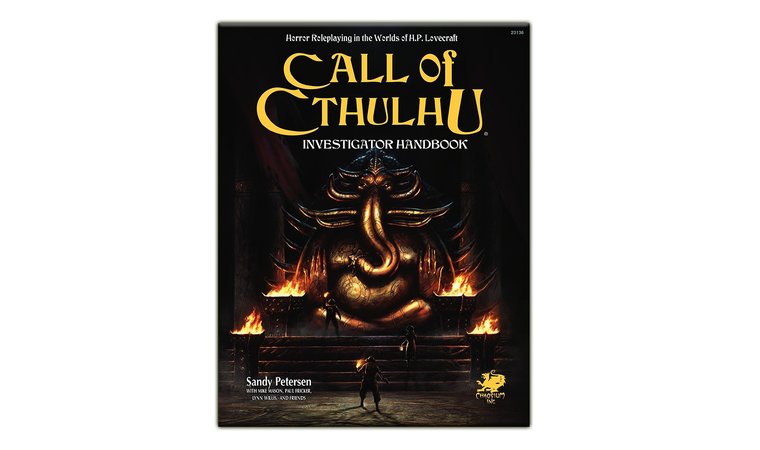
- Call of Cthulhu (1981) – Atmospheric horror game inspired by Lovecraft’s works and investigative stories, featuring a unique “sanity” system where plot and tension matter more than combat.
But that’s just the beginning. Keep reading and you’ll find even more games, each with a short review to make choosing easier.
10 Best Tabletop RPG Games: Explore Epic Worlds and Adventures
I’ve personally gone through the struggle of finding engaging tabletop RPG games. Some are too complicated, others are boring, and some just don’t deliver on atmosphere. That’s exactly why I put together this guide.
Here you’ll find top games for every taste: from the best crime tabletop RPGs to epic adventures in the spirit of Middle‑Earth. And even games with bounty hunting, where you can feel like a true bounty hunter.
How many of them have you already played?
1. Dungeons & Dragons [Best Overall Tabletop RPG for Beginners]
| Our Score | Enebameter 10/10
☆
★
☆
★
☆
★
☆
★
☆
★
☆
★
☆
★
☆
★
☆
★
☆
★
|
| Setting | Heroic fantasy with castles, dragons, magic, classic-style adventures. |
| System type | d20 system (5th edition) |
| Ideal player count | Usually 3-5 players + Game Master; officially up to 6 effectively. |
| Complexity level | Medium/High – rich mechanics, many options, but beginner versions exist. |
| Session length | 3-5 hours per session; campaigns can last much longer. |
| Best play style | Adventures, tactics, exploration, social interaction, versatile. |
| Best for | Beginners, groups who want to “step into” tabletop RPGs; also experienced players seeking a classic tested system. |
| What I liked | Huge community, tons of ready-made adventures, flexible settings, easy to find players. |
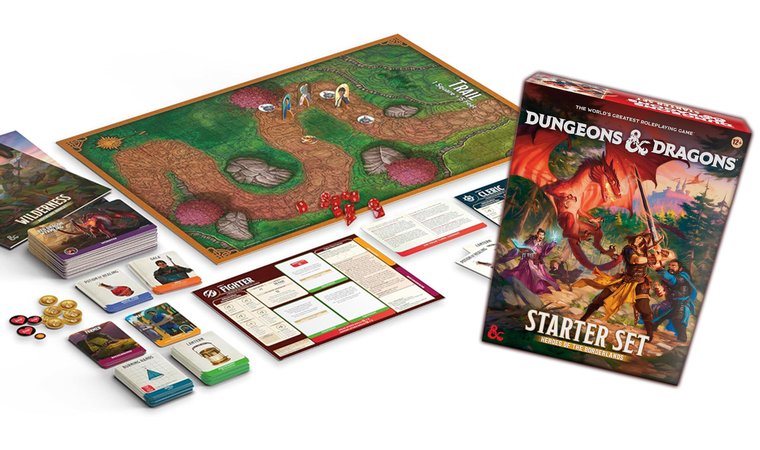
Dungeons & Dragons is a legendary heroic fantasy game where you create a hero, roll dice, and write a story together with friends. One player becomes the Dungeon Master, leading the plot and describing the world, while the others take actions, fight battles, and grow stronger.
The mechanics tabletop RPGS are simple: a d20 roll determines the success of any action. The game is beginner-friendly: you can play a short one-shot or dive into a long campaign. It has a huge fan base, official worlds, and tons of content that keeps expanding.
One of the most recognizable and popular tabletop RPG systems, a perfect starting point for beginners, yet scalable for serious campaigns.
My Verdict: Simple, lively, and endlessly flexible: Dungeons & Dragons is the perfect entry point into the world of tabletop RPGs.
2. Pathfinder [Best Tactical Fantasy RPG for Experienced Players]

| Our Score | Enebameter 10/10
☆
★
☆
★
☆
★
☆
★
☆
★
☆
★
☆
★
☆
★
☆
★
☆
★
|
| Setting | Fantasy world with heroism, rich lore, modified classic d20 system. |
| System type | d20 system (based on D&D 3.5 and SRD) |
| Ideal player count | Usually 3-5 players + Game Master; can scale to larger groups. |
| Complexity level | High – lots of rules, character customization, tactical combat. |
| Session length | 3-5+ hours; campaigns can stretch across dozens of sessions. |
| Best play style | Tactical adventures, detailed character building, serious combat, and nonlinear scenarios. |
| Best for | Experienced players who value depth and mechanical options. |
| What I liked | Deep customization, wide selection of classes, focus on battles and strategy. |
When I sit down to play Pathfinder, I immediately feel that it’s classic fantasy with a strong focus on strategy and customization. The world’s best TTRPG is the medieval fantasy planet Golarion, where magic, monsters, and heroes live side by side.
The core of the game: each player creates a character, choosing race, class, and abilities, and together with the Game Master (GM), dives into an adventure. You’ll explore, slay enemies, and solve problems through diplomacy.
Mechanics: combat and actions are highly tactical, lots of ability choices, reactions, and options. The system suits those who enjoy “leveling up” their hero into a complex powerhouse.
If you know basic tabletop RPGs and want a “grown-up” system with details, Pathfinder is an excellent choice.
My Verdict: If you’re already familiar with role-playing games and want a serious game system with deep customization, Pathfinder is your pick.
3. Call of Cthulhu [Best Horror Investigation RPG]
| Our Score | Enebameter 10/10
☆
★
☆
★
☆
★
☆
★
☆
★
☆
★
☆
★
☆
★
☆
★
☆
★
|
| Setting | Cosmic horror inspired by H.P. Lovecraft: mysteries, risk of madness, investigations. |
| System type | Percentile (d100) system, based on Basic Role-Playing. |
| Ideal player count | 2-5 players + Keeper (GM) optimal; can go up to 6+. |
| Complexity level | Medium – less focus on tactical combat, more on atmosphere, investigation, and drama. |
| Session length | Usually 2-4 hours; campaigns can be short or focused. |
| Best play style | Investigation, horror, plot twists; less emphasis on grind/combat, more on sense of threat. |
| Best for | Players who enjoy dark themes, psychological tension, one-shots, or mini-campaigns. |
| What I liked | Strong atmosphere, madness mechanics, perfect for players bored of standard “heroic RPGs.” |
When I start Call of Cthulhu, I immediately dive into an atmosphere of horror and mystery. Investigations, secrets, the fear of the unknown. The setting is inspired by Lovecraft, the 1920s, fading cults, and madness.
You and your group are investigators, and the Game Master is the “Keeper.” Together, you uncover conspiracies and face dangerous situations where the hero doesn’t necessarily become a “superhuman.” The game uses a d100 system (roll ≤ skill = success). There’s no usual leveling or heroism; characters are vulnerable.
Fresh take on best tabletop RPGs, if you want to break from “hero vs. dragon” formula, Call of Cthulhu is ideal.
My Verdict: If you want to immerse yourself in the horror genre and play a game where survival matters more than victory, Call of Cthulhu is exactly for you.
4. Alice is Missing [Best Silent Story-Driven RPG]
| Our Score | Enebameter 9.5/10
☆
★
☆
★
☆
★
☆
★
☆
★
☆
★
☆
★
☆
★
☆
★
☆
★
|
| Setting | Modern mystical town, disappearance of a girl, emotional investigation without verbal communication. |
| System type | Narrative system (minimal or no rolls), played entirely via text messages. |
| Ideal player count | 3-5 players (per description) |
| Complexity level | Low – minimal rules, maximum emotions and interaction. |
| Session length | ~90 minutes per session. |
| Best play style | Narrative, emotional interaction, light experimental format. |
| Best for | Groups wanting to move away from classic combat/grind, play a one-shot focused on story and atmosphere. |
| What I liked | Very fresh format, strong emotional involvement, easy entry point. |
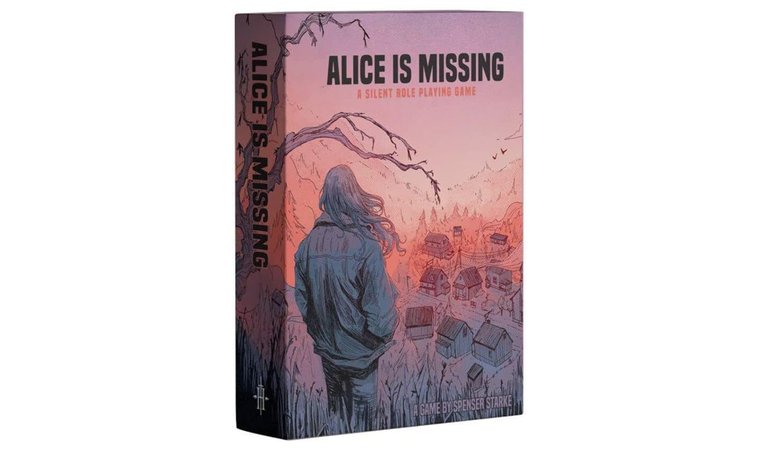
This is an emotional investigation game where the entire gameplay happens through chat messages. The disappearance of student Alice Briarwood triggers a series of unsettling texts in the town of Silent Falls.
Best games for game nights, offers a “no-talking” format: players argue, narrate, investigate, but only through text messages. The mechanics are minimalist: no battles, no levels, the core is interaction, deduction, clue cards, and a 90-minute timer.
For players seeking tabletop RPGs with a unique approach, no traditional combat, but a powerful story.
My Verdict: If you want to play a single session like a movie, where you are the heroes and the text is the whole world, Alice is Missing gives you something truly unique.
5. Gathering Darkness [Best App-Assisted Fantasy RPG for Beginners]
| Our Score | Enebameter 9.5/10
☆
★
☆
★
☆
★
☆
★
☆
★
☆
★
☆
★
☆
★
☆
★
☆
★
|
| Setting | Fantasy world with dungeons, app-assisted campaign, hybrid format. |
| System type | Mix of classic tabletop RPG and digital assistant (app), hybrid format. |
| Ideal player count | 1-4 players (supports solo or small group) |
| Complexity level | Medium – includes tactical aspects, but app assistance simplifies many things. |
| Session length | ~1+ hour per session; overall campaign can exceed 60 hours. |
| Best play style | Campaign starter, for beginners, or groups with irregular schedules; hybrid format convenient. |
| Best for | New players, families, groups with irregular schedules, those entering tabletop RPGs without extensive preparation. |
| What I liked | App manages the campaign, reduces GM workload, convenient and flexible. |
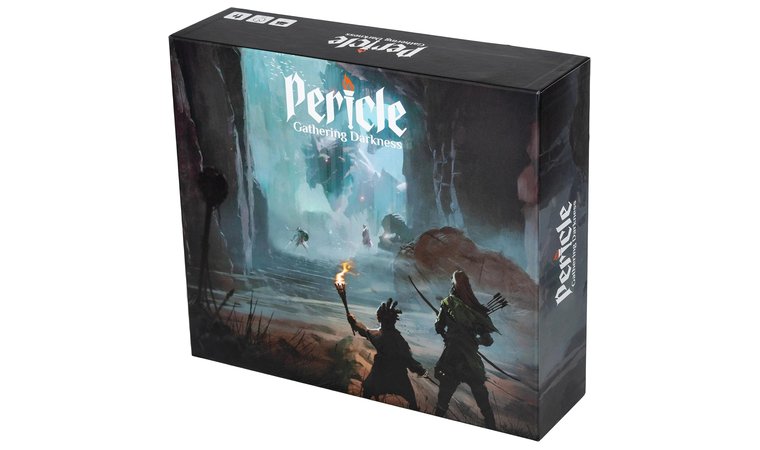
This is a fantasy campaign supported by an app. The world of Pericle, where heroes, without a Game Master, use the “Loremaster” app to progress through scenarios, influence the story, and battle enemies.
At its core, it’s classic heroic fantasy with combat, maps, miniatures, and digital assistance. Top family board games, classless system, flexible hero creation; the app drives the story and sets conditions. Suitable for beginners and for those who want to smoothly enter the best tabletop RPGS with less GM workload.
Excellent entry into tabletop RPGs, modern format making the system more accessible.
My Verdict: If you need a convenient and modern entry point into RPGs, Pericle: Gathering Darkness is an excellent choice.
6. Root [Best Woodland Fantasy RPG]
| Our Score | Enebameter 9/10
☆
★
☆
★
☆
★
☆
★
☆
★
☆
★
☆
★
☆
★
☆
★
☆
★
|
| Setting | Woodland fantasy world, animal adventurers, political intrigue among forest factions. |
| System type | Powered by the Apocalypse (PbtA), narrative-focused system |
| Ideal player count | 3-6 players |
| Complexity level | Medium – not heavy, but requires attention to factions and storytelling. |
| Session length | Adaptable – from single adventures to long campaigns. |
| Best play style | Narrative + adventure + roleplay among forest communities; more story, less mechanical combat. |
| Best for | Gamers seeking fresh fantasy, an alternative to familiar settings, love animal characters and story. |
| What I liked | Unique woodland fantasy setting, good mix of mechanics and storytelling. |
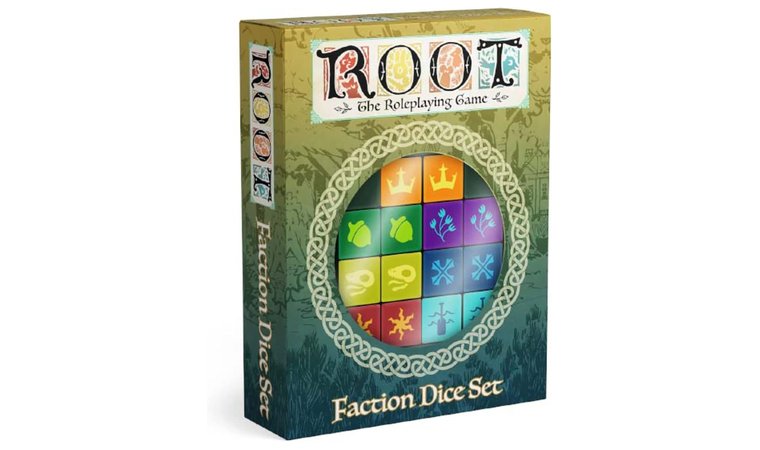
This epic strategy board game woodland fantasy features cunning animal factions, uprisings, and secrets beneath the forest canopy. You dive into the story of a group of wanderers and outcasts who live between factions, share plans by the campfire, negotiate, and explore the woodland world.
The rules are based on the Powered by the Apocalypse (PbtA) system, which means the focus is on storytelling, character actions, and their consequences.
Great choice for those wanting to step beyond ordinary best fantasy games, discover a new game system that’s interesting and easy to start.
My Verdict: If you’re tired of traditional RPGs and want something fresh, Root: The Roleplaying Game gives you an engaging “woodland” alternative.
7. Animal Adventures: Starter Set [Best Family-Friendly RPG]
| Our Score | Enebameter 8.5/10
☆
★
☆
★
☆
★
☆
★
☆
★
☆
★
☆
★
☆
★
☆
★
☆
★
|
| Setting | Fantasy world with animal heroes, light and friendly format, compatible with 5e. |
| System type | Simplified d20 / 5e-compatible starter set (for families and beginners). |
| Ideal player count | 2-8 players (set designed for family play) |
| Complexity level | Low – simple rules aimed at beginners and children. |
| Session length | ~2-6 hours (depending on scenario) |
| Best play style | Family nights, introduction to roleplaying games, light adventures. |
| Best for | Beginners, children, families, groups who want fun without deep mechanics. |
| What I liked | Miniatures, ready-made scenarios, easy entry, pleasant aesthetics. |
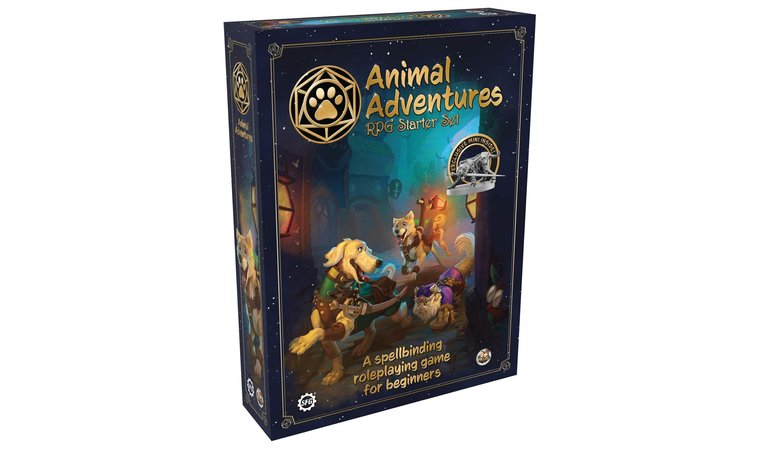
A light fantasy adventure where the heroes are adorable animal characters: cats, dogs, and others. The atmosphere is friendly and colorful. Perfect for beginners and kids: simple rules, lots of miniatures, a map, and tokens, everything you need for a comfortable dive into role-playing games without the fear of “not understanding.”
Compatible with the 5th edition d20/5e system, this starter set is designed for a quick start, light adventures, and cheerful role-play.
Perfect “pain-free” introduction, an easy bridge to more serious systems, especially for tabletop RPGs as family entertainment.
My Verdict: Simple, friendly, and visually charming, Animal Adventures: Starter Set is ideal for starting out with younger players and the whole group.
8. Fallout: The Roleplaying Game [Best RPG for Video Game Fans]
| Our Score | Enebameter 8.5/10
☆
★
☆
★
☆
★
☆
★
☆
★
☆
★
☆
★
☆
★
☆
★
☆
★
|
| Setting | Post-apocalyptic Fallout universe, survivors, squads, tech ruins, factions. |
| System type | 2d20 system with SPECIAL components (video game adaptation to tabletop). |
| Ideal player count | Usually 3-5 players + GM. |
| Complexity level | Medium-High – survival nuances, factions, tech, but familiar setting lowers the barrier. |
| Session length | Campaigns can be long; sessions usually 3+ hours. |
| Best play style | Players familiar with video games seeking tabletop adaptation, enjoy exploration, survival, thematic setting. |
| Best for | Video game fans, groups wanting a tabletop version of a favorite game. |
| What I liked | Iconic video game adaptation, rich lore, mix of combat, survival, and exploration. |
A post-apocalyptic adventure in a world after nuclear catastrophe, where you can play as Vault dwellers, super mutants, or robots exploring the ruins. Ideal for players familiar with the best video games who want to bring that same atmosphere to the tabletop. You’ll experience exploration, survival, factions, and freedom of choice.
The system is based on Modiphius’s 2d20 rules, adapted with SPECIAL stats and roll mechanics that balance tactics and freedom.
For those experienced in video games wanting a role-playing game tied to gaming culture, Fallout delivers exactly that.
My Verdict: A full transition from video games to tabletop: Fallout: The Roleplaying Game brings a familiar world and fresh storytelling opportunities.
9. 13th Age [Best Lightweight D20 RPG for Story-Focused Play]
| Our Score | Enebameter 8.5/10
☆
★
☆
★
☆
★
☆
★
☆
★
☆
★
☆
★
☆
★
☆
★
☆
★
|
| Setting | Fantasy world with familiar d20 aesthetics, but with stronger focus on story and characters. |
| System type | d20 system with simplifications, fantasy, story-oriented. |
| Ideal player count | 3-6 players + GM. |
| Complexity level | Medium – lighter than many classic systems, but deeper than starter sets. |
| Session length | Suitable for one-shot adventures and campaigns. |
| Best play style | Narrative, roleplay with character focus, less “grind,” more story. |
| Best for | Players familiar with d20 systems seeking a lighter but still serious version. |
| What I liked | Reduces some “mechanical weight” of classic d20 systems while remaining familiar and flexible. |
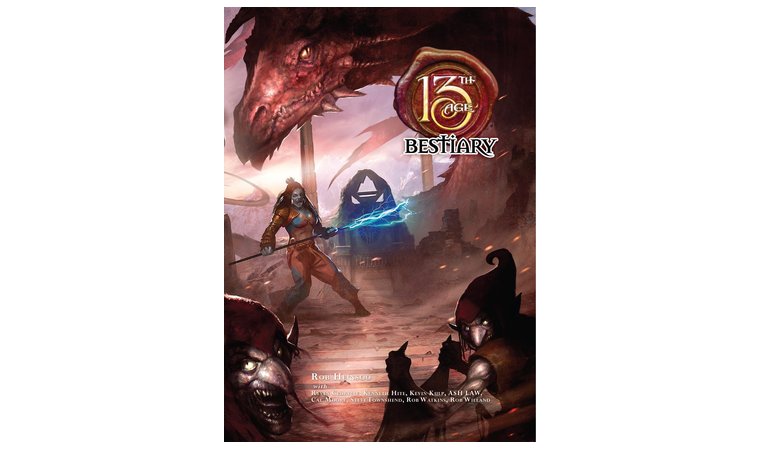
Heroic fantasy with a focus on story and freedom of action: a world where great “icons” influence you and your story. Suitable for groups who enjoy light rules, fast gameplay, and story-focused sessions; great for beginners and those who want less “grind” and more narrative.
The system is d20-derived but designed for quick rolls; it includes the “One Unique Thing” and “Icons” mechanics, tying the character to the setting.
Excellent for those wanting a “light d20” focus on characters and story without losing the familiar foundation.
My Verdict: Simple and flexible system with story at the center: 13th Age is perfect if you’re familiar with classic d20 but want a fresh approach.
10. Castles & Crusades [Best Old-School Fantasy RPG Experience]
| Our Score | Enebameter 8/10
☆
★
☆
★
☆
★
☆
★
☆
★
☆
★
☆
★
☆
★
☆
★
☆
★
|
| Setting | Classic old-school fantasy adventure, “hero vs. monsters”, leveling, dungeon exploration. |
| System type | Simplified d20 system (SIEGE Engine) with old-school feel. |
| Ideal player count | 3-6 players + Castle Keeper (GM) |
| Complexity level | Lower medium – simpler than many modern systems, but still has depth. |
| Session length | Suitable for classic adventures and campaigns. |
| Best play style | For old-school fans, D&D heritage lovers, dungeons, cohesive group. |
| Best for | Players and GMs who enjoy classic roleplaying game style, want “that” old-school feel. |
| What I liked | Nostalgic feel, compatible with many materials, flexible. |
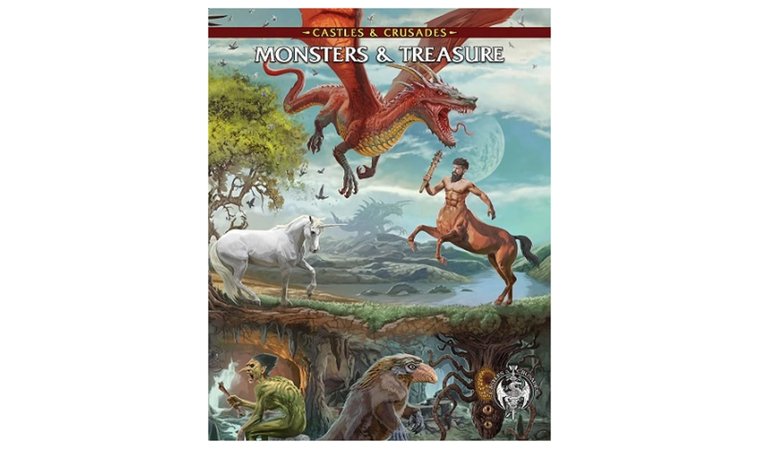
Classic fantasy bringing back the spirit of old tabletop RPGs: kings, castles, dragons, dungeon exploration, and heroic deeds. Appeals to fans of OSR-style play, minimalist rules, freedom of action, and those who don’t want tons of mechanics; perfect for anyone familiar with RPG tradition.
In my opinion, the game offers a bridge between old-school D&D and modern systems: you get the classic old-school flavor with modern ergonomics and flexibility.
If you want to immerse yourself in the most popular tabletop RPG atmosphere without over-modernization while keeping the old-school spirit, Castles & Crusades is the one.
My Verdict: If you want to dive into the “hero vs. monsters” atmosphere with a light and flexible system, Castles & Crusades is an excellent choice.
How Do You Play Tabletop RPGs?
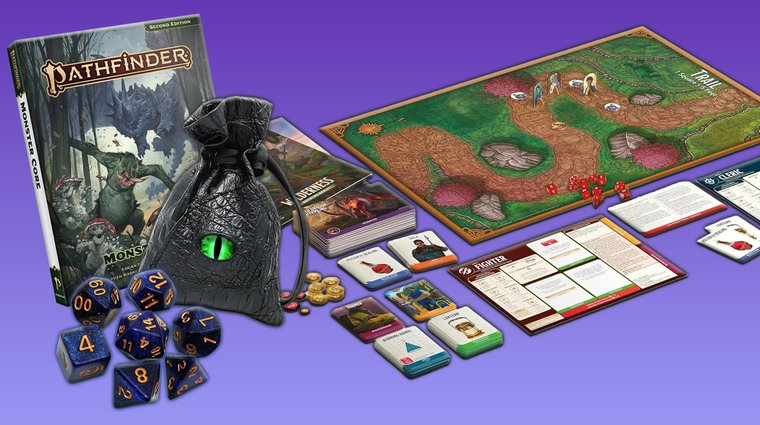
Here’s my easy guide for diving into the fan-world of tabletop roleplaying games: no complicated words, straight from a gamer for gamers.
- Gather your team. You + 2-5 friends + a “leader” (usually called the Game Master or GM). Together you’re a team, not opponents.
- Create characters. Each player comes up with their hero: name, personality, abilities, who they’ll be in the story. This is the character creation stage. Some games already provide ready-made characters with stats and skills.
- GM describes the world. The GM says something like, “You walk into a dark tavern…” They set the scene, give hints, manage the world, NPCs, and events.
- Players take action. You decide what your character does. Try to steal a jewel? Or strike up a diplomatic conversation – the choice is yours.
- Dice rolls + resolution. Most systems use dice rolls or other mechanics to determine if your attempt succeeds. This adds an element of risk and surprise.
- The story moves forward. Your actions, the world’s reactions, successes, and failures all together create the plot. Repeat the steps: GM describes → players act → dice rolls → events.
Key Reminders Before You Play
- The main goal isn’t to “win the session.” You’re creating a story together with friends.
- Imagination and teamwork matter more than memorizing rules.
- Different game systems may differ in details, but the basic structure is the same: group + characters + GM + interaction + dice.
The golden rule of tabletop RPGs – Fun > Rules. Rules exist to help, not to get in the way. If they slow down the fun: tweak, adapt, decide as a team.
Why I Think Roleplaying Games Are Awesome
- You’re not just “playing” – you’re a resident of the world you helped create.
- Every session can be unique: one time an epic battle, another time an emotional chat by the campfire.
- You can start small – and later build a full campaign.
- Even if you’re not a pro, the main thing is the willingness to try and be part of the story together.
In short: grab friends, pick a system, create characters, turn on your imagination, and roll the dice. Tabletop roleplaying games are waiting, and the whole world is built by you.
FAQs
Best tabletop RPG game, many players say Dungeons & Dragons takes the crown, especially for those looking for the best fantasy tabletop RPG experience. But if you’re into crime tabletop RPG or want something more tactical, Pathfinder or even Warhammer Fantasy Roleplay can be a great alternative.
A tabletop RPG is basically a game where you and your friends tell a story together using player characters, dice, and rules from a core rulebook or core rules. Think of it as board games but with more imagination and RPG elements, where one person is usually the dungeon master or GM, guiding the action.
An aRPG is an action RPG, usually video game-based, focusing on combat and fast Gameplay, while a traditional RPG is more about storytelling, decision-making, and system mastery.
Probably Dungeons & Dragons again. It’s got a massive fanbase, countless adventures, and multiple previous editions leading to a new edition. You can run one game or a full campaign, use core rules, and it’s supported by Wizards of the Coast.
A good tabletop RPG for beginners is Dungeons & Dragons 5th edition or Gathering Darkness, which uses RPG elements but keeps things simple. Another great game for beginners could be Animal Adventures: Starter Set, perfect for families or a fresh-air introduction to role-playing games.
Good tabletop RPG games for kids, like Animal Adventures or simplified hero games, are perfect. They use light core rules, fun player characters, and short one-shot adventures. Other options include board games with RPG elements or science fiction themes for younger players, like simplified Star Wars or classic Traveller.