


How Do Record Players Work? The Complete Guide to Vinyl Mechanics


If you have ever wondered how record players work, you’re not alone. Watching a needle glide across a spinning disc and produce clear, warm music feels almost like magic. Yet the science behind it is surprisingly elegant and has remained fundamentally unchanged for over a century.
I remember the first time I placed a record on my turntable and lowered the stylus. That gentle crackle before the music started created a connection to the music that digital streaming simply cannot replicate. Understanding the mechanics behind this experience made me appreciate vinyl even more.
In this guide, I will break down exactly how a record player works, from the physics of sound waves to the parts of a record player that bring your favorite albums to life.
Jump to:
How Do Record Players Work? The Basic Mechanics
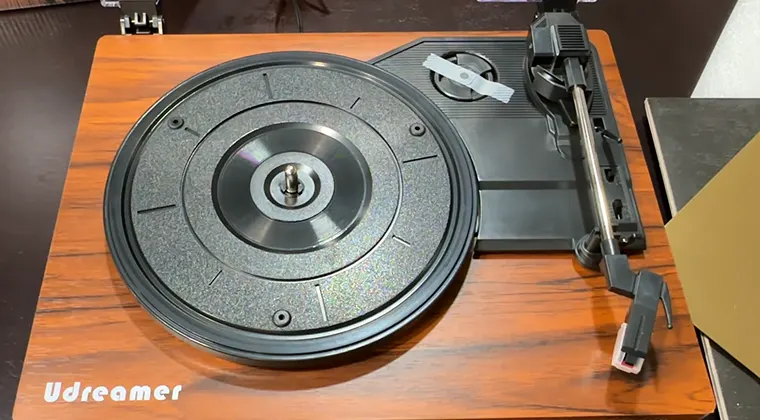
At its core, a record player is an electromagnetic device that converts physical vibrations into electrical signals. This process involves several components working together in perfect harmony.
Step 1: Sound is stored in the vinyl record
The journey starts with the vinyl record itself. Vinyl records store sound in the form of tiny grooves cut into their surface. These grooves contain microscopic ridges and valleys that represent the original sound waves from the recording session. When you look at a record under a microscope, you can actually see these intricate patterns etched into the plastic.
Step 2: The record spins on the platter
As the record spins on the platter, the stylus (commonly called the needle) rides through these grooves. The platter must rotate at a precise and consistent speed to ensure accurate sound reproduction.
Step 3: The stylus tracks the grooves
The stylus is typically made from industrial diamond or sapphire, making it hard enough to withstand constant friction while remaining precise enough to track the tiny undulations in the vinyl.
Step 4: Vibrations are transferred to the cartridge
As the stylus moves through the grooves, it vibrates in response to the groove’s shape. These vibrations are transferred through a tiny cantilever into the cartridge, where the sound conversion process begins.
Our guide to the best headphones can help you find the right pair to appreciate every detail in your records.
How Do the Grooves on a Record Make Sound?
This is where the real magic happens. The grooves on a vinyl record are essentially a physical representation of sound waves frozen in plastic. During the recording process, sound vibrations cause a cutting stylus to carve a continuous spiral groove into a master lacquer disc.
For stereo recordings, the groove walls are cut at 45-degree angles. The right channel information is carried by the outer wall, while the left channel is encoded on the inner wall. The width and depth of the groove represent volume and frequency information.
When the playback stylus traces these grooves, it vibrates in three dimensions. These microscopic movements are transferred through the cantilever to the cartridge, where they are converted into electrical signals. The signals then travel through wires to a preamp, which boosts them to a level that can be sent to an amplifier and speakers.
Interestingly, if you turn off your amplifier but keep the record spinning, you can actually hear faint music coming directly from the stylus itself. Those raw vibrations are the pure, unamplified sound before any electronic processing occurs. For the purest listening experience, many vinyl enthusiasts prefer the best wired headphones since they produce an uncompressed signal that complements the analog nature of vinyl.
The Essential Parts of a Record Player
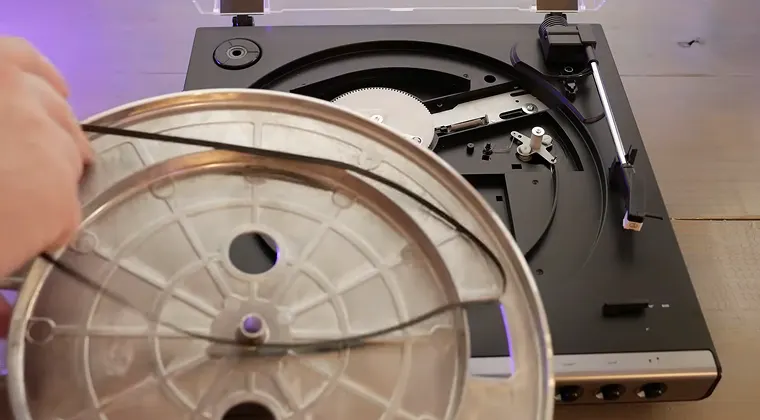
Understanding how vinyl records work requires knowing the key components that make playback possible. Each part plays a specific role in the transformation from physical groove to audible music.
The Platter and Drive System
The platter is the circular platform where your record sits during playback. It must spin at a precise, consistent speed to reproduce the music accurately. Most records play at either 33 1/3 RPM (revolutions per minute) for full albums or 45 RPM for singles.
Two main drive systems power the platter.
- Belt-drive turntables use a rubber belt connecting the motor to the platter, which helps isolate motor vibrations and produces cleaner sound.
- Direct-drive turntables place the motor directly beneath the platter, offering more consistent speed and quicker start times, making them popular with DJs.
The Tonearm
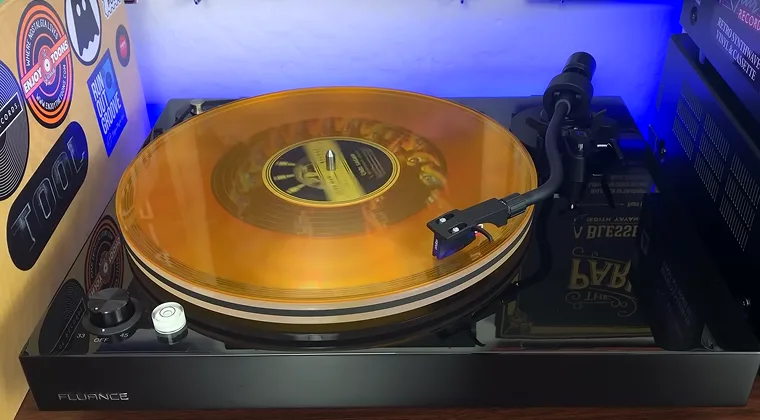
The tonearm holds the cartridge and stylus while allowing them to track across the record surface. It needs to be perfectly balanced so the stylus applies just the right amount of pressure to read the grooves without damaging them or skipping.
A counterweight at the back of the tonearm lets you adjust tracking force, while an anti-skate mechanism prevents the stylus from pulling too hard toward the center of the record. Getting these settings right is crucial for optimal record player sound quality.
The Cartridge and Stylus
The cartridge contains the mechanism that converts vibrations into electrical signals. Inside, it uses either:
- Moving Magnet (MM) design
- Moving Coil (MC) design
As the stylus vibrates, it moves a magnet or coil near copper wires, generating a tiny electrical current that matches the original sound waves.
If you are serious about sound quality, investing in quality headphones can transform your listening experience. Check out our guide to the best audiophile headphones to pair with your vinyl setup.
From Cartridge to Speakers: The Amplification Chain
The electrical signal from the cartridge is extremely weak and requires significant amplification before you can hear it.
This is where the preamp comes in. Most preamps also apply RIAA equalization, which compensates for the frequency adjustments made during recording.
When records are cut, high frequencies are boosted and low frequencies are reduced to allow for narrower grooves and longer playing times. The preamp reverses this curve, restoring the original frequency balance and delivering the warm, full sound that vinyl enthusiasts love.
Some turntables have built-in preamps, making them ready to connect directly to powered speakers or an amplifier. For the best results, consider pairing your setup with quality speakers or a soundbar optimized for music to get the most out of your vinyl collection.
The Process of Recording on Vinyl
Vinyl recording starts in the mastering studio, where engineers prepare the audio for the cutting lathe. The original recording is played through a system that drives a heated cutting stylus across a blank lacquer disc. This lacquer master captures every nuance of the music in its grooves.
The lacquer is then sent to a pressing plant, where it is coated with metal (usually nickel or silver) through electroplating. This creates a metal stamper with ridges instead of grooves. The stamper is loaded into a hydraulic press, where it presses the groove pattern into softened vinyl pellets.
Steam softens the vinyl during pressing, and cool water hardens the finished record. Each side of an LP can hold around 22 minutes of music, though putting less content on each side allows for wider grooves and better sound quality. To truly appreciate the craftsmanship that goes into each record, a quality pair of over-ear headphones lets you hear the full dynamic range that vinyl delivers.
What Is a Vinyl Player: Types and Configurations
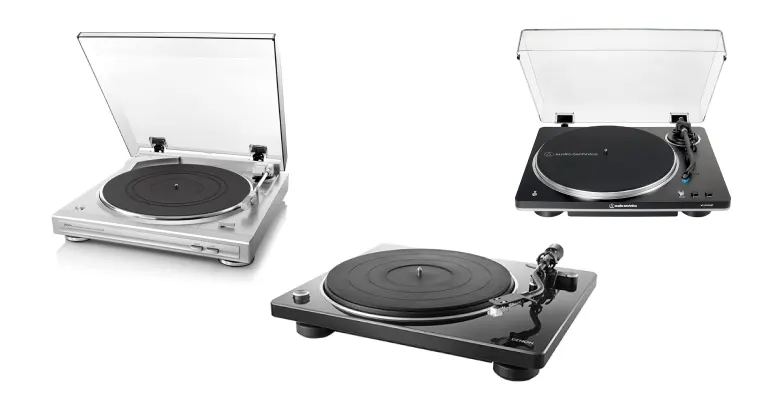
When people ask, “What is a vinyl player?”, they are usually referring to any device that plays vinyl records. This includes everything from vintage all-in-one consoles to modern high-fidelity turntables.
- Manual turntables require you to lift the tonearm and place the stylus yourself.
- Automatic models handle this with the push of a button and return the arm when the record ends.
- Semi-automatic players require manual placement but lift the arm automatically at the end.
For a comprehensive breakdown of the best options available, our guide to the best turntables and record players covers everything from budget-friendly models to audiophile-grade equipment.
The Timeless Appeal of Vinyl Sound
Understanding how record players work reveals just how remarkable this technology truly is. The same basic principles Thomas Edison pioneered in 1877 continue to bring music to millions of listeners today. The stylus still reads grooves, vibrations still become electrical signals, and speakers still move air to create sound.
There is something deeply satisfying about the tactile ritual of vinyl. Sliding a record from its sleeve, placing it on the platter, and lowering the needle creates a connection with music that streaming services cannot match. The warm analog sound and physical presence of vinyl make every listening session feel special.
FAQs
A record player turns grooves into music by using a diamond stylus that vibrates as it traces the grooves, converting these physical movements into electrical signals through the cartridge. These signals are then amplified and sent to speakers.
Yes, record players need speakers to work and produce audible sound. Some all-in-one models have built-in speakers, while component turntables require external speakers or headphones connected through an amplifier.
Vinyl records have a warmer sound than digital because they reproduce audio as a continuous analog waveform rather than digital samples. This creates subtle harmonic content and a natural compression that many listeners find pleasing.
Record player needles last approximately 500 to 1,000 hours of playing time under normal conditions. Factors like record cleanliness, tracking force, and stylus quality affect longevity. A worn needle can damage your records.
Yes, playing records can damage them over time if the stylus is worn, the tracking force is incorrect, or the records are dirty. With proper maintenance, a well-cared-for record can be played thousands of times with minimal degradation.