

PUBG Mobile Esports: Complete Guide


PUBG Mobile esports has turned battleground chaos into a global spectacle. What started as scrappy regional skirmishes is now a massive pro circuit where clutch sprays, smokes, and rotations decide million-dollar titles.
From dominant rosters in the PMGC to rising squads grinding through qualifiers, the scene rewards precision and discipline as much as raw aim. This guide breaks down how the ecosystem works – from formats and regions to the players rewriting mobile esports history one chicken dinner at a time.
Jump to:
What Is PUBG Mobile Esports?

As a dedicated gamer, I’ve watched PUBG Mobile esports grow from simple community matches into a full‑fledged international circuit and one of the most popular esports games out there. PUBG Mobile is the handheld version of PlayerUnknown’s Battlegrounds, and its esports branch centers on teams of four players parachuting into digital battlegrounds and competing for survival.
Each match is a balance of tactics, timing and quick reflexes. Unlike casual play, competitive matches follow strict rules, map rotations and scoring systems. Points are earned for placement and eliminations, rewarding both survival and aggressive play.
Major tournaments run across the year, culminating in flagship events like the PUBG Mobile World Cup and the PUBG Mobile Global Championship (PMGC). Prize pools now range from hundreds of thousands to millions of dollars, with top players earning sponsorships and prestigious awards.
The scene has been professionalizing quickly. Regional leagues feed into continental championships, while cross‑regional wildcards keep the meta diverse. Broadcasts are polished productions, accessible on streaming platforms, and specialized gaming phones like the Infinix GT 30 Pro provide the standardized hardware for competitions.
How Many People Play PUBG Mobile Every Day?
PUBG Mobile’s player base dwarfs many other competitive titles. According to analytics sites that track monthly and daily activity, there are roughly 28 million to 57 million active daily players. Peak monthly counts reached around 36.9 million players in late 2024, and even though the numbers fluctuate with updates and seasons, millions still log in every day. To put this in perspective, only a handful of esports games see similar engagement.
From personal experience, matches fill quickly at any hour, and regional servers ensure low latency in Europe, Asia, the Americas and the Middle East. The fact that tournaments like the World Cup sell out arenas and draw large online audiences confirms that casual interest converts into esports viewership.
The game’s free‑to‑play model, frequent updates and smooth performance on mid‑range devices keep the barrier to entry low. For more context on the game’s popularity relative to other battle royales, our PUBG vs Fortnite guide explores how each title attracts players and the distinct audience for PUBG Mobile.
Best PUBG Mobile Esports Weapons
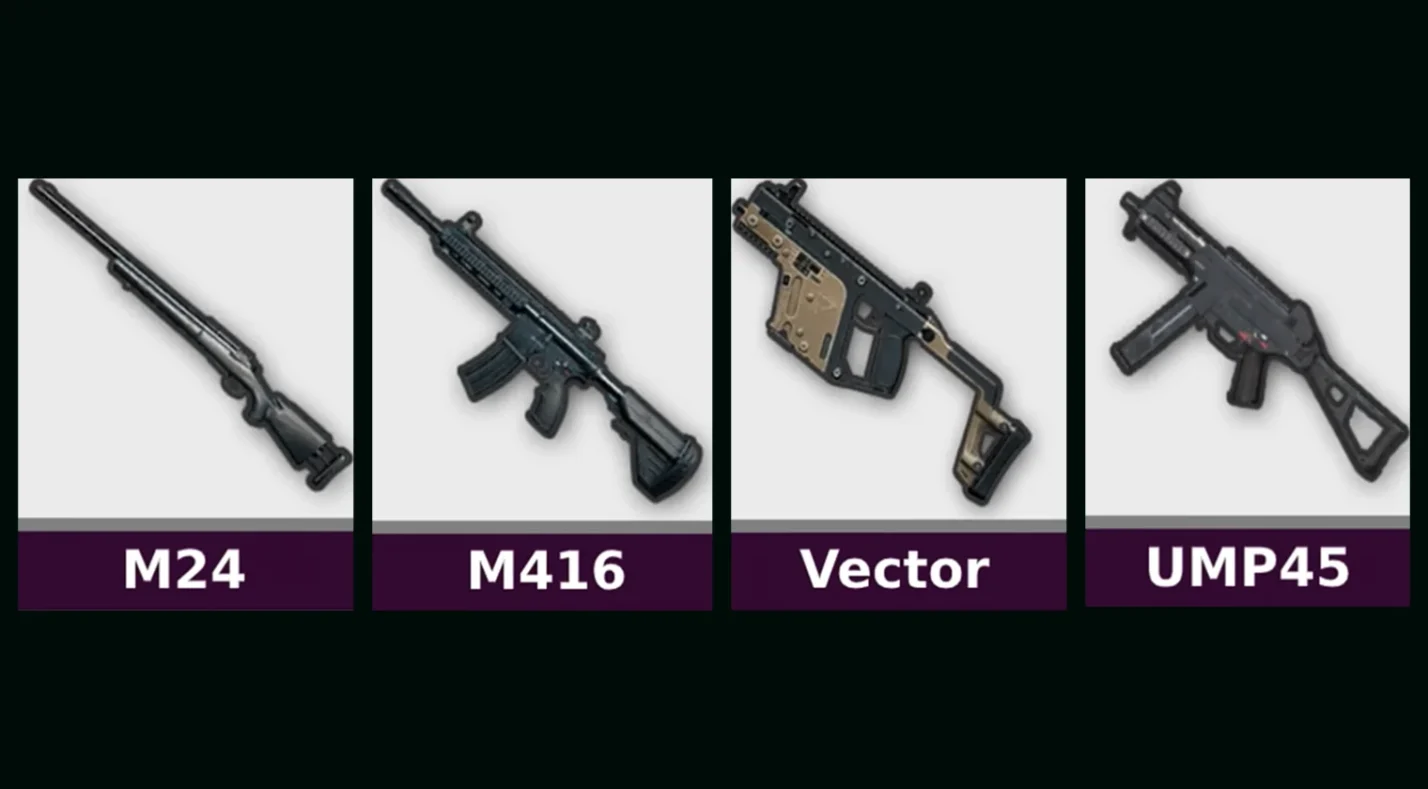
In high‑stakes matches, the right weapon loadout can make or break a team. Over the years I’ve experimented with dozens of guns, but a few have become staples in the competitive meta.
Top pros prioritize accuracy, controllability and damage over flashy gimmicks. Here are the weapons that dominate the esports scene:
| Weapon | Role | Signature pros | Playstyle/strengths | Why they matter |
| M416 | Primary assault rifle | Low recoil, versatile attachments | Ideal for mid‑range engagements. When fitted with a compensator, vertical grip, tactical stock and extended quickdraw magazine, it delivers steady bursts and quick reloads. | Its consistency makes it the backbone of most pro loadouts; roughly 85% of competitive players rely on it. |
| Groza | High‑damage assault rifle (crate only) | High base damage with moderate rate of fire | Excels in close‑quarters combat. Its recoil is heavier than the M416, but its stopping power wins duels at close range. | Teams switch to the Groza late game when controlling buildings or final zones. |
| Beryl M762 | Alternative assault rifle | Slightly higher damage than M416 | Offers a balance between the AKM’s raw power and the M416’s stability. With extended quickdraw and compensator, it rivals the top tier. | Favored by aggressive fraggers who want flexibility without sacrificing too much recoil control. |
| AKM | Heavy‑hitting assault rifle | Highest damage per shot among ARs | Dominates close to mid‑range when players can manage its kick. It pairs well with a red dot sight and compensator. | Still lethal in the right hands, especially in early game when loot is scarce. |
| Vector | SMG | Fastest time‑to‑kill (TTK) with attachments | After equipping an extended magazine, suppressor and foregrip, the Vector melts opponents within 10 meters. | Useful for storming buildings or close‑range ambushes. |
| AWM | Sniper rifle (crate only) | One‑shot headshot potential | With 105 base damage and a magazine that fits only five rounds, the AWM rewards precision. | Dominates long‑range battles and can knock enemies behind cover; best used by dedicated snipers. |
| UMP45 | SMG | Balanced damage, integrally suppressed | Low recoil and built‑in suppressor make it great for stealth pushes. | Often a secondary weapon for support players who need to remain undetected. |
Mastering these weapons comes down to recoil control and situational awareness. In my matches, I lean on the M416 for its reliability but switch to the Groza or Vector when breaching buildings.
Best PUBG Mobile Players
The PUBG Mobile player pool is stacked with talented individuals, but a few have consistently stood out through championship titles, MVP awards and highlight reels. This list focuses on the 2024-25 competitive cycle. As of this year, these players represent the peak of mobile esports:
| Player | Country | Team | Role | Notable achievements |
| DOK (Uuganbayar Dulguun) | Mongolia | Alpha Gaming | Entry fragger/In‑game leader | 2025 PUBG Mobile World Cup FMVP, Grenade Master and Field Medic; led Alpha Gaming to victories in both Spring and Fall Central & South Asia Super Leagues. |
| Smile (Swan Wint Maung) | Myanmar | Yangon Galacticos | In‑game leader | Best IGL award at the 2025 World Cup; champion of the 2025 Challengers League and Rondo Cup; known for clutch decision‑making. |
| Sleepy (Shital Rai) | Nepal | Horaa Esports | Support | Joined Horaa in 2025; earned Grand Finals MVP at the Horaa Showdown; runner‑up in Central & South Asia Spring 2025. |
| Zyol (Zolboot Bayartsengel) | Mongolia | Alpha Gaming | Fragger | 3rd place at the 2025 World Cup; multiple regional titles; 2024 National Masters MVP. |
| Paraboy (Zhu Bocheng) | China | JD Gaming | Scout/fragger | Two‑time PMGC champion with Nova Esports; widely considered the “GOAT” of PUBG Mobile; continues to inspire aggressive scouting plays. |
| Order (Cheng Zehai) | China | JD Gaming | Captain/fragger | Holds PMGC grand finals MVP title and multiple world championships; known for mechanical precision and calm leadership. |
These players shape strategies across regions. I’ve studied DOK’s grenade usage, and his ability to clear compounds with perfect throws is unmatched. Paraboy and Order have dominated since 2019 and still influence younger competitors. Smile’s shot‑calling brought Yangon Galacticos its first world title. Sleepy proves that support players can earn MVP honors when their positioning and healing keep teammates alive. Watching their gameplay on tournament streams offers lessons that translate to ranked play.
Best PUBG Mobile Teams/Orgs
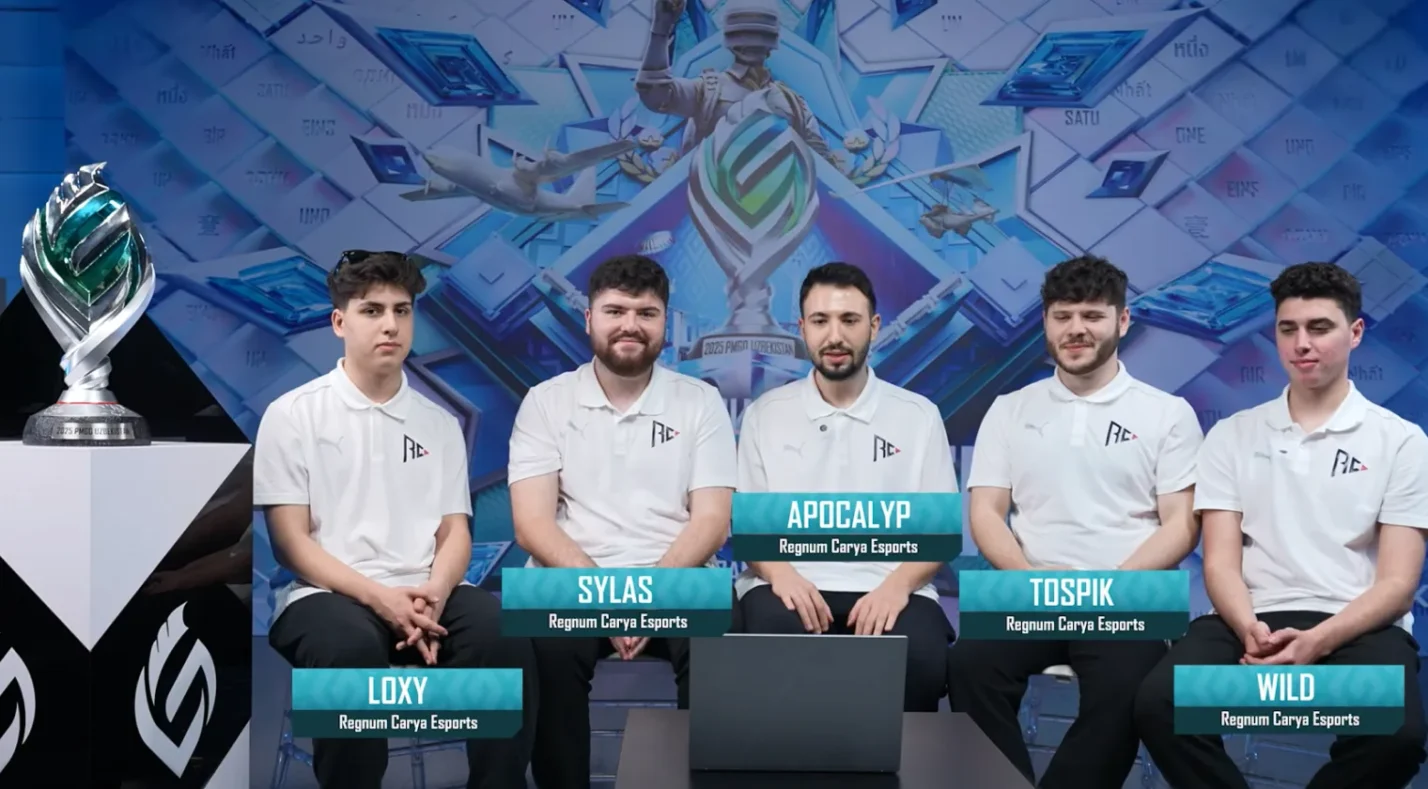
Team performance in PUBG Mobile hinges on synergy, coaching and adaptability. Current power rankings place European, Central Asian and Asian squads at the top. Here’s a breakdown of the leading organizations:
| Rank | Team | Region | Key players | Playstyle/strengths | Why they matter |
| 1. | Regnum Carya Esports | Turkey (EU) | Lilboy, Lutz, Peace | Balanced approach, combining aggressive rotations with patient zone control. | They topped the 2025 standings with over 850 points, proving European squads can dominate. |
| 2. | Team Falcons | Europe | Ralphy, Qusem, Talha | Aggressive early‑game team fighting; excels at controlling high‑ground positions. | Their consistency across leagues kept them near the top of every tournament. |
| 3. | Alpha Gaming | Mongolia (CSA) | DOK, Zyol | Flexible tactics, strong fragging duo; transitions smoothly between passive and aggressive play. | They won multiple CSA Super Leagues and placed 3rd at the World Cup. |
| 4. | DRX | South Korea | Sleepy, Howl | High micro‑coordination and disciplined rotations; rarely caught out of position. | Korean teams are known for structure, and DRX’s consistent top‑five finishes reflect that. |
| 5. | Influence Rage | Brazil (Americas) | Federal, Law, Lutz | Aggressive, fast‑paced pushes with emphasis on vehicle control. | They bring the Americas region to the world stage and often dictate tempo. |
| 6. | Dplus | South Korea | Juni, Sunbi | Methodical zone control with clutch healing plays; strong synergy. | Their discipline helps them survive chaotic endgames, earning them a spot in top rankings. |
| 7. | ThunderTalk Gaming | China | Paraboy, Order (guest players) | Scouting and information gathering combined with lethal cross‑fires. | Chinese teams’ mechanical skills and quick reads make them dangerous. |
| 8. | Team Spirit | CIS | Alya, S1mple (not the CS player) | Aggressive peak fights; heavy reliance on star fraggers. | Their unpredictable rushes catch opponents off guard, securing crucial eliminations. |
| 9. | VOIN Donkey ID | Indonesia (MENA/EU) | Voinx, Donkey | Innovative utility usage; creative smokes and Molotovs to control vision. | They represent Southeast Asia’s rise in global rankings. |
| 10. | Alpha7 Esports | Brazil (Americas) | Carrilho, Revo | Renowned for long‑range sniping and disciplined rotations. | Multiple continental titles and podium finishes at world events show their staying power. |
These organizations have cultivated training facilities, analyst teams and coaching staff comparable to those in traditional sports. The top squads also invest in youth academies to nurture upcoming talent.