

20 Must-Play Medieval RPG Games for Fans of Epic Worlds and Adventure in 2026


If you love medieval RPG games, then you’re in the right place because we’re checking out 20 titles that bring these worlds to life. Some draw inspiration from real history, while others lean into magic and wild fantasy.
You’ll get a mix of tough combat, open exploration, and exhilarating RPG systems that feel easy to fall into but complex to master. Whether you’re on PC, PS5, Xbox, or whatever else they’re spitting forth these days, there’s something here that can grab your attention. Let’s jump in and see which worlds you’ll want to explore next. Each one offers its own unique style and surprises to keep you hooked throughout the year.
Jump to:
Our Top Picks for Medieval RPG Games
Before we dive into the full list, let’s talk about the three games that really stand out. These are the ones I’d hand to any medieval RPG fan without a second thought because they capture everything people love about the genre.
-
Buy nowKingdom Come: Deliverance 2018This is the closest you’ll get to living inside a real medieval world. The combat feels raw, the quests feel grounded, and the world reacts to your choices in a way that pulls you deeper every hour you play. If you want realism, this is the crown jewel.
-
Buy nowIcewind Dale: Enhanced Edition 2014If you love classic party-based RPGs, this one feels like stepping into a warm, nostalgic glow. The tactical combat hits the spot, and exploring frozen lands with a hand-picked party never gets old. It keeps things simple yet satisfying.
-
Buy nowNeverwinter Nights 2002This one shines because of its storytelling freedom. You can go through the campaign or jump into community-created adventures that keep the game alive even now. It’s one of those worlds you can return to again and again.
If these top picks haven’t sated your appetite yet, keep scrolling. The rest of the list is packed with medieval worlds that might fit your style even better.
The 20 Best Medieval RPG Games – Epic Worlds and Endless Adventure
Here are 20 titles that made the final cut, each chosen for their world-building, combat style, and the way they capture that classic medieval charm fans love. You’ll find something here for every playstyle, especially if you enjoy exploring deep and detailed medieval RPG games.
1. Kingdom Come: Deliverance [Best for Hardcore Medieval Realism]
| Our score | 10
☆
★
☆
★
☆
★
☆
★
☆
★
☆
★
☆
★
☆
★
☆
★
☆
★
|
| Type of game | Realistic open-world action RPG / medieval simulation |
| Platforms | PS4, Nintendo Switch, Xbox One, GeForce Now, Microsoft Windows, Amazon Luna |
| Year of release | 2018 |
| Creator/s | Warhorse Studios |
| Average playtime | 50 to 80 hours |
| Best for | Players who enjoy realistic medieval settings with deep simulation and tough, skill-based combat |
| What I liked | Exceptional realism, grounded storytelling, and well-fleshed-out roleplaying choices |
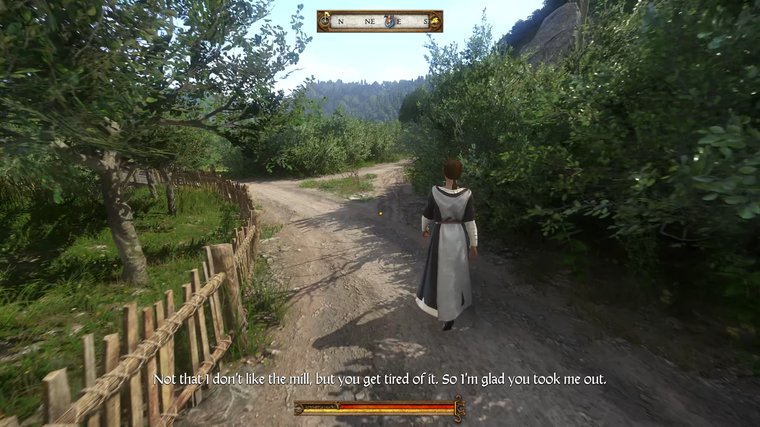
Kingdom Come: Deliverance throws you straight into 15th-century Bohemia, where life is harsh, politics are messy, and survival takes genuine effort. You step into the shoes of Henry, a blacksmith’s son, and the game quickly shows you how grounded its world really is. Most of your time goes into learning skills, taking on quests that stretch across several hours, and growing into someone capable of shaping the story around you.
Prioritize learning Master Strikes from Captain Bernard early in the game, as they are unblockable attacks that are crucial for combat survival.
The standout feature is the realism. Combat is time-based and built around authentic weapon techniques, so every fight feels earned rather than flashy. The world pays close attention to your behavior, appearance, and reputation, making your choices feel heavier than in most RPGs. The crafting and alchemy systems play a major role, and their hands-on style makes them feel like an integral part of the world instead of simple menu options.
My Verdict: If your dream RPG involves authenticity, consequences, and combat that doesn’t baby you, Kingdom Come: Deliverance is calling your name.
GAMES LIKE KINGDOM COME: DELIVERANCE
2. Icewind Dale: Enhanced Edition [Best for Classic Dungeon-Crawling Combat]
| Our score | 10
☆
★
☆
★
☆
★
☆
★
☆
★
☆
★
☆
★
☆
★
☆
★
☆
★
|
| Type of game | Isometric party-based CRPG / dungeon crawler |
| Platforms | Android, Nintendo Switch, PS4, Xbox One, iOS, Linux, Microsoft Windows, macOS, Amazon Luna |
| Year of release | 2014 |
| Creator/s | Beamdog, Skybound Entertainment |
| Average playtime | 40 to 60 hours |
| Best for | Fans of Baldur’s Gate–style tactical RPGs |
| What I liked | Combat depth, atmospheric dungeons, and party building |
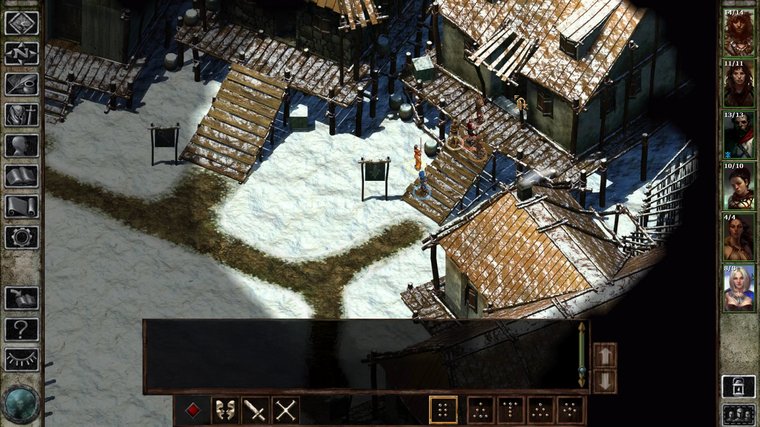
Icewind Dale: Enhanced Edition takes you deep into the icy corners of the Forgotten Realms, where danger waits behind every snowy ridge. The premise is simple and satisfying: build your own party, head into massive dungeons, and fight through tough encounters that reward planning over speed.
You’ll spend most of your time managing spells, adjusting formations, and exploring beautifully drawn frozen landscapes that keep the Infinity Engine look intact while adding widescreen and UI upgrades. This version shines thanks to its strong focus on combat. Every enemy group feels like a puzzle, and choosing classes, spells, and abilities for your party is a huge part of the fun.
And if you’re a fan of games like Age of Mythology, you might spot a few familiar vibes here too. Sure, AoM is all about real-time base-building, but both games love their classic fantasy creatures and tactical, party-based strategy.
Crowd control spells like Web or Entangle can turn early fights in your favor, letting your party survive tougher encounters with far less risk.
My personal favorite is the soundtrack in this title. The music and icy setting create a steady sense of mystery that fits perfectly with the game’s slower, tactical style. Plus, with a 7.5 Metacritic user score, it remains a favorite among players who enjoy deliberate, strategy-heavy RPGs.
My Verdict: If you’re a gamer (and fan) like me who loves tactical party combat, classic dungeon design, and that timeless Infinity Engine feel, Icewind Dale: Enhanced Edition will have you roped in nicely.
GAMES LIKE ICEWIND DALE
3. Neverwinter Nights [Best for Creating and Playing Custom Adventures]
| Our score | 10
☆
★
☆
★
☆
★
☆
★
☆
★
☆
★
☆
★
☆
★
☆
★
☆
★
|
| Type of game | Story-driven D&D CRPG / action RPG |
| Platforms | Microsoft Windows, macOS, Linux, Nintendo Switch, PS4, Xbox One |
| Year of release | 2002 (Enhanced Edition released in 2018) |
| Creator/s | BioWare, Atari (original); Beamdog (Enhanced Edition) |
| Average playtime | 50 to 100 hours, depending on modules |
| Best for | Players who enjoy story-focused D&D adventures with strong build customization |
| What I liked | Endless replayability, deep character-building, huge community content library |
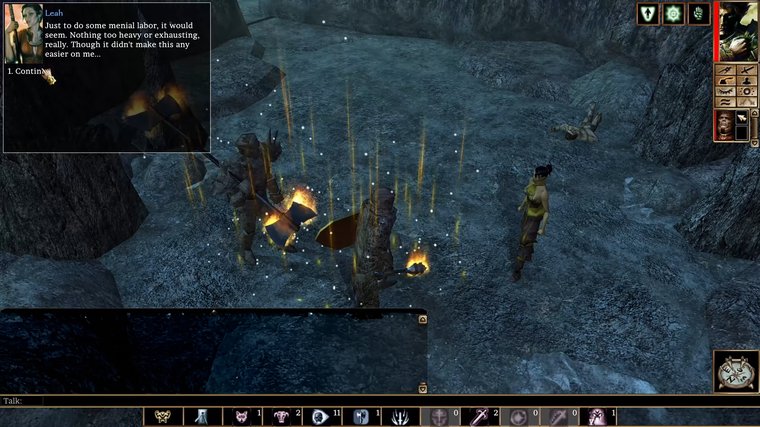
Neverwinter Nights places you in the heart of the Forgotten Realms, where you take on quests across a sprawling campaign filled with classic D&D storytelling. The premise centers on investigating a deadly plague and uncovering a conspiracy that slowly pulls you deeper into the world’s politics and magic.
The campaign offers plenty of choices, but what pushed this title into legendary status is its toolset. Players can experience thousands of custom modules and full-length fan-made adventures, which practically turn the game into an endless RPG platform.
Start with a straightforward class like Fighter or Cleric on your first playthrough. The D&D ruleset is deep, and simple builds make the early game smoother.
Its Enhanced Edition brings widescreen support, better lighting, and stability improvements, making it easier to enjoy long sessions. The game’s combat and progression stay faithful to D&D rules, giving every encounter weight and consequence.
My Verdict: This is the title to get if you want an RPG built on rich characters, memorable stories, and a world that keeps opening new doors. Neverwinter Nights does an exceedingly good job of pulling you back in again and again.
GAMES LIKE NEVERWINTER NIGHTS
4. Arcanum: Of Steamworks and Magick Obscura [Best for Varying Player Choices]
| Our score | 9.8
☆
★
☆
★
☆
★
☆
★
☆
★
☆
★
☆
★
☆
★
☆
★
☆
★
|
| Type of game | Isometric CRPG / steampunk fantasy RPG |
| Platforms | Microsoft Windows |
| Year of release | 2001 |
| Creator/s | Troika Games, Sierra Entertainment, Activision |
| Average playtime | 40 to 90 hours |
| Best for | Players who love deep RPG systems and alternate-history fantasy worlds |
| What I liked | Massive build variety and engaging storytelling |
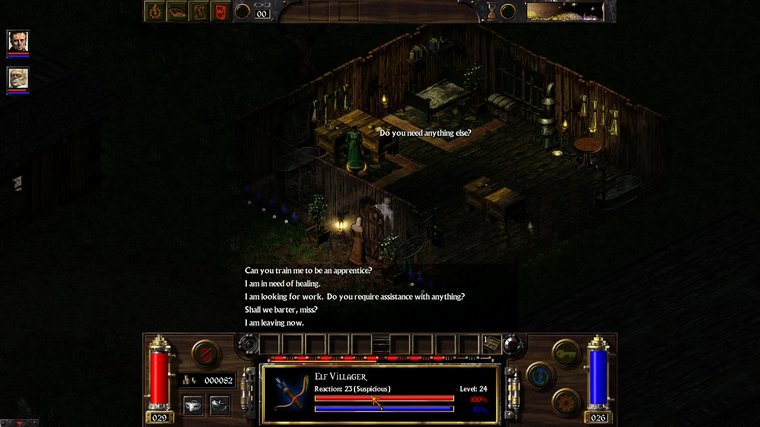
Arcanum: Of Steamworks and Magick Obscura enchants you with a world where industrial machinery and old-school magic clash at every turn. You’ll spend most of your time exploring towns, traveling across huge overworld zones, completing long branching quests, and shaping your character through deeply customizable systems.
The steampunk-meets-fantasy setting is a major standout. Technology and magic aren’t just cosmetic–they determine everything from your dialogue options to how NPCs treat you. Your build has real consequences, and going all-in on tech or magic opens different paths, companions, and quest solutions.
Avoid mixing magic and technology early on. Hybrid builds are fun later, but specializing at the start gives smoother progression and fewer stat penalties.
Its world feels vast thanks to wandering encounters, faction-driven politics, and multiple ways to resolve conflicts. With a Metacritic user score of 8.6, it’s widely considered one of the best RPG games ever made.
My Verdict: For anyone who wants true agency, layered quests, and a world that takes your decisions seriously, Arcanum is the experience that answers back every time you act.
GAMES LIKE ARCANUM: OF STEAMWORKS AND MAGICK OBSCURA
5. Fable: The Lost Chapters [Best for Magical Spells]
| Our score | 9.7
☆
★
☆
★
☆
★
☆
★
☆
★
☆
★
☆
★
☆
★
☆
★
☆
★
|
| Type of game | Action RPG / fantasy adventure |
| Platforms | Microsoft Windows, Xbox, Classic Mac OS |
| Year of release | 2005 |
| Creator/s | Lionhead Studios, Big Blue Box Studios, Feral Interactive, Robosoft Technologies, Microsoft, Xbox Game Studios, 1C Company |
| Average playtime | 20 to 30 hours |
| Best for | Players who want a lighthearted RPG with moral choices and character growth |
| What I liked | British humor, visible moral evolution, easy-to-enjoy RPG pacing |
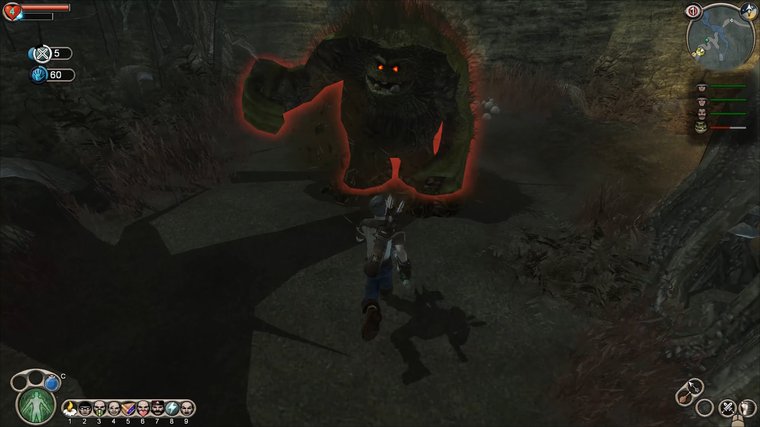
Fable: The Lost Chapters takes you into Albion, a vibrant fantasy world packed with quirky characters and charming storytelling. The story follows your hero from childhood to adulthood, shaping their destiny through choices that affect appearance, reputation, and how the world reacts to them. So it’s really up to you to decide whether to act as a noble hero or a mischievous troublemaker.
Invest early points into your bow and accuracy. Ranged combat is surprisingly strong and helps with tougher bosses.
Your decisions have visible effects, from angelic glows and halos to sinister horns and dark energy. Furthermore, combat stays accessible, with steady progression that makes your character feel stronger every step of the way.
My Verdict: A great pick for players who love moral choices, lighthearted fantasy, and RPGs that feel fun from the first hour.
Xbox Live Gift Cards
6. Lords of the Fallen [Best for Fluid, Weighty Combat]
| Our score | 9.7
☆
★
☆
★
☆
★
☆
★
☆
★
☆
★
☆
★
☆
★
☆
★
☆
★
|
| Type of game | Action RPG / Souls-like |
| Platforms | PS4, Xbox One, Android, iOS, Microsoft Windows |
| Year of release | 2014 |
| Creator/s | CI Games, Deck13, BANDAI NAMCO Entertainment |
| Average playtime | 15 to 25 hours |
| Best for | Players who enjoy methodical Souls-like combat with medieval themes |
| What I liked | Gothic world, strong boss designs |
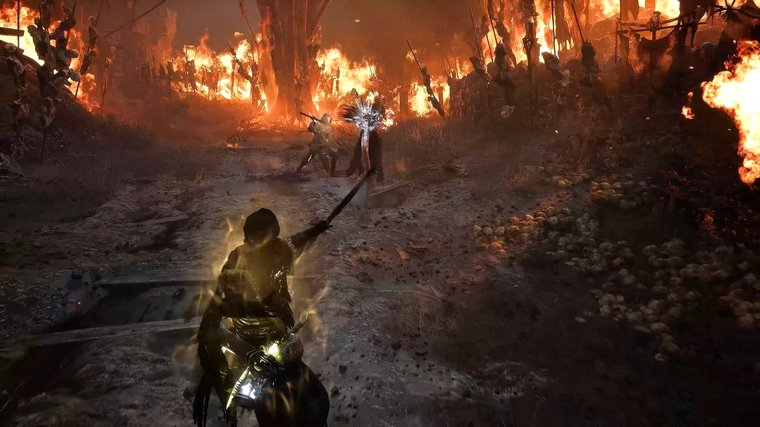
Lords of the Fallen drops you into a grim medieval world where you control Harkyn, a criminal forced into a war against demonic forces. The game’s focus is its slow, deliberate combat. Most of your time will be spent exploring gothic fortresses, fighting towering enemies, and choosing builds that fit your preferred rhythm.
Run a shield-focused build on your first playthrough. It smooths out the difficulty curve and helps with early bosses.
The Souls-like influence is pretty evident, but Lords of the Fallen stands out as a more approachable option. Bosses hit hard, yet each fight offers readable patterns and fair windows for counterplay. Building variety keeps things interesting, with magic-focused, melee-heavy, and tank-style approaches all feeling viable.
My Verdict: If you want an RPG that punishes hesitation and drags you through a world carved from steel and shadow, Lords of the Fallen is exactly the fight you’re looking for.
GAMES LIKE LORDS OF THE FALLEN
7. Elder Scrolls IV: Oblivion Remastered [Best for Open-Ended RPG Mechanics]
| Our score | 9.5
☆
★
☆
★
☆
★
☆
★
☆
★
☆
★
☆
★
☆
★
☆
★
☆
★
|
| Type of game | Open-world RPG, Fantasy Adventure |
| Platforms | PS5, Xbox Series X and Series S, Microsoft Windows, GeForce Now, Xbox Cloud Gaming |
| Year of release | 2025 |
| Creator/s | Virtuos, Bethesda Game Studios, Bethesda Softworks |
| Average playtime | 40 to 150 hours |
| Best for | Players who enjoy exploration-heavy fantasy RPGs |
| What I liked | Vast world, improved visuals, flexible builds |
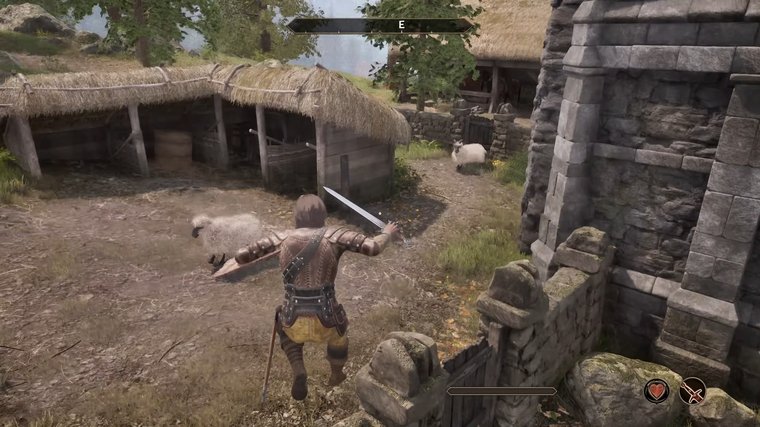
Oblivion Remastered brings one of the most beloved Elder Scrolls adventures back with sharper visuals, modern lighting, and smoother performance. The heart of the game is still Cyrodiil – a bright, varied open world filled with forests, ruins, towns, guilds, and plenty of strange characters. You’re free to ignore the main story for hours as you explore, take guild quests, experiment with magic, or simply drop smack into the middle of trouble.
Join the Mages Guild early to unlock powerful spells that dramatically shape your build.
You can mix magic, stealth, and melee however you like, building a hero that fits your style. The world’s radiant encounters and open-ended quests make every playthrough feel slightly different. With the series’ trademark freedom, Oblivion Remastered offers an adventure with a nostalgic refresh for modern players.
My Verdict: Players who enjoy settling into a world that feels open, inviting, and easy to get lost in, Oblivion Remastered offers a warm, approachable fantasy journey that grows with you.
GAMES LIKE THE ELDER SCROLLS IV: OBLIVION REMASTERED
8. Mount & Blade II: Bannerlord [Best for Extensive Moddability]
| Our score | 9.5
☆
★
☆
★
☆
★
☆
★
☆
★
☆
★
☆
★
☆
★
☆
★
☆
★
|
| Type of game | Sandbox RPG / medieval strategy |
| Platforms | PS5, PS4, Microsoft Windows, Xbox One, Xbox Series X/S |
| Year of release | 2022 |
| Creator/s | TaleWorlds Entertainment, Plaion |
| Average playtime | 60 to 150 hours |
| Best for | Players who enjoy open medieval sandboxes with large battles |
| What I liked | Huge battles, politics, and flexible character growth |
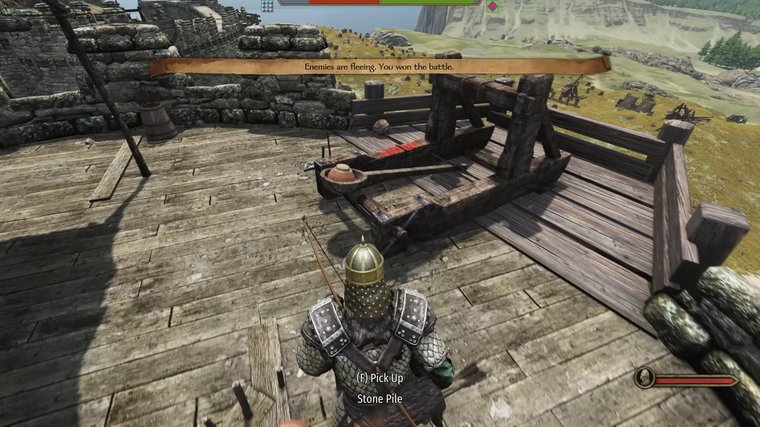
Mount & Blade II: Bannerlord throws you into a massive feudal sandbox where you build your own legacy from nothing. You can recruit troops, trade across kingdoms, fight bandits, form alliances, and eventually control an entire region. But most of your time goes into leading armies, commanding troops in large real-time battles, and I love how you can choose to shape your path through diplomacy or brute force.
Focus your character’s early-game efforts on building wealth and renown through activities like quests, tournaments, and selling loot.
The battles in this game feel insanely tactical, giving you direct control while also letting you manage formations and strategy. With a Metacritic score of 7.9, it remains one of the best medieval games in the sandbox genre.
My Verdict: If you’re looking for a medieval world that moves with you, fights back, and never stops shifting, Bannerlord is the kind of sprawling sandbox where every decision becomes part of your legend.
GAMES LIKE MOUNT & BLADE
9. Dark Souls III [Best for Challenging Boss Fights]
| Our score | 9.5
☆
★
☆
★
☆
★
☆
★
☆
★
☆
★
☆
★
☆
★
☆
★
☆
★
|
| Type of game | Action RPG / Souls-like dark fantasy |
| Platforms | PS4, Microsoft Windows, Xbox One |
| Year of release | 2016 |
| Creator/s | FromSoftware Inc. |
| Average playtime | 35 to 70 hours |
| Best for | Players who enjoy challenging medieval action and atmospheric worlds |
| What I liked | Fast combat, memorable bosses, incredible world design |
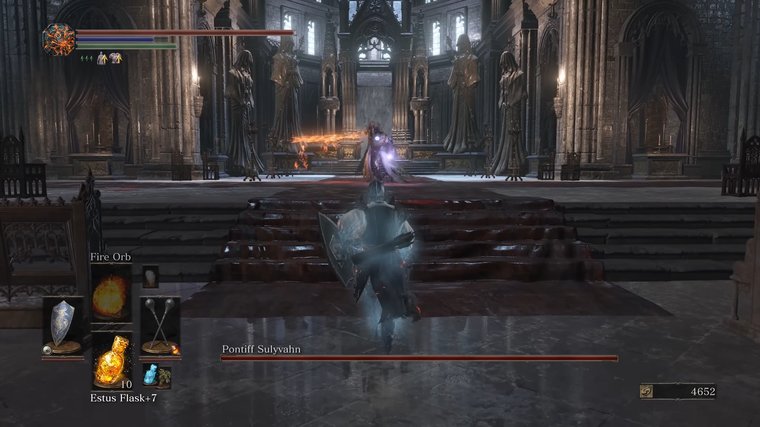
Dark Souls III pulls you into a decaying medieval world full of ash, ruins, and grotesque enemies. You play as the Ashen One, exploring interconnected zones, uncovering cryptic lore, and facing bosses that test your patience and sanity. Most of your time goes into mastering timing, exploring hidden paths, and respawning. Yes, you will respawn an ungodly amount of times, be sure of that.
Prioritize stamina upgrades early. More stamina means more dodges and attacks during boss fights.
The combat is faster and more fluid than earlier Souls titles, mixing aggressive gameplay with moments of careful defense to make this title one of the most immersive games today. Boss fights stand out as some of the most iconic in the genre thanks to dramatic arenas. Character builds offer a good bit of customization, letting you specialize in magic, strength weapons, dexterity blades, or hybrid setups. Lots of pickings!
My Verdict: Perfect if you want challenging bosses that make you question your sanity in a bleak medieval world.
GAMES LIKE DARK SOULS
10. Gothic II [Best for Exploration with Minimal Hand-Holding]
| Our score | 9.5
☆
★
☆
★
☆
★
☆
★
☆
★
☆
★
☆
★
☆
★
☆
★
☆
★
|
| Type of game | Open-world action RPG |
| Platforms | Nintendo Switch, Microsoft Windows |
| Year of release | 2002 |
| Creator/s | Piranha Bytes, JoWooD, Atari, Inc. |
| Average playtime | 40 to 80 hours |
| Best for | Players who enjoy tough, immersive old-school RPGs |
| What I liked | Reactive world, faction depth, good amount of exploration |
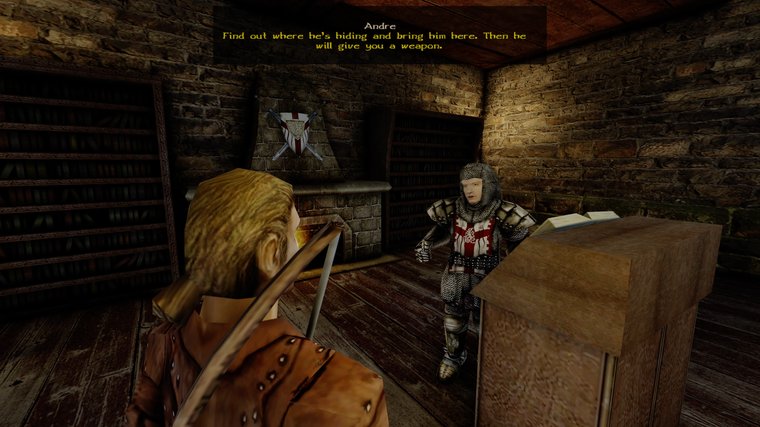
Gothic II has you pop into a gritty medieval world where every step feels like a hefty decision. You start as a weak outsider and slowly grow stronger through exploration, training, and smart decision-making.
The world feels alive thanks to the NPCs following routines and reacting to your actions. In Gothic II, most of your time goes into exploring dangerous zones, improving skills thanks to dedicated mentors, and working your way into guilds with their own rules.
Join a faction early. Guild skills and gear make the difficulty curve far more manageable.
I particularly appreciate how the combat is designed and progression feels survival-oriented, pushing you to explore carefully while picking your battles.
My Verdict: A must-play for fans who enjoy challenging worlds, reactive NPCs, and classic exploration-driven RPG progression.
Steam Wallet Gift Cards
11. The Witcher 2: Assassins of Kings [Best for Meaningful Player Choices]
| Our score | 9.3
☆
★
☆
★
☆
★
☆
★
☆
★
☆
★
☆
★
☆
★
☆
★
☆
★
|
| Type of game | Story-driven action RPG |
| Platforms | Xbox 360, macOS, Microsoft Windows, Linux, GeForce Now, Amazon Luna, Classic Mac OS |
| Year of release | 2011 |
| Creator/s | CD Projekt, Atari, Inc., Soft Club, CD Projekt RED |
| Average playtime | 25 to 45 hours |
| Best for | Players who enjoy mature storytelling and impactful choices |
| What I liked | Complex politics, branching paths, memorable set pieces |
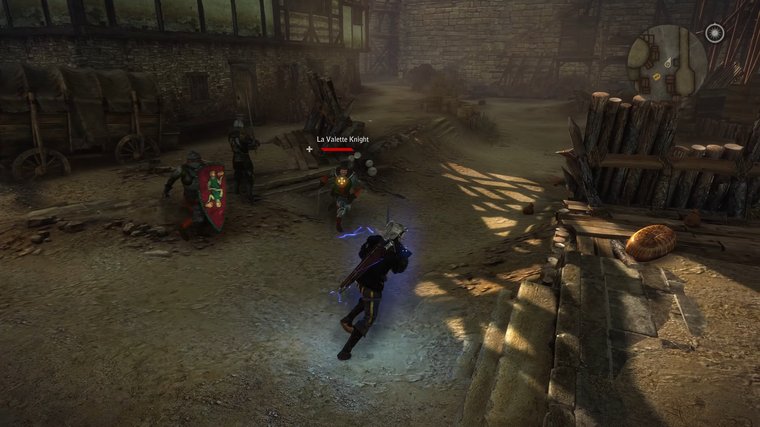
The Witcher 2: Assassins of Kings puts you in the role of our famous and most loved Witcher, Geralt of Rivia, during one of the most politically messy periods in the Northern Kingdoms. The story is mature, layered with conspiracies, and filled with choices that shape entire regions.
Invest early in the Quen sign. It smooths out tougher fights and lets you play more aggressively.
Combat blends all that we’ve come to love from the series: swordplay, traps, stealth, and signs, creating a fast-paced but tactical system. The game’s branching routes are one of its biggest strengths, with Act II offering completely different areas and perspectives depending on your decisions.
The tone, however, leans darker and grittier than The Witcher 3, giving this entry a raw edge that fans often appreciate. And with a Metacritic score of 8.4, it’s widely praised for its storytelling ambition and replay value.
My Verdict: If you’re drawn to stories built on shifting alliances and power struggles that never play out cleanly, The Witcher 2 delivers a chapter of Geralt’s life that hits harder than most.
GAMES LIKE THE WITCHER
12. Dragon’s Dogma: Dark Arisen [Best for a Flexible Combat System With Melee and Magic]
| Our score | 9.3
☆
★
☆
★
☆
★
☆
★
☆
★
☆
★
☆
★
☆
★
☆
★
☆
★
|
| Type of game | Open-world action RPG |
| Platforms | Nintendo Switch, PS4, PS3, Xbox 360, Microsoft Windows, Xbox One, GeForce Now, Amazon Luna |
| Year of release | 2016 |
| Creator/s | Capcom, QLOC, Capcom U.S.A., Inc. |
| Average playtime | 40 to 120 hours |
| Best for | Players who enjoy fast action combat and companion-driven exploration |
| What I liked | Pawn system, vertical combat, open-world unpredictability |
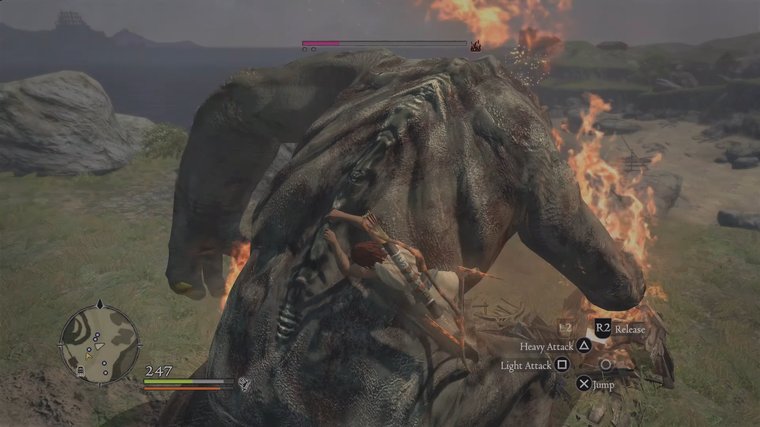
Dragon’s Dogma: Dark Arisen is a brilliant take on a rugged fantasy world filled with fantastical monsters and dark dungeons. You play as the Arisen, accompanied by Pawns, customizable AI companions who learn behavior, tactics, and weaknesses as they travel with you.
Teach your Pawn essential commands early! It dramatically improves their usefulness in tough fights.
The action-RPG combat is fast and visceral, with each venture into uncharted territory offering rewards aplenty. You can switch vocations (or roles) and develop hybrid builds, giving you a wide range of playstyles. Monster encounters feel organic thanks to Dragon’s Dogma: Dark Arisen being one of the must-play open-world RPGs today.
Dragon’s Dogma: Dark Arisen shines in replay value, especially with its challenging late-game zones and the infamous Bitterblack Isle expansion.
My Verdict: For anyone who enjoys quick, responsive combat and party builds that constantly evolve, Dragon’s Dogma: Dark Arisen keeps the adventure loud, intense, and unforgettable.
GAMES LIKE DRAGON’S DOGMA
13. Two Worlds II [Best for A Customizable Magic System]
| Our score | 9
☆
★
☆
★
☆
★
☆
★
☆
★
☆
★
☆
★
☆
★
☆
★
☆
★
|
| Type of game | Open-world action RPG / fantasy RPG |
| Platforms | Microsoft Windows, Xbox 360, macOS, PS3, Classic Mac OS |
| Year of release | 2011 |
| Creator/s | TopWare Interactive, Zuxxez Entertainment, Reality Pump Studios |
| Average playtime | 40 to 80 hours |
| Best for | Players who enjoy older fantasy RPGs with lots to explore |
| What I liked | Huge map, plenty of content |
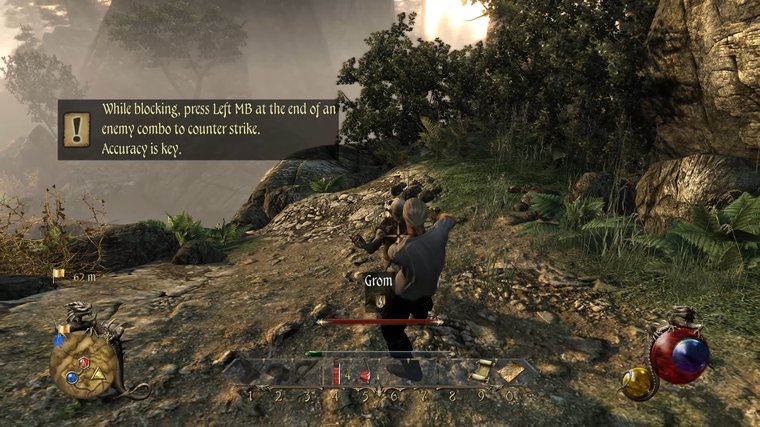
Two Worlds II doesn’t try to reinvent the genre; instead, it drops you into a vast, sprawling world and lets you explore around at your own pace. The map is surprisingly large for its era, filled with deserts, swamps, islands, and old ruins that reward players who like wandering off the road.
Combat leans toward action, but where the game really stands out is its crafting: weapons, armor, spells, and skills can be mixed and reshaped in clever ways. I won’t lie to you: the campaign is long, but it’s engaging throughout its length with several major setpieces and plenty of optional quests for completionists.
Break down unwanted gear for components.
PC players also get the bonus of modding potential and community patches that smooth out rough edges and add quality-of-life improvements.
My Verdict: For players rummaging around for an RPG that lets them wander freely, craft their way into stronger builds, and lose themselves in a longer, older-style fantasy world, Two Worlds II fits that job description well.
14. The Bard’s Tale IV: Director’s Cut [Best for Environmental Puzzles]
| Our score | 8.7
☆
★
☆
★
☆
★
☆
★
☆
★
☆
★
☆
★
☆
★
☆
★
☆
★
|
| Type of game | Dungeon crawler / party-based RPG |
| Platforms | Microsoft Windows, macOS, Linux, PS4, Xbox One |
| Year of release | 2019 |
| Creator/s | inXile Entertainment |
| Average playtime | 30 to 50 hours |
| Best for | Players who enjoy puzzle-heavy, old-school dungeon crawlers |
| What I liked | Clever puzzles, tight combat, strong Director’s Cut improvements |
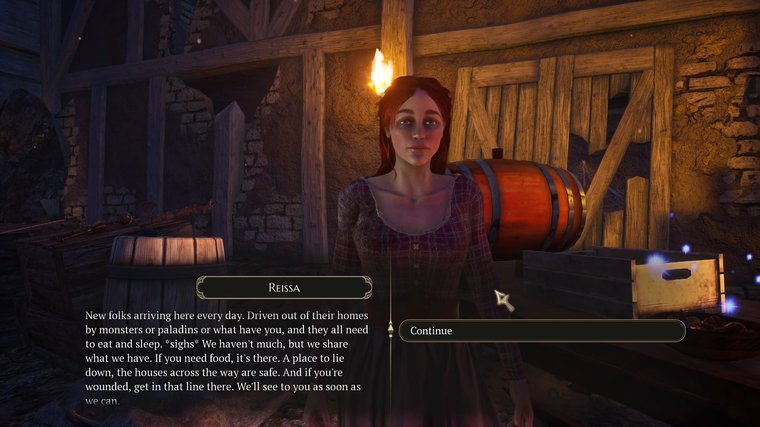
The Bard’s Tale IV: Director’s Cut is a love letter to old-school dungeon crawlers, but with enough modern touches to make it feel fresh. This version is noticeably smoother than the original release, offering better performance, reworked encounters, and extra content. The heart of the game is its puzzles, intricate, clever, and often surprising, which turn each dungeon into a slow but satisfying series of “lightbulb” moments.
Mix damage types across your party; enemies often have resistances that make one-dimensional teams struggle.
Combat, on the other hand, takes a tactical, turn-based approach. Positioning, party synergy, and resource management all matter, giving battles a board-game style rhythm.
My Verdict: If you’re someone who enjoys methodical dungeon exploration rather than rushing from one fight to the next, The Bard’s Tale IV fits that niche well.
15. Demon’s Souls [Best for Foreboding Dungeon-Crawling Levels]
| Our score | 8.7
☆
★
☆
★
☆
★
☆
★
☆
★
☆
★
☆
★
☆
★
☆
★
☆
★
|
| Type of game | Action RPG / Souls-like |
| Platforms | PS5 |
| Year of release | 2020 |
| Creator/s | Bluepoint Games, Japan Studio, Sony Interactive Entertainment |
| Average playtime | 25 to 60 hours |
| Best for | Players who want brutal challenge and masterful world design |
| What I liked | Amazing combat, unforgettable boss arenas |
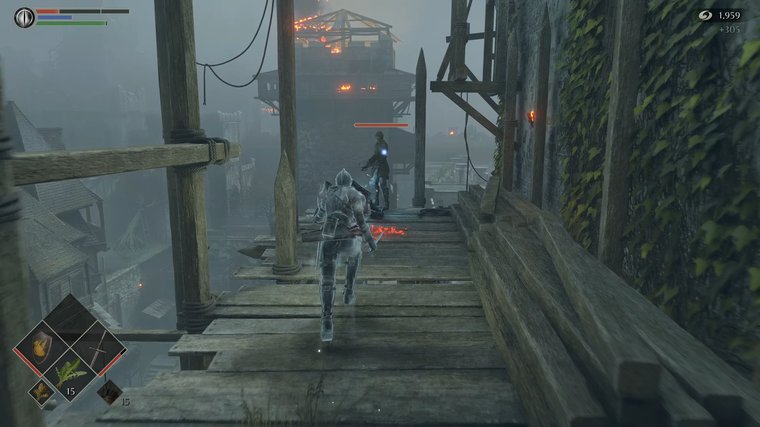
The Demon’s Souls remake is the gateway to everything that defines the “Souls” identity: bleak beauty, tense exploration, and battles where every mistake counts.
Bluepoint rebuilt the entire game with modern visuals, but they kept the original spirit intact. You move through Boletaria’s haunting castles, fog-covered tunnels, and eerie swamps, each area designed with the kind of care that makes discovering shortcuts or hidden routes feel genuinely rewarding.
Raise Endurance early. Your stamina is the backbone of survival for nearly every build.
Combat is punishing but never cheap. Build variety and New Game+ give the experience long legs, while online features like cooperation, invasions, and player messages collectively make Demon’s Souls one of the best PS5 RPGs to exist. Lore hunters and challenge seekers especially love this remake for staying faithful while looking better than ever.
My Verdict: A must-play if you want the roots of the Souls formula delivered with stunning modern polish.
PlayStation Network Gift Cards
16. Pillars of Eternity [Best for Character Customization and Party-Building Options]
| Our score | 8.5
☆
★
☆
★
☆
★
☆
★
☆
★
☆
★
☆
★
☆
★
☆
★
☆
★
|
| Type of game | Isometric party-based CRPG |
| Platforms | Nintendo Switch, PS4, macOS, Microsoft Windows, Linux, Xbox One, GeForce Now, Mac operating systems |
| Year of release | 2015 |
| Creator/s | Obsidian Entertainment |
| Average playtime | 40 to 70 hours |
| Best for | Players who enjoy deep storytelling and tactical party combat |
| What I liked | Lore, fleshed-out quests, character creation |
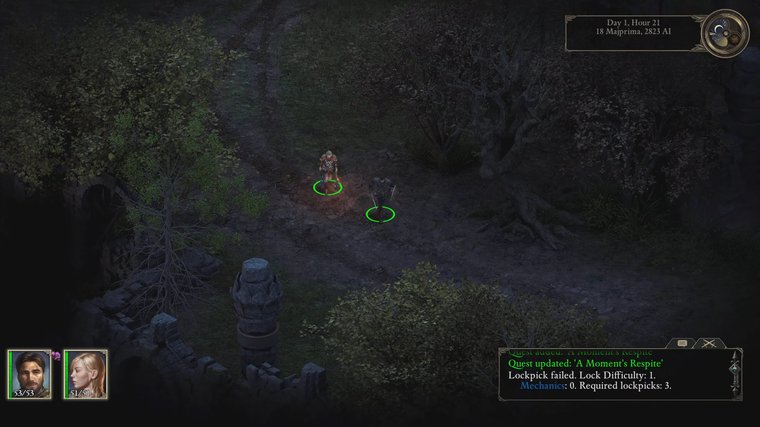
Pillars of Eternity brings back the spirit of classic CRPGs, but with writing and worldbuilding that feel far more layered than most modern RPGs attempt. You’re placed in the troubled world of Eora, where souls, memories, and moral questions shape the tone of almost every major decision.
Combat isn’t the kind you can brute-force through. Positioning, party composition, and spell management matter enormously – just like in the best PC strategy games. Timing a stun, keeping your wizard alive for more than six seconds, and actually remembering to pause the fight before everything catches fire? That’s the real challenge.
Keep a balanced party with at least one dedicated crowd-control caster.
Character creation goes deep, offering builds that feel meaningfully different depending on your choices. The expansions and the mod-friendly PC release add even more nuance to the narrative and tactical options.
And with a Metacritic score of 8.4, Pillars of Eternity still stands as one of the most respected modern CRPGs, especially for story enjoyers.
My Verdict: For anyone who likes patient exploration, meaningful choices, and party management that unfolds over time, Pillars of Eternity brings back that classic CRPG heartbeat.
PlayStation Network Gift Cards
17. Divinity: Original Sin II (Definitive Edition) [Best for Co-Op]
| Our score | 8.3
☆
★
☆
★
☆
★
☆
★
☆
★
☆
★
☆
★
☆
★
☆
★
☆
★
|
| Type of game | Turn-based tactical CRPG |
| Platforms | Nintendo Switch, PS4, iPad, macOS, iOS, Xbox One, Microsoft Windows |
| Year of release | 2018 |
| Creator/s | Larian Studios, BANDAI NAMCO Entertainment, Elverils |
| Average playtime | 50 to 120 hours |
| Best for | Players who want creative combat and reactive storytelling |
| What I liked | Incredible synergy-focused combat, standout characters, and co-op brilliance |
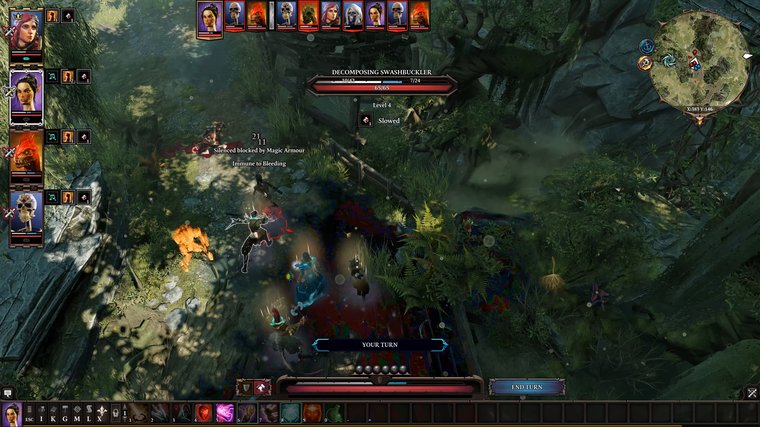
Divinity: Original Sin II feels like a giant playground for tactical thinkers and role-players. The turn-based combat is one of the best in the genre, a mix of elemental interactions, environmental traps, and clever combos that reward experimentation. Every fight feels like an opportunity to get creative, especially once you start mixing elements like fire, poison, water, and electricity – and with its deep systems, player freedom, and “think-before-you-act” approach, it even shares a surprising bit of DNA with games like RimWorld.
Always build at least one character around crowd control. Freezing, shocking, or knocking down enemies can decide entire encounters.
The story reacts to almost everything you do, whether you’re sneaking through a questline, persuading NPCs, or blowing up a situation entirely by accident. Co-op adds another layer of fun, as players make choices independently, creating unexpected and often hilarious outcomes.
And as someone who played DOS2 on Xbox, I can say with zero hesitation: it’s one of the slickest console CRPG ports ever made. The controller UI is so smooth it feels illegal, easily earning it a place among the top-tier Xbox RPGs.
My Verdict: If you love turning every battle into a clever puzzle and watching the story shift around your decisions, Divinity: Original Sin II is the CRPG that keeps surprising you.
GAMES LIKE DIVINITY: ORIGINAL SIN 2
18. Baldur’s Gate II: Shadows of Amn [Best for Strategic Combat]
| Our score | 8.3
☆
★
☆
★
☆
★
☆
★
☆
★
☆
★
☆
★
☆
★
☆
★
☆
★
|
| Type of game | Isometric D&D CRPG / party-based RPG |
| Platforms | Microsoft Windows, macOS, Linux, PS4, Xbox One, Nintendo Switch |
| Year of release | 2000 |
| Creator/s | BioWare |
| Average playtime | 60 to 150 hours |
| Best for | Players who want rich storytelling and crafty party tactics |
| What I liked | Brilliant writing, companions, enormous replay value |
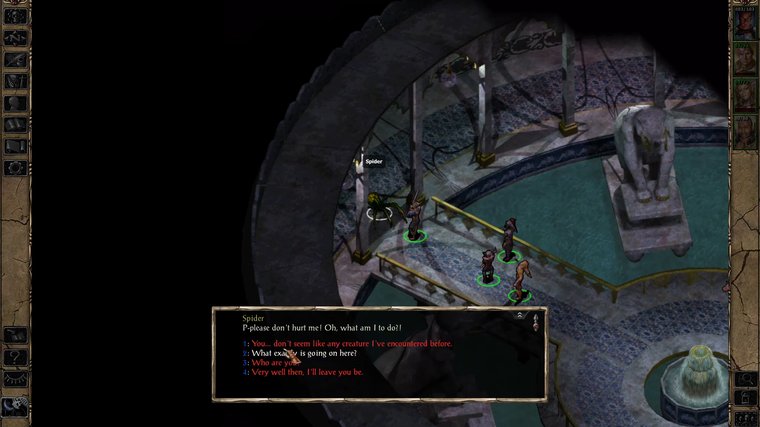
Baldur’s Gate II: Shadows of Amn is one of the rare RPGs that still feels grand and confident decades after release. The writing is legendary; it’s sharp, and full of personality, with companions who have their own motivations, grudges, romances, and sometimes explosive conflicts. You don’t just recruit party members here; you live with them, roll out with them, and watch them evolve.
The combat leans heavily into Dungeons & Dragons rules, rewarding careful spell layering, positioning, and character builds that take some thought. With its sprawling areas, layered quests, and impactful choices, the game offers enormous replayability.
Learn enemy immunities. This’ll make high-level spell battles far easier once you counter their protections correctly.
The scale of content is astonishing, and its influence on modern Western RPGs is impossible to miss. With a Metacritic score of 9.1, it remains one of the highest-rated RPGs in history.
My Verdict: A masterpiece for anyone who loves deep party dynamics, tactical D&D combat, and storytelling that still sets the bar today.
Steam Wallet Gift Cards
19. The Elder Scrolls V: Skyrim [Best for Endless Replayability]
| Our score | 8.2
☆
★
☆
★
☆
★
☆
★
☆
★
☆
★
☆
★
☆
★
☆
★
☆
★
|
| Type of game | Open-world action RPG / fantasy sandbox |
| Platforms | PS3, PS4, PS5, Xbox 360, Xbox One, Xbox Series X/S, Nintendo Switch, Windows |
| Year of release | 2011 |
| Creator/s | Bethesda Game Studios |
| Average playtime | 50 to 200+ hours |
| Best for | Players who enjoy freeform exploration and character builds |
| What I liked | Endless exploration, iconic quests, and a massive modding scene |
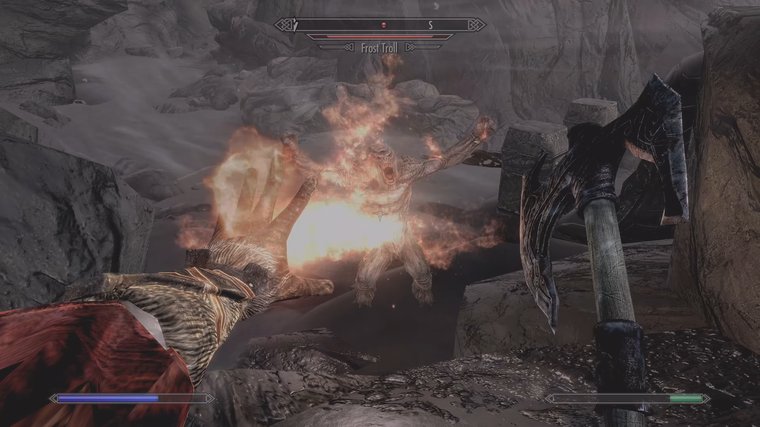
Skyrim is an RPG that invites you in with a simple idea: go whichever direction looks interesting and see what happens. Its world is huge and full of unexpected encounters; there could be a dragon attack one moment, a hidden cave the next, or a forgotten questline tucked behind a mountain trail in the other. The joy comes from wandering, discovering, and shaping your character in whatever way you like.
Grab the Lover Stone early. The 15% bonus to all skill growth speeds up every playstyle.
The build system is incredibly flexible. You can lean into magic, stealth, heavy combat, or mix them into your own hybrid style. Factions, crafting, housing, and open-ended exploration give you plenty of ways to carve out your identity in the world. On PC, the modding community expands the game into something even bigger, adding new lands, quests, visuals, and systems. Such versatility ensures that Bethesda’s masterpiece remains among the best most replayable games available for RPG fans today.
Now over a decade old, it’s still popular thanks to its memorable regions, iconic quests, and simple freedom to just roam.
My Verdict: Skyrim is the kind of RPG that lets you roam mountains, craft your identity, and chase whatever quests catch your eye. Every adventure in this game genuinely feels like your own.
GAMES LIKE THE ELDER SCROLLS V: SKYRIM
20. Dragon Age: Origins [Best for Deep Story and Character Choices]
| Our score | 8
☆
★
☆
★
☆
★
☆
★
☆
★
☆
★
☆
★
☆
★
☆
★
☆
★
|
| Type of game | Party-based story-driven RPG / tactical fantasy RPG |
| Platforms | PS3, Xbox 360, Microsoft Windows, macOS |
| Year of release | 2009 |
| Creator/s | BioWare, Electronic Arts |
| Average playtime | 40 to 80 hours |
| Best for | Players who love character stories and tactical party combat |
| What I liked | Branching origins, companion chemistry, moral choices with weight |
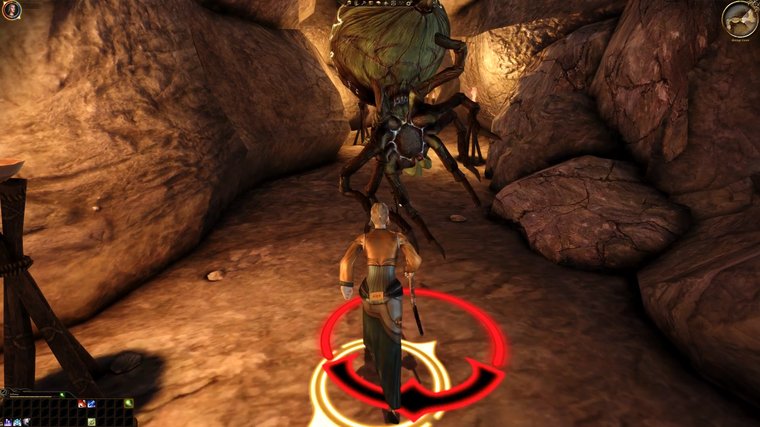
Dragon Age: Origins pulls you straight into Ferelden’s messy politics, dark magic, and looming Blight. One of its biggest strengths is how personal the story feels. Your chosen origin, noble, mage, city elf, or Dalish, to name a few, don’t just change the intro; they shape how characters react to you for the entire game. Companions also bring strong personalities and complicated relationships, often challenging your decisions or pushing you into tough moral corners.
Bring a mix of crowd control and healing. Origins’ toughest encounters punish parties that rely only on raw damage.
Building a balanced party feels satisfying, and experimenting with specializations gives you plenty of depth. Quests are varied with multiple outcomes, and many major story beats branch significantly depending on your choices, making replays especially rewarding. This is also why it’s an easy alternative if you’re looking for more gripping games like Kingdom Come.
My Verdict: For players who crave stories shaped by loyalty, betrayal, and survival – backed by tactical combat that constantly raises the tension – Dragon Age: Origins delivers drama in every step of the Grey Warden’s path.
GAMES LIKE DRAGON AGE
Everything You Need to Know Before Playing a Medieval RPG Game
Before you dive into any medieval RPG game, it helps to know what kind of experience you’re looking for. Some titles focus on deep storytelling, while others lean into tough combat, open exploration, or big strategic systems.
Think about whether you prefer a slower, classic style or a fast action setup. Then, consider how much freedom you want, or how large a world you’re ready to explore. Once you know your playstyle, picking your next medieval adventure becomes a lot easier.
Types of Medieval RPG Games Explained
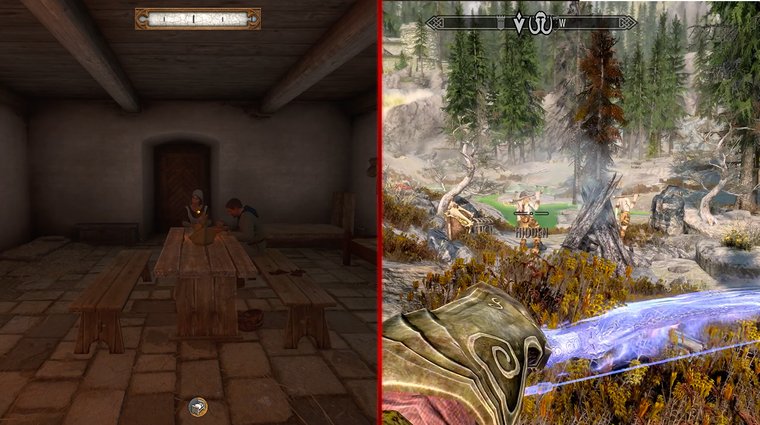
Medieval RPG games come in several distinct styles, and knowing the difference helps you find the experience you’ll enjoy most.
Historical simulation RPGs focus on realism, placing you in worlds shaped by actual medieval life. Games like Kingdom Come: Deliverance lean into authentic combat, social systems, and grounded storytelling.
Fantasy RPGs blend medieval settings with magic, monsters, and mythical worlds. Titles such as Skyrim or Dragon Age: Origins let you cast spells, fight dragons, and shape huge narrative arcs. If you prefer imagination over accuracy, this is the sub-genre for you.
Then there are medieval strategy RPGs, which mix tactical decision-making with role-playing depth. Games like Mount & Blade II: Bannerlord or Total War: Medieval II ask you to manage armies, capture territory, and handle diplomacy while developing your character or faction.
Sandbox medieval RPGs give you freedom above all else. You explore, craft, trade, fight, or simply roam. These games, such as Skyrim or Mount & Blade, allow you to create your own path without strict boundaries.
Finally, some players enjoy medieval-style fighting RPGs, which highlight fast, skill-based combat. Dark Souls III or For Honor fall into this space, focusing on timing, weapon mastery, and intense battles.
Each sub-genre offers something unique, making it easier to choose the medieval world that fits your playstyle!
What Makes a Great Medieval RPG Game?
When you think about what separates an average medieval RPG game from a truly memorable one, it often comes down to how well all its parts work together.
Here are the core elements that make a medieval RPG stand out:
- The world: Players usually notice the setting first. A strong medieval world doesn’t just look good – it feels consistent, believable, and worth exploring.
- The story: This becomes the anchor. Medieval RPGs thrive on branching quests, personal dilemmas, and plotlines that grow more complex the deeper you go. Players want to feel like their decisions matter, even if those choices lead to unexpected consequences.
- Combat: Strategy-focused battles keep the game engaging by rewarding smart positioning, timing, and preparation. When fights feel thoughtful instead of repetitive, it elevates the whole experience.
- Character growth: A great medieval RPG gives you room to shape your hero through flexible builds, new abilities, and meaningful equipment upgrades. Progress should feel earned at every step.
- Replayability: When a game offers multiple paths, factions, or endings, players keep coming back for more – which is often what turns a medieval RPG into a long-term favorite.
How to Choose the Right Medieval RPG for You
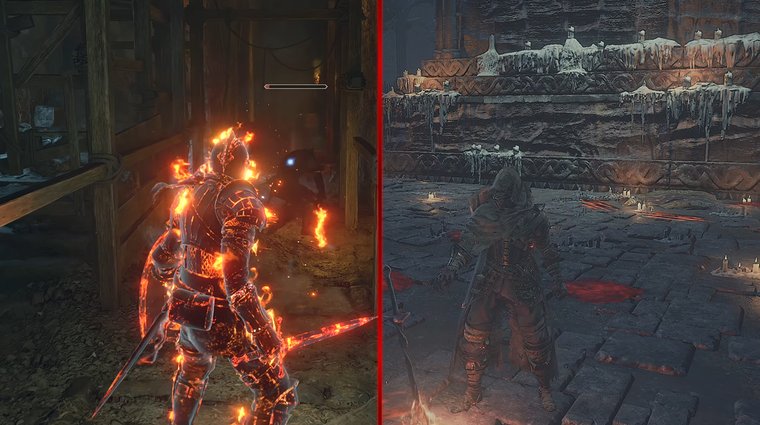
Finding your ideal medieval RPG is a lot easier when you break it down by playstyle. Start with the big question: How much challenge do you actually want? If you’re in the mood for something relaxed, where you can wander, loot, and enjoy the scenery, go for forgiving titles like Skyrim or Fable. They let you experiment without stressing over every decision.
If you love a good struggle, then lean into the tougher stuff. Dark Souls III and Gothic II demand focus and patience, while Kingdom Come: Deliverance rewards players who enjoy realism and careful planning.
Next, think about what kind of gameplay grabs you. Strategy fans often feel at home in Mount & Blade II: Bannerlord or Divinity: Original Sin II, where battles unfold like tactical puzzles. Players who prefer sharp, responsive combat might click more with Dragon’s Dogma: Dark Arisen or Demon’s Souls.
Then comes world preference. Do you prefer authentic medieval history, or do you want spells, monsters, and mythical drama? Pick your side, it makes the decision easier!
Finally, check your platform. PC players get huge modding communities and performance tweaks. Console players get smoother plug-and-play sessions. Match your device to your expectations, and the right medieval RPG will fall into place quickly.
My Overall Verdict
All 20 games on this list are absolutely worth your time – no dead weight here. But if you’re feeling a bit lost on where to start, here’s some quick guidance to match your mood with the right medieval rabbit hole.
For fans of brutal medieval realism → Kingdom Come: Deliverance
Go here if you want mud, steel, and social status to matter more than magic. Combat demands patience and timing, the world reacts to your choices, and even basic survival feels like an achievement.
For lovers of pure open-world freedom → The Elder Scrolls V: Skyrim
Perfect if your ideal evening is picking a direction and seeing what chaos waits over the next hill. Huge map, flexible builds, dragons, guilds, and an absurd amount of side content make it the ultimate medieval fantasy playground.
For tactics enjoyers and party micromanagers → Icewind Dale: Enhanced Edition
If your idea of fun is pausing every few seconds to line up spells, buffs, and perfect formations, this one’s your cozy tactical winter getaway. It’s all about dungeon crawling, party synergy, and turn-your-brain-on combat.
For story-first players who love endless campaigns → Neverwinter Nights
Start here if you want strong D&D storytelling plus the option to drown in community-made campaigns. It’s less “one game” and more “infinite medieval RPG generator” with builds, stories, and modules for days.
For challenge seekers with strong nerves → Dark Souls III
If you enjoy mastering tough bosses and learning enemy patterns the hard way, this is your home. Dark fantasy vibes, tight combat, and a world that tells its story through ruins, atmosphere, and the number of times you respawn.
What ties all great medieval RPG games together is their mix of world-building, replayability, and character depth. Regardless of your preference, there’s a medieval adventure out there that will keep you returning for longer after the main story ends.
FAQs
Kingdom Come: Deliverance is the best medieval RPG thanks to its realistic swordplay, gritty atmosphere, and detailed approach to medieval society. Icewind Dale: Enhanced Edition and Neverwinter Nights are great alternatives for those who prefer strategic D&D combat and memorable campaigns.
Demon’s Souls (PS5 Remake) is the standout, offering stunning visuals and challenging combat. Skyrim Anniversary Edition and Dragon’s Dogma: Dark Arisen also run beautifully and offer huge worlds to explore.
Yes. Mortal Online 2, Stoneshard, and Battle Brothers are strong indie options. They offer deep mechanics and medieval themes without AAA pricing.
Mount & Blade II: Bannerlord blends RPG progression with large-scale medieval strategy. For pure strategy, Total War: Medieval II remains a classic.
Yes. Skyrim, Kingdom Come: Deliverance, and Dragon’s Dogma: Dark Arisen all offer open worlds with exploration, quests, and character progression.
The earliest recognized RPG is dnd (1975) for the PLATO system, followed shortly by Akalabeth (1980), which inspired many later fantasy RPGs.
Match the game to your playstyle. Choose fantasy if you want magic, historical RPGs for realism, strategy titles for planning, or action-heavy games for combat focus.