


Side Hustles for Engineers: How It Works & How Much You Can Earn in 2026

Eneba Hub contains affiliate links, which means we may earn a small commission if you make a purchase through them—at no extra cost to you. Learn more



Side Hustles for Engineers
Freelance consulting through Toptal is still the fastest of the side hustles for engineers on this list, with screened clients paying $60 to $150 an hour from your first project.
Side hustles for engineers can realistically add $500 to $5,000 a month once you have a specific, sellable skill. Freelance consulting through a vetted network like Toptal is the fastest of these to turn into a first paycheck. That figure assumes you can spare five to ten hours a week outside your day job. Someone starting from zero should plan on the first month going toward a profile and a portfolio, not a paycheck.
Your engineering background is already worth $60 to $500 an hour on the right platform, more than almost any other side hustle pays outright. The real work is matching your specific background, whether that is firmware, structural analysis, or backend systems, to the venue that pays for it. Then you treat the first client relationship like a job interview that never quite ends.
This guide ranks nine side hustles for engineers by what they actually pay, what they cost to start, and how many hours they take. Every figure comes from a platform’s own rate data or an independent pay-data source, not a guess.
Jump to:
Are Side Hustles for Engineers Realistic?
Yes, side hustles for engineers are realistic if you already have a specific, provable skill and a few open hours a week. The money is uneven, though. Freelance consulting can clear $60 to $150 an hour almost immediately, while a side SaaS product or an online course often earns nothing for months. Plan on $200 to $2,000 total in your first three months, not per month, unless you already have clients lined up.
The engineers who do well here are not the ones with the most impressive résumé. They can describe what they do in one plain sentence a stranger understands. A narrow, specific specialty gets hired on a freelance platform. A vague “software engineer” label tells a client nothing they can act on.
If quick cash matters more than a specialty right now, you can also learn how to earn $1,000 a week through faster, lower-skill options.
Watch for the honest failure mode too: spending twenty hours a week on a side SaaS product that earns $30 a month is a hobby, not a side hustle. Name that plainly before you start one of these side hustles for engineers, not three months in.
9 Real Side Hustles for Engineers That Actually Pay
Each of these side hustles for engineers below states what it actually pays, using the platform’s own numbers or an independent pay-data source, then walks through how you actually start. The list covers side hustles for software engineers and non-software disciplines alike, so there’s a fit whether the background is firmware, structural analysis, or backend systems.
1. Freelance Consulting Through Toptal
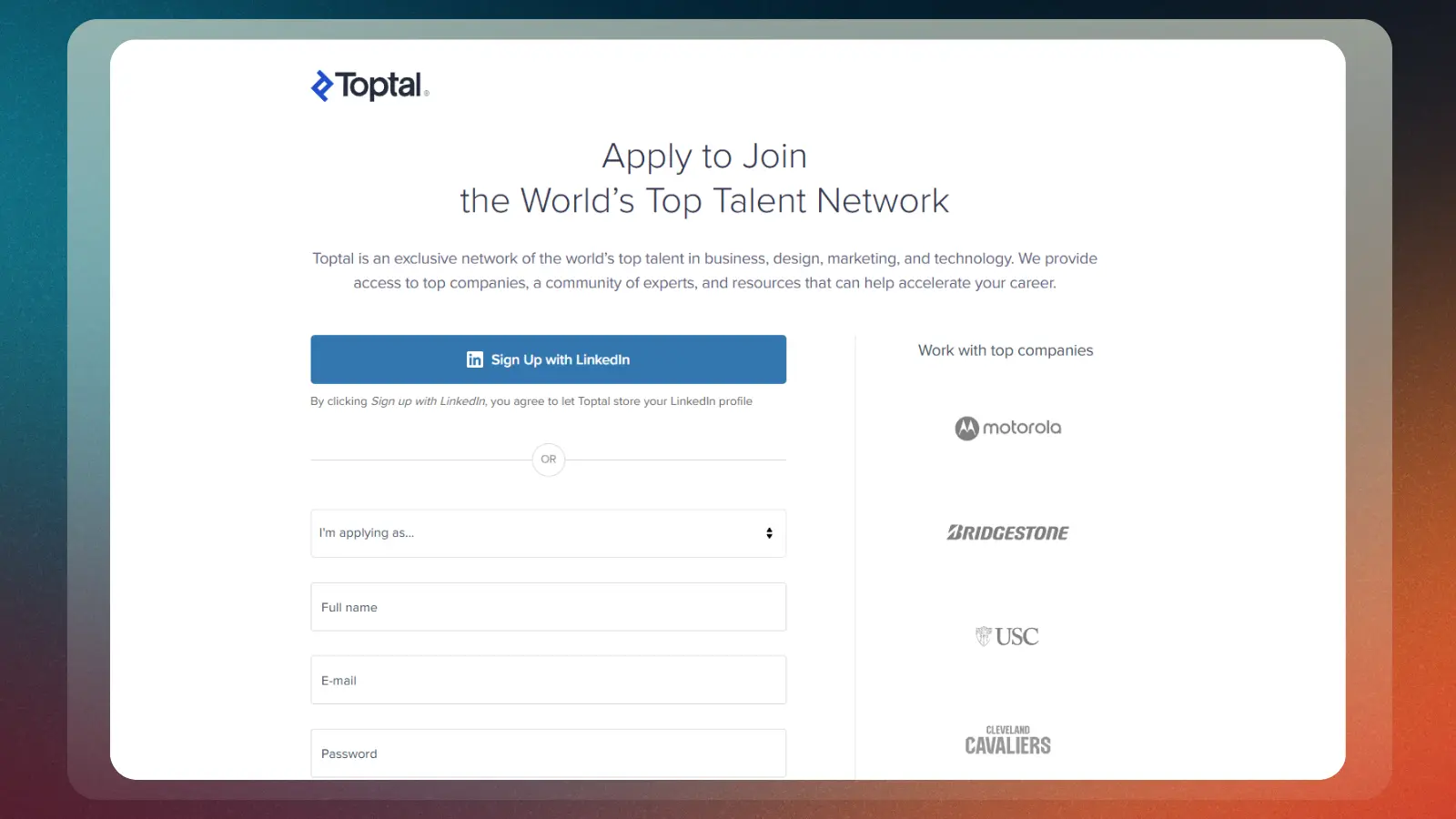
Freelance consulting through a screened network pays $60 to $150 an hour for most engineering specialties. Rates run past $200 an hour for niche skills like embedded systems or machine-learning infrastructure.
The client pays a markup on top of your rate, and the platform’s own screening is what lets it charge that markup in the first place. You could also apply directly through Braintrust or Gun.io, which run similar vetted marketplaces at a lower take rate.
Getting through that screen takes real preparation, not a resume upload:
- Apply with a narrow specialty stated in one line, not a general “software engineer” label
- Pass the language and personality screen, then a live technical interview in your specialty
- Complete a paid test project before the network lists you
- Set your rate near the middle of your specialty’s published band, then adjust after your first two clients
Toptal’s account-manager matching still makes it the steadier starting point if you have never freelanced before, and it is one of the more accessible side hustles for engineers once you clear the screen. It’s also one of the more structured entry points into freelance consulting for engineers, since the platform handles client matching instead of leaving you to pitch cold.
2. Paid Expert Calls Through GLG

Expert-network calls pay $100 to $500 an hour for a single 30- to 60-minute conversation. Some specialized engineering backgrounds command more, since clients are paying for a narrow perspective fast. It is one of the side hustles for engineers that pays best for the least time committed.
The pay is real, but the work is thin. Most engineers on GLG field one or two paid calls a month, not a steady stream of them. AlphaSights and Guidepoint run comparable networks, and joining more than one widens how often you get matched. Among side jobs for engineers that pay well for a small time commitment, this is one of the easiest to run alongside a full-time role.
Signing up follows roughly the same steps everywhere:
- Connect a LinkedIn profile and describe your specific technical background
- Complete the network’s compliance and disclosure tutorial
- Set an hourly rate, usually $150 to $300 to start as a first-time expert
- Accept call requests as they come in; nothing is scheduled until a client picks you
GLG bills by the minute, not the hour, so a short call pays less than your stated rate implies. Ask what the compliance screen covers before your first call. Disclosing confidential information from a current employer gets experts removed from every network at once
3. Fractional CTO Work Through Go Fractional
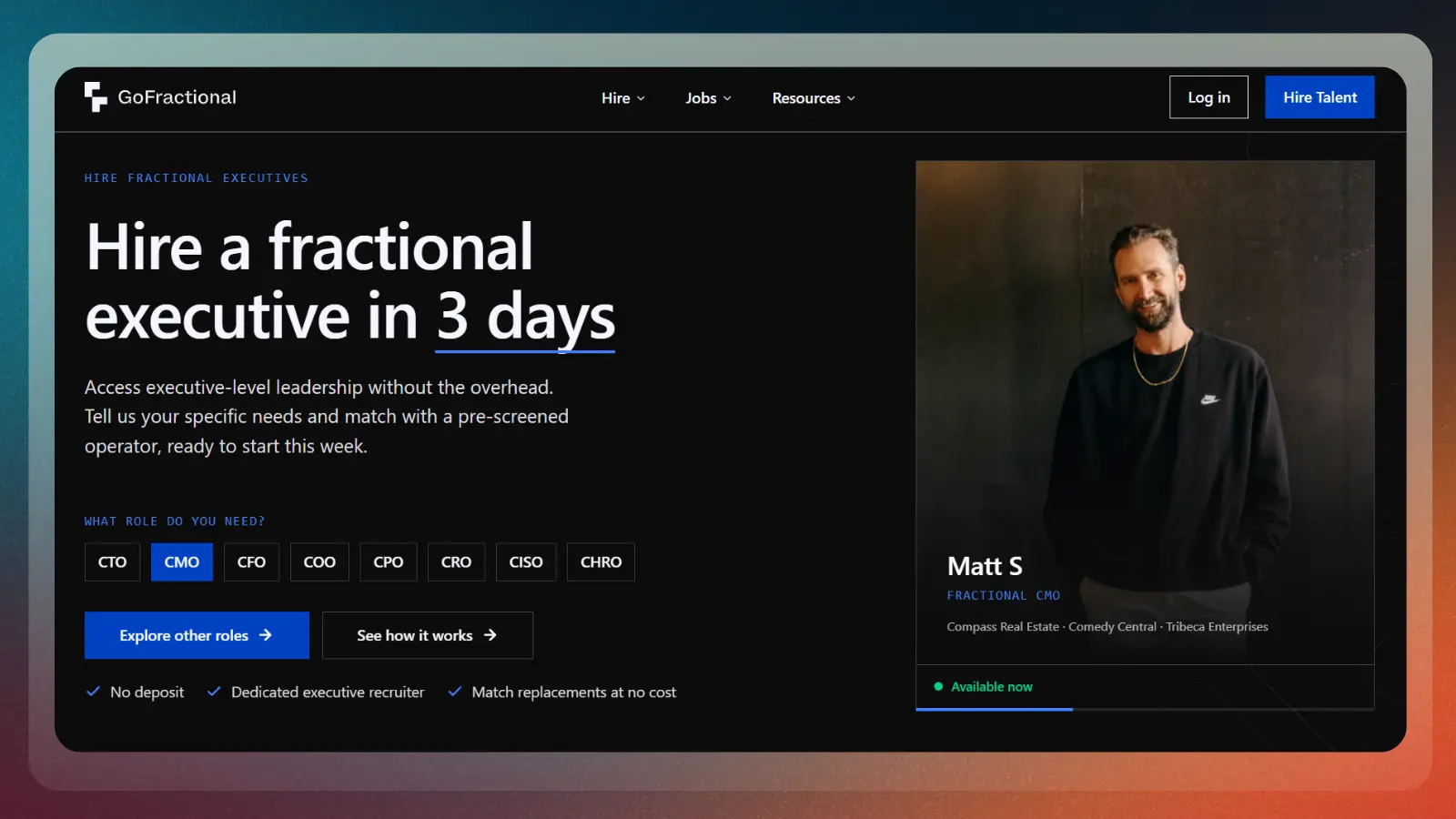
Fractional technical-leadership work pays $150 to $500 an hour, depending on how much team-scaling experience you carry. Most experienced fractional CTOs land in the $200 to $350 range.
This one pays more per hour than almost anything else on this list, and it is also the hardest to get without a track record. Clients almost always want someone who has already run a real engineering team, so it suits senior engineers more than early-career ones.
The path in looks different from a standard freelance application:
- Document the size of the team and the systems you have actually owned, not just contributed to
- Apply with a scope you can commit to weekly, not just “available as needed”
- Expect a recruiter-style screening call before any client introduction
- Quote a monthly retainer once matched, instead of negotiating hour by hour
A typical engagement runs about 12 hours a week, so it reads as a genuine part-time role. Go Fractional and similar marketplaces vet applicants on scope. How large a team you led, and what shipped under you, matters more than a certificate. For a senior engineer looking to turn leadership experience into real engineering side income, this is one of the higher-ceiling options on this list.
4. Patent and Expert Witness Consulting Through Expert Institute

Engineering expert witness work pays $200 to $700 an hour for case review and testimony. Patent expert consulting runs higher still, at $300 to $1,000 an hour, per rate surveys from firms that place these experts.
This is the highest hourly rate of any side hustle for engineers on this list. It is also the hardest to get without a track record, since attorneys hire experts with years of documented experience, not a general engineering degree. Case reviews average about $350 an hour, and testimony averages about $450 an hour.
An engineer who wants to be found for this kind of work should:
- Write a CV that leads with specific patents, standards, or failure investigations you have worked on
- Register with one or two referral firms instead of trying to reach law firms directly
- Accept a smaller first case to build a testimony record before quoting top-of-range rates
- Consider the USPTO patent bar exam for ongoing patent-prosecution work, not just litigation support
Patent cases often add a retainer of $5,000 to $20,000 before any hourly billing starts. Referral firms like Expert Institute and Round Table Group match attorneys with vetted experts and handle the intake paperwork. That beats marketing yourself directly for a first case, and it functions as its own form of freelance consulting for engineers, just routed through legal cases instead of a typical client project.
5. Technical Writing on Upwork
Technical writing pays a median of $30 an hour for general how-to content on Upwork. API documentation and white papers push that to $75 to $126 an hour instead, since specialized technical content commands a real premium over general writing work.
That gap comes down almost entirely to specificity. Naming the exact document type on offer gets the higher rate, while a vague “I write documentation” pitch gets the $30 one. Mid-level technical writers average around $63 an hour; senior specialists average around $105.
A first technical-writing profile should include:
- Two or three writing samples pulled from real documentation you have written at work, with employer permission, or from your own open-source projects
- A stated specialty, such as API references, developer onboarding guides, or hardware manuals
- A published rate near the specialty’s mid-range, not the platform-wide median
- A short turnaround policy stated up front, since fast delivery wins repeat clients here
This pays less per hour than consulting, but it takes far less networking to start, since clients post the work publicly instead of sourcing it through a screening call. This is one of the more accessible side hustles for engineers to try this month, and a reliable laptop for engineering students doubles as a solid setup for documentation work like this outside a day job.
6. Tutoring STEM Subjects on Wyzant
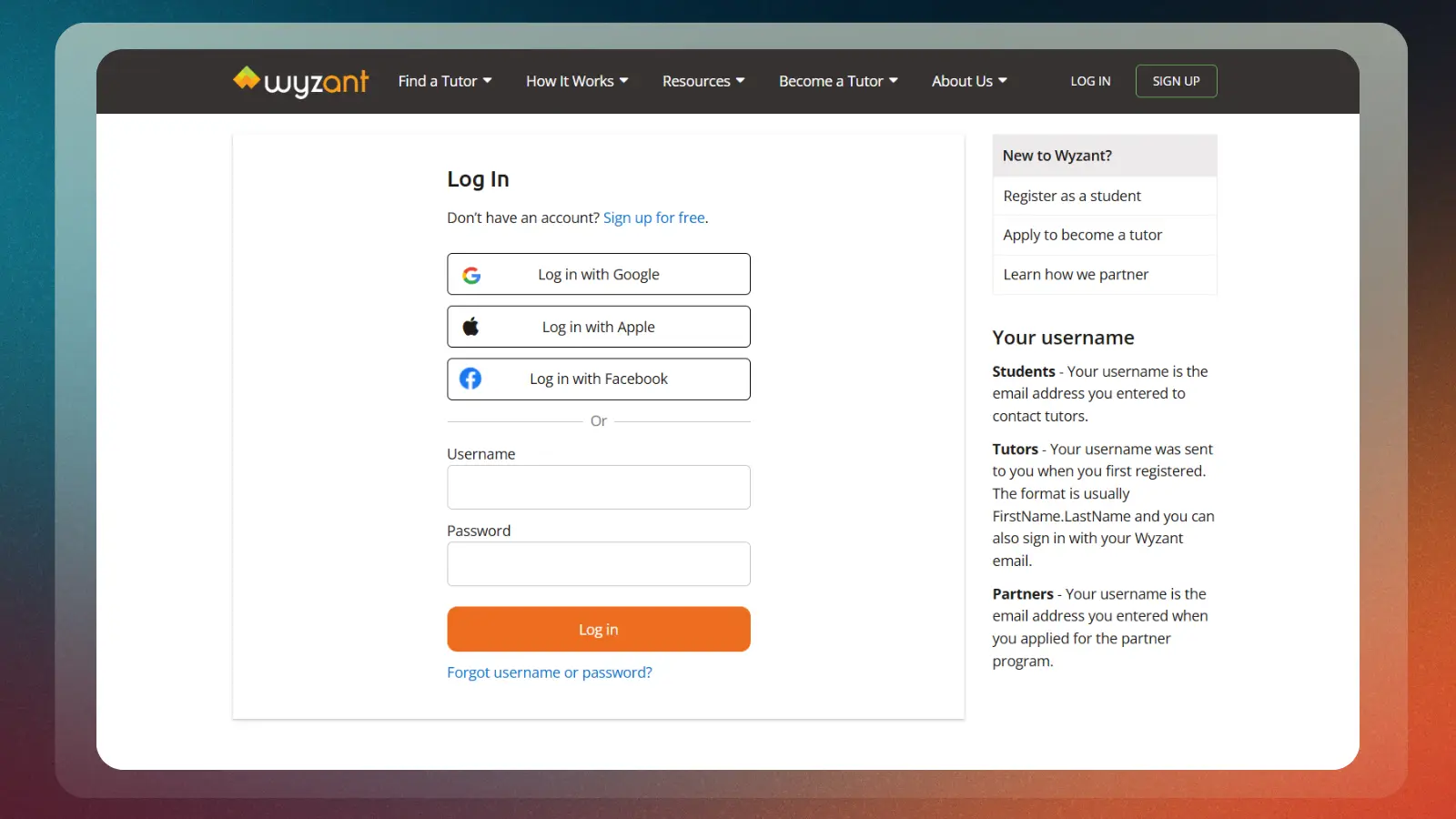
Tutoring engineering and STEM subjects pays $30 to $75 an hour in most markets on Wyzant. Tutors keep 75% of the posted rate after the platform’s 25% fee.
That is lower per hour than freelance consulting, but the hours are the easiest of anything on this list to book around a day job. Sessions run 30 to 90 minutes, and you set your own calendar.
Getting your first students booked usually means:
- Listing two or three specific subjects, such as circuit analysis or statics, rather than “engineering” broadly
- Setting an introductory rate slightly under the local median for your first five sessions
- Offering a short free intro call so a student can confirm the fit before paying
- Asking satisfied students for a platform review, which drives most future bookings
Rates vary by region too: tutors in New York report $40 to $75 an hour. Varsity Tutors and Preply run comparable marketplaces if you want to widen where students find you, though building repeat students on one platform tends to pay off faster than spreading yourself across three. Among side jobs for engineers that fit neatly into evening hours, this one asks for nothing beyond subject knowledge already on hand.
7. Building a Side SaaS With Indie Hackers
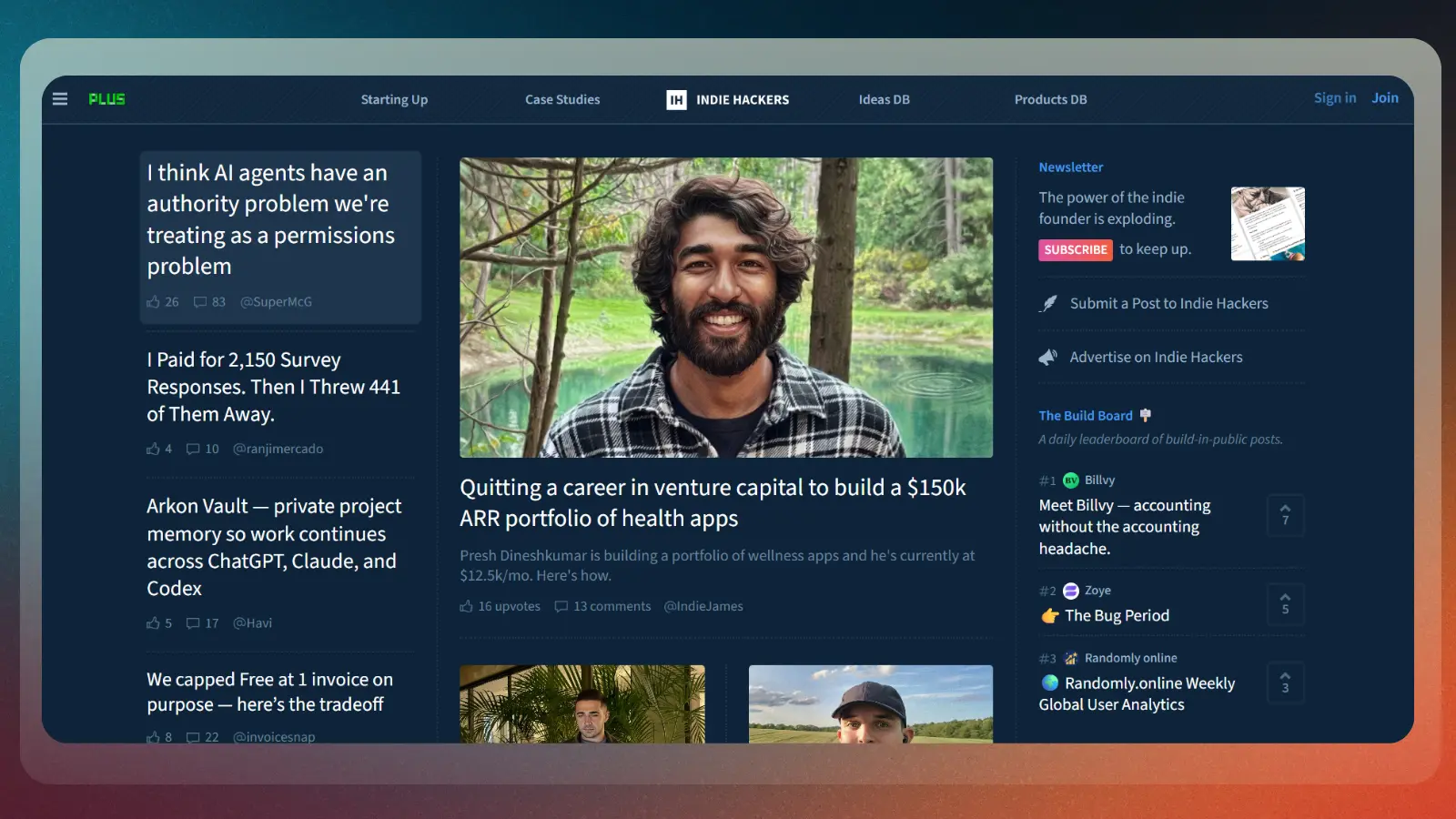
A side SaaS product is the riskiest of the side hustles for engineers on this list. The median profitable micro-SaaS product earns about $4,200 a month, but a 2025 analysis of Stripe-verified products found 54% earn exactly $0.
Around 70% of small SaaS products stay under $1,000 a month once they launch. Only a small share of people who stick with it seriously ever reach $10,000 a month. This is a real path to meaningful income, but only if you treat the first year as unpaid market research.
A first side SaaS attempt goes better with a plan, not just code:
- Pick a problem you have personally hit at work, not a generic idea from a trends list
- Charge from the first user, even a small amount, instead of giving away access to “get feedback”
- Ship a narrow version in weeks, not months, and let real usage decide what to build next
- Set a personal deadline for when $0 revenue means moving on to a different idea
Engineers have a real edge here: you can build the product yourself. The catch is that building was never the hard part. Finding people willing to pay always is. Among side hustles for software developers specifically, this is the one where the technical skill is never the bottleneck; distribution is.
8. Open Source Sponsorship on GitHub Sponsors
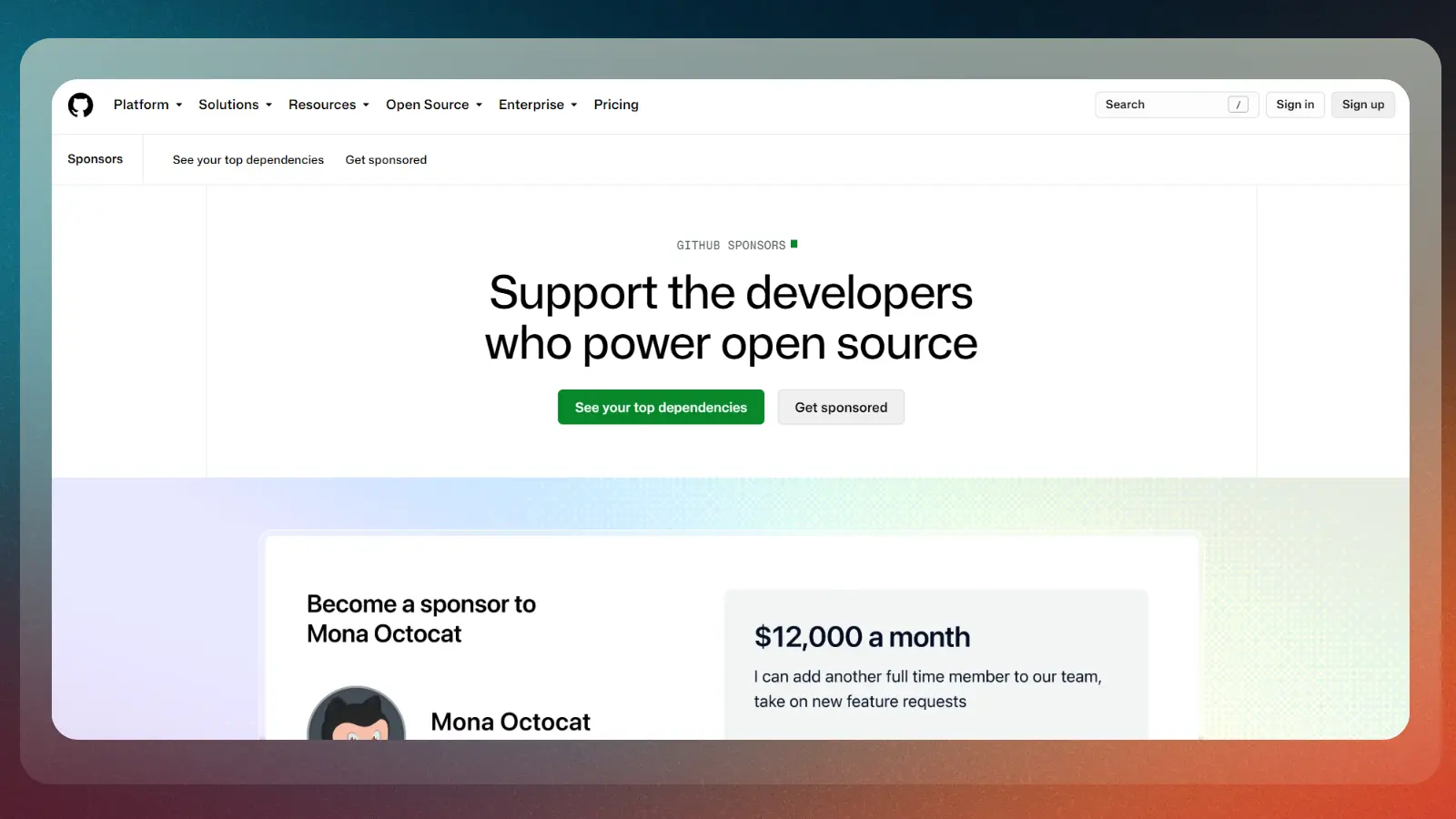
Established open-source maintainers with clearly scoped sponsor tiers report $800 to $4,000 a month through GitHub Sponsors. This only works once your project already has real users, which makes it one of the slower side hustles for engineers to get paying.
Fewer than 12% of open-source developers earn anything from their work at all. That makes this the slowest-building option here, not the riskiest one. GitHub Sponsors has moved more than $100 million to maintainers since 2019, across roughly 70,000 sponsored maintainers.
Setting up sponsorship well takes more than flipping a switch:
- Publish a project with real documentation and a clear README before asking anyone to sponsor it
- Set two or three sponsor tiers with a specific, named benefit at each level
- Post a public roadmap so sponsors can see what their money is funding
- Treat the first few sponsors as a signal to keep going, not proof the project will support you full time
The engineers who earn a steady amount tend to maintain a tool other developers depend on daily, not a personal project nobody outside their own team uses. Of the side hustles for software engineers on this list, this is the one most directly tied to work already being done for free.

9. Teaching a Course on Udemy

The average Udemy instructor earns $3,306 a year. 75% of instructors earn under $1,000 a year, which makes this one of the lowest-paying entries here for a typical result.
A small number of top instructors earn far more: Udemy’s own numbers show its top eleven instructors each earned over $1 million. How you sell the course changes your cut more than anything else. Udemy pays 37% on an organic marketplace sale a stranger finds through search, but 97% when a student buys through your own coupon link.
A first course is more likely to earn something if you:
- Teach a narrow, specific skill you already use at work, rather than a broad “learn X” survey course
- Record a short free preview section that shows your teaching style before anyone pays
- Share your own coupon link anywhere your existing network will see it, since that sale pays far better than an organic one
- Update the course after launch based on the questions students actually ask
An engineer who already has a following, on a blog or a technical YouTube channel, earns roughly two and a half times more per sale than one relying on Udemy’s own search traffic. Among side jobs for engineers built around teaching rather than billable hours, this is the one with the widest gap between a beginner’s first course and a specialist’s tenth.
How These Side Hustles for Engineers Compare
The table below lines up pay, startup cost, and effort for these side hustles for engineers. Use it to weigh an hourly gig against a slower-building product before you pick one, especially if freelance consulting for engineers is competing against a passive-leaning option like open source sponsorship.
| Side Hustle | Typical Pay | Startup Cost | Effort Level |
|---|---|---|---|
| Freelance consulting (Toptal) | $60 to $150/hour | Free to apply | Hands-on, per project |
| Expert calls (GLG) | $100 to $500/hour | Free to apply | Hands-on, occasional |
| Fractional CTO work | $150 to $500/hour | Free to apply | Hands-on, ongoing |
| Patent and expert witness | $200 to $1,000/hour | Free to register | Hands-on, occasional |
| Technical writing | $30 to $126/hour | Free to join | Hands-on, per project |
| STEM tutoring | $30 to $75/hour | Free to list | Hands-on, scheduled |
| Side SaaS product | $0 to $4,200/month | $0 to a few hundred dollars | Hands-on upfront, passive later |
| Open source sponsorship | $0 to $4,000/month | Free to set up | Mostly passive once set up |
| Online course (Udemy) | $0 to $1,000+/year | Free to publish | Hands-on upfront, passive later |
How We Picked These Side Hustles for Engineers
Every entry had to pay a real, sourced rate, and it had to reward a skill an engineer already has, not a generic gig anyone could do. That cut a long list down to nine hustles that actually pay for engineering judgment specifically.
Three filters decided what made the cut. First, the platform had to be genuinely operating and taking new applicants, not a defunct marketplace still showing up in search results. Second, the pay had to come from the platform’s own numbers or an independent pay-data source, not a personal claim with no source behind it. Third, the method had to reward something engineering-specific, so generic gig-economy driving or delivery work never made the list.
Two ideas got cut for failing that last filter: renting out spare equipment and general virtual-assistant work. Neither one uses an engineering background any differently than anyone else’s, which is exactly the bar that separates real side hustles for software developers from a generic gig-work list. If your goal is fast cash rather than a skill-based hustle, our guide to earning $2,000 quickly covers that ground instead.
Can Reward Apps Add to Your Side Income?

Yes, reward apps add $10 to $50 a month in easy extra cash on top of the side hustles for engineers above. They are not a replacement for any of them. They pay small amounts for surveys, cash-back shopping, or in-app offers. That makes them a low-effort supplement, not a serious income source.
Snakzy, Eneba’s own rewards app, pays out from a $35 minimum with no cost to join. That makes it a reasonable first one to try alongside any hustle on this list. Bigcash pays out from as little as $1. KashKick is worth adding once you clear its terms: KashKick requires you to be at least 18 and living in the US or UK.
| App | Minimum Payout | Entry Cost |
|---|---|---|
| Snakzy | $35 | Free |
| Bigcash | $1 | Free |
| KashKick | [CONFIRM: minimum payout] | Free, 18 and older, US or UK only |
If you want the lightest-effort tier available, our roundup of game apps that pay real money sits a notch below reward apps, and our guide to earning $200 fast covers the quickest wins of all.
Play to earn cash today

Protecting Your Day Job While You Build a Side Income
The biggest risk in any side hustle for engineers is not the client work. It is your existing employment agreement. Read your contract’s IP-assignment and moonlighting clauses before you take a single paid project.
Many engineering employers claim ownership of anything you build using company time, equipment, or trade secrets, even on a personal project. Three checks matter more than which platform you pick.
Confirm your contract does not require employer approval for outside work. Avoid consulting for a direct competitor, even where the contract stays silent on it. Never use your employer’s proprietary code or client relationships as your portfolio.
Building a portfolio from your own side projects, or from public open-source contributions, sidesteps that risk entirely. If you take client calls over public Wi-Fi, our guide on how to set up a VPN covers keeping that connection private.
Freelance income is also taxed differently than a salary. In the US, anything over $600 from one client typically triggers a 1099 form, and you pay quarterly estimated taxes on it yourself instead of having an employer withhold them. Treating engineering side income as taxable from the very first payment avoids a surprise the following spring. Set aside 25% to 30% of every payment for taxes from your first invoice. That avoids a painful surprise the following spring.
What Doesn’t Work
A handful of offers marketed at engineers take your money and give nothing real back. Paid certification courses, guaranteed-income coaching, and unpaid consulting are the worst repeat offenders among side hustles for engineers this year.
- Paid “consulting certification” courses: programs charging $500 to $2,000 to teach you how to freelance are selling a checklist you can get free from the platforms themselves. No client has ever asked to see one.
- Guaranteed six-figure coaching funnels: the FTC has repeatedly warned consumers about business-coaching offers that promise a specific income figure for an upfront fee. That is exactly the structure to watch for here.
- Unpaid “exposure” consulting: a startup offering equity or future work instead of payment for real consulting hours wants you to take on its risk for free. Treat it as a red flag, not a foot in the door.
- Reselling other people’s freelance leads: middlemen who sell lists of “pre-qualified clients” for a flat fee are selling leads they already tried and failed to close themselves.
None of this means every paid course is a scam. It means a real side hustle pays you for work you already know how to do. It should never charge you to learn how to find work that may not exist, and that rule holds whether the pitch is aimed at general side hustles for software developers or something more specific like expert witness work.
Final Verdict on Side Hustles for Engineers
Side hustles for engineers pay best when they start with a fast, proven path: freelance consulting through Toptal gets a first paid project moving quickest. Add expert-network calls or fractional advisory work once there’s a client history to point to, and treat a side SaaS product or an online course as a slow-building bet, not a plan B for this month’s rent.
Pair whichever one gets picked with a free earner like Snakzy for pocket change on the side, since it costs nothing to run alongside a real hustle. Read the employment contract carefully before accepting a single paid hour. The best side hustles for engineers all share one trait: they pay for a skill already on hand, not for hours anyone else could sell.
Play to earn cash today
FAQs
Yes, though the range is wide. Freelance consulting and expert witness work can clear $60 to $500 an hour quickly, while a side SaaS product or a new course often earns very little in its first year.
These side hustles for engineers usually take five to ten hours a week around a full-time job. Freelance consulting and tutoring fit that pattern best, while a side SaaS product or a first online course needs more upfront hours before it earns anything back.
Yes, often. Many engineering employers require you to disclose or seek approval for outside paid work. Some also claim ownership of anything built with company time or equipment, so check your contract first.
Patent and expert witness consulting pays the most per hour among these side hustles for engineers, at $200 to $1,000. It is also the hardest of these options to break into without a documented track record first.
No, not without checking first. Consulting for a direct competitor can violate your employment contract even where the contract never mentions side hustles at all, so confirm this before you accept the work.
Yes, freelance and consulting income is taxable and usually arrives without any withholding. Setting aside 25% to 30% of every payment keeps your side hustles for engineers from turning into a tax bill you cannot cover.