


Make Money Translating in 2026: 7 Online Paths and What They Pay

Eneba Hub contains affiliate links, which means we may earn a small commission if you make a purchase through them—at no extra cost to you. Learn more



Make Money Translating Overview
Gengo is the strongest beginner pick if you want to make money translating before building a client base. Rev is a useful alternative for weekly payouts. Translators with stronger samples can move toward higher-value direct work through professional networks.
You can make money translating online before you have professional certification, but where you start has a major effect on what you earn. Beginner platforms may pay only a few cents per word. Stronger freelance translator rates usually come after you build paid samples and client history, then develop expertise that supports higher pricing.
Gengo can help you get paid to translate before you have your own clients. Directories and freelance marketplaces give you more control once you have experience. The U.S. Bureau of Labor Statistics reported a $60,170 median annual wage for interpreters and translators in May 2025, though new freelancers should expect to start well below that figure.
The seven routes below show how to earn money by translating at different experience levels. You will see where beginners can start and how earning potential changes as you move toward higher-value client work.
Jump to:
Is Make Money Translating Actually Realistic?
Yes. You can make money translating as a side income, but early pay is usually modest until you build experience or reach direct clients. Freelance translator rates vary sharply by platform. Bulk marketplaces usually pay less per word, while experienced translators have more control over pricing when they work directly with clients.
The U.S. Bureau of Labor Statistics reported a $60,170 median annual wage for interpreters and translators in May 2025, with the bottom tenth earning under $37,070 and the top tenth over $103,660. Those figures reflect people already working steadily through agencies or direct clients. Someone applying to a bulk platform for the first time should expect a much lower starting point.
Translating for beginners works best when the first platform is treated as a place to build paid samples and consistency. Once you can show reliable work, it becomes easier to get paid to translate at better rates through stronger marketplaces or direct clients. The practical goal is to make money translating online consistently before chasing professional-level rates.
7 Real Ways to Make Money Translating Online
These seven routes show how translating for beginners can grow into higher-value client work. The early entries focus on platforms that make it easier to earn money by translating, while later options give you more control over rates. The final route covers what it takes to become a certified translator.
1. Gengo: Bulk Translation Jobs for Beginners
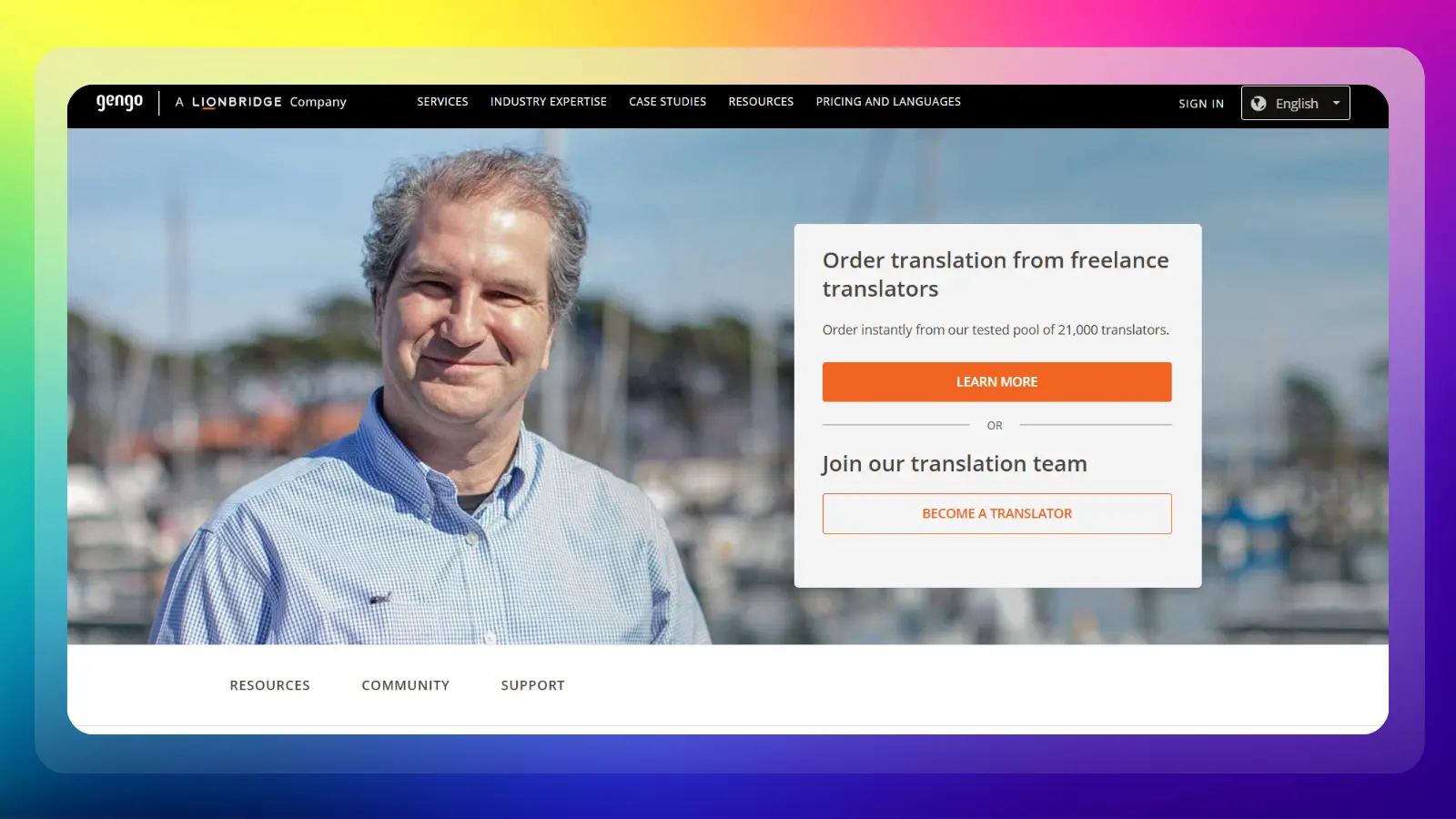
Gengo pays $0.03 to $0.12 a word depending on your tier and language pair. That is low by industry standards, but it gives you a realistic way to translate documents for money before you have your own clients. The platform tests your language pair upfront, so your first task is proving that you can meet its quality standard.
The test is a two-part translation sample in your chosen pair. Review takes about seven days, with two retakes available if you do not pass the first time. Once approved, you can get paid to translate through PayPal, with a $2 minimum withdrawal and a 1.5% fee capped between $1.50 and $20.
Payoneer is also available with a $20 minimum, and Gengo processes payouts on the 5th and 20th of every month. Getting started takes four steps:
- Apply on Gengo’s translator page and choose your language pair.
- Take the two-part translation test for that pair.
- Wait roughly a week for review, with two retakes available if needed.
- Accept jobs from the dashboard once you are approved.
Gengo works well for translating for beginners because the dashboard supplies the jobs and you do not need to find clients yourself. Most approved translators can start taking paid work soon after approval, which makes it the fastest realistic entry point on this list to make money translating.
2. Rev: Subtitling and Translation Paid Weekly
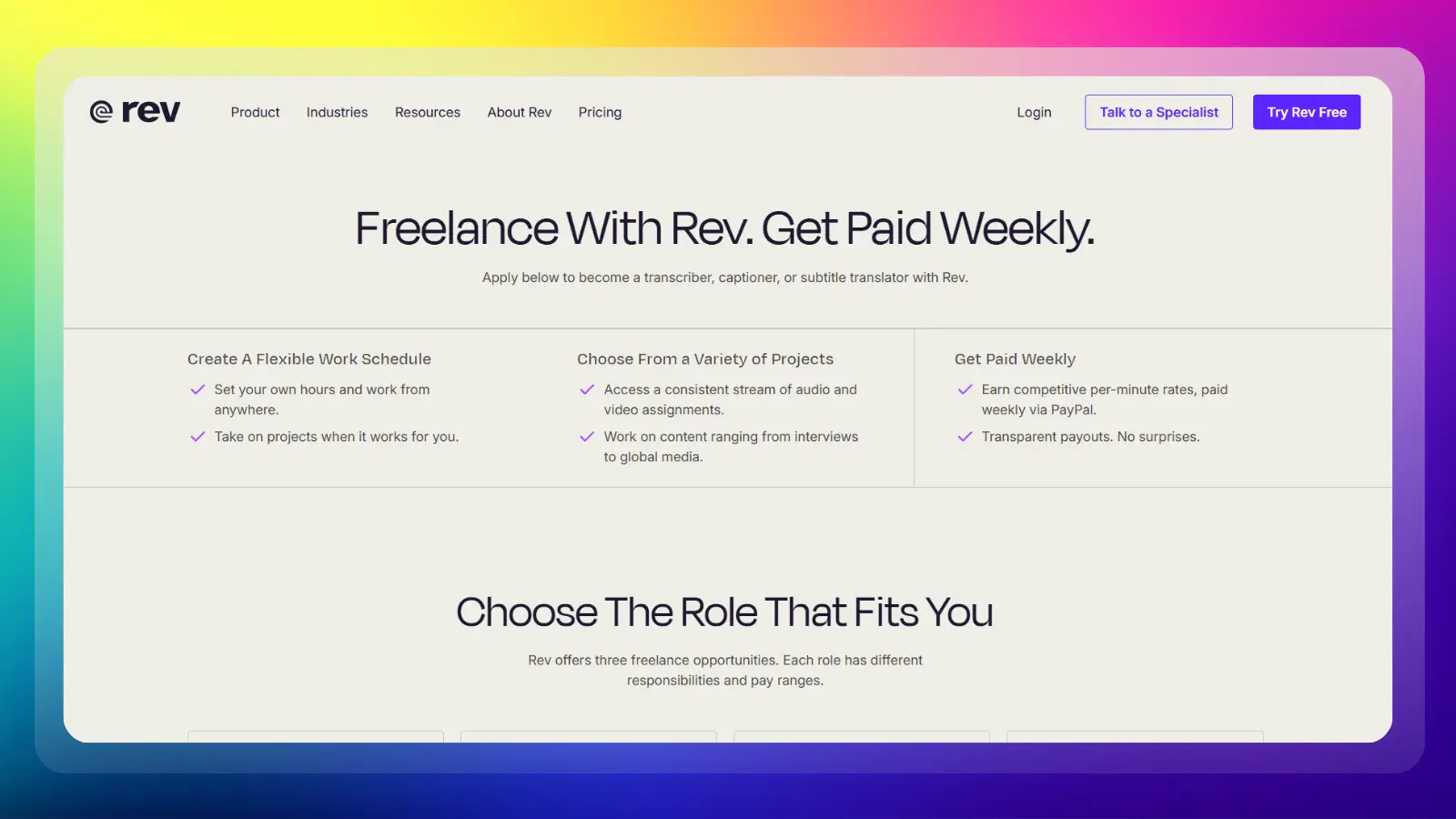
Rev gives you two ways to make money translating online. Foreign-subtitle translation pays $1.50 to $3.00 per video minute. If you want to translate documents for money, plain-text translation runs around $0.05 to $0.07 a word. Both sit on the lower end of professional translation pricing.
The tradeoff is payout speed. Once approved, you get paid to translate on a weekly schedule, with Rev sending earnings every Monday for work submitted the week before. The average Rev freelancer reports around $958 a month across translation and the platform’s other freelance work, so that figure should not be treated as translation-only income.
That regular payout schedule makes Rev useful for translating for beginners who want predictable payment dates. If you need a smaller amount while waiting for approval, our guide on how to earn $200 fast covers routes that do not require an application.
Applying is free. You complete an English test and a translation sample in your language pair, then wait for approval before accepting available work.

3. ProZ.com: Set Your Own Rate as a Listed Freelancer
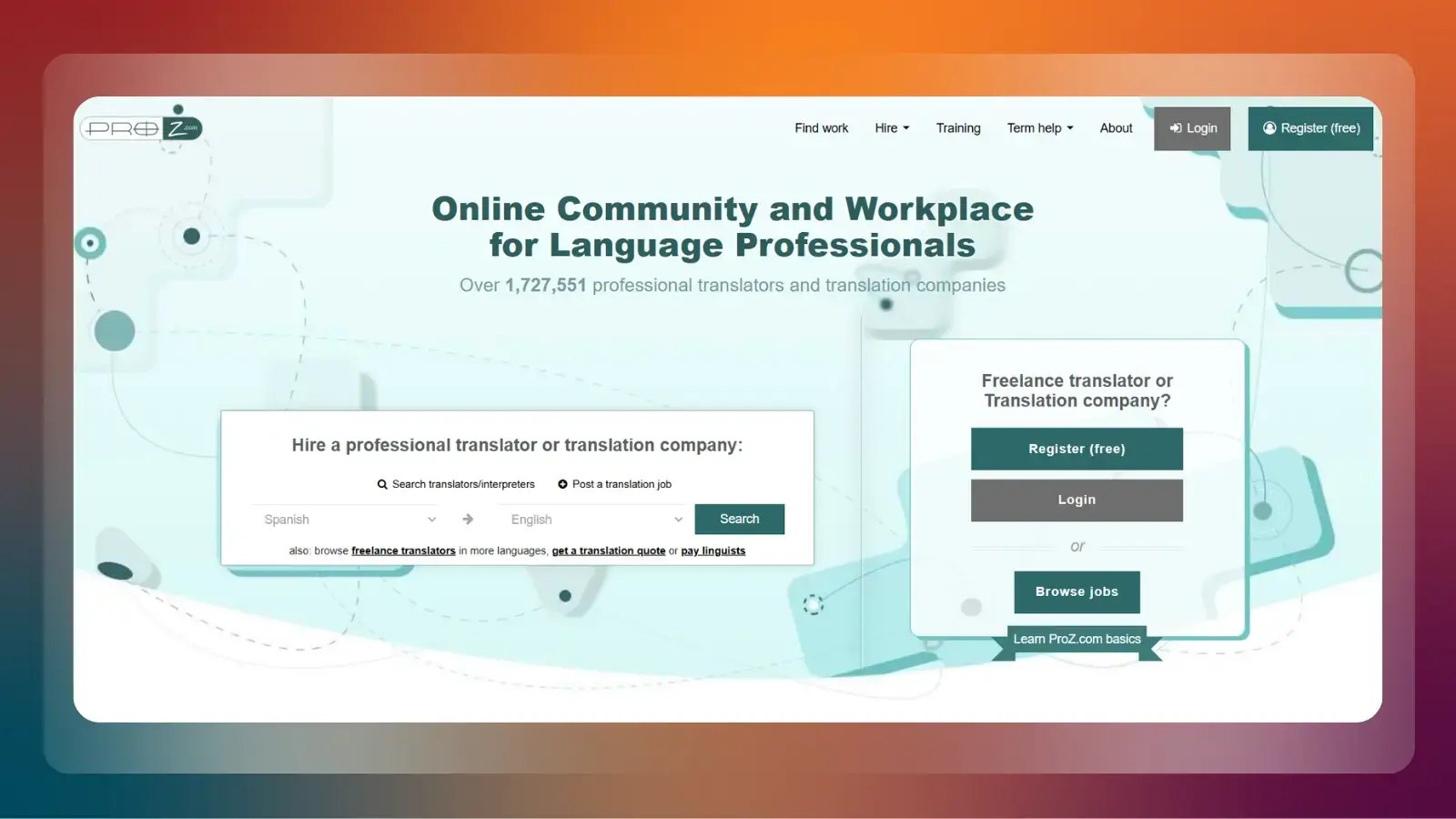
ProZ.com does not set your pay. A standard membership costs about $120 a year, and the platform takes no commission on completed work. The rate you negotiate with the client stays yours, which makes the directory more useful once you are comparing freelance translator rates and want greater control over what you charge.
Paying members report roughly four times the client contact that free profiles receive. A premium membership at about $180 a year adds more visibility. ProZ.com will not hand you your first client, so it works best once you already make money translating and have paid work you can show.
If you already earn money by translating, a detailed profile gives potential clients a clearer reason to contact you directly. Certification can strengthen that profile later, and a verified badge adds another credibility signal when you want to get paid to translate at client-negotiated rates.

4. TranslatorsCafe: A Budget Job Board for Less Common Pairs
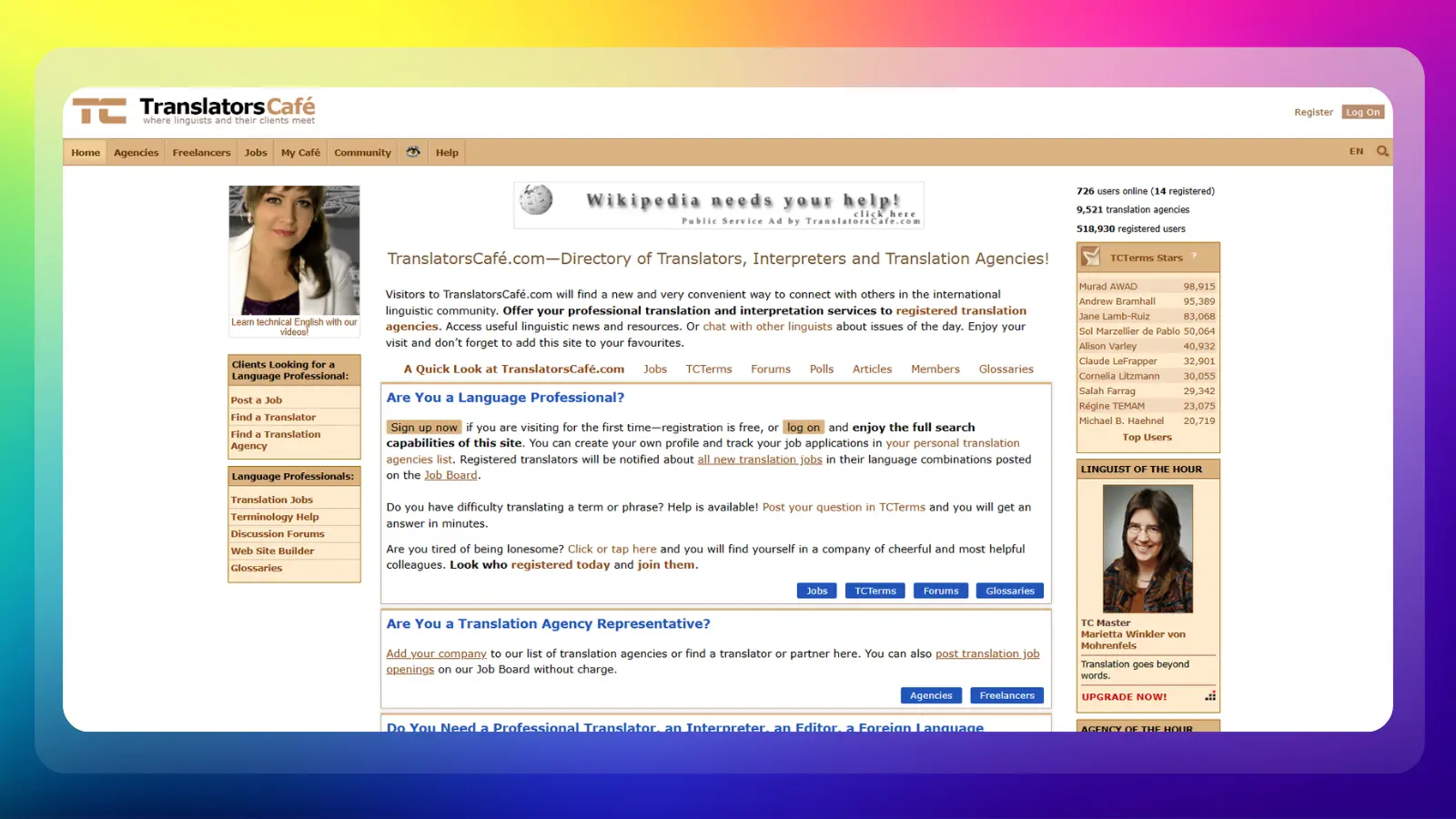
TranslatorsCafe runs a straightforward job board with over 460,000 registered translators and more than 9,000 listed agencies. Browsing new postings is free. A Master membership costs roughly $40 for three months or about $10 a month on the annual plan, and it gives you direct access to job listings.
It is another way to make money translating online if your language pair struggles to get noticed on larger marketplaces. Jobs vary widely, so freelance translator rates depend on the agency, language pair, and type of project rather than a platform-set price.
If you want to earn money by translating through TranslatorsCafe, treat the first small assignment as a test of the client. Free members can browse every posting, while paying members get direct access to agency contact details.
5. Upwork: General Freelance Contracts With Translation Clients
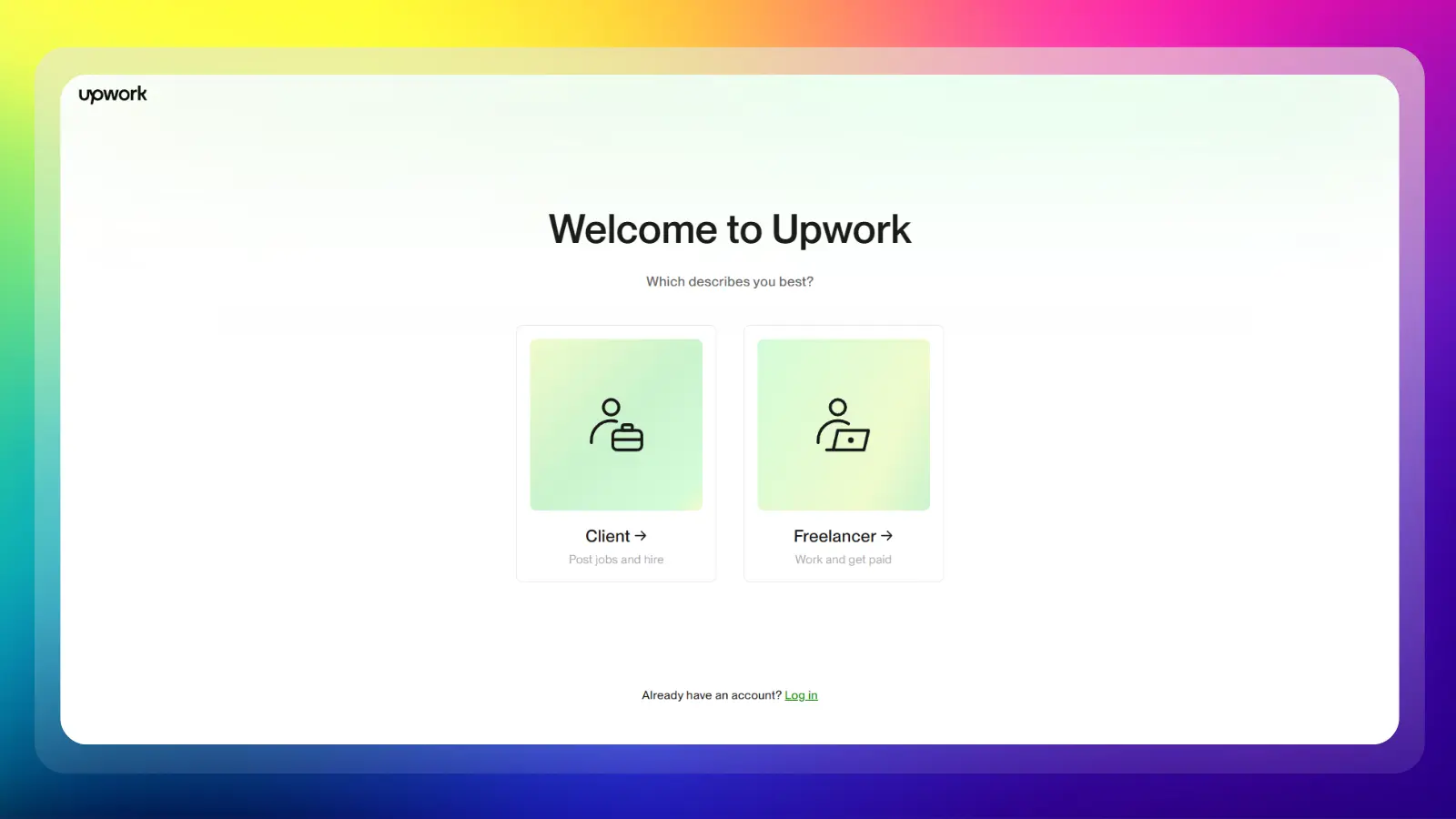
Upwork is not translation-specific, but clients regularly post document and localization work alongside other freelance projects. That makes it a practical place to translate documents for money once you have samples that show what you can handle.
The freelancer service fee ranges from 0% to 15% per contract and is shown when you submit a proposal. Sending proposals also costs Connects, so applying selectively matters. Freelance translator rates on Upwork are negotiated with each client, which gives experienced translators more control than a bulk platform with fixed per-word pricing.
It works best as a second or third channel once you already make money translating online somewhere else. A complete profile with a strong translation sample gives you a better chance to get paid to translate through one-off projects or repeat client work.

6. Fiverr: Gig Pricing for Niche Language Pairs

Fiverr gives you another way to make money translating online by selling a defined service at your own listed price. The platform takes a 20% cut of every completed order, so a $100 translation gig leaves you with $80 before tax.
The model works particularly well if you want to translate documents for money and can package the service around a clear language pair or document type. Bigger projects can also raise the value of each order because you are not limited to the platform’s original low-price positioning.
If you want to earn money by translating through Fiverr, make the gig title specific enough that buyers know exactly what you handle. Naming the language pair and document type gives the listing more useful context than a generic “translation services” title. If a $2,000 short-term target matters more than steady gig income, our guide on how to earn $2,000 quickly quickly covers other options.

7. Get ATA Certified: The Highest Ceiling on This List
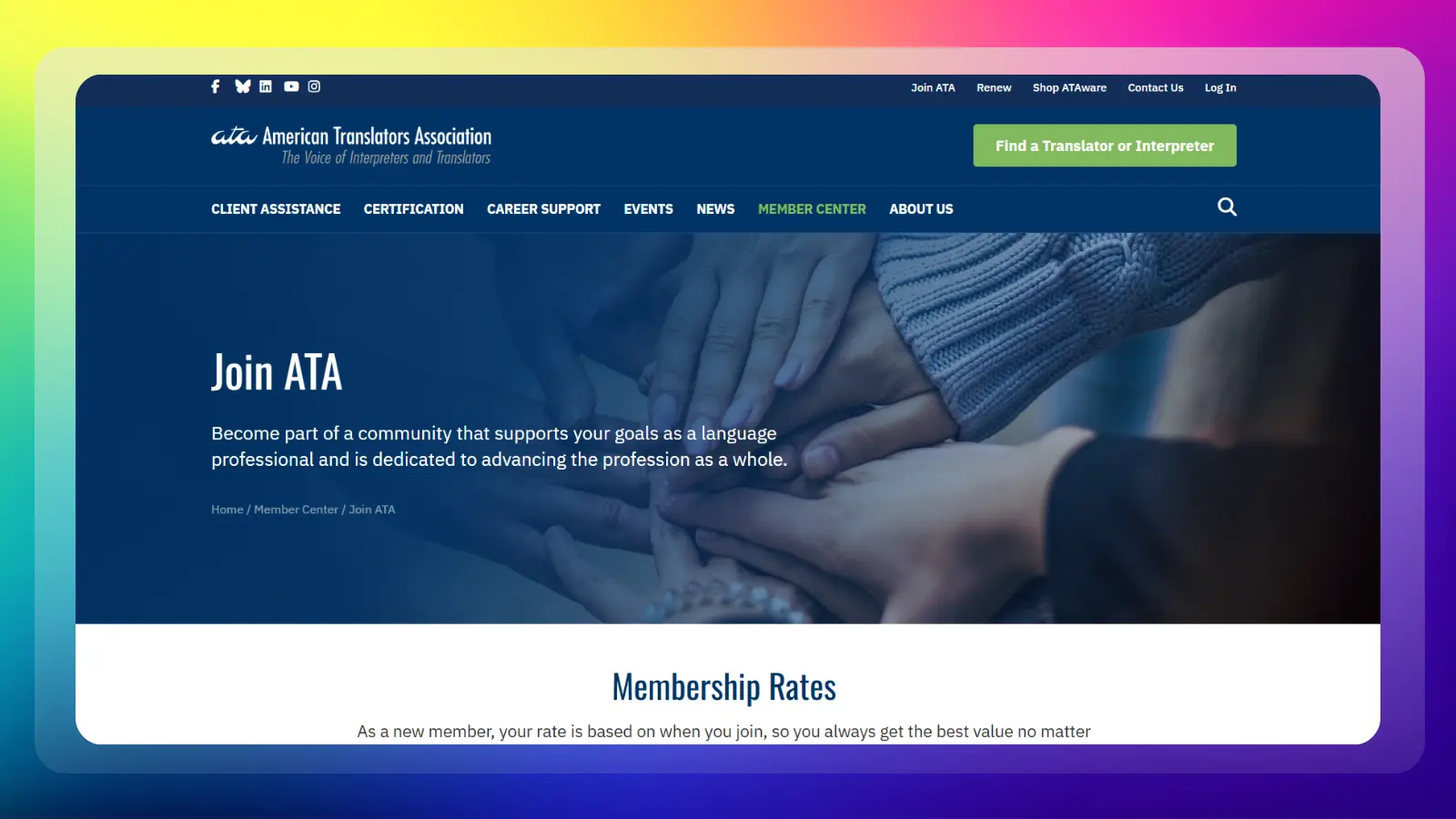
If you want to become a certified translator, the American Translators Association is the professional route covered here. The certification exam costs $300 for members taking their first language pair or $525 for non-members, with additional language pairs costing $200 to $325.
You need to join ATA before registering for the exam. Official practice passages cost $80 for members or $120 for non-members. Passing does not guarantee clients, but certification adds professional credibility and gives you access to ATA’s directory, where clients can search by language pair and specialization.
To become a certified translator through ATA, the process takes four main steps.
- Join ATA before registering for the exam.
- Prepare with official practice passages.
- Sit the three-hour open-book exam for your language pair.
- Add your profile to ATA’s directory once you pass.
Certification takes months of preparation, so it makes more sense once you already earn money by translating and want to build a more professional client base. For people who already make money translating and want a fixed weekly target, our guide to how to earn $1,000 a week compares the workload required across other income routes.
How the Ways to Make Money Translating Compare
The seven options differ in how they pay, what they cost to start, and how much work they demand. If you want to make money translating online, the table below puts those differences side by side so you can compare the tradeoffs before choosing a route. If translating ends up not being the fit at all, our guide on making money on Roblox covers a very different, gaming-based route to the same goal.
| Method | Typical Pay | Startup Cost | Effort Level |
|---|---|---|---|
| Gengo | $0.03 to $0.12/word | Free (pass a test) | Hands-on, high volume |
| Rev | $0.05 to $0.07/word, or up to $3.00/video minute | Free (pass a test) | Hands-on, steady |
| ProZ.com | Client-negotiated rate | $120 to $180/year | Hands-on, self-directed |
| TranslatorsCafe | Client-negotiated rate | Free to browse, about $10/month to apply | Hands-on, self-directed |
| Upwork | Client-negotiated rate | Free (variable 0 to 15% fee) | Hands-on, competitive |
| Fiverr | Client-set gig price minus 20% | Free to list | Hands-on, self-directed |
| ATA Certification | Approaches the $60,170 median | $300 to $525 exam, plus ATA membership | High upfront effort, easier after |
Can Reward Apps Add to What You Earn Translating?
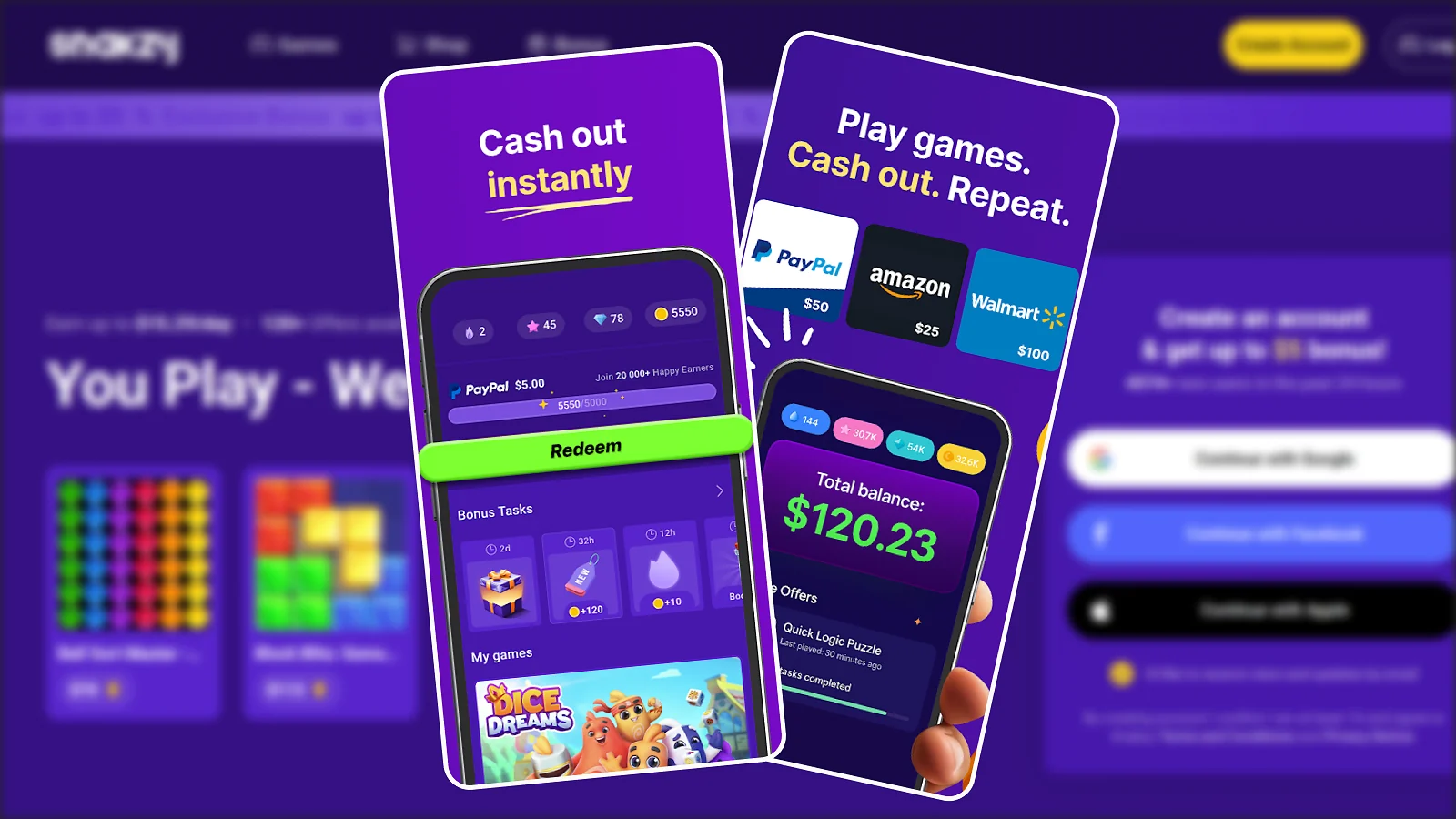
Reward apps will not replace translation income, but they can add a small amount while you wait for your next paid project. If you already make money translating, that makes them more useful as a low-effort supplement than as a separate income strategy.
Snakzy, Eneba’s play-to-earn app, has a $35 minimum payout and costs nothing to join. Bigcash pays out from $1 and is also free. Its terms allow users from age 13, although PayPal cashouts require you to be at least 18, so check which payout method you qualify for.
For more small, fast-paying options like these, our roundup of the best game apps that pay covers several more worth stacking alongside translation work.
Play games between translation jobs, complete milestones, and build toward your next Snakzy reward.

What Doesn’t Work When You Try to Make Money Translating
Not every translation opportunity online is worth your time, and three patterns show up often enough to name directly. Each one can cost you unpaid hours or money upfront with no clear path to the rates covered above.
Watch for these specifically.
- Unpaid trial translations. Some agencies ask for a free sample before hiring, then use the work and never follow up.
- Machine-translation cleanup sold as translation. Editing raw machine output often pays at lower editing rates, so confirm the actual task before accepting it.
- Upfront certification fees paid to a job platform. A recognized credential comes from a professional body such as the American Translators Association. A job board charging for its own vague “certification” deserves more scrutiny.
Stick to established platforms and recognized credentials. A clear rate and defined scope are stronger signs than promises of easy income.
Final Verdict on Make Money Translating
Gengo is the clearest starting point if you want to make money translating before you have a client base. It removes the need to find clients yourself and gives you paid work once you pass its language test. Rev is another accessible option if subtitle work and weekly payouts suit you better.
Translating for beginners should focus first on building paid samples and a reliable work history. Once you consistently get paid to translate, platforms such as ProZ.com and broader freelance marketplaces give you more control over pricing and the clients you accept.
If your long-term goal is to become a certified translator, professional certification makes more sense after translation has already become a serious income stream. Start with the route that matches your current experience, then move toward higher-value work as your reputation and specialization improve.
Use spare minutes between projects to make game progress and build your Snakzy balance.
FAQs
Translating part time typically brings in $200 to $600 a month in extra money. The exact figure depends on the platform, your language pair, and how many hours you put in each week.
No. You can translate documents for money on beginner platforms such as Gengo and Rev without a degree. You still need to pass the platform’s language test and show that your translation quality meets its standard.
Certified translators can often pursue higher-value direct work than bulk-platform freelancers. The BLS reports a $60,170 median annual wage for interpreters and translators overall, but actual earnings vary by specialization and client base.
Gengo is the fastest realistic start for a beginner translator. Sign up, pass its two-part translation test, and most newly approved translators see a first paid job within about a week.
How long it takes to get your first payment depends on the platform, but most release it within one to two weeks of an approved job. Weekly payout schedules like Rev’s mean people who make money translating across a couple of platforms often get paid every few days instead.