

How to Earn $1,000 a Week: 7 Real Ways in 2026

Eneba Hub contains affiliate links, which means we may earn a small commission if you make a purchase through them—at no extra cost to you. Learn more



If you’re figuring out how to earn $1,000 a week, having a marketable skill or a reliable vehicle gives you the strongest starting point, with Upwork freelancing and gig-economy driving among the fastest options. The right path depends on your own situation and it takes consistent hours to earn such numbers, not one lucky gig.
This guide breaks down how to earn $1,000 a week using seven real methods, each backed by verifiable pay data instead of inflated promises. Every method below lists its real income range, startup cost, and time to first payout, so you can match one to your own skills and timeline. A dedicated honesty section further down covers who should not expect to reach $1,000 a week in week one.
| QUICK VERDICT |
| Earning $1,000 a week is achievable for most adults with a marketable skill, a reliable vehicle, or 25 to 40 free hours, but it takes full effort, not a side-of-desk attempt.Start with the asset you already have when deciding how to earn $1,000 a week. A marketable skill favors Upwork, while a hard seven-day deadline makes gig driving and TaskRabbit more practical, since neither requires a ramp-up period. |
Jump to:
Is $1,000 a Week Actually Realistic?
Yes, but anyone wondering how to earn $1,000 a week should expect close to full-time effort unless they already have a skill worth $25 an hour or more. Genuine side hustles that pay $1,000 a week demand more than a few relaxed hours on one app.
The math behind how to make 1,000 dollars in a week is straightforward: $1,000 over a seven-day week works out to roughly $143 a day, or about 25 to 40 hours of work at the $25 to $40 hourly rates, before platform fees or, for driving, vehicle costs eat into the total. That’s the realistic ceiling on how to earn $1,000 a week without stacking multiple income streams together.
Earning $1,000 a week is realistic in week one for people with an existing freelance skill, a paid-off reliable car in a busy metro, an in-demand trade like furniture assembly, moving, or handyman work.
It typically takes longer for total beginners with no proof of work yet on freelance platforms. The same applies to casual resellers without existing inventory, and anyone relying on a single low-paying survey or reward app. If you’re still figuring out how to earn $1,000 a week, combining two compatible methods below is the more reliable path than betting everything on just one income source.

7 Real Ways to Earn $1,000 a Week
The seven methods below are ranked by a blend of realistic speed and hourly ceiling. Together, they show exactly how to earn $1,000 a week using methods that already have public pay data behind them. Match one, or two, to your own skills, schedule, and how fast you need the money.
1. Freelance Skilled Gig Work on Upwork
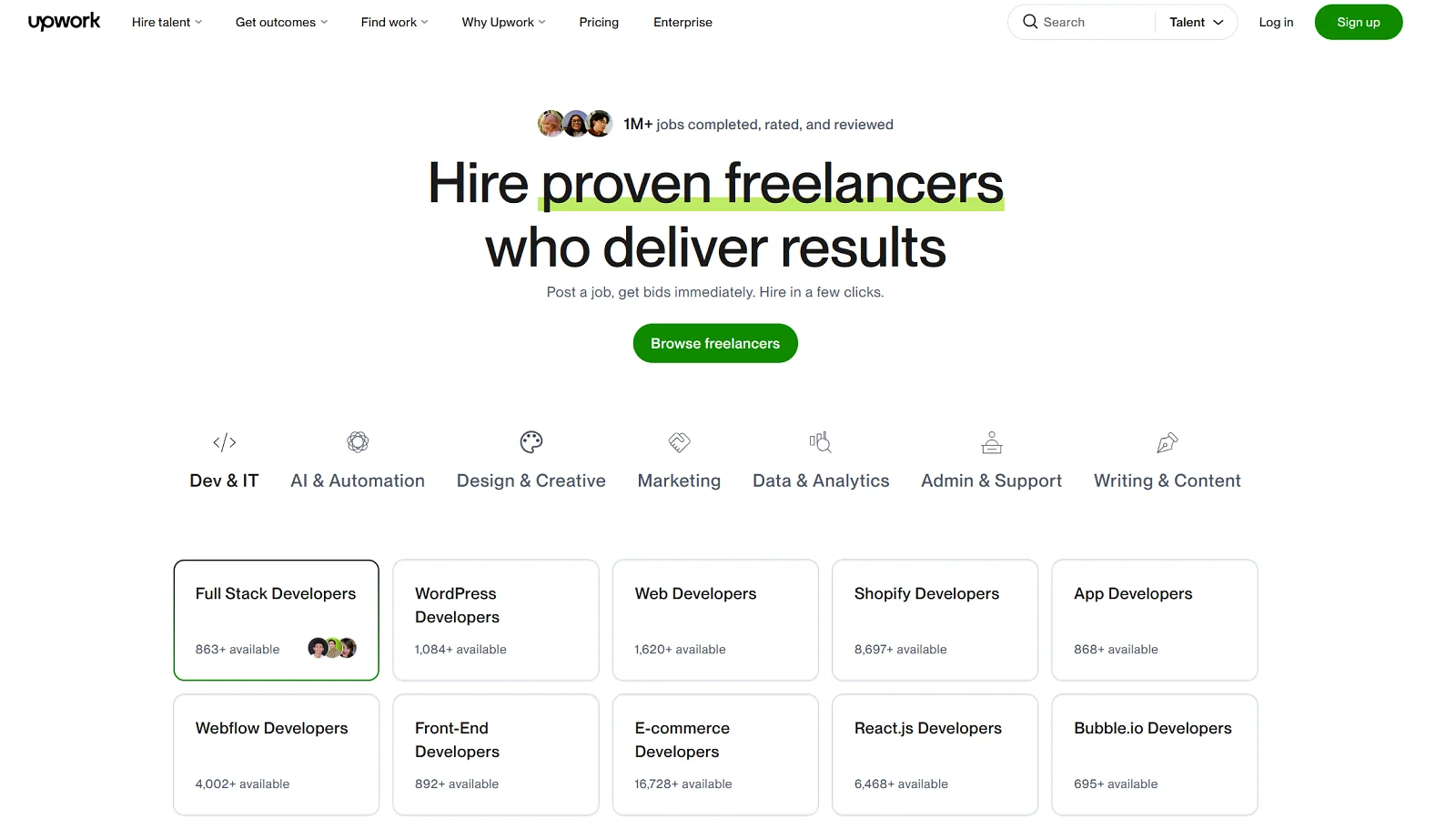
For anyone wondering how to earn $1,000 a week through freelance work, Upwork’s published rates put writers, editors, and designers at roughly $20 to $85 an hour depending on experience. That range is separate from ZipRecruiter’s broader Upwork freelancer average of roughly $30 to $52 an hour, so the two figures shouldn’t be blended into one.
Upwork freelancers keep 85 to 100 percent of their billed rate under the platform’s current sliding service fee of 0 to 15 percent, disclosed at the proposal stage and fixed for that contract. At a $40 hourly rate, learning how to earn $1,000 a week is largely a question of filling enough billable hours, though Upwork fees reduce take-home to roughly $34 to $40 an hour before taxes.
One freelancer with an HR and recruitment background demonstrated how to make 1,000 dollars in a week on Reddit, describing over $1,000 earned in their first month on Upwork from four separate jobs, after switching from cold-pitching to targeting clients who were new to the platform and easier to book.
Among side hustles that pay $1,000 a week, Upwork has a low entry cost. Creating a profile costs $0, while an optional portfolio site runs about $10 to $15. A first paid contract typically lands in 3 to 10 days for someone with an existing skill and a tailored profile. Upwork pays out 5 to 10 days after milestone or hourly approval.
A genuine marketable skill and a portfolio or work samples are the starting point when learning how to earn $1,000 a week through Upwork, with the profile tailored to one niche rather than a generalist pitch. The most common mistake is bidding on dozens of jobs with a copy-pasted generic proposal instead of sending a handful of tailored pitches to clients with no existing reviews.
If that first Upwork payout is burning a hole in your pocket, a chunk of it can go straight toward topping up gaming credit on Eneba’s marketplace.

2. Local Task Work on TaskRabbit
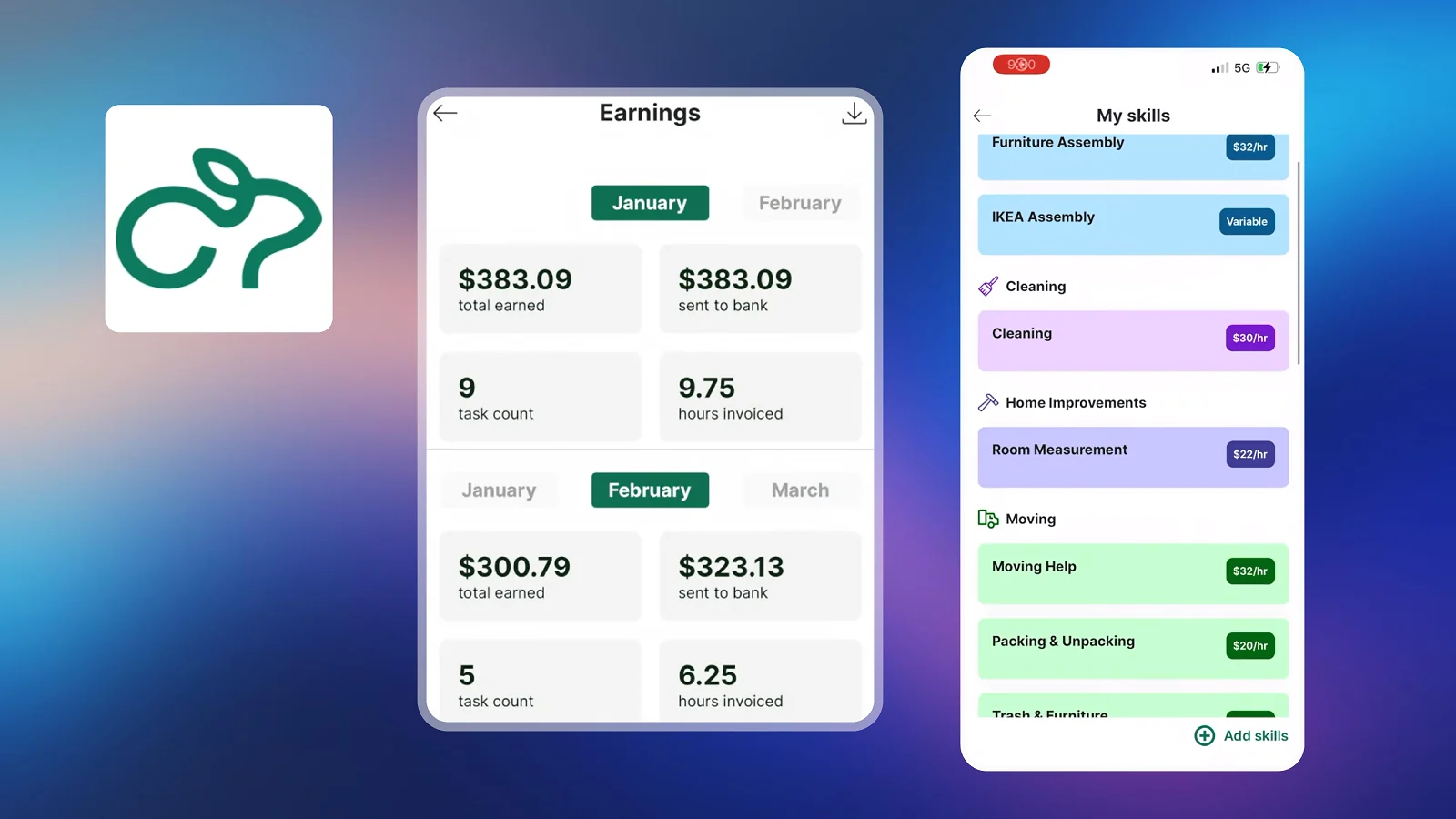
For readers learning how to earn $1,000 a week through local task work, TaskRabbit rates commonly start around $15 to $25 an hour and can rise to $40 to $100-plus for skilled work like furniture assembly or moving.
Per TaskRabbit’s own support documentation, the Service Fee and Trust and Support Fee are charged to the client on top of the Tasker’s rate. The Tasker keeps 100 percent of the hourly rate they set, plus all tips and reimbursements.
To show how to earn $1,000 a week through TaskRabbit in practice, 28 hours of furniture assembly and moving-help jobs at $35 an hour produces $980 gross before self-employment tax.
Startup cost is a one-time, non-refundable $25 registration fee per TaskRabbit’s own support documentation, but paying it does not guarantee approval. Identity verification typically takes up to 2 business days, and payouts land a few business days after each completed task. You’ll need to pass TaskRabbit’s background check, be 18 or older, and own basic tools for whichever category you pick.
The common mistake is staying at the platform’s suggested minimum after reviews accumulate, which caps hourly earnings below what skilled categories can support. Higher rates become increasingly important when working out how to earn $1,000 a week on a limited schedule.
If $1,000 a week still feels out of reach on your current schedule, aiming for how to earn $500 a week first through the same task-based approach is a realistic stepping stone.
3. Rideshare and Food Delivery Driving
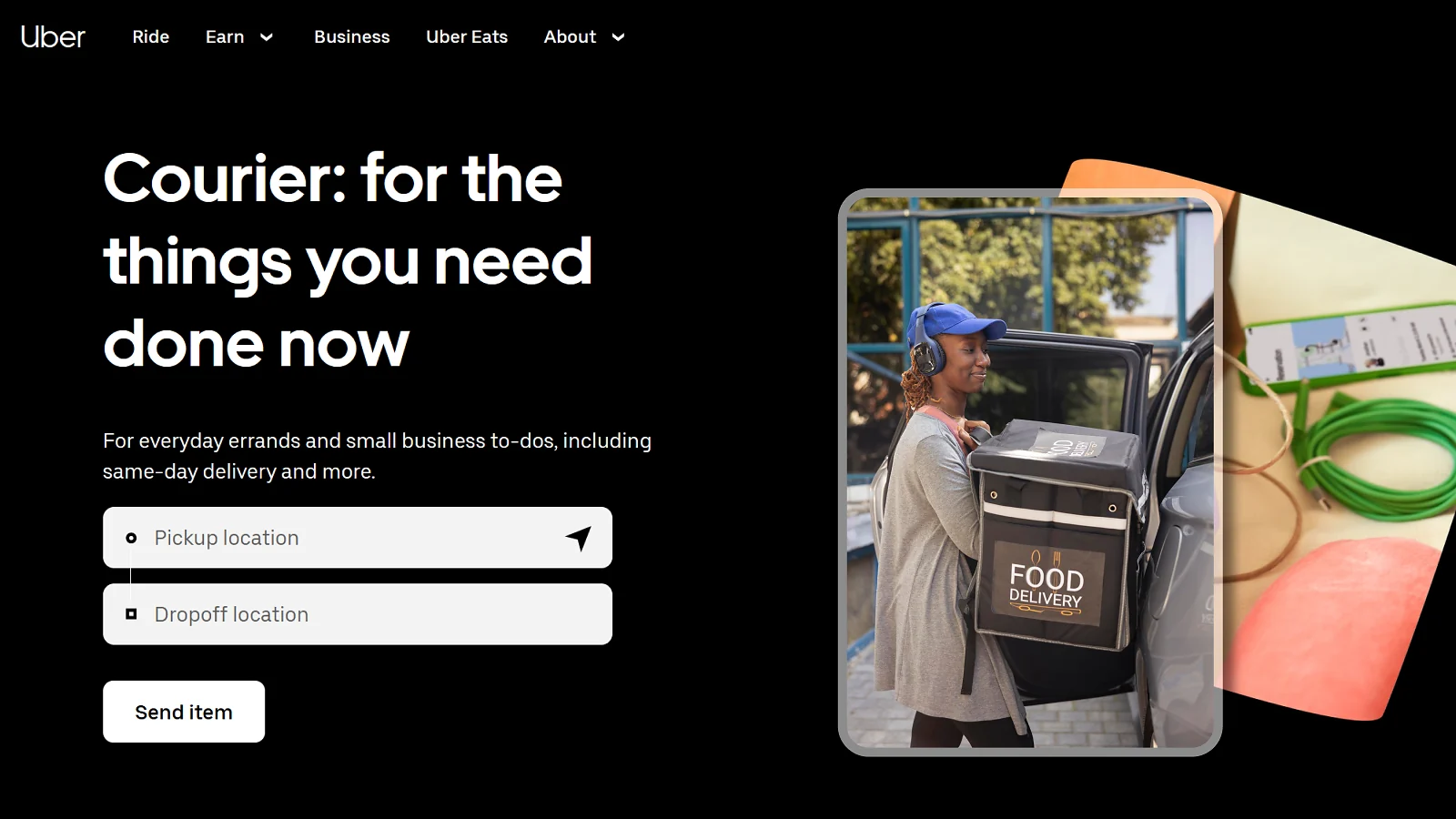
Per Gridwise’s Uber earnings data, Uber drivers earned a median of $21.18 an hour in trip pay in 2025, and $21.92 an hour gross across all active work hours including base pay, surge, bonuses, and tips. Gridwise’s data also gives drivers who want to know how to earn $1,000 a week a useful baseline, with the typical Uber driver logging 21.2 active hours for about $522 gross.
Understanding how to earn $1,000 a week through driving requires separating gross pay from take-home. At the median rate, reaching $1,000 gross takes roughly 45 to 47 active hours, and net income runs meaningfully lower after vehicle costs. Gridwise’s tracked driver data puts the average 2025 DoorDash gross pay at $12.43 an hour, so most Dashers should expect closer to that figure, dropping further to roughly $9 to $11 an hour net after vehicle expenses and self-employment tax.
Startup cost is $0 beyond an eligible vehicle, valid license, and insurance, and the background check itself is free. Driving ranks among the more immediate ways to earn 1,000 a week fast because approval typically takes 3 to 7 days and cash-out can be instant or daily once you’re active. You’ll need an eligible vehicle in most markets, a smartphone, and a passed background check.
The common mistake is judging profitability from gross per-trip pay alone. Always track mileage and fuel from day one while working out how to earn $1,000 a week, since vehicle costs can quietly erase a third or more of your gross earnings.
4. Temporary Staffing Agency Placements

Temporary staffing is worth considering as you work out how to earn $1,000 a week quickly because warehouse and light-industrial roles commonly pay $15 to $19 an hour through agencies like Adecco and Kelly Services.
ZipRecruiter listings show temp warehouse pay averaging around $16.50 an hour in mid-size US metros, with Kelly Services temp roles averaging near $15.67 an hour in the Tampa, FL metro as of mid-2026. Those averages also show why standard warehouse placements rarely qualify as $1,000 a week jobs unless the market pays more or overtime is available.
At $17 to $19 an hour, a standard 40-hour placement grosses $680 to $760, so how to make 1,000 dollars in a week through temp work generally comes down to picking up overtime or a higher-paying skilled role.
Startup cost is $0, since agencies place workers for free and get paid by the hiring business instead. For readers asking how to earn $1,000 a week on short notice, placement speed gives temp work an advantage since some in-demand roles can open within 24 to 72 hours, with pay landing on the agency’s normal weekly cycle. You’ll need valid ID, the ability to pass a basic background check, and for some roles, the physical capability to lift or stand for a full shift.
The common mistake is registering with only one agency. Multiple agency applications strengthen temp staffing as one of the ways to earn 1,000 a week fast, since more active applications improve your odds of getting placed quickly.
5. Virtual Assistant Work Through Time Etc
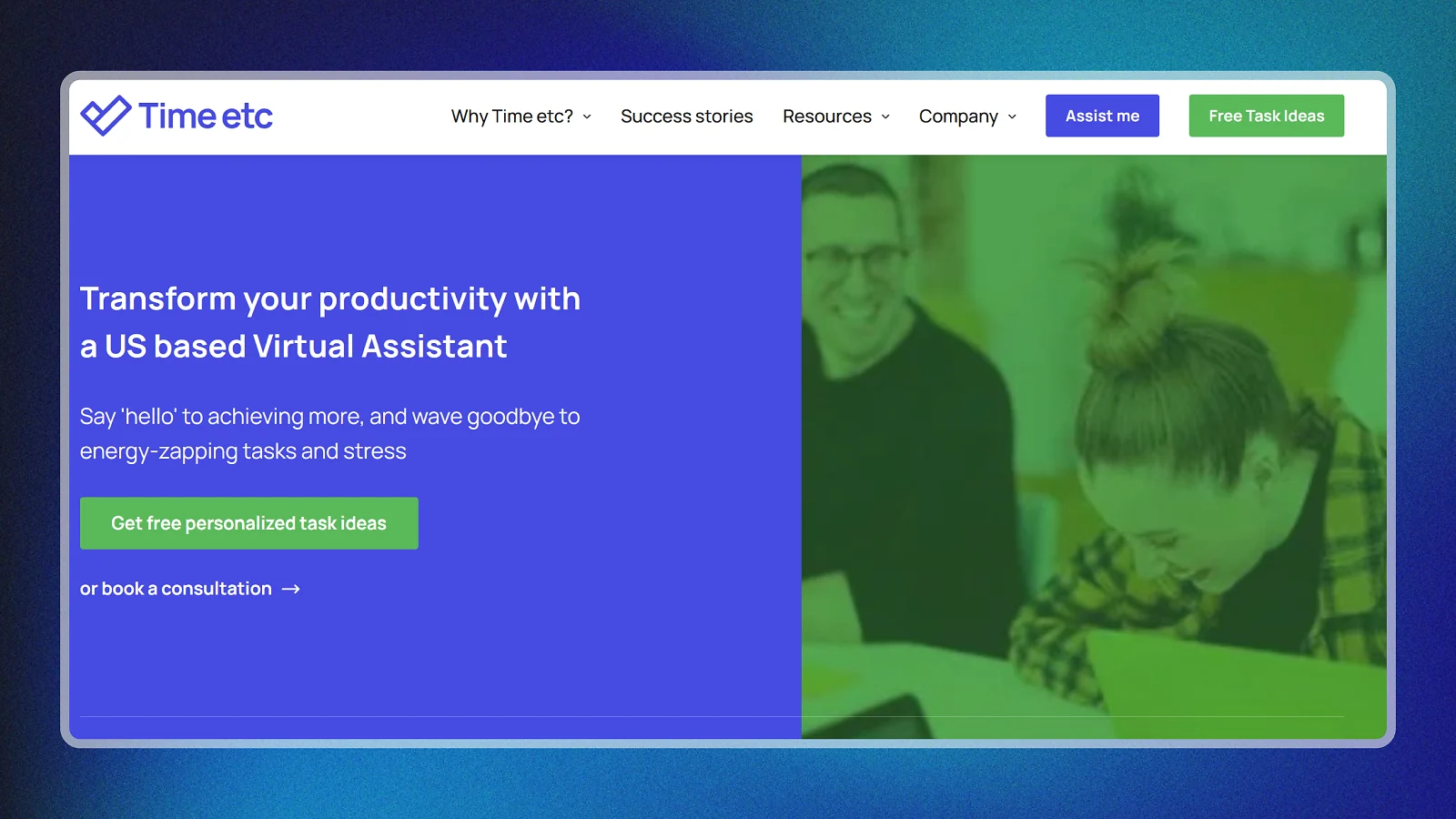
For virtual assistants learning how to earn $1,000 a week, Time Etc starts new assistants at $17 an hour, with rates rising as they build tenure with recurring clients. Per Time Etc’s own pricing page, clients pay an effective $30 to $36 an hour depending on the monthly plan tier, while the assistant doing the actual work starts at $17 an hour per the company’s own virtual-assistant recruiting page.
One typical 10-hour client produces about $170 a week, which helps explain why someone asking how to earn $1,000 a week would need more client hours or a higher rate. That workload puts a single Time Etc client well below the level of $1,000 a week jobs, so most assistants need additional clients or a higher negotiated rate.
Startup cost is $0 to apply. Time Etc states applicants can get a decision within about an hour, with matched client work typically starting within one to two weeks. You’ll need strong administrative or executive-support experience and comfort with common business tools. This is the kind of low-barrier entry that puts virtual assistant work on lists of side hustles that pay $1,000 a week; no college degree is required.
The common mistake is relying on one client’s task volume instead of asking to be matched with two or more, since available tasks can be claimed quickly by other assistants on the platform. That’s the practical version of how to earn $1,000 a week through virtual assistant work. It comes from running several clients in parallel rather than waiting for one generous rate.
6. Online Tutoring on Preply
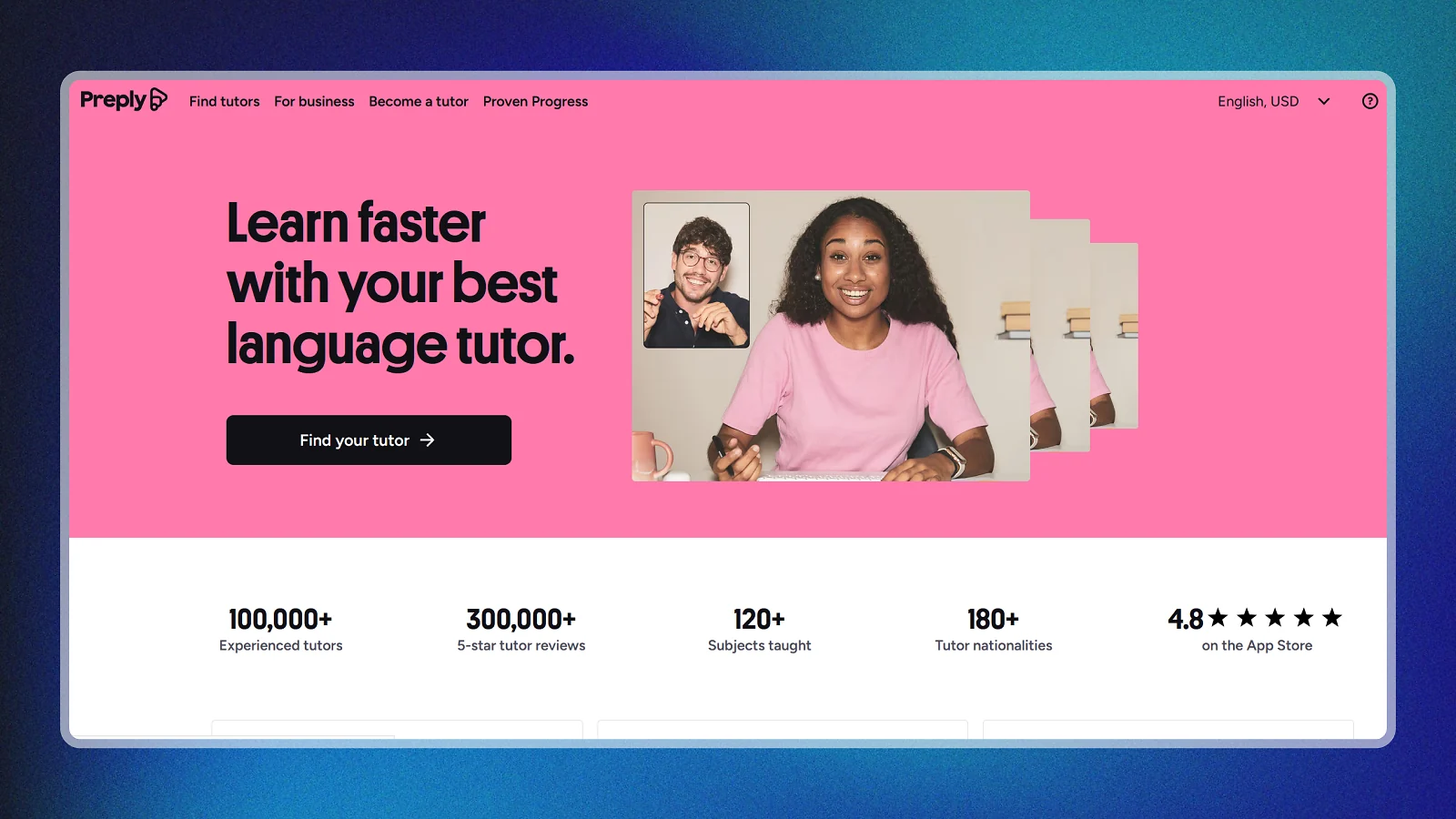
The typical online tutor on Preply earns about $18.30 an hour overall, ranging from roughly $10 an hour in lower-demand subjects up to $38.90 an hour in high-demand ones like business English or test prep. This range puts tutoring among the side hustles that pay $1,000 a week at the top end.
Commission matters because knowing how to earn $1,000 a week on Preply requires knowing how much of each lesson rate the tutor actually keeps. Per Preply’s own published data, the platform keeps 100 percent of the very first lesson booked with each new student, then a declining commission from 33 percent down to 18 percent of the tutor’s rate as that tutor logs more hours, meaning the tutor keeps the remaining 67 to 82 percent.
Preply’s own figures show tutors working 0 to 10 hours a week average just $117.70 a month, while those working 40 to 50 hours a week average $1,416.40 a month, so most part-time tutors earn well under $1,000 a week and only near-full-time specialist tutors approach it. In short, it shows that tutoring only starts resembling $1,000 a week jobs at much heavier workloads, while part-time tutors remain far below that income level.
Startup cost is $0 to create a profile, approval typically takes a few days, and first paid lessons often book within one to two weeks once a profile has a video introduction and a few open slots. You’ll need demonstrable subject expertise, a language, an academic subject, or a technical skill, plus a short video introduction. Formal certification helps but isn’t always required.
The common mistake is pricing at the rock-bottom end to win the first few bookings and then never raising it, which caps weekly income well below what specialist subjects can command. How to earn $1,000 a week through tutoring comes down to subject demand more than hours logged.
7. Retail Arbitrage and Marketplace Reselling on eBay
Per Flippd’s 2026 reseller income analysis, casual resellers running around 32 items a month through a marketplace like eBay net roughly $532 a month in profit, while sellers running a near-full-time operation of about 275 sales a month can clear roughly $6,456 a month in net profit.
Most casual resellers land far closer to that $532-a-month figure than the full-time example. That figure is already Flippd’s net profit number, calculated after eBay’s roughly 13.6 percent final value fee, a small per-order fee, packaging, mileage, and other costs of goods sold, though it’s still before self-employment tax.
Once the operation reaches near-full-time scale, it becomes easier to understand how to earn $1,000 a week through reselling, with the $6,456 monthly example working out to roughly $1,490 a week before tax. However, it requires 40 to 50 hours weekly sourcing, listing, and shipping, not casual weekend selling.
Startup cost is $0 to list on eBay. The $50 to $300 typical inventory cost makes reselling one of the side hustles that pay $1,000 a week with relatively modest starting capital once sales reach enough volume. Funds release shortly after a buyer confirms delivery or a set number of days pass, typically within 2 to 4 days of a sale. The real bottleneck is sourcing and listing the first batch, which can eat a full weekend.
The common mistake is pricing purely off gut feeling instead of checking sold comparables on the platform first, which leads to overpriced listings that never sell or underpriced ones that erase the margin. Get the pricing habit right early and eBay starts genuinely answering how to earn $1,000 a week most months.
If you already have gaming gear gathering dust, sell your old games and consoles for cash first and use the proceeds to fund your next batch of stock.
Comparing the 7 Ways Make $1,000 a Week
Here’s how to earn $1,000 a week broken down side by side, method by method.
| Method | Typical Gross Range | Startup Cost | Time to First Payout |
|---|---|---|---|
| Upwork freelancing | $20–$85/hour | $0 | 3 to 10 days |
| TaskRabbit tasks | $15–$100+/hour | $25 one-time registration fee | A few days after approval |
| Rideshare/delivery driving | $12–$22/hour gross | $0 (vehicle required) | 3 to 7 days |
| Temp staffing agencies | $15–$19/hour | $0 | 24 to 72 hours |
| Time Etc virtual assistant | $17+/hour | $0 | 1 to 2 weeks |
| Preply tutoring | $10–$38.90/hour | $0 | 1 to 2 weeks |
| eBay reselling | ~$532/month net profit (casual) up to ~$6,456/month net profit (near-full-time) | $50 to $300 | 2 to 4 days after first sale |
Ready to start today? Apply to become a Tasker and get matched with paid jobs in your area this week, putting you on track for $1,000 a week.
Play-to-Earn and Reward Apps: Extra Cash on the Side
Reward and play-to-earn apps won’t answer how to earn $1,000 a week on their own, but they can add a genuine $20 to $80 on top of one of the seven methods above with almost no extra time invested. For a broader lineup of apps in this category, the Best Play-to-Earn Apps hub page rounds up more options beyond the two below.
Neither Snakzy nor KashKick can teach you how to make an extra 1,000 a week on its own, but both can add smaller payouts during downtime between higher-paying work. These apps pay out in small increments through simple games, surveys, and offers. These small payouts keep reward apps well below side hustles that pay $1,000 a week, so they work best as background income during downtime between shifts or client work, not as a primary strategy for this specific goal.
The practical requirement is just a smartphone and, for most of these apps, a PayPal account or bank link to receive payouts once you clear the minimum threshold.
Earn extra cash while you work toward your $1,000 goal with Snakzy.

Hitting $1,000 in Exactly Seven Days
For anyone wondering how to earn $1,000 a week on a hard seven-day deadline, the fastest realistic path is stacking two methods that don’t require a ramp-up period, driving during peak hours plus taking on-demand TaskRabbit jobs, rather than waiting on a slower-to-book route like tutoring or virtual assistant matching.
Gridwise’s 2026 Annual Gig Mobility Report, tracking over 66,000 Uber drivers, found the typical driver logs just 21.2 active hours a week for about $522 gross, roughly half of the $1,000 a week target. For a driver starting fresh, how to make 1,000 dollars in a week comes down to nearly doubling the typical workload or adding a second income stream.
A practical example of how to earn $1,000 a week from zero is a seven-day stack of 25 to 30 hours of driving or delivery during peak windows, worth roughly $500 to $650 gross, plus 10 to 15 hours of TaskRabbit or temp-agency work at $17 to $35 an hour, worth roughly $250 to $450. If you’d rather break the goal into daily chunks, the plan for how to make $100 a day lays out this same weekly target one day at a time.
Reality Check: freelancing, tutoring, and virtual assistant work are excellent longer-term picks from this list, but they drop down the list of ways to earn 1,000 a week fast because none reliably pays out inside seven days for someone starting with zero clients. So a strict one-week deadline favors the driving-plus-task-work combination over the slower-to-ramp skilled-freelance routes.
What Doesn’t Work
Just as important as knowing how to earn $1,000 a week is knowing which shortcuts quietly work against that goal, either by wasting money upfront or by capping how much you can realistically make.
- Paid-to-join freelance or reselling starter kits: any site that asks for a large upfront fee to unlock client leads or wholesale inventory access is a red flag the FTC has repeatedly warned about in its guidance on work-from-home job scams. Upwork and eBay charge nothing to join, and TaskRabbit’s one-time $25 registration fee works differently: it’s disclosed upfront on TaskRabbit’s own site, so it doesn’t match the pay-to-play pattern the FTC warns about even though part of it covers a background check.
- Chasing survey and reward apps as a primary plan: treating an app like KashKick as the main strategy instead of a background add-on leads to disappointment, since its payout rate cannot realistically answer how to earn $1,000 a week on its own.
- Ignoring vehicle costs on driving apps: counting only gross per-trip pay from Uber or DoorDash without tracking mileage, fuel, and wear leads drivers to overestimate real take-home by a third or more.
- Underpricing on skilled platforms and never adjusting: staying at the platform-suggested minimum rate on TaskRabbit or Preply long after building reviews caps weekly earnings well below what the same time investment could pay.
- Reselling used baby or child gear on general marketplaces: most peer-to-peer resale platforms restrict or ban resale of used car seats and certain child gear for liability reasons; that category belongs on a dedicated venue like GoodBuy Gear, not a general listing on eBay or Poshmark.
Final Verdict on How to Earn $1,000 a Week

$1,000 a week is realistic for most adults willing to put in 25 to 40 hours, but it takes stacking methods or leaning on an existing marketable skill, not a single easy trick. That’s the honest bottom line on how to earn $1,000 a week. Effort and skill matter more than which platform you pick.
Upwork freelancing earned the top spot for existing-skill scalability because a genuine skill can convert into paid client work within days and eventually make $1,000 a week once enough billable hours are filled. A hard seven-day deadline changes how to make an extra 1,000 a week, which is why TaskRabbit work and gig-economy driving rank above slower-to-start options here.
Combining two of the methods above is still the most reliable way this list found for actually cracking how to earn $1,000 a week. Stack a play-to-earn app like Snakzy on top of whichever methods you pick for a bit of extra cushion.
Earn extra cash while you work toward your $1,000 goal with Snakzy.
FAQs
Yes, but you’ll usually need near-full-time hours (25 to 40) or an existing marketable skill; if you only put in casual part-time effort on a single method, you’re unlikely to hit $1,000 a week in your first week.
For a beginner, the most practical answer to how to make 1,000 dollars in a week is gig-economy driving paired with TaskRabbit-style work, though the combined workload can approach full-time hours.
Expect roughly 25 to 40 hours once you calculate how to earn $1,000 a week at the $25 to $40 hourly rates common across these methods.
Almost none of these platforms charge upfront; the one exception is TaskRabbit’s disclosed $25 one-time registration fee. Treat any site charging more than that, or bundling a starter kit or paid leads package, as a red flag. Genuine platforms never require payment to explain how to make 1,000 dollars in a week.
Only with close to full-time hours in a busy market. Part-time drivers are unlikely to make $1,000 a week once fuel and other vehicle costs are factored in. Driving still ranks among the side hustles that pay $1,000 a week, just not on a part-time schedule.
For a beginner learning how to earn $1,000 a week through Upwork, an existing marketable skill and tailored profile can get you there, though you should expect a few weeks to build steady client work.