

Active Income vs Passive Income: How It Works & How Much You Can Earn

Eneba Hub contains affiliate links, which means we may earn a small commission if you make a purchase through them—at no extra cost to you. Learn more


A Quick Look
Best route: Use active income to cover your living expenses while leveraging accessible, zero-risk options like Snakzy or high-yield savings to build your passive income footprint. Balancing active and passive income effectively sets up long-term stability.
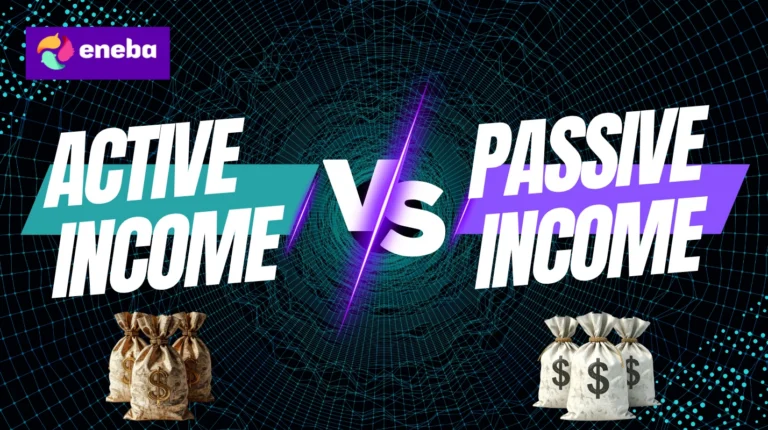
Active income vs passive income comes down to one trade. You give your hours for a paycheck now or put in upfront work for a stream of money that keeps arriving after you clock out. Most people building extra income start on the active side because it pays fast, then move part of every payment into the slower passive options below.
The real difference in active and passive income is not effort versus laziness: it is whether the work happens before you get paid or after. Freelancing, salaried work, and gig-app driving all sit on the active side. The money stops the moment you stop working. Dividends, rental income, dropshipping, print-on-demand, royalties and reward-app credit sit on the passive side, and they keep paying with little new effort once set up.
Jump to:
Is Passive Income Really as Hands-Off as It Sounds?
So, is passive income real, or is it just marketing hype? No, it’s not entirely hands-off. Every passive income stream in this active income vs passive income comparison took real active work, money, or both to set up. Most need small maintenance afterward.
Building a rental takes a downpayment and ongoing repairs. Even a reward app like Snakzy takes a few minutes a day of real engagement to reach its $35 payout minimum. Passive income ideas cut the ongoing effort; it never removes it. The setup phase usually looks a lot like various types of active income until it is finished.
What Is Active Income?
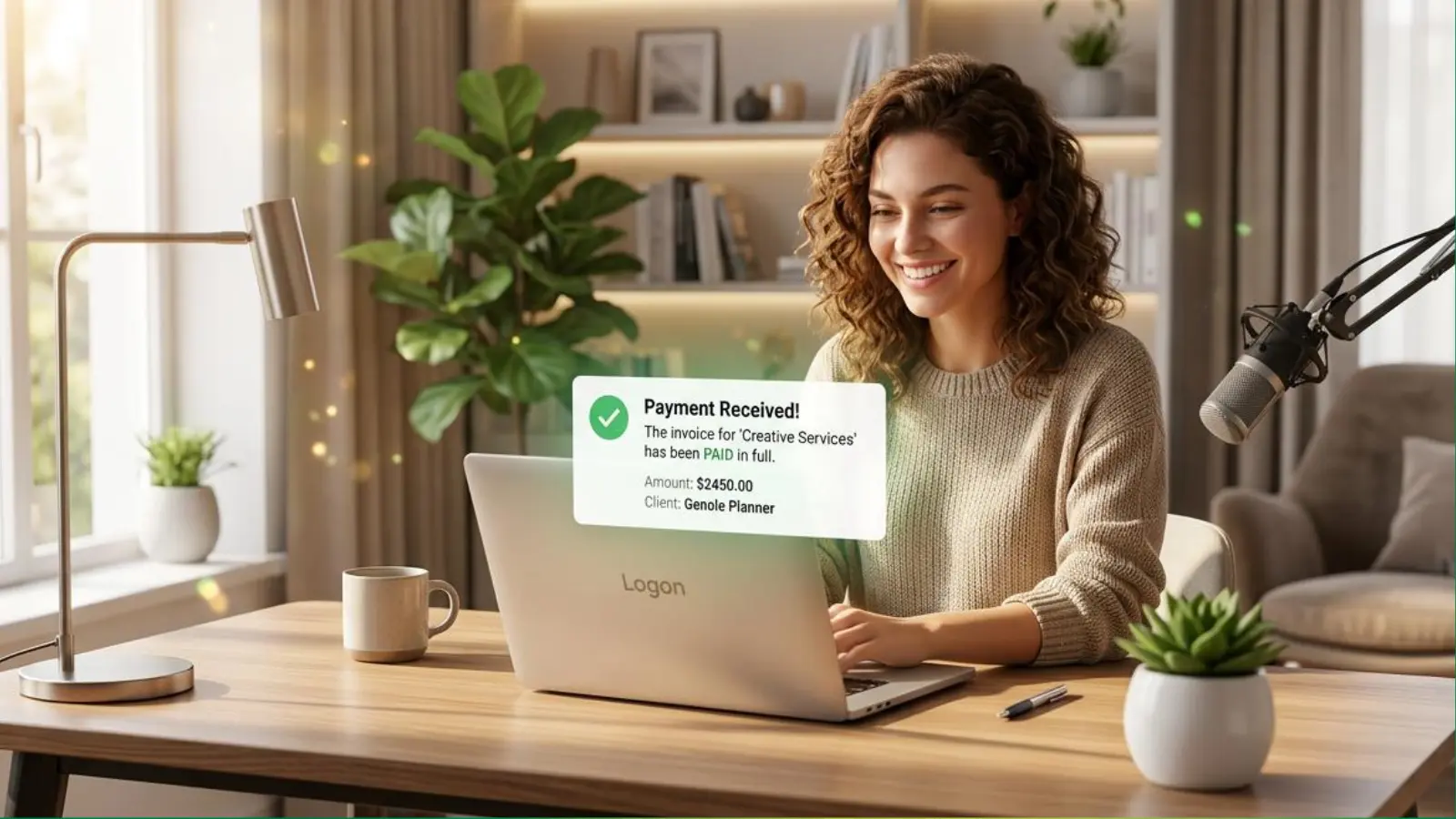
Active income is money you earn by trading your time or labor for pay right now, and it stops the moment you stop working. A salaried job, freelance client work, and gig-app driving all count. The payment depends on hours actually logged that week.
Active income offers guaranteed pay relative to your immediate effort. That predictability makes it the backbone of any financial plan. The tradeoff is simple: active income scales strictly with your presence. The moment you take time off, step away from your desk, or run out of billable hours in a day, the cash flow hits zero.
Someone earning $1,000 in a week from freelance or gig work is still on the active side of active income vs passive income, no matter how large the number gets. Learning how to earn passive income is what allows workers to break free from this strict hourly ceiling.
The primary types of active income cover most of what people do for extra money:
- Freelancing or contract work, billed by the hour or project
- Salaried or hourly employment
- Gig-app driving or food delivery like DoorDash
- Selling a skill directly, like tutoring or freelance design
- Play-to-earn tasks and quests inside game apps, paid per action, like making money playing Roblox
All types of active income pay only while you are actively doing the work. This is what separates active income vs passive income.
Active income also carries a tax bill that residual income and other passive income mostly avoid. A W-2 employee splits Social Security and Medicare tax with an employer, but someone filing as self-employed owes the full 15.3% self-employment tax on top of regular income tax. That extra cost is one reason the same hourly rate looks smaller once you move from a job to running your own freelance work.
What Is Passive Income?
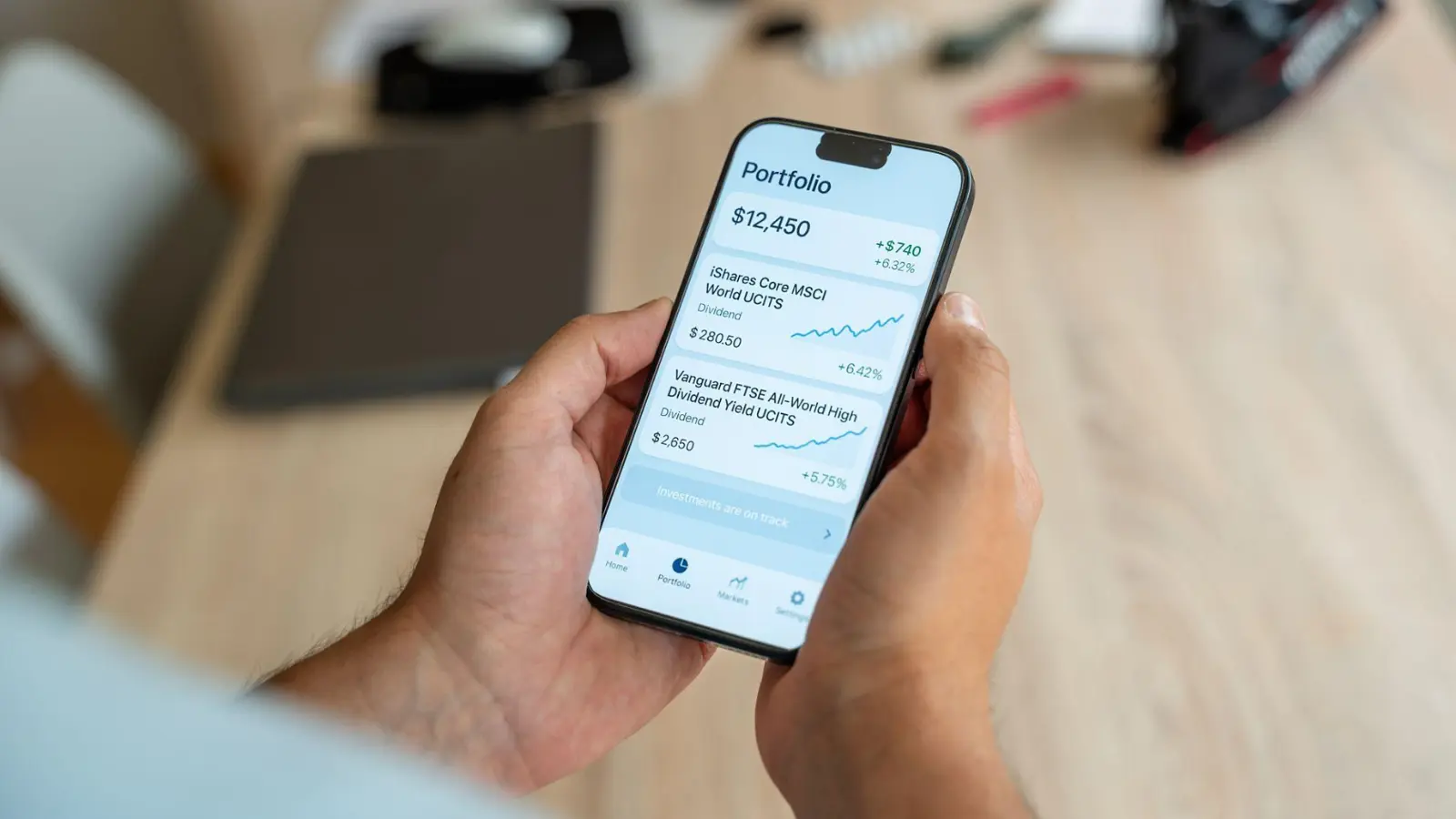
Passive income is money that keeps arriving after the setup work is finished, with little to no new labor attached to each payment.
Understanding active income vs passive income rules helps when looking at how the IRS defines earnings for tax purposes. Income from a trade or business you do not materially participate in, or from most rental property, counts as passive under IRS Publication 925.
The IRS test for material participation is blunt. Put in under 500 hours of work a year on an activity, and it typically counts as passive. Most people looking for ideas on how to earn passive income never run that exact test, though. They just collect interest, dividends, or rent instead, and call it a day.
A high-yield savings account now pays close to 4% APY, next to a national average of about 0.4% at most ordinary banks. The S&P 500 itself yields only around 1% in dividends a year, which is thin next to either one.
That gap is why income investors exploring passive income ideas often look past stocks toward property or bonds instead. A 10-year Treasury note was paying close to 4.8% in September 2026.
Rental property in most US markets prices out at a 4% to 9% capitalization rate, depending on the city and the building type. Every one of those numbers moves with the market, which is the part a passive income pitch usually leaves out in any active income vs passive income debate. Anyone asking if passive income is real must account for these fluctuating rates.
Royalties and traditional residual income work the same way on a smaller, more personal scale. A musician, author, or app developer keeps earning every time someone buys or streams what they already made, without redoing the original work.
That only counts as passive under the IRS test above if you are not actively producing new work tied to the same income, which is a line worth checking with a tax professional rather than assuming.
Active Income vs Passive Income at a Glance
The two sides of active income vs passive income trade off in opposite directions. Active income starts high and stays flat with your hours, while passive income starts near zero and grows only if you keep feeding it money or time.
Whether you’re scaling a corporate career, investing in real estate, or testing out flexible side hustles from home, managing both active and passive income determines how quickly you reach financial freedom.
| Income Type | Effort Level | Time to First Payout | Example |
|---|---|---|---|
| Freelance or gig work | High, ongoing | Days | Client project, delivery app |
| Salaried job | High, ongoing | Weeks, first paycheck | Full-time employment |
| Reward or cashback apps | Low, occasional | Weeks, to reach payout minimum | Snakzy, Bigcash |
| Dividend investing | Low, after setup | Months to years | Index fund or dividend stock |
| Rental property | Medium, periodic | Years, after purchase | Long-term tenant lease |
| Dropshipping | Medium, upfront and ongoing | Weeks to months | Shopify storefront |
| Print-on-demand | Medium, ongoing | Weeks to months | Selling custom merch using Printify |
Nothing in this active income vs passive income table stays fixed. Rates move, payout minimums change, and a market downturn can turn a strong passive year into a flat one.
Can You Turn Active Income Into Passive Income?
Yes, you can turn active income into passive income. That’s how most passive income ideas actually get built. If you look at almost any working example of active income vs passive income, the passive side started as a dollar sitting in a savings account, a brokerage account, or a rental down payment. It came from a job, a freelance gig, or a fast side hustle first.
A freelancer earning $2,000 quickly from a rush project can turn that into months of high-yield savings interest instead of spending it.
If you’re researching how to earn passive income, turning a lump of active income into an ongoing passive stream usually follows the same four steps:
- Pay off any high-interest debt first since its rate usually beats what savings or dividends pay back.
- Move what’s left into a high-yield savings account or a low-cost index fund.
- Reinvest interest and dividends automatically instead of withdrawing them.
- Track the results for six to twelve months before redirecting more active income into it.
None of these passive income ideas replace active income right away. It just gives that money somewhere to keep working after the invoice is paid. This process shows how traditional types of active income can systematically feed long-term residual income streams.
Can Reward Apps Add Passive Income to Your Day?
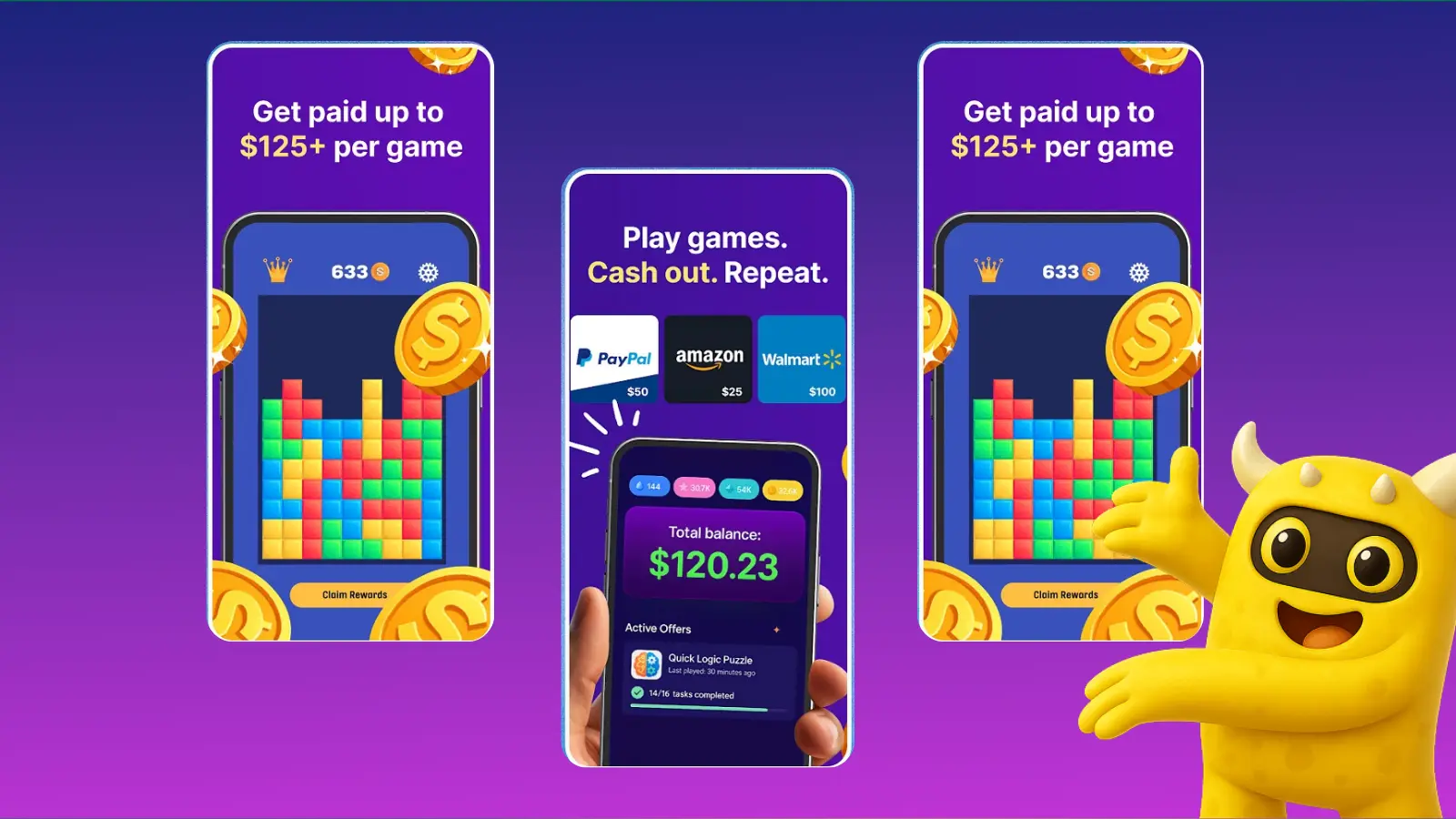
Yes, in small amounts. There are reward and game apps that pay real money or gift-card credit for tasks like surveys, offers, and casual games. Combining these with a primary job creates a blended approach to active and passive income on a daily basis.
Snakzy, Eneba’s own reward app, is free to join and pays real Eneba credit for everyday actions like daily check-ins and completed offers. KashKick focuses on paying direct cash rewards for playing featured mobile games and completing targeted surveys once you reach a moderate balance. Meanwhile, Bigcash offers one of the lowest barriers to entry in the space, where users can request payouts almost immediately after completing a few quick tasks. That is the passive side of active income vs passive income working at its smallest, easiest scale.
Most reward apps still pay closer to a few dollars an hour of attention than to true hands-off passive income ideas. They stay on the passive side of active income vs passive income anyway because the tasks are short and flexible.
No employer or client relationship sits behind them, which is the more practical bar most people actually use when evaluating if passive income is real for the average person.
Bigcash pays out at just $1 and costs nothing to join, so it is worth a look even if you only play casually. If you prefer direct cash payouts to PayPal, KashKick hits a comfortable middle ground with its $10 threshold, while Snakzy works best for gamers looking to turn casual app play into digital gaming credit.
Reward and cashback apps in the US generally require you to be at least 18 to cash out, so check each app’s own terms before you sign up. Stacking a couple of small apps like this is a realistic way to earn $200 fast without touching your main job.
Earn low-effort, passive rewards with Snakzy.

What Doesn’t Work
The riskiest claims in active income vs passive income come from people selling the idea of passive income itself, not from the income streams described above. So, is passive income real when promised as a turn-key enterprise? Usually not.
The Federal Trade Commission has shut down several of these scams in the past two years, including a 2025 case that cost consumers $14 million.
A few patterns show up again and again in FTC enforcement actions and consumer complaints:
- Done-for-you AI storefronts: The FTC sued Click Profit in 2025 for charging $45,000 to $75,000 upfront and promising passive income from Amazon and Walmart storefronts that mostly never earned the money back.
- Guaranteed-return investment clubs: Any pitch promising fixed passive returns with no risk is not describing a real market, since even Treasury notes and dividend stocks move with rates and prices.
- Autopilot trading bots: These sell the software, not the stated returns, and the FTC has separately banned operators over near-identical claims about automated ways to make extra money.
- Team-recruiting “passive” plans: The income depends on recruiting new sellers under you, so you need to perform specific types of active income tasks rather than earning passively.
None of this means passive income ideas are fake. It just means the honest versions pay less, and slower, than anyone selling a shortcut will admit.
Final Verdict on Active Income vs Passive Income
Active income vs passive income isn’t really a choice between one or the other. It is a sequence: use active income to cover today’s bills and build a cushion, then send the surplus into the passive streams that eventually take some of that pressure off.
If you are trying to figure out how to earn passive income, start small. Someone with irregular gig hours gets the most from a bit of both. Fast active income covers cash flow, and Snakzy’s free reward system catches small passive Eneba credit on the side. Add Bigcash too if you want a second no-cost stream running while you work out your own mix of active income vs passive income.
Earn low-effort, passive rewards with Snakzy.
FAQs
The main active income vs passive income difference is timing. Active income only pays while you’re working right now, while passive income keeps paying afterward from something you already built, such as dividends, residual income streams, or rental income.
When beginners ask if passive income is real, the answer is yes, but not entirely hands-off. Every passive stream, from a rental unit to a reward app, needed real active work or money upfront, and most still need occasional maintenance once they are running.
Realistically, how much passive income pays you depends on the method. Cash and dividend income alone often run from about 1% to 4% a year on whatever you put in, before tax. Rental property, digital products that generate residual income, and reward apps can pay more, but only after real setup work or a lot of small, repeated actions.
Yes, and that is how most people actually build it. Active income from a job or a side hustle supplies the savings. For those studying how to earn passive income, that money then moves into an account, a fund, or a rental that keeps paying without new hours from you.
Yes, in some cases, active income vs passive income taxes differ. Qualified dividends and long-term capital gains are taxed at 0%, 15%, or 20% under current IRS brackets. Standard types of active income like wages are taxed at regular rates that run higher for most earners.
The fastest way to start is redirecting a slice of your next active income payment into something that generates ongoing residual income or passive interest, like a high-yield savings account or a reward app, the same day it lands. That single habit is the simplest way to balance active and passive income using your own numbers.