


11 Real Remote Jobs for College Students in 2026

Eneba Hub contains affiliate links, which means we may earn a small commission if you make a purchase through them—at no extra cost to you. Learn more



Remote Jobs for College Students, Ranked
Reviewed Apple’s College Program At Home Advisor pay ($23.00 to $27.50/hr) against jobs.apple.com’s general search listings and added DataAnnotation.tech, which now reports $25 to $30+/hr for entry-level generalist work. Search current Apple openings and filter for “College Program” roles near your school.
Remote jobs for college students can fit around classes without turning every free evening into another shift. The useful ones fall into a few clear groups: structured employee roles, flexible contractor work, tutoring, freelance projects, and task-based platforms where you decide when to log in.
We’ve focused on remote jobs for college students with checkable pay models and realistic entry requirements. Some can become steady part-time work, while others are better for filling gaps between classes or exams.
Below, you’ll see what each option pays, who can apply, what it costs to start, and the catch you should know before spending time on an application.
Jump to:
Are Remote Jobs for College Students Actually Realistic?
Yes. Remote jobs for college students are realistic, but the income depends heavily on whether you’re landing a scheduled job, taking freelance assignments, or working only when tasks appear.
A useful way to think about it:
- Structured part-time jobs: Around 10–20 hours a week can produce several hundred dollars in gross weekly pay when the hourly rate is $20+.
- Flexible task platforms: Rates can look high, but available work isn’t guaranteed every week.
- Tutoring and freelancing: Your skill level matters more than your year at college.
- Entry-level task work: Easier to start, but usually less predictable and lower-paid.
The best remote jobs for college students are usually the ones that match your semester rather than the ones advertising the biggest hourly number. If you want more structured options with limited weekly hours, compare our part-time remote jobs too.
Who This Realistically Works For
Most remote jobs for college students are realistic if you have a reliable laptop or desktop, stable internet, and a few uninterrupted hours you can protect each week. You do not necessarily need prior remote-work experience, but having at least one useful skill makes the search much easier.
You will have the most options if you can already offer something specific, such as:
- strong writing, editing, or research skills
- a subject you can tutor confidently
- customer-service experience
- coding or analytical skills
- fast and accurate typing
- a clear speaking voice
- design, marketing, or other portfolio-based skills
Your schedule matters just as much as your skill set. Fixed-shift roles such as customer support work better if your class timetable is predictable, while tutoring, freelance work, and task platforms are easier to fit around changing lectures, exams, and deadlines.
These remote jobs for college students are also more realistic if you treat them as part-time work rather than instant income. Some platforms require assessments, interviews, or waiting for projects before you earn anything, so it helps to apply before you urgently need the money.
What You Can Earn
A student working 10-20 hours per week might gross roughly $150–$600+ per week, but that is a planning range, not a guarantee.
Why is it so broad?
Apple currently lists some College Program roles at $23–$27.50/hour, while DataAnnotation.tech says general projects start around $25–$30+/hour. At the other end, Cambly pays $10.20/hour for regular tutoring time, and task platforms such as Clickworker pay by individual job rather than guaranteeing an hourly rate.
The biggest mistake is budgeting around the highest advertised rate. Build your plan around the hours and work volume you can actually get.
Taxes on Remote Income
Tax treatment depends on the type of work. An employee role may withhold taxes from your paycheck, while independent contractor and freelance platforms generally leave tax reporting to you.
Keep records of what you earn and what fees you pay. Rules differ by country and work arrangement, so don’t assume every platform payment is treated the same way.
11 Real Ways to Find Remote Jobs for College Students
These remote jobs for college students range from a genuine part-time employee position to freelance platforms you can fit around classes.
The order favors a mix of reliable pay, student-friendly scheduling, realistic entry requirements, and how useful the platform is as an actual source of remote work.
1. Apple Support College Program: Part-Time Customer Support
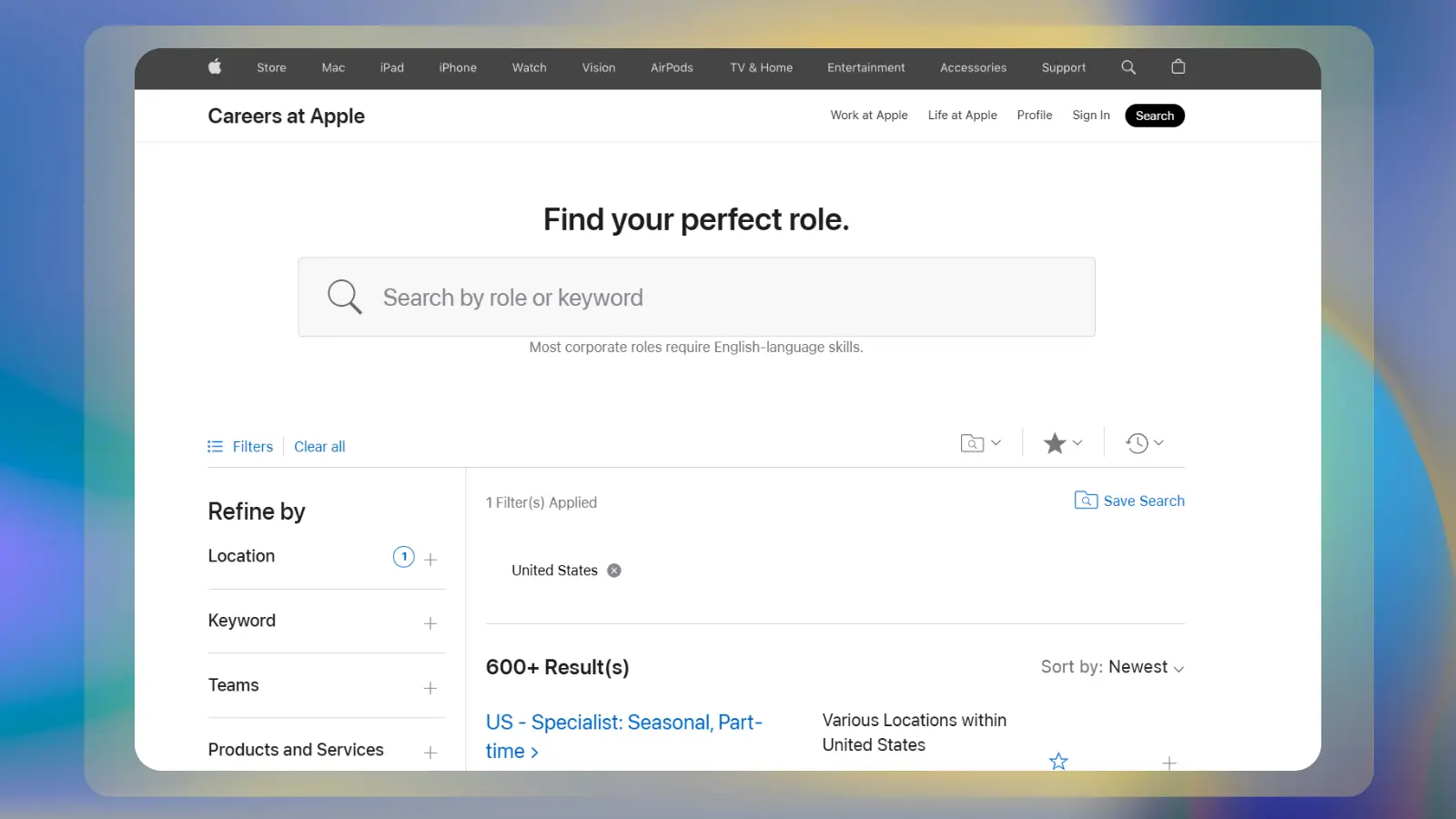
Apple’s College Program At Home Advisor roles are among the most structured remote jobs for college students on this list. You’re hired for customer support and technical troubleshooting rather than completing one-off gigs.
Recent postings have advertised $23–$27.50/hour, with many new hires starting around $23. Openings are tied to specific universities, so this isn’t a job every student can apply for at any time. Recent postings have also used different training schedules, including five weeks of full-time training or nine weeks at roughly 24 hours per week, followed by around 20 working hours weekly.
Typical requirements include:
- enrollment at the university named in the posting
- a bachelor’s degree program or higher
- a quiet home workspace
- hard-wired internet of at least 10 Mbps down and 3 Mbps up
- typing around 40 WPM while speaking with customers
- passing Apple’s assessment and background-check process
The biggest limitation is availability. These remote jobs for college students appear by university and hiring cycle rather than staying permanently open.
| 💡Need to know |
| Pay: $23-$27.50/hour in recent postingsHours: Around 20 hours/week after trainingEligibility: Specific U.S. universities onlyTraining: Schedule varies by posting |

2. FlexJobs: Curated Remote Job Board
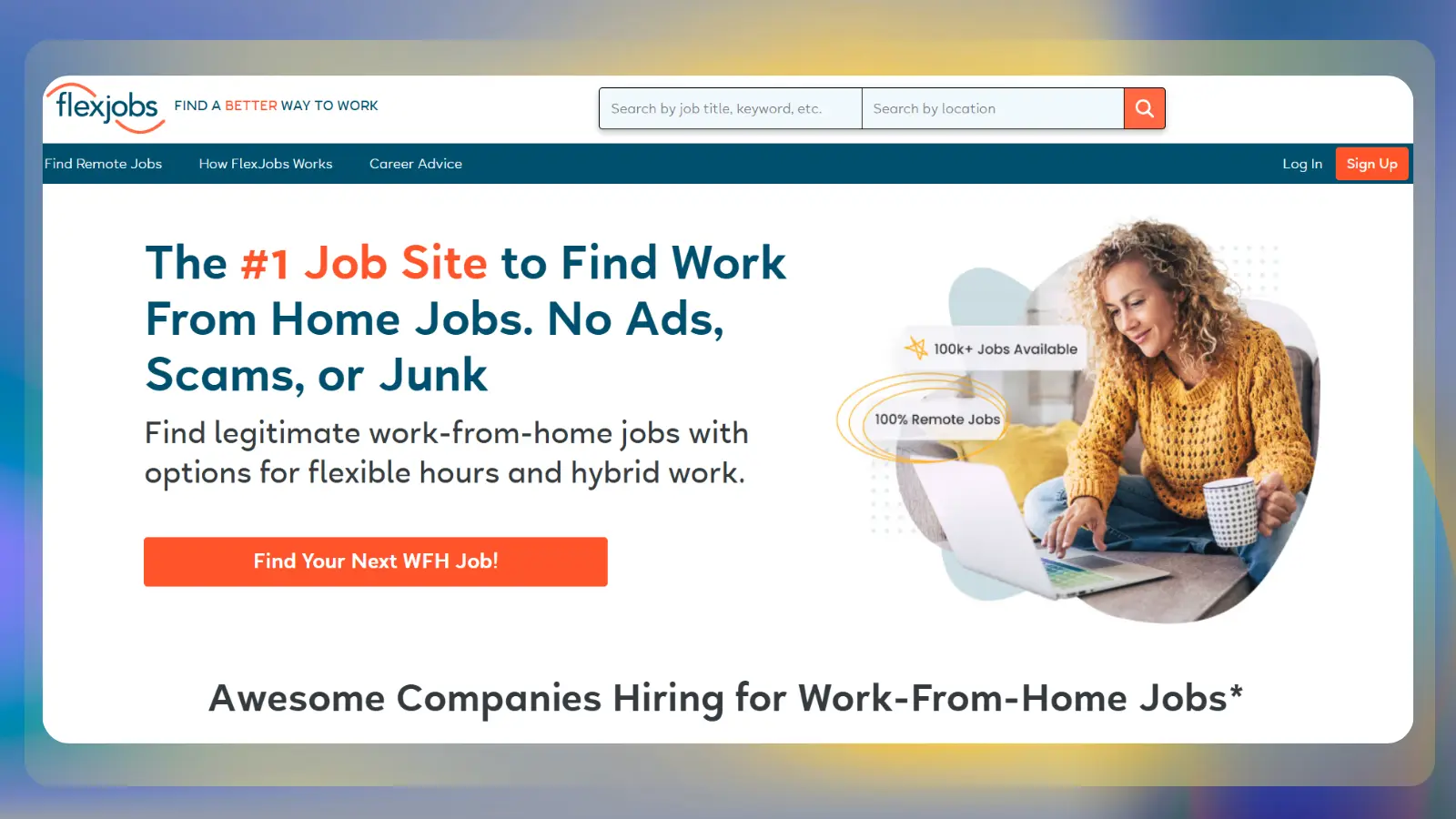
FlexJobs is not an employer. It is a paid job-search platform that screens remote, freelance, part-time, and flexible listings before they appear on the site.
That makes it useful for students who want more traditional remote jobs for college students without spending hours sorting through questionable listings. You can filter by remote status, experience level, schedule, job type, and career field, which is especially handy if you only have room for 10-20 hours of work each week.
The platform covers a broad mix of roles, including:
- customer service
- writing and editing
- administrative work
- marketing
- tech and development
- tutoring and education
- internships and entry-level positions
Current membership options include:
- $2.95 for 14 days, then $23.95 every four weeks unless canceled
- $29.85 for three months
- $71.40 for one year
The main trade-off is simple: you are paying for screening and search tools, not for access to a guaranteed job. Plenty of free job boards exist, so FlexJobs makes the most sense if you want to save time and prefer a more filtered search experience.
For students actively applying to remote jobs for college students, FlexJobs is one of the more practical search resources because it cuts down the time spent digging through irrelevant or suspicious postings.
| 💡Need to know |
| Cost: From $2.95 for 14 daysRenewal: Trial renews at $23.95/4 weeksPay: Depends on the employerBest for: Students actively job hunting |

3. DataAnnotation.tech: Flexible AI Training Tasks
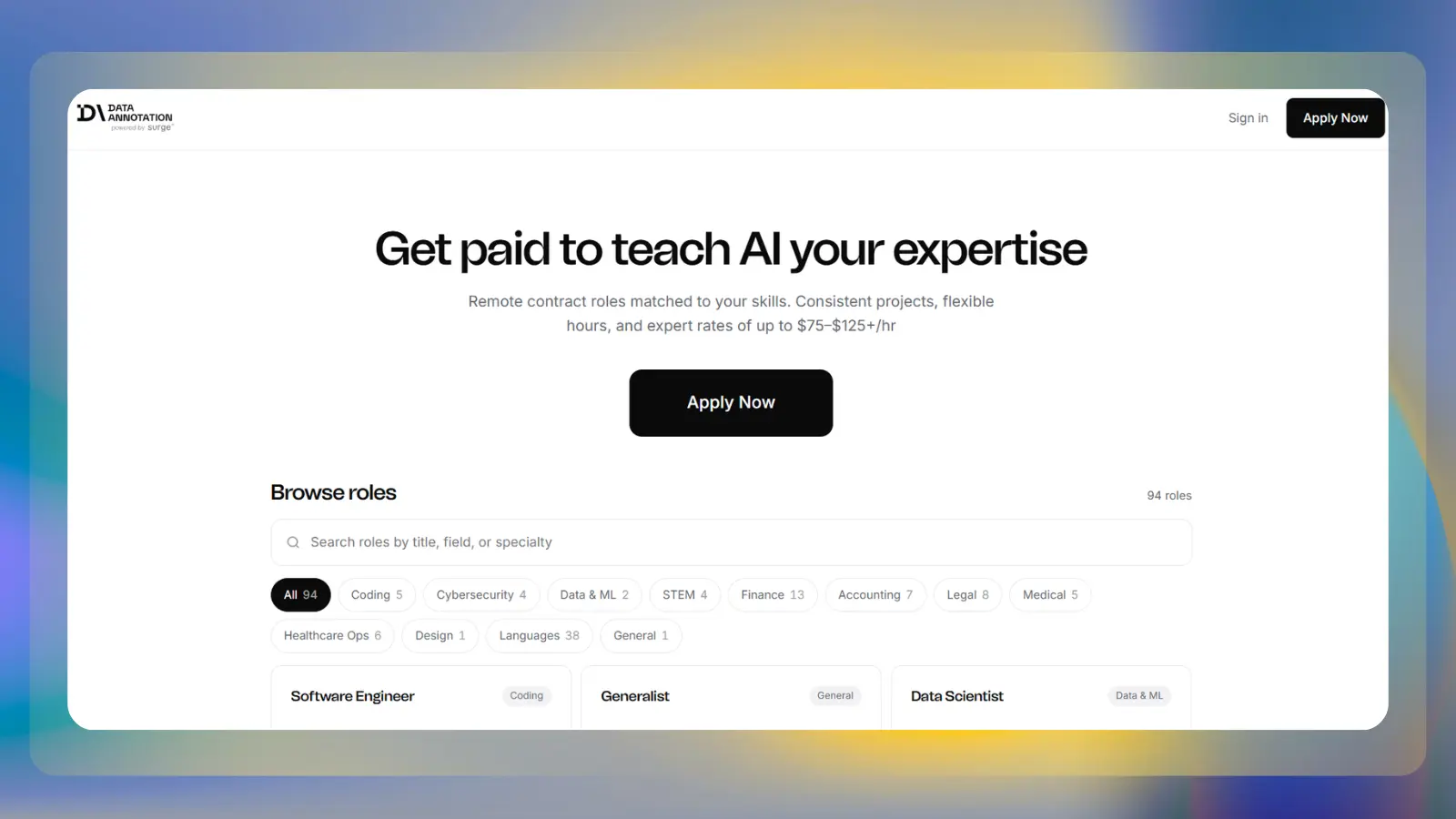
DataAnnotation.tech offers project-based AI training work rather than fixed shifts. Tasks can include evaluating chatbot answers, comparing AI outputs, checking generated images, writing, coding, or reviewing specialist material.
The headline rates are strong:
- General projects: from $25-$30+/hour
- Multilingual projects: from $20+/hour
- Coding projects: from $50-$100+/hour
- Specialist STEM work: from $50-$100+/hour
Those higher specialist rates come with much higher qualification requirements. General work still requires strong writing and reasoning skills, and the platform uses assessments before giving you access to paid projects.
DataAnnotation.tech can be one of the better-paying remote jobs for college students who qualify, but don’t treat the advertised rate as guaranteed weekly income. Project availability changes, and passing an assessment doesn’t guarantee a constant queue of paid tasks.
Payments are sent through PayPal and usually arrive within a few days after you request them.
| 💡Need to know |
| General pay: $25-$30+/hourPayout: PayPalEntry: Unpaid qualification assessmentWork volume: Not guaranteed |

4. Tutor.com: Online Tutoring for College Sophomores and Up
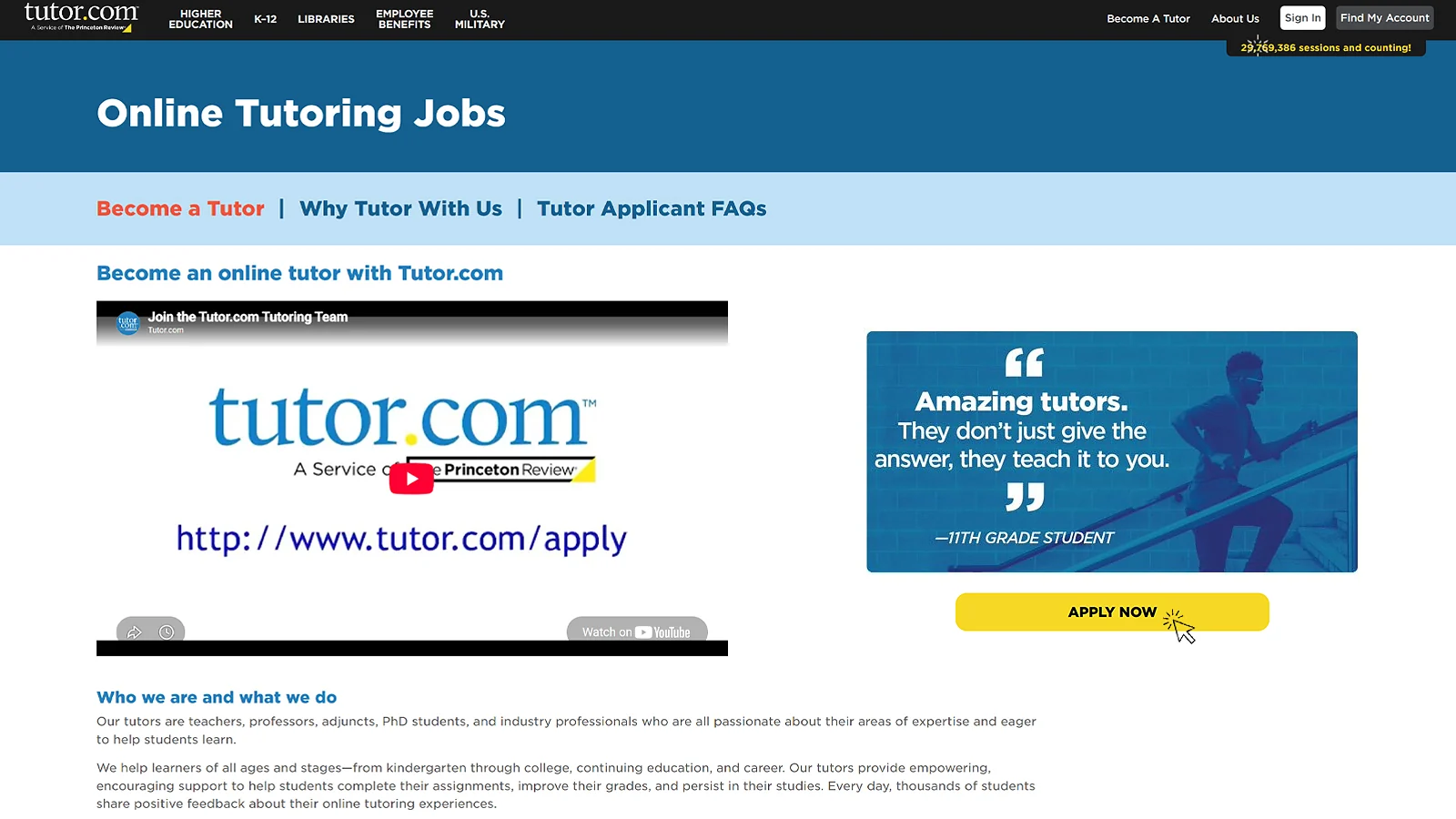
Tutor.com is a much tighter match for remote jobs for college students than a general tutoring marketplace because the platform explicitly accepts current college students.
You must currently be a college sophomore or higher pursuing a four-year degree, or already hold a four-year degree. You also need to live in the U.S., have a valid Social Security number, be eligible to work there without visa sponsorship, and commit at least five hours per week.
You’ll normally:
- choose subjects you know well
- pass subject exams
- complete the application and interview process
- tutor through the platform’s online classroom
- create a weekly schedule or pick up unscheduled sessions
Pay is a set hourly rate that varies by subject. Tutor.com does not publicly publish one universal rate for standard tutors, so any article promising a single exact figure is oversimplifying it. The company says full pay details are provided after the initial application and subject-exam stage.
For comparison, its separate High-Dosage Tutor program publicly lists $22/hour, but that program requires a completed four-year degree and is not the same role.
| 💡Need to know |
| Eligibility: U.S. college sophomore+Minimum: 5 hours/weekPay: Varies by subjectApplication: Usually 1-3 weeks |
5. Rev: Transcription and Captioning Work
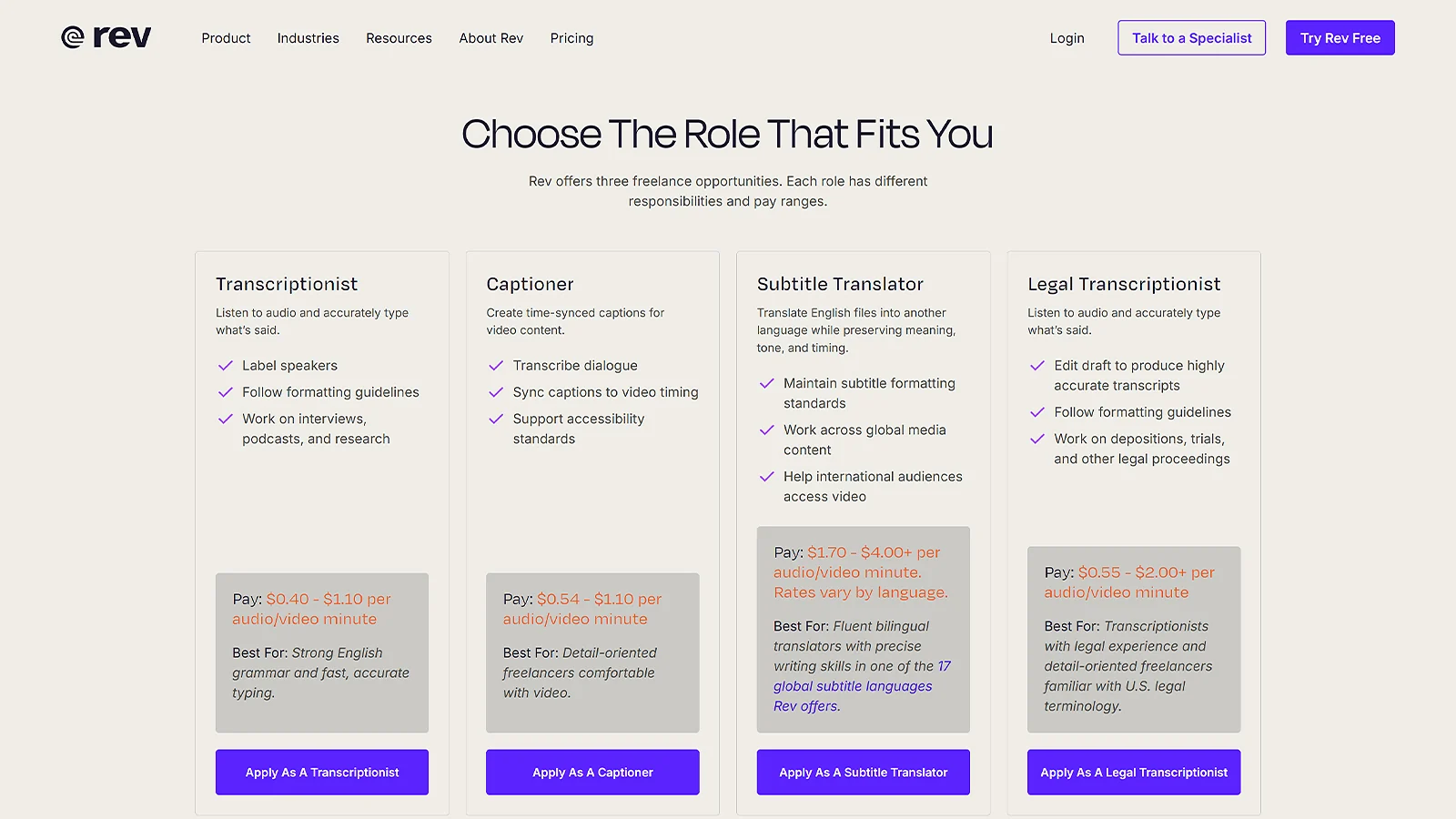
Rev is one of the simpler remote jobs for college students if you’re fast at typing and comfortable turning audio into clean text.
Freelancers choose from available transcription, captioning, or subtitle projects rather than committing to scheduled shifts.
For transcription, Rev currently advertises $0.40–$1.10 per audio or video minute. That is payment per minute of source material, not per minute you spend working, so your effective hourly rate depends heavily on typing speed, audio quality, and how much editing a file needs.
The workflow is straightforward:
- apply for the freelance role
- complete the required screening
- claim available projects
- submit work according to Rev’s formatting rules
- receive approved earnings through PayPal
Rev pays freelancers weekly through PayPal. The big limitation right now is intake: the company says it has a waitlist because of high application volume, so this is not an instant-start option.
| 💡Need to know |
| Transcription pay: $0.40–$1.10/audio minutePayout: Weekly via PayPalSchedule: Fully flexibleAvailability: Applicant waitlist |

6. Clickworker: Flexible Microtasks
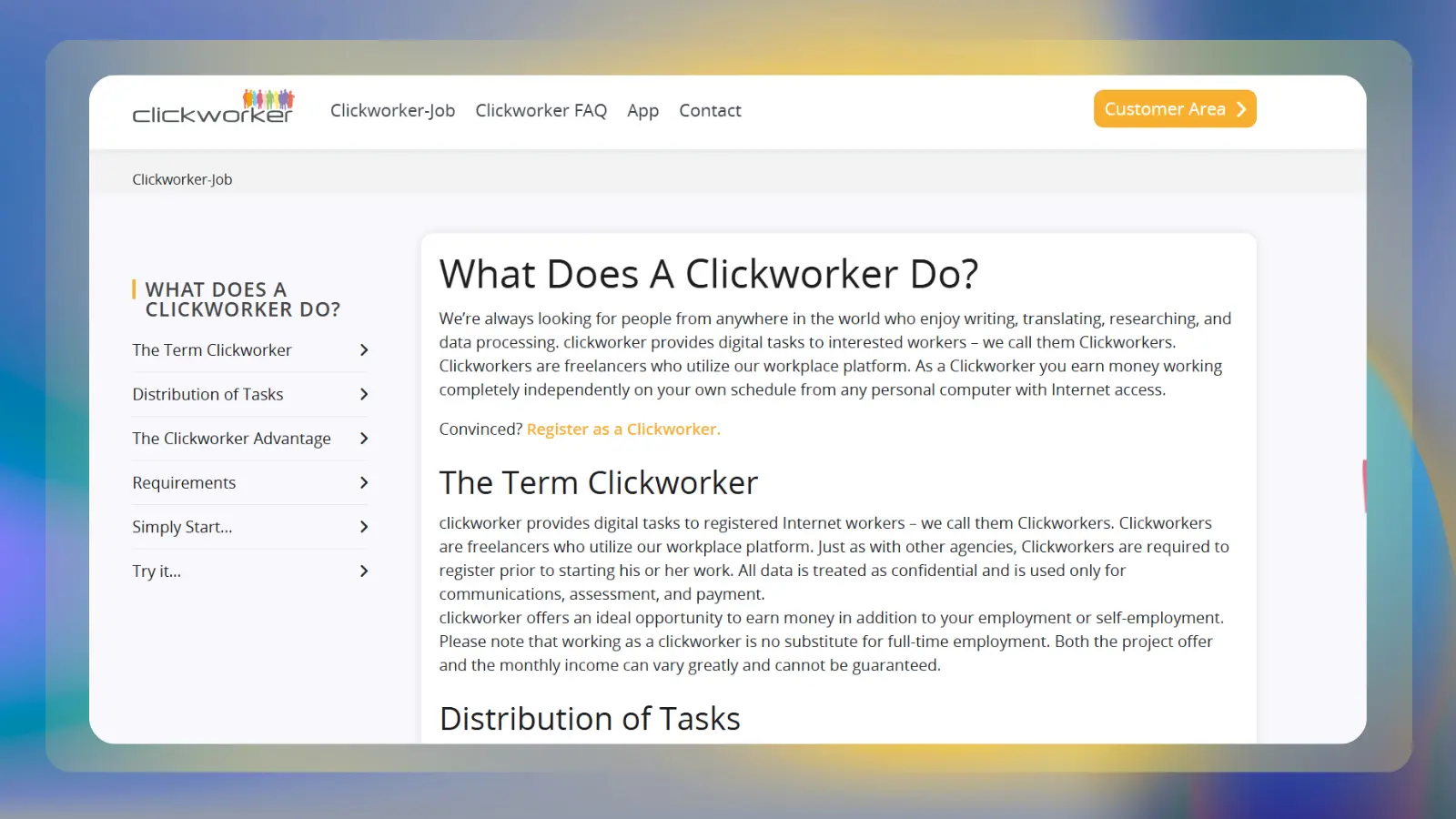
Clickworker sits on the lower-commitment end of remote jobs for college students. Instead of scheduled hours, you complete individual tasks such as data processing, research, surveys, AI-related assignments, or categorization when they’re available.
There is no universal hourly rate. Each job shows what it pays before you start, and individual tasks can range from very small cent amounts to larger euro-denominated assignments.
Payment options and thresholds currently include:
- PayPal: €10 minimum
- Payoneer: €/$20 minimum
- ACH: $10 minimum
- SEPA: €10 minimum
- eWallet/Airtm: €/$10 minimum
Eligible balances are processed through weekly bill runs. Payment options differ by country and account.
This works best as backup income. Task availability varies, so it’s hard to treat Clickworker like a normal 15-hour-a-week job. For more flexible extras that don’t require fixed shifts, see our side gigs from home.
| 💡Need to know |
| Pay: Varies by taskPayPal minimum: €10Payoneer minimum: €/$20Payout cycle: Weekly |

7. Scribbr: Academic Editing Work
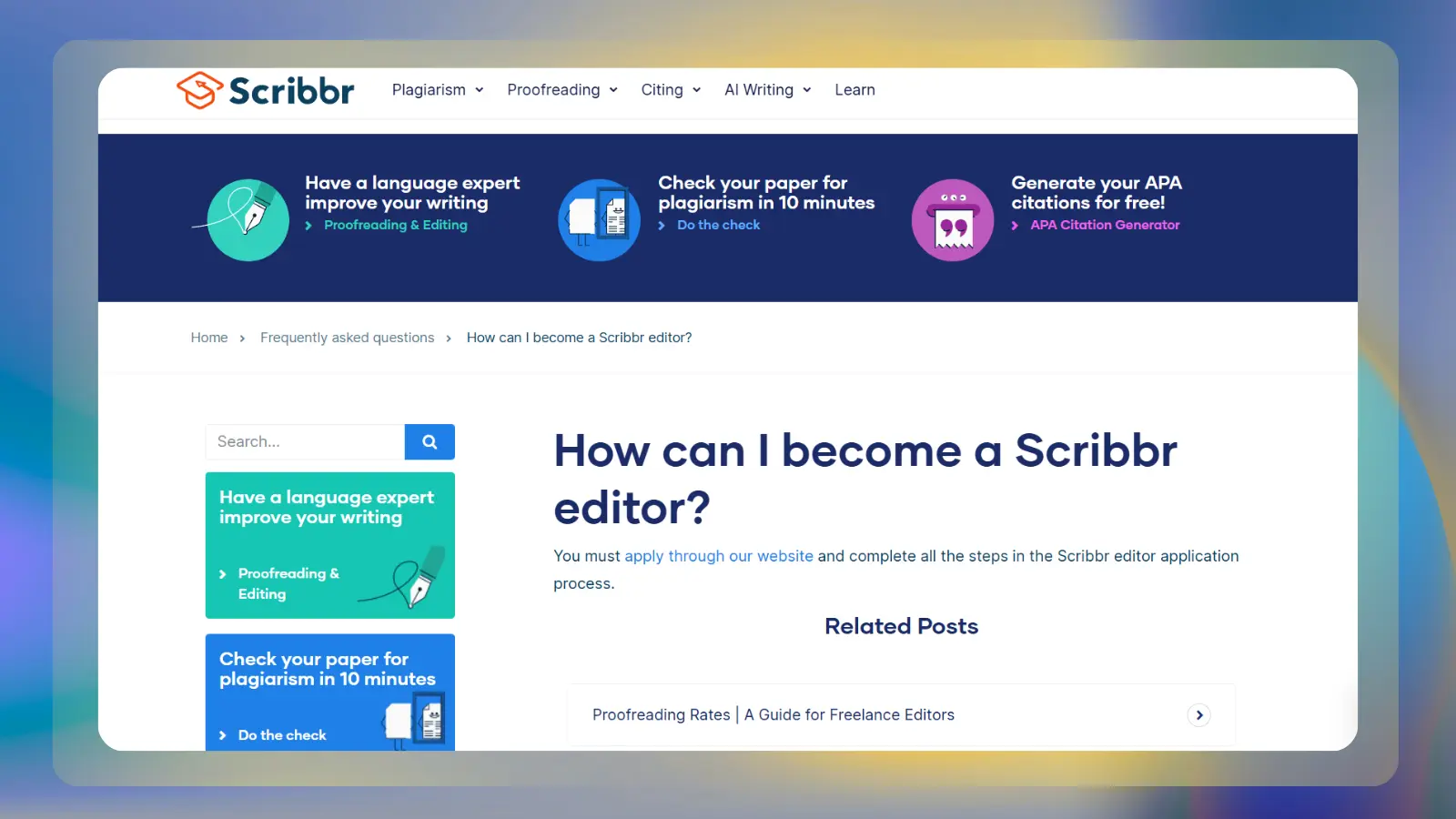
Scribbr is one of the more specialized remote jobs for college students. It makes sense mainly if you’re near the end of your degree and already have excellent academic English.
The company says freelance editors average roughly €20–€30/hour, although earnings are calculated from fixed per-word rates rather than a normal hourly wage. Faster deadlines and more involved editing services increase the rate.
The selection process is demanding:
- take a language quiz
- demonstrate academic editing knowledge
- complete the application stages
- pass Scribbr Academy training before taking real orders
There’s also an important eligibility restriction. Scribbr requires editors to be native English speakers. Current university students are considered only if they’re in the final phase of a degree and already have experience writing a thesis and other academic work.
That means this isn’t one of the easy remote jobs for college students, but it can be a strong fit for someone already doing high-level academic writing.
| 💡Need to know |
| Average earnings: €20-€30/hourEligibility: Native English requiredStudents: Usually final phase of degreeEntry: Selective editing assessment |
8. Voices: Freelance Voice-Over Projects
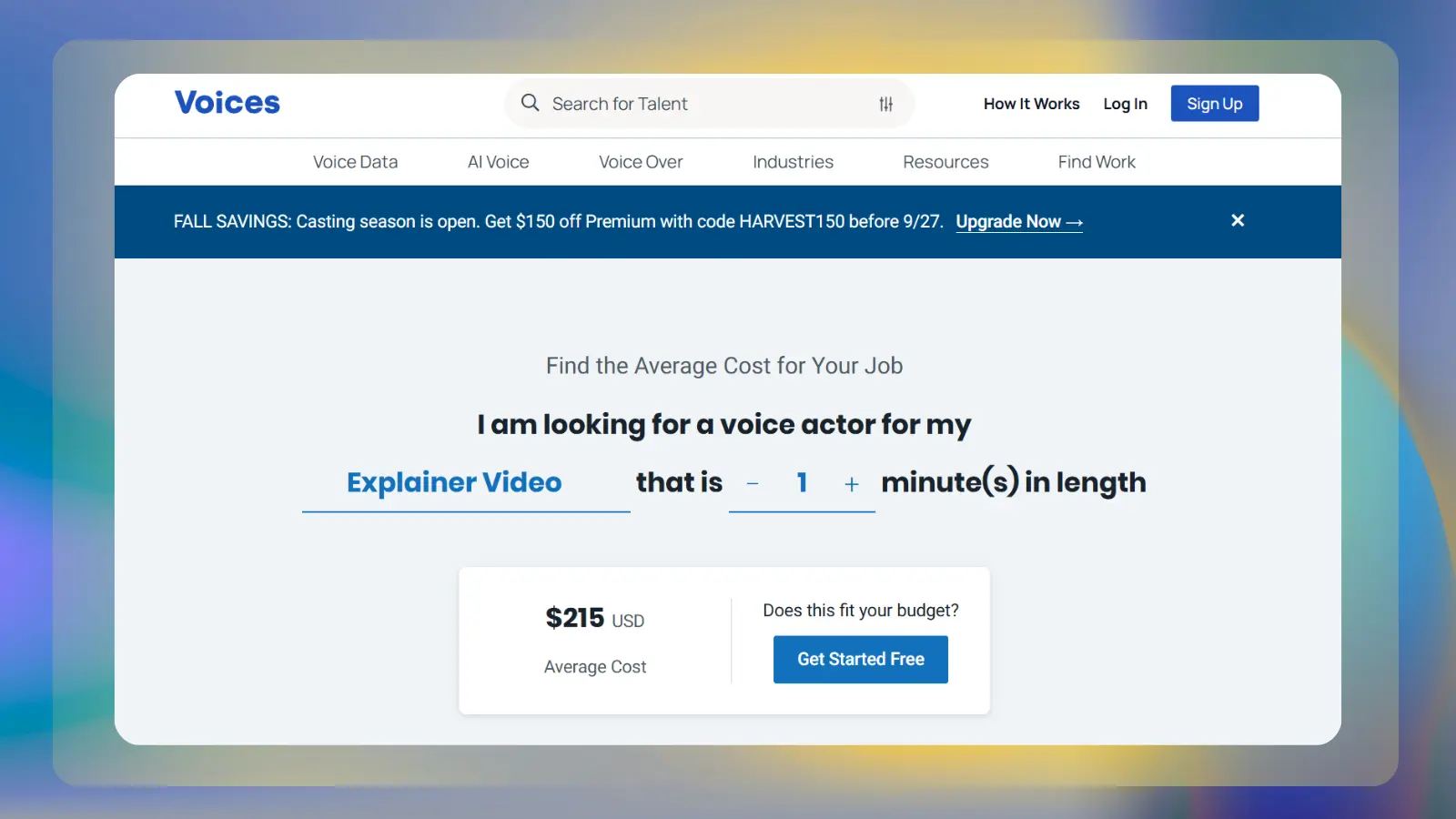
Voices is a different kind of remote work: you create demos, audition for voice projects, and get hired for commercial reads, narration, e-learning, phone systems, and other audio work.
You can create a free Guest profile, upload demos, and receive private invitations from clients who find you. However, the free tier does not give you normal access to browse and respond to matching job opportunities. The Premium membership that unlocks broader job access currently costs $499/year.
Other costs matter too:
- Voices deducts a 20% platform fee from talent quotes
- you need decent recording equipment
- a quiet recording space matters more than having a formal qualification
Payments go through Voices’ SurePay system. Client funds are held until work is released, with automatic release rules if the client doesn’t act.
Among these remote jobs for college students, this one has a higher setup barrier but makes sense if you already have voice, acting, broadcasting, or language skills.
| 💡Need to know |
| Guest tier: FreePremium: $499/yearPlatform fee: 20%Equipment: Good mic strongly recommended |

9. Cambly: Conversational English Tutoring
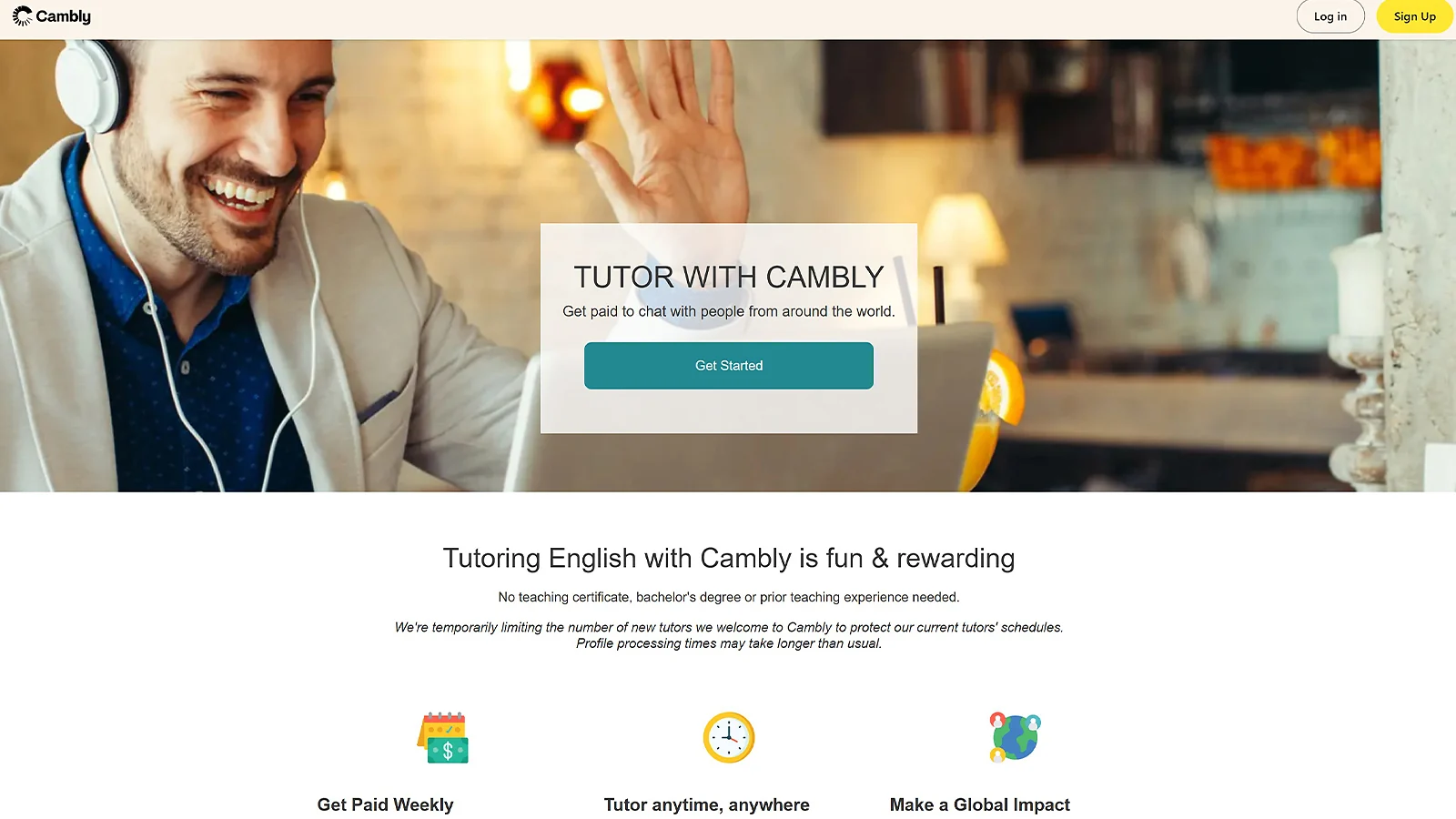
Cambly works differently from academic tutoring. You’re paid to hold one-on-one English conversations with learners around the world rather than preparing formal lessons for a school subject.
No teaching certificate, bachelor’s degree, or prior teaching experience is required.
Current rates are:
- Cambly: $0.17/minute, equivalent to $10.20/hour of paid talk time
- Cambly Kids: $0.20/minute, equivalent to $12/hour
Tutors are paid weekly, and there is no required minimum number of hours.
That flexibility makes Cambly one of the easier remote jobs for college students to schedule around lectures. The catch is getting accepted. Cambly currently says it’s limiting the number of new tutors, so profile processing can take longer than usual.
| 💡Need to know |
| Pay: $10.20/hour talk timeCambly Kids: $12/hourPayout: WeeklyIntake: New tutors currently limited |

10. Working Solutions: Remote Customer Service Contracts
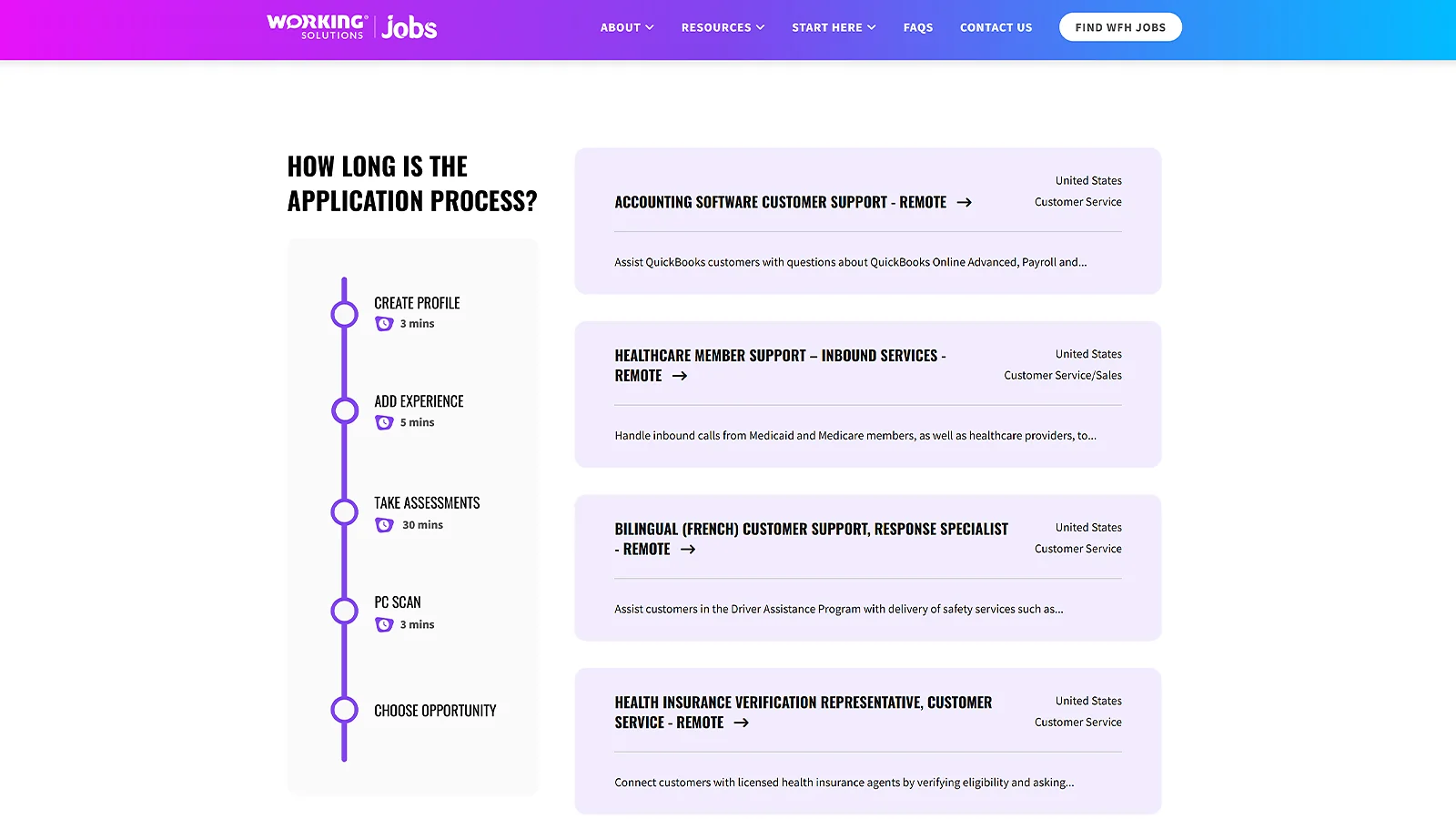
Working Solutions offers at-home customer service contracts rather than traditional employee jobs. Contractors may handle calls, chats, emails, sales, or customer-support tasks for different client programs.
Current programs generally pay $0.25–$0.31 per productive minute, although some contracts use a different fixed payment structure. “Productive minute” matters here: you earn for time actively handling customer interactions, not every minute you’re logged in.
You can usually set your own schedule within the contract’s available hours.
The important restrictions are:
- you must live in the U.S. or Canada
- some U.S. states are excluded
- you work as an independent contractor
- you need a quiet, secure home workspace
- you must pass the platform’s assessments
- availability depends on current client programs
The company currently says residents of California, New York, Pennsylvania, and Washington aren’t eligible for its standard contractor programs. If customer support isn’t your thing, you can compare more work-from-home jobs with different schedules and skill requirements.
| 💡Need to know |
| Pay: Often $0.25–$0.31/productive minuteStatus: Independent contractorCountries: U.S. and CanadaSchedule: Self-scheduled within program limits |

11. Upwork: Freelance Remote Projects
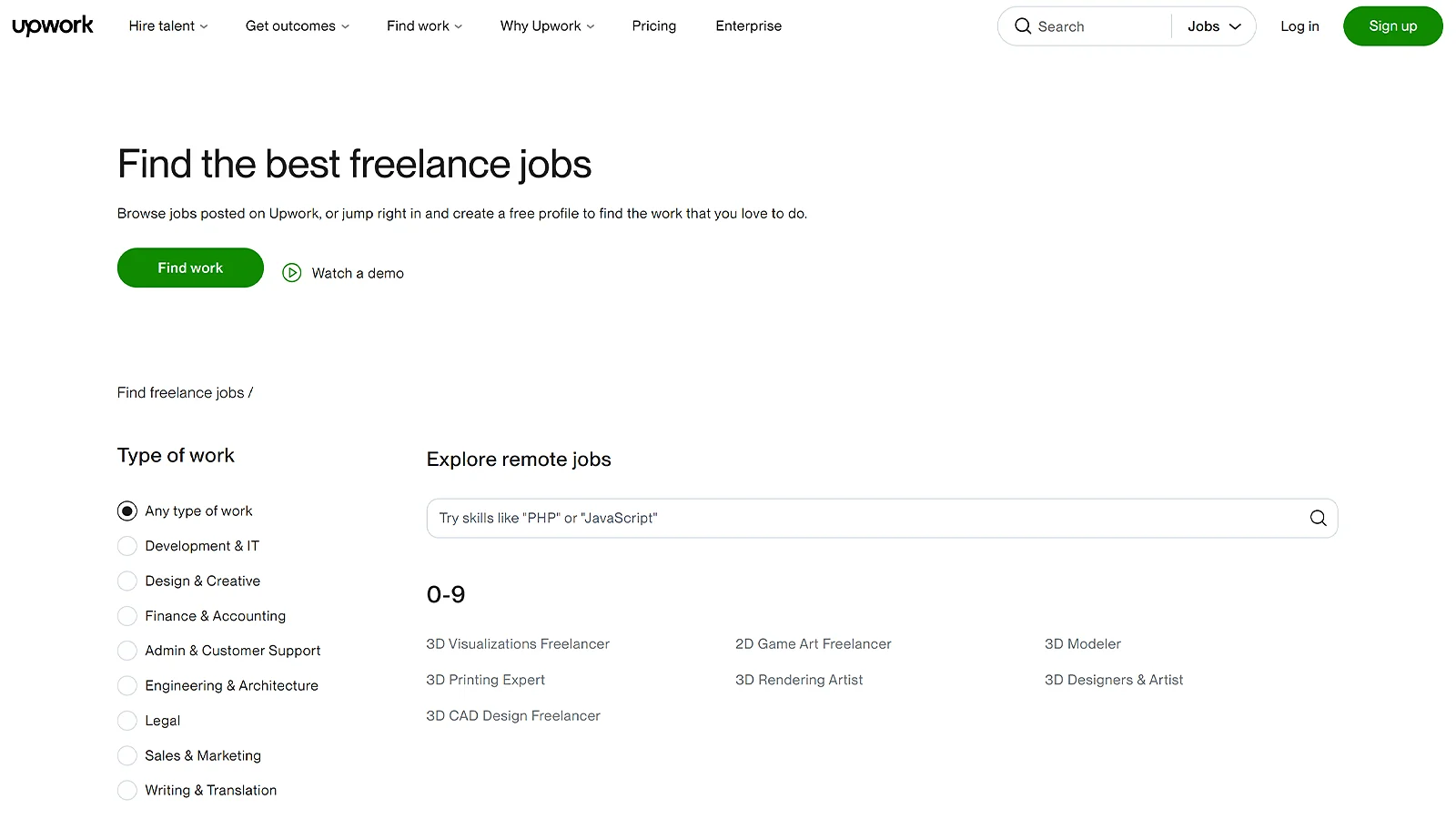
Upwork is useful when you already have a sellable skill and want remote jobs for college students that can turn into repeat client work. It’s also one of the more direct routes covered in our guide to making money with online jobs.
Projects cover areas such as:
- writing and editing
- design
- programming
- virtual assistance
- marketing
- data work
- customer support
- video and audio production
You create a profile, search projects, submit proposals, agree on either an hourly or fixed-price contract, and complete the work through the platform.
Joining is free. Upwork currently charges freelancers a variable service fee of 0%–15%, shown before you accept a contract. Freelancers can withdraw through options such as local bank transfer, PayPal, and Payoneer, depending on location.
The difficult part is getting the first client. Proposal applications use Connects, and competition can be high, so Upwork makes more sense if you already have samples or a specific skill than if you’re starting with nothing.
| 💡Need to know |
| Joining: FreeFreelancer fee: 0%–15%Pay: You set/negotiate your rateBest for: Students with a portfolio skill |

How These 11 Remote Jobs for College Students Compare
Not all remote jobs for college students work the same way. Some give you a predictable hourly rate, while others only pay when a project or task is available.
| Method | Typical Pay Model | Cost to Start | Flexibility |
|---|---|---|---|
| Apple College Program | $23–$27.50/hr in recent postings | $0 | Medium |
| FlexJobs | Depends on job | From $2.95 | High |
| DataAnnotation.tech | $25–$30+/hr general | $0 | High |
| Tutor.com | Subject-based hourly rate | $0 | High |
| Rev | $0.40–$1.10/audio min | $0 | High |
| Clickworker | Per task | $0 | Very high |
| Scribbr | ~€20–€30/hr average | $0 | High |
| Voices | Per project minus 20% fee | $0 Guest | High |
| Cambly | $10.20/hr talk time | $0 | Very high |
| Working Solutions | $0.25–$0.31/productive min | $0 | High |
| Upwork | Your negotiated rate | $0 | High |
If you want predictable remote jobs for college students, start with employer or scheduled-service options such as Apple or Tutor.com. If your timetable changes every week, task and freelance platforms give you more control but less income certainty.
How We Chose These 11 Remote Jobs for College Students
A platform made the list only if it still offers a real path to remote paid work and gives readers enough information to judge whether applying is worth the effort.
I prioritized four things:
- Real work: The platform connects you to paid employment, client work, tutoring, or clearly priced tasks.
- Remote fit: No regular commute or delivery driving is required.
- Student compatibility: Part-time or flexible schedules are possible.
- Checkable terms: Important pay, fee, or eligibility claims can be verified through the platform itself.
That distinction matters because search results for remote jobs for college students often blur together employment, surveys, resale, delivery apps, and vague “make money online” ideas.
I left those broader side-hustle categories out of the main ranking. Our comparison of survey apps and gig apps covers those options separately.
This also keeps these remote jobs for college students more focused on work you can actually do from a laptop rather than selling belongings or building a small online store.
Can Play-to-Earn Apps Cover the Gap Between Paychecks?
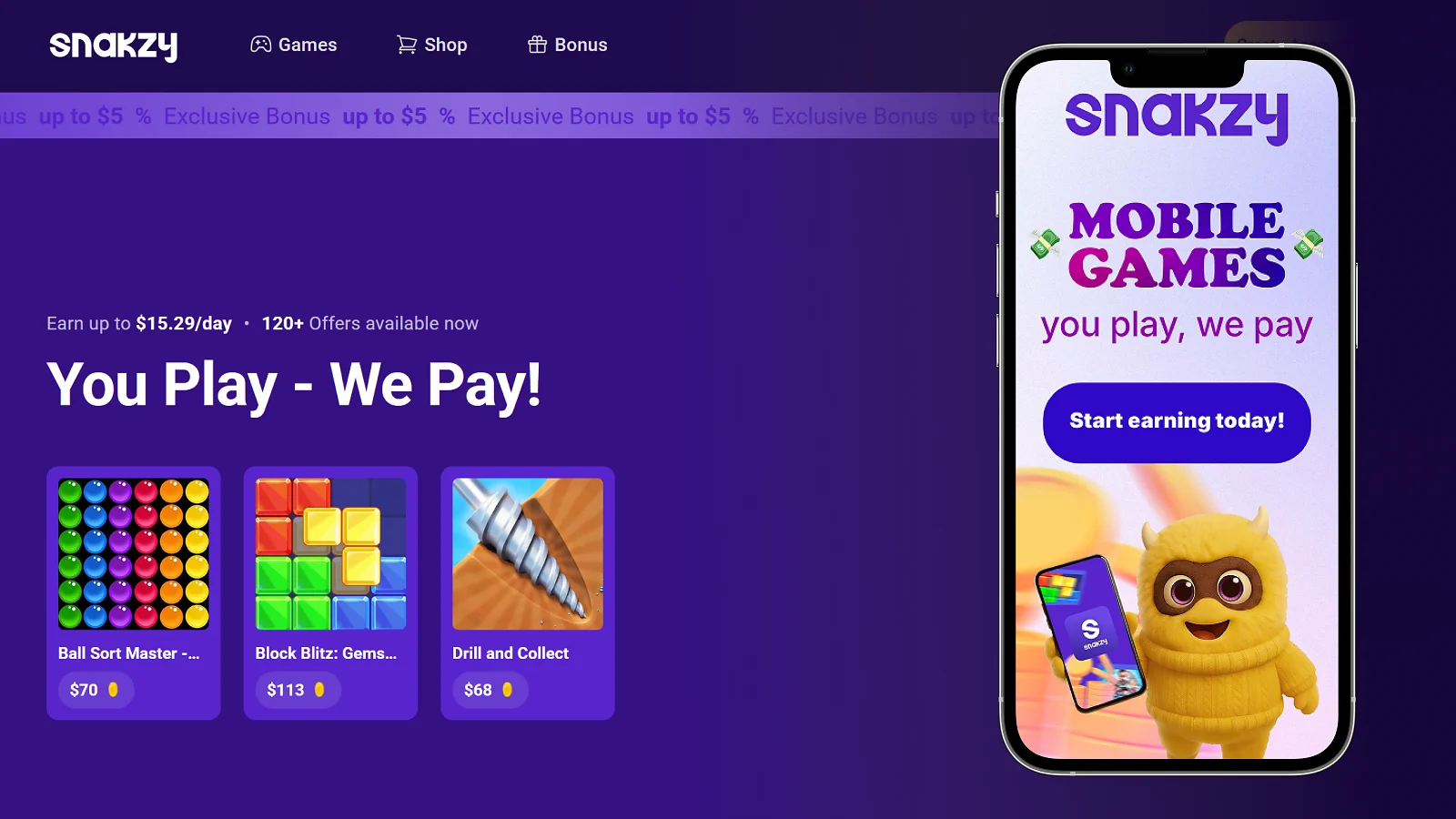
Play-to-earn and reward apps can be a smart extra when your remote job income is uneven or you just want something low-effort to use between classes. They won’t replace regular remote jobs for college students, but they can help you make better use of downtime without adding another fixed work schedule.
Among the options here, Snakzy is the best fit because it is free to join, easy to use alongside other work, and lets you build rewards while playing. Its $35 minimum payout is higher than some alternatives, but that also makes it better suited to students who are happy to let rewards accumulate instead of cashing out constantly.
If you want to compare more similar options, our guide to the best game apps to win real money covers additional apps worth checking.
Free to join with a $35 minimum payout, so it can sit alongside your remote job without another work schedule.

What Doesn’t Work
The biggest risk around remote jobs for college students isn’t usually the platform itself. It’s fake recruiters copying legitimate company names and promising easy money.
The Four Red Flags to Avoid
Watch for these warning signs:
- You have to pay to get hired. A legitimate employer shouldn’t ask you to buy gift cards, send cryptocurrency, or transfer money before starting.
- A recruiter sends you a check for equipment. Fake-check scams often ask you to deposit a check and send part of the money elsewhere before the payment bounces.
- The job promises guaranteed daily income. Legitimate freelance and task platforms can’t guarantee work that hasn’t appeared yet.
- Everything happens through Telegram, WhatsApp, or Signal. Verify the recruiter through the company’s official site before sharing personal information.
The FTC warns job seekers about fake checks, requests for money, impersonated employers, and recruiters seeking sensitive information before a legitimate hiring process.
A real listing for remote jobs for college students should make it reasonably clear who you’re working for, what the work involves, and how payment works.
Final Verdict on Remote Jobs for College Students
The most realistic remote jobs for college students depend on how much structure you can handle. Apple stands out for predictable employee pay when your university has an opening, while DataAnnotation.tech, Rev, and Clickworker are easier to fit around changing schedules. Tutor.com, Scribbr, and Upwork make more sense when you already have a specific academic or professional skill.
For most students, one solid work option is better than signing up for six platforms at once. Get one source of real paid work running first, then add something lightweight such as Snakzy for downtime rather than expecting a reward app to replace a job.
Free to join with a $35 minimum payout, so it can sit alongside your remote job without another work schedule.
FAQs
The best remote jobs for college students with no experience include Apple’s College Program when available, Clickworker, Cambly, and some Rev roles. Each still has screening or eligibility rules, but none requires an established freelance client base.
DataAnnotation.tech lists general AI projects from $25–$30+/hour and some qualified coding projects from $50–$100+/hour. Higher rates come with tougher assessments and aren’t guaranteed to provide continuous work.
Yes. Some remote jobs for college students pay weekly. Rev pays approved freelance work weekly through PayPal, while Clickworker runs weekly billing cycles once your payable balance reaches the threshold for your payment method.
Usually, yes, but how taxes are handled depends on whether you’re an employee or independent contractor and where you live. Employees may have taxes withheld automatically, while freelancers generally need to track and report their own income.
A rough planning range is about $150–$600+ per week for 10–20 hours, depending on the platform, rate, and actual work available. Scheduled jobs are more predictable; freelance and task-based remote jobs for college students can vary sharply week to week.