


How to Get Clay in Stardew Valley? Top Methods Every Farmer Should Know


Wondering how to get clay in Stardew Valley without spending half your day digging random holes in the dirt? Clay might not sound glamorous, but it’s one of those sneaky essentials that quietly powers your farm’s progress. From building your first Silo to crafting Garden Pots and Quality Retaining Soil, this humble brown lump is the backbone of farming life.
In this guide, I’ll walk you through every way to dig up clay – from early-game methods that rely on a trusty hoe and a little luck, to later options that make collecting it a breeze.
Whether you’re prepping for construction, crafting upgrades, or just stockpiling for future builds, you’ll know exactly where to find clay in Stardew Valley (and how to stop cursing every time you dig up a rock instead).
Jump to:
Methods for Collecting Clay in Stardew Valley
A really important question in Stardew Valley is how to get clay. At first, it’s all about the basics – simple tools and a little luck. But as your farm develops, new ways to collect clay start opening up. Let’s break down the best methods.
1. Digging for Clay (Effective & Common Method)
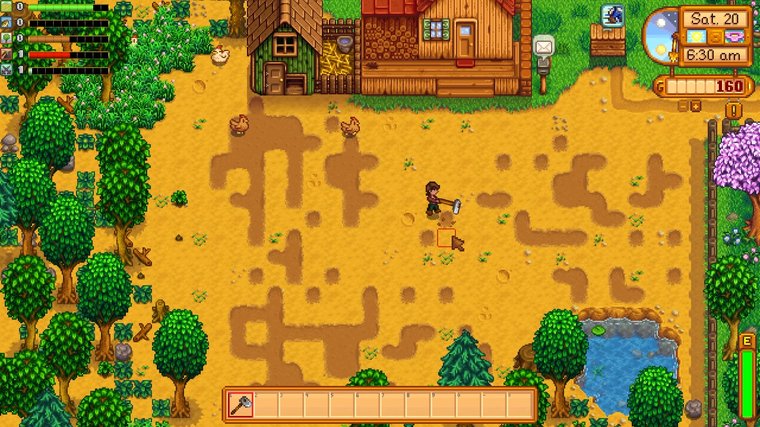
Digging stands as the most reliable method to get clay in Stardew Valley. First of all, you don’t need any special unlocks or tool upgrades to start digging. Digging for clay is possible right from Spring 1. All you need is a simple hoe.
The steps are easy. Take your hoe from the toolbar and point it at any dirt tile on your farm. Every swing has a chance of finding clay. But the results can be random. Some places give you clay right away, while others might take a few tries before you get anything useful.
Make digging a part of your daily routine. Every day, take some time to hoe the areas around your farm buildings and walkways. Over time, you’ll find you have plenty of clay available at no resource cost.
Take advantage of rainy days to dig more, since your crops won’t need watering. This saves energy for more clay farming.
2. Finding Clay in Artifact Spots
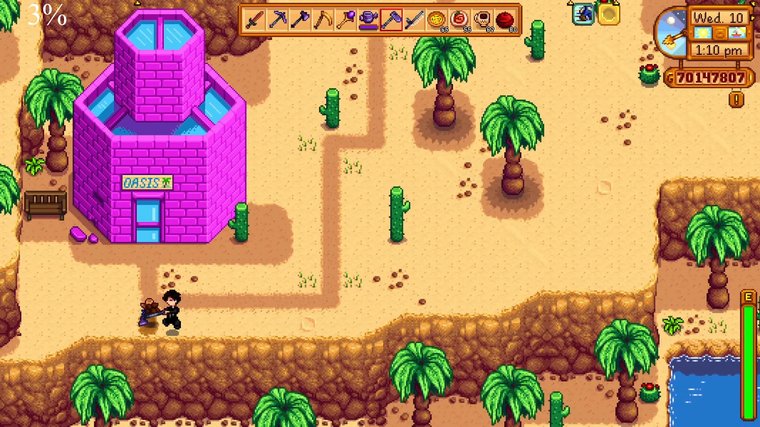
Artifact Spots are small wiggling marks that appear on the ground across Stardew Valley. They look like little worms breaking through the soil. Hitting these spots with your hoe can reveal various items, including clay.
While clay appears less frequently in Artifact Spots than from regular digging, the method is quick and requires almost no extra effort. You can find clay in about one out of every three or four places. But note that, because of the randomness, you can’t rely on this method alone to get a lot of clay.
Each day, these spots appear in different places, such as on your farm, in town, near the mountains, around the beach, and in the forest. The variety makes clay gathering fun and makes people want to explore the map.
Some spots reset daily. Visit frequently and explore different areas each day to maximize the number of artifact spots you find.
3. Opening Geodes for Clay
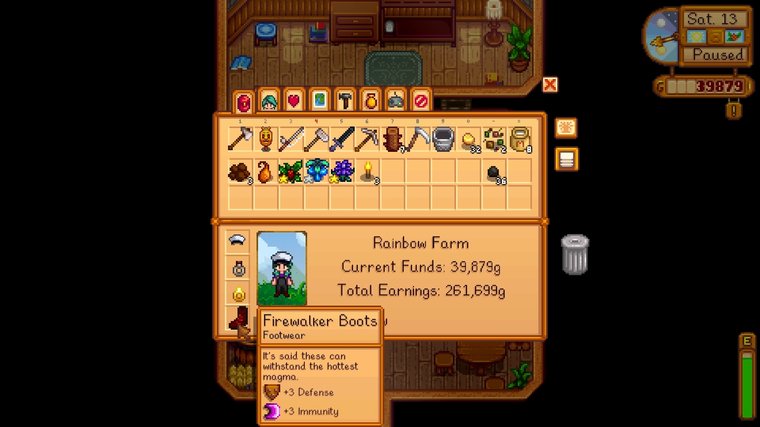
One of the lesser-known methods for how to get clay in Stardew Valley is through mining. When you break rocks in the Mines or around your farm, you might find geodes that have clay inside them. When you have geodes, go to Clint in the blacksmith shop and ask him to break them open.
This method is also less direct than Digging because geodes can hold more than one thing. But breaking open a geode is quick, and you usually get clay and other useful materials with it. It’s a great way to get clay while also making progress in your mining.
Omni geodes, which are the geodes in the volcano dungeon, drop at different rates than regular geodes. Regular geodes might be better if you’re specifically looking for clay. Try both kinds to see which one you like best.
Since geodes drop clay along with ores and gems, combine mining sessions with your clay collection goals to maximize time efficiency.
4. Gifting & Special Events for Clay
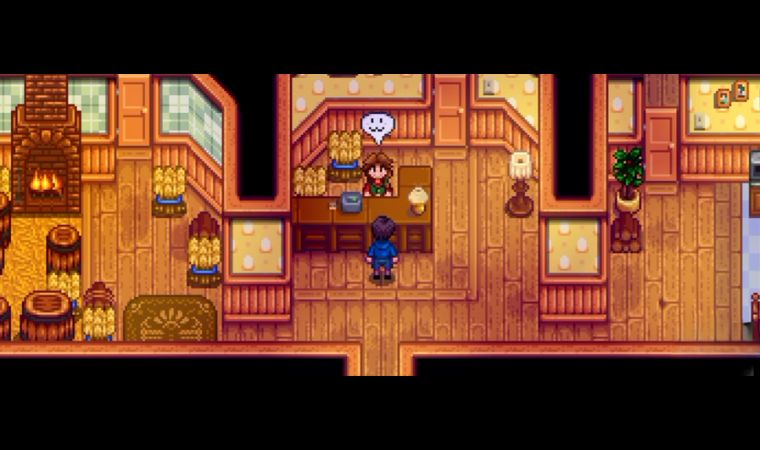
If you’re wondering how to find clay in Stardew Valley without digging endlessly, sometimes the villagers lend a hand, occasionally sharing clay as gifts when your friendship levels reach certain thresholds. The Feast of the Winter Star event in particular sometimes awards clay as a secret santa present. Other seasonal festivals may include clay in prize rotations or as rewards for participation.
This method isn’t reliable for planning clay gathering either. Villagers can give gifts whenever they want, and you can’t choose what the random festival rewards will be. Still, it costs nothing and requires no effort beyond normal social gameplay. So, think of this as a pleasant surprise rather than a core gathering strategy.
Best Places for Clay Farming in Stardew Valley
Some places produce clay more often than others. Mostly, where to get clay in Stardew Valley depends on what resources you have.
Your farm is the easiest place to collect clay. Every day, the dirt patches around your buildings come back. Pay attention to places where you want to grow in the future. This makes it easier to plan your farm while also gathering clay.
The mountain area beyond your farm also has more patches of dirt. If you visit often, you’ll have more places to dig. This variety keeps gameplay from getting repetitive.
Other Important Resources in Stardew Valley
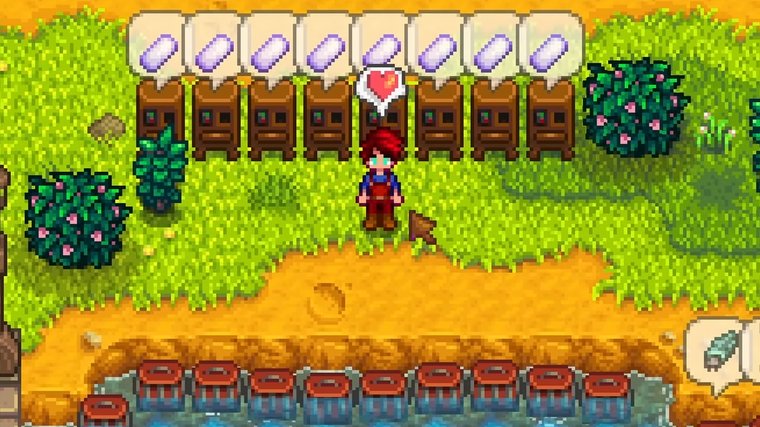
While clay is crucial for crafting and building, it’s just one piece of the resource puzzle. Here are some other vital materials every dedicated farmer should keep an eye on:
- Wood – The foundation for most buildings, fences, and essential crafts.
- Stone – Needed for construction, crafting machines, and upgrading your farm layout.
- Copper, Iron, and Gold Bars – Core materials for tool upgrades and advanced crafting.
- Coal – Fuels your smelting and machine production.
- Fiber – Perfect for crafting scarecrows, decor, and other handy items.
- Hardwood – Essential for major building upgrades and advanced crafting. Learn how to get hardwood in Stardew Valley to make sure you never run short.
- Refined Quartz – A key ingredient for sprinklers and lightning rods.
- Maple Syrup – A sweet, high-value resource used in bundles and artisan recipes. Discover how to get maple syrup in Stardew Valley to unlock more crafting opportunities.
- Battery Packs – Rare but powerful components for high-tier tools and machines.
- Catfish – A tough catch with great rewards. It’s essential for bundles, cooking, and making early-game gold. Knowing where to catch catfish in Stardew Valley is a must for any skilled angler.
Each of these resources plays a unique role in your farm’s growth – and mastering when (and how) to gather them is what separates a good farmer from a Stardew Valley legend.
Clay Recipes in Stardew Valley
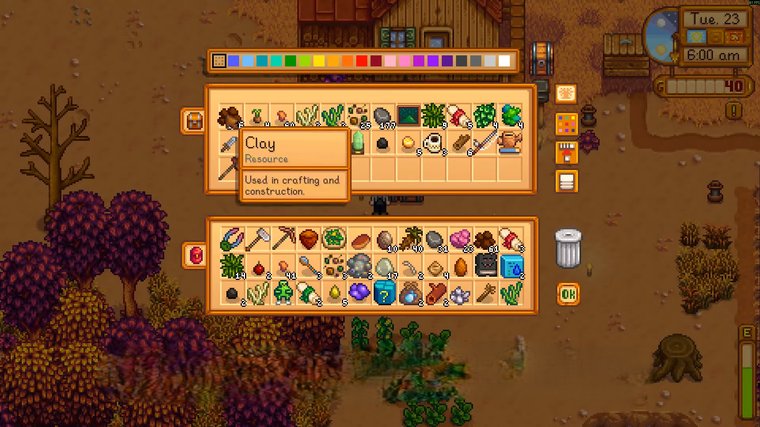
After you figure out where to find clay in Stardew Valley, you can use clay in several important recipes. Some improve your farm’s efficiency, while others are decorative. Understanding what to craft first helps you spend your clay wisely.
| Recipe | Clay Required | Purpose |
| Retaining Soil | 1 per unit | Keeps soil moist after watering |
| Garden Pot | 1 per pot | Lets you grow crops indoors |
| Decorative Pot | 1 per pot | Adds visual appeal to farm and home |
| Silo (Building) | 10 units | Stores hay for animal feed |
| Quality Retaining Soil | 3 per unit | Keeps soil wet for multiple days |
Retaining Soil is one of the first clay recipes you should try. It only takes one clay per unit and keeps your soil wet all night. That means you have less to do every day and more time for other things. You can open it when you reach Farming Level 4, so you should make it as soon as you can.
Garden Pots require 1 clay, 10 stone, and 1 refined quartz to craft. They allow you to grow crops indoors, so you don’t have to wait for the right season. You can use them in any building, like your farmhouse or greenhouse. The recipe unlocks at Farming Level 2. This makes it an early option for indoor growing.
Decorative Pots use 1 clay each and are purely aesthetic. Craft them only after meeting practical needs. A Silo needs 10 clay, 100 stone, 5 copper bars, and 100g. It stores hay automatically, essential for livestock care. Build it early if you plan to raise animals.
Quality Retaining Soil improves crop quality. It keeps the soil wet longer and gives you a better chance of growing better crops. You need three stones and one piece of clay to make it. Farmers who want better harvests will love this recipe because it becomes available at Farming Level 7.
For the best use of clay: Prioritize Silos (for animals), Retaining Soil (for all farms), and Garden Pots (for indoor growing). This order gives you the best return from limited clay.
Continuous Crafting with Clay
Keeping a steady clay supply depends on routine gathering and smart storage. Treat it as a regular task, not something to rush when you run out. Players who gather a little each day progress more smoothly.
Start your mornings with a short farm sweep using your hoe. Work through untilled spots for about 10–15 minutes. This habit adds up to 10–20 clay daily without feeling repetitive.
Seasonal timing matters too. Spring and summer focus on crops, while fall brings heavy harvests. Winter is ideal for clay stockpiling since farm work slows down. Use that time to rebuild your reserves.
Upgrading tools helps indirectly. Higher-tier hoes don’t boost clay drop rates, but they let you till faster and use less energy. After upgrading your pickaxe and axe to copper, work on your hoe to make clay gathering smoother.
Next Steps in Stardew Valley: Expanding Your Farm
Your farm will start to grow after you have enough clay. To build upgraded barns and coops, you need clay in the recipes. Clay is also needed for aesthetic improvements like fences and paths.
Later in the game, you can upgrade several buildings with the help of clay as well. As you move forward, clay becomes more and more valuable. So, while you’re collecting clay, think about how your farm will look in the future.
Consider your long-term farm layout while gathering clay. Knowing future building locations helps you focus gathering efforts in strategic areas. This foresight changes clay gathering from a passive task into purposeful planning.
FAQs
The quickest way to get clay in Stardew Valley is to use a combination of digging and geode cracking. Do both activities for 15 minutes every day. This dual approach gets you the most clay per time invested.
Normally, you can’t buy clay in Stardew Valley – it’s a resource you have to dig up, find in Artifact Spots, or get from geodes. However, during the Desert Festival, you can purchase clay from Vincent’s shop for 1 Calico Egg each.
The best places to find clay in Stardew Valley are your farm and the mountain area. The former offers the most reliable source of clay. Every day, dirt patches come back in the same general areas. The latter has extra patches that you can use to gather more items.
Clay and other materials are important in Stardew Valley because every major project relies on them. Clay helps with farm structures. On the other hand, wood, stone, and ore help with strengthening structures. Managing materials wisely is what keeps your farm growing.
No, clay can’t be used for profits. Clay has no direct monetary value when sold, but clay recipes produce items that improve farm efficiency. Better efficiency translates to higher profits long-term. View clay gathering as an investment in your farm’s earning potential.
You need 30 to 50 clay total to make the most important upgrades in a typical playthrough. The Silo alone needs 10 clay. Retaining Soil crafting consumes additional quantities. Decorative uses can multiply consumption significantly.
Consistency beats intensity. Gathering every day works better than long sessions. The routine approach keeps your clay supply steady. Combining digging with other farming tasks maximizes time efficiency.
Conclusion
Clay shortages can really slow you down, so knowing how to get clay in Stardew Valley gives you a major advantage. Make clay digging a part of your morning farm routine. Take 10–15 minutes every morning and dig dirt patches on and around your farm.
When you’re out for the day, check at any artifact locations or geodes you notice. This layered approach keeps your reserves full without disrupting other farm activities.