


How to Colonize in Europa Universalis 5: A Complete Guide to Expanding Your Empire


If you’re searching for how to colonize EU5, this guide breaks the system down step-by-step. Here, it’s important to take land and also to manage it. Colonization isn’t just about clicking and waiting.
In EU5, it’s all about colonization: exploration, trade, colonies, and control. Understanding the general location of new lands helps you build a powerful empire. You’ll be creating colonies across the world, developing them, and turning them into strong colonized nations.
In short, if you want to become a pro in Europa Universalis V, it’s important to understand the mechanics, master the strategy, and act thoughtfully. Then every colony game (EU5 release date Nov 4, 2025) you establish will bring benefits and income. Keep reading to become a true master of colonization.
Jump to:
Understanding Colonization Mechanics in EU5
Colonization in Europa Universalis 5 is actually simpler than it seems. The main thing is to understand the basic steps and keep an eye on your colonies. Here’s how I usually start:
Steps on how to colonize EU5:
- Take exploration ideas and launch exploration missions, uncover new lands and oceans.
- Check your colonial range, it shows how far you can sail and colonize new provinces.
- Build colonial provinces in the chosen colonial region.
- If there are several provinces in the same colonial region, form a colonial nation. It mostly runs itself but stays under your control.
- Create trade companies to earn income from valuable trade nodes and manage overseas provinces.
- Monitor colonial growth and liberty desire, otherwise colonies might start rebelling.
- Use mission trees and institutions to expand your coring range and develop your empire faster.
The main difference from EU4: before, you would just set up a colony and wait. In EU5, you need to actively manage colonies, develop them, and control resources. Now they are smarter and require attention.
Best Colonizer Nations in Europa Universalis 5
Choosing the right nation defines your entire how-to-colonize-EU5 strategy. I’ll show you straight up. This isn’t just a list of how to colonize EU5. These are tips from a player.
If you haven’t decided yet which country to start colonizing with, check out the guide recommended best countries to play Europa Universalis 5, it clearly shows who’s easy to start with and who’s more challenging.
Best powers and why:
- Portugal: almost ideal for starting – safe location, sea, trade.
- England: island base, navy, control of the seas – will teach you how to manage a global empire.
- Castile/Spain: combination of war and colonies – want to grab territory and new lands? Here’s your option.
- Netherlands: smaller in size, but trade + colonies = power. They’re shown as “trade and economy” options.
What to pay attention to:
- Make sure your country is among the European powers or European colonizers: they get earlier access to the seas and colonies.
- Check if the nation can build a fleet and trade networks; this is important.
- Choose a state with a favorable general location, a corner of the world that’s convenient to start from.
- Pay attention to national ideas; they can give bonuses to technology, colonies, or trade.
- Don’t stay in one place too long: competitors, meaning other countries, also want land and wealth.
- It’s good if there’s a chance to grab rich provinces quickly, as this speeds up growth.
- If you love history, look in guides for Search and history notes on different EU5 countries, it’ll suggest a strategy.
- For smaller nations, it may be harder, but more interesting: less pressure, you can experiment.
If you want to level up strategy and ideas for managing an empire, check out the top strategy games: there are awesome examples for inspiration.
1. Portugal: The Master of Exploration and Trade
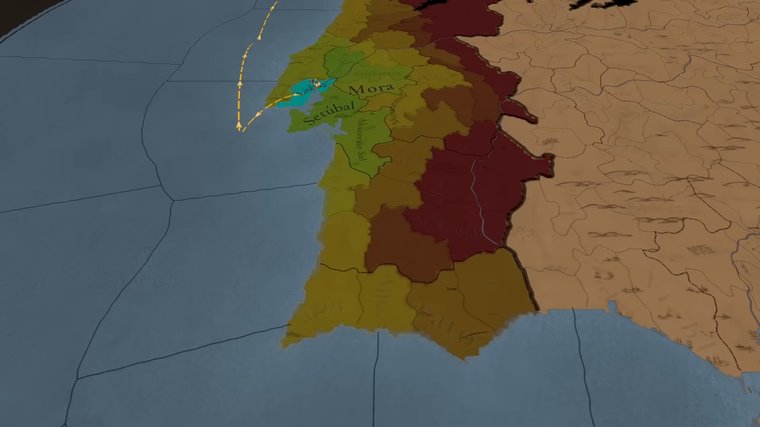
If you want to start calm and strong, choose Portugal. This country knows how to colonize, but it does it with cunning. It has great perks: trade companies launch quickly, especially on the coasts. For example, moving through West Africa, you capture profitable spots and gain access to thick stacks of money.
Another important point: Portugal can get fleet basing rights in distant ports, which gives more freedom to your fleet and helps control the seas. Grab a navigator advisor and steer into far-reaching expansions: fleets, discovering new seas, growing the empire, all under control.
Your strategy with Portugal:
- Use exploration ideas right away to discover lands and opportunities faster.
- Expand your increased colonial range; the farther you sail, the more profit you get.
- Set up trade routes through key nodes; valuable trade nodes should work for you.
- Control straits like the English Channel and watch how it gives bonuses to your fleet and trade.
Portugal is a great choice: not a super-large country, but with huge potential. Playing as it, you learn to manage both the sea and colonies at once. If you like the style of economic and naval power, this is the pick for you.
2. Castile: A Colonial Power With Strong Foundations

If you want to seriously accelerate, pick Castile. It starts in a strong position and can quickly enter the “big game.”
Key Features of Castile:
- It has excellent access to the Atlantic, which is convenient for reaching Central America and beyond.
- Keep up the colony pace: build colonial provinces, develop colonial growth, and you’ll gain power earlier than others.
- Interaction with Natives is important: be smart so you don’t start with rebellions.
- Use your neighbors: seize adjacent provinces from weak ones or in someone else’s sphere of influence.
- Develop colonial territory as your second ground, as a parent nation, Castile can profit from it.
- Working with religion also matters: make peaceful agreements, strong missions, and strengthen the crown.
- In diplomacy, a peaceful peace treaty with strong neighbors will let you focus on colonies instead of wars.
- And finally, establish control and expand your colonial building supply; the more land outside Europe, the bigger your scale.
If you want to see how games with such starts look, check out popular city‑building games; even if the genre is different, the ideas for empire development are similar.
3. England: Dominating the Seas and Expanding Globally
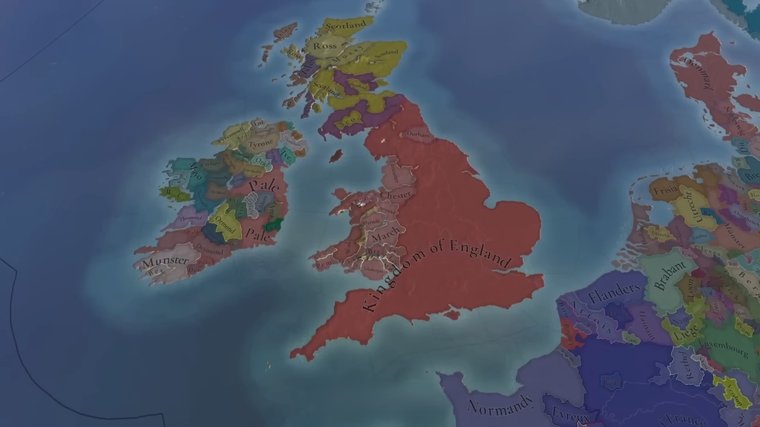
If you want to start aggressively and focus on the navy, pick England. This island-based power knows how to be a true naval superpower.
Your highlights with England:
- Strong navy, deploy heavy ships, storm the seas, and control everything around you.
- You’re on the coast and at sea, from the North Sea to the Atlantic, this is your home.
- Gain military access through allies and bases, which makes it easier for your navy and armies to operate.
- You can recruit troops and land units, but England’s strength often lies in the sea and in controlling trade routes.
- Goal: take control of trade hubs and colonies, and become a true superpower among the European powers.
Remember: other powers also want their share of the spoils: be ready for pressure from other provinces, attacks, and clever moves.
When needed, declare war and expand your holdings at the expense of weaker opponents.
If you want examples of powerful naval play and global reach, check out top-rated war games: inspiration comes not only on land, but also at sea.
4. France: Strong in Both Europe and the Americas
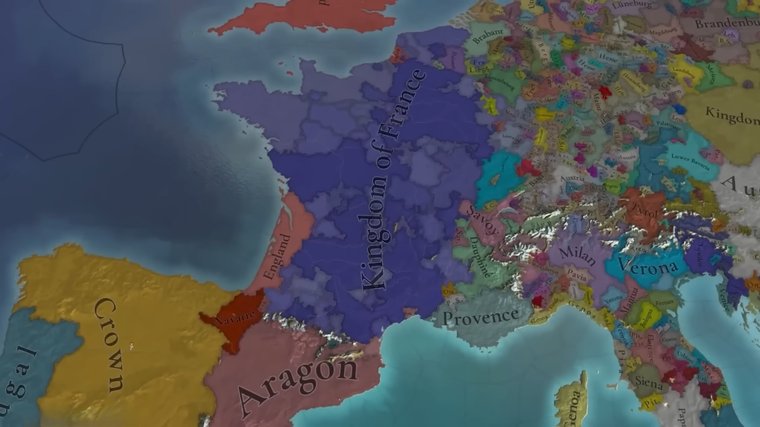
If you want to play a power with serious opportunities both in Europe and across the ocean, choose France. France can simultaneously conduct diplomacy and wars, colonize, and maintain control.
Here’s what’s important when playing as France:
- Create several large colonial nations, and they will work for you; some colonies can be transferred to them.
- The game isn’t just a colonial game with islands, but a global strategy: control Western Europe and colonies beyond it.
- Keep an eye on liberty desire in your colonies: if they want too much freedom, it can become a problem.
- Grab land in Europe to strengthen your position while also investing in overseas territories.
- Military victories give a war score, which helps in peace negotiations and expansion.
- Capture the West African coast or other profitable regions to secure bases.
- Working with Natives is important: good relations are cheaper than endless wars.
- Don’t forget to conduct exploration missions to discover new lands and start expansion early.
- And finally, keep direct control over key provinces: this helps you develop faster and dictate terms.
If you want to see how such empires grow worldwide and compare the style with another genre, check out great games like Civilization, there’s plenty of inspiration there.
5. The Netherlands: Economic Power Through Trade and Colonies
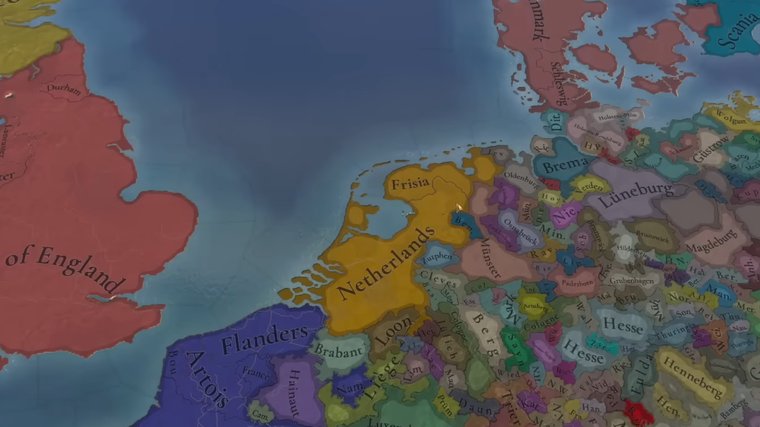
If you want to play not “I crush everyone on the battlefield” but “I make money first, then take over the world,” you pick the Netherlands. This country gives a perfect example of how trade + colonies = real success.
Why they’re awesome:
- Focus on Trade: The Netherlands know how to turn trade nodes into income.
- Grab rich provinces and key ports; they’re like ATMs.
- Build networks through valuable trade nodes so money flows into your capital.
- Expand into the east and distant regions; trade there can give the best growth.
- As smaller nations, they’re not as bulky as big empires and easier to manage.
- Play by region: study profitable regions, look for examples of a successful start.
- The form of your state can change: the economic base matters more.
- History shows that the Netherlands wasn’t an empire from the start, but they made the right move, traded first, and gained power later.
There’s a strategy behind the Netherlands: don’t take the whole map in the first move, grow the economy while others fight. Want ideas of how this looks outside EU5? Then check classic Paradox games, where you can see how smart economics leads to global power.
How Colonization Affects Trade and the Balance of Power in the World
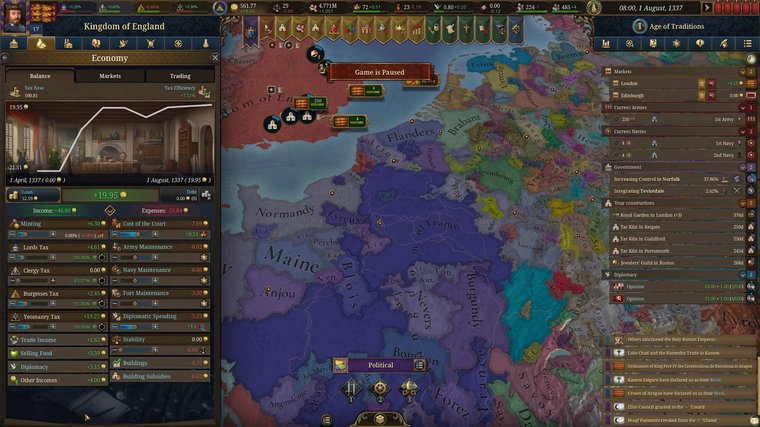
Colonization in EU5 is not just “land grabbing.” It’s a powerful tool for controlling trade, the economy, and power in the world. If you want to level up your strategy and see how fun it is to manage colonies, check out top-rated RTS games. There are lots of ideas for tactics and territory management.
Here’s what it affects:
- Control over valuable trade nodes = more money and resources.
- Colonies give an advantage over European powers and other colonizer countries.
- Establish outposts on different continents to strengthen your empire.
- Managing colonies affects your ability to wage war and protect your interests.
- The right ideas for colonization and trade help build strong routes and an economy.
- Strong colonies provide access to resources and increase influence on the global map.
See how it all works together: colony + trade + ideas = control over the world. For inspiration and examples of global strategy, check notable grand strategy games; there are real lessons in empire management.
Common Challenges in Colonization and How I Overcame Them
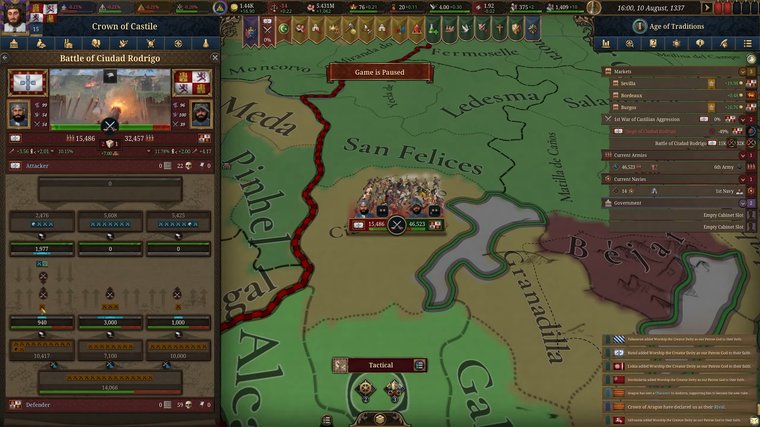
In this section, I want to share the main challenges I faced while colonizing in Europa Universalis 5 and how I managed to overcome them.
| Common Challenges | Description | How I dealt with it |
| Colonial Unrest and Native Resistance | In EU5, colonization isn’t just about planting flags. I often ran into real resistance from local populations and cultural conflicts. One major problem for me was colonial unrest, especially in regions with large native populations (Natives) or incompatible cultures. | I chose regions with fewer natives or more compatible culture/religion to reduce friction.I established strong garrisons and developed infrastructure early to maintain control.I used diplomacy or trade to pacify local populations instead of relying solely on conquest.I focused on concentrated colonial territories rather than scattered settlements, which allowed strong colonial nations to form. |
| Liberty Desire and Colonial Nations | When my overseas territories grew, I formed colonial nations, which started acting semi-autonomously. Sometimes they developed a high “liberty desire,” and rebellion became a risk. | I supported colonial nations by investing in infrastructure and ensuring trade benefited both them and me.I avoided expanding too quickly, large territories with weak oversight increase liberty desire.I used ideas and policies aimed at integrating colonies to reduce unrest and boost loyalty. |
| Attrition, Logistics, and Environment | Even after founding a colony, maintaining it was harder than just conquering land. In EU5, I had to deal with climate, disease, remoteness, and attrition of troops and settlers. | I selected settlement locations with temperate climates and avoided tropical regions early on.I built infrastructure (ports, hospitals, sanitation) to reduce disease and suffer attrition.I maintained supply lines and naval routes, remote colonies were more resource-intensive.I paused expansion when logistics and infrastructure couldn’t keep up with growth. |
| Declaring War and Overstretch | Sometimes I was tempted to seize rich colonies through war, but this often backfired. Overstretching, wars across continents, and high maintenance led to instability. | I prioritized consolidation over rapid expansion.Before declaring war overseas, I ensured naval superiority and had a clear supply/fortification plan.I used wars strategically, choosing targets that strengthened my colonial trade routes and resource chain. |
| Past Mistakes and Long-Term Consequences | Since EU5 simulates multiple systems (population, culture, disease, trade), mistakes can have delayed consequences. Ignoring early warning signs (unrest, disease outbreaks, trade decline) made recovery almost impossible. | I regularly monitored key indicators: colonial income, control of trade nodes, population growth, and unrest.When a colony had persistent problems, I either adjusted my strategy or invested heavily to fix the situation.I was always ready to form a colonial nation or integrate territories at the right time, shifting from pure expansion to sustainable governance. |
For more detailed strategies and examples of colonization, I often referred to the Europa Universalis 5 complete guide: tips and tricks, which covers all aspects of managing a colonial empire.
Best Practices for Optimizing Your Colonization Strategy
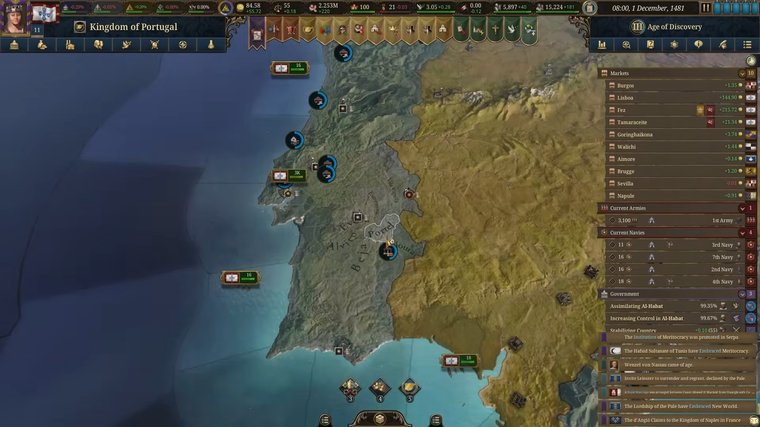
Colonization in EU5 is like managing a small empire. If you do everything right, colonies will grow on their own and generate profit. Tips for optimization:
- Watch your colonial growth, this determines how quickly colonies become self-sufficient.
- Expand increase colonial range to discover new lands and provinces.
- Use fleet basing rights to protect your navy and expand trade routes.
- Upgrade coring range to integrate new lands into the mother country faster.
- Control valuable trade nodes, money will flow into the treasury on its own.
- Keep direct control over key colonies so they don’t spread into independent regions.
- Focus development on the East and other profitable regions for maximum gain.
- Remember super power: smart management of colonies and resources makes you a global power.
- Use institutions so colonies develop faster and provide bonuses.
Simple steps, and your colonies will work for you without extra hassle.
Conclusion
Mastering colonization in EU5 goes far beyond simply taking territory. The most efficient empires follow an exact formula that combines early exploration, colonial range control, trade steering, autonomy management, and long-term stability. A colony that grows into a profitable asset is planned, not rushed.
Nations such as Portugal, Castile, and England thrive when expansion is paired with naval protection, trade company infrastructure, and loyalty control in colonial nations.
Players who win consistently avoid random land grabs. Instead, they synchronize mission timing, idea unlocks, range breakpoints, and regional priorities. Growth must be sustainable, especially when liberty desire, unrest, or distant supply chains threaten expansion.
Future updates and expansions, like the Third Rome DLC or content similar to the Rome DLC, will likely add even more depth to diplomacy and territorial strategy, making careful planning even more critical.
Even if you started experimenting hours ago, the fastest progression comes from structure rather than trial and error. And if you want to start playing right away and test your skills in practice, check out Eneba and get a key for Europa Universalis 5.
FAQs
To colonize in EU5, select a colonial region and send settlers to available colonial provinces. Colonization lets European colonizers expand their land in the New World and other territories.
Colonization in EU5 is more strategic, considering the following factors, like core range and institutions. Unlike EU4, managing colonial provinces and controlling land is more important for European colonizers.
European countries such as Spain, Portugal, and England are the best for colonization. These nations can claim multiple colonial provinces and expand into the New World or Indian nations effectively.
Start by choosing a nearby colonial region and sending settlers to one of the five provinces available. This gives your countries a strong base for colonization and further expansion.
Colonizing distant lands brings resistance from local nations and difficult terrain. You also need to manage your colonial provinces and resources carefully to keep growth steady.
Focus on increasing colonial growth and controlling key land in strategic regions. Efficiency depends on the following factors: trade nodes, institutions, and support from European colonizers.