10 Best Games With Skill Trees for Every Playstyle


When I jump into an RPG, the skill tree is often the thing that keeps me playing late into the night. Spending skill points on new spells or attacks feels like carving my own path through a video game world. I have poured many hours into games with skill trees, experimenting with different character builds, and enjoying the sense of growth that comes from unlocking various skills. My research also included reading forums and watching countless playthroughs to see how these systems work for different players. In this guide, I’ll share the best games with skill trees I’ve played and studied, and explain what makes each one special so you can find your next adventure.
Our Top Picks
I’ve spent days testing and replaying role‑playing games to understand how their skill systems shape the overall journey. After comparing dozens of titles and listening to gamer feedback, these three stood out as the most compelling. Each delivers a unique mix of combat, narrative, and progression that highlights how a skill tree can transform your playstyle.
- The Witcher 3: Wild Hunt [Best for Deep Storytelling and Robust Skill Trees] – This sweeping open‑world fantasy combines a rich story with four distinct skill trees. You spend points on combat, magic, alchemy, and general skills to craft Geralt into the monster hunter you want.
- Divinity: Original Sin II [Best for Tactical Freedom and Team Synergy] – Build your party from scratch, mix and match skills from many schools of magic and combat, and watch as the flexible turn‑based system rewards creativity.
- Diablo IV [Best for Modern Action RPG Customization] – Blizzard’s latest action RPG lets you sculpt characters through sprawling skill trees for each class, which makes every build feel distinct as you fight hordes of demons.
Jump to:
Games With Skill Trees: Ranking the Deepest Skill Systems
I ranked these games by looking at how they appear in search results, how often players recommend them on forums, and how polished their skill systems feel in practice. I also considered performance, updates, and whether you can easily buy them online. Some titles share a score when they offer similar quality. Here’s the full rundown.
- The Witcher 3: Wild Hunt [Best for Deep Storytelling and Robust Skill Trees]
| Our Score | 10
☆
★
☆
★
☆
★
☆
★
☆
★
☆
★
☆
★
☆
★
☆
★
☆
★
|
| Platforms | PC, PlayStation 4, PlayStation 5, Xbox One, Xbox Series X/S, Nintendo Switch |
| Year of Release | 2015 |
| Creator/s | Developed by CD Projekt Red; published by CD Projekt |
| Average Playtime | Around 50 hours for the main story; 100 hours for completionists |
| Metacritic Score | 93 |
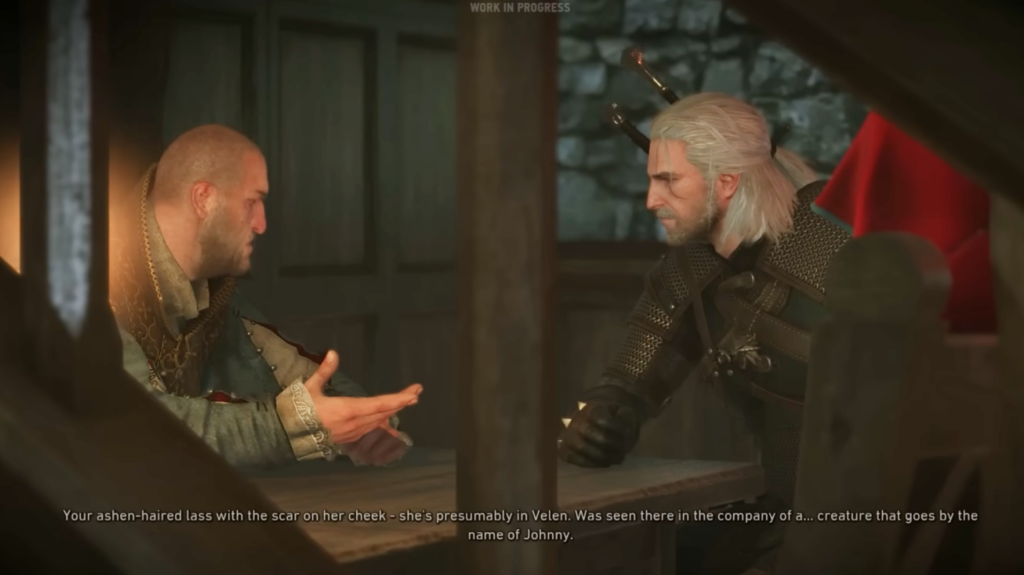
In this open‑world RPG where you play as Geralt of Rivia, a monster hunter navigating a war‑torn land. The game uses four separate skill trees: combat, signs (magic), alchemy, and general abilities. As you progress, you earn skill points that can be allocated to enhance sword techniques, cast more powerful spells, or brew better potions. The depth of these trees means you can build Geralt as a nimble swordmaster, a powerful mage, or a balanced hunter. Each skill choice changes the way you approach fights and shapes your character’s role in the wild hunt.
| Why We Chose It |
| We loved how The Witcher 3 combines a sprawling narrative with meaningful skill choices. During my playthroughs, tinkering with different builds made subsequent runs feel fresh, and community discussions often praise how the four trees let you specialize without locking you out. |
Beyond its mechanics, the game tells a mature story full of moral choices. NPCs remember your actions, and multiple endings depend on how you resolve quests. The world feels alive, with villages under siege, forests filled with beasts, and cities bustling with traders. Its expansion packs add even more content, including new skills and gear. Performance on modern consoles and PC is smooth, and the developer has released free updates that improve graphics and add quality‑of‑life features.
For fans of intricate action RPGs, our look at games like Path of Exile explores more loot-driven progression systems.
Final Verdict: If you crave a rich story, tough decisions, and a character whose skills evolve in meaningful ways, The Witcher 3 delivers. Its flexible skill trees and expansive world make it a must‑play for anyone who wants to master a variety of abilities.
Get The Witcher 3: Wild Hunt on Eneba
- Divinity: Original Sin II [Best for Tactical Freedom and Team Synergy]
| Our Score | 9.5
☆
★
☆
★
☆
★
☆
★
☆
★
☆
★
☆
★
☆
★
☆
★
☆
★
|
| Platforms | PC, PlayStation 4, Xbox One, Nintendo Switch |
| Year of Release | 2017 |
| Creator/s | Developed and published by Larian Studios |
| Average Playtime | Around 60 hours for the main story; over 100 hours for completionists |
| Metacritic Score | 93 |
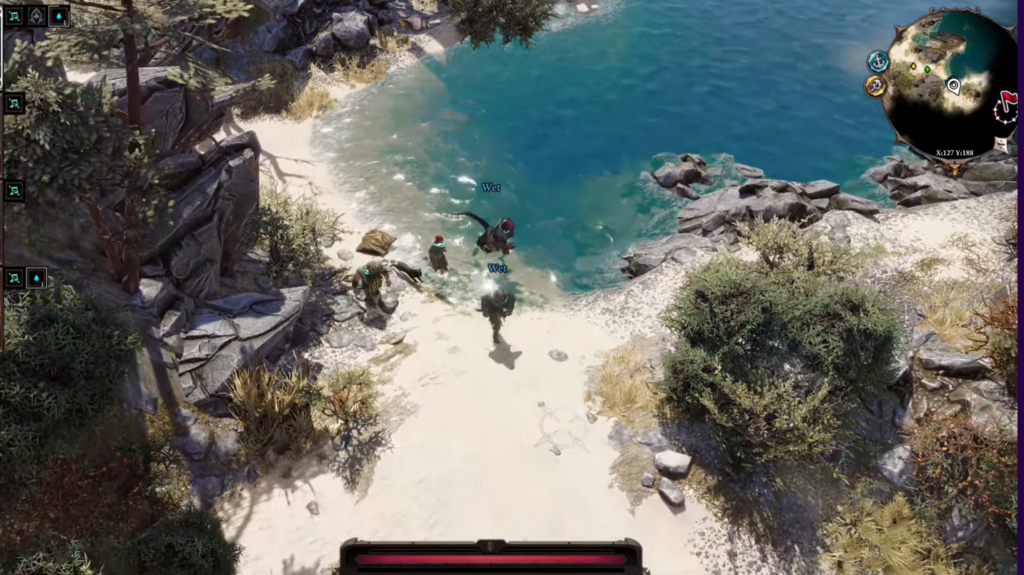
Divinity: Original Sin II is a top‑down fantasy RPG that rewards experimentation. You create a party of up to four characters, each with their own backgrounds and motives, and then build them using a mix of skill trees from diverse schools such as warfare, hydrosophist, necromancer, and polymorph. Because you aren’t limited by class, you can allocate skill points freely: mix healing spells with close‑range combat or blend summoning with stealth. The game’s environment reacts to your actions; combining water spells with electricity stuns enemies, while setting poison clouds on fire creates explosive hazards.
| Why We Chose It |
| We enjoyed the freedom of Divinity II because every skill point felt meaningful, and players could mix abilities from any school. Our sessions produced surprising strategies, and the community often shares creative builds that break the mold. |
The turn‑based combat encourages planning and teamwork. Positioning matters, and the order in which you take turns can decide the outcome of a difficult encounter. Outside battle, you interact with NPCs through detailed dialogue options, often using skills like persuasion or intelligence to unlock new paths. Co‑op play lets friends control different party members, and the Game Master mode enables players to create their own campaigns, adding replay value. Performance is solid on all platforms, and updates have polished the interface and balance.
Final Verdict: If you love tactical combat, rich world-building, and the ability to craft any role you imagine, Divinity: Original Sin II belongs at the top of your list. Its flexible skill system and cooperative options make it a standout for players who enjoy planning and experimentation.
Get Divinity: Original Sin II on Eneba
- Diablo IV [Best for Modern Action RPG Customization]
| Our Score | 9.0
☆
★
☆
★
☆
★
☆
★
☆
★
☆
★
☆
★
☆
★
☆
★
☆
★
|
| Platforms | PC, PlayStation 4, PlayStation 5, Xbox One, Xbox Series X/S |
| Year of Release | 2023 |
| Creator/s | Developed and published by Blizzard Entertainment |
| Average Playtime | Around 35 hours for the campaign; ongoing endgame content adds hundreds more |
| Metacritic Score | 88 |
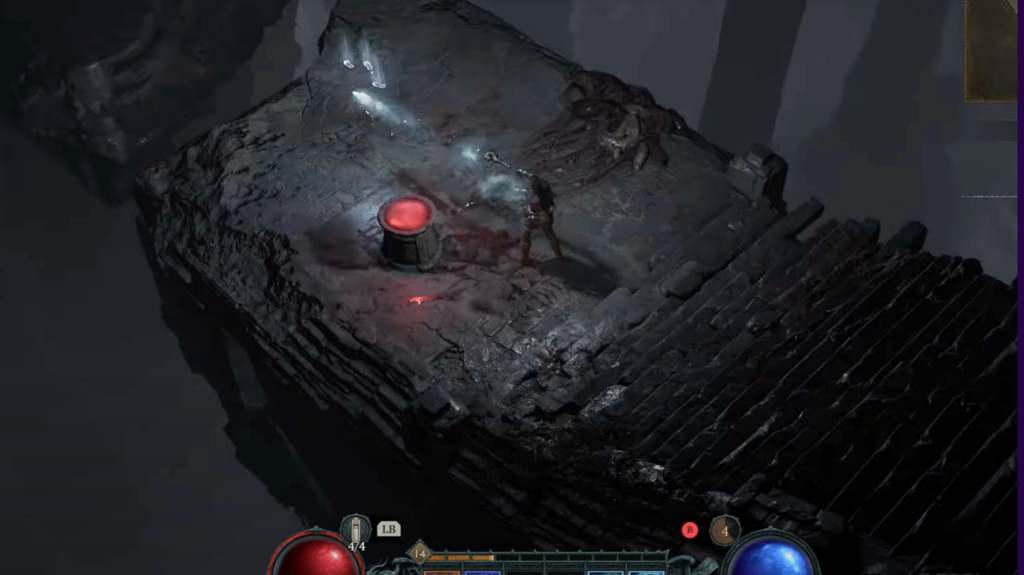
Diablo IV is the latest entry in Blizzard’s legendary action RPG series. You choose from classes like Barbarian, Sorcerer, Druid, Rogue, or Necromancer, each with a sprawling skill tree that branches into multiple paths. As you fight demons and complete quests, you earn points to unlock new active skills and passive perks. The system encourages you to specialize: you might focus a Barbarian on whirlwind attacks or build a Sorcerer around ice spells. You can also respec, which lets you try different builds without starting over.
| Why We Chose It |
| We chose Diablo IV because its skill trees offer both depth and flexibility. We enjoyed how each class felt distinct, and respecs allowed us to fine‑tune builds after finding legendary items; players love chasing perfect gear. |
The game’s dark world is open and shared, which allows you to encounter other players or team up for world events. Seasonal updates add new content and fresh mechanics, which makes the endgame feel alive. Loot plays a big role; gear modifies skill performance and can unlock new legendary affixes. While always‑online requirements may not appeal to everyone, smooth performance and cross‑play support across consoles and PC make it easy to jump in with friends.
Final Verdict: Fans of loot‑driven action RPGs will find plenty to love in Diablo IV. Its modern graphics, constant updates, and satisfying skill progression make it a worthy successor that keeps you coming back for more.
- The Elder Scrolls V: Skyrim [Best for Open‑World Freedom]
| Our Score | 8.5
☆
★
☆
★
☆
★
☆
★
☆
★
☆
★
☆
★
☆
★
☆
★
☆
★
|
| Platforms | PC, PlayStation 3, PlayStation 4, PlayStation 5, Xbox 360, Xbox One, Xbox Series X/S, Nintendo Switch |
| Year of Release | 2011 |
| Creator/s | Developed by Bethesda Game Studios; published by Bethesda Softworks |
| Average Playtime | Around 30 hours for the main story; easily over 100 hours with side quests and mods |
| Metacritic Score | 94 |
Skyrim drops you into a huge Nordic province with the freedom to go anywhere. Instead of a traditional skill tree, it uses constellations called perk trees. As you use skills like one‑handed weapons, archery, or sneaking, those skills level up. Each time you gain a character level, you earn a perk point to spend on a constellation, which unlocks new powerful bonuses. The result is an organic system where your playstyle shapes your character’s growth.
| Why We Chose It |
| We picked Skyrim because it embodies open‑world freedom and its perk system grows through use. Getting lost exploring and levelling skills naturally made every discovery feel rewarding. |
The world is packed with dungeons, dragons, and secrets to uncover. You can join guilds, craft weapons, build a house, or just wander. The Special Edition and Anniversary Edition improve graphics and add community‑made mods. While combat can feel simple compared to later games, the freedom and variety of quests keep Skyrim popular. Performance on current consoles is solid, and it even runs on handhelds like the Switch.
If you love exploration, our open-world RPG recommendations highlight worlds that reward curiosity.
Final Verdict: If you want a massive world where your abilities grow naturally through use, Skyrim remains unmatched. Its perk system offers enough depth to let you focus on combat, stealth, or magic while still allowing you to try everything.
Get The Elder Scrolls V: Skyrim on Eneba
- Horizon Zero Dawn (Complete Edition) [Best for Post‑Apocalyptic Exploration]
| Our Score | 8.5
☆
★
☆
★
☆
★
☆
★
☆
★
☆
★
☆
★
☆
★
☆
★
☆
★
|
| Platforms | PC, PlayStation 4, PlayStation 5 |
| Year of Release | 2017 |
| Creator/s | Developed by Guerrilla Games; published by Sony Interactive Entertainment |
| Average Playtime | About 40 hours for the main story and side quests |
| Metacritic Score | 89 |
Horizon Zero Dawn casts you as Aloy, a hunter exploring a lush world overrun by robotic beasts. The game combines ranged combat, stealth, and traps. Its skill tree is divided into three branches: Prowler, Brave, and Forager. You can spend points to improve stealth, enhance ranged attacks, or craft more efficiently. By the time you reach later areas, Aloy can silently take down bigger machines, lay complex trap networks, or shoot mid‑air.
| Why We Chose It |
| I chose Horizon because its skill tree complements the flow of combat and exploration. Planning ambushes and unlocking new abilities changed how I approached fights, and players appreciate its balance of story and progression. |
The Complete Edition includes the Frozen Wilds expansion, adding new areas, machines, and skills. The world invites exploration, with caves to dive, tribes to meet, and a mystery about the old world to solve. Performance on PC is much improved after patches, and the PlayStation version remains smooth. The mix of responsive combat and meaningful upgrades makes each fight feel rewarding.
Final Verdict: Horizon Zero Dawn is perfect for players who want to explore a beautiful world while developing a versatile hunter. Its three skill branches offer clear paths without feeling restrictive, and the story keeps you moving forward.
Get Horizon Zero Dawn (Complete Edition) on Eneba
- Pillars of Eternity II: Deadfire [Best for Classic RPG Fans]
| Our Score | 8.0
☆
★
☆
★
☆
★
☆
★
☆
★
☆
★
☆
★
☆
★
☆
★
☆
★
|
| Platforms | PC, PlayStation 4, Xbox One, Nintendo Switch |
| Year of Release | 2018 |
| Creator/s | Developed by Obsidian Entertainment; published by Versus Evil |
| Average Playtime | Around 60 hours for the main story; more with side content |
| Metacritic Score | 88 |
Deadfire continues the isometric RPG tradition with a rich narrative and deep character systems. Classes such as Ranger, Paladin, and Wizard have their own ability trees, and you can choose multiclass options to combine two archetypes. Each level grants skill points to unlock active abilities or passive bonuses, which allow for fine‑tuned builds. You command a ship across a vast archipelago and make choices that may fully affect factions and story outcomes.
| Why We Chose It |
| We picked Deadfire because it respects classic CRPG roots while modernising the experience. Building multiclass characters felt rewarding, and community discussions highlight how combinations lead to unique strategies. |
Combat can be played in real time with pause or full turn‑based mode, which offers added flexibility. Your companions also have their own skill paths, and you can influence their development. Mod support on PC adds new content and balance tweaks. While console performance can be uneven, patches have improved stability.
Final Verdict: Fans of old‑school role‑playing will appreciate Pillars of Eternity II: Deadfire. The ability trees support countless builds, and the sprawling story and world make it worth sailing the Deadfire Archipelago.
Get Pillars of Eternity II: Deadfire on Eneba
- Cyberpunk 2077 [Best for Open‑Ended Builds in a Sci‑Fi World]
| Our Score | 8.0
☆
★
☆
★
☆
★
☆
★
☆
★
☆
★
☆
★
☆
★
☆
★
☆
★
|
| Platforms | PC, PlayStation 4, PlayStation 5, Xbox One, Xbox Series X/S, Stadia |
| Year of Release | 2020 |
| Creator/s | Developed and published by CD Projekt Red |
| Average Playtime | Around 30 hours for the main story; 60 hours with side content |
| Metacritic Score | 86 on PC (lower on older consoles) |
Set in the neon streets of Night City, Cyberpunk 2077 lets you create V, a mercenary with cybernetic enhancements. Skill points are distributed across attributes like Body, Reflexes, Technical Ability, Intelligence, and Cool and each unlocks multiple perk trees. You decide whether to specialize in hacking, heavy weapons, stealth, or crafting. Over time, perk points let you unlock abilities such as double jumps, faster reloading, or stronger quickhacks.
| Why We Chose It |
| We chose Cyberpunk because its attributes and perk trees allow diverse playstyles. Specializing in hacking or melee led to vastly different approaches, and players enjoy experimenting with cyberware and perks. |
Since launch, numerous patches have improved stability and added features. The Phantom Liberty expansion introduces new storylines, locations, and skills. Driving through the city feels immersive, and side quests offer meaningful choices. The skill system encourages replay because different builds change the way you approach missions. While the game launched with technical issues, it now performs well on modern platforms.
Final Verdict: If you enjoy crafting your own path in a sprawling sci‑fi city, Cyberpunk 2077 offers a flexible skill system. With its improved performance and upcoming content, it’s a strong choice for players who love both story and character customisation.
- Assassin’s Creed Valhalla [Best for Historical Adventure and Long‑Term Progression]
| Our Score | 8.0
☆
★
☆
★
☆
★
☆
★
☆
★
☆
★
☆
★
☆
★
☆
★
☆
★
|
| Platforms | PC, PlayStation 4, PlayStation 5, Xbox One, Xbox Series X/S, Stadia |
| Year of Release | 2020 |
| Creator/s | Developed by Ubisoft Montreal; published by Ubisoft |
| Average Playtime | Around 50 hours for the main story; over 100 hours with side activities |
| Metacritic Score | 84 |
Assassin’s Creed Valhalla follows Eivor, a Viking raider settling in England. The skill tree here is a web of nodes that represent branches of Bear, Wolf, and Raven, corresponding to heavy melee, ranged, and stealth playstyles. As you gain power, you reveal more of the web, choosing abilities like chain assassinations, ranged stun attacks, or enhanced counter hits. Gear and runes further customize your build.
| Why We Chose It |
| Valhalla made the list because its branching skill web feels like uncovering a map of Viking prowess. We tailored Eivor to our style and focused both on stealth and heavy combat. The overall progression kept us invested more than usual. |
The game world is massive, filled with monasteries to raid, castles to conquer, and mysteries to solve. Settlement management adds another layer and lets you build and upgrade structures that unlock bonuses. Ubisoft continues to support the game with expansions such as Wrath of the Druids and Dawn of Ragnarok, each introducing new skills. Performance on new consoles is strong, though the size of the world can feel daunting.
Final Verdict: Those who love historical settings and long campaigns will find Valhalla rewarding. Its sprawling skill web and equipment systems offer plenty of depth, though the sheer size may overwhelm newcomers.
Get Assassin’s Creed Valhalla on Eneba
- Dragon Age: Inquisition [Best for Party‑Based Fantasy]
| Our Score | 7.5
☆
★
☆
★
☆
★
☆
★
☆
★
☆
★
☆
★
☆
★
☆
★
☆
★
|
| Platforms | PC, PlayStation 3, PlayStation 4, Xbox 360, Xbox One |
| Year of Release | 2014 |
| Creator/s | Developed by BioWare; published by Electronic Arts |
| Average Playtime | Around 40 hours for the main story; up to 80 hours with side quests |
| Metacritic Score | 85 |
In Dragon Age: Inquisition, you lead the Inquisition against a world‑ending threat. You choose a class (Warrior, Rogue, or Mage) and then select specializations like Champion or Necromancer, each with its own skill tree. Your companions also have trees, which lets you shape a balanced party. The combat blends real‑time action with strategic pausing, and different difficulties change the pace from casual to tactical.
| Why We Chose It |
| We included Inquisition because it balances party management and story. Building a team and experimenting with specializations kept us engaged, and fans appreciate the mix of real‑time and tactical play. |
Choices matter in dialogue and in the war table missions you assign. The large zones encourage exploration, with hidden dungeons and dragon fights offering tough challenges. While some systems feel dated compared to newer games, the combination of party management and skill progression still holds up. Performance is solid on PC and older consoles; backward compatibility allows play on new systems.
Final Verdict: Dragon Age: Inquisition is ideal for players who enjoy managing a team and shaping a narrative through choices. The skill trees may be simpler than those of newer games, but they still offer enough variety to keep combat interesting.
Get Dragon Age: Inquisition on Eneba
- Nioh 2 [Best for Challenging Combat and Customization]
| Our Score | 7.5
☆
★
☆
★
☆
★
☆
★
☆
★
☆
★
☆
★
☆
★
☆
★
☆
★
|
| Platforms | PlayStation 4, PlayStation 5, PC |
| Year of Release | 2020 |
| Creator/s | Developed by Team Ninja; published by Koei Tecmo |
| Average Playtime | Around 50 hours for the main story; 80 hours for completionists |
| Metacritic Score | 85 |
Nioh 2 is an action RPG that builds on souls‑like combat with deep customization. You create a samurai who can use different weapon stances and yokai abilities. The skill tree system is divided by weapon type and magic, so investing points improves your proficiency with swords, axes, odachis, or ninjutsu. You also unlock yokai skills by absorbing souls from defeated demons. This layered progression lets you tailor a build that balances speed, power, and supernatural attacks.
| Why We Chose It |
| We added Nioh 2 for players who enjoy a challenge and deep customization. Combining weapon stances with yokai abilities felt rewarding, and the community praises how the skill trees support diverse approaches. |
Levels are set in myth‑tinged Japan, with dangerous enemies around every corner. You can summon help from other players or AI spirits, though much of the satisfaction comes from mastering bosses yourself. Gear plays a big role; set bonuses encourage experimentation and give you reasons to replay missions. While the difficulty can be daunting, practice and thoughtful skill allocation make victory feel earned.
For those who prefer playing on PC, our curated PC RPG list gathers some of the best adventures you can jump into right now.
Final Verdict: Those seeking a tough but rewarding action RPG will find Nioh 2 compelling. Its skill and stance systems let you adapt to any boss, and the sense of mastery after a hard fight is unmatched.
How We Picked and Tested Skill Tree Games
When narrowing down which skill tree games to highlight, we wanted to balance both popularity and depth. We began with the games we already played and then proceeded by looking at the titles that players are actively discussing and recommending in community spaces like Reddit and Quora. From there, we explored what other curated lists considered essential, then went hands-on with the games to see how they played.
In testing, our focus was on how flexible and rewarding each skill tree felt. A good system should let you experiment with different builds without punishing mistakes, while still offering enough complexity to keep long-term play interesting. We also paid attention to how updates shaped the experience, since regular content and balance changes can keep a game feeling fresh.
Performance and accessibility played a role in our evaluation as well. Games that run smoothly across a range of hardware, without sacrificing depth, ranked higher for us. Ultimately, our goal was to spotlight titles that truly integrate skill trees into the heart of the gameplay.
Our Verdict on the Games With Skill Trees
After digging into dozens of titles, three games stand out. The Witcher 3: Wild Hunt remains my personal favorite for its robust skill trees and gripping story. Divinity: Original Sin II offers unmatched tactical freedom and endless build creativity. Diablo IV combines slick action with modern customization and seasonal support. Each of these titles evokes different emotions: The Witcher 3 draws you in with its characters, Divinity excites you with its possibilities, and Diablo keeps you chasing the next epic drop. They each offer hundreds of hours of play and prove that skill trees can make or break an RPG.
FAQs
What is a skill tree in video games?
To explain what a skill tree in video games is, think of it as a visual map of abilities that your character can unlock. It lets you spend skill points to learn new moves or improve stats, often branching into different paths for varied playstyles.
Which game has the best skill tree?
The game that has the best skill tree will depend on personal taste, but many players praise The Witcher 3 and Divinity II for depth and freedom. These titles let you invest points in multiple branches and shape combat and magic while also supporting abilities in meaningful ways.
How do skill points work in RPG games?
Skill points in RPG games work by allowing you to unlock or upgrade abilities as you level up. You earn points through experience or quests and then allocate them to specific skills, which enhances your character’s combat, crafting, or magic.
Are skill trees necessary in modern games?
No, skill trees are not necessary in modern games, but they add depth and customization. Many developers include them to give players control over progression, while others use simpler systems like perk cards or linear upgrades.
How do I choose a skill tree in The Witcher 3?
To choose a skill tree in The Witcher 3, decide whether you want to focus on combat, signs, alchemy, or general abilities. Then spend points on the branch that matches your preferred playstyle, remembering that you can mix branches to create a balanced build.