

The Last of Us Part 1 Game Review: A Beautiful Remake




Disclaimer: The following review may contain spoilers for the first season of The Last of Us.
Over the past decade, The Last of Us has been released three different times – first on the PS3, then remastered for PS4, and now rebuilt from the ground up for the PS5 and PC. That unusual journey sets the stage for this The Last of Us Part 1 game review, because the big question isn’t whether the game is good; that was settled years ago.
What matters now is whether this remake justifies its existence.
The short answer: this is unquestionably the best version of the game ever made, with dramatically improved visuals, smarter AI behavior, and a more immersive presentation overall. At the same time, it’s also the easiest version to skip if you’ve already played the story before.
Jump to:
TL;DR – The Last of Us Part 1 Game Review Overview
| Core gameplay identity | A cinematic survival action-adventure where stealth, scavenging, and tense encounters drive Joel and Ellie’s journey through a ruined America. |
| Biggest upgrades | A full visual rebuild with modern lighting, detailed character models, improved enemy AI behavior, accessibility options, and immersive DualSense features on PS5. |
| Main criticisms | Core gameplay systems remain very close to the 2013 original, meaning combat depth and puzzle design can feel dated for returning players. |
| Clear verdict | The definitive version of a storytelling classic – visually stunning and emotionally powerful, even if veterans may not feel compelled to replay it again. |
The Last of Us Part 1: A Masterpiece Polished to a Mirror Finish
| Genre | Cinematic action-adventure, survival horror |
| Core loop | Explore, scavenge supplies, craft tools, and survive tense stealth-driven encounters |
| Biggest strength | Emotional storytelling and character performances |
| Biggest weakness | Gameplay systems remain close to the 2013 original |
| Platform & release | PS5 (2022), PC (2023) |
| Best for | Story-focused players and fans of narrative-driven survival games |
| Clear verdict | The definitive version of a modern storytelling classic |
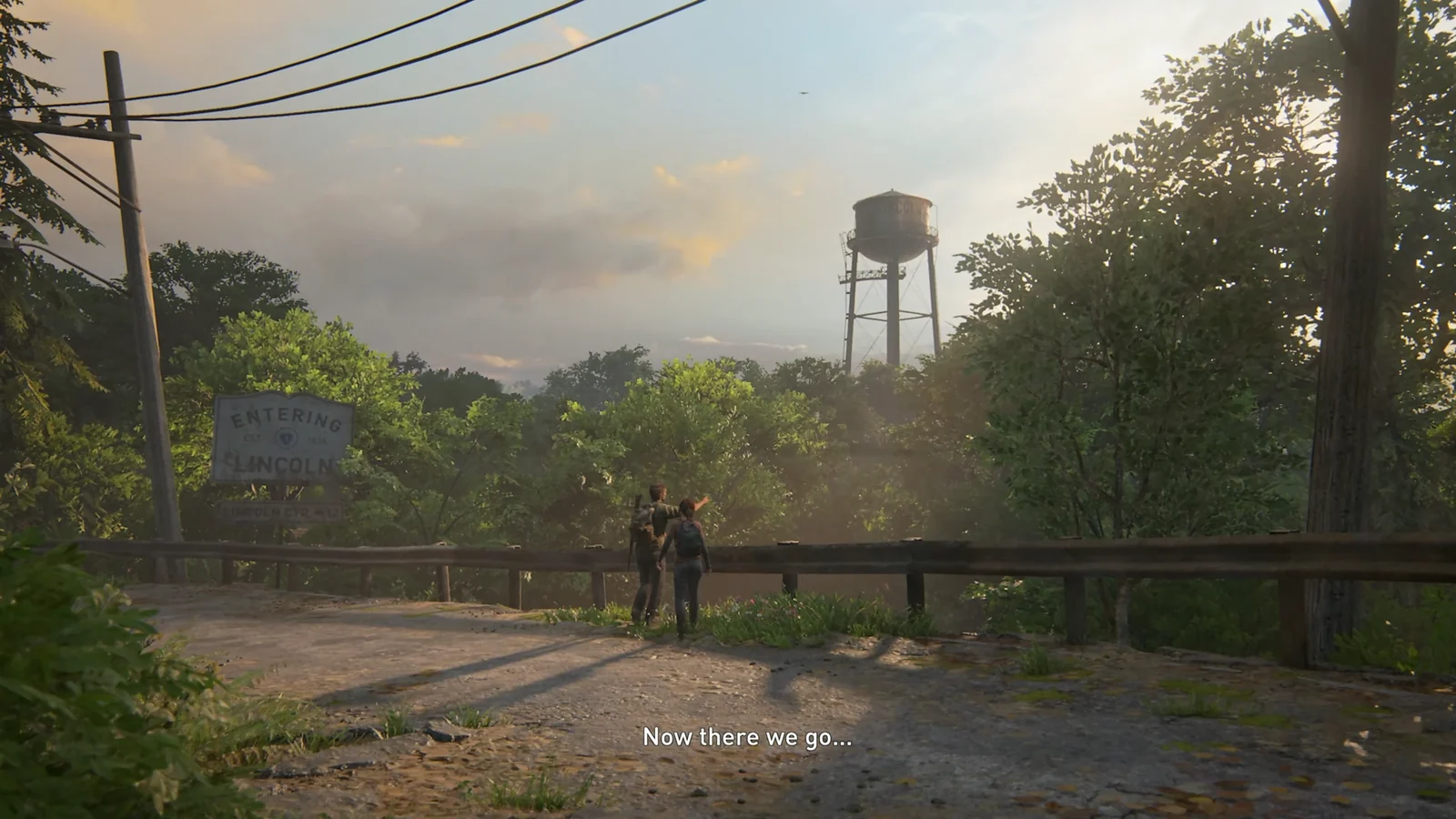
Originally released in 2013 and rebuilt for PS5 and PC, The Last of Us Part I revisits Naughty Dog’s iconic survival story with a full visual overhaul and modernized systems. Players guide Joel and Ellie across a devastated America, balancing stealth combat, resource crafting, and emotional storytelling.
Rather than a simple resolution bump, this version uses superior lighting and facial animation to deepen the game’s famous intimacy. It is a meticulous reconstruction that preserves the 2013 gameplay loop while ensuring the atmosphere and performances finally match the cinematic ambition of the original vision.
For newcomers who’ve read my The Last of Us (Season 1) review, this remains one of gaming’s most powerful narrative experiences. I’d call it the definitive way to play a modern classic even if veterans don’t feel the absolute need to relive it yet again.
The Punishing Perfection of Survivor Mode
The first thing The Last of Us Part I taught me is that playing it like a shooter is a mistake. The moment I tried to go full action hero, everything collapsed. Ammo disappeared in seconds, enemies swarmed me, and a Clicker ended the fight instantly.
I’ve learned the hard way that combat becomes a careful mix of stealth, brutal melee, and desperate gunplay. Crafting is essential. Molotovs clear infected groups, shivs save you from Clickers, and nail bombs can instantly turn a bad situation around.
Mind you, resources are intentionally scarce, which keeps the tension high and forces constant scavenging decisions.
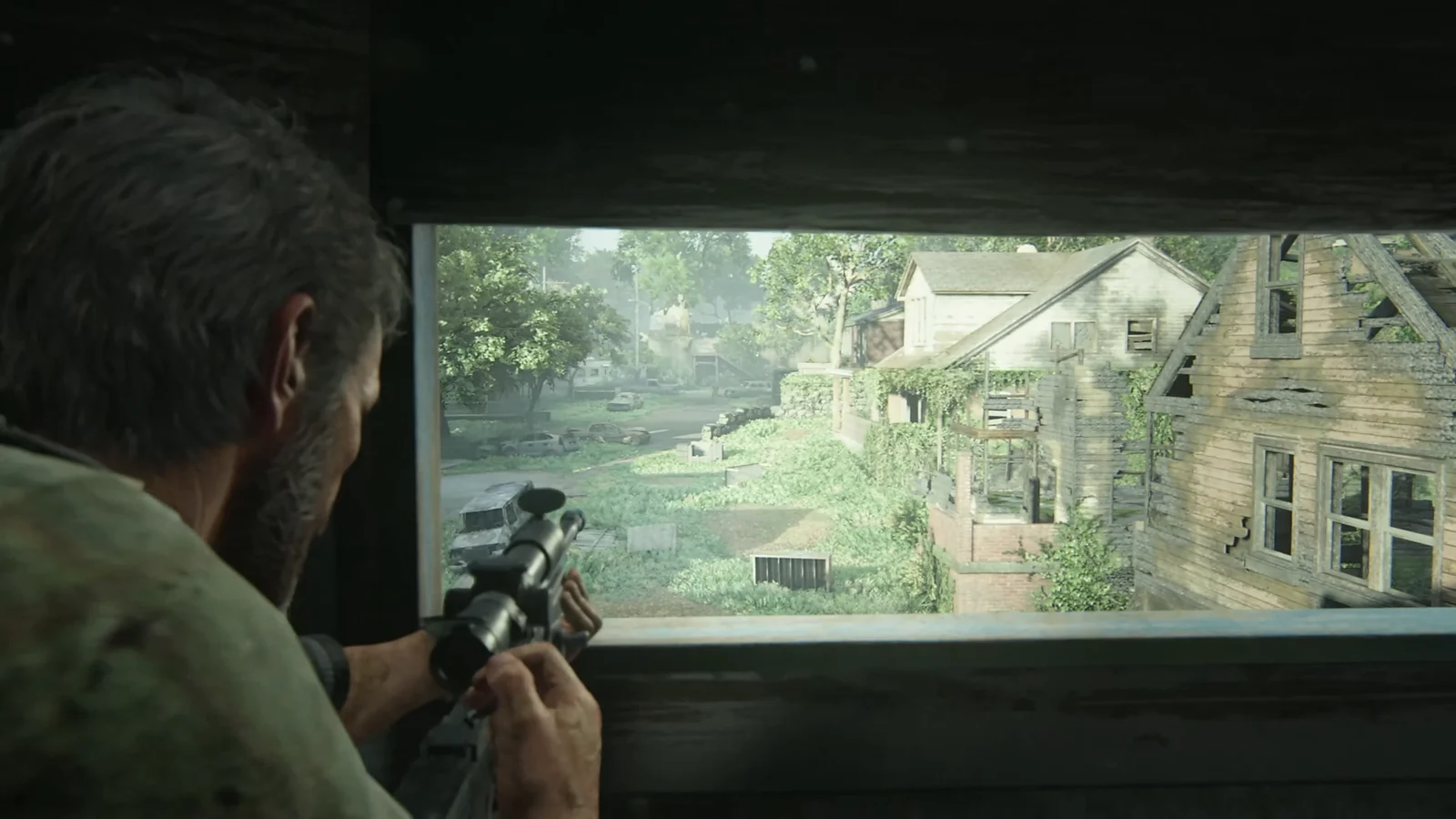
Survivor difficulty transforms the experience into a grueling survival horror game. Resources vanish, making every bullet a precious lifeline. I found myself hoarding ammo for Clickers, relying on quiet takedowns to endure the overwhelming tension.
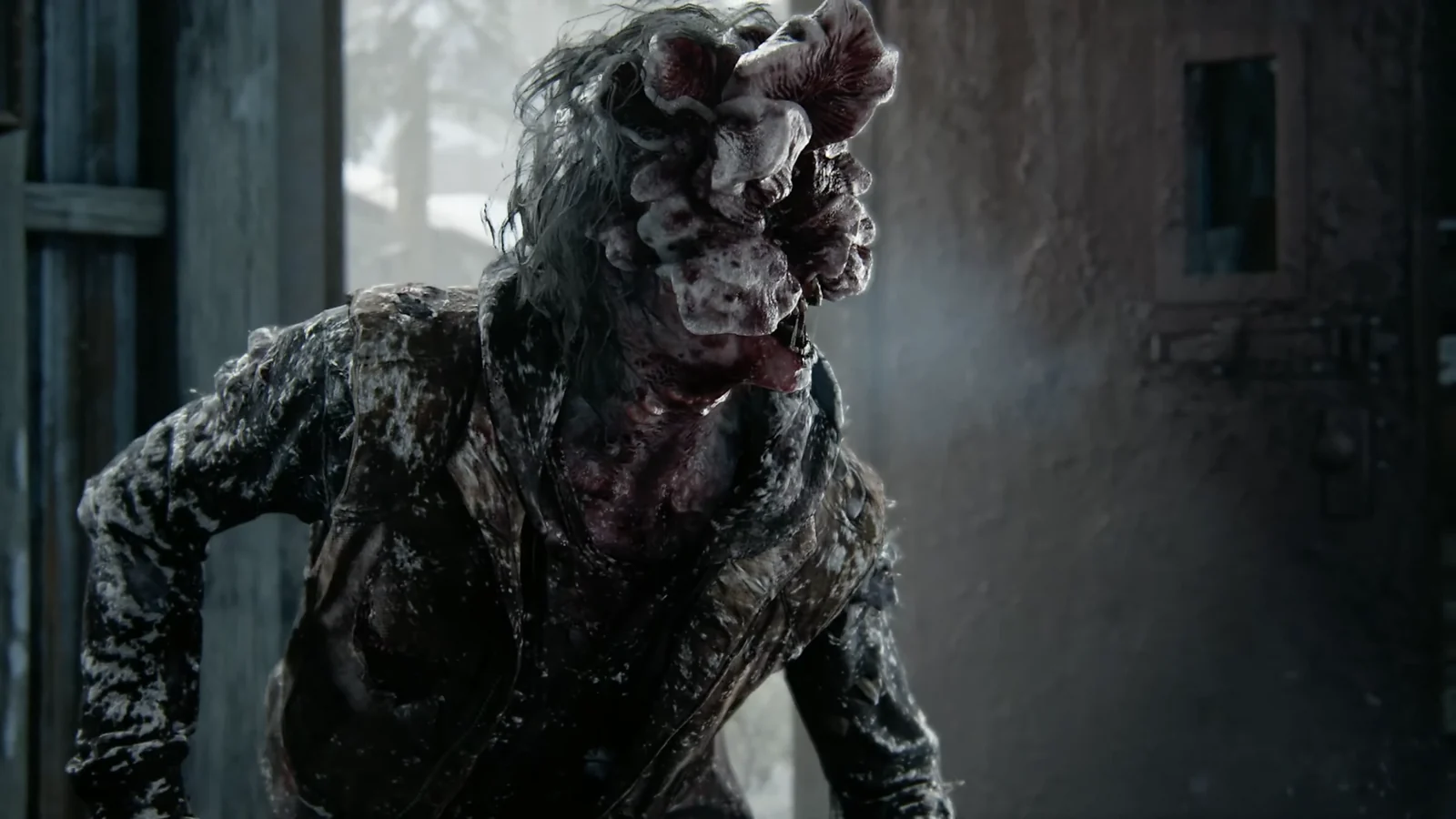
Enemy behavior adds to the pressure. Human enemies communicate and flank, while Clickers remain terrifying thanks to their instant-kill attacks and reliance on sound rather than sight. Stealth can even let you bypass some encounters entirely if you’re patient enough.
Outside combat, environmental puzzles break up the pacing, though they can feel repetitive. Generous checkpoints keep frustration low, and unlockables like cheats, costumes, and visual filters add replay value.
Something I need to highlight in my The Last of Us Part 1 review is that beyond the campaign, the addition of Permadeath and Encounter Replay provides a brutal mechanical challenge for veterans. Including the Grounded documentary is a brilliant touch, offering a rare, candid look at the game’s grueling development history.
The Tactile Evolution
One thing became obvious pretty quickly while playing the remake: this isn’t The Last of Us Part II mechanics with a fresh coat of paint. Some players expected the full mechanical upgrade – dodge, prone crawling, and the more agile combat system from the sequel. None of that is here. Joel still moves like Joel, and in a strange way, that’s part of the game’s identity.
The overall feel has evolved. Movement is smoother and heavier, with animations that blend naturally as you navigate this visceral survival game. Scrambling through tight spaces, Joel’s weight and momentum carry a presence far beyond the original release.
Enemy AI also behaves a bit less predictably. Fights rarely unfold the exact same way twice. Sometimes enemies aggressively push forward, other times they hesitate or circle around. Those small variations make encounters feel more dynamic, even though the underlying systems remain familiar.
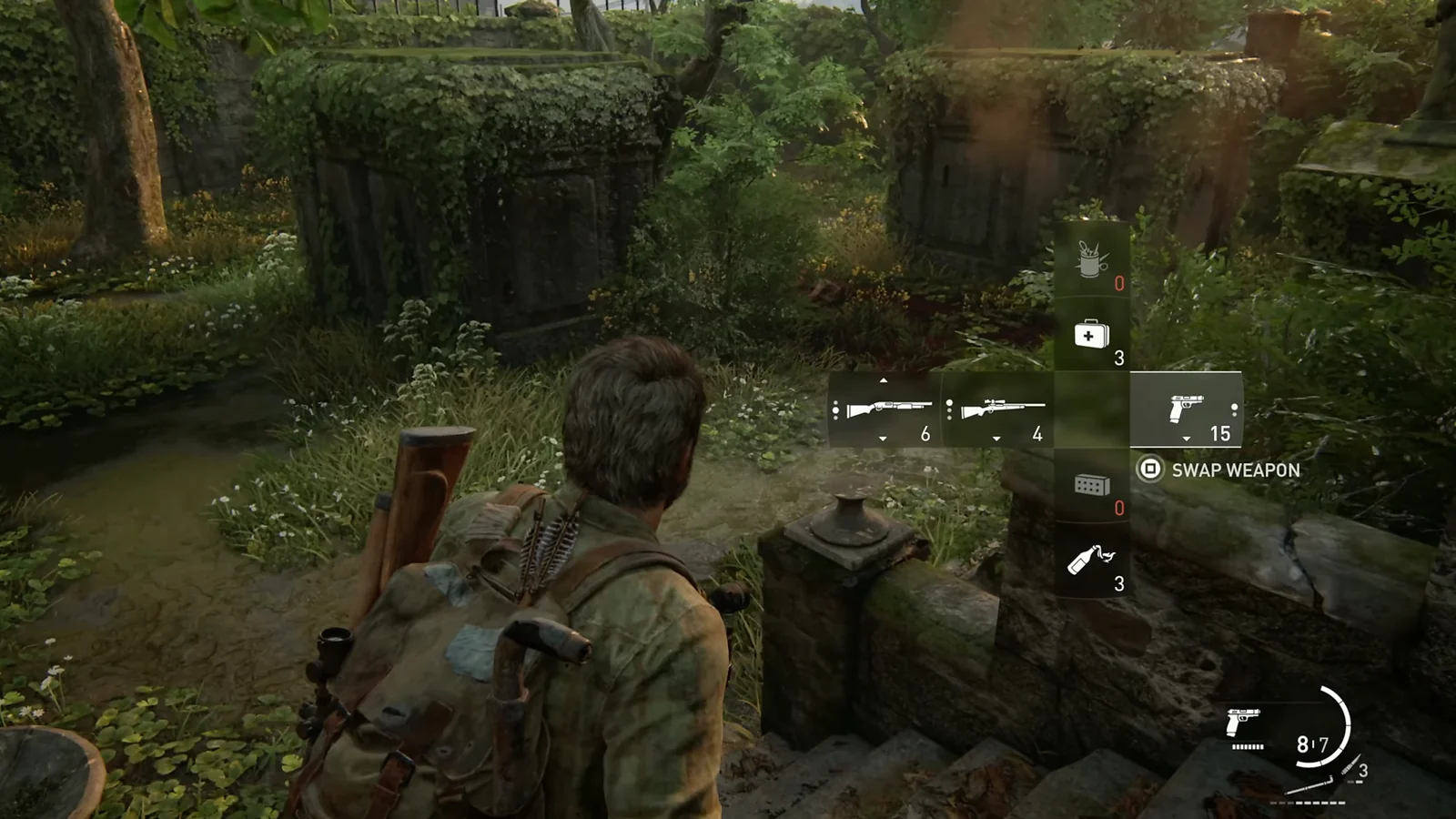
Accessibility is where the remake truly goes all in. The number of options is honestly staggering. High-contrast modes, audio navigation cues, visual assistance settings, and fully remappable controls make the game far more approachable for players of all skill levels.
On PS5, the DualSense controller adds subtle but fun details. You feel the crunchy resistance when loading a shotgun shell, and horseback sections create a steady vibration rhythm that matches the gallop. It’s immersive, although the haptics can drain the controller battery faster than expected.
Why the Story Still Defines the Genre
The story in The Last of Us Part I hasn’t changed at all, and honestly, it didn’t need to. The remake keeps the original narrative intact, following Joel as he escorts Ellie, a teenager immune to the infection, across a ruined United States nearly 20 years after civilization collapsed.
Even after replaying it, the emotional beats still land. What stands out most is how quiet moments carry just as much weight as the big dramatic scenes. Long stretches of walking, small conversations, or just exploring abandoned places gradually build the relationship between Joel and Ellie in a way few games manage.
We can all agree that this bond is the heart of the experience, earning its status among the best games like The Walking Dead. The gameplay itself constantly reinforces their growing dependence on each other throughout the journey.
The campaign runs around 15–17 hours, with the excellent Left Behind DLC adding roughly 2–3 more hours of story that explores Ellie’s past.
Themes of loss, love, selfishness, and redemption run through the entire journey. Compared with Part II, which leans heavily into bleak revenge storytelling, the original story feels more balanced emotionally.
For newcomers, this remains a haunting, essential masterclass in storytelling. For veterans, the ending still carries its original weight, landing just as effectively despite knowing exactly what’s coming.
The Gritty Realism of a Reclaimed World
Even if you know Boston’s layout by heart, stepping back into these streets feels like seeing them for the first time. The ground-up reconstruction breathes fresh life into the decay, making the ruins feel denser and more lived-in. It’s a transformation that rewards long-time fans with incredible atmospheric detail.
During my The Last of Us game review, I kept noticing small details that didn’t stand out in earlier versions. Dust floating through sunlight, rain reflecting off surfaces, and spores drifting through the air during infected sections cement this as one of the best zombie games for pure atmosphere. It makes the world feel convincingly abandoned.
Character models also feel more believable now. Tess stood out the most to me. She looks closer to someone who has actually survived twenty years in a collapsed world, which makes her dynamic with Joel feel more grounded.
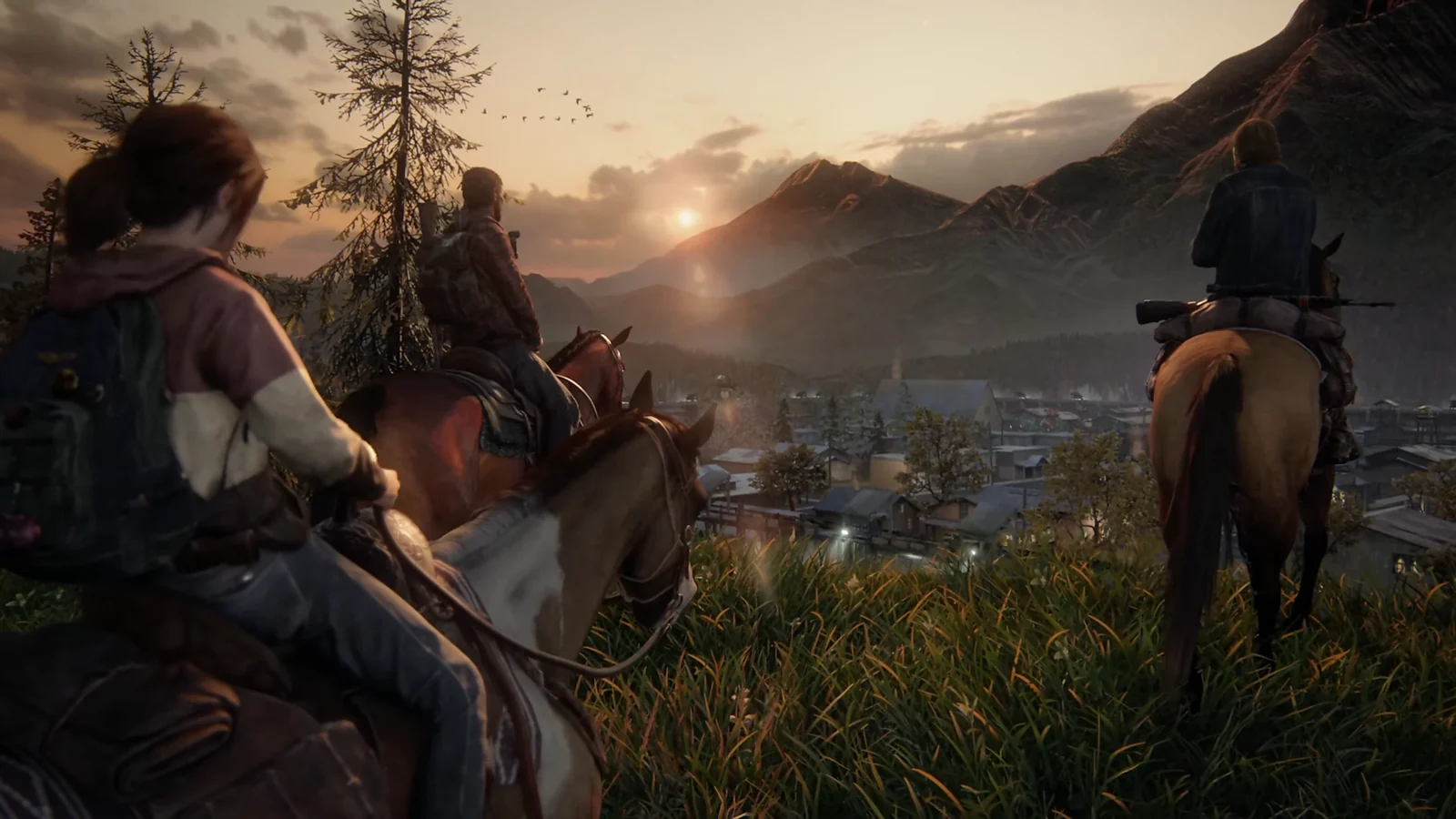
I stuck with Performance mode, as the 60 FPS target is a game-changer. The extra fluidity makes aiming feel far more responsive, ensuring that even the most frantic, high-stakes combat encounters remain precise rather than chaotic.
Animations also carry more weight. Joel doesn’t slide across environments the way he sometimes did before. Movement feels heavier, and when enemies start flanking or coordinating during fights, the whole encounter feels more physical and unpredictable.
My Overall Verdict on The Last of Us Part 1: Definitive, If Not Mandatory
After replaying the remake for my The Last of Us Part I review, I kept coming back to the same conclusion. This is clearly the definitive version of the game, but it also raises the most obvious question – did it really need to exist?
From a technical perspective, the rebuild is impressive. The visuals, animation work, and subtle AI improvements make the journey feel more modern without changing the core experience. On PS5, the game runs beautifully in Performance mode, while the PC version launched with some optimization issues that have improved over time through patches.
What hasn’t changed is the heart of the experience. The story, world design, and music still carry enormous emotional weight, easily cementing its legacy among the top horror games ever released. Even in a crowded genre, few stories feel this raw and human.
| Pros | Cons |
|---|---|
| ✅Exceptional storytelling ✅Beautiful art direction ✅Memorable soundtrack | ❌Combat depth feels dated ❌Some puzzles repeat often |
Great for: Story-driven players and newcomers to the series.
Less ideal for: Veterans expecting major gameplay changes.