

7 Best Play to Earn Game Picks in 2026

Eneba Hub contains affiliate links, which means we may earn a small commission if you make a purchase through them—at no extra cost to you. Learn more



KEY TAKEAWAYS
Best Farming Game: Pixels. This free play to earn game uses Task Board activities to award $PIXEL rewards.
Best Shooter: Off The Grid. Complete GUN challenges and extract tradable HEX loot.
Best Free Card Game: Gods Unchained. Ranked wins feed into Daily Play & Earn $GODS rewards.
A play to earn game rewards you for progress or performance through cash, crypto, or tradable in-game assets. The best play-to-earn games make that earning loop clear enough to judge before you commit serious time or money. This guide compares earning potential, startup cost, payout requirements, and financial risk so you can find an option that fits how you actually want to play and earn.
Earning models can differ sharply between games. Some let you start free, while others tie better rewards to competitive results, paid entry, or owned assets. Crypto games that pay real money also add token prices and market demand to the equation, so a strong in-game result does not always translate into a predictable payout. We break down how each play to earn game works and the main tradeoffs that matter before you start.
Jump to:
Is a Play-to-Earn Game Actually Realistic?
Yes. A play to earn game can pay real rewards, but most players should expect extra spending money rather than dependable monthly income. At the lower end, cash prizes can be worth a few dollars per successful session. For example, current tournament documentation shows a $1 entry producing a $2 first-place prize, while a $1.50 entry can pay $4. Crypto rewards vary more because their cash value changes with the token market.
- Higher earnings usually demand stronger results. Ranked modes and tournaments tend to concentrate rewards among better players. Axie Origins Season 18, for example, allocated an 80,000 bAXS prize pool across its top 2,000 players. Bigger pools exist, but reaching them is very different from earning a few dollars through casual play.
- Free entry keeps the starting risk lower. Some of the best play-to-earn games let you learn the core systems before putting money into assets or paid competition. A free start also gives you a better idea of the time required to reach meaningful rewards.
- Crypto can change what your rewards are worth. Crypto games that pay real money may distribute tokens or tradable assets whose market value moves after you earn them. The number of tokens in your wallet can stay the same while their cash value falls.
- Payout rules affect the final return. A play to earn game may apply eligibility requirements, withdrawal limits, marketplace fees, or competitive thresholds before rewards become usable outside the game.
For most players, a realistic play to earn game is one that pays something for time you already enjoy spending on the gameplay. Treat larger earnings as a result to work toward, not the baseline.
7 Play-to-Earn Games Worth Your Time
The best play-to-earn games should offer more than a reward attached to repetitive tasks. Gameplay quality, earning potential, startup cost, payout accessibility, and financial risk all matter when deciding which titles deserve your time.
This ranking focuses on games with a clear earning system and enough substance to stand on their own as games. Each play to earn game below is judged by how accessible its rewards are, how much effort or money it takes to get started, and the main tradeoff you should understand before committing.
1. Pixels [Best Farming Game]
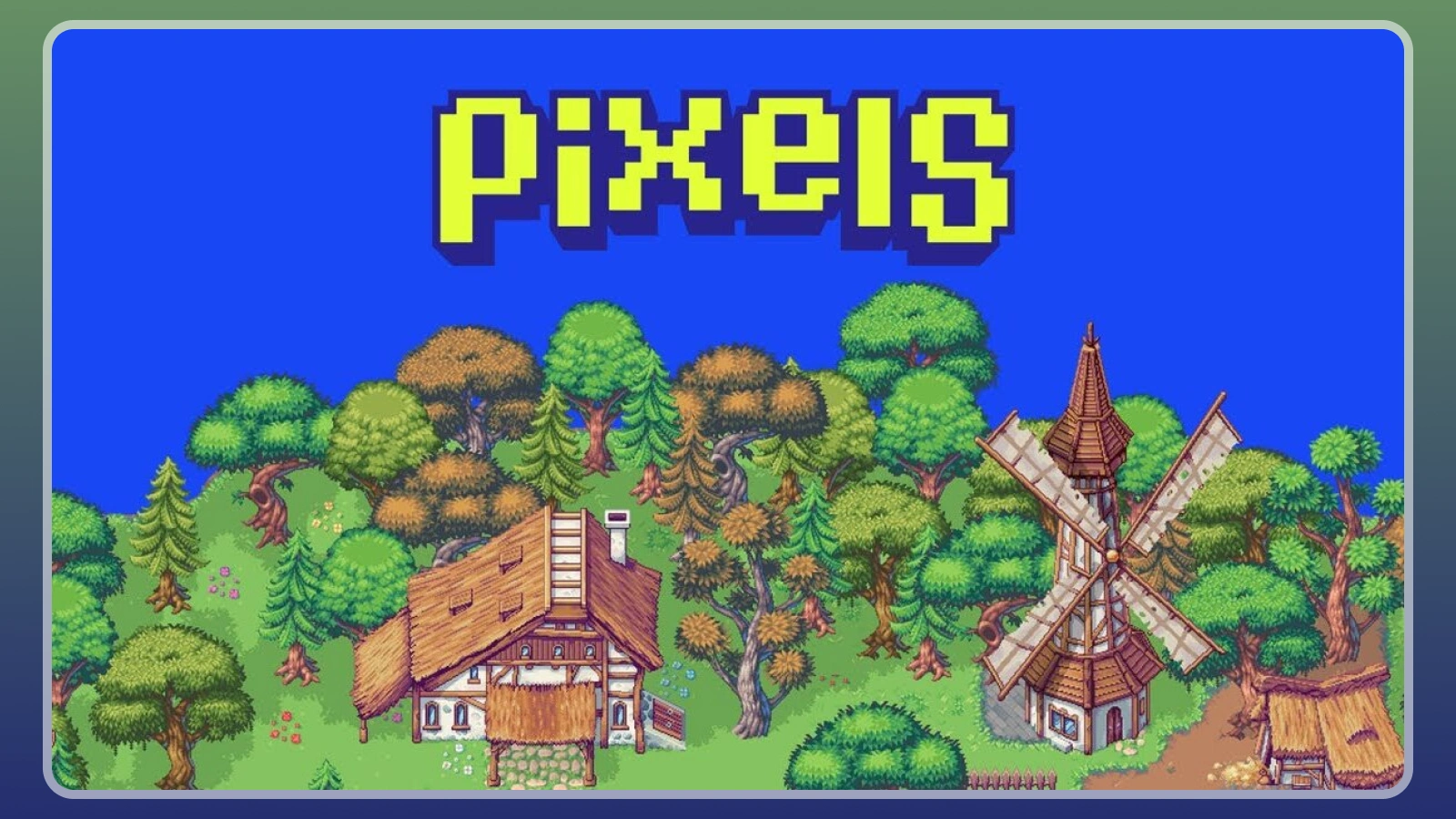
Pixels ties its earning system to farming, crafting, mining, and other activities you already complete while developing your character. Its Task Board is currently the main way to earn $PIXEL in the core game, with eligible tasks paying the tradable token alongside Coins and EXP. At a September 9, 2026 price of about $0.0051 per $PIXEL, 100 tokens are worth roughly $0.51 and 1,000 are worth about $5.13 before fees.
There is no dependable daily income attached to this play to earn game. $PIXEL tasks are not guaranteed each day, and the game does not publish one standard token payout across every task. VIP membership and land ownership can improve your chances of receiving $PIXEL tasks. VIP currently costs about $10 per month in $PIXEL and adds three Task Board slots plus access to VIP-only tasks, so I would start free until the earning loop proves worthwhile for you.
Cashing out also comes with extra requirements. Players currently need 2,000 Reputation before they can withdraw $PIXEL, while Farmer Fees fall as your Reputation rises. The published fee table starts at 29% to 49% for lower-reputation accounts and drops to 5% to 6% at 40,000 Reputation or higher. Among crypto games that pay real money, Pixels has a genuine earning route, but the low token price and withdrawal fees make it better suited to gradual earnings than quick cash.

2. Off The Grid [Best Shooter]
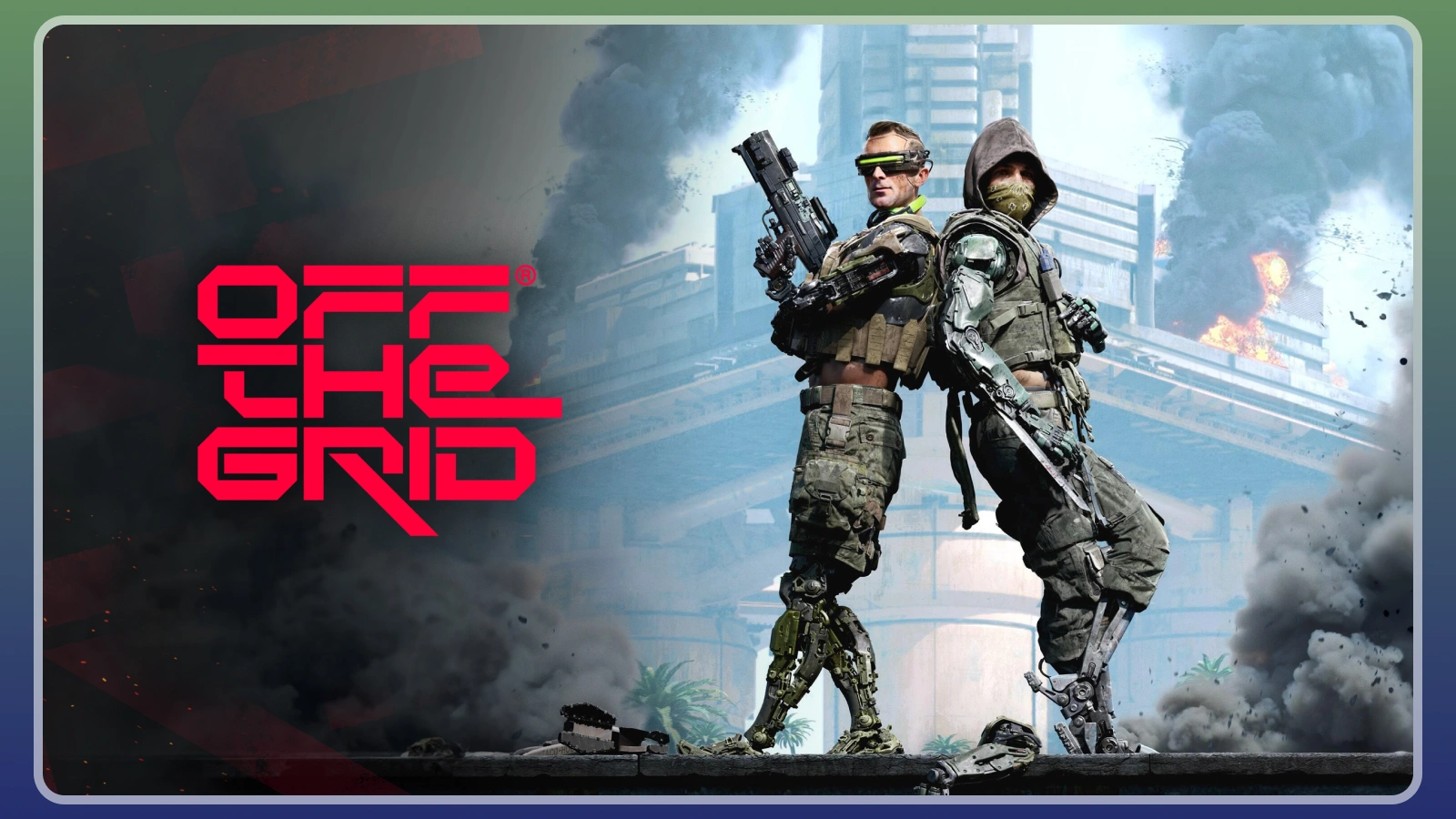
Off The Grid brings play-to-earn mechanics into a free-to-play extraction shooter. Players can complete challenges for GUN and extract HEX loot during matches. A successful extraction can turn that loot into an NFT that you can keep or trade. This gives the play to earn game two reward routes through GUN challenges and tradable items.
Direct challenge payouts are small at the current token price. GUN trades at about $0.003 per token as of September 9, 2026. Official challenge examples include:
- 0.5 GUN for five grenade eliminations, worth roughly $0.002
- 2 GUN for extracting a HEX, worth roughly $0.006
- 10 GUN for placing first as a premade squad, worth roughly $0.03
Challenges change regularly, so these are examples rather than fixed earning rates. The bigger value can come from items found inside extracted HEXes, which can become tradable NFTs.
The GUNZ marketplace currently takes a 5% resale commission. GUN earned in an in-game wallet also cannot be exported directly under the current rules, so external value often depends on selling eligible assets. This play to earn game is stronger for tradable loot than dependable cash payouts.
3. Big Time [Best Action RPG]
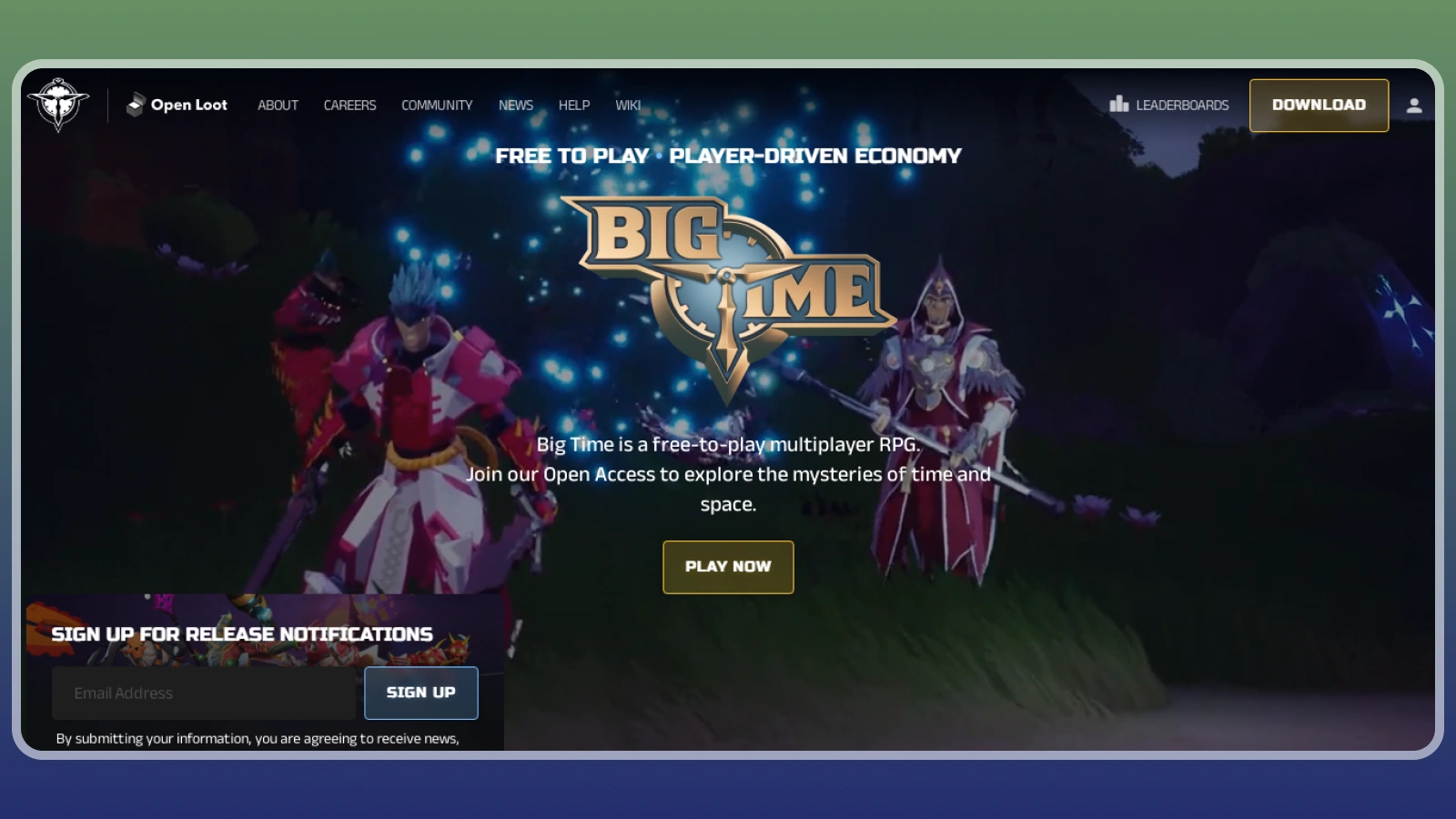
Big Time is a free-to-play multiplayer action RPG built around dungeon runs, combat, loot, and character progression. $BIGTIME can drop while you play, but token generation requires at least one charged Hourglass or Cracked Hourglass. Harder content, player efficiency, Hourglass rarity, and the number equipped can all affect token earnings.
At about $0.0075 per $BIGTIME as of September 9, 2026, the current value works out roughly like this:
- 100 $BIGTIME is worth about $0.75
- 500 $BIGTIME is worth about $3.75
- 1,000 $BIGTIME is worth about $7.49
The game does not publish a dependable hourly earning rate because token drops are random and your Hourglass setup changes the outcome. Earned $BIGTIME can be withdrawn from Open Loot to an external crypto wallet and traded on supported markets.
Free-to-play access does not automatically give you continuous token farming. Hourglasses have limited active time and eventually need recharging, while Cracked Hourglasses disappear after their active time runs out. One rare Amplified Hourglass was listed for $22 when checked, which shows how quickly setup costs can eat into smaller earnings.
Among crypto games that pay real money through tradable tokens, this play to earn game has a clear cashout route but no guaranteed income rate. I would learn the action RPG first before spending money on its earning system.
4. Solitaire Cash [Best Cash Tournaments]
Solitaire Cash uses timed Solitaire tournaments where players compete for cash prizes based on their scores. You can practice through free Gems tournaments and Freerolls, while cash competitions require an entry fee. The appeal of this play to earn game is simple because prizes are already denominated in dollars.
Current tournament examples show how the risk and reward can scale with your entry fee.
- $1 entry can pay $2 for first place, giving you a $1 gain over the entry cost
- $1.50 entry can pay $4 for first place, giving you a $2.50 gain over the entry cost
- High Stakes tournaments can carry a $12 prize pool, with $6.70 going to first place
Higher entry fees can unlock larger prizes, but they also increase the amount you can lose. I would use the free modes first and treat paid tournaments as competitive spending. Cash tournaments are also limited to eligible adults in supported locations.
There is a trust issue worth knowing. A federal court ruling in July 2026 awarded Skillz $719 million in disgorgement after a jury found Papaya Gaming liable for false advertising tied to undisclosed bots in its tournaments. The court record states that Papaya stopped using those bots in late 2023. Solitaire Cash remains active today and still processes withdrawals, with its support documentation saying players usually receive funds within two business days and processing can take up to 14 days.
That history makes Solitaire Cash a play to earn game I would approach with a clear spending limit. The payout system is still operating, but your own entry money is at risk every time you join a paid competition.
5. Gods Unchained [Best Free Card Game]
Gods Unchained is a free-to-play trading card game where ranked victories feed directly into its Daily Play & Earn system. Wins generate Fragments based partly on your rank and card quality, then your share of the daily Fragments determines how much $GODS you receive. That gives this play to earn game a clear connection between competitive performance and crypto rewards.
$GODS trades at about $0.020 per token as of September 9, 2026. At that price, the value works out roughly like this.
- 1 $GODS is worth about $0.02
- 10 $GODS is worth about $0.20
- 50 $GODS is worth about $1.01
- 100 $GODS is worth about $2.02
There is no fixed daily dollar rate. Your $GODS allocation changes with your Fragments, the community total, rank, wins, card quality, and the available reward pool. You can begin playing for free, though a linked crypto wallet is required to access Daily Play & Earn and trade cards.
Among crypto games that pay real money, Gods Unchained has one of the easier reward systems to understand because winning Ranked matches directly improves your share of $GODS. The token price can still move after you earn it, so a strong day in-game does not lock in a fixed cash return.
I like this play to earn game for players who already enjoy competitive card games. You can learn through free starter decks first, then decide how deeply you want to engage with card ownership and its blockchain economy.
6. Splinterlands [Best for Long-Term Grinders]
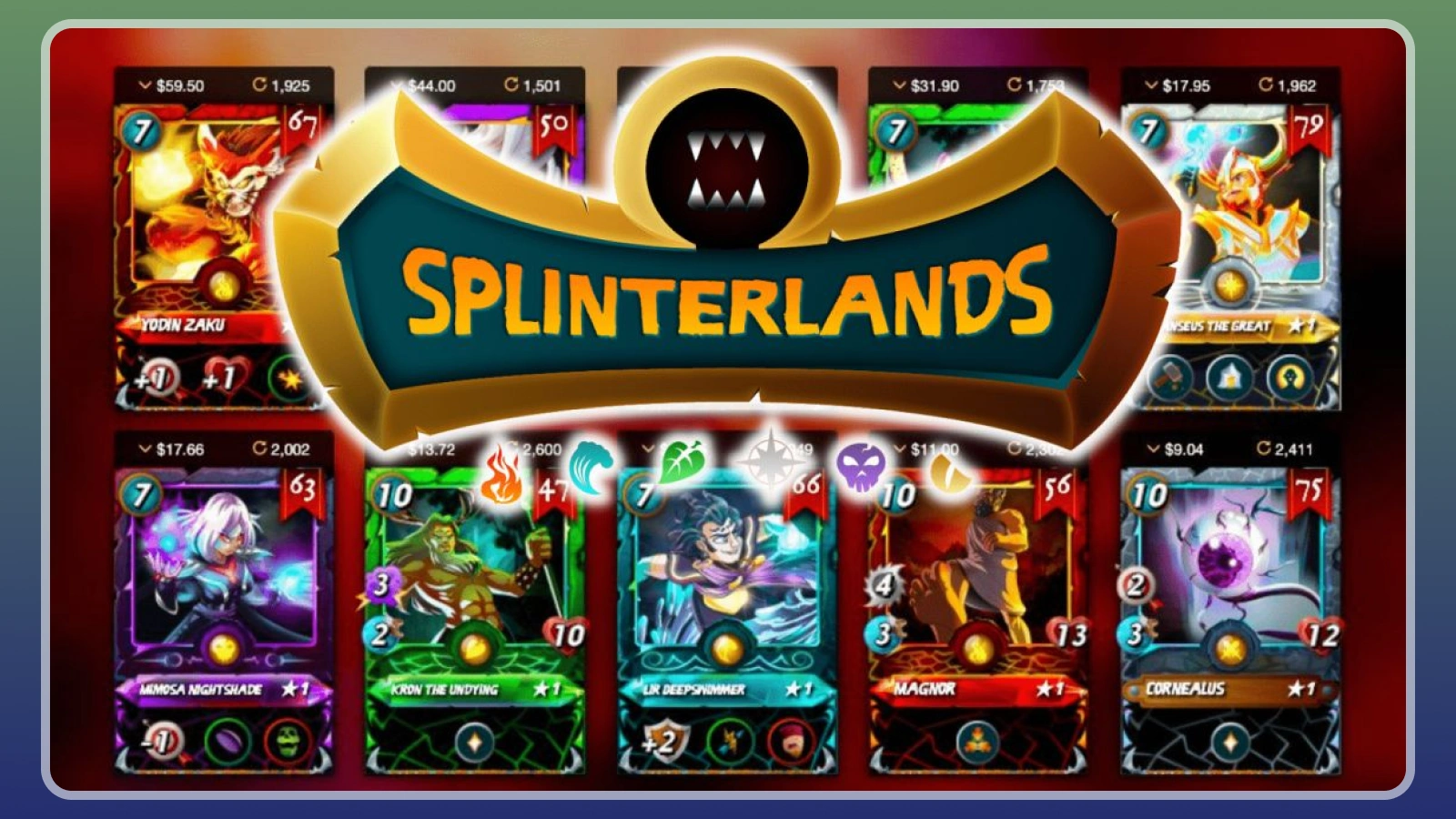
Splinterlands rewards players through ranked card battles, with several earning paths depending on how deeply you enter its economy. New players can use the free Frontier format to earn Foundation cards through daily rewards, while the main Ranked modes add SPS and Glint. That gives this play to earn game a free starting point before you commit money to its crypto systems.
SPS currently trades at about $0.0038 per token as of September 9, 2026. At that price, the value looks roughly like this.
- 100 SPS is worth about $0.38
- 500 SPS is worth about $1.90
- 1,000 SPS is worth about $3.79
There is no fixed SPS payout per battle. Your reward depends on factors such as rating, the cards used, SPS staking, and the available reward pool. To earn SPS from Ranked battles, you currently need a $10 Summoner’s Spellbook, a rating of at least 260 in Bronze League, and staked SPS.
The free Frontier route is useful because daily rewards can include tradable Foundation cards even before you qualify for SPS. Among crypto games that pay real money, Splinterlands has several ways to build value, but the strongest earning options reward players who stay invested in its card economy and ranked progression.
I like this play to earn game most for players who enjoy optimizing decks over time. The $10 Spellbook is a clear barrier to SPS earnings, so I would use Frontier first and see how much you enjoy the strategy before paying to unlock the broader economy.
7. Axie Infinity [Best Established Ecosystem]
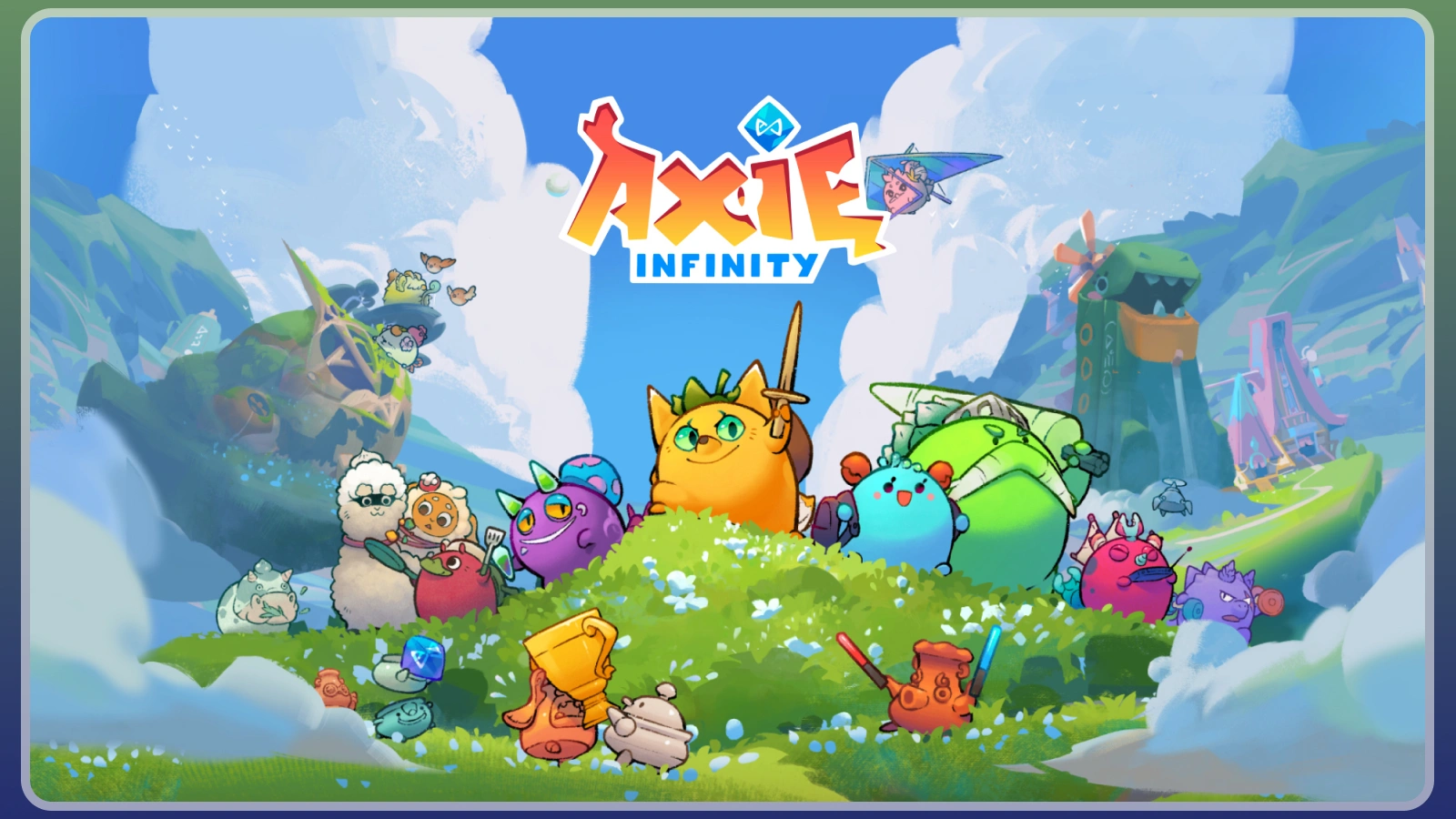
Axie Infinity has moved away from the SLP-farming model that defined its 2021 boom. Its current competitive rewards use bAXS, a bonded version of AXS earned through Axie games, leaderboards, and other ecosystem activities. That makes this play to earn game a very different earning proposition from the scholarship economy many returning players may remember.
AXS currently trades at about $0.97 per token as of September 9, 2026. Since every bAXS is backed 1:1 by AXS, that gives a useful reference point for the underlying value.
- 1 AXS is worth about $0.97
- 10 AXS is worth about $9.70
- 50 AXS is worth about $48.70
- 100 AXS is worth about $97.40
The catch is that bAXS cannot simply be transferred between accounts. You can convert it into regular AXS, but the amount you receive depends on your Axie Score, with lower-scoring players giving a larger share to the Community Treasury.
Recent competitive rewards show the potential scale. Origins Season 18, which ended on September 2, 2026, allocated 80,000 bAXS across the top 2,000 players, plus a separate 10,000 bAXS pool for eligible collectible rewards. Those are competitive prize pools, so they should not be read as typical earnings for a new player.
Among crypto games that pay real money, Axie Infinity still has one of the most developed reward ecosystems in this list. SLP emissions in Origins ended on January 7, 2026, while bAXS now powers much of the current reward structure. This play to earn game still pays, but the route to liquid AXS favors active players who build their standing inside the ecosystem.
Other Methods to Earn from Gaming
A play to earn game rewards what you accomplish inside the game. A play-to-earn app pays for tracked game offers, while testing and content creation reward your feedback or audience.
PlaytestCloud [Best Paid Testing Gig]
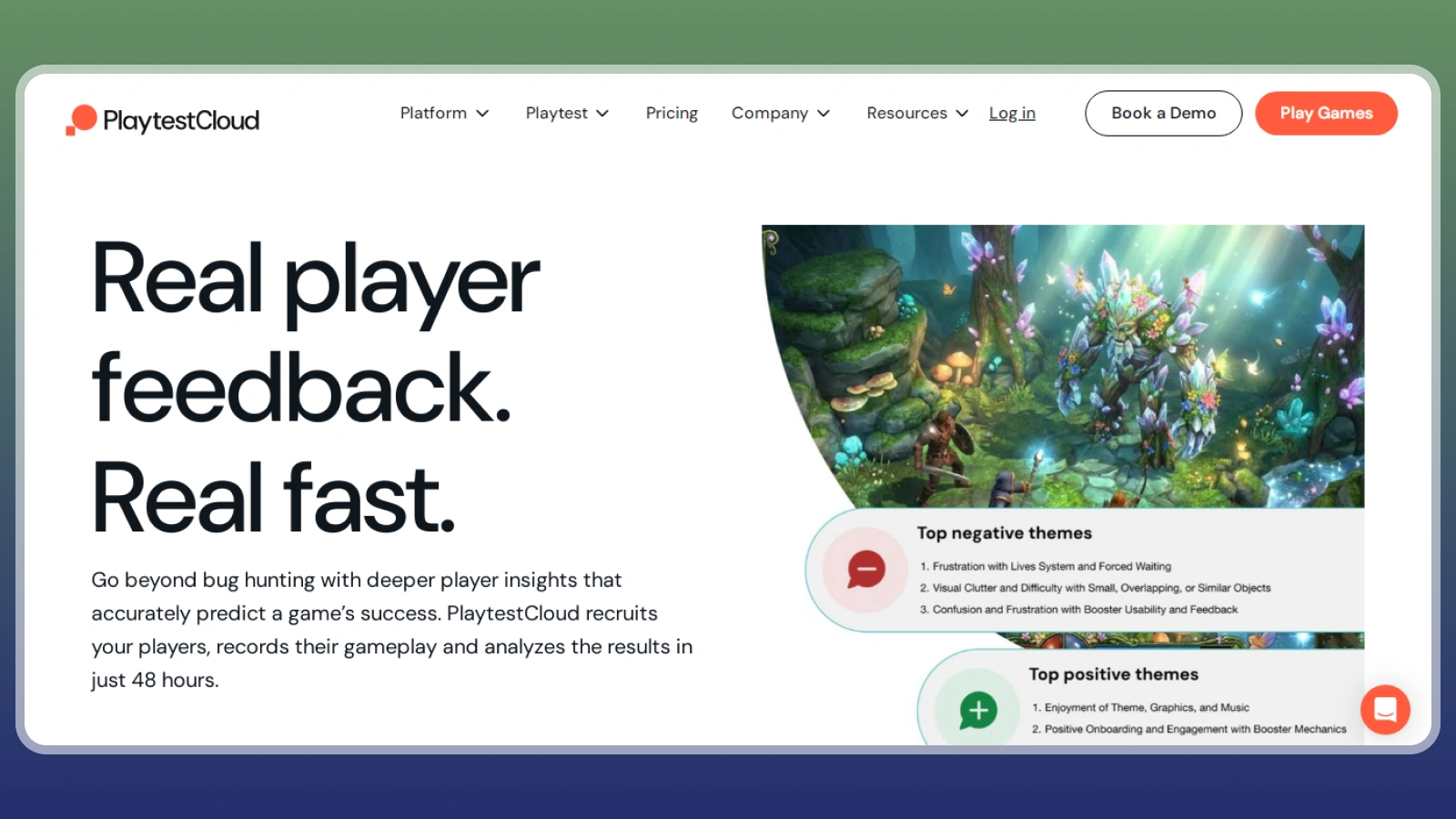
PlaytestCloud pays players to test games and explain what they think while playing. A typical 15-minute playtest plus survey currently pays $5 to $9, and the exact reward appears in the invitation before you accept the test.
You need to record your gameplay, speak clearly about your experience, complete the required tasks, and submit the follow-up survey. Successful tests are usually paid within three days, with no minimum balance required before redemption.
- Typical 15-minute test pays $5 to $9
- Payout timing is up to three days after a successful test
- Minimum payout is $0
- PayPal fee is currently 6%
- Gift cards and virtual Visa rewards avoid that PayPal processing fee
The main limitation is availability. PlaytestCloud says invitations depend on your location, demographics, devices, and gaming profile, so there is no dependable number of tests you can expect each month. I would treat the strong per-test rate as occasional gaming income, not a predictable schedule.
Keep your profile and device list current because developers select testers based on the audience they need. If this sounds like a better fit than earning inside games, our guide on testing games for money covers additional paid testing options.
Twitch Streaming [Best Long-Term Upside]
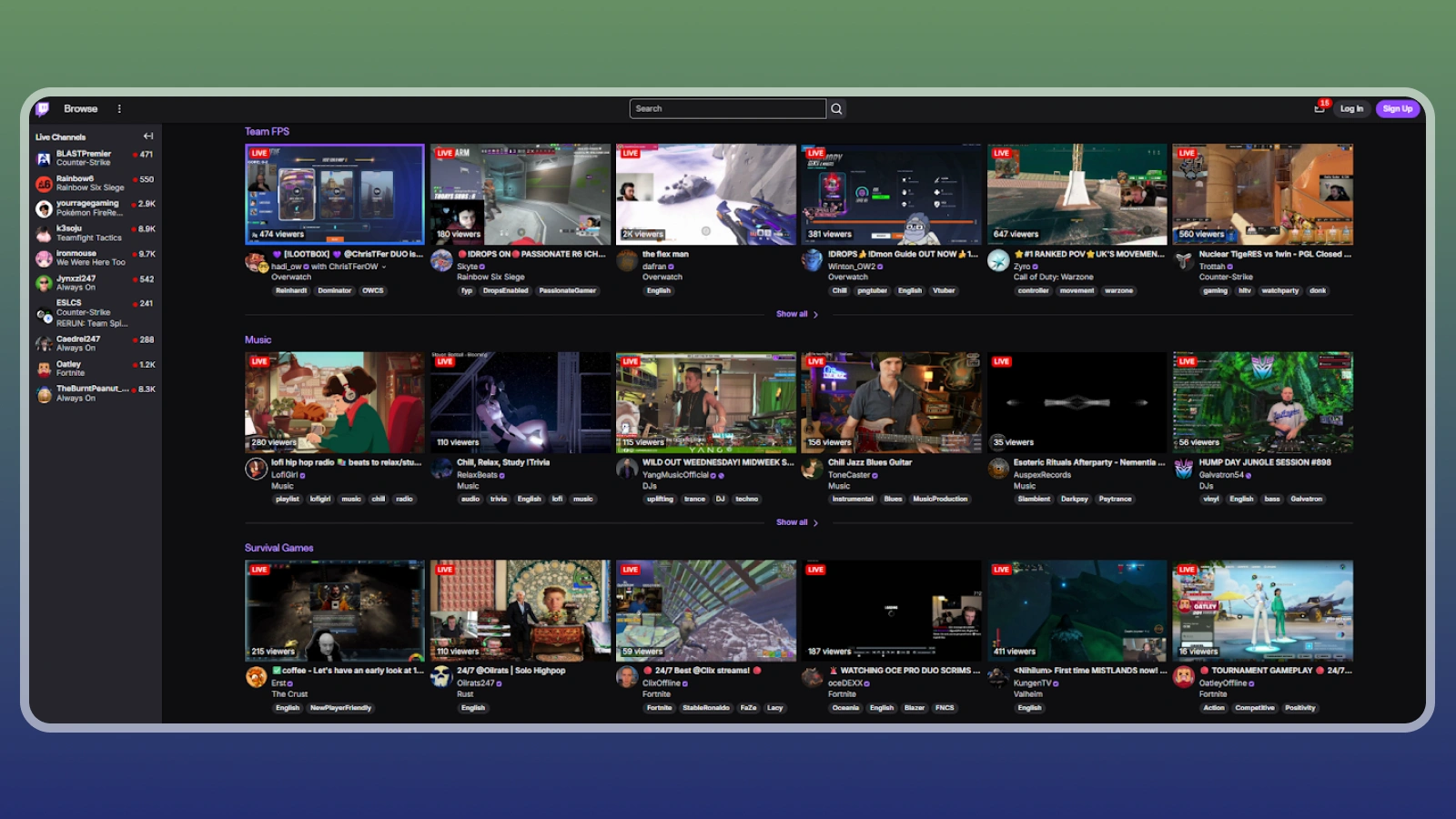
Twitch turns gaming into creator income through subscriptions, Bits, ads, and sponsorships. The barrier to monetization became lower in 2026, with Twitch opening tools such as subscriptions and Bits to eligible streamers globally. You still need Affiliate or Partner status before Twitch will pay your balance out.
The current Affiliate requirements are relatively accessible.
- 25 followers
- 4 streamed hours
- 4 different streaming days
- At least 3 concurrent viewers on 4 different days
- $50 minimum balance for an automatic payout
Standard Affiliates currently receive 50% of net subscription revenue, though eligible creators can qualify for higher shares through the Plus Program. In August 2026, Twitch also opened its built-in sponsorship system to Affiliates, adding another earning route for smaller channels that meet a brand’s campaign requirements.
There is no credible fixed monthly income that applies to a typical streamer. Revenue depends heavily on audience size, subscriptions, advertising, viewer support, and available sponsorships. I would choose Twitch for its long-term earning ceiling if you already enjoy playing consistently and want to build an audience around that time.
How the 7 Games Compare
The best play-to-earn games differ most in how rewards are generated and how much financial exposure comes with earning them. A play to earn game built around free progression carries a very different risk profile from one that requires paid tournament entries or crypto assets.
If blockchain rewards are your main priority, our ranking of the best play-to-earn crypto games covers more options beyond the listed ones here.
| Game | Best For | How You Earn | Main Cost or Risk |
| Pixels | Farming | Complete eligible Task Board activities for $PIXEL | Free to play, but withdrawal fees can cut into smaller balances |
| Off The Grid | Shooters | Complete GUN challenges and extract tradable HEX loot | GUN has limited direct cashout utility from the in-game wallet |
| Big Time | Action RPGs | Earn $BIGTIME drops while using an eligible Hourglass | Token generation requires an Hourglass with active time |
| Solitaire Cash | Cash tournaments | Place highly in paid Solitaire competitions | Entry fees put your own money at risk |
| Gods Unchained | Free card games | Win Ranked matches to earn a share of daily $GODS | Token value can change after you earn it |
| Splinterlands | Long-term progression | Earn SPS, Glint, and tradable card rewards | Ranked SPS requires a $10 Spellbook and staked SPS |
| Axie Infinity | Established ecosystem | Earn bAXS through supported games and competitive rewards | Liquid AXS conversion depends on your Axie Score |
If you prefer shorter mobile reward cycles, a play-to-earn app can offer a free starting point across several games
Boost It With Play-to-Earn Reward Apps
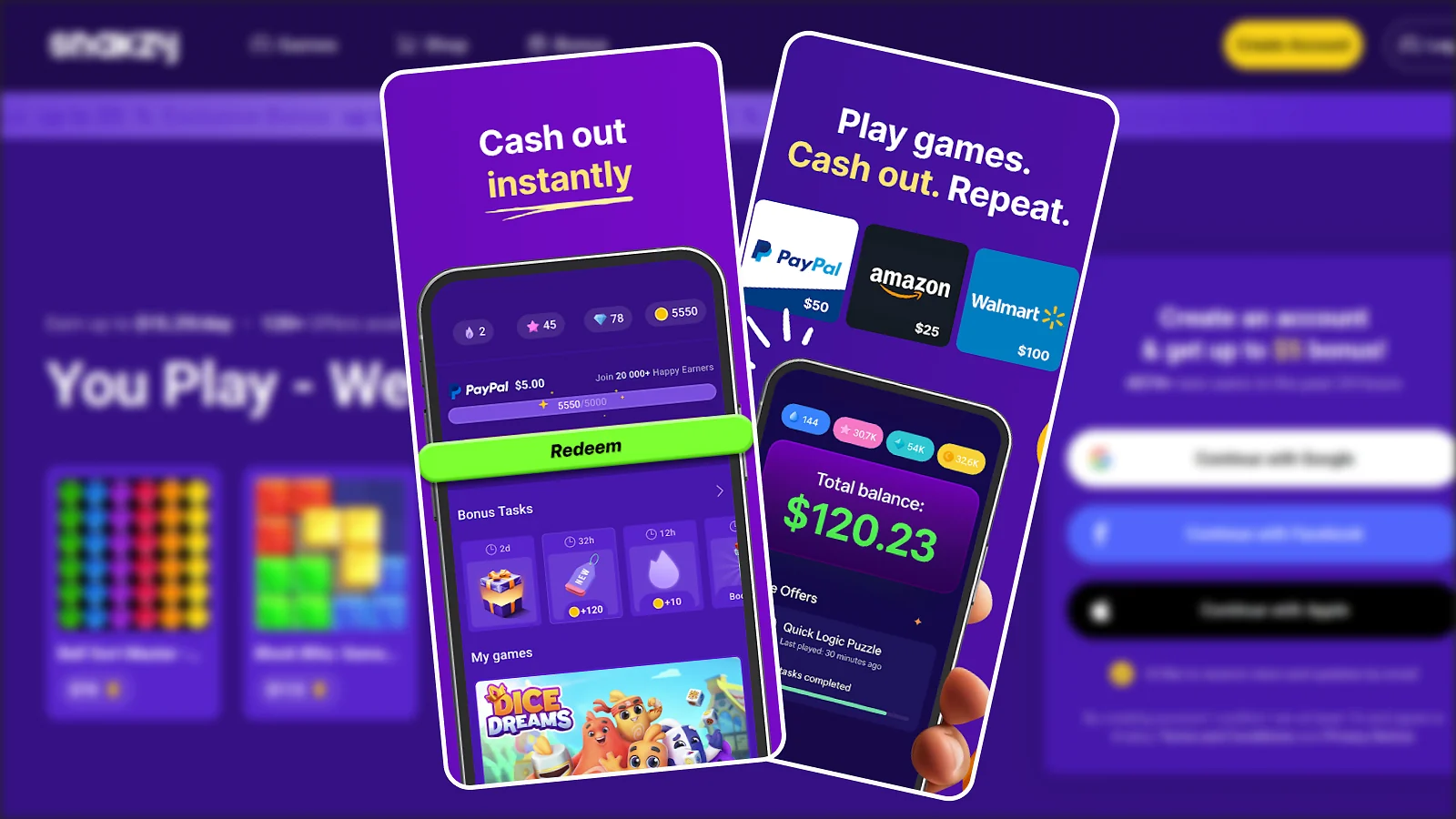
A play-to-earn app can add another earning route if you enjoy trying different mobile games. Each play-to-earn app is free to join, but minimum payout requirements vary, so check how much you need to earn before choosing one.
| App | Minimum Payout | Entry Cost |
| Snakzy | $35 | Free |
| BigCash | $1 | Free |
| KashKick | $10 | Free |
| Mistplay | $5 | Free |
| Freecash | $5–$20 | Free |
Availability and reward options can vary by region. A play-to-earn app with a lower payout threshold can be easier to test, while Freecash uses a $5 to $20 first-withdrawal requirement depending on location.
Play, earn points, and choose the rewards that fit you.

What Doesn’t Work
A legitimate play to earn game should have clear reward rules, identifiable costs, and a payout route you can verify before putting money into it. The biggest problems start when the earning claim is easier to understand than the system behind it.
- Fake games that ask you to keep depositing crypto. The FBI warned in March 2023 about fraudulent play-to-earn games that displayed fake rewards before criminals drained connected wallets. Be especially careful if someone contacts you directly, tells you which game to join, then pushes you to add funds.
- Guaranteed token returns. Crypto rewards have market prices that can move sharply. A game promising guaranteed profit cannot control what its token or tradable assets will be worth after you earn them.
- Old earnings screenshots. Reward economies change. Token emissions can stop, payout formulas can be revised, and assets that once carried high prices can lose value. Check the current earning rules before using an old player result as your benchmark.
- Chasing losses in paid tournaments. A cash tournament can pay real prizes, but every paid entry puts your own money at risk. Set a spending limit before playing and judge your results on net profit after entry fees.
The safest starting point is a free earning route where you can learn the gameplay and verify the reward system first. Spending can come later once you understand the actual return.
Final Verdict on Play-to-Earn Games
The best play-to-earn games give you a reason to keep playing even when the reward value changes. A strong earning system helps, but gameplay, startup cost, payout accessibility, and financial risk should decide which option fits you.
For most players, I would start with a free play to earn game and learn how its rewards build before buying assets or entering paid competitions. Token-based games can offer tradable value, while cash tournaments make the dollar payout easier to understand but put entry money at risk.
Real earnings are possible, though there is no dependable income level that applies across the category. Treat the rewards as extra value attached to a game you already enjoy, then judge your results after fees, entry costs, and the time required to earn them.
Complete game milestones and turn your progress into rewards.
FAQs
Yes. A play to earn game can pay cash, crypto, or tradable rewards. Earnings depend on the reward system, your results, fees, and the time required to reach a payout.
The best beginner play to earn game is free to start, explains its reward rules clearly, and lets you learn the gameplay before spending money on assets or paid competition.
No. A play-to-earn app or cash-based game can pay rewards directly, while blockchain games use tokens or tradable assets. A crypto wallet is only required for blockchain rewards.
The best play-to-earn games for casual players have free entry, short earning sessions, and simple reward requirements. Avoid options that demand heavy spending or high-level competitive play.
Yes, some crypto games that pay real money are legitimate, but token prices, wallet security, and scams still create risk. Check the reward rules and never trust guaranteed-return claims.
A play-to-earn app can sometimes reach its minimum payout faster than a blockchain game. Timing still depends on withdrawal rules, reward value, and the progress required.