


Most Profitable Side Hustles: 10 Ways To Earn More in 2026

Eneba Hub contains affiliate links, which means we may earn a small commission if you make a purchase through them—at no extra cost to you. Learn more



Our Top Side Hustle Pick
Renting out storage or parking space through Neighbor keeps about 95 cents of every dollar after its host processing fee, the best margin of the most profitable side hustles listed in this guide.
The most profitable side hustles include renting out unused space, selling digital products, and providing professional or local services. Profitability varies by method, with factors like income, fees, operating costs, and the work required affecting the overall return.
Some side hustles are also faster to start than others. Options that use resources or skills you already have can have fewer steps before you begin earning, while others require more setup, qualifications, or customer acquisition.
A higher advertised rate doesn’t automatically make a side hustle more profitable. Your actual return depends on income and costs, so it’s useful to consider what you earn alongside the expenses involved in doing the work.
Jump to:
Are the Most Profitable Side Hustles Realistic?
Yes, several of the most profitable side hustles below are realistic within a week, but only the ones with the lowest real costs get there that fast. The rest need a client, a buyer, or a following before the margin actually shows up, which can take a month or longer.
What “Profitable” Means in This Ranking
Profitable here means net take-home divided by hours worked, after subtracting whatever the platform takes and whatever the method genuinely costs to run. A digital product listed at $20 can look similar to a service earning $20, but the two can produce very different returns once platform fees, operating costs, and other expenses are considered.
The Two Costs Most Lists Skip
Two costs decide which of the most profitable side hustles actually pays: self-employment tax and, for anything involving a car, the real cost per mile. Net self-employment profit owes 15.3% in Social Security and Medicare tax once net earnings pass $400 a year, per the IRS. The IRS 2026 mileage rate of 72.5 cents a mile puts a real number on what a car costs to run for gig work.
That mileage figure matters directly further down this list of the most profitable side hustles: a delivery fare paid at less than 72.5 cents a mile is not simply thin, it can be a loss once fuel, maintenance, and depreciation are counted. This doesn’t apply to renting a room you already own, which is why a slower method can still out-earn a faster way to earn money over a full week once both are measured the same way.
10 Real Ways To Find the Most Profitable Side Hustles
Ranked by highest real margin first, with the fee, cost, and tax that decide which of the most profitable side hustles actually pays.
1. Renting Out Storage or Parking Space
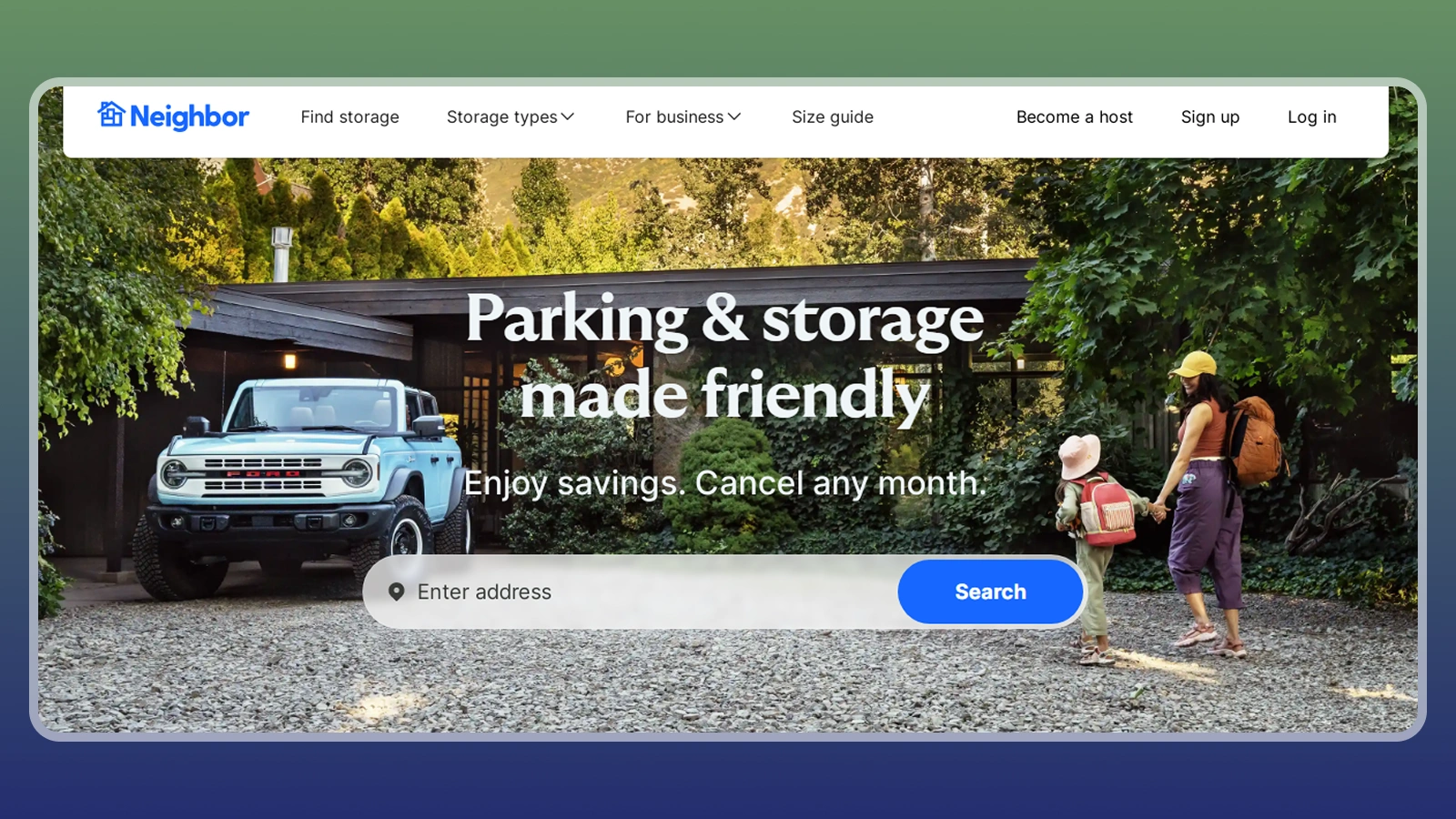
Renting out a garage, driveway, or spare closet keeps close to 95 cents of every dollar it earns, the best margin of the most profitable side hustles ranked here. Neighbor charges hosts a processing fee of 4.9% plus $0.30 per payout and nothing else, because the space itself is something you already own.
A typical 10-by-10-foot space lists for roughly $50 to $150 a month, depending on the city, and Neighbor’s own blog claims hosts average close to $294 for every hour actually spent managing a listing. That is a marketing figure from the company running the marketplace, so a realistic range sits lower once you count the time spent answering messages and handling a move-in.
You need the space itself, a phone for photos, and a lock. Steps to get a listing live tonight:
- Measure the space and clear it out for photos in daylight.
- List it for free on Neighbor with a price near others nearby.
- Set the payout method before the first renter books.
The mistake is pricing from what the space cost you to build, not what a renter nearby is already paying, so check multiple comparable listings first. Store At My House and Roomlala run smaller versions of the same idea.

2. Selling Digital Downloads and Printables

A digital planner or template keeps roughly 88 cents of every dollar once Etsy’s fees clear, the second-best margin among the most profitable side hustles here. There is no unit cost to reprint a file, so the only real deductions are a $0.20 listing fee, a 6.5% transaction fee, and a 3% plus $0.25 payment fee.
Sellers doing over $10,000 a year owe an extra 12% to 15% on sales that Etsy’s own ads bring in, which is the one cost that grows with success rather than shrinking. Twenty cents buys a four-month test of any file, so list five variations before picking a winner.
You need one file you can make well: a planner, a template, or a printable, plus a license you actually hold for every asset inside it. The mistake is treating a $12 download as pure profit and forgetting the fee stack, which takes 10% to 12% before Etsy’s optional ads even apply. Gumroad and Payhip reach a smaller but cheaper audience.

3. Tax Preparation

Compared to other most profitable side hustles, tax preparation is a more specialized service that can work well as a side hustle for qualified professionals. Taxfyle connects clients and firms seeking help with tax returns and forms with tax professionals on demand, and its Pro application is open to US-based CPAs and EAs.
Flexibility is a key feature for this side gig from home. Taxfyle says Pros can keep their full-time jobs while working on the platform and can work when and where they want. The platform also asks applicants about their preferred schedule and the types of returns they’re comfortable completing.
You’ll need to meet Taxfyle’s professional requirements before accepting work. Applicants submit documents so the platform can verify their CPA or EA status and complete a background check, making the service geared toward already-qualified tax professionals among the most profitable side hustles.

4. Bookkeeping

If you’re interested in the most profitable side hustles, bookkeeping lets accounting professionals build services around QuickBooks expertise. QuickBooks ProAdvisor provides training, certifications, software options, and resources designed to help accounting professionals work with QuickBooks clients and develop their practices.
Certification adds a professional credential. ProAdvisor Academy provides training and certifications, while Intuit says its ProAdvisor program helps small business owners find qualified QuickBooks accounting professionals. Certified professionals can also use ProAdvisor badges as part of their professional presence.
Software costs vary by the products and client setup you use. QuickBooks offers ProAdvisor pricing and discounts for eligible accounting professionals, including ongoing discounts through ProAdvisor Preferred Pricing for qualifying client subscriptions. Participation in that pricing program is free for Intuit Accountant Suite users looking for the most profitable side hustles.
5. Pet Sitting and Dog Walking
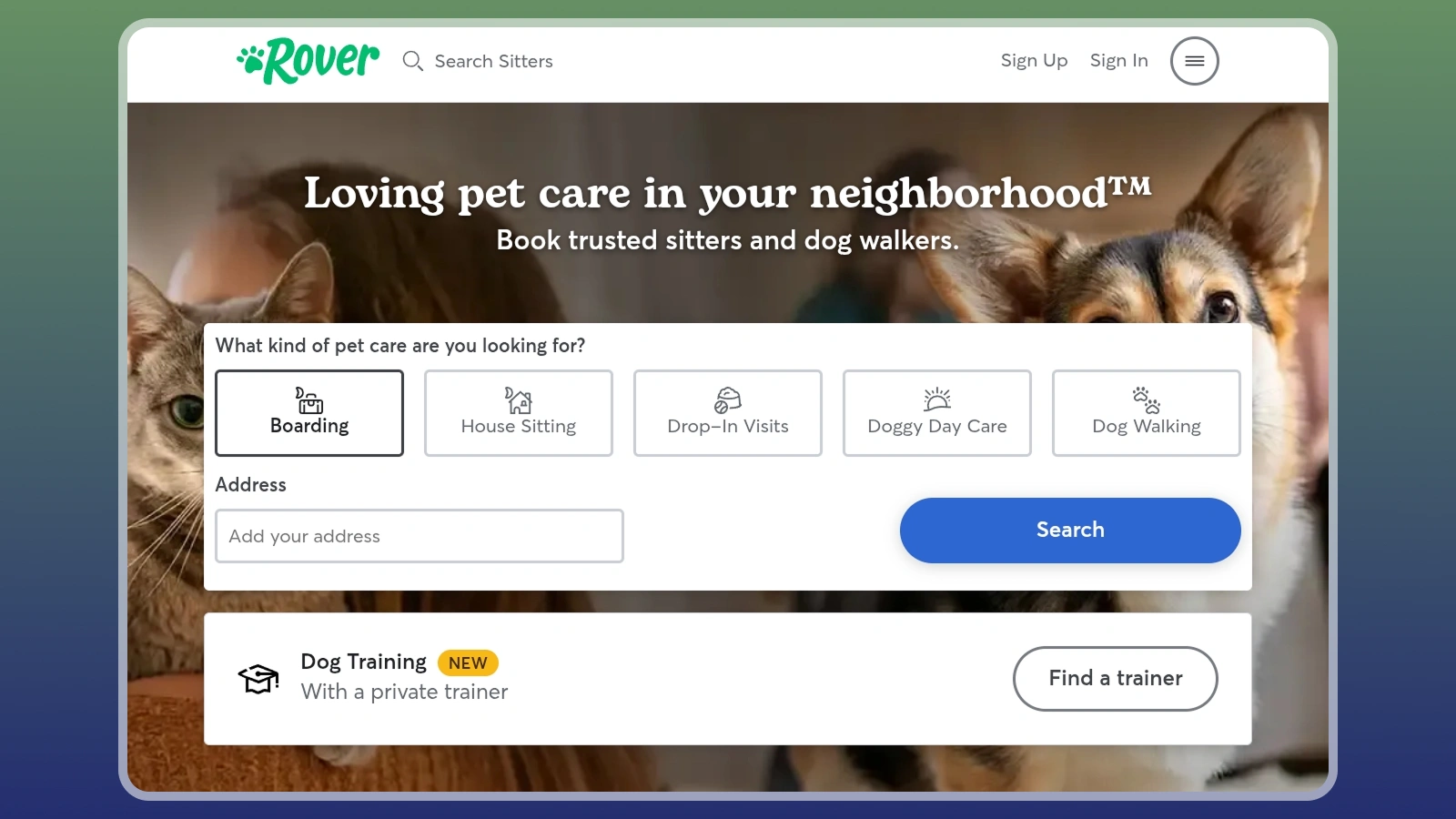
A booked walk or overnight stay keeps 80 cents of every dollar the listed rate charges, since Rover takes a flat 20% service fee from sitters and walkers. Tips are the exception: Rover takes no cut of a tip at all, so a generous client adds pure margin on top of the booked rate.
RoverGO, the faster path to bookings with less profile control, drops that to 75%, a 25% fee for less waiting. Either way, there is no inventory and no tool beyond a phone, so the fee is close to the entire cost structure once you already have a safe space or a walking route.
These three steps take you from signup to a first booking:
- Apply on Rover and complete its background check.
- Price a walk near what three nearby sitters already charge.
- Confirm a meet-and-greet before the first paid booking.
For this side hustle with low startup cost, the common mistake is underpricing to win the first booking, since the 20% fee applies the same whether the rate is $15 or $30, so the lower rate simply keeps less. Wag and Fetch! Pet Care also offer comparable marketplaces if you’re exploring the most profitable side hustles.

6. Online Tutoring
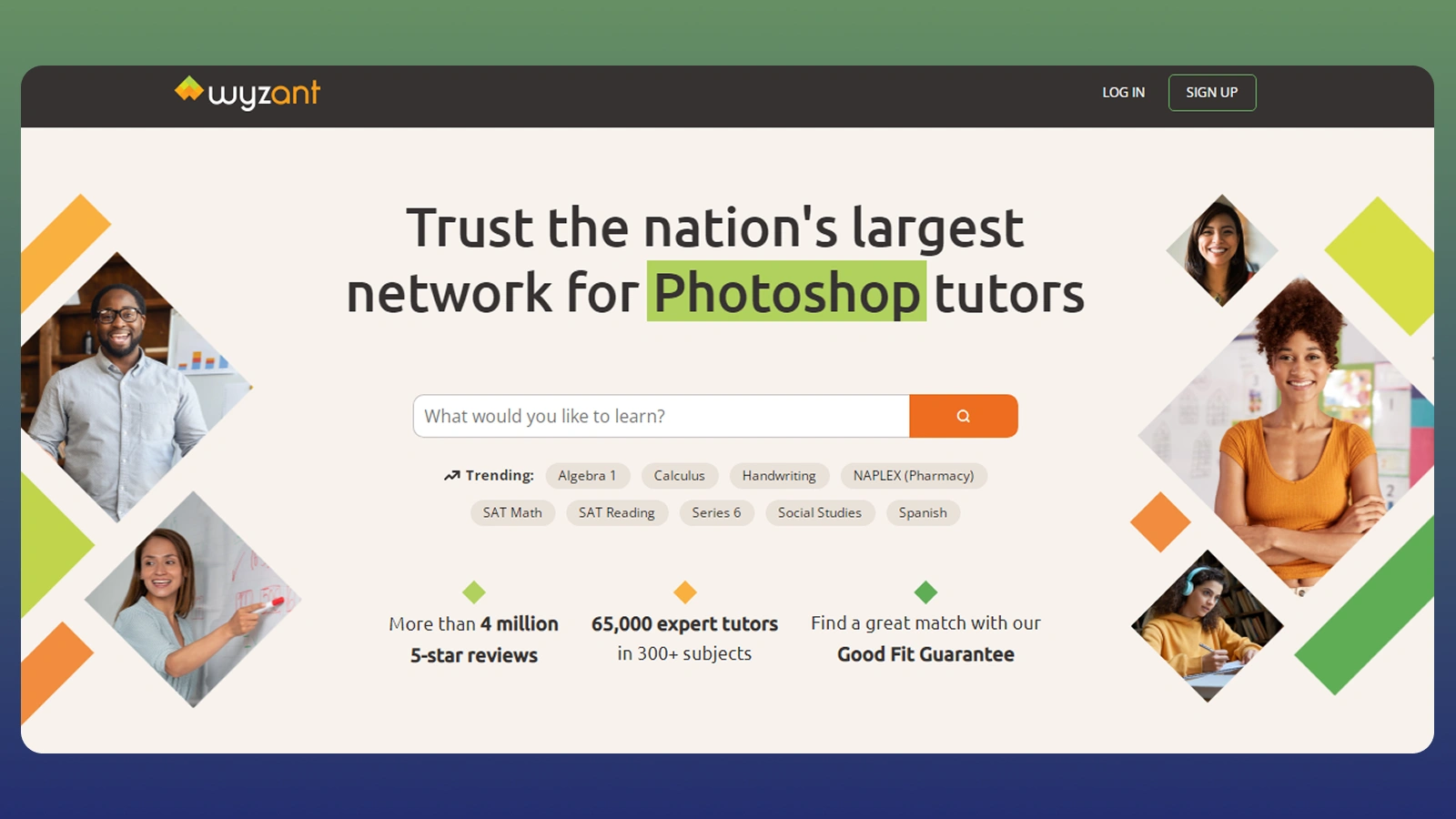
Tutoring keeps 75 cents of every dollar you post as your rate, since Wyzant retains a flat 25% platform fee on every standard lesson. Bring your own student instead of one Wyzant found for you, and that fee drops to zero, so the platform is genuinely optional once you have a client.
You set the rate yourself instead of accepting a posted one, so a $50 hour nets $37.50 after the standard fee, still ahead of many hourly gig options once the tax bill is applied evenly across all of them. There is no cost to list, so the fee is the entire deduction.
The mistake here is pricing against the cheapest tutor on the platform rather than against the 25% cut, so post the rate you actually want divided by 0.75 and hold it. If you’re looking into the most profitable side hustles like this method, Preply and Varsity Tutors run comparable marketplaces with their own fee structures.

7. Handyman Services
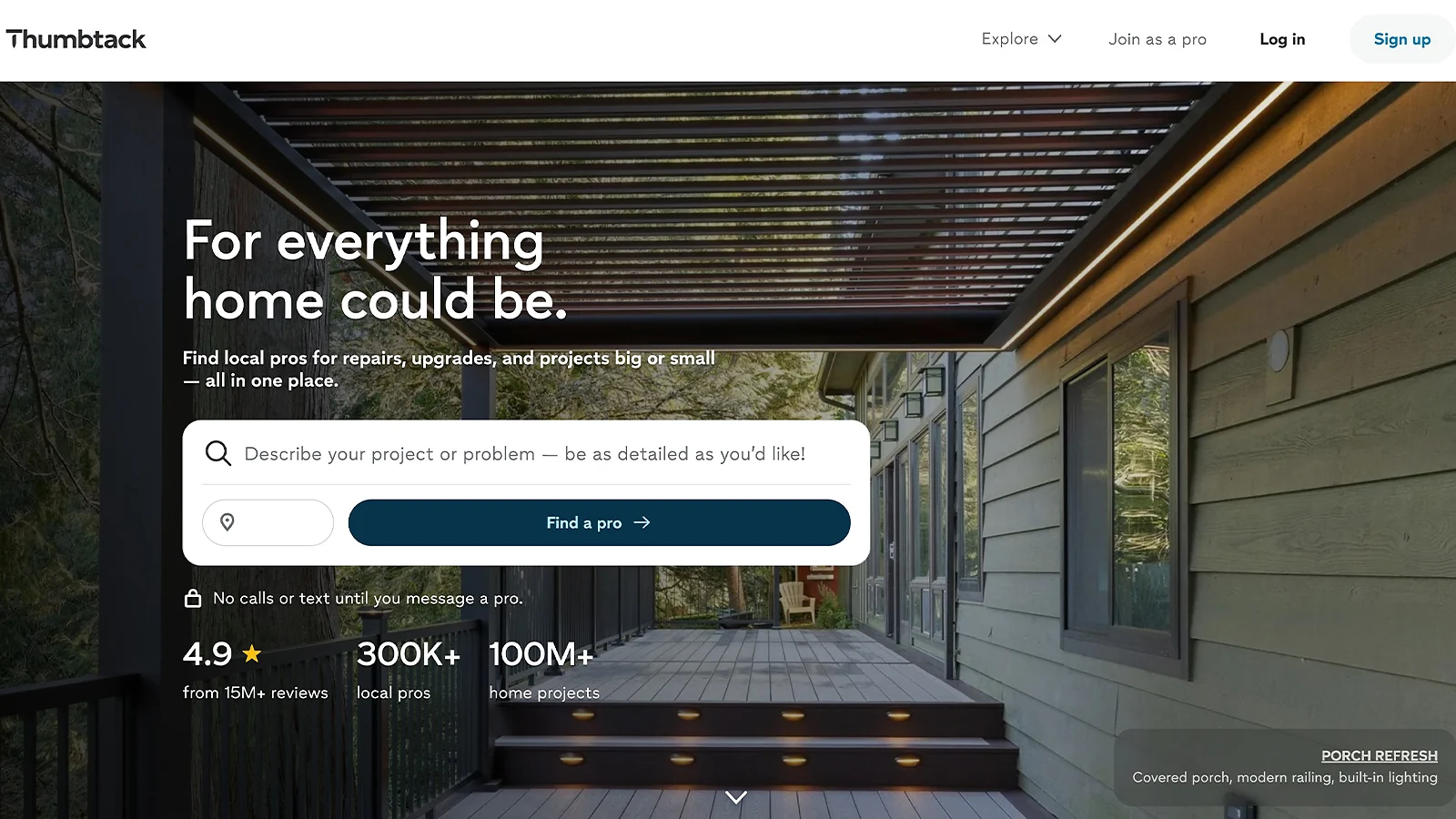
A handyman side hustle on Thumbtack starts with finding customers who need local projects completed. There’s no charge to join and no annual or membership fee, but Pros pay when a new customer contacts or hires them through a lead.
You control your lead budget. Thumbtack shows Pros what a lead costs in their area and lets them decide how much they’re willing to spend each week. Lead costs vary based on the size of the job and the Pro’s location.
You can also choose the types of work you want to pursue. Thumbtack matches Pros with customers based on criteria like project type and travel range, while its platform lets Pros set their own lead prices and a budget that fits their business.

8. Flipping Game Skins and Digital Items
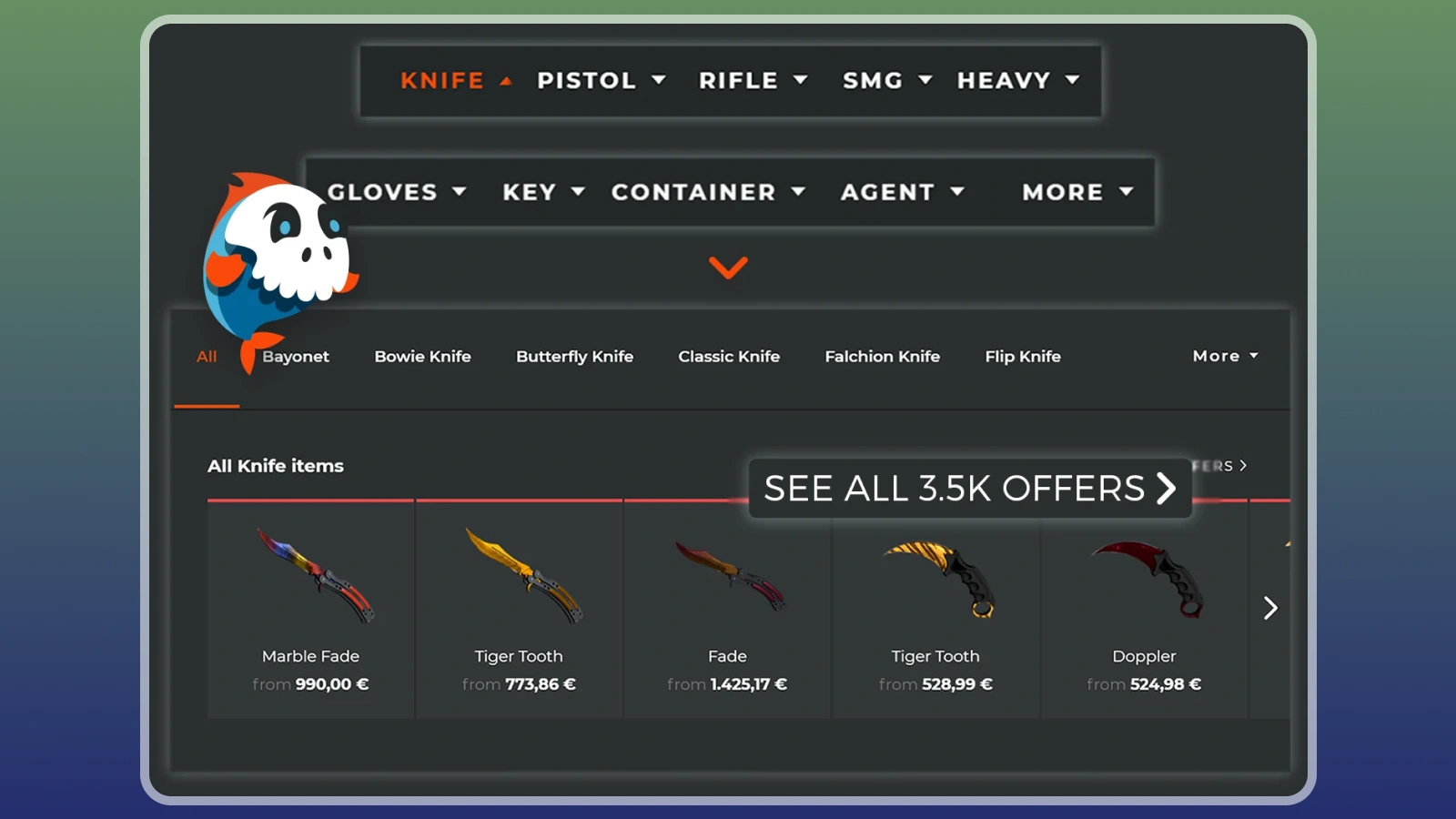
Flipping game skins nets 5% to 15% per trade after fees on a liquid item, and the marketplace you pick changes that margin more than the trade itself. Skinport charges a seller fee of 12%, dropping to 6% on higher-value items. Steam’s own Community Market charges a flat 15% instead, a heavier cut for the same kind of trade.
The bigger catch sits outside the fee entirely: Steam’s own subscriber terms keep Community Market proceeds inside your Steam Wallet, spendable only on more Steam purchases, never withdrawable as real cash. A third-party marketplace that pays to a bank account or e-wallet is the only version of this method that is an actual side hustle instead of store credit.
You need starting capital tied up in skins and patience for the market to move. These three checks come before any trade:
- Check if a marketplace is genuinely operating before depositing items.
- Compare the same skin’s price across two marketplaces first.
- Withdraw as cash instead of letting a balance sit idle.
The mistake is chasing a 15% swing that a 12% or 15% fee has already eaten most of. So target liquid items with a real, repeated spread instead of a single dramatic price jump, which is also sound advice when selling CS2 skins in general.

9. Running a Dropshipping Store

Dropshipping nets 5% to 15% after ad spend on most stores, well below the 15% to 30% margin the same store shows before advertising. The gap between those two numbers is entirely ad spend. Volatile is the honest word for this margin, not low.
Shopify charges a monthly platform fee starting around $29, on top of a payment processing fee near 2.9% plus $0.30 per transaction, before a single ad dollar is spent. Here, you are also betting on a supplier’s shipping times and product quality, both outside your control once an order ships.
Three checks come before the first ad dollar:
- Order the product yourself before listing it for sale.
- Price with the platform fee and ad cost already built in.
- Test with a small ad budget before scaling spend-up.
The mistake is quoting the pre-ad margin as the real one, since over half of dropshippers name thin margins as their biggest problem once ads enter the picture. Treat the 15% to 30% figure as a ceiling, not a baseline.

10. Food Delivery
Delivery driving nets roughly $10 to $15 an hour after a car’s real running cost comes out, the thinnest margin of the most profitable side hustles ranked here despite a gross figure that looks competitive. DoorDash drivers average close to $12.43 gross per active hour, but that figure has not yet paid for a single mile of fuel, maintenance, or depreciation.
The IRS’s own 72.5-cent 2026 mileage rate is the honest stand-in for that real cost. Independent cost-per-mile studies of gig drivers put the true figure closer to $0.34 to $0.62, depending on the vehicle. Any delivery paid less than that per mile is not simply a low margin. It can be a loss once the car itself is priced fairly, and a faster route to $200 may cost less than it looks like it earns.
Three steps set the account up before the first shift:
- Sign up with DoorDash and pass its background check.
- Track every mile driven, not just paid trips.
- Set aside 15.3% of net profit for self-employment tax.
The mistake here is reading the app’s gross figure as pay, when fuel, wear, and tax sit between that screen and what actually reaches your account. Uber Eats and Instacart run the same errands under the same real cost.

Comparing the Most Profitable Side Hustles
The most profitable side hustles vary in the skills, costs, and work involved. As with comparing digital markets like DMarket, it’s worth comparing different ideas and platforms to see which factors best fit your goals before choosing an option.
| Method | Platform | Skills Needed | Profit Drivers |
|---|---|---|---|
| Renting Out Storage or Parking Space | Neighbor | Property management, communication | Space availability, location, rental rates, hosting costs |
| Selling Digital Downloads and Printables | Etsy | Digital design, product creation | Product pricing, sales volume, platform fees |
| Tax Preparation | Taxfyle | CPA or EA credential, tax knowledge | Return complexity, workload, professional rates |
| Bookkeeping | QuickBooks ProAdvisor | Bookkeeping, QuickBooks, client communication | Client rates, recurring work, software costs |
| Pet Sitting and Dog Walking | Rover | Animal care, reliability, communication | Service rates, bookings, platform fees, travel |
| Online Tutoring | Wyzant | Subject expertise, teaching, communication | Hourly rates, tutoring volume, platform share |
| Handyman Services | Thumbtack | Repair skills, tools, customer service | Job rates, lead costs, materials, travel |
| Flipping Game Skins and Digital Items | Skinport | Market knowledge, pricing, account security | Buy-sell spreads, sales volume, selling fees |
| Running a Dropshipping Store | Shopify | Product research, marketing, store management | Product pricing, sales volume, ad spend, operating costs |
| Food Delivery | DoorDash | Driving, navigation, customer service | Delivery volume, pay, mileage, vehicle costs |
How This Ranking Was Built

Every one of the most profitable side hustles here had to publish its own fee schedule and, where a real cost exists beyond the fee, a documented figure for that cost, too. Anything priced only by a blog quoting another blog’s guess was cut before it reached this list.
What Every Method Had to Prove
These checks decided which of the most profitable side hustles made the final list:
- A published fee. Straight from the platform’s own fee page, not a reseller’s estimate.
- A real cost beyond the fee, priced honestly. A vehicle’s cost per mile, an item’s sourcing cost, or an ad budget.
- Gross and net kept apart. DoorDash’s $12.43 gross figure is not the same number as its net one.
- Legal and age-appropriate. US-legal, adult-appropriate, no gambling routes.
A method failing one of those checks did not make the list above.
What Got Cut
Out went anything whose margin claim traced only to a marketing page with no fee schedule behind it, and any method where the platform itself would not confirm what it charges. Ideas that scale mainly through hiring other people, like running a small agency, were also left out. Even a target like earning $2,000 quickly assumes the person on this list is doing the work, not a team around them.
Can Reward Apps Add to Your Margin?
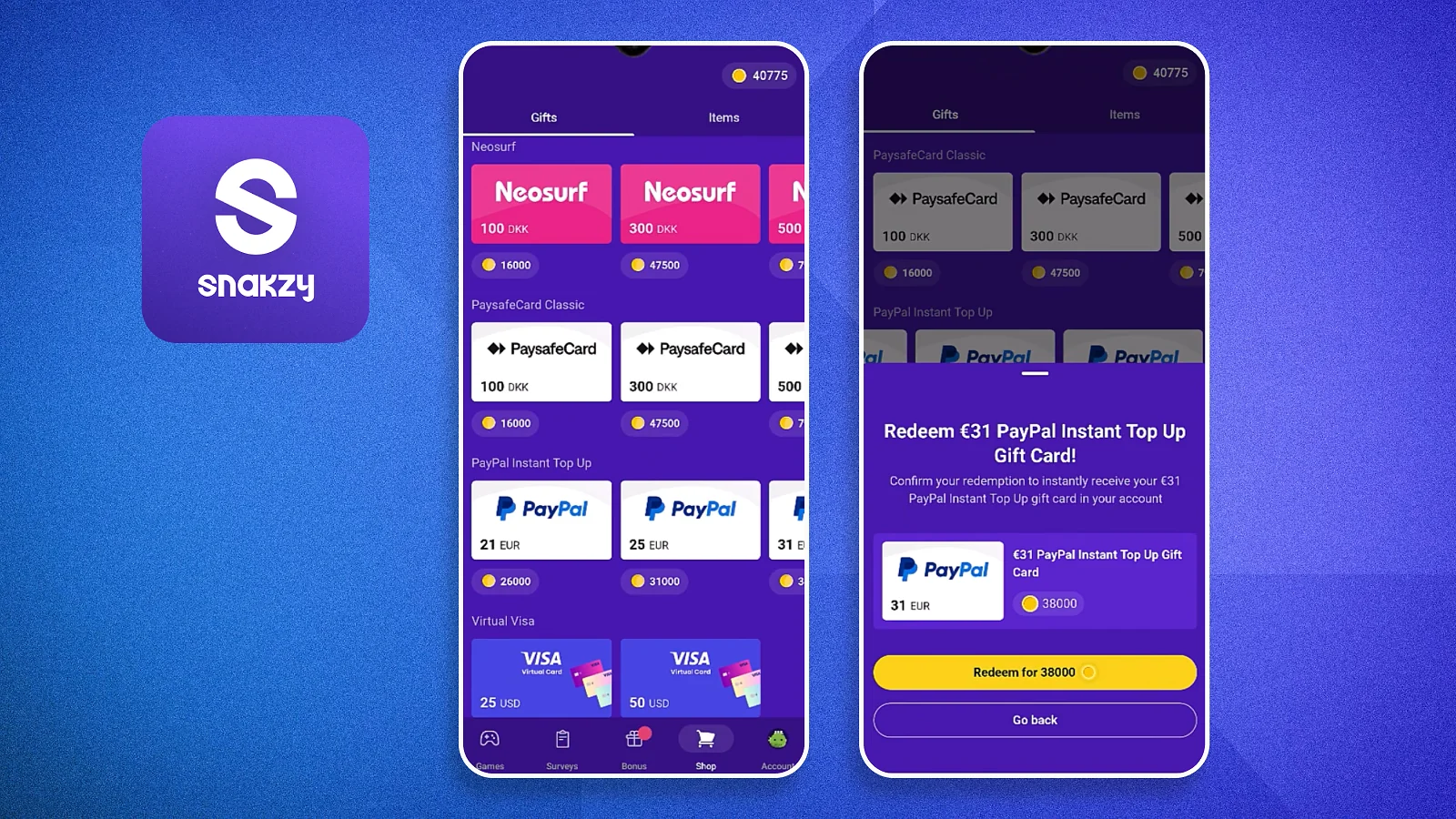
Reward apps add a modest amount of money a month, not a real margin on the scale of the most profitable side hustles ranked above. If you want to earn extra money for small expenses while working on the most profitable side hustles, here are the top options:
| App | Best For | Entry Cost |
|---|---|---|
| Snakzy | Extra earnings from mobile games | Free |
| Swagbucks | Surveys, shopping, games, and offers | Free |
| Freecash | Games, offers, and surveys between other gigs | Free |
If you prefer to earn extra money through games, Snakzy is one of the best apps that pay real money for casual gaming, with a variety of offers to keep you engaged.
Earn extra money with Snakzy while exploring the most profitable side hustles.

What Doesn’t Work

Most damage here is not a scam in the classic sense; it is a real number presented without the cost that shrinks it. The traps below attach to the most profitable side hustles ranked above, not a generic list of unrelated warnings.
Schemes That Sell You the Margin, Not the Work
These charge you before any client, renter, or buyer does.
- Done-for-you store packages. Paid “automation” services promising to run a dropshipping or digital store business while you collect the margin. Under the FTC’s Business Opportunity Rule, an earnings claim needs written backing and a disclosure document before you pay.
- Paid lists of “guaranteed profit” listings. A directory sold for cash promising margin you could otherwise research free on a platform’s own fee page.
- Skin-trading bots asking for upfront deposits. A marketplace demanding payment before a trade completes is not one of the most profitable side hustles on this list; it is the deposit that is profitable, and for someone else.
Charging you before a real buyer does is the tell in every one of these.
Real Platforms Used Badly
For the most profitable side hustles, these are genuine platforms where the margin quietly disappears.
- Reading gross pay as the margin. DoorDash’s gross-per-hour figure has not yet paid for fuel, maintenance, or depreciation.
- Ignoring self-employment tax until filing season. 15.3% on net profit is due whether or not it was set aside during the year.
- Treating Steam Wallet funds as cash. Money from a Community Market sale stays inside Steam, spendable only on Steam purchases.
- Scaling ad spend before the margin is proven. A digital or dropshipping product that is not yet profitable at a small ad budget will not become profitable at a larger one.
One last check before starting any of the 10 ideas above: find the platform’s own fee page in under two minutes. If it does not exist, the margin claim you were shown is not one you can verify.
Final Verdict on Most Profitable Side Hustles
If you already have unused space, renting it through Neighbor is the most direct option because it turns an existing resource into income. For specialized skills, Taxfyle and QuickBooks ProAdvisor offer service-based options for qualified tax and accounting professionals, while Etsy suits digital product creators.
For flexible local work, food delivery through DoorDash provides a straightforward way to earn through deliveries. Rover, Wyzant, and Thumbtack are alternatives for pet care, tutoring, and skilled local services. Compare each platform’s requirements, costs, and work involved in the most profitable side hustles, then choose the method that best matches what you already have to work with.
Earn extra money with Snakzy while exploring the most profitable side hustles.
FAQs
Renting out storage or parking space is the most profitable side hustle by margin, keeping about 95% of every dollar after Neighbor’s host fee. It needs no new skill, only the space you already have.
Profit margin matters more because gross pay ignores the platform fee, the real cost of any tools or a vehicle, and the 15.3% tax owed on net profit. Two methods paying the same gross amount can leave completely different sums in your account.
Yes, bookkeeping and tutoring both scale to a full income once you have enough clients booked, since neither caps your rate or your hours. The passive methods pay less in total but need far less of your time to run.
Platform fees change what side hustle is actually most profitable by ranging from under 5% on storage rental to 25% on tutoring and 20% on pet sitting. A lower fee on a smaller number can still net more than a higher fee on a bigger one.
Yes, self-employment tax runs 15.3% on net earnings once they pass $400, per the IRS, on top of ordinary income tax. That bill is exactly why the most profitable side hustles here are ranked on take-home pay, not the gross number on the listing.