

How Do I Make Money Work for Me? 7 Practical Ways

Eneba Hub contains affiliate links, which means we may earn a small commission if you make a purchase through them—at no extra cost to you. Learn more



KEY TAKEAWAYS
Lowest-effort starting point: A high-yield savings account can put idle cash to work with little ongoing effort.
Lower-risk short-term option: Treasury bills suit money you can set aside for a fixed period and do not want exposed to stock-market swings.
Higher-growth options carry more risk: Index funds and REITs can rise or fall in value, so returns are never guaranteed.
You can also make existing assets earn: eBay, Printful, and Adobe Stock turn belongings, designs, or creative work into potential repeat income.
If you’re asking how do I make money work for me, start with cash or assets you already have. Idle money can earn interest through a high-yield savings account or Treasury bills, while index funds and REITs offer growth or income potential with a real risk of losing value.
You can also make your money work for you by turning assets into something that keeps producing income. Selling unused items on eBay can create cash to reinvest, while Printful lets a finished design generate future orders. Adobe Stock works on a similar principle through repeat licensing of photos and video.
This guide compares seven realistic methods by startup cost, effort, risk, and earning potential. The right choice depends on whether you already have spare cash, useful assets, or something you can create once and sell more than once.
Jump to:
Is Making Your Money Work for You Actually Realistic?
Yes. If you’re asking how do I make money work for me in a realistic way, the answer depends on what you already have. Capital-based methods such as high-yield savings accounts and Treasury bills need money upfront before they can produce a return. Index funds and REITs also require capital, with the added possibility that the value of your investment can fall.
Asset-based methods work differently. Selling unused items on eBay turns belongings that are sitting around into cash you can use elsewhere. Print-on-demand through Printful takes setup work first, but a finished design can continue generating orders. Stock photos and video can also earn repeat royalties after they are accepted by Adobe Stock.
The answer to “how do I make money work for me?” becomes clearer once you separate lower-risk cash products from market investments and online selling. High-yield savings accounts and Treasury bills aim for more modest returns with lower risk. Index funds and REITs expose your money to market movements, while selling products or creative assets depends on actual customer demand.
Your starting position matters more than chasing the highest advertised return. Someone with spare cash has access to different options than someone whose main assets are unused belongings, original designs, or a library of photos. Making your money work for you is realistic when the method matches what you already have and the level of risk you are prepared to accept.
7 Real Ways to Put Your Money to Work
How do I make money work for me in practice? These seven methods approach that goal in different ways, depending on what you own, how much effort you want to put in, and how much risk you can accept.
1. High-Yield Savings With Marcus
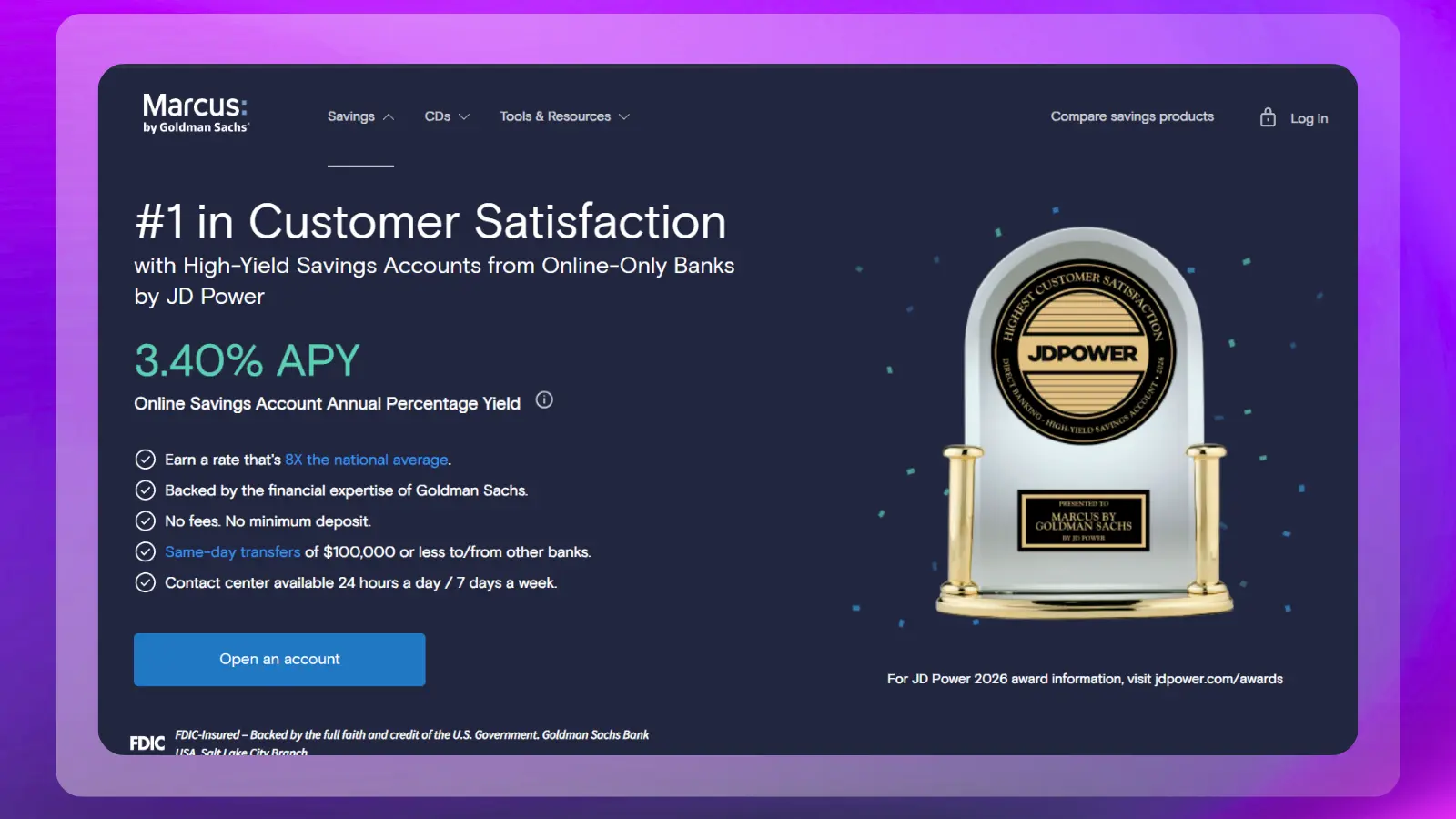
Idle cash is the easiest place to start. Marcus by Goldman Sachs lists 3.40% APY as of August 30, 2026, with no fees and no minimum deposit. The account is also FDIC-insured within applicable limits.
At that APY, a $10,000 balance would earn about $340 over a year if the rate and balance stayed unchanged. The rate itself can change, so that figure should be treated as an example rather than a guaranteed return.
For anyone asking how do I make money work for me with cash they may still need access to, a high-yield savings account is the cleanest starting point here. You earn interest while the money remains available for withdrawal. The common mistake is leaving a large cash balance in an account paying almost no interest when a higher-yield option fits the same savings goal.

2. Treasury Bills Through TreasuryDirect
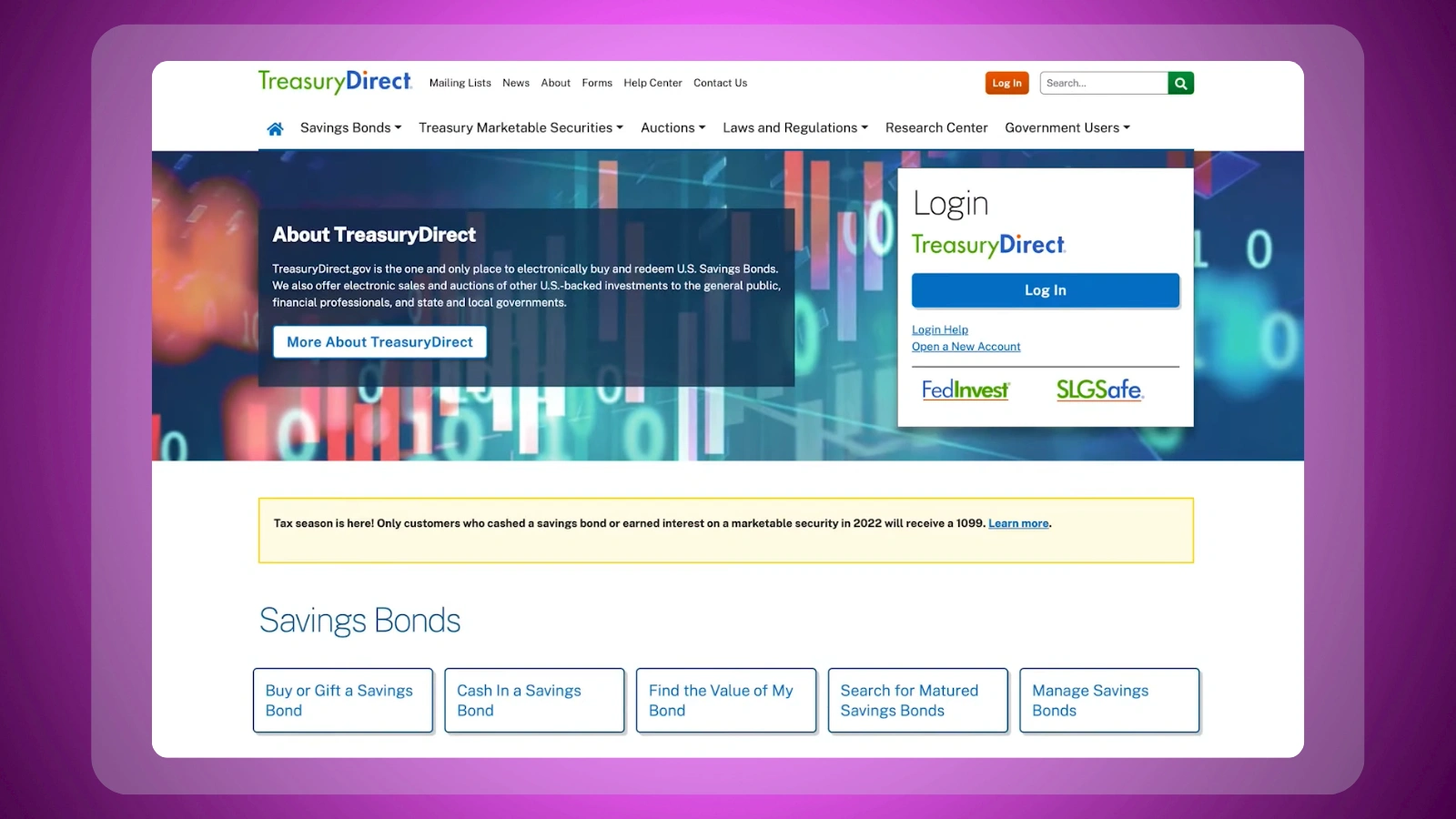
Treasury bills are short-term debt issued by the US government. Regular T-bills have terms between four and 52 weeks, and TreasuryDirect sets the minimum purchase at $100. You usually buy a bill below or at its face value, then receive the full face value when it matures. The difference is your return.
Treasury securities are considered among the safest investments because they carry the full faith and credit of the US government. For lower-risk short-term cash, “how do I make money work for me?” points toward options such as Treasury bills. They work best when you can leave the money untouched for a defined period.
They still have limits. Selling before maturity can expose you to a different market price, while inflation can reduce the real value of the return. I’d treat T-bills as a low-risk cash-management option. They are built for preserving capital and earning a modest return. The common mistake is choosing a maturity date before checking when you will actually need the money.

3. Dividend and Index Fund Investing With Fidelity
Long-term investing carries more risk, but it also gives your money more room to grow. A broad index fund spreads one investment across many companies, which reduces the impact of any single company performing badly.
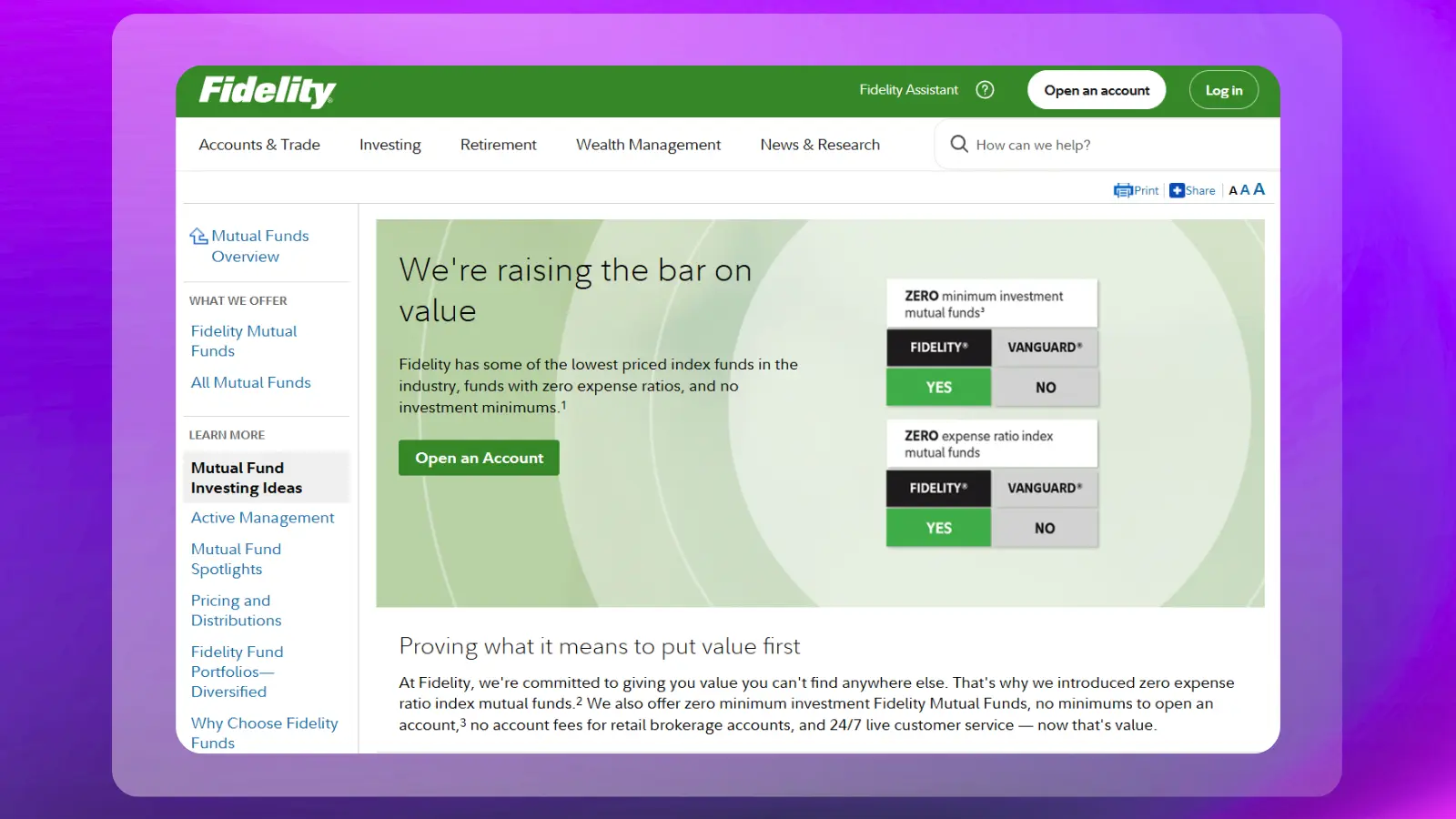
Fidelity’s FZROX Total Market Index Fund currently has a 0.00% expense ratio and $0 minimum investment. Its five-year average annual return was 11.93% as of August 31, 2026. That is historical performance, and future returns can be much lower or negative. Fidelity also warns that stock markets can decline significantly.
For a long-term answer to how do I make money work for me, this is where compounding becomes important. Reinvested gains and distributions can build on earlier returns over many years. Making money work for you through index funds still puts your principal at risk, so this belongs behind savings and Treasury bills for readers who prioritize safety.
The common mistake is treating a strong recent return as an annual promise. Index investing works better with a long time horizon because market prices can fall sharply over shorter periods.

4. REIT Investing for Real Estate Exposure
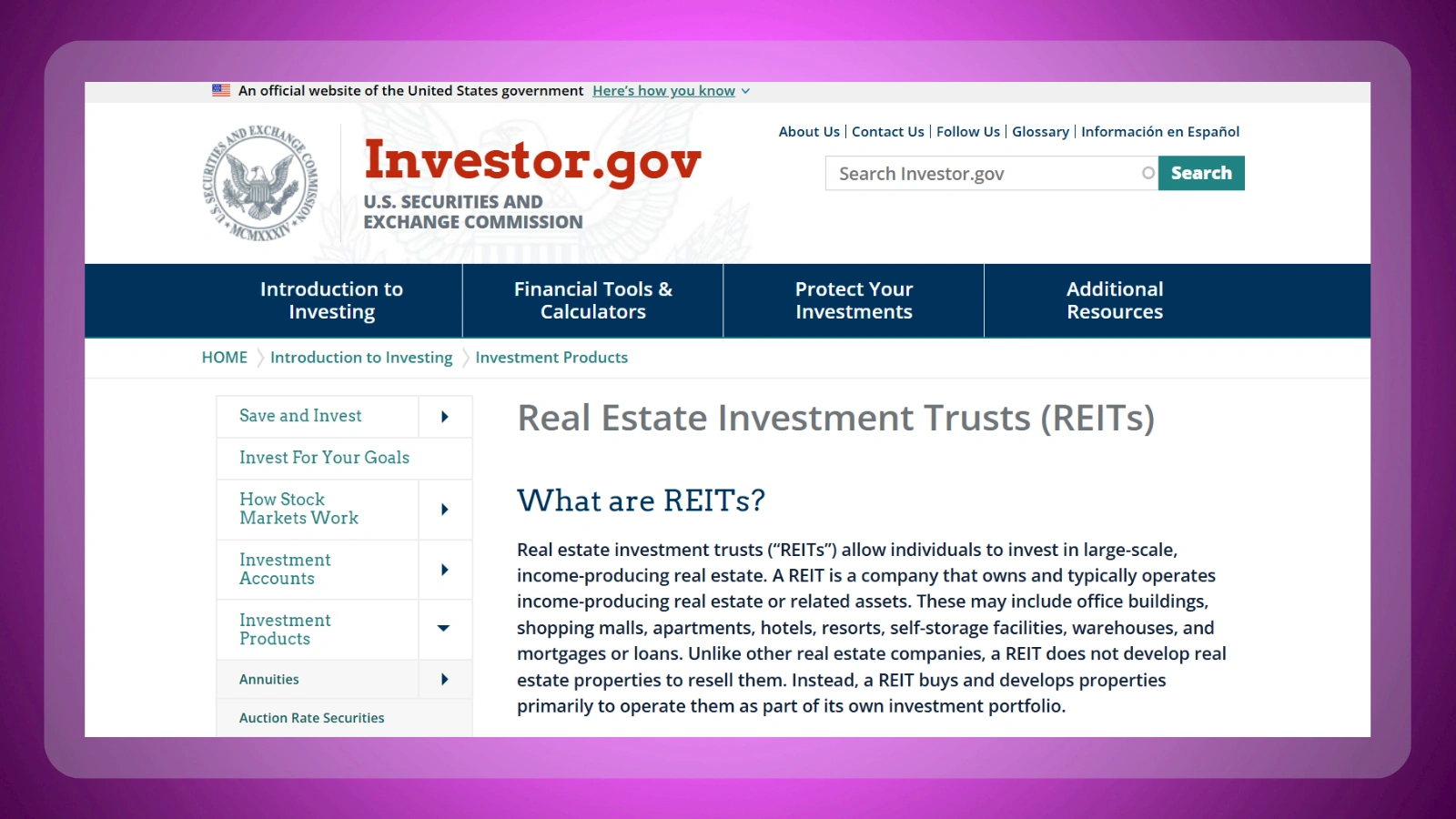
A real estate investment trust, or REIT, lets you invest in companies that own income-producing property. That can include apartments, warehouses, or commercial buildings. Publicly traded REITs can be bought through a brokerage much like regular stocks.
How do I make money work for me through real estate without buying property myself? Publicly traded REITs offer exposure to rental and property income through shares. REITs are also required to distribute at least 90% of taxable income to shareholders to maintain their REIT status, which is one reason income-focused investors pay attention to them.
There is real investment risk here. Public REIT share prices can fall, property income can weaken, and changing interest rates can affect performance. Dividends are not guaranteed. I’d also keep this article focused on publicly traded REITs. Investor.gov warns that non-traded REITs can carry liquidity problems and substantial upfront fees.
The common mistake is seeing the real-estate label and assuming the investment is as stable as a savings account. It is still a market investment, and you can lose money.

5. Reselling Items on eBay
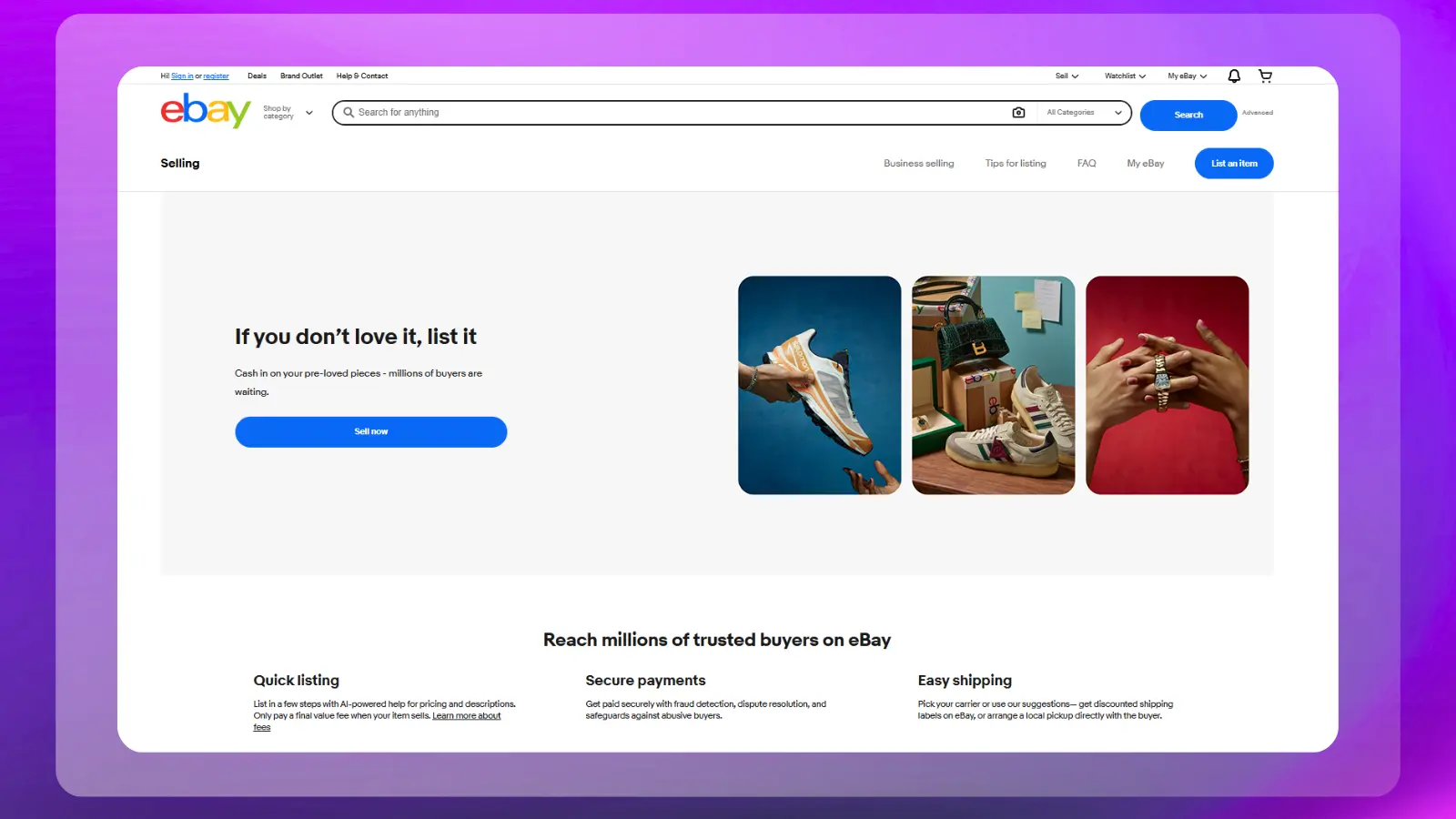
Unused belongings are another form of idle value. If you are asking how do I make money work for me with little spare cash, eBay can turn items you already own into starting capital that can be saved or used elsewhere.
Part-time eBay resellers spending 5 to 10 hours a week can net around $200 to $500 a month after fees, according to Underpriced.app’s 2026 reseller income breakdown. Actual results depend heavily on what you have to sell and how consistently items move.
Fees have to come out before you treat a sale as profit. eBay currently charges a 13.6% final value fee on most categories up to $7,500, plus $0.30 on orders of $10 or less or $0.40 above that threshold.
The useful part of this method is what happens after the first sale. Cash trapped in an old phone, console, collectible, or other unused item becomes working capital. You can move the proceeds into savings or use part of them to source another item. The common mistake is pricing around the sale amount and forgetting that fees and shipping reduce what actually reaches your pocket.

6. Print-on-Demand Selling With Printful
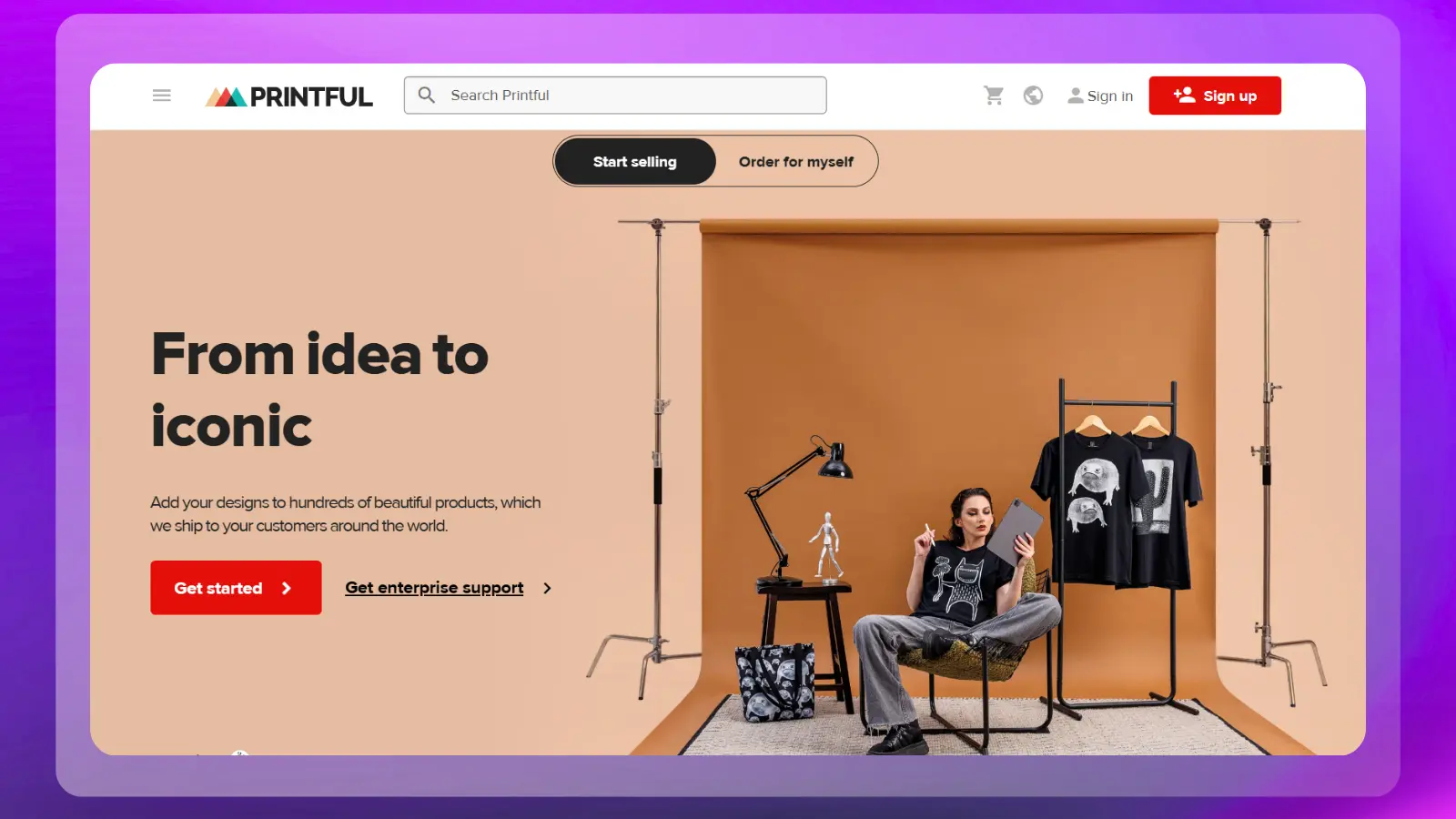
Print-on-demand takes more setup than a savings account, but it can turn a finished design into an asset that sells repeatedly. Printful is free to join, and products are made only after a customer places an order. You do not need to buy or store inventory upfront.
Newer print-on-demand shops can earn around $50 to $300 a month, while more established sellers can reach $1,000 to $2,000 or more, according to GrowingYourCraft’s 2026 breakdown. Those figures depend on demand and should not be treated as guaranteed income.
With creative assets, “how do I make money work for me?” takes on a different meaning. The valuable asset is the catalog you build. A design takes work upfront, but Printful can handle production and shipping each time it sells. Our guide to making money with a hobby covers more ways to turn something you already enjoy creating into income. You still need to market the store and update products, so the model is semi-passive at best.
The common mistake is setting a retail price from the base product cost alone. Production, shipping, storefront fees, and advertising can all reduce the final margin.

7. Selling Stock Photos and Video on Adobe Stock

Photos and video can become reusable digital assets once they are accepted by Adobe Stock. You upload the file once, and customers can continue licensing it later. Adobe currently pays 33% royalties on photos, vectors, and illustrations and 35% on video under its standard plans.
The earning ceiling depends on how often your work is licensed. Standard images in large subscription plans currently have a $0.33 minimum royalty for contributors below 1,000 lifetime licenses, so a small portfolio should expect modest returns. A larger library gives each individual upload more chances to sell.
For creators asking how do I make money work for me using work they have already produced, this is one of the clearest asset-based options. Adobe Stock also lets contributors keep ownership of their work under a non-exclusive arrangement.
Making money work for you here requires useful content first. Generic subjects can disappear among thousands of competing files, and uploading a handful of images rarely creates meaningful income. The common mistake is treating stock licensing as instant passive income before building a catalog people actually want to license.
How the 7 Methods Compare
The best answer to how do I make money work for me depends on whether you already have cash to put aside or an asset you can turn into income. The table below separates lower-risk cash options from market investments and methods that require upfront work. The figures below are not directly comparable because savings and investments earn through interest or market returns, while the other methods generate sales or royalties.
| Method | Typical Earnings | Startup Cost |
|---|---|---|
| High-Yield Savings | Around 3.40% APY with Marcus | $0, plus money to deposit |
| Treasury Bills | Varies by auction rate and term | $100 minimum |
| Dividend and Index Funds | Historical returns vary, with no guaranteed return | $0 minimum with FZROX, plus money to invest |
| Publicly Traded REITs | Varies by REIT, with dividends and share-price changes | Depends on share price or brokerage |
| eBay Reselling | Around $200 to $500/month for part-time sellers | $0 if selling items you own |
| Printful Print-on-Demand | Around $50 to $300/month for newer shops | $0 to start, plus storefront costs |
| Adobe Stock | 33% royalty on images and 35% on video | $0 with existing equipment |
| High-Yield Savings | Around 3.40% APY with Marcus | $0, plus money to deposit |
High-yield savings and Treasury bills are the most conservative options here. Index funds and publicly traded REITs can lose value, so a higher growth or income ceiling comes with a real chance of losing part of your investment.
The asset-based methods trade financial risk for more work. eBay can turn belongings into cash quickly, while Printful and Adobe Stock need useful products or creative assets before repeat income becomes possible. Our guide on how to have extra income covers more active options if you need cash while those assets are still building.
Reward Apps as Short-Term Bridge Income

Reward apps do not really answer “how do I make money work for me?” because they still pay you for completing activities. They can, however, provide a little extra cash while a Printful store or Adobe Stock library is still building traction.
Snakzy and KashKick are free to join, so the main cost is your time. Keep expectations modest, and compare payout requirements in our guide to free apps that pay real money instantly before treating the rewards as money you can move toward a longer-term method.
Free to join, with no application wait and a $35 minimum payout.

What Doesn’t Work
A safer answer to “how do I make money work for me?” starts with recognizing when a return looks more certain than it really is. The biggest mistakes in this list usually come from ignoring risk or expecting an asset to become passive before the upfront work is finished.
- Treating investment returns as guaranteed. Index funds and REITs can fall in value, and past performance does not promise future gains. REIT distributions can also change.
- Choosing a savings product on APY alone. High-yield savings rates can change, so check account terms and access to your money alongside the headline rate.
- Buying a Treasury bill before checking the maturity date. T-bills are designed around a fixed term. Selling before maturity changes the simple buy-and-hold calculation.
- Counting an eBay sale as pure profit. Platform fees, shipping, and the original cost of an item all reduce what you actually keep.
- Calling online selling completely passive. Printful handles fulfillment, but listings still need attention. Adobe Stock also needs a useful catalog before repeat royalties become meaningful.
Final Verdict on Making Your Money Work for You
So, how do I make money work for me in practice? Start with the resources you already have. A high-yield savings account is the simplest option for idle cash you still want accessible, while Treasury bills fit money you can leave alone for a defined period.
Index funds and publicly traded REITs offer a different trade-off. They can provide long-term growth or income, but your investment can lose value. Anyone prioritizing capital preservation should understand that distinction before moving beyond savings products or Treasury securities.
You can also make your money work for you through assets rather than investments. An unused item can become working capital through eBay, while a useful design or stock photo can potentially earn more than once after the original work is finished.
There is no need to use every method here. The strongest approach is the one that fits what you already own and how much risk you are comfortable taking.
Free to join, with no application wait and a $35 minimum payout.
FAQs
With $100, you can start with a Treasury bill or put the money toward a savings account. Investment funds may also accept small amounts, but their value can fall, so understand the risk first.
A federally insured savings account is one of the lower-risk options for cash. US Treasury bills are also considered low risk when held to maturity, though neither offers the growth potential of stock-market investments.
Yes. The question “how do I make money work for me?” does not have to involve stocks. High-yield savings accounts and Treasury bills can earn returns outside the stock market. You can also turn existing assets into income through reselling or licensing creative work.
REITs are legitimate investments, but they are not guaranteed. Publicly traded REIT prices can fall and distributions can change. Non-traded REITs can carry additional liquidity and fee risks.
Partly. eBay reselling still requires active selling, while Printful automates production and fulfillment after an order. Both require more ongoing work than savings interest or holding an investment.
It depends on the method. Savings interest starts accruing after you deposit money, while Treasury bills pay at maturity. Investments need a long time horizon, and asset-based businesses can take months to build consistent demand.