

Apple vs. Samsung: The Ultimate Showdown in 2025

Eneba Hub contains affiliate links, which means we may earn a small commission if you make a purchase through them—at no extra cost to you. Learn more

Apple vs Samsung is the biggest rivalry in tech. Every year, both brands drop new phones that spark debates, fuel YouTube comparisons, and make group chats go wild.
In 2026, the competition is closer than ever. These two giants have been going head-to-head for over a decade, shaping the way we think about smartphones and setting the standard for what a flagship should be.
Both companies have their loyal fans. Apple leans into sleek design, a tightly-connected ecosystem, and a “just works” approach. Samsung pushes boundaries with gorgeous displays, crazy camera zoom, and phones that fold in half.
Choosing between them isn’t easy. Each has real strengths, and the “better” pick depends on what you care about most. Maybe you want top-tier performance for gaming, maybe you need a camera that turns everyday shots into art, or maybe you just want the best all-around experience you can get in your pocket.
In this guide, I’ll break down performance, design, camera quality, displays, and overall user experience. I’ll also talk about pricing, long-term value, and the little things that make a big difference in day-to-day use, like how each phone feels in your hand or how easy it is to switch between apps. And just as important, I’ll cover where each brand falls short, so you know exactly what trade-offs you’re making.
By the end, you’ll know which phone fits your lifestyle best. So, are you Team Apple or Team Samsung? Let’s find out.
Jump to:
Apple vs Samsung: Product Lineup
Apple and Samsung make phones for just about every kind of buyer. Some are light on the price but still solid for everyday use, while others are premium flagships built to impress.
From the basics to the best of the best, here’s how their main lineups stack up and what you’ll usually pay for them.
| Tier | Apple | Samsung | Price Range |
|---|---|---|---|
| 🟩⬜⬜ Budget | iPhone SE | Galaxy A32 (A Series) | $200–$399 |
| 🟩🟩⬜Standard | iPhone 14 | Galaxy S23 (Base) | $799–$899 |
| 🟩🟩🟩Premium | iPhone 14 Pro / Pro Max | Galaxy S23 Ultra | $999–$1,499 |
| 🟩🟩🟩⭐Innovator | — | Galaxy Z Flip 5 / Z Fold 5 | $999–$1,800+ |
Apple’s Smartphone Lineup
- iPhone SE (Affordable): Starting around $399, the iPhone SE is Apple’s budget-friendly option, providing a compact design and essential features for those who don’t need all the bells and whistles.
- iPhone (Standard): The base iPhone models, such as the iPhone 14, typically range from $799 to $899. These devices offer a balanced mix of performance and features, making them ideal for the average consumer.
- iPhone Pro Models (Premium): Prices for iPhone 14 Pro models start at around $999 and can reach up to $1,499, offering top-of-the-line features like advanced cameras, 120Hz displays, and the latest A-series chips.
- iPhone 14 Pro Max (Ultra-Premium): For those who want the very best from Apple, the iPhone 14 Pro Max starts at $1,099, boasting the largest display, premium build quality, and Apple‘s best tech.
Samsung’s Smartphone Lineup
- Galaxy A Series (Affordable): Samsung’s A-series models start from around $200 for the A32, offering great value with features like solid cameras, good battery life, and solid build quality for budget-conscious buyers.
- Galaxy S Series (Flagship): Prices for the Galaxy S23 start at $799 and go up to $1,199 for the Ultra models. These devices are known for their high-end performance, stunning displays, and top-tier cameras.
- Galaxy Z Series (Foldable): Samsung’s foldable devices, like the Galaxy Z Flip 5 and Z Fold 5, start at $999 and can exceed $1,800, offering an innovative foldable screen design for those seeking a premium and unique mobile experience.
From budget-friendly models to the latest flagships, the Apple vs Samsung matchup shows that both brands have a phone to suit almost any need.
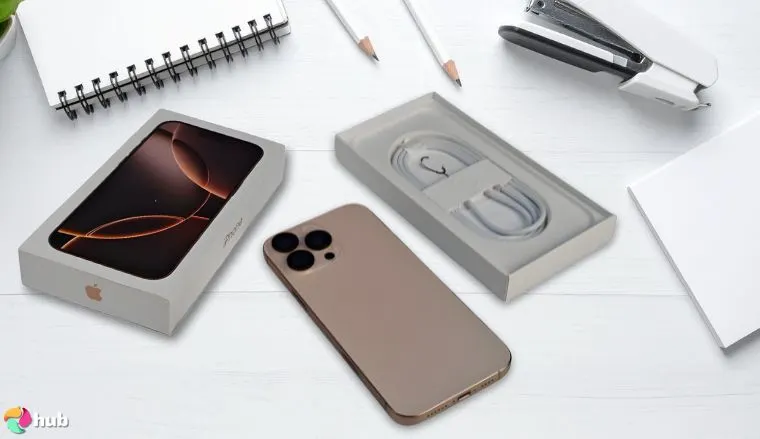
iPhone 16 Pro [Best High-End Apple]
| Specs | Details |
|---|---|
| Operating System | iOS 18 |
| Screen Size | 6.3 inches |
| Resolution | 2622 x 1206 pixels |
| Refresh Rate | 120Hz ProMotion |
| Processor | Apple A18 Pro chip |
| RAM | 8GB |
| Storage Options | 128GB, 256GB, 512GB, 1TB |
| Battery Capacity | 3,582 mAh |
| Dimensions | 149.6 x 71.5 x 8.25 mm |
| Weight | 199 grams |
The iPhone 16 Pro is Apple’s flagship smartphone that pushes the boundaries of performance, design, and functionality. It’s built for users who demand the absolute best in the Apple ecosystem, offering top-tier features, performance, and a pro-grade camera system.
The iPhone 16 Pro is tailored to elevate your experience, no matter if your goals relate to mobile gaming, photography, or multitasking.
If you shoot a lot of photos or 4K video, go for at least the 512GB model. The ProRes and high-resolution files add up fast, and the extra storage will save you from constant clean-ups.
The iPhone 16 Pro is an ideal choice for those looking to upgrade to a high-end Apple device. With its A17 Pro chip delivering exceptional performance, the camera system is perfect for photographers who want the best image quality.
The 120Hz ProMotion display makes everything look incredibly smooth, and with up to 1TB of storage, you’ll have plenty of room for apps, media, and photos.
While the price point may be high, the iPhone 16 Pro offers unmatched value for those invested in the Apple ecosystem.
| Pros | Cons |
|---|---|
| ✅ Top-tier Apple A18 Pro chip ✅ 120Hz ProMotion display for smooth visuals ✅ Pro-grade 48MP camera with advanced computational photography ✅ 5G support for faster connectivity ✅ Ceramic Shield front cover for durability ✅ Up to 1TB storage option for maximum capacity | ❌ Higher price compared to other smartphones, but worth it |
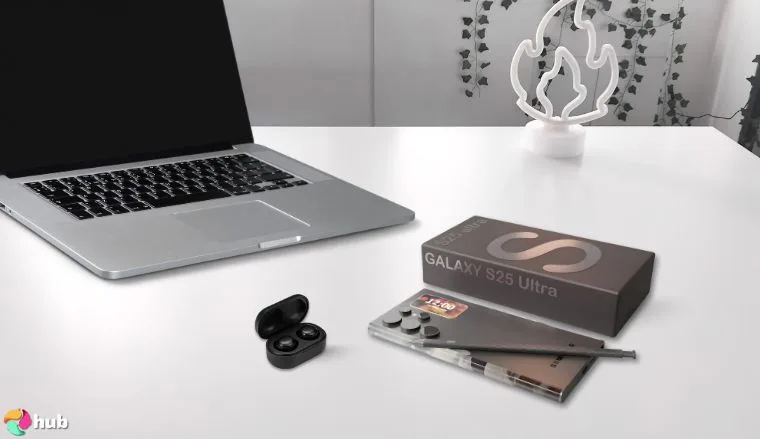
Galaxy S25 [Best High-End Samsung]
| Specs | Details |
|---|---|
| Operating System | Android 15 and One UI 7 |
| Screen Size | 6.2 inches |
| Resolution | 2340 x 1080 (FHD+) |
| Refresh Rate | 120Hz |
| Processor | Snapdragon 8 Elite |
| RAM | 12GB |
| Storage Options | 128GB / 256GB / 512GB |
| Battery Capacity | 4000mAh |
| Dimensions | 146.9 x 70.5 x 7.2 |
| Weight | 162g |
The Galaxy S25 is Samsung‘s pinnacle of Android innovation. It combines a versatile multi-lens camera system with an adaptive AMOLED display, powerful performance via Snapdragon/Exynos, and rich AI features for those looking for a top-tier Android experience.
The Samsung Galaxy S25 is an outstanding choice for those seeking a premium Android phone that does it all. No matter if you’re into photography, gaming, or multitasking, the S25’s combination of performance and features definitely delivers an exceptional experience.
To get the most out of the Galaxy S25’s camera system, explore the Pro Mode in the camera app. Adjusting ISO, shutter speed, and white balance can turn an average shot into a professional-looking photo.
The design is sleek and lightweight, making it comfortable to hold even during long browsing or gaming sessions. If you love user-made content and lots of creative freedom, you can enjoy similar experiences on your Galaxy S25 with one of these best games like Roblox.
S25’s AI-powered optimizations are especially useful for extending battery life without sacrificing speed, while the 120Hz display keeps every swipe and animation feeling fluid. Paired with Samsung’s deep software ecosystem, the S25 blends advanced hardware with practical everyday features.
| Pros | Cons |
|---|---|
| ✅ Vibrant Dynamic AMOLED 2X display for stunning, smooth visuals ✅ Versatile multi-lens camera for high-quality shots in any lighting ✅ Powerful Snapdragon 8 Elite processor for smooth multitasking and gaming ✅ Long-lasting 4000mAh battery for all-day power ✅ Impressive AI features that optimize performance and battery life | ❌ High price for Apple users on a budget |
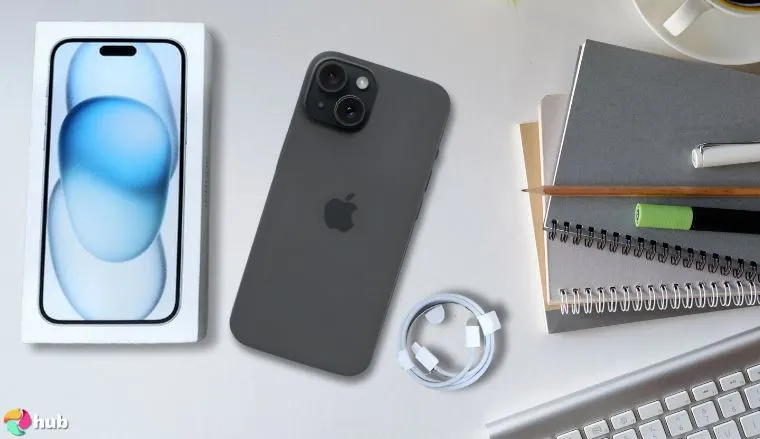
iPhone 15 [Best Mid-Range Apple]
| Specs | Details |
|---|---|
| Operating System | iOS 18 |
| Screen Size | 6.1 inches |
| Resolution | 2556 x 1179 |
| Refresh Rate | 60Hz |
| Processor | A16 Bionic Chip |
| RAM | 6GB |
| Storage Options | 128GB / 256GB / 512GB |
| Battery Capacity | 3349 mAh |
| Dimensions | 147.6 x 71.6 x 7.8 mm |
| Weight | 171g |
The iPhone 15 offers an accessible entry point to the latest iPhone experience with solid performance, a capable dual-camera system, and the core iOS user experience. It’s perfect for those who want a modern iPhone without the “Pro” price tag.
If you plan to keep your iPhone 15 for several years, choose at least the 256GB storage option. Between iOS updates, photos, videos, and games, you’ll appreciate the extra space down the line.
The iPhone 15 strikes a perfect balance between performance and affordability. It offers most of the core features of the Pro models but at a more accessible price point, making it an excellent choice for iphone users who want a premium experience without the extra cost.
| Pros | Cons |
|---|---|
| ✅ A16 Bionic chip for smooth performance across apps and gaming ✅ Dual-camera system for high-quality photos and videos, even in low light ✅ iOS 18 with the latest features and software updates ✅ Great battery life for all-day use ✅ Lightweight and compact design for comfortable one-handed use | ❌ No telephoto lens, missing the zoom capabilities of the Pro models |
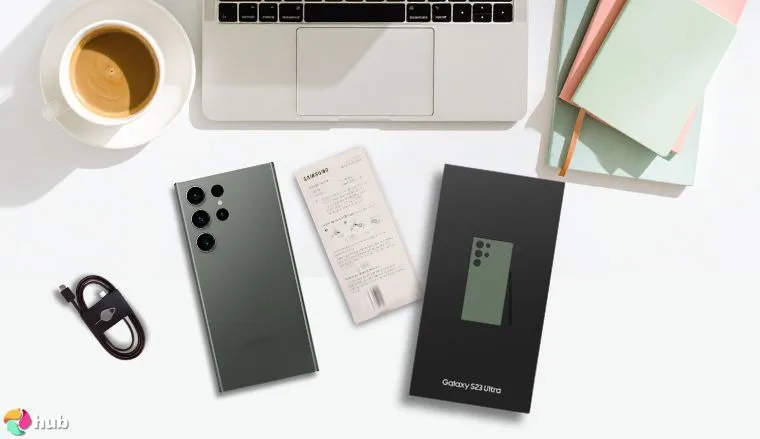
Galaxy S23 Ultra 5G [Best Mid-Range Samsung]
| Specs | Details |
|---|---|
| Operating System | Android 13, One UI 5.1 |
| Screen Size | 6.9 inches |
| Resolution | 3120 x 1440 (Quad HD+) |
| Refresh Rate | 120Hz |
| Processor | Snapdragon 8 Gen 2 |
| RAM | 12GB |
| Storage Options | 256GB / 512GB / 1TB |
| Battery Capacity | 5000mAh |
| Dimensions | 162.8 x 77.6 x 8.2 mm |
| Weight | 218g |
The Galaxy S23 Ultra 5G brings flagship-level features to a mid-range price, including a high-resolution zoom camera, integrated S Pen for productivity, and a long-lasting battery. It’s perfect for power users and content creators looking for premium features at an affordable price.
Take advantage of the S Pen’s Air Actions to control your camera remotely. It’s perfect for group shots, creative angles, or recording hands-free without touching the screen.
The Galaxy S23 Ultra 5G offers a unique mix of premium features at a mid-range price point, especially for those who love photography, productivity tools, and long-lasting battery life. It’s an excellent choice for Samsung users who want a phone that can handle power-intensive tasks, all while staying budget-friendly.
| Pros | Cons |
|---|---|
| ✅ S Pen integration for note-taking, sketching, and document editing ✅ Impressive zoom camera for detailed, high-quality images ✅ 120Hz Dynamic AMOLED display for smooth scrolling and vibrant visuals ✅ Fast charging and 5G connectivity to stay powered and connected ✅ Snapdragon 8 Gen 2 for blazing-fast multitasking and gaming performance | ❌ Heavy design with a larger form factor that may be less comfortable for some users |
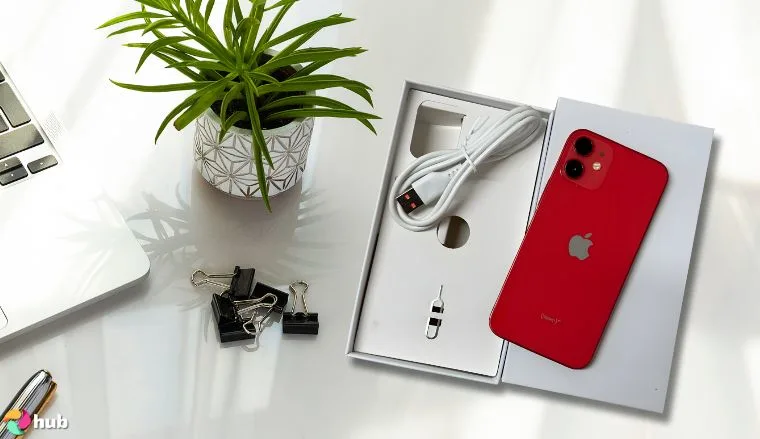
iPhone 12 Mini [Best Entry-Level Apple]
| Specs | Details |
|---|---|
| Operating System | iOS 14, upgradable to latest iOS version |
| Screen Size | 5.42 inches |
| Resolution | 2340 x 1080 pixels (Super Retina XDR) |
| Refresh Rate | 60Hz |
| Processor | A14 Bionic chip |
| RAM | 4GB |
| Storage Options | 64GB, 128GB, 256GB |
| Battery Capacity | 2227mAh |
| Dimensions | 131.5 x 64.2 x 7.4 mm |
| Weight | 135g |
The iPhone 12 Mini offers a premium iPhone experience in a compact, pocket-friendly design. Packed with 5G connectivity, a capable dual-camera system, and the powerful A14 Bionic chip, it’s ideal for Apple users who love the simplicity of a small device without sacrificing performance. The iPhone 12 Mini is perfect for those who want an iPhone with the latest technology but in a smaller, more portable form. If you prefer a compact, minimalist design without compromising on performance or features, this device is a great choice.
If you’re a heavy user, consider pairing the iPhone 12 Mini with a MagSafe battery pack. It adds extra power without adding much bulk, making it ideal for long days away from a charger.
The iPhone 12 Mini proves that good things really do come in small packages. Despite its compact size, it delivers the same high-quality display, camera performance, and overall speed you’d expect from a full-sized iPhone.
Its lightweight build makes it perfect for slipping into your pocket or using comfortably with one hand for long periods. The device’s 5G connectivity keeps it future-ready, while the A14 Bionic chip ensures smooth performance for streaming, gaming, and multitasking.
| Pros | Cons |
|---|---|
| ✅ Compact design that fits easily in one hand for high portability ✅ 5G connectivity for faster speeds in streaming, gaming, and browsing ✅ A14 Bionic chip for fast performance across apps and games ✅ Dual 12MP cameras with Night Mode and Deep Fusion for high-quality photos and videos ✅ Super Retina XDR display with vibrant colors and deep blacks for immersive viewing | ❌ Smaller battery life due to the compact form factor compared to larger iPhones |
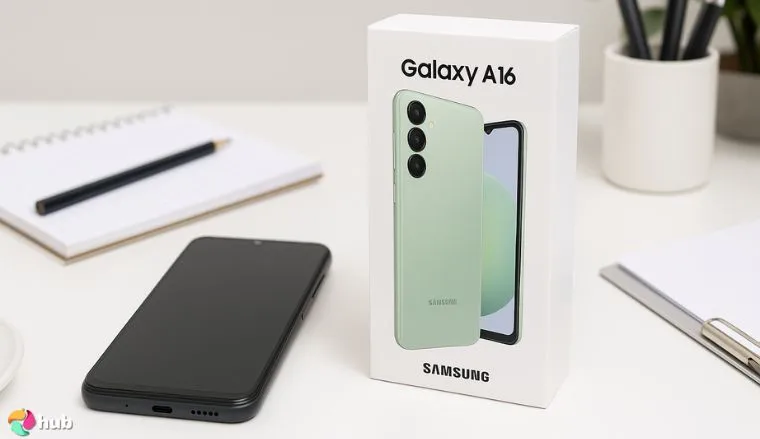
Galaxy A16 5G A Series [Best Entry-Level Samsung]
| Specs | Details |
|---|---|
| Operating System | Android 14, One UI 6.1 |
| Screen Size | 6.7 inches |
| Resolution | 1080 x 2340 (FHD+) |
| Refresh Rate | 90Hz |
| Processor | MediaTek Dimensity 6300 (6nm) |
| RAM | 4GB |
| Storage Options | 128GB and 256GB |
| Battery Capacity | 5000mAh |
| Dimensions | 164.4 x 77.9 x 7.9 mm |
| Weight | 200g |
The Galaxy A16 5G offers essential smartphone features, combining solid performance with a large display, 5G connectivity, and an expansive battery at an affordable price. It’s an ideal choice for users seeking dependable performance for daily tasks without breaking the bank.
Lower the screen refresh rate from 90Hz to 60Hz in settings when you don’t need ultra-smooth scrolling. It can noticeably extend the already long battery life.
This model is a great smartphone for gaming, providing a smooth experience for casual gaming sessions. For an excellent selection of games to try, check out our best puzzle games guide. The Galaxy A16 5G A Series offers users a practical solution for daily use with 5G connectivity, long battery life, and reliable performance. Ideal for budget-conscious buyers or those seeking a no-frills Android phone, it provides all the essentials without the high price tag.
| Pros | Cons |
|---|---|
| ✅ Affordable price for great value ✅ 5G connectivity for fast browsing, streaming, and gaming ✅ Large 5000mAh battery for all-day use ✅ Expandable storage up to 256GB for extra apps and media ✅ MediaTek Dimensity 6300 (6nm) chipset for smooth everyday performance | ❌ Lower HD+ display resolution compared to higher-end models |
Winner: Samsung
Apple vs Samsung: Design and Build
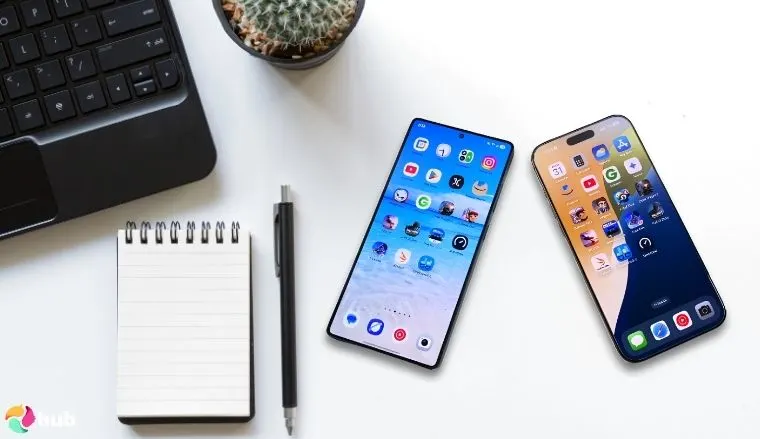
Apple and Samsung are very different when it comes to design and build quality. Each company has its own style that makes their phones unique. These choices affect how the phones look, feel, and work in your hand. Let’s take a closer look at the design philosophies, materials, and ergonomics of their flagship smartphones.
Apple iPhones: Sleek, Premium, and Functional
Apple is known for its minimalist, premium aesthetic with a focus on seamless integration between hardware and software. The design philosophy is clean, with a consistent emphasis on simple, geometric lines and a polished finish.
- Materials Used: iPhones typically use aluminum, stainless steel, and ceramic shield glass. The iPhone 14 Pro, for example, has a stainless steel frame, while the newer iPhone 15 Pro and Pro Max introduced titanium frames. Titanium makes the phone lighter and strong, though it can scratch more easily than stainless steel.
- Durability: Ceramic Shield glass is tough, offering impressive drop protection, while stainless steel frames lend a polished, high-end feel.
- Form Factor: The flat-edge design seen on the iPhone 12 and later offers an ergonomic, sturdy grip. The Dynamic Island on recent models introduces a unique, innovative notch replacement that blends the camera cutout into the interface for better functionality.
- Notable Aesthetic: Apple maintains a consistent look throughout its range, with elegant color choices and refined finishes that cater to a broad market segment.
Samsung Galaxy: Bold, Futuristic, and Curvaceous
Samsung takes a more dynamic approach to design, incorporating bold lines and futuristic elements.
- Materials Used: Samsung uses glass and aluminum, with premium models (e.g., Galaxy S23 Ultra) featuring Gorilla Glass Victus for protection.
- Durability: The use of Gorilla Glass provides excellent resistance to scratches and drops.
- Form Factor: Samsung is known for its curved displays, which offer a more immersive viewing experience. However, this can affect grip and handling. The Galaxy S23 Ultra features a punch-hole camera at the center, a cleaner alternative to notches.
- Notable Aesthetic: Samsung often embraces bold colors and sleek designs, giving its devices a modern, sophisticated look.
Comparison: Ergonomics and User Preference
- Ergonomics: Apple‘s flat-edge design offers a more solid and secure grip compared to Samsung’s curved-edge displays, which may be prone to accidental touches. The notch or Dynamic Island on Apple’s devices is less intrusive for many users, while Samsung‘s punch-hole provides a more streamlined display experience.
- Form Factors: Samsung’s foldable models present a new level of innovation in terms of form factors, offering a flexible, pocketable design for users seeking a larger display in a smaller package. Apple, in contrast, remains traditional but focuses heavily on refining the experience rather than changing the basic form.
In conclusion, both brands offer premium, visually stunning designs. Apple leans into minimalism with sleek, flat-edged devices, while Samsung’s bold, curved edges and innovative foldables cater to users seeking a futuristic feel.
Winner: Samsung
Apple vs Samsung: Display Technology
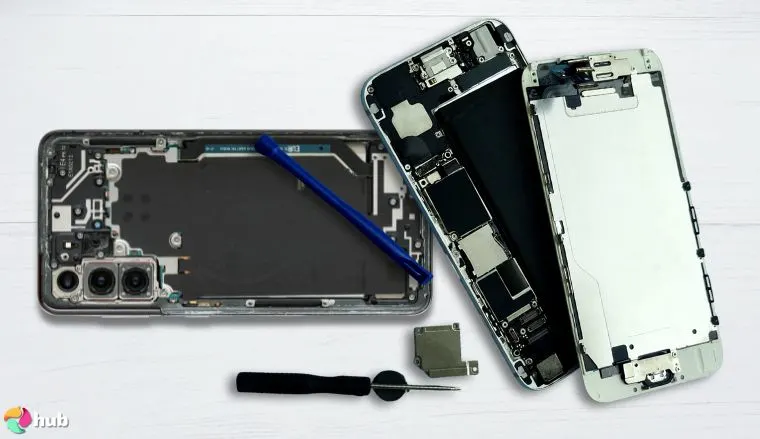
When comparing display technology, Apple and Samsung are two of the most innovative companies, each with its own approach to delivering stunning visuals. Both brands offer exceptional screens with vibrant colors, deep blacks, and high resolutions, but the underlying technologies and features differ. Let’s break down the key elements that make these displays stand out.
Apple Displays: Super Retina XDR OLED
Apple‘s iPhones, particularly in the Pro lineup, are equipped with Super Retina XDR OLED displays, designed to deliver sharp, clear, and lifelike images.
- Resolution & Pixel Density: iPhones offer high resolutions and pixel densities across their range. .
- Brightness: The Super Retina XDR OLED provides peak brightness up to 2000 nits (iPhone 14 Pro), making it incredibly bright in direct sunlight while offering sustained brightness of around 800 nits.
- Color Accuracy: Apple’s displays are known for their color accuracy, offering P3 wide color gamut and True Tone technology, which adjusts the display’s white balance to match ambient lighting.
- Refresh Rate: The ProMotion technology enables adaptive refresh rates, ranging from 10Hz to 120Hz, depending on the content.
- Unique Features: Apple’s Always-On Display (introduced with the iPhone 14 Pro) allows users to view essential information, like time and widgets, without waking the device, enhancing convenience without compromising battery life.
Samsung Displays: Dynamic AMOLED 2X
Samsung, a leader in OLED technology, uses its Dynamic AMOLED 2X displays in the Galaxy S and Galaxy Z series.
- Resolution & Pixel Density: Samsung’s Galaxy S23 Ultra boasts a 3088 x 1440 resolution with a 515 ppi density, offering ultra-sharp visuals. The higher pixel density helps achieve more detail for a rich media experience.
- Brightness: Samsung’s Dynamic AMOLED 2X is capable of reaching 1750 nits of peak brightness (S23 Ultra), providing vibrant outdoor viewing.
- Color Accuracy: Samsung’s Dynamic AMOLED 2X features HDR10+ support, providing a broader range of colors and more contrast in HDR content.
- Refresh Rate: Samsung’s display technology features adaptive refresh rates from 48Hz to 120Hz for smoother scrolling, gaming, and media consumption.
- Unique Features: Samsung’s Vision Booster technology enhances visibility in bright environments, providing better outdoor readability, especially in harsh sunlight. Additionally, the Always-On Display offers key information without unlocking the phone.
Comparison: Display Performance and Features
- Resolution & Pixel Density: Both brands offer sharp displays, with Samsung providing a slightly higher pixel density in most cases (e.g., the S23 Ultra has 515 ppi vs. iPhone 14 Pro’s 460 ppi).
- Brightness: Samsung edges out Apple in terms of peak brightness, especially for outdoor visibility, but Apple’s Super Retina XDR still provides excellent brightness and color accuracy for all lighting situations.
- Color Accuracy: Both brands offer high color accuracy, but Samsung’s HDR10+ and Dynamic AMOLED 2X often provide more beautiful visuals, especially for HDR content. Apple’s True Tone provides a more natural viewing experience.
- Refresh Rate: Both Apple’s ProMotion and Samsung’s Adaptive Refresh Rate offer a dynamic range of refresh rates for smoother scrolling and gaming.
- Unique Features: Apple’s Always-On Display adds convenience, while Samsung’s Vision Booster caters well to those who need optimal visibility in all environments.
Conclusion
Both Apple and Samsung offer world-class displays, but with subtle differences that cater to different preferences. If you value color accuracy and a premium experience with seamless integration, Apple’s Super Retina XDR OLED is the way to go. If you’re looking for a high-brightness, vibrant, and feature-rich display, Samsung’s Dynamic AMOLED 2X offers a compelling alternative.
Winner: Samsung
Apple vs Samsung: Performance Chips
When it comes to mobile performance, both Apple and Samsung have set the bar with their proprietary chips: Apple’s A-series Bionic and Samsung‘s use of Qualcomm Snapdragon and Exynos processors. Let’s take a closer look at how each company’s chip stacks up.
Apple: A-series Bionic Chips
Apple’s A-series Bionic chips are designed and manufactured in-house, making them one of the most powerful chips on the market. The A17 Pro, found in the iPhone 15 Pro series, is a prime example of Apple’s continued innovation in mobile processors.
- CPU Performance: The A17 Pro is built on a 3nm architecture, boasting 6 CPU cores: 2 high-performance cores and 4 efficiency cores. .
- GPU Performance: Apple’s new GPU in the A17 Pro provides up to 20% faster graphics performance, which is perfect for gaming and heavy-duty video editing.
- Real-World Speed: In terms of real-world usage, Apple’s chips are highly optimized for system fluidity. The iPhone’s overall responsiveness remains smooth, from app launch speeds to multitasking.
- Power Efficiency: The A17 Pro excels in power efficiency, thanks to its 3nm architecture. Despite its high performance, it delivers better battery life than its predecessors, making it ideal for long gaming sessions or heavy video editing.
Samsung: Qualcomm Snapdragon & Exynos Processors
Samsung uses Qualcomm Snapdragon processors in many regions, while their Exynos chips are used in select markets (e.g., Europe). Both chips are designed to provide powerful mobile performance, with differences in architecture and real-world efficiency.
- CPU Performance: The Snapdragon 8 Gen 3 (found in the Galaxy S23 Ultra) features an octa-core CPU, with 1 high-performance core, 4 performance cores, and 3 efficiency cores.
- GPU Performance: The Adreno 750 GPU in Snapdragon 8 Gen 3 provides up to 25% faster graphics performance compared to its predecessor.
- Real-World Speed: Real-world performance is impressive in tasks like video editing, multitasking, and gaming. Snapdragon 8 Gen 3 handles demanding apps and heavy multitasking well.
- Power Efficiency: Snapdragon 8 Gen 3 is built on a 4nm process, offering a balance between performance and battery life efficiency.
Exynos vs. Snapdragon: The Key Differences
- Performance: While Snapdragon 8 Gen 3 leads in raw power and GPU performance, Exynos chips are generally more power-efficient but lack some of the GPU performance and optimization found in Snapdragon devices.
- Gaming and Heavy Tasks: Snapdragon 8 Gen 3 is the better choice for gaming and video editing due to its superior GPU and CPU performance.
Conclusion
- Apple’s A-series remains a powerful contender, offering best-in-class performance and optimization, especially for iOS-specific tasks.
- Samsung’s Snapdragon 8 Gen 3 (in most regions) is equally impressive, especially for Android users, offering fantastic gaming and multitasking performance.
In general, Apple’s A-series chips maintain their edge in overall performance and efficiency, while Samsung’s Snapdragon offers competitive performance for Android devices. While both Apple’s A17 Pro and Samsung’s Snapdragon 8 Gen 3 offer excellent gaming experiences, those looking for an even more powerful setup may want to check out the best gaming laptops for uninterrupted gameplay.
Winner: Apple
Apple vs Samsung: Camera Systems
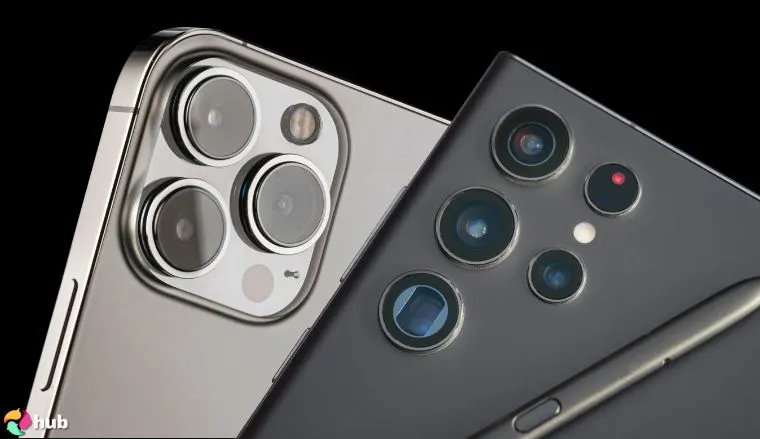
The camera systems in both Apple and Samsung smartphones are among the best in mobile photography, with strong hardware, smart software processing, and advanced computational features. Let’s look at how the two brands compare when it comes to capturing moments.
Apple Camera System: iPhone 15 Pro and iPhone 15
Apple’s iPhone cameras have long been known for their color accuracy, natural-looking skin tones, and excellent low-light performance, powered by their unique computational photography features. Here’s a breakdown of what Apple’s latest models offer:
Camera Hardware
| Apple iPhone 15 Pro / iPhone 15 | Samsung Galaxy S23 Ultra | |
|---|---|---|
| Main Camera | 48 MP (f/1.8), wide lens | 200 MP (f/1.7), wide lens |
| Ultra-Wide | 12 MP (f/2.2) | 12 MP (f/2.2) |
| Telephoto | 12 MP (f/2.8), 3x optical zoom (Pro only) | 10 MP (f/2.4), 3x optical zoom + 10 MP (f/4.9), 10x optical zoom |
| Periscope | None | 10 MP, 10x optical zoom |
Software Processing & Features
| Apple iPhone 15 Pro / iPhone 15 | Samsung Galaxy S23 Ultra | |
|---|---|---|
| Night Mode | Bright, detailed shots in low light | Optimized for sharpness, even at high zoom |
| Portrait Mode | Natural skin tones, realistic blur | Strong subject isolation, dramatic background blur |
| RAW Options | ProRAW for editing flexibility | Expert RAW with pro-level controls |
| Cinematic Mode | Shallow depth of field for video | Available with focus-shift effects |
| Video Recording | 4K Dolby Vision HDR | 8K at 24fps, plus 4K |
Image Quality
| Apple iPhone 15 Pro / iPhone 15 | Samsung Galaxy S23 Ultra | |
|---|---|---|
| Color Science | Vibrant yet natural, accurate skin tones | Bold, saturated, more “pop” |
| Low-Light | Excellent detail, sharpness with Night Mode | Strong clarity, even at zoom levels |
| Video | Smooth 4K HDR, film-like quality | 8K recording, cinematic effects |
Key Differences
| Apple iPhone 15 Pro / iPhone 15 | Samsung Galaxy S23 Ultra | |
|---|---|---|
| Megapixels | 48 MP main sensor | 200 MP main sensor |
| Zoom | Up to 3x optical zoom | Up to 10x optical zoom (periscope) |
| Video | 4K Dolby Vision HDR | 8K at 24fps + 4K |
| Pro Tools | ProRAW, Cinematic Mode | Expert RAW, 8K video |
Conclusion
Both Apple and Samsung offer exceptional camera systems, but they cater to slightly different tastes. Apple’s iPhones provide a more natural look with excellent low-light performance and professional-grade photo editing tools.
Samsung’s Galaxy S23 Ultra leans more into zoom versatility, rich colors, and 8K video recording, making it a strong contender for users who want a feature-packed camera with more zoom capabilities.
Ultimately, the Apple vs Samsung camera debate comes down to what matters more to you: whether you prioritize color accuracy and pro-grade editing tools (Apple) or advanced zoom and high-res video recording (Samsung).
Winner: Samsung
Apple vs Samsung: Battery Life and Charging
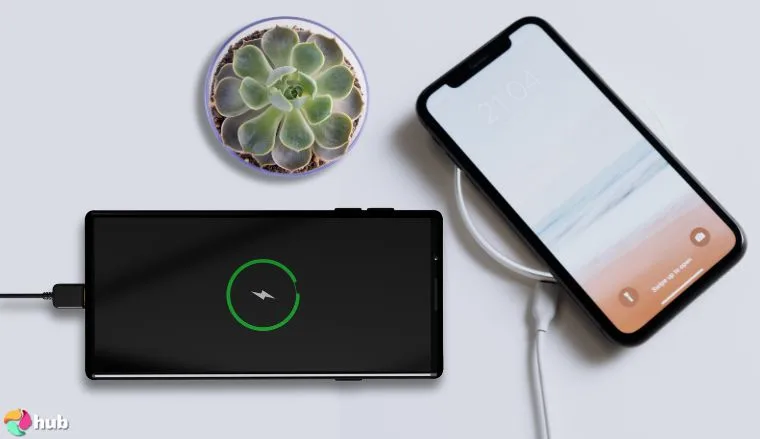
When it comes to battery life and charging, both Apple and Samsung have improved a lot in recent years, offering longer-lasting batteries and faster charging options. Here’s how they compare for longevity and speed.
| Battery Longevity Comparison | |
|---|---|
| Apple | Samsung |
| – iPhones typically offer good battery life optimized by iOS, with up to 20-25 hours of video playback on newer models like the iPhone 15 Pro. The A17 Pro chip also helps optimize power efficiency. – Battery life scenarios: Heavy usage (gaming, video streaming, multitasking) can last about 10–12 hours, while light use (web browsing, calling) can stretch longer. | – Galaxy S23 Ultra and Galaxy A Series typically offer 12–20 hours of video playback, with adaptive power-saving features. Newer models have battery optimization features to extend life. For an extra boost, learning how to clear cache on Android can help free up resources and improve responsiveness on Galaxy devices. – Battery life scenarios: Similar to iPhones, heavy use on Samsung can last around 10-12 hours, while moderate usage extends beyond 15 hours. |
| Charging Technologies | |
| Apple | Samsung |
| – Wired Charging: The iPhone 15 supports USB-C charging, with fast charging reaching up to 50% charge in 30 minutes with a 20W+ charger. – Wireless Charging: MagSafe wireless charging (up to 15W) is exclusive to newer iPhones for a fast, magnetic connection. – Reverse Wireless Charging: Apple doesn’t offer reverse wireless charging yet. | – Wired Charging: USB-C charging supports up to 45W fast charging for models like the S23 Ultra, getting a 50% charge in 20 minutes. – Wireless Charging: Fast Wireless Charging 2.0 supports up to 15W, offering compatibility with Qi-enabled devices. – Reverse Wireless Charging: Samsung provides reverse wireless charging through PowerShare, allowing users to charge accessories like Galaxy Buds. |
Conclusion
While Apple’s iPhones offer optimized battery life and convenient MagSafe charging, Samsung’s Galaxy devices excel with fast wired charging and reverse wireless charging options. Battery life across both brands tends to last a similar amount of time under comparable usage conditions, but Samsung’s fast charging options provide more flexibility.
Winner: Samsung
Apple vs Samsung: Software and User Experience
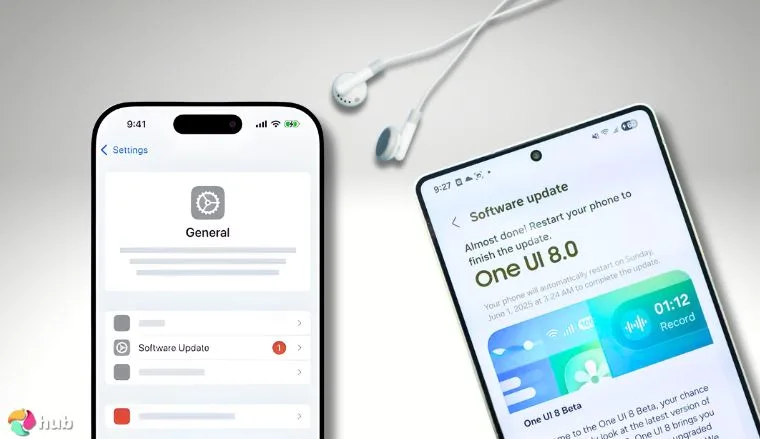
Apple and Samsung are renowned for providing distinct user experiences through iOS and One UI. Here’s how these two mobile operating systems compare in terms of interface, ease of use, and customization.
User Interface Design
- Apple:
- iOS is known for its simplicity and streamlined interface, focusing on a clean and intuitive design with consistent updates across devices.
- Customization: iOS has some flexibility, including widgets and the ability to change app icons, but it’s relatively locked compared to Android.
- Samsung:
- One UI, built on Android, offers a sleek, user-friendly interface with advanced customization options.
- Customization: Samsung provides more freedom, including deeper control over widgets, themes, and home screen layouts.
App Ecosystem
- Apple:
- iOS boasts a high-quality app ecosystem with stringent App Store standards. It’s great for productivity apps, entertainment, and creative tools.
- Samsung:
- Samsung benefits from Google’s Play Store, which offers a broader variety of apps, with more flexibility and integration with Google services like Google Photos, Drive, and Assistant.
Software Updates
- Apple:
- iPhones are well known for long-term software support with updates available for up to 5–6 years, guaranteeing the longevity of your device.
- Samsung:
- Samsung now provides up to 4 years of software updates and 5 years of security updates for its premium models, making it one of the leaders in Android updates.
Ease of Use and Accessibility
- Apple:
- iOS is designed for ease of use, with a minimalist approach that doesn’t overwhelm users. It offers top-notch accessibility features, including VoiceOver, AssistiveTouch, and more.
- Samsung:
- One UI also supports a variety of accessibility features like Bixby Vision, TalkBack, and magnification gestures. Samsung’s approach is customizable and can be tailored for accessibility needs.
Conclusion
Both iOS and One UI provide a smooth user experience. Apple’s iOS is known for its simplicity, consistent experience, and seamless updates, while Samsung’s One UI offers greater customization and integration with Google services.
Winner: Apple
Apple vs Samsung: Ecosystem and Compatibility
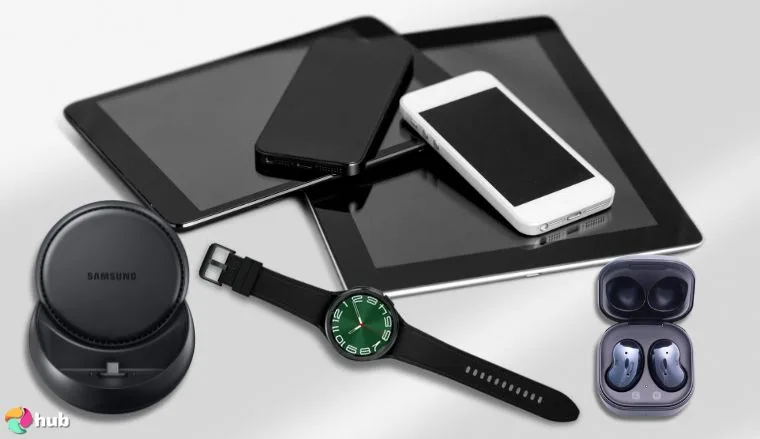
Both Apple and Samsung offer ecosystems built to make their devices work better together. Here’s how each one holds up against the other for compatibility and everyday use.
Apple Ecosystem
- Integrated Devices: Apple’s ecosystem includes iPhone, MacBook, iPad, Apple Watch, and AirPods, all of which work seamlessly together.
- Continuity Features: With Handoff, Universal Clipboard, and Sidecar, users can effortlessly switch between devices for tasks like browsing, composing emails, or even using an iPad as a secondary screen.
- Third-Party Accessories: Apple’s proprietary accessories (e.g., MagSafe chargers) work smoothly and reliably with all its devices.
Samsung Ecosystem
- Integrated Devices: Samsung’s ecosystem includes Galaxy smartphones, Galaxy Watch, Galaxy Buds, Galaxy Tab, and Samsung DeX, offering a multi-device experience.
- Samsung’s ecosystem also integrates well with Samsung Health, which provides a seamless experience for tracking fitness and health data across its devices.
- Continuity Features: Samsung Flow and Samsung Cloud allow for smooth content syncing and screen mirroring across devices.
- Third-Party Accessories: Samsung’s Galaxy Buds and Galaxy Watch offer excellent compatibility with non-Samsung devices too, with smart features like adaptive sound and fitness tracking.
Cross-Device Compatibility
- Apple: Apple’s ecosystem is most effective when used exclusively with Apple products, offering a tight-knit experience. However, it is less open to third-party devices.
- Samsung: Samsung offers more cross-platform compatibility, working well with Google services and even other Android devices.
Conclusion
Both Apple and Samsung ecosystems are feature-rich and cater to specific needs. Apple’s ecosystem is more closed but incredibly seamless, making it perfect for users who prefer consistency and integration. Samsung’s ecosystem is more open and integrates well with Google services and third-party devices, making it more adaptable for users who prefer flexibility.
Winner: Apple
Apple vs Samsung: AI and Machine Learning Capabilities
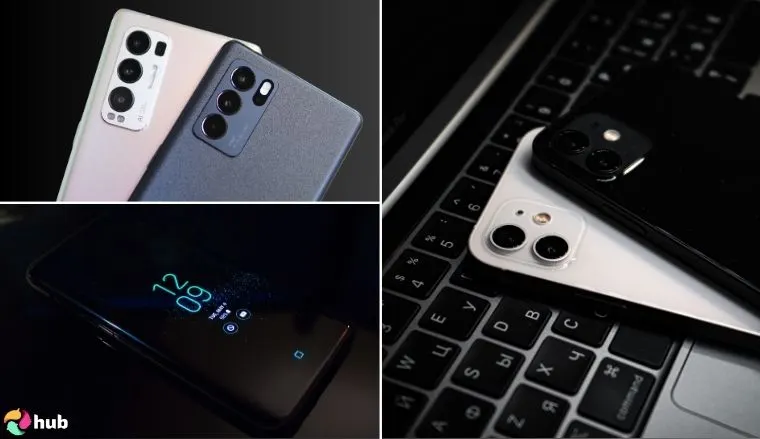
Both Apple and Samsung have integrated advanced AI and machine learning (ML) technologies into their devices to enhance user experiences. These capabilities power a wide range of features, from photography to virtual assistants, offering unique advantages depending on the brand.
Apple’s AI and Machine Learning
- Neural Engine: Apple’s A-series Bionic chips come with a dedicated Neural Engine, which powers real-time machine learning tasks. This is used in features like Face ID, scene recognition, and camera optimizations.
- Siri: Apple intelligence, Siri, leverages on-device AI processing to give smart responses and predictions.
- On-device Processing: Apple emphasizes on-device processing for AI tasks to guarantee user privacy. Data is processed directly on the phone, avoiding the need to send data to cloud servers.
- Photo Editing: AI-powered computational photography enables deep fusion and Night Mode to optimize photos automatically.
Samsung’s AI and Machine Learning
- Galaxy AI Features: Samsung integrates AI in devices like the Galaxy S23 Ultra, optimizing battery life, screen brightness, and camera performance based on real-time data.
- Bixby: Samsung’s Bixby assistant utilizes cloud-based AI to handle voice commands, smart home integrations, and user suggestions, but also includes on-device processing for faster responses.
- Cloud-AI Integration: Samsung employs cloud-based AI for tasks like language translation, smart suggestions, and predictive text, relying more on cloud servers to enhance its capabilities.
- Photo Editing: AI-powered features like scene optimizer and Super Steady video mode enhance photos and videos, adjusting settings automatically based on subject detection.
Conclusion
Apple leans towards on-device AI processing, prioritizing privacy and speed, while Samsung provides a more flexible mix of cloud-based and on-device AI. Apple’s AI is tightly integrated into the iOS experience, offering seamless interaction with its hardware. In contrast, Samsung’s AI is more versatile, offering broader features like Bixby and cloud-based enhancements.
Winner: Apple
Apple vs Samsung: Gaming Performance
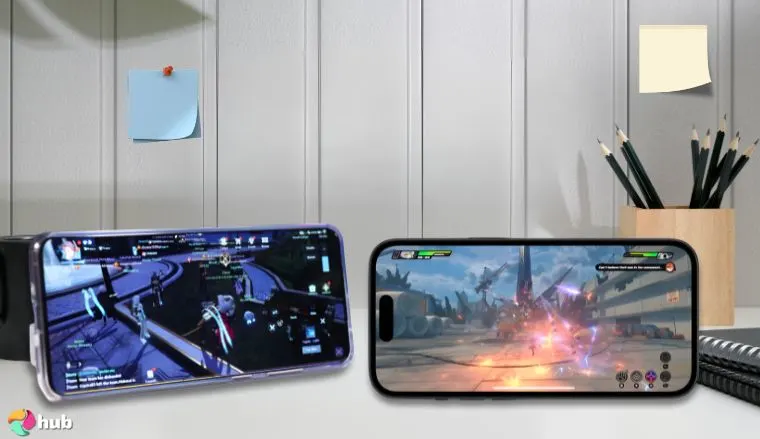
The gaming performance of smartphones from both Apple and Samsung has improved drastically, thanks to advanced chipsets, high-refresh-rate displays, and other features. Here’s a look at how the two brands compare in their mobile gaming capabilities.
Apple’s Gaming Performance
- Chip Performance: Apple’s A-series Bionic chips, such as the A17 Pro, provide exceptional graphics performance and raw power.
- Graphics Rendering: Apple supports high-quality graphics rendering, including support for ray tracing in select games.
- Sustained Performance: Apple’s thermal management makes sure that gaming performance remains consistent during extended sessions, preventing overheating and throttling.
- Exclusive Gaming Titles: Apple Arcade offers a curated selection of exclusive gaming titles, which run optimally on iPhones. For a more immersive experience, check out this guide on the best iPads for gaming.
Samsung’s Gaming Performance
- Snapdragon/Exynos Performance: Samsung’s Snapdragon 8 Gen 3 and Exynos chips offer high-performance GPUs capable of rendering AAA titles smoothly.
- Graphics Rendering: Samsung’s Dynamic AMOLED 2X displays offer vibrant colors, while its GPU provides smooth graphics performance.
- Cooling Solutions: Samsung Galaxy devices do come with sophisticated cooling systems designed to handle extended gaming and heavy-duty tasks. However, it’s important to note that some users have reported the S24 Ultra feeling noticeably warm with basic activities like browsing or YouTube viewing, which can also shorten battery life.
- Gaming Features: Samsung includes Game Mode for improved performance and features like Game Tools for quick access to settings and notifications while gaming.
Conclusion
Both Apple and Samsung excel in gaming performance, but Apple’s tight hardware-software integration guarantees consistent and smooth gaming, especially with exclusive titles on Apple Arcade. Samsung, on the other hand, offers a more versatile gaming experience with Android-exclusive titles, high-quality displays, and gaming-specific features like Game Mode.
Winner: Apple
Apple vs Samsung: Accessibility Features
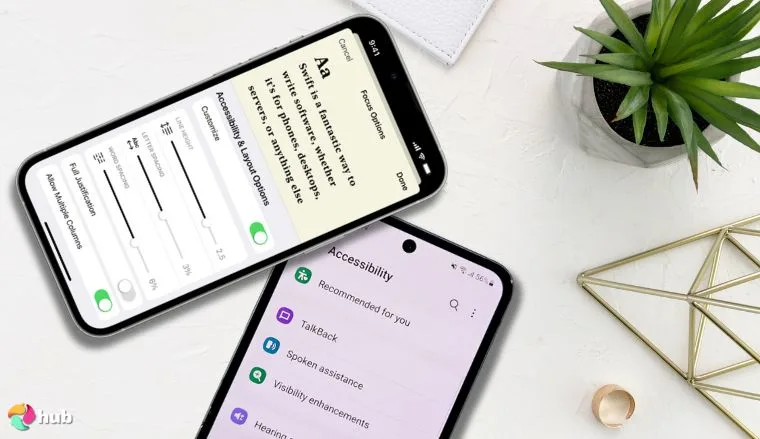
Apple and Samsung have each built strong accessibility tools that make their phones easier to use for people with visual, hearing, or motor challenges. Here’s how both brands compare in terms of inclusive design.
Apple’s Accessibility Features
- VoiceOver: Apple’s VoiceOver allows users with visual impairments to use their devices through speech feedback.
- AssistiveTouch: For motor impairments, Apple’s AssistiveTouch feature allows users to control their device using customizable gestures.
- Live Listen: Apple supports hearing aid compatibility with its Live Listen feature, improving accessibility for hearing-impaired users.
- Customizable Text Sizes: iOS provides customizable text sizes, enabling users to adjust fonts for better readability.
- Voice Control: Apple offers Voice Control, allowing hands-free navigation and control of the device.
Samsung’s Accessibility Features
- TalkBack: Samsung offers TalkBack, which is similar to VoiceOver, enabling screen reading for visually impaired users.
- One-Handed Mode: For users with motor impairments, One-Handed Mode reduces the screen size for easier accessibility.
- Magnification Gestures: Samsung allows users to zoom in on the screen with magnification gestures, which is ideal for users with visual impairments.
- Hearing Aid Compatibility: Samsung supports Bluetooth hearing aids and offers Live Caption for users with hearing impairments.
- Accessibility Menu: Samsung includes a comprehensive accessibility menu, offering tools for text-to-speech, sound balance, and color correction.
Conclusion
Apple and Samsung are both leaders in accessibility, offering comprehensive features for users with visual, auditory, and motor impairments. Apple’s VoiceOver and AssistiveTouch are among the best in the industry, while Samsung’s TalkBack and One-Handed Mode offer similar functionality with added customization.
Winner: Apple
Apple vs Samsung: Security and Privacy
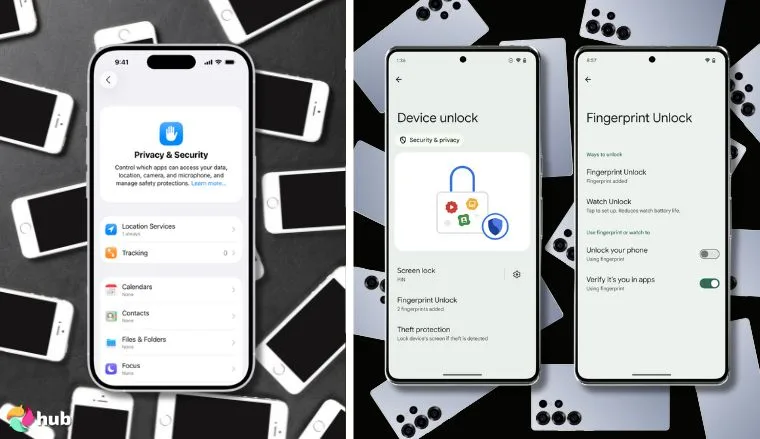
Keeping your personal data safe today is more important than ever, and both Apple and Samsung take that seriously. But, their approaches to security differ in some areas.
Security & Privacy
| Apple | Samsung |
|---|---|
| – Face ID and Touch ID: Apple uses Face ID (facial recognition) and Touch ID (fingerprint sensor) for biometric authentication, providing robust security to unlock the device. – Data Encryption: Apple encrypts all data stored on the device by default, guaranteeing that personal information remains safe. – App Permissions: Apple offers granular app permissions that allow users to restrict access to sensitive data (e.g., location, contacts, photos). – Privacy Controls: Apple’s Privacy Labels on the App Store show what data Apple apps collect, giving users more control over their information. – Find My Network: Apple’s Find My service helps locate lost devices while maintaining privacy by not sharing location data with third parties. | – In-Display Fingerprint: Samsung uses an in-display fingerprint scanner for secure authentication, which works well but may not be as fast as Face ID. – Samsung Knox: Samsung integrates Knox into its devices for military-grade encryption and advanced security features, keeping data safe even if the device is compromised. – App Permissions: Samsung allows users to manage app permissions and restrict access to sensitive data similar to Apple, with features like App Lock for additional privacy. – Privacy Features: Samsung includes Private Mode for hiding sensitive files and offers Secure Folder to store apps and data securely. – Find My Mobile: Samsung’s Find My Mobile service tracks lost devices while ensuring that location data remains private. |
Conclusion
Apple and Samsung both provide excellent security features. Apple focuses on privacy-first approaches, integrating secure biometric systems and on-device encryption. Samsung’s Knox security and military-grade encryption guarantee that sensitive data is safe across its devices, especially for users who need additional security features.
Winner: Apple
Apple vs Samsung: Pricing and Value for Money
When comparing the pricing strategies of Apple and Samsung, both brands cater to different price segments, offering a wide range of options from budget-friendly to premium devices. Here’s a breakdown of how each brand positions its pricing and delivers value for money.
Apple Pricing Strategy
- Entry-Level (iPhone SE): Priced around $399, this is the most affordable iPhone offering, providing iOS in a compact form with great performance.
- Mid-Range (iPhone 15): Starting at $799, offering solid performance, a dual-camera system, and modern features like 5G connectivity.
- Premium (iPhone 15 Pro/Pro Max): These start at $999 and can go up to $1,599, offering ProMotion displays, A17 Pro chip, and advanced camera features.
- Value for Money: Apple’s high resale value and long software update cycles (5+ years) are key factors for their value proposition, ensuring the device stays relevant for longer.
Samsung Pricing Strategy
- Entry-Level (Galaxy A14 5G): Priced around $199, this device provides a solid 5G experience and good build quality at an affordable price.
- Mid-Range (Galaxy S23): Starting at $799, it features Snapdragon 8 Gen 2, a solid camera system, and an immersive display, offering great performance at a mid-range price.
- Premium (Galaxy Z Fold 5): Starting at $1,799, Samsung’s foldable devices like the Z Fold 5 come with futuristic design and powerful internals, offering unique experiences but at a premium.
- Value for Money: Samsung’s devices tend to be cheaper upfront than Apple, and their exclusive features like S Pen support and better display technologies (AMOLED) give users added value for the money.
Long-Term Cost of Ownership
- Apple: The higher initial price is offset by resale value and software longevity. Apple tends to retain its value over time, thanks to consistent iOS updates.
- Samsung: Although more affordable, Samsung devices tend to lose value quicker, but they offer impressive specs at a lower price point. Samsung’s longer warranty and frequent software updates have improved their value over time.
Winner: Apple
Final Verdict
Both Apple and Samsung offer high-quality smartphones, but the decision largely depends on personal preferences and usage needs. Here’s a quick breakdown of which brand is best suited for different types of users.
Best for Photographers
- Apple: iPhone 15 Pro offers superior camera features with ProRAW, advanced computational photography, and Cinematic Mode, making it ideal for professional-level photography.
- Samsung: Galaxy S23 Ultra excels in zoom capabilities with its 100x Space Zoom and versatile multi-lens system, offering more flexibility for mobile photographers.
Best for Gamers
- Apple: The A17 Pro chip in the iPhone 15 Pro offers excellent gaming performance, with smooth rendering and exclusive titles on Apple Arcade.
- Samsung: The Galaxy S23 Ultra with Snapdragon 8 Gen 3 offers fantastic gaming performance, and its 120Hz AMOLED display enhances gaming visuals and smooth gameplay.
Best for Android Enthusiasts
- Apple: While Apple isn’t typically suited for Android lovers, those interested in seamless ecosystem integration will appreciate its smooth interface and tight integration with other Apple devices.
- Samsung: Galaxy devices offer Android’s flexibility, coupled with Samsung-specific features like the S Pen, making it ideal for Android loyalists.
Best for Budget-Conscious Buyers
- Apple: The iPhone SE offers flagship performance at an affordable price, making it a great entry into the Apple ecosystem.
- Samsung: The Galaxy A-series, such as the A14 5G, delivers solid performance at an entry-level price, offering great value for money.
Best for Ecosystem Integration
- Apple: Apple’s ecosystem (e.g., MacBook, Apple Watch, iPad) is tightly integrated, offering a seamless experience across devices.
- Samsung: Samsung offers Galaxy devices that integrate well with Samsung TV, Galaxy Tab, and Samsung DeX, but the experience is less tightly integrated than Apple.
Conclusion
Apple and Samsung cater to different needs and preferences. Apple offers a more premium experience with long-term software support and a closed ecosystem, while Samsung excels in affordable options and innovative features with Android flexibility.
Winner: Apple
Apple edges out Samsung overall due to its exceptional long-term value, unmatched ecosystem integration, and consistent performance that stays fast for years. While Samsung often offers more innovative hardware and better value upfront, Apple’s combination of resale value, update longevity, and seamless device synergy gives it the overall lead.
FAQs
Which smartphone is better: Apple vs Samsung?
It depends on what you’re looking for. Apple excels in ecosystem integration, seamless user experience, and long-term software updates. Samsung, on the other hand, offers better value across a wider price range, more customization, and the flexibility of the Android platform.
Is Samsung better than Apple?
It depends on your needs. Apple offers superior ecosystem integration, smooth user experience, and longer software support, while Samsung offers better value, more customization options, and Android freedom.
Is the iPhone more secure than Samsung?
Both Apple and Samsung offer strong security features. Apple emphasizes on-device processing and data encryption, while Samsung focuses on Knox security and advanced biometric authentication.
Is iPhone or Android better for gaming?
iPhone tends to offer better graphics rendering and exclusive Apple Arcade games, while Android phones like the Galaxy S23 Ultra offer more customizability and better gaming performance with higher refresh rates and exclusive titles.
Why do celebrities prefer iPhone over Samsung?
Many celebrities prefer iPhones due to its status symbol, user-friendly interface, quality camera, and seamless integration with other Apple devices. The brand appeal and simplicity make it a popular choice among high-profile users.