



20 Best Games Like Omori in 2026 – Cry, Heal, Repeat


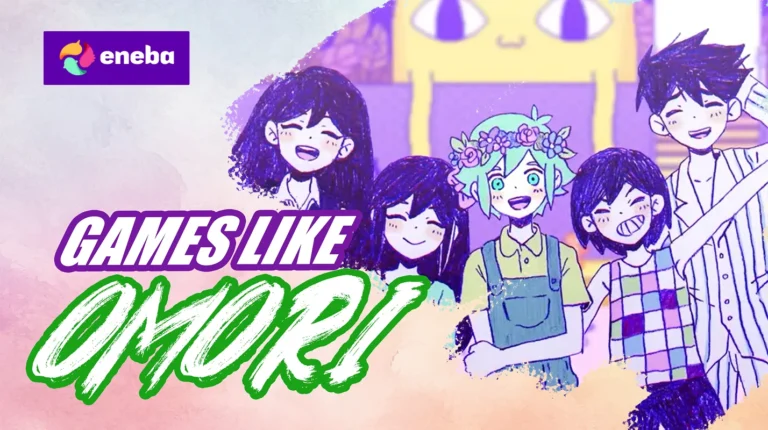
Finding games like Omori is kind of like trying to find the one song that matches your mood perfectly – weirdly specific and annoyingly rare. Omori’s hand-drawn look, deep, personal narrative, and honest dive into mental health don’t really come packaged together in most RPGs. But hey, you’re in the right place. I pulled together 20 games that capture similar vibes, tones, and feels.
Every game here clicks with Omori fans in its own way – maybe through a touching story, expressive art, or the kind of emotional journey that sticks with you. Scroll through, pick what catches your attention, and let’s see what hits you in the feels next.
Jump to:
Our Top Picks for Games Like Omori
Before we dive headfirst into the emotional abyss, let’s start with three games like Omori that instantly earned their gold stars from me. They’re masters at serving heavy themes with unforgettable characters, plus they sprinkle in choice-driven or psychological mechanics to make sure your feelings get dragged front and center.
-
Buy nowUndertale 2015A genre-bending RPG where emotional choices matter just as much as combat. Your actions shape the story’s tone, characters, and ending in surprising ways.
-
Buy nowLISA: The Painful 2014A brutally emotional RPG about trauma, loss, and tough decisions. Every choice has permanent consequences, and you’ll feel them.
-
Buy nowFran Bow 2015A surreal horror adventure that closely mirrors Omori’s emotional weight. Its dreamlike world, psychological themes, and raw storytelling make it a perfect fit for Omori fans.
This trio mixes heartfelt tragedy, weird humor, and haunting storytelling in the best way possible. But if you’ve played them already or simply need more psychological adventures to obsess over, keep scrolling for even more picks.
20 Best Games Like Omori for Fans of Weird & Emotional
Let’s get to the main event. The 20 games like Omori you’ll find below bring everything to the table. Looking for heartfelt chaos, stylish weirdness, or something beautifully eerie? It’s all here waiting for you. Every game comes with a quick breakdown, its special flavor, and a simple explanation of why it speaks to fellow Omori fans.
1. Undertale [Best For Moral-Choice Storytelling]

| Our score | 10
☆
★
☆
★
☆
★
☆
★
☆
★
☆
★
☆
★
☆
★
☆
★
☆
★
|
| Platforms | PlayStation 4, Xbox Series S/X, Nintendo Switch, Windows, macOS |
| Year of release | 2015 |
| Creator(s) | Toby Fox |
| Average playtime | 5 to 10 hours |
| Unique features | Morality-based routes, bullet-hell combat system, and a highly reactive world |
Undertale is one of those rare RPGs that genuinely makes you reconsider how your choices affect both the world and the characters within it. Its emotional power comes from the way its branching paths respond directly to your actions (something Omori fans will instantly connect with).
The characters feel intimate and meaningful, and every moment is crafted to encourage empathy, reflection, or discomfort, depending on how you choose to play. Its combat blends bullet-hell dodging with moral choice, creating encounters that feel far more personal than standard RPG fights.
Avoid guides on your first run. Undertale is enjoyed most when you face its key moral decisions without outside influence.
Beneath its quirky aesthetic lies a story that gradually reveals profound themes of forgiveness, identity, and consequence. Its memorable soundtrack and incredibly expressive characters help shape an experience that stays with you long after you’ve finished your route.
You’ll be inclined to replay the game multiple times to discover how different choices reshape the narrative.
My Verdict: Undertale has to be your next game if you’re looking for a story-rich RPG. It’s perfect for players who want to embark on a personal journey shaped entirely by their decisions.
GAMES LIKE UNDERTALE
2. LISA: The Painful [Best for Consequence-Driven Choices]
| Our score | 9.8
☆
★
☆
★
☆
★
☆
★
☆
★
☆
★
☆
★
☆
★
☆
★
☆
★
|
| Platforms | PlayStation 4, PlayStation 5, Xbox One, Xbox Series S/X, Windows, macOS, Nintendo Switch |
| Year of release | 2014 |
| Creator(s) | Dingaling Productions, Serenity Forge |
| Average playtime | 15 to 20 hours |
| Unique features | Permanent consequences, limb-loss mechanics, extreme moral choices |
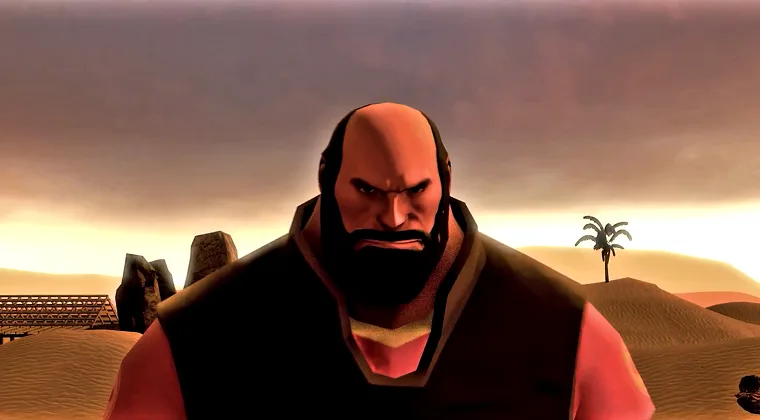
LISA: The Painful is a hard-hitting emotional experience that ties every choice to permanent consequences. Party members can die, resources disappear forever, and even Brad’s abilities can be damaged beyond repair. That constant pressure makes you question your every move, forcing you to confront guilt and sacrifice in a way few RPGs dare to explore.
Set in a bleak but strangely humorous world, the game strikes a balance between dark comedy and emotional devastation that keeps the journey compelling. The writing is blunt, surreal, and emotionally charged, delivering moments that linger long after the story ends.
Recruit companions carefully and check their skills before committing. Many allies are strong early but become liabilities later due to permanent injury risks.
Another reason it resonates with Omori fans is its commitment to exploring trauma and personal suffering. Brad’s internal struggle drives the entire narrative, and the game never lets you forget the cost of his obsession.
While the combat appears simple at first, the combo-based system adds depth and rewards experimentation, especially in boss encounters where every resource matters.
My Verdict: LISA: The Painful is one of the closest thematic matches to Omori. If you appreciate dark narratives with real psychological weight, you’ll feel right at home.
3. Fran Bow [Best for Surreal Psychological Horror]
| Our score | 9.7
☆
★
☆
★
☆
★
☆
★
☆
★
☆
★
☆
★
☆
★
☆
★
☆
★
|
| Platforms | PlayStation 4, Xbox Series S/X, Nintendo Switch, Windows, macOS, Android, iOS |
| Year of release | 2015 |
| Creator(s) | Killmonday Games |
| Average playtime | 8 to 10 hours |
| Unique features | Dual-reality puzzle design, surreal psychological motifs, hand-drawn art style |
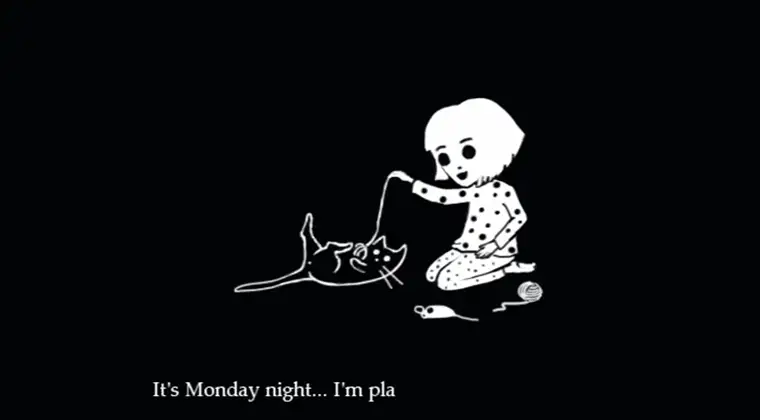
What makes Fran Bow such a strong recommendation for Omori fans is its emotionally heavy story that doesn’t rely on jump scares or cheap horror tactics. Instead, you get a blend of innocence and darkness that mirrors Omori and creates a familiar yet distinct experience.
With its uncanny visuals and quietly disturbing take on mental health, this title easily sits alongside the top horror games on Xbox.
Fran Bow leans on surreal imagery, cryptic characters, and emotionally charged puzzles that reflect Fran’s internal struggle. Even simple interactions feel meaningful because every scene hints at Fran’s fragile mental state and the mystery surrounding her family.
Use diary entries and environmental clues to pick up small hints that will increase your understanding of Fran’s psychological journey.
The highlight of the game, however, is its use of the dual-reality mechanic. You’ll be shifting between disturbing visions and grounded environments to solve puzzles. The hand-drawn art style takes the whole experience to a new level.
My Verdict: If you’re drawn to surreal storytelling and emotional mystery and appreciate atmospheric adventure, Fran Bow packs everything in one.
GAMES LIKE FRAN BOW
4. Night in the Woods [Best for Character-Focused Narratives]
| Our score | 9.5
☆
★
☆
★
☆
★
☆
★
☆
★
☆
★
☆
★
☆
★
☆
★
☆
★
|
| Platforms | PlayStation 4, PlayStation 5, Nintendo Switch, Xbox One, Windows, macOS, iOS |
| Year of release | 2017 |
| Creator(s) | Infinite Fall, Secret Lab |
| Average playtime | 10 to 13 hours |
| Unique features | Day-by-day town exploration, branching character interactions, dream sequences |
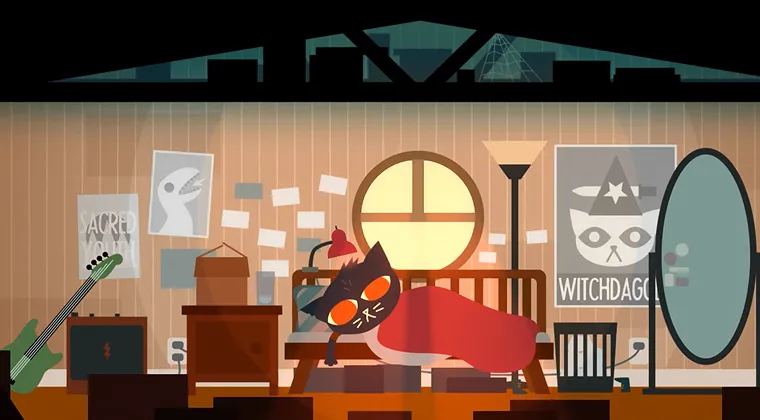
Night in the Woods is one of the most underrated games on this list. It is an emotionally grounded narrative adventure that follows young Mae as she comes back to a dying hometown after dropping out of college.
Each conversation feels personal, and the game rewards players who take the time to revisit locations and check in with characters as they deal with their own struggles. The dream sequences also add a surreal layer that gives the story an unsettling edge without losing its heartfelt tone.
Spread your time between Gregg, Bea, and the other townsfolk. Each route highlights different emotional themes and fills gaps in the broader mystery.
The subtle shift from cozy slice-of-life storytelling into something darker and more introspective is what resonates most with Omori fans. The writing feels honest, sometimes uncomfortable, but always deeply human.
Combined with its expressive art style and rhythmic, music-infused dream segments, the experience becomes a memorable exploration of personal vulnerability and growth.
My Verdict: Night in the Woods is a standout pick for players who enjoy narrative-driven games that blend humor and quiet psychological depth.
5. To the Moon [Best for Memory-Driven Storytelling]
| Our score | 9.4
☆
★
☆
★
☆
★
☆
★
☆
★
☆
★
☆
★
☆
★
☆
★
☆
★
|
| Platforms | Nintendo Switch, Android, iOS, Windows, macOS |
| Year of release | 2011 |
| Creator(s) | Freebird Games |
| Average playtime | 4 to 6 hours |
| Unique features | Memory-hopping narrative, emotional storytelling, minimalist gameplay focused on plot |
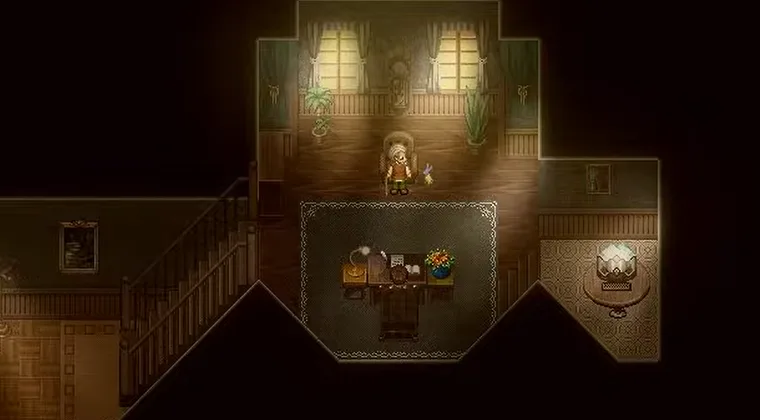
To the Moon is one of the most emotionally moving games I’ve played, and it resonates with fans of games like Omori because of how it tackles vulnerability, regret, and personal history. There’s no traditional combat or RPG progression, just a deeply intimate journey through a man’s memories as two doctors attempt to fulfill his final wish.
Every environment you explore reveals meaningful fragments of Johnny’s life, and those pieces slowly connect into a powerful emotional payoff that feels both gentle and devastating.
If you can, play this one in a single sitting to really feel the emotional arc that hits much harder when you experience the story without long breaks.
The writing is compassionate, and despite its simple presentation, the narrative achieves a level of emotional depth that most games on this list never reach. A big part of that impact comes from one of the best soundtracks in gaming, built around soft piano, strings, gentle ambience, and rare vocal moments that support the story rather than just sit in the background.
My Verdict: If you’re searching for a short, beautifully written game that values storytelling over the same-old mechanics, To the Moon is a perfect fit.
GAMES LIKE TO THE MOON
6. Finding Paradise [Best for a Reflective & Emotional Journey]
| Our score | 9.2
☆
★
☆
★
☆
★
☆
★
☆
★
☆
★
☆
★
☆
★
☆
★
☆
★
|
| Platforms | PlayStation 5, Xbox Series S/X, Nintendo Switch, Windows, macOS |
| Year of release | 2017 |
| Creator(s) | Freebird Games, Kan R. Gao |
| Average playtime | 5 to 7 hours |
| Unique features | Memory reconstruction narrative, emotional character arcs, subtle humor woven into heavy themes |
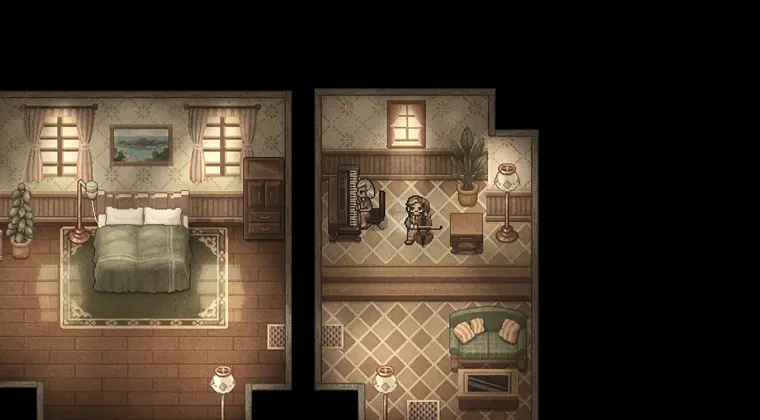
Finding Paradise continues Freebird Games’ signature approach to emotional storytelling, albeit in a quieter, more introspective tone. The game follows Dr. Watts and Dr. Rosalene entering a patient’s memories, uncovering a life shaped by small, personal contradictions rather than dramatic twists.
This gentler structure allows the emotional themes to build slowly, focusing on regret, identity, and the unexpected ways people shape their own happiness.
Pay attention to Colin’s hobbies scattered throughout his memories. Each memory ties into the story’s central conflict, becoming clear only near the end.
Unlike many narrative RPGs, Finding Paradise doesn’t rely on big reveals or shocking turns to create impact. Instead, it explores the emotional tension between the life Colin wanted and the life he actually lived.
The result is a warm and thoughtful experience that will resonate with anyone who enjoyed Omori.
My Verdict: Finding Paradise is an excellent choice for players who want a slow, reflective story that explores the complexities of memory and self-acceptance.
GAMES LIKE FINDING PARADISE
7. OneShot [Best for Puzzle Adventures]
| Our score | 9
☆
★
☆
★
☆
★
☆
★
☆
★
☆
★
☆
★
☆
★
☆
★
☆
★
|
| Platforms | PlayStation 4, Xbox One, Nintendo Switch, Windows, macOS |
| Year of release | 2016 |
| Creator(s) | Degica, KOMODO, Future Cat LLC |
| Average playtime | 4 to 6 hours |
| Unique features | Fourth-wall interactions, desktop-based puzzles, single-solution narrative design |
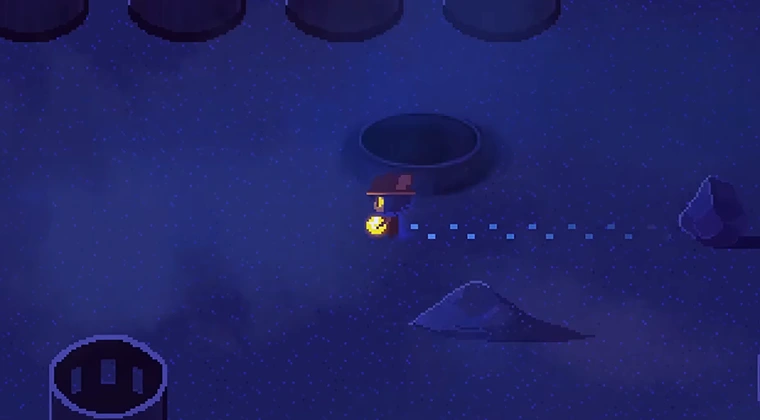
OneShot is an inventive puzzle-adventure that stands out for its meta storytelling and surprising level of player involvement.
Instead of relying on traditional puzzles alone, the game uses your actual desktop environment as part of its design, creating moments that feel personal. The world itself is fragile and fading, and the characters (especially Niko) are written with a softness that makes every interaction matter. It’s no wonder OneShot regularly shows up among the top adventure games for players who enjoy narrative twists that don’t feel forced but cleverly built into how you interact with the world itself.
Keep your desktop uncluttered before playing because several puzzles involve external files or windows that appear outside the game itself.
OneShot’s emphasis on building and nurturing a connection between the player and the protagonist is what makes it so welcoming for Omori fans. The game also excels at using music and lighting to build an introspective mood without overwhelming the player.
My Verdict: OneShot is ideal for players who appreciate story-driven adventures with strong emotional undertones and creative puzzle design. Its meta approach adds a layer of intimacy that makes the journey especially meaningful.
8. Rakuen [Best for Gentle & Comforting Storytelling]
| Our score | 9
☆
★
☆
★
☆
★
☆
★
☆
★
☆
★
☆
★
☆
★
☆
★
☆
★
|
| Platforms | Nintendo Switch, Windows, macOS, Android |
| Year of release | 2017 |
| Creator(s) | Laura Shigihara, Leeble Forest |
| Average playtime | 8 to 10 hours |
| Unique features | Story-driven quests, musical storytelling, and real-world and fantasy duality |
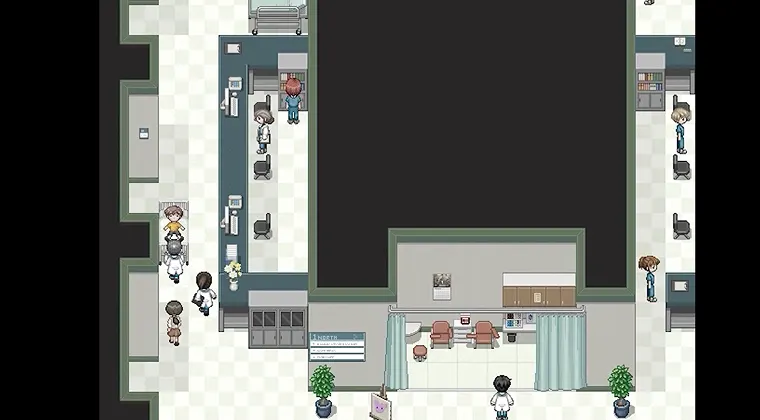
Rakuen is a comforting yet powerful game that stands out for its sincerity and warmth. Instead of conflict, it builds its world through acts of kindness, small character stories, and a mix of real-world hospital life with a fantastical parallel realm.
Each chapter introduces someone struggling with their own pain or regret, and the game quietly guides you through helping them find closure. Every moment carries emotional weight and turns simple interactions into meaningful events for the people you meet.
Wear headphones. Rakuen’s music is woven directly into several key story moments and improves the overall experience dramatically.
Even though Rakuen explores some pretty emotional subjects, it never feels like it’s trying to shock or guilt you. Everything from the handmade environments to the soft conversations creates a peaceful mood. It’s a story that blends grief with kindness, with Laura Shigihara’s music tying it all together perfectly.
My Verdict: Rakuen is a mix of heartfelt writing and gentle fantasy, making it the perfect next stop for players who enjoy games like Omori.
9. Celeste [Best for Anxiety-Driven Character Growth]
| Our score | 8.9
☆
★
☆
★
☆
★
☆
★
☆
★
☆
★
☆
★
☆
★
☆
★
☆
★
|
| Platforms | PlayStation 4, Xbox One, Nintendo Switch, Windows, macOS |
| Year of release | 2018 |
| Creator(s) | Maddy Makes Games, Extremely OK Games |
| Average playtime | 6 to 18 hours |
| Unique features | Assist mode, tight platforming physics, character-driven narrative integrated with gameplay |
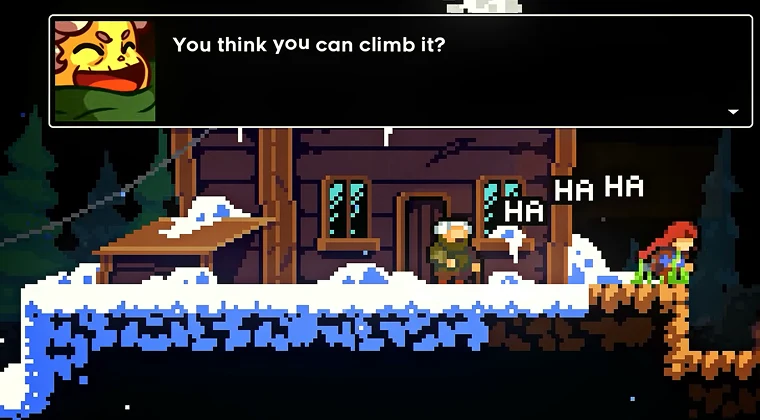
Celeste is a rare and unique platformer where the mechanics and story amplify each other. The ascent up Celeste Mountain mirrors Madeline’s internal struggle, turning each failed jump, close call, and breakthrough into a reflection of her emotional journey.
That said, the game does not punish. Instead, it encourages perseverance and self-compassion. The sharp and responsive controls reward focus without feeling unfair, while the pixel-art adds warmth to an otherwise challenging experience.
Experiment with Assist Mode if the difficulty becomes overwhelming. It supports the platforming experience without diminishing the game’s emotional impact.
Omori fans will connect instantly with Celeste as it starts exploring topics like anxiety, self-doubt, and the feeling of being at odds with one’s own thoughts. Certain glimpses of Madeline’s journey recreate the same emotional authenticity that makes Omori’s narrative so compelling.
My Verdict: If you value emotional storytelling that follows themes of growth, vulnerability, and determination, Celeste is highly recommended.
GAMES LIKE CELESTE
10. Gris [Best for Hand-Drawn Art & Symbolism]

| Our score | 8.9
☆
★
☆
★
☆
★
☆
★
☆
★
☆
★
☆
★
☆
★
☆
★
☆
★
|
| Platforms | PlayStation 5, PlayStation 4, Xbox One, Xbox Series S/X, Nintendo Switch, Android, iOS, Windows, macOS |
| Year of release | 2018 |
| Creator(s) | Nómada Studio, Devolver Digital |
| Average playtime | 3 to 5 hours |
| Unique features | Watercolor visuals, symbolic progression, music-driven atmosphere |
Gris stands out as a visual experience that expresses emotion through movement, color, and music. The game’s world rebuilds itself as you progress. Each restored color represents a different stage of the protagonist’s emotional journey.
This symbolic approach allows the narrative to unfold quietly, letting players interpret the story’s meaning through its aesthetics and environmental changes. The gentle platforming challenges complement the pacing, creating a meditative rhythm that enhances the game’s overall experience.
Experiment with Assist Mode if the difficulty becomes overwhelming. It supports the platforming experience without diminishing the game’s emotional impact.
Explore each environment to find hidden animations and subtle visual cues. Some of these reveal more about the story than the main path alone.
Gris also blends hand-drawn environments with a hauntingly beautiful soundtrack that captures the protagonist’s sense of loss and recovery. While some combat would have been nice, the game still leaves a strong impression in a relatively short playtime.
My Verdict: Gris is a perfect choice for players who appreciate emotional narratives presented through visuals and atmosphere rather than dialogue and combat.
GAMES LIKE GRIS
11. Hollow Knight [Best for Atmospheric Worldbuilding & Discovery]
| Our score | 8.8
☆
★
☆
★
☆
★
☆
★
☆
★
☆
★
☆
★
☆
★
☆
★
☆
★
|
| Platforms | PlayStation 4, Xbox One, Nintendo Switch, Windows, macOS |
| Year of release | 2017 |
| Creator(s) | Team Cherry |
| Average playtime | 25 to 30 hours |
| Unique features | Expansive interconnected world, atmospheric storytelling, challenging combat, and optional deep-lore exploration |
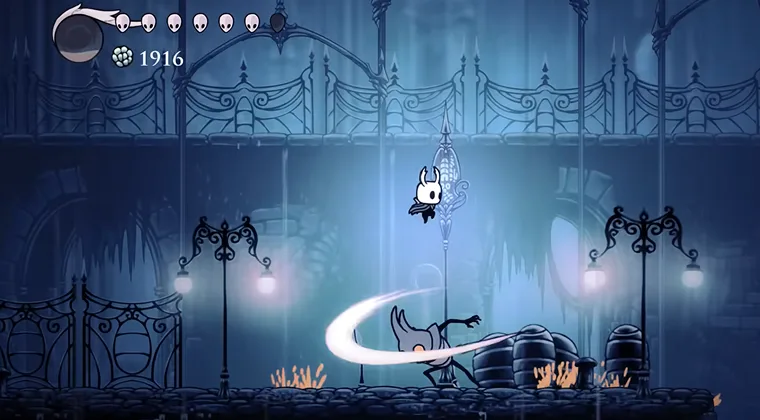
Hollow Knight delivers one of the most atmospheric explorations of a fallen kingdom in modern gaming. Hallownest feels abandoned yet alive, filled with remnants of lost civilizations, forgotten rituals, and characters who seem weighed down by their own histories.
Despite technically being a Metroidvania, it’s also often ranked among the most celebrated RPGs – not because it hands you stat sheets and fancy loot, but because it lets you grow through upgrades, ability progression, and a drip-fed world narrative that rewards curiosity like a true role-playing journey.
Hollow Knight encourages players to discover the world and draw their own conclusions from clues in cryptic dialogue, hidden rooms, and defeated bosses. That’s why most of the emotional impact comes from what the world reveals piece by piece.
Some optional NPCs can shift the outcome of minor story threads and add emotional layers to Hallownest’s history.
The game does have challenging platforming and combat, but that doesn’t overshadow its ability to evoke emotion through tone and atmosphere. Tragedy is the name of the game, be it the mournful soundtrack or the characters who have already given in to their fate.
My Verdict: Hollow Knight is an excellent choice for players who enjoy exploration and emotional storytelling and won’t shy away from the added challenge of combat and platforming.
GAMES LIKE HOLLOW KNIGHT
12. The Binding of Isaac: Rebirth [Best for Fast-Paced Roguelike Action]
| Our score | 8.5
☆
★
☆
★
☆
★
☆
★
☆
★
☆
★
☆
★
☆
★
☆
★
☆
★
|
| Platforms | PlayStation 4, PlayStation 5, Xbox One, Xbox Series S/X, Nintendo Switch, Windows, macOS, iOS |
| Year of release | 2014 |
| Creator(s) | Edmund McMillen, Nicalis |
| Average playtime | 200 to 240 hours |
| Unique features | Randomized dungeons, hundreds of item combinations, branching endings, dark emotional themes |
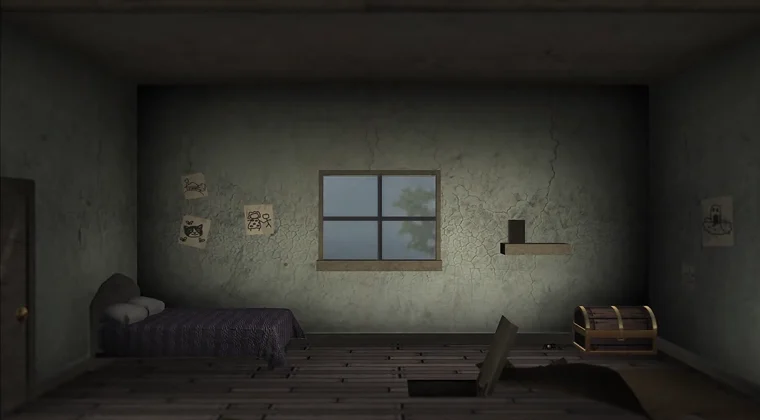
The Binding of Isaac: Rebirth mixes fast, arcade-style action with a story filled with fear, guilt, and childhood trauma. Each run sends you through randomly generated rooms packed with enemies, items, and upgrades, and no two attempts ever feel the same. I played it on PlayStation, and honestly, it might be one of the most bizarre yet addictive PS5 horror games you can dive into.
The simple controls and constant item variety keep the game unpredictable. Even short sessions often reveal something new, whether it’s a fresh item combo or a hidden piece of Isaac’s backstory.
Try to learn item icons and effects early. Understanding the different synergies is the key to surviving deeper floors.
The Binding of Isaac: Rebirth is perfect for Omori fans who appreciate emotional discomfort wrapped in surreal, symbolic art. And if you’re into games where you are the villain, you’ll find plenty to love in how Isaac’s transformations hint at darker, more disturbing versions of himself – even though he’s not truly the bad guy.
My Verdict: Players who want faster pacing, a bigger challenge, and higher replayability will enjoy The Binding of Isaac: Rebirth.
13. The Cat Lady [Best for Mature Psychological Drama]
| Our score | 8.3
☆
★
☆
★
☆
★
☆
★
☆
★
☆
★
☆
★
☆
★
☆
★
☆
★
|
| Platforms | Windows |
| Year of release | 2012 |
| Creator(s) | Harvester Games |
| Average playtime | 8 to 12 hours |
| Unique features | Strong character focus, minimalist controls, heavy psychological themes, stylized visual design |
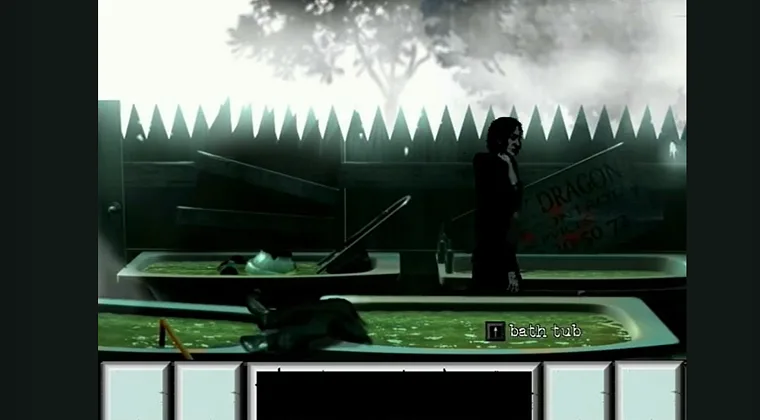
The Cat Lady tells a mature story that centers on Susan Ashworth. While dealing with loneliness and depression, she has to face a bunch of unsettling events that push her toward unexpected connections and adventures. Despite a grim and gloomy start, the story gradually shifts toward hope, showing how people rebuild their lives through small acts.
The game relies more on dialogue and choices than action, and its unusual visual style fits the emotional weight of the narrative. It feels like a chill conversation that suddenly turns unsettling, and that’s the magic of good PC horror games: they haunt your brain even after you log off.
Do not skip/rush through conversations, or you’ll miss certain parts of Susan’s and the supporting cast’s history.Try to learn item icons and effects early. Understanding the different synergies is the key to surviving deeper floors.
The Cat Lady fits well alongside games like Omori because it approaches psychological topics with honesty rather than shock value. Each chapter is built around character interactions, which makes the games feel more personal. Don’t try to get ahead of the deliberate slow pacing if you really want to enjoy this game.
My Verdict: The Cat Lady is the perfect pick for players who want a darker, more mature story and don’t mind a relatively slower unraveling.
14. INSIDE [Best for Minimalist Exploration]
| Our score | 8.1
☆
★
☆
★
☆
★
☆
★
☆
★
☆
★
☆
★
☆
★
☆
★
☆
★
|
| Platforms | PlayStation 4, Xbox One, Nintendo Switch, Windows, macOS, iOS |
| Year of release | 2016 |
| Creator(s) | Playdead |
| Average playtime | 3 to 5 hours |
| Unique features | Wordless storytelling, cinematic puzzles, unsettling world design, strong visual direction |
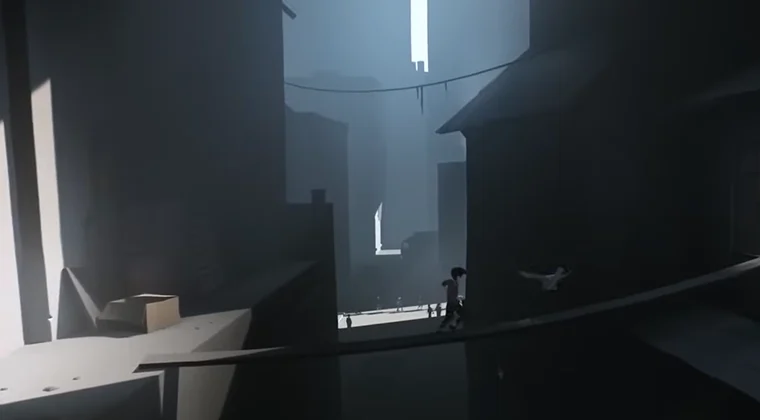
INSIDE is one of those unsettling horror games that pulls you in without saying a single word. You play as a kid moving through a strange world where everything just feels off. While you solve all sorts of puzzles, you’ll encounter empty facilities, eerie machines, and moments that make you stop and wonder what’s really going on.
The puzzles themselves are simple enough to figure out without frustration, but they’re smartly designed and always push you forward into something stranger.
Plug in your headphones and turn the volume up. INSIDE uses subtle sound cues to guide you through tense sections and hidden dangers.
Even though it’s short, the experience sticks with you because of how carefully every scene is crafted. There’s a lot happening beneath the surface, and players who enjoy reading into symbolism and hidden meaning will get plenty to think about.
My Verdict: INSIDE is deeper, darker, and more mysterious than Omori. It is short, but it stays with you and keeps you thinking long after you hit 100%.
GAMES LIKE INSIDE
15. Limbo [Best for Platforming & Puzzles]
| Our score | 8
☆
★
☆
★
☆
★
☆
★
☆
★
☆
★
☆
★
☆
★
☆
★
☆
★
|
| Platforms | PlayStation 4, PlayStation 3, Xbox One, Xbox 360, Nintendo Switch, Windows, macOS, Android, iOS |
| Year of release | 2010 |
| Creator(s) | Playdead, Double Eleven |
| Average playtime | 5 to 7 hours |
| Unique features | Silhouette art style, physics-based puzzles, environmental storytelling |
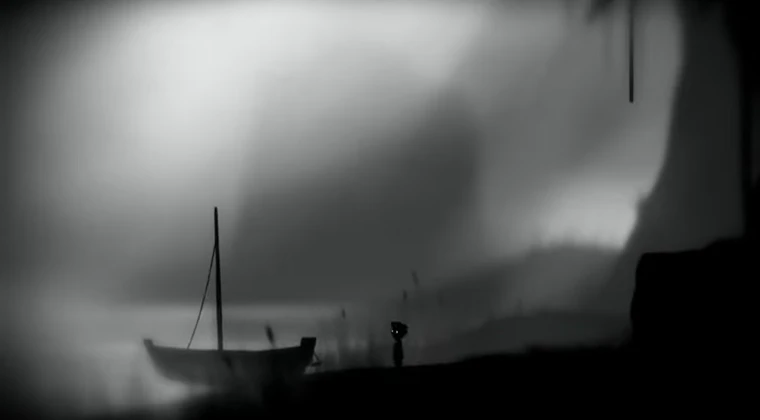
Limbo is a short but memorable puzzle platformer, set in a dark world where danger is always just a few steps away. You’re dropped in with no explanation, and you must learn everything via exploration and atmosphere alone.
Although the puzzles are simple at first, they get clever and complex as you progress. You’ll have to use a lot of physics and master timing if you don’t want to get stuck.
Many puzzle solutions rely on small visual cues that are easy to miss. Take your time and pick those up instead of trying to solve the puzzles aimlessly.
The visual style (black silhouettes against soft lighting) gives the world a haunting look that sticks with you. There’s no dialogue, no cutscenes spelling things out, and the story is left open enough that you can interpret it however you want.
My Verdict: Limbo’s eerie world, clever puzzles, and emotional tone make it a solid choice for Omori fans who are looking for more symbolic experiences.
16. Kentucky Route Zero [Best for Slow-Burn Storytelling]
| Our score | 7.8
☆
★
☆
★
☆
★
☆
★
☆
★
☆
★
☆
★
☆
★
☆
★
☆
★
|
| Platforms | PlayStation 5, PlayStation 4, Xbox Series S/X, Xbox One, Nintendo Switch, Windows, macOS, Android, iOS |
| Year of release | 2013 |
| Creator(s) | Cardboard Computer |
| Average playtime | 10 to 14 hours |
| Unique features | Episodic storytelling, surreal Americana aesthetic, interactive dialogue pacing, magical-realist worldbuilding |
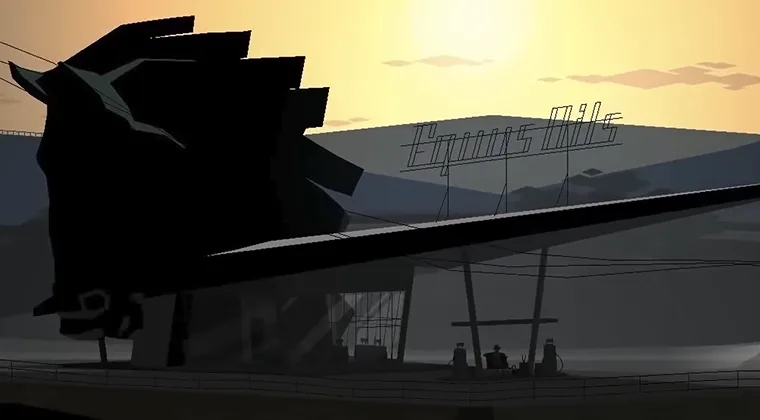
If you want a quiet and surreal road trip adventure through strange roads and forgotten towns, you’ll enjoy Kentucky Route Zero. It isn’t loud or action-packed. Instead, you’ll spend your time in slow conversations and unsettling places that slowly build the atmosphere.
The locations, in fact, are the standout feature. Abandoned buildings, dimly lit offices, hidden bars – each one gives the world a strange but interesting vibe.
The dialogue is straightforward to follow, making the narrative feel grounded even when things get weird. It doesn’t rely on big twists or heavy symbolism. Instead, the story builds through simple interactions and the small details you pick up along the way.
Do not skip side character conversations. They add context that makes later scenes easier to understand.
The story progresses at a relaxed pace. Each scene feels natural and unrushed, giving you space to soak it in. If you prefer atmosphere over challenge, you’ll feel right at home.
My Verdict: Kentucky Route Zero is a great choice if you’re after a slightly more relaxing experience, but still want a good story and an eerie atmosphere.
17. Oxenfree [Best for Supernatural Mystery]

| Our score | 7.6
☆
★
☆
★
☆
★
☆
★
☆
★
☆
★
☆
★
☆
★
☆
★
☆
★
|
| Platforms | PlayStation 4, Xbox One, Nintendo Switch, Windows, macOS, |
| Year of release | 2016 |
| Creator(s) | Night School Studio |
| Average playtime | 4 to 6 hours |
| Unique features | Real-time dialogue system, radio-based puzzles, branching story paths |
Oxenfree is a story-driven adventure following a group of friends who accidentally open a tear in the island they’re exploring. This leads them through strange events that unfold in real time, creating a mix between teenage drama and the supernatural.
Most of the gameplay revolves around exploring, tuning radio signals, and making choices that shape how the group interacts.
Pay close attention to the radio frequencies you unlock. Some of them reveal important clues that are easy to miss.
Oxenfree will scratch your Omori itch because it blends emotional moments with a slightly unsettling atmosphere. It’s not a horror game, but it has enough mystery to keep you curious about what’s coming next.
The branching paths are one of the highlights of the game. It adds replay value, especially if you want to see how different choices affect the tone of the story.
My Verdict: Oxenfree’s quick pacing and strong dialogue create the perfect blend for players who like story-first games.
18. What Remains of Edith Finch [Best for Multiple Storylines]

| Our score | 7.5
☆
★
☆
★
☆
★
☆
★
☆
★
☆
★
☆
★
☆
★
☆
★
☆
★
|
| Platforms | PlayStation 5, PlayStation 4, Xbox One, Xbox Series S/X, Nintendo Switch, Windows, macOS |
| Year of release | 2017 |
| Creator(s) | Giant Sparrow |
| Average playtime | 3 to 5 hours |
| Unique features | Playable vignettes, unique gameplay per story, strong environmental storytelling |
What Remains of Edith Finch tells a series of short stories about the members of the Finch family. You move through the family home, uncovering locked rooms and old belongings that lead to each memory.
Some stories are warm, others are heavier, but all of them feel personal. The pacing is smooth, and the game always gives you something interesting to interact with.
Explore the Finch house. Pick up the small notes, photos, and objects. They’ll help you better understand and feel each story.
Fans of Omori will enjoy how What Remains of Edith Finch’s emotional storytelling creates moments that stick with you. You’ll feel how each member of the Finch Family felt as you play through the different stories, each with its own style and tone.
My Verdict: What Remains of Edith Finch is a very good option for players who enjoy emotional, story-heavy games with simple and straightforward gameplay.
GAMES LIKE WHAT REMAINS OF EDITH FINCH
19. The Beginner’s Guide [Best for Developer Commentary Narratives]
| Our score | 7.5
☆
★
☆
★
☆
★
☆
★
☆
★
☆
★
☆
★
☆
★
☆
★
☆
★
|
| Platforms | Windows, macOS |
| Year of release | 2015 |
| Creator(s) | Davey Wreden, Everything Unlimited Ltd. |
| Average playtime | 1 to 2 hours |
| Unique features | Developer commentary-style narration, short level showcases, and a personal storytelling format |
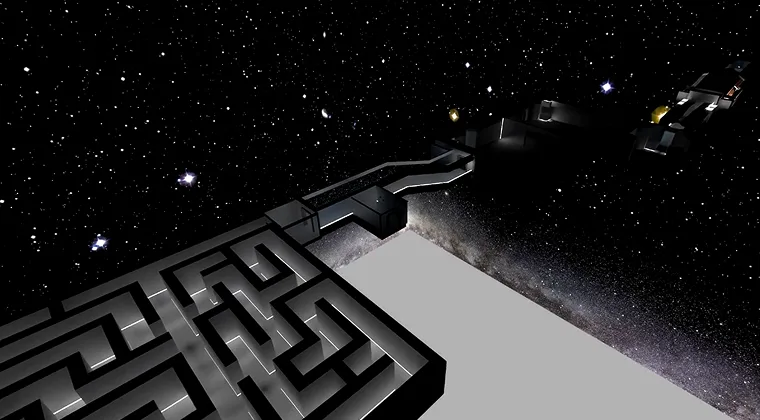
The Beginner’s Guide is unlike most of the narrative games you might have played or will play in the future. Instead of following a traditional story, you move through a collection of short, unfinished game ideas while a narrator explains the meaning behind them.
Each level is quick and straightforward, but the commentary pulls everything together and gives the experience a clear emotional direction. It’s easy to follow, and the pacing makes sure you’re never stuck or confused about what to do next.
Use headphones! The narrator’s tone and delivery add a lot to how the story feels.
Players who enjoy games like Omori will enjoy how The Beginner’s Guide presents creativity, self-doubt, and the feeling of trying to understand someone through their work.
The game is short, and there’s no real challenge. What you get is a steady, well-presented story that leaves you thinking about the characters behind the scenes.
My Verdict: The Beginner’s Guide is perfect for players who want a short, narrative-heavy game full of personal stories.
20. A Short Hike [Best for Feel-Good Adventure]
| Our score | 7.5
☆
★
☆
★
☆
★
☆
★
☆
★
☆
★
☆
★
☆
★
☆
★
☆
★
|
| Platforms | PlayStation 4, Xbox One, Nintendo Switch, Windows, macOS |
| Year of release | 2019 |
| Creator(s) | Adam Robinson-Yu, Adamgryu |
| Average playtime | 2 to 5 hours |
| Unique features | Freeform exploration, light platforming, optional side quests, cozy atmosphere |
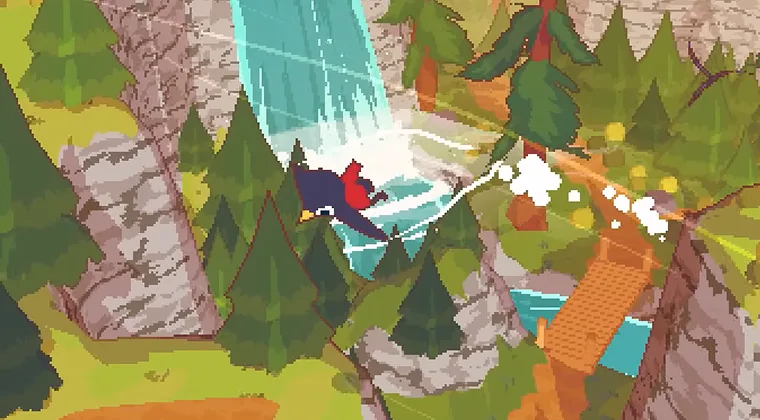
A Short Hike is a relaxing adventure where you hike, glide, and climb your way to the top of a small mountain while helping other characters along the way. There’s no pressure and no strict path. You’re free to explore the island at your own speed, chat with friendly NPCs, and pick up small tasks that make the world feel lively.
The controls are smooth and easy to learn, which makes exploring the island’s hidden corners fun without being demanding. It’s a very inviting game with simple visuals and an upbeat tone.
Collect feathers whenever you can. They make climbing and gliding smoother and open up more exploration options.
Instead of dealing with deep trauma, A Short Hike focuses on small, personal interactions that feel honest and comforting. Even though it’s short, it leaves a lasting impression thanks to its friendly characters and peaceful exploration.
My Verdict: A Short Hike is a great pick for players who want something cozy and uplifting after heavier emotional games. Its exploration and lovable characters make it a refreshing choice for Omori fans looking for a positive, low-stress adventure.
GAMES LIKE A SHORT HIKE
Everything You Need to Know About Games Like Omori
Games like Omori usually mix emotional storytelling with unique art styles and character-focused narratives. Whether the gameplay is simple or complex, these titles stand out because of how they make you feel rather than how difficult they are.
This section breaks down the key elements that define games similar to Omori. Going through it will help you understand what to look for when choosing your next title.
How to Choose the Right Game Like Omori
Choosing another game like Omori depends on what you enjoy most as a player. You could be looking for emotional stories, relaxed exploration, or you might just want deeper RPG systems. In short, there’s plenty to consider, and you should start by narrowing down the following factors:
- Platform availability: Check whether the game is on PC, Nintendo Switch, PlayStation, or Xbox so you can play it on your preferred device.
- Difficulty level: Some titles are easy to pick up, while others require more skill or patience. Choose based on how challenging you want the experience to be.
- Gameplay style: Think about whether you’re in the mood for a tactical RPG, a classic turn-based battle system, a chill puzzle game, or a story-heavy experience that barely needs any mechanics at all.
- Emotional themes: Look for games that match the type of emotional depth you want. These could focus on psychological storytelling, highlight character-driven moments, or lean into a lighter and uplifting tone.
Why Omori Fans Will Love These Games
Fans of Omori will feel right at home with the games on this list because they share many of the qualities that made Omori so memorable. These titles all have the emotional range, character depth, and creative storytelling that define Omori’s strongest moments.
Here’s what you’ll get from the titles suggested above:
- Emotional storytelling: Games like Finding Paradise, Rakuen, and To the Moon focus on personal stories, tough subjects, and heartfelt character moments that hit just as hard as Omori’s emotional beats.
- Unique art styles: You can explore the watercolor world of Gris, the shadowy visuals of Limbo, or the cozy look of A Short Hike. Each game has a unique world but feels similar to Omori’s artistic flair.
- Familiar gameplay: Entries like Undertale, LISA: The Painful, and The Binding of Isaac: Rebirth offer RPG elements or turn-based combat, something Omori fans will be all too familiar with. But all these games sprinkle their own twist on these mechanics to bring a fresh feel.
The games listed above offer the same mix of emotion, creativity, and introspection that fans of Omori love. On top of all that, you still get to explore new worlds, meet new characters, and dive into new adventures.
My Overall Verdict
All the games above are worth your time, but with such a big lineup, it’s easy to get lost in the options. If you need a little guidance on where to start your Omori-like journey, here are some fast, tailored recommendations.
For morality-and-consequences fans → Undertale
A choice-driven RPG where every decision reshapes the story’s tone, relationships, and even how the game itself treats you.
For emotional-gut-punch enjoyers → LISA: The Painful
A brutal, consequence-heavy journey where every sacrifice sticks, making its themes of trauma and guilt hit painfully hard.
For surreal horror lovers → Fran Bow
A quietly disturbing psychological tale that trades jump scares for creeping dread, dual realities, and haunting, hand-drawn visuals.
For small-town melancholy fans → Night in the Woods
A slow-burn narrative about coming home, messing up, and trying to grow up, wrapped in sharp writing and deeply human characters.
For story-first romantics → To the Moon
A short, combat-free adventure that builds to a devastating emotional payoff through memories, music, and gentle character work.
FAQs
Undertale is the best game like Omori, thanks to its emotional story, memorable characters, and choice-driven RPG combat. It captures the same mix of charm and darker themes, making it the closest overall match for Omori fans.
No, Omori is not recommended for a 15-year-old due to its heavy themes like depression, self-harm, and psychological trauma. It’s not graphic, but the emotional content is definitely intense for younger players.
No, there are no official plans for an Omori 2. The developers have not announced a sequel, and the original game’s story was designed to stand on its own.
Omori is available on multiple platforms, including PC, Nintendo Switch, PlayStation, and Xbox. Each version offers the same story and gameplay, so you can play it on whichever device you prefer.
Omori’s message centers on healing and emotional growth. It explores themes of guilt, trauma, and self-acceptance. The game uses surreal worlds and symbolism to show how people cope with painful memories and the fear of facing the truth.
Yes. Omori officially supports macOS. According to its Steam listing, the game’s minimum Mac requirements are macOS 10.12 (Sierra), at least 4 GB RAM, and an OpenGL 4.1–capable GPU.