



14 Best Spy Games in 2026: Top Espionage Adventures



Recent update
This list is regularly updated to match what’s trending and in-demand among gamers.
The best spy games demand quick reflexes, clever thinking, and a mind for deception. Stealth and strategy have shaped the genre into some of the most gripping experiences in gaming. Espionage video games got their spark in the early 1980s when spy stories were popular in literature (James Bond novels) and film (Mission: Impossible, The Man from U.N.C.L.E.).
In 2025, spy games are thriving, offering everything from tense stealth missions to full-scale espionage adventures. I’ve gathered the very best of them here, classics that defined the genre and new releases that push it forward. No matter if you’re new to spy thrillers or already an experienced agent, this list has a game that will pull you in.
Jump to:
Our Top Picks for Spy Video Games
Let’s take a quick look at some of the greatest spy games ever made to date:
Scroll down to see why these games stand out as the best in the espionage category and what makes each one unforgettable. Whether you’re looking for something that echoes the classics, like the best social stealth games like Hitman 3, or a modern single-player spy experience, you’ll find a game worth playing.
14 Best Spy Games – Top Must-Play Titles
I haven’t been a huge fan of the espionage games genre because this industry has a very narrow audience. That’s what you’d think at first, like I did. But the games I tried to make the list of best spy games are truly one of a kind. And it even improved my perspective on the category as well.
Let’s see what each game offers and why you should give them a try.
1. 007 First Light [Best James Bond Game on Modern Platforms]
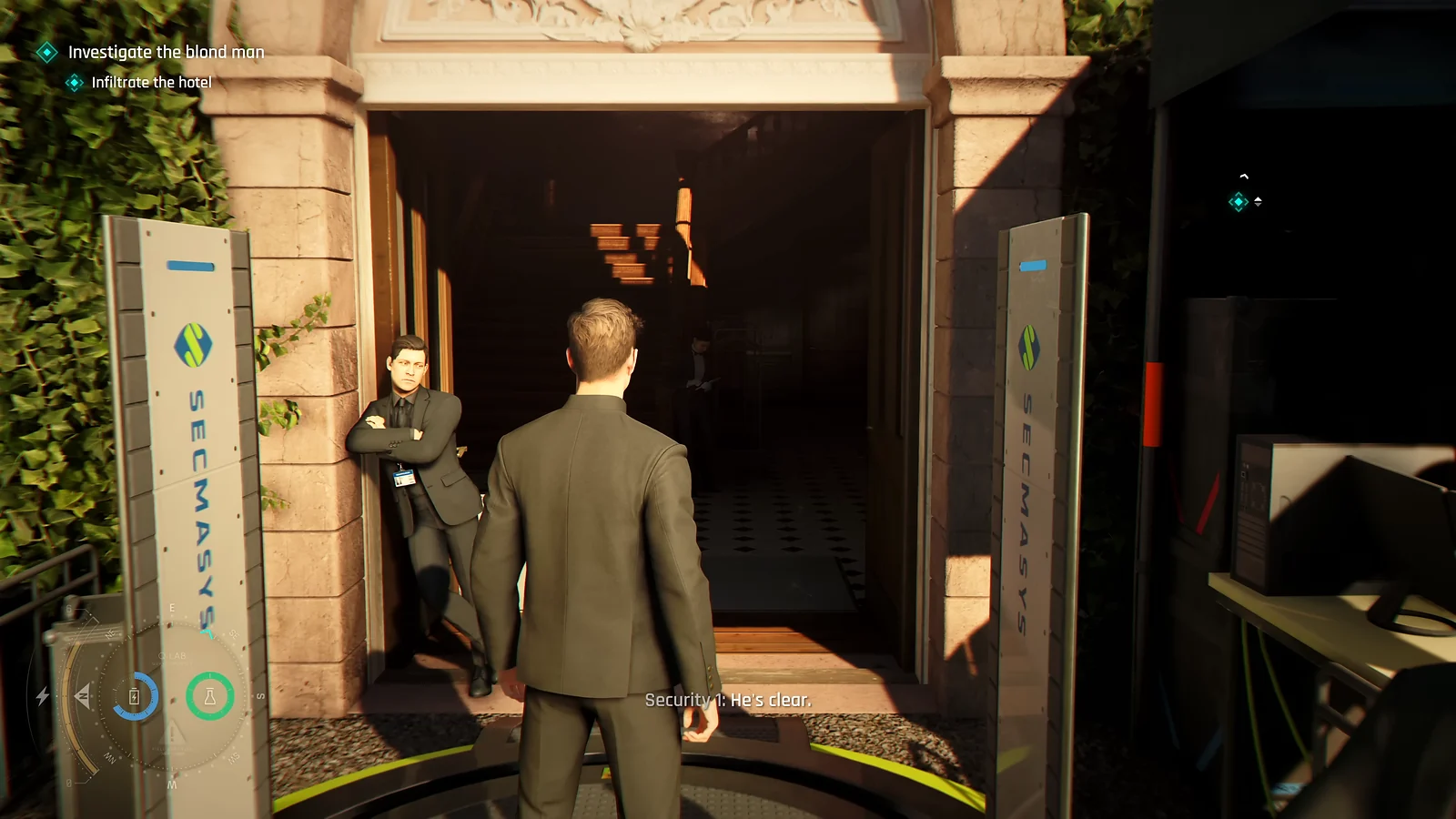
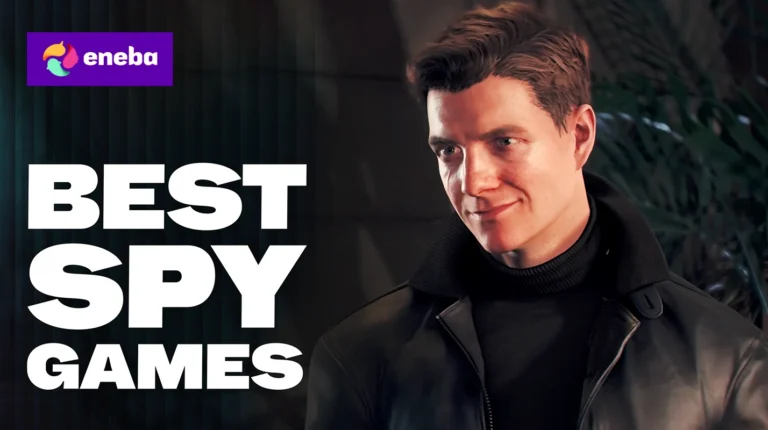
007 First Light, developed by IO Interactive, is an origin story that puts players in the shoes of a young, brash James Bond. Recruited from the Royal Navy into MI6, this cinematic action-adventure explores his early career as he navigates the dangerous world of international espionage. The gameplay blends IO Interactive’s signature stealth and social infiltration mechanics with classic Bond flair, including high-stakes gadgetry provided by Q and signature witty banter.
Master the sabotage system to create distractions in crowded areas; use social stealth to blend into the Kensington Gala and avoid unnecessary combat.
Players get to travel the globe, engaging in missions that require both tactical planning and quick reflexes. Whether infiltrating high-profile events like the Kensington Gala or engaging in raw, visceral brawls, the game offers a unique “sabotage” system that rewards resourcefulness. We broke down every gadget, mission twist, and combat option in our full 007 First Light review, if you want the complete picture before diving in.
With a cast of UK talent including Patrick Gibson as Bond and Lennie James as his mentor, John Greenway, First Light redefines the James Bond gaming experience. If your only Bond gaming experience is GoldenEye or the janky Quantum of Solace, give 007 First Light a try.
GAMES LIKE 007 FIRST LIGHT
2. Alpha Protocol [Best Spy Puzzle RPG Game]
| Genre | RPG, Action, Spy Puzzle |
| Platforms | PC, PS3, Xbox 360 |
| Year of release | 2010 |
| Developer/Publisher | Obsidian Entertainment / SEGA |
| Average playtime | 20–25 hours |
| Standout features | Timed dialogue system, branching storylines,a mix of stealth and action |
The first game on my list is Alpha Protocol (AP). which is also among the top-grossing RPG games of all time.
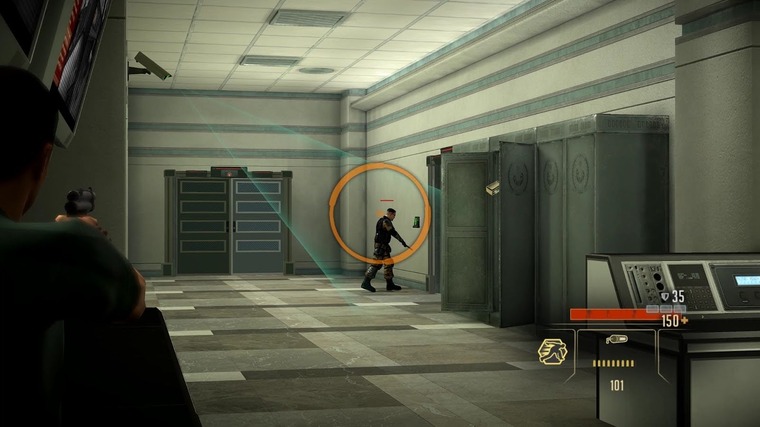
Alpha Protocol is a unique blend of espionage, RPG progression, and player-driven storytelling. I stepped into the role of Michael Thorton, a rogue agent caught in a web of international conspiracies. Every mission felt like it could go in multiple directions depending on my approach. The game’s standout mechanic is its timed dialogue system. Responses aren’t just cosmetic, but they genuinely shape alliances, enemy behavior, and even entire plotlines.
Invest in high-level hacking and stealth early to avoid combat; dialogue choices are permanent, so pay close attention to character motives.
What makes Alpha Protocol stand out is the freedom in playstyle. Some missions I handled with quiet infiltration, avoiding fights, while others I went in aggressively using weapons and gadgets. The mix of stealth, hacking, and action appeals to both careful planners and fast-paced players.
The game builds tension with timed dialogue choices, forcing you to trust your instincts. Combat controls feel dated, but skill trees let you customize Michael as a master spy, tech expert, or close-quarters fighter.
It’s not perfect. Enemy AI can be inconsistent, and shooting mechanics lack modern polish, but the story depth and consequences of your choices give the game strong replay value.
Visually, it reflects its era. Textures aren’t so advanced, but locations, from dusty Middle Eastern cities to sleek offices, capture a spy-thriller vibe. Dynamic music and lighting based on your choices add extra weight to key moments.
My verdict: Alpha Protocol is for players who value choice over perfection. It may feel dated in some mechanics, but the depth of its narrative and the tension of its timed decisions make it one of the most memorable spy RPGs I’ve played. Ideal if you enjoy mixing action, stealth, and detective work in a single package.
GAMES LIKE ALPHA PROTOCOL
3. Invisible, Inc. [Best Tactical Espionage]
| Genre | Turn-based tactics, Stealth, Roguelike |
| Platforms | PC, PS4, Nintendo Switch |
| Year of release | 2015 |
| Developer / Publisher | Klei Entertainment |
| Average playtime | 15–25 hours |
| Standout features | Procedurally generated missions, permanent agent loss, and deep stealth mechanics |
Invisible, Inc. is one of those roguelike games that had me hooked from the start.
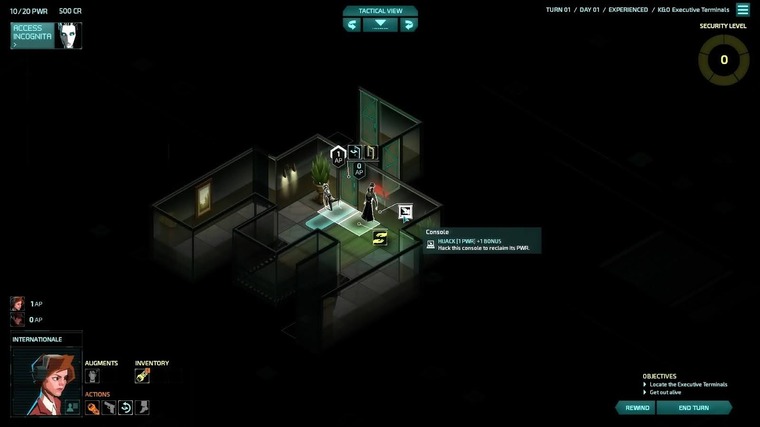
It’s a tense, turn-based stealth game where every move counts. I controlled a small team of spies infiltrating corporate facilities, stealing data, and escaping before security locked down the area. Each mission is randomly generated, so I never knew what was waiting behind the next door.
Always end your turn behind cover and keep at least one action point for an emergency dash; prioritize looting power generators to keep your power levels high.
Invisible, Inc. thrives on high stakes. Agents can be lost permanently if a mission fails, so building a skilled, balanced team is essential. The game rewards careful planning, quick thinking, and knowing when to retreat. Each mission feels like a puzzle solved one move at a time, with a ticking in-game clock adding urgency.
You can customize your approach by upgrading hacking skills, enhancing stealth, or equipping high-tech gadgets. Overconfidence is punished. Losing an agent mid-game forces you to adapt, making victories feel well-earned.
The visual style is clean and stylized, fitting the espionage theme perfectly. Lighting and vision cones create tension, keeping you on edge.
My verdict: Invisible, Inc. is perfect for players who like sharp tactics and costly mistakes. It rewards patience, planning, and adaptability, challenging you to think several moves ahead in every mission.
GAMES LIKE INVISIBLE, INC.
4. Tom Clancy’s Splinter Cell: Blacklist [Ultimate Stealth Experience]
| Genre | Stealth, Action, Third-Person Shooter |
| Platforms | PC, PS3, Xbox 360, Wii U |
| Year of release | 2013 |
| Developer / Publisher | Ubisoft Toronto / Ubisoft |
| Average playtime | 15–20 hours (main story) |
| Standout features | Multiple playstyles, extensive gadget use, co-op, and multiplayer modes |
In Splinter Cell: Blacklist, I stepped into the role of Sam Fisher, head of the covert Fourth Echelon unit. My mission was to dismantle a global terrorist threat known as the Blacklist before their plans could unfold.
From the first mission, the game made it clear that every approach was valid. Some of the actions included slipping through shadows, using non-lethal takedowns, or taking a more aggressive route with advanced weaponry.
Experiment with the “Ghost” playstyle for maximum score, but don’t hesitate to use EMP grenades to disable security systems if spotted.
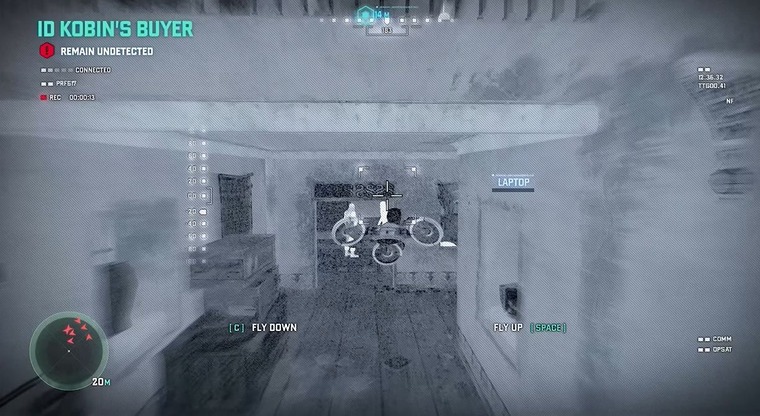
Splinter Cell: Blacklist keeps players engaged with a variety of missions. Some demand patience and perfect timing to avoid detection, while others require swift action under pressure. Gadgets like drones, sticky cameras, and EMPs let you adapt your strategy, rewarding tactical flexibility.
Playing Sam Fisher feels like balancing risk and reward. Moving through shadows while guards patrol creates constant tension, and rushing into combat often backfires. The game supports multiple playstyles. You can focus on silent infiltration or gear up for direct combat. Co-op missions add another layer, where coordination is key.
For a 2013 release, Blacklist still looks solid. Its lighting system turns shadows into both a weapon and a safety net. Environments range from bustling foreign streets to high-security bases, each with its own mood. The soundtrack enhances tension and cinematic action.
My verdict: Splinter Cell: Blacklist delivers the ultimate stealth experience by letting you shape your own path through every mission. It’s perfect for players who want a balance between slow, methodical infiltration and bursts of high-intensity action.
GAMES LIKE TOM CLANCY’S SPLINTER CELL BLACKLIST
5. Phantom Doctrine [Best Cold War Spy Game]
| Genre | Turn-based strategy, Tactical espionage |
| Platforms | PC, PS4, Xbox One |
| Year of release | 2018 |
| Developer / Publisher | CreativeForge Games / Good Shepherd Entertainment |
| Average playtime | 40–60 hours |
| Standout features | Deep espionage mechanics, investigation board, double agents, and procedurally generated elements |
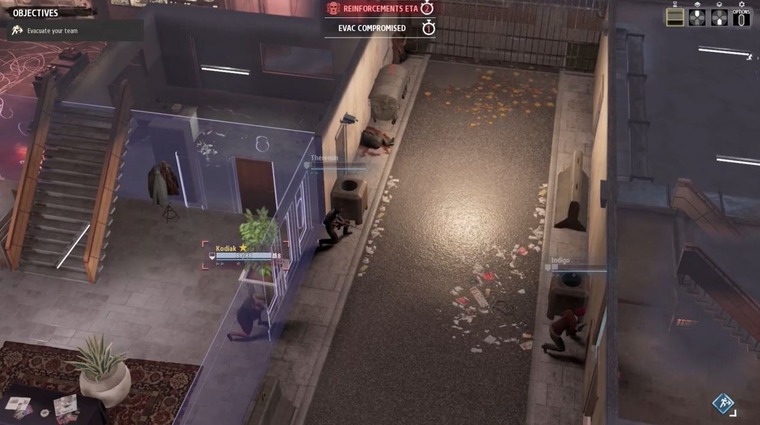
Phantom Doctrine is set years after the Second World War, placing you in control of a secret intelligence agency during the height of the Cold War. As spymaster, I decided who to recruit, where to send agents, and how to dismantle a shadowy global conspiracy.
Every mission carried weight. The wrong call could cost an agent, reveal your cover, or set your investigation back.
The game blends tactical turn-based missions with strategic base management. Between operations, I reviewed intel on the investigation board, linking clues like a detective piecing together a case. For players who enjoy games that mix careful planning with unpredictable fieldwork, this setting offers constant tension.
Keep your investigation board organized; link clues constantly to unlock new hideouts and avoid having your agents compromised by enemy sleeper cells.
Missions in Phantom Doctrine feel tense and methodical. Planning infiltration routes, monitoring enemy vision cones, and managing noise keeps the pressure high. Agents can be compromised mid-mission, forcing quick adjustments. Customizing skills, gadgets, and disguises lets you shape each operative for stealth, long-range, or close combat.
The pacing slows during base management and decoding, but the detail rewards patience. The gritty, Cold War–style visuals and tense soundtrack create an atmosphere where every shadow feels dangerous.
My verdict: Phantom Doctrine is perfect for players who enjoy strategic planning, careful decisions, and slow-burn tension in a spy-filled world. If you want to feel like you’re running your own covert operation, it provides that experience with conviction.
GAMES LIKE PHANTOM DOCTRINE
6. Hitman 3 [The Ultimate Sandbox for Hitmen]
| Genre | Stealth, Strategy |
| Platforms | PC, PS4, PS5, Xbox Series X/S, Xbox One |
| Year of release | 2021 |
| Developer / Publisher | IO Interactive |
| Average playtime | 15–25 hours (main story), 50+ hours with all modes |
| Standout features | Sandbox assassinations, mission import from H1 & H2, and massive interactive levels |
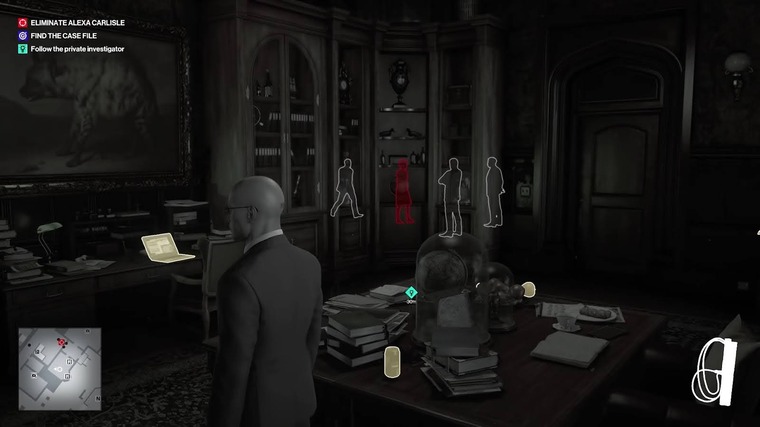
Hitman 3 is the final chapter in the World of Assassination trilogy, and it perfects the formula. As Agent 47, I stepped into six huge, detailed environments, each designed to give me complete freedom in how I approached my targets. From scaling the Burj Khalifa in Dubai to infiltrating a vineyard in Mendoza, each location felt like its own living world.
The game rewards curiosity. I explored, eavesdropped, and pieced together opportunities for a perfect kill. The exploding golf ball in Dubai, the detective roleplay in Dartmoor, and the neon-lit alleys of Chongqing all gave me reasons to replay missions in different ways. Fans of stealth who like taking their time will find a lot to enjoy here, especially with the option to import all maps from Hitman 1 and 2 into the same package.
Follow mission stories to find unique assassination opportunities and always stash bodies in containers to avoid detection.
Hitman 3 is a pure stealth sandbox where each mission starts with minimal guidance. You blend into crowds, use disguises, and turn the environment into a weapon.
Patience is essential. Rushing usually leads to failure. Studying guard patrols, testing entry points, and adapting your plan makes victories feel earned. Some maps are large, so trial and error is key.
The game’s visuals are stunning, from Dubai’s golden interiors to Dartmoor’s stormy moors. Lighting, crowd animations, and detailed sound design make levels feel alive, immersive, and reactive, giving players a tense but rewarding stealth experience that constantly challenges strategy and timing.
My verdict: Hitman 3 is a precision tool for players who enjoy slow, careful planning and the satisfaction of a perfect execution. It asks for patience and rewards it with memorable moments you create yourself. For anyone who values freedom in how a mission unfolds, it’s the ultimate playground.
GAMES LIKE HITMAN
7. Pragmata [Best Sci-Fi Hacking Adventure]
| Genre | Action-adventure, Sci-fi |
| Platforms | PC, PlayStation 5, Xbox Series X/S, Nintendo Switch 2 |
| Year of release | 2026 |
| Developer/Publisher | Capcom |
| Average playtime | 10–15 hours (main story), 20+ hours full completion |
| Standout features | Co-op hacking combat with android companion Diana, zero-gravity lunar traversal, sector-based exploration, New Game Plus |
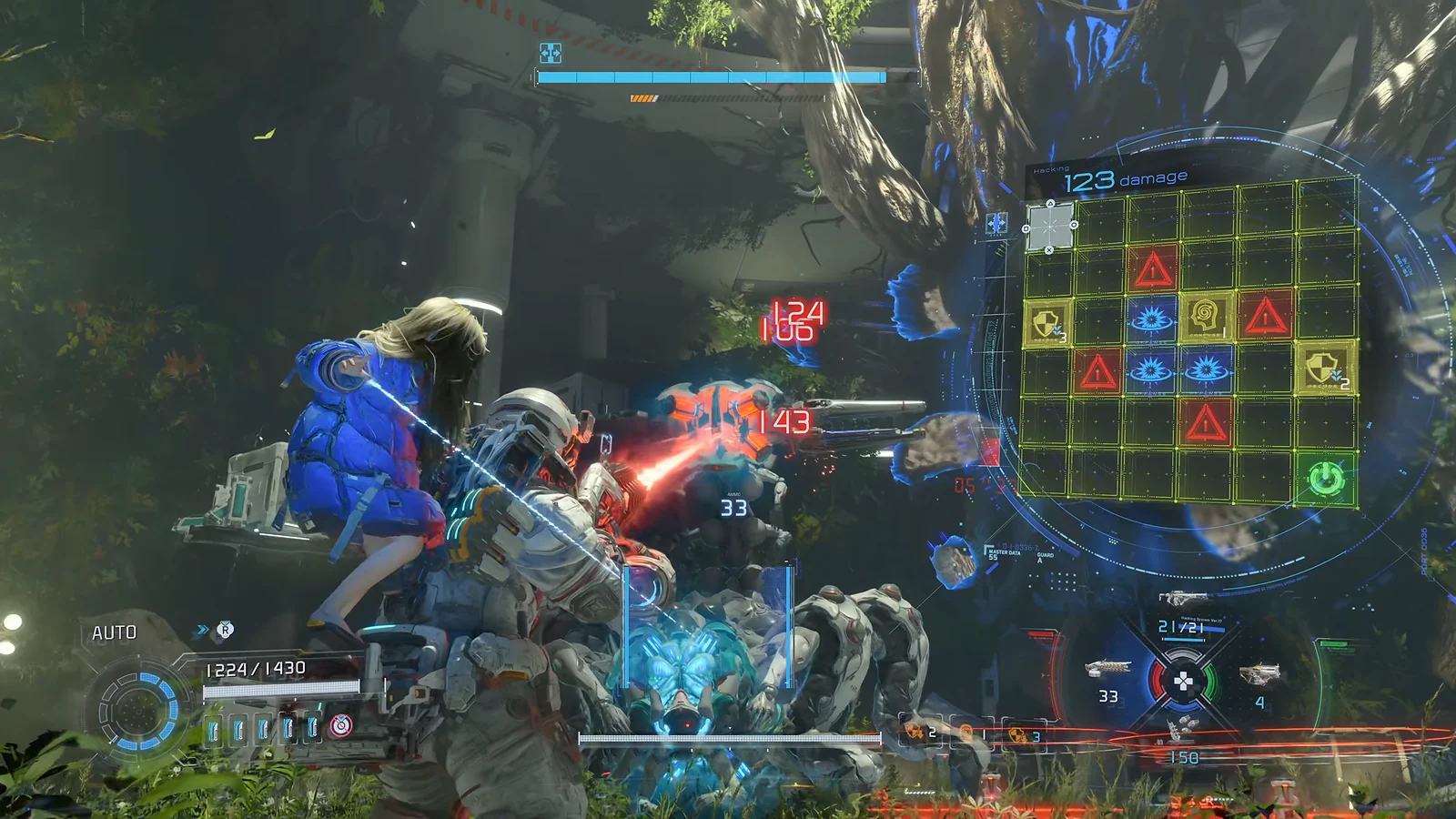
Pragmata follows Hugh Williams, stranded at a lunar research station, and Diana, the android who saves him and becomes his partner for the rest of the mission. Diana’s hacking ability strips armor off enemy machines and unlocks doors throughout the facility, so most fights ask you to mix gunplay with split-second hacking calls.
Prioritize Diana’s hacking upgrades in the early sectors. Unlocking them sooner opens shortcut rooms on your first pass, cutting down on backtracking later in the campaign.
The lunar setting splits into distinct sectors linked through a central hub, so Pragmata plays more like a tightly scripted campaign than an open sandbox. Between missions, reviewing “Read Earth Memory” files at the hub fills in the station’s history and Diana’s own backstory.
My verdict: Pragmata isn’t a traditional spy game, but Diana’s hacking mechanics and Hugh’s infiltration of an AI-controlled facility give it enough covert-ops flavor to earn a spot here. It’s a tight, polished pick for players who want espionage-adjacent tension in a sci-fi wrapper.
8. No One Lives Forever 2: A Spy in H.A.R.M.’s Way [Most Stylish Spy Shooter]
| Genre | First-person shooter, Stealth |
| Platforms | PC |
| Year of release | 2002 |
| Developer/Publisher | Monolith Productions |
| Average playtime | 15–20 hours |
| Standout features | 1960s spy aesthetic, blend of stealth, gunplay, and gadgets, over 40 varied missions in exotic locations, and memorable protagonist with sharp dialogue |
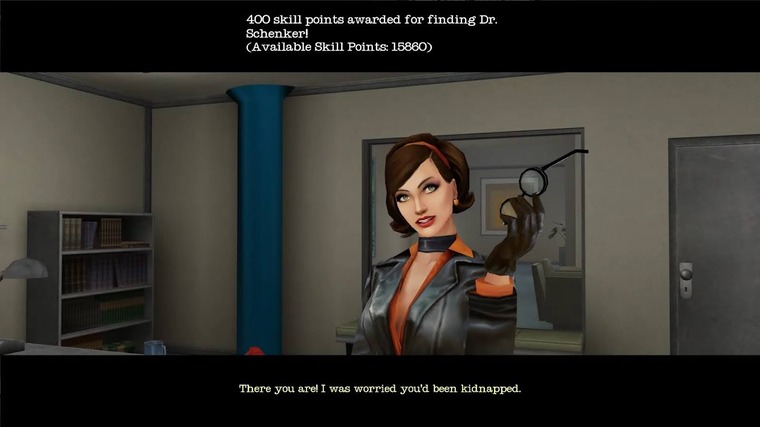
I’ve always had a soft spot for games that mix style with substance, and No One Lives Forever 2 strikes that balance. You play as Cate Archer, a British secret agent taking on the global menace of H.A.R.M.
The story swings between espionage, action, and humor, set against a retro 1960s backdrop. Missions take you from snow-covered Japanese villages to bustling Indian streets, even to a tornado-ravaged trailer park.
What makes it stand out is how well it blends genres. It’s part stealth, part action shooter, and part gadget playground. Each mission offers freedom to approach it in your own way, so it never feels repetitive. If you like spy fiction with personality, this is a rare gem worth your time.
Use your lipstick explosives and robotic cat liberally for creative distractions; experiment with your gadget loadout before each mission.
NOLF2 feels like stepping into a stylish spy movie. Stealth sections are satisfying, but the gunplay is snappy for louder approaches. Gadgets like lipstick explosives and robotic cats give creative ways to complete missions. Some AI quirks and longer objectives can break immersion, but the variety of tools and challenges keeps gameplay fun.
The visuals still hold up for a 2002 release. Vibrant colors, bold patterns, and period-specific design make each location stand out. Lighting and shadow effects add tension during stealth, while the soundtrack fits every scene perfectly.
Quirky NPC banter and detailed environments make the world feel alive. Whether sneaking past guards or experimenting with gadgets, every mission offers surprises that keep the game fresh and engaging.
My verdict: NOLF2 is a stylish, smart, and satisfying spy adventure. It’s perfect for players who enjoy varied mission design, a charismatic lead character, and a setting that oozes personality. Even decades later, it’s worth playing for the atmosphere alone.
Steam Wallet Gift Cards
9. Skin Deep [Best for Spy Story Enthusiasts]
| Genre | First-person shooter, Stealth |
| Platforms | PC |
| Year of release | 2025 |
| Developer/Publisher | Blendo Games, Annapurna Interactive |
| Average playtime | 7–12 hours |
| Standout features | Open-ended missions with multiple approaches, humorous and absurd narrative, detailed environmental interactions, retro-futuristic visual style |
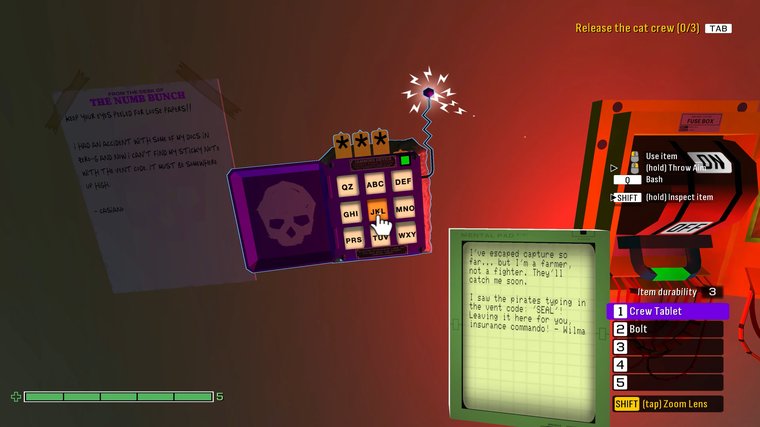
Skin Deep stands out with its intense storytelling and immersive spy mechanics that keep me on edge. Every mission tests your cunning, and the narrative twists make every choice feel meaningful, making it one of the best space games for players who love tactical depth.
The game hooks me from the start with a world of conspiracies, rogue agents, and shadowy organizations. I tackle layered objectives that let me experiment with stealth and strategy. Fans of tactical espionage and branching storylines will feel right at home.
Playing Skin Deep feels tense and personal. I spend time planning the perfect infiltration, weighing dialogue options, and predicting outcomes. Some missions are slower-paced, but that just gives me space to strategize.
Interact with environmental objects—most items have a dual purpose for both stealth and distraction.
While it’s strictly single-player, the campaign is dense enough to stay gripping for hours. The difficulty and depth cater to both tactical players and newcomers using accessibility features.
The visuals strike a balance between realism and style, with detailed environments, moody lighting, and subtle animations. Sound design enhances stealth sequences, from quiet footsteps to surveillance tech. The interface is clean, so I can focus on executing my plans without distractions.
My verdict: Skin Deep is perfect for story-focused players craving tactical spy action. The suspense and narrative depth make this game one of the best espionage experiences out there.
10. Metal Gear Solid V: The Phantom Pain [Best Sandbox Espionage]
| Genre | Stealth-action, Open world |
| Platforms | PC, PS4, PS3, Xbox One, Xbox 360 |
| Year of release | 2015 |
| Developer/Publisher | Kojima Productions / Konami Digital Entertainment |
| Average playtime | 35–50 hours |
| Standout features | Massive open-world stealth sandbox, adaptive AI that responds to your tactics, mother Base building and resource management, and freedom to approach missions in multiple ways |
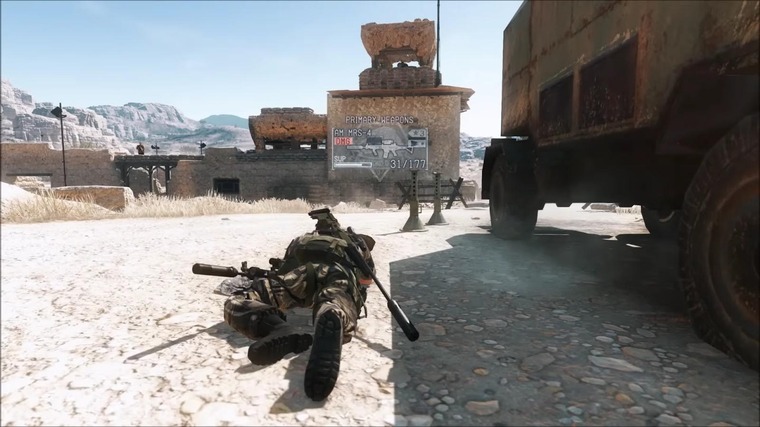
Metal Gear Solid V: The Phantom Pain gives you the tools to play the kind of spy you want to be. You step into the boots of Venom Snake in 1984, rebuilding your private army while hunting down Cipher and tracking Skull Face. The missions take place across wide, open maps filled with dynamic systems.
Every mission feels like a puzzle you can solve with stealth, force, or a mix of both. The game rewards creative thinking, and the AI adapts to how you play. If you rely too much on headshots, enemies start wearing helmets. If you attack at night, they bring flashlights. This makes every mission feel alive and personal.
Utilize the Buddy system—D-Dog can sniff out enemies before you see them; change your drop-off time to night to minimize enemy detection.
Metal Gear Solid V: The Phantom Pain gives a rare sense of control in stealth games. I often paused mid-mission to plan approaches based on guard patrols, weather, and time of day. Weapons and gadgets feel purposeful, and the controls are responsive.
Mother Base adds long-term strategy, with recruiting soldiers and expanding facilities creating a satisfying loop. Side ops and resource gathering can feel repetitive, but pacing yourself keeps it engaging.
The Fox Engine produces detailed visuals, shifting sunlight, rolling storms, and dynamic dust. Smooth animations, realistic vehicle handling, and a subtle, tension-building soundtrack make every mission feel alive.
My verdict: This is a deep, flexible, and polished espionage sandbox. It’s ideal for players who enjoy tactical thinking, open-ended problem-solving, and building something over time. The gameplay stays sharp long after the credits roll.
GAMES LIKE METAL GEAR SOLID V: THE PHANTOM PAIN
What do players say?
11. Ghost of Tsushima [Best Samurai Stealth Experience]
| Genre | Action, Adventure, Single Player |
| Platforms | PC, PS4, PS5 |
| Year of release | 2020 |
| Developer/Publisher | Sucker Punch Productions, Nixxes Software |
| Average playtime | 50–60 hours |
| Standout features | Stealth-focused gameplay with samurai and ghost mechanics, immersive open world set in feudal Japan, and director’s Cut content including Iki Island expansion and Legends multiplayer mode |
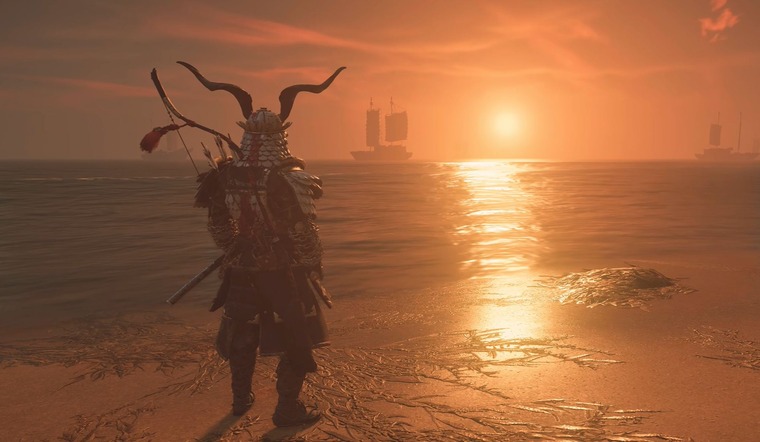
Playing Ghost of Tsushima immediately made me feel like a samurai facing impossible odds. I step into Jin Sakai’s shoes, the last surviving member of his clan, tasked with reclaiming Tsushima from the Mongols.
The game constantly asks me to balance honor with survival. I can fight in open duels or move silently as the Ghost.
The game’s open world is full of rich environments, from quiet shrines to windswept fields. Exploration is rewarding, with side quests and hidden locations that tie into the story. Combat is dynamic and gives you options to mix swordplay, stealth, and ranged attacks. Legends Mode adds cooperative play, letting you team up with others in missions inspired by Japanese mythology.
Master the Stone Stance early for duels, but save your Ghost weapons like kunai and smoke bombs for groups of enemies to maintain momentum.
Ghost of Tsushima provides deliberate gameplay. Sword fights demand timing and precision, while stealth missions require patience and planning. Every encounter can be approached in multiple ways, using stances, smoke bombs, or kunai. Some story segments and Legends Mode feel repetitive, but well-executed ambushes make it rewarding.
The visuals are stunning, capturing feudal Japan with natural lighting, weather effects, and detailed character animations. Kurosawa Mode adds a cinematic black-and-white filter, and the soundtrack heightens tension and quiet exploration alike. From intense combat to writing haikus or admiring the wind, the game immerses players in a heroic, living world.
My verdict: Ghost of Tsushima provides a focused samurai experience that rewards careful planning and tactical skill. It succeeds at blending stealth, action, and cinematic storytelling into a cohesive journey. The Director’s Cut expands the world meaningfully, and both single-player and multiplayer content are strong.
GAMES LIKE GHOST OF TSUSHIMA
What do players say?
12. Mark of the Ninja: Remastered [Masterclass for 2D Stealth]
| Genre | Action, Stealth |
| Platforms | PC, PS4, Xbox One, Nintendo Switch |
| Year of release | 2012 |
| Developer/Publisher | Klei Entertainment |
| Average playtime | 12–15 hours |
| Standout features | Precision stealth, environmental awareness, tactical gameplay |
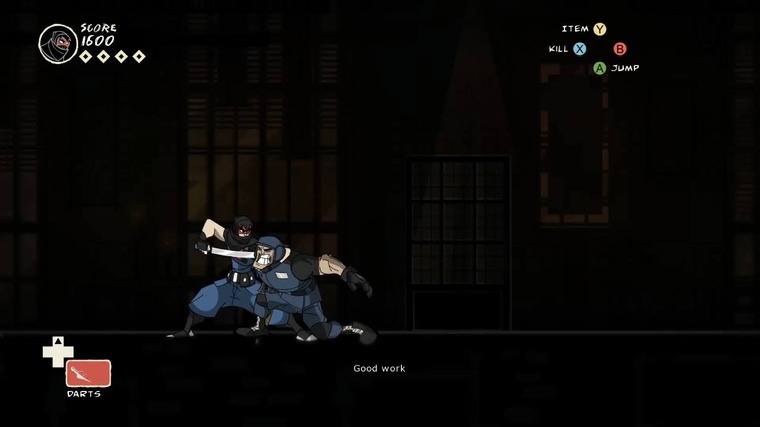
Mark of the Ninja: Remastered puts you in the shoes of a nameless ninja with a cursed tattoo granting supernatural abilities. The main goal is simple but tense: avenge your fallen clan and dismantle the corrupt Hessian Corporation, led by the ruthless Karajan. Every level demands careful planning and precise timing, which makes every step feel deliberate and meaningful.
The game is a 2D stealth masterpiece, built around thoughtful strategy and environmental navigation. I spend my time sneaking past guards, avoiding traps, and creating distractions to progress.
Each encounter encourages experimentation, whether I silently neutralize a single guard or manipulate the environment to strike fear across the level. Mark of the Ninja: Remastered resonates with players who enjoy planning, patience, and mastering timing, and its stealth mechanics are more satisfying than many 3D stealth games.
Pay attention to light levels and sound bubbles—if you’re in a lit area, you are visible; use distraction items to move guards away from critical paths.
Playing as the ninja is both tense and rewarding. The controls are fast and responsive, letting me react quickly to sudden threats. I appreciate the subtle cues in the environment and sound design that indicate guard awareness, which help you make split-second decisions.
The difficulty ramps up naturally, supporting different skill levels while demanding precision. The only drawback is that the pacing can feel slow for players who prefer constant action, but that deliberate pace is central to its appeal.
The remastered edition enhances the original with refined visuals and smoother animations. Shadows, lighting, and visual effects provide important gameplay information. The art style remains striking, balancing clarity with a cinematic 2D presentation that emphasizes stealth over spectacle.
My verdict: This remaster elevates an already excellent stealth game. Its control, pacing, and tension create one of the most satisfying 2D stealth experiences I have played. It’s perfect for players who enjoy strategy, patience, and feeling in complete control of every move.
GAMES LIKE MARK OF THE NINJA
13. Assassin’s Creed: Brotherhood [Best Sandbox Stealth-Action]
| Genre | Action, Stealth, Adventure |
| Platforms | PC, PS3, Xbox 360, PS4, Xbox One, Nintendo Switch |
| Year of release | 2010 |
| Developer/Publisher | Ubisoft Montreal |
| Average playtime | 25–30 hours |
| Standout features | Brotherhood system, open-world exploration, multiplayer mode |
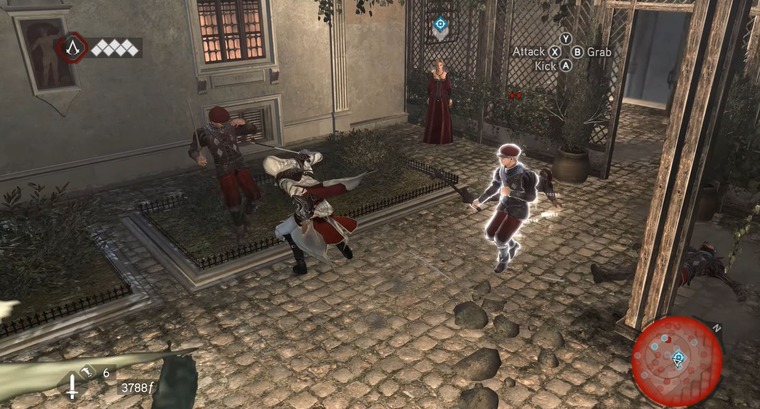
Assassin’s Creed: Brotherhood puts you in the shoes of Ezio Auditore as he grows into a true leader of the Brotherhood. Set in Rome, the game challenges me to rebuild the Assassin network while taking down the oppressive Borgia regime. Every mission demands attention to detail, from navigating rooftops to carefully eliminating key targets, which makes each step feel deliberate.
The game expands on Assassin’s Creed II by refining its best elements and providing a deeper and more immersive experience. I spend time recruiting and managing assassins, planning attacks, and exploring Rome’s open world.
Its mix of strategy, parkour, and stealth appeals to players who enjoy methodical gameplay combined with large-scale city navigation. Multiplayer adds a fresh layer and allows you to test my skills against others and observe new tactics, which keeps the experience dynamic.
Build your Brotherhood early; calling your assassins for multi-target takedowns is the safest way to clear high-security zones.
Playing as Ezio feels empowering and precise. The controls are responsive, which enables smooth parkour, fast-paced assassinations, and stealth takedowns. I can approach situations in multiple ways, which makes each encounter rewarding.
The learning curve is moderate, accommodating newcomers and seasoned players. The only limitation is that some side missions can feel repetitive, but they provide opportunities to perfect strategies and use the Brotherhood system effectively.
The game captures Rome’s grandeur with detailed architecture, bustling streets, and realistic character animations. The soundtrack complements the tension and drama of stealth missions, and the lighting enhances both atmosphere and gameplay by indicating line-of-sight and stealth opportunities.
My verdict: Brotherhood stands out as a sandbox stealth-action experience. Its combination of leadership mechanics, tactical depth, and cinematic presentation creates a memorable journey for players who enjoy strategy, stealth, and exploration. It remains a must-play for anyone seeking a refined Assassin’s Creed experience.
GAMES LIKE ASSASSIN’S CREED BROTHERHOOD
14. Operation: Tango [Best 2-Player Co-Op Spy Game]
| Genre | Adventure, Puzzle, Co-op |
| Platforms | PC, PlayStation 4, PlayStation 5, Xbox One, Xbox Series X/S, Nintendo Switch |
| Year of release | 2021 |
| Developer/Publisher | Clever Plays |
| Average playtime | 4–5 hours |
| Standout features | Asymmetrical 2-player co-op (Agent and Hacker), voice-only communication, free Friend Pass, cross-platform play |
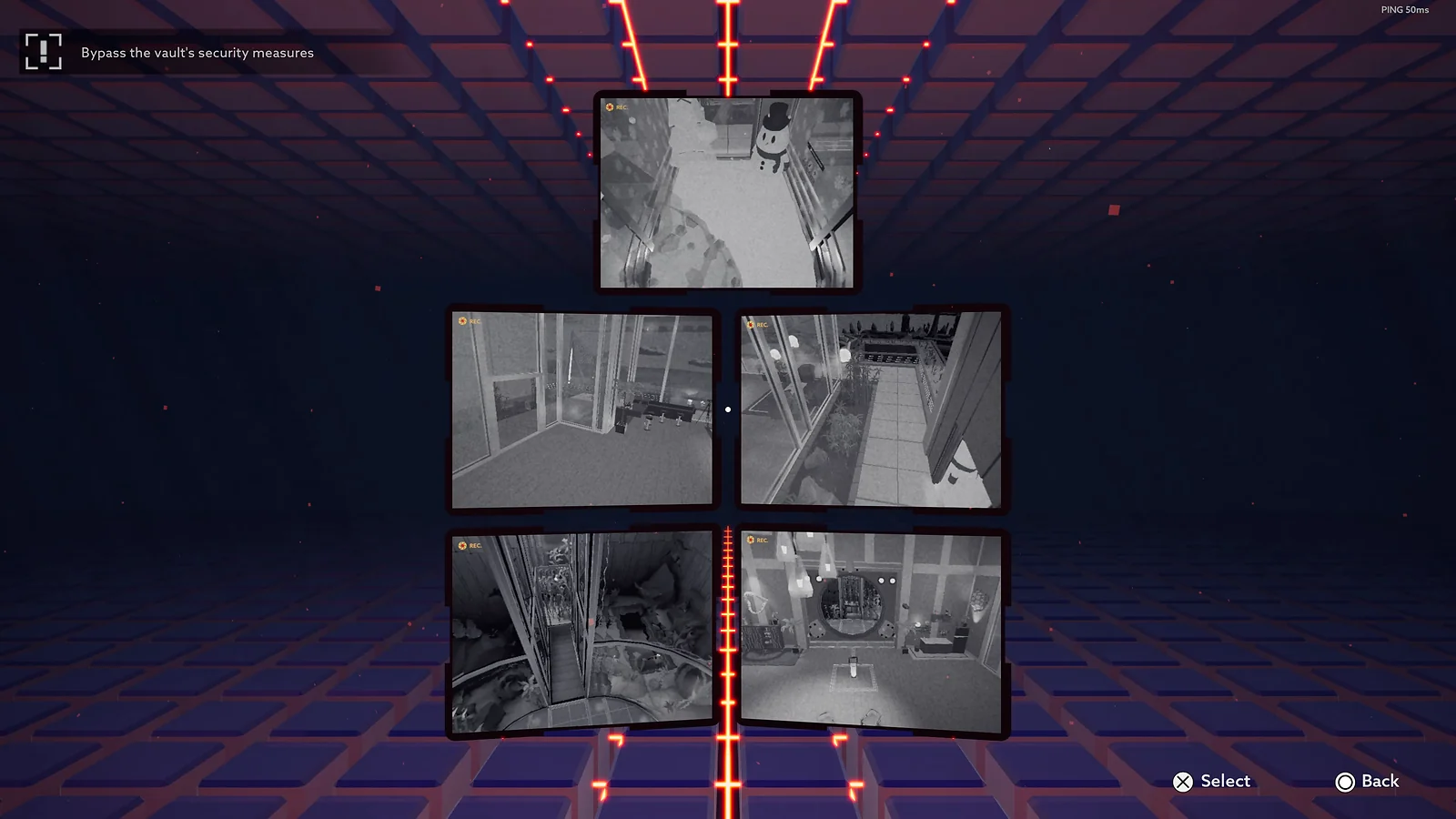
Operation: Tango splits its espionage plot across two players who never see the same screen. One of you plays the Agent, moving through the mission on foot; the other plays the Hacker, watching camera feeds and controlling systems from a laptop. Neither side has the full picture, so the entire mission rides on what you tell each other out loud.
Agree on a few shorthand callouts before you start a mission. Rooms fill up fast with guards, cameras, and countdown timers, and spelling out full sentences under pressure costs precious seconds.
The asymmetry is the whole point. The Hacker can see patrol routes and unlock doors remotely, but only the Agent knows what’s actually in the room. Missions send you through embassies, trains, and data centers, and every one of them turns into a real test of whether you and your partner can communicate under pressure.
My verdict: Operation: Tango is one of the few spy games built entirely around teamwork rather than tacked-on multiplayer. It’s short at around four to five hours, but every minute demands real cooperation, which makes it a standout pick for anyone wanting to play a spy duo instead of a lone operative.
Best 2-Player Co-Op Spy Games
Not every mission calls for a lone operative working in silence. Among the best spy games, a handful stand out specifically because they hand the mission to two players instead of one, turning stealth and strategy into a shared challenge.
- Tom Clancy’s Splinter Cell: Blacklist – Two players can tackle dedicated co-op missions as Fourth Echelon agents, using synchronized takedowns and shared gadgets to clear rooms together. Spies vs. Mercs mode adds a tense asymmetrical twist for players who want a competitive edge.
- Ghost of Tsushima – Legends Mode lets up to four players team up in missions pulled from Japanese folklore, each with a distinct class built around stealth, ranged attacks, or close combat. It’s a separate mode from the main story, but it captures the same tension with a friend at your side.
- Operation: Tango – One player takes the field as Agent, the other runs support as Hacker, and neither can see what the other sees. Every mission comes down to clear communication, making it one of the purest co-op spy experiences around.
These three picks show that the best spy games don’t lose any tension when you bring a partner along. Sync up with a friend, communicate clearly, and see how well you can pull off a mission together.
Upcoming Spy Games
The spy game scene is heating up, and I’m ready to dive in. Stealth, gadgets, and high-stakes missions are coming my way, and I can’t wait to dive in.
- Espiocracy (2026) – Running an entire intelligence agency in the post-WWII era will surely be a blast. Planning covert ops and managing 74 playable countries takes strategy and espionage to a massive scale.
- Barkour (2026) – A gadget-loaded dog secret agent brings a new spin to stealth missions. Rooftop parkour, distraction barks, and villain takedowns turn every objective into a playful test of timing and nerve.
- Pizza Spy (TBA) – Secret agent Ace Cook swaps guns for pizza gadgets in this culinary spy parody. Covert stealth and overt persuasion both work here, and 40-plus locations keep the globe-trotting mission varied.
- Agent 64: Spies Never Die (TBA) – This retro shooter revives the N64 spy-FPS formula with a 14-mission campaign and split-screen chaos. PvE co-op and competitive multiplayer round out a package built for fans who miss the GoldenEye era.
These upcoming spy games are looking insane. I can already imagine pulling off epic stealth maneuvers, planning bold operations, and feeling that high-stakes thrill every time.
My Overall Verdict on the Best Spy Games
The best spy games hit different depending on your style, and I’ve got five picks that stand out.
- For blockbuster Bond thrills → 007 First Light. Gliding between glamorous galas and gadget-driven combat sells the fantasy fast, and Q’s toys never get old.
- For choice-driven spy RPGs → Alpha Protocol. Every dialogue choice reshapes alliances and enemies down the line, so no two playthroughs of Michael Thorton’s story end up the same.
- For retro spy shooters with personality → No One Lives Forever 2: A Spy in H.A.R.M.’s Way. Cate Archer’s lipstick explosives and robotic cat turn a 2002 release into one of the funniest infiltration campaigns around.
- For open-world tactical espionage → Metal Gear Solid V: The Phantom Pain. Planning an infiltration route, then watching the AI adapt to how I play, keeps every return trip to the same base feeling fresh.
- For sci-fi hacking adventures → Pragmata. Hugh’s gunplay and Diana’s hacking calls turn a lunar facility crawling with hostile machines into a tight, tense two-hander.
No matter your approach, these five spy games have me hooked and ready for my next covert adventure.
FAQs
The best spy games right now point to 007 First Light, thanks to its cinematic Bond storytelling, social stealth infiltration, and gadget-driven missions that capture the classic spy fantasy in style.
A spy espionage game is a game in which players can take on roles playing as secret agents and fulfilling different missions. These games involve different elements like stealth tactics, covert operations, intelligence gathering, sabotage, assassination, and everything in between.
Alpha Protocol is considered the best espionage spy game of all time. Its deep narrative and choice-driven gameplay grant it the top spot. With elements that shape the story through dialogue, each playthrough offers a new experience. Its blend of stealth, action, and complex character interactions sets it apart in the espionage genre.
Spy video games often amp up action and gadgets over real-world tradecraft. 007 First Light‘s club infiltration trades authentic tradecraft for cinematic gadgetry, and Spycraft: The Great Game simplifies real spy tools for fun over precision.
Yes, there are several spy games inspired by movies. For instance, James Bond 007: Nightfire isn’t a direct adaptation of any specific Bond film, but it captures the essence of the series with its original storyline and characters. It offers that classic Bond experience, complete with espionage and action.