

Apex Legends Esports: Complete Guide


Apex Legends esports blends precision gunplay with tactical chaos. Every tournament match is a test of movement, team coordination, and perfect decision-making under pressure. From coordinated Valk ult rotations to clutch last-ring brawls, pros push each Legend to its limits.
This guide breaks down the heroes shaping the competitive meta – who plays them, how they’re used, and why they keep showing up in ALGS finals.
Jump to:
What Is Apex Legends Esports?
Apex Legends esports revolves around a vibrant hero‑based battle‑royale game developed by Respawn Entertainment. Released in 2019 as a free‑to‑play shooter, the game quickly carved its own niche thanks to its roster of diverse Legends, smooth movement, and a ping system that lets you communicate without a microphone.
Over the years, seasonal updates have added new maps, modes, and heroes that keep the experience fresh, while cross‑play ensures that friends across consoles and PC can play together. This accessible yet deep gameplay foundation has allowed the title to become a fixture of competitive gaming.
Unlike traditional shooters, Apex Legends assigns each Legend a role. Assault characters, like Bangalore, help the squad push into fights; Skirmishers, such as Wraith, reposition quickly; Recon Legends provide valuable enemy scans; Controllers fortify space for the final ring; and Supports heal and revive the team. The combination of movement, hero abilities, and tight gunplay is at the heart of what makes Apex Legends esports captivating.
Our most popular esports games guide highlights that the battle‑royale genre has matured, and Apex Legends stands out because matches feel like dynamic puzzles where the best decision‑making wins.
How Many People Play Apex Legends Every Day?
Apex Legends esports benefits from a healthy player base that fuels its competitive scene. According to industry reports and Respawn’s own updates, the game has attracted over 130 million registered players since launch and routinely records over 20 million monthly active users. On Steam alone, average daily player counts hover around 102 thousand with peak numbers surpassing 200 thousand during new season launches. Those figures don’t include console players, who make up the majority of the community thanks to the game’s free‑to‑play model and cross‑play support.
Our analysis of the esports situation notes that during the 2025 ALGS (Apex Legends Global Series) season, more than 160 teams competed in open qualifiers with a $1 million prize pool, and the championship in Sapporo drew more than 34 thousand fans to the stadium and over 540 thousand peak online viewers. These numbers show that Apex Legends isn’t just popular; it supports a thriving ecosystem where casual players and pros coexist.
To put the player base into context, viewership, and participation grow at a steady rate each year. The game’s community skews international: roughly one‑third of players come from North America, about a quarter from Europe, and another quarter from the Asia‑Pacific region. Matches run 24/7 due to these time zones, but peak hours typically occur around 4 pm to 9 pm local time on weekends. This constant influx of players ensures fast matchmaking, diverse skill levels, and a competitive environment that remains fair thanks to Respawn’s matchmaking algorithms.
If you’re curious about other titles that keep large communities engaged, our guide on the best multiplayer games explores why cross‑play and frequent updates matter for long‑term player retention.
Best Apex Legends Esports Heroes

The hero meta in Apex Legends esports shifts every season as Respawn tweaks abilities and introduces new characters. As of the 2025 competitive season, the following Legends are considered the most impactful in tournaments.
| Legends | Role | Signature pros | Playstyle/strengths | Why they matter |
| Alter | Skirmisher | TGenburten (DarkZero), ImperialHal (TSM) | High mobility to flank or escape; can reposition the team during chaotic fights | Top pros use Alter’s portal to create angles that surprise opponents and rotate safely in the final rings |
| Ballistic | Assault | Nafen (FURIA), Zer0 (DarkZero) | Provides extra firepower when pushing; overclocks allies’ weapons to win duels | His ultimate increases damage output, making him a staple for teams needing consistent damage |
| Sparrow | Recon | Rkn (Native Gaming), Knoqd (Luminosity) | Constant intel and minor damage over time; reveals traps | Information wins games, and Sparrow keeps your squad aware without exposing yourself |
| Bangalore | Assault | ImperialHal (TSM), Reps (TSM) | Smoke provides cover; ultimate forces enemies to reposition | Reliable for both offense and defense; buffs have improved her damage, placing her firmly in S‑tier |
| Lifeline | Support | Mande (Pioneers), Sweet (NRG) | Quick revives with shield; supplies extra loot | Keeps the squad alive in prolonged fights; crucial for sustain in late game |
| Ash | Skirmisher | Genburten (DarkZero), Verhulst (TSM) | Locks down enemies and instantly teleports the team | Enables aggressive plays or instant retreats; often pairs with Assault Legends |
These heroes dominate tournaments because they offer a mix of mobility, sustain, and zone control. Legends like Alter and Ash allow squads to reposition quickly, Ballistic and Bangalore push fights with damage and suppression, Lifeline ensures survival, and Sparrow’s intel keeps the team ahead of rotations.
In my experience, running with an Alter–Ballistic–Lifeline lineup provides a balance of aggression and healing that adapts well to any circle. If you’re exploring alternative hero‑based shooters with similar team dynamics, you might enjoy our list of games like Overwatch for additional context.
Best Apex Legends Players
Competitive play is driven by talented individuals who master mechanics, decision‑making, and communication. The following table highlights some of the most accomplished players on the scene, based on the latest tournament results and earnings.
| Player | Country | Team | Role | Notable achievements |
| Li “kassssa” Denglang | China | Alliance | Damage dealer | Highest tournament earnings in 2025; multiple ALGS top finishes |
| Jose “Uxako” Llosa | Peru | Natus Vincere | Support | Champion of the 2024 ALGS Championship; excels with Newcastle and Gibraltar compositions |
| Philip “ImperialHal” Dosen | USA | Team Falcons | In‑game leader | Former TSM star; won the 2025 ALGS Open; known for clutch plays |
| Rhye “Zer0” Perry | Australia | Team Falcons | Flex | Past world champion; brings leadership and adaptability |
| Ben “Wxltzy” Walton | Australia | Team Falcons | Slayer | Aggressive playstyle; MVP of the 2025 Open |
| Kyllian “zhidan” Brun | France | Natus Vincere | Controller | Expert at zone control using Catalyst; part of 2024 championship roster |
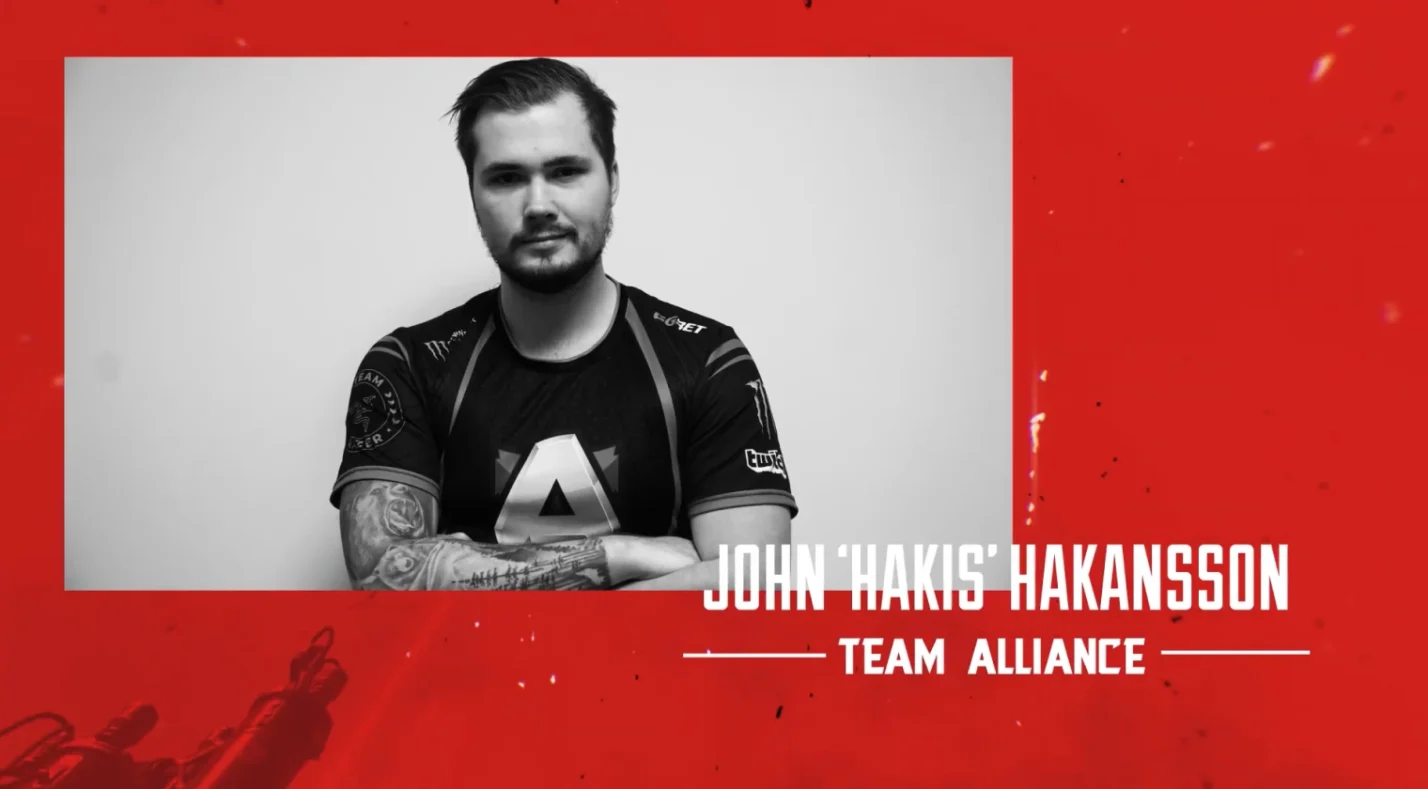
| John “hAKIS” Håkansson | Sweden | Alliance | Support | Known for strategic positioning and shot‑calling; multiple LAN podiums |
| Alyssa “Unlucky” Courtney | USA | Alliance | Recon | Strong scanner and movement player; contributes to team intel |
| Dexter “Dex” Patterson | South Korea | Gen.G Esports | Recon | Fastest mechanical player in Asia; key to Gen.G’s top rankings |
| Filipe “Hiarka” Morgado | Portugal | Natus Vincere | Entry fragger | Part of the ALGS 2024 champion trio; excels with aggressive legends |
This list isn’t exhaustive – the competitive scene evolves every split, and rising talents often make names for themselves through open qualifiers. However, these players demonstrate a blend of raw skill, game sense, and teamwork that defines top‑tier Apex Legends esports. I’ve watched ImperialHal’s streams for years, and his ability to micromanage his team while hitting high‑damage shots shows why he remains one of the most respected in‑game leaders.
Best Apex Legends Teams/Orgs
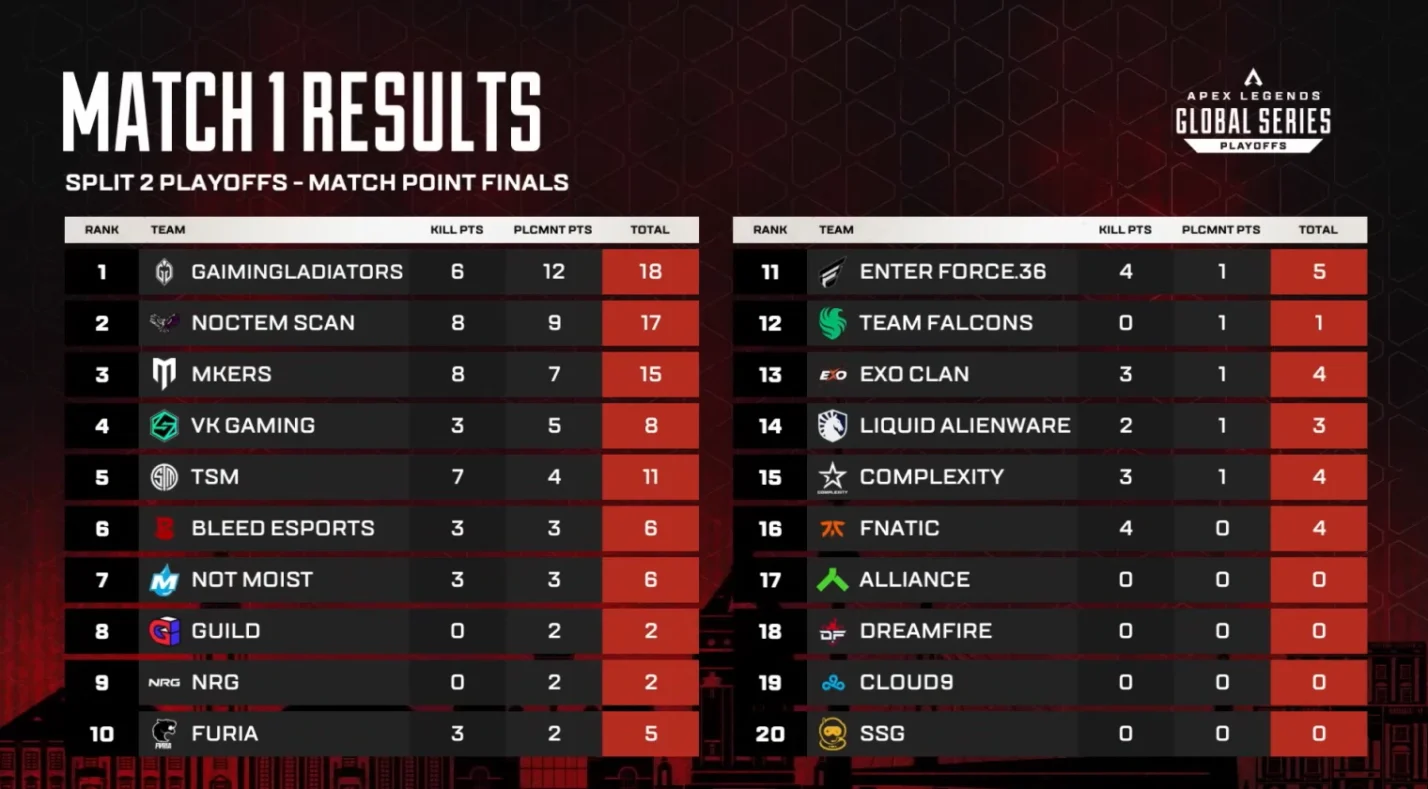
Team performance in Apex Legends esports hinges on synergy, strategy, and adaptation. The Apex Legends Global Series (ALGS) uses a points system that rewards consistency across multiple events. Below is a ranking of the most dominant organizations heading into the 2025‑26 season.
| Rank | Team | Region | Key players | Playstyle/Strengths | Why They Matter |
| 1. | Alliance | EMEA (Europe) | Hakis, Effect, Unlucky | Balanced aggression; strong positioning and end‑game control | Leads the Championship Points standings; consistent top finishes make them a favorite for the next championship |
| 2. | Gen.G Esports | APAC North | Dexter, Z1CKKY, ASIAZXD | Fast rotations and superior mechanical skill | Dominated regional qualifiers and nearly overtook Alliance on points |
| 3. | Team Falcons | Middle East/NA | Zer0, ImperialHal, Wxltzy | Experienced roster with aggressive entry play | Won the 2025 ALGS Open and quickly built nearly $1 million in prize earnings after joining the scene |
| 4. | Ninjas in Pyjamas (NiP) | EMEA | McLovin, Vein, Kurev | Methodical zone control using Controllers | Constantly place in top 5; excel at late‑circle fortifications |
| 5. | Shopify Rebellion | North America | Zap, Xynew, Koyful | High fragging potential; risk‑reward style | Strong mid‑game fights and big swings make them fun to watch |
| 6. | 100 Thieves | North America | Genburten, Verhulst, Phony | Mix of veteran leadership and young talent | Their synergy improves each split; they’re contenders for major titles |
| 7. | ZZ | APAC South | Zer0, Sikezz, Fuhhnq | Adaptable strategies; varied Legend picks | Always unpredictable, forcing opponents to adjust mid‑game |
| 8. | Wolves Esports | China | WenXx, Noname, CrazyCong | Strong early‑game rotations and secure placements | Their scrappy play nets consistent points even without wins |
| 9. | S8UL Esports | India | Bhagwan, Fierce, Dead | Up‑and‑coming roster with sharp aim | Rapid growth in the APAC region makes them a team to watch |
| 10. | VK Gaming | Brazil | Lin, Mate, Kake | Focus on end‑zone fights and high mobility | Emerging South American team with potential to upset bigger organizations |
These rankings are fluid; teams may rise and fall based on roster changes, meta shifts, and performance in LAN tournaments. This year, Team Falcons demonstrated how a newly assembled roster can quickly climb the standings, while Alliance’s consistency keeps them at the top. Following these organizations provides insights into how professional squads adapt strategies across metas and map rotations.