


15 Best Side Work Ideas to Make Money in 2026

Eneba Hub contains affiliate links, which means we may earn a small commission if you make a purchase through them—at no extra cost to you. Learn more



15 Best Side Work Ideas
Restaurant and hospitality shifts through Instawork now pay $14 to $25 an hour with same-day payout, the fastest route in this list. Freelance and virtual-assistant work still pays the most per hour long-term, but takes weeks to ramp up. Marketplace and passive methods like Etsy and Adobe Stock round out the list for readers who want something that keeps paying without a shift schedule. Browse open shifts on Instawork to see current rates in your area.
Side work is a realistic source of extra cash within days. The fastest route on this list is picking up shifts through Instawork, which pays out shortly after each shift you finish. For most people, side work nets $300 to $1,500 a month. Where you land in that range depends on how many hours you put in each week and which of the methods below you actually pick.
This guide walks you through 15 real, individually researched ways to pick up side work, mixing fast gig-app shifts, freelance skill work, and asset-based resale or passive income. Each entry carries its actual pay range, startup cost, and how long it takes you to see a first payout. That way, you can judge a method against your own schedule instead of a marketing headline. The fastest side work pays within a day, while the best-paying side work takes longer to build but rewards an actual skill.
This is a general roundup covering the full range of side work, from home-based freelance gigs through in-person shifts, instead of one built around a single audience. Your situation might be more specific, like fitting side work around parenting or a fixed night-shift schedule. If so, our guide to side hustles for parents and shift workers will serve you better than a broad list like this one.
Jump to:
Is Side Work Actually Realistic?
Side work is realistic as a source of extra income for the large majority of people who try it, though not as a replacement for a primary paycheck. How much it actually adds depends on the method and the hours you put in. The honest range across the 15 methods in this guide runs from roughly $50 to $2,000-plus a month.
The figure worth trusting is the low-to-mid end of each platform’s own numbers, not the top-line marketing figure. Averages in gig and marketplace work get pulled up by a small number of full-time-equivalent sellers and workers. If you’re spending 5 to 10 hours a week, you’re more likely to land near $150 to $500 a month than at four figures.
Which type of side work suits you depends on what you have to trade. Gig-shift apps like Instawork suit you if you want cash within days and have open evenings or weekends.
Freelance and skill-based platforms suit you if you already have a marketable skill, like writing, design, tutoring, or admin work. They also suit you if you can accept little to no income for the first few weeks while you build a client base. Marketplace and passive methods like Etsy, Poshmark, and Adobe Stock suit you if you can front a small amount of time or a handful of items before your first sale lands.
Side work done alongside a full-time job works best when you schedule it deliberately, such as a set evening or a set weekend shift, instead of squeezing it in reactively. Inconsistent hours are the single biggest reason people quit gig and freelance platforms within the first month, more than the pay rate itself.
15 Best Real Ways to Find Side Work
Here are the 15 methods, ranked from fastest cash to the most passive. Each one carries a real pay figure, a startup cost, and a clear first step, so you can compare it against your own schedule.
1. Restaurant and Hospitality Shifts Through Instawork
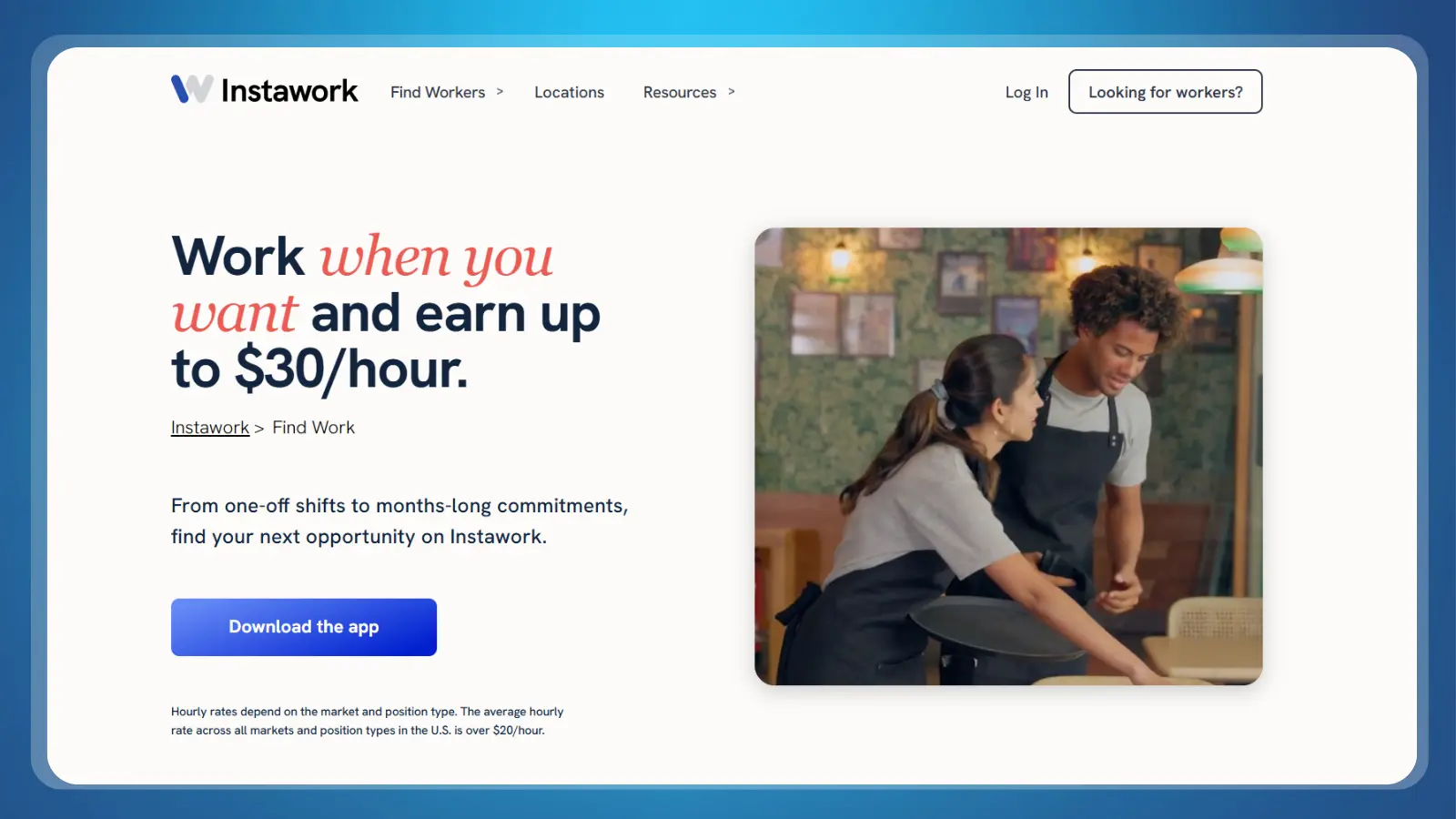
Picking up shifts through Instawork realistically pays $14 to $25 an hour, with fixed hourly pay instead of tip-dependent uncertainty. It’s built for exactly this kind of side work restaurant search, staffing bartenders, servers, food runners, forklift operators, and event staff on a shift-by-shift basis with no interview required.
Pay varies by role. Bartenders and servers commonly earn $18 to $25 an hour, while food runners earn less, closer to $14 to $16 an hour. Forklift operators and other specialized shifts run near the top of that range, and the blended average across every role lands closer to the middle.
Joining is free. You sign up as an independent contractor, pass a basic profile and ID check, then browse and book shifts instantly. There’s no specialized equipment beyond appropriate attire for the role you pick. Instawork pays out to your debit card shortly after each completed shift, the fastest payout of any method in this list.
Download the app and create a profile
- Complete identity verification
- Select the shift categories you qualify for, such as hospitality, warehouse, or events
- Browse open shifts in your metro area
- Book instantly and show up on time to trigger payout
Don’t assume every shift pays the advertised top rate. Popular, higher-paying shifts fill within minutes, so realistic earnings lean toward the lower half of the range unless you check the app frequently.
For flexible ways to earn extra income from home, explore these side hustles from home and find one that fits your schedule and skills.
2. Freelancing on Upwork
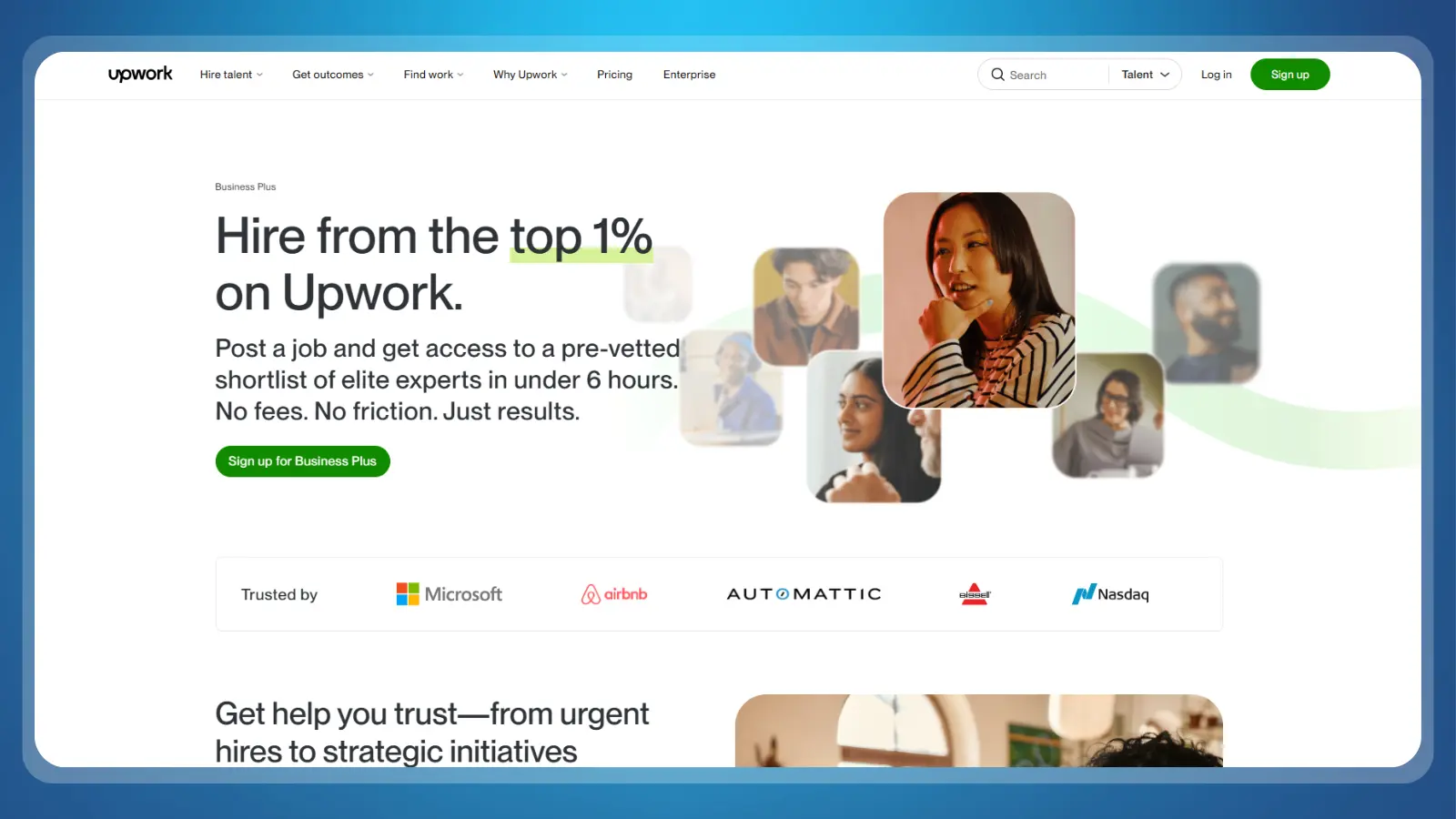
Freelancing on Upwork realistically pays $10 to $25 an hour for entry-level and administrative work. Specialized skills like development or AI work climb to $75 to $150-plus an hour. That spread makes it one of the widest-ranging methods in this list, since your ceiling depends on the skill you bring, not the platform.
This is the clearest fit for side work online if you already have a marketable skill: writing, admin support, bookkeeping, light design, or customer support. Upwork charges freelancers a variable service fee of up to 15% per contract, shown before you submit a proposal and fixed for that contract’s life. That model replaced a flat 10% fee Upwork adopted in 2023 in place of its older tiered structure, and Upwork then moved to this variable, per-contract fee on May 1, 2025.
Creating a profile is free. Upwork requires a small number of Connects, or bid credits, to submit proposals. These cost a small fee once your limited free monthly allowance runs out. Expect 1 to 3 weeks to land a first contract, given the competition for entry-level work. Payment then releases on a weekly billing cycle once a client approves your work or milestone.
- Build a profile with a clear specialty and a portfolio sample
- Set an intro rate slightly below market to win your first few reviews
- Write tailored, short proposals instead of generic copy-paste pitches
- Ask satisfied first clients for a public review before raising your rate
Pricing at the very bottom of the range and staying there is the most common mistake here. Reviews matter more than price for your first 3 to 5 jobs. After that, a rate increase is expected, and most freelancers under-price out of habit.
Check out these freelancing tips that actually work and start landing better-paying clients

3. Virtual Assistant Work Through Time Etc
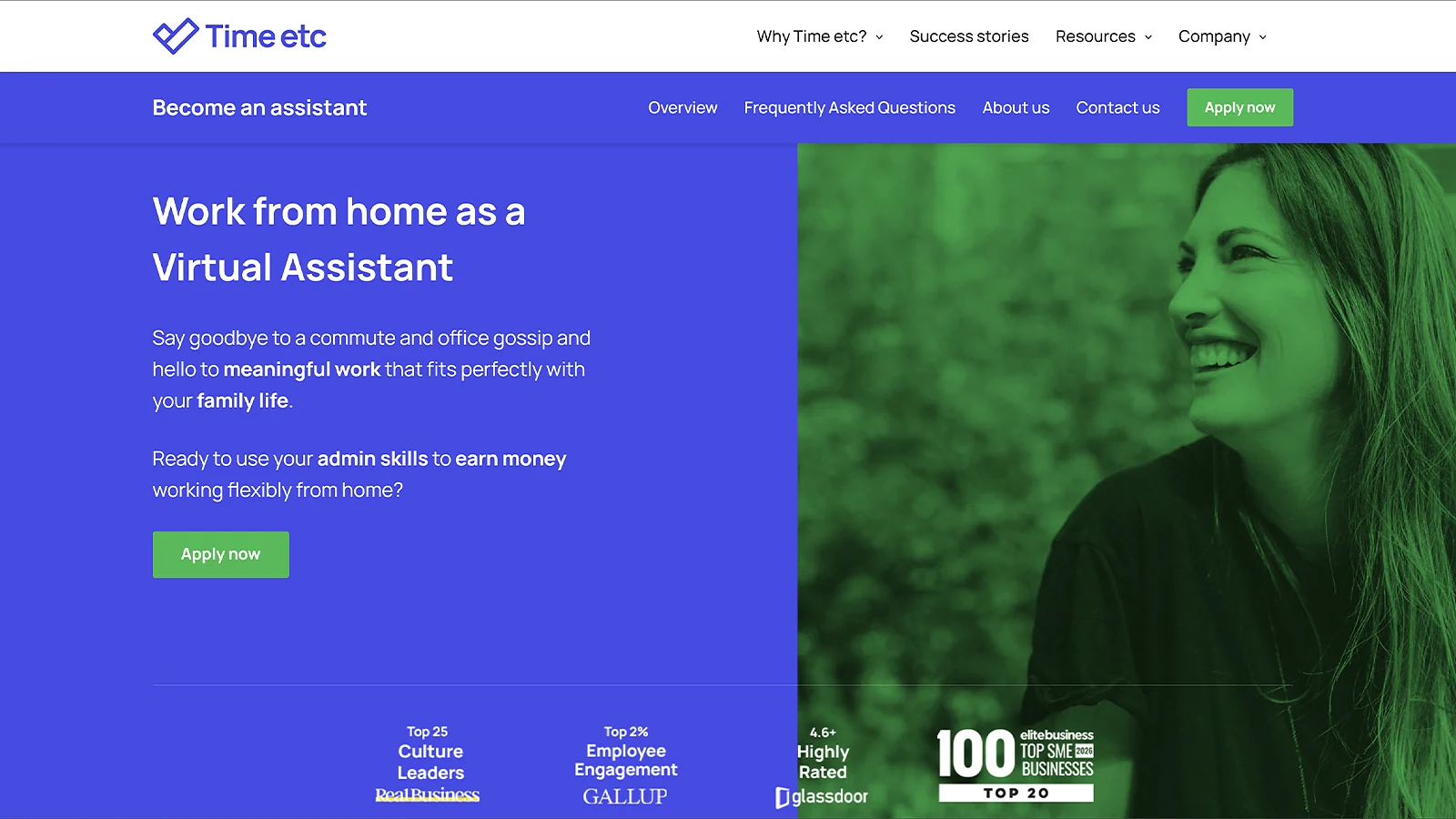
Virtual assistant work through Time etc starts at $17 an hour and rises with tenure, per the company’s own recruiting page. That makes it one of the most direct answers to side work from home jobs. Assistants get matched with US-based clients and paid directly for calendar, inbox, research, and admin support.
Unlike a gig-shift app, this is ongoing client work. Once you’re matched, you’ll typically keep working with the same one or two clients for months, which makes your income more predictable than a one-off gig platform once you’re established. Acceptance is selective and application-based instead of open sign-up, so Time etc screens for prior admin, executive-assistant, or project-coordination experience before matching you with a client.
Applying is free. Expect weeks for application review and client matching, longer than a gig-shift app, but pay is direct and hourly once you’re matched.
- Apply through the Time etc assistant page
- Complete the screening process, which typically checks for relevant admin experience
- Get matched with a client
- Agree hours and tasks directly with that client
Under-selling specialized experience, like bookkeeping, social media, or project management, is the most common mistake on the application. General “admin” framing gets matched with lower-paying, more generic tasks than a specialty would.

4. Transcription and Captioning on Rev
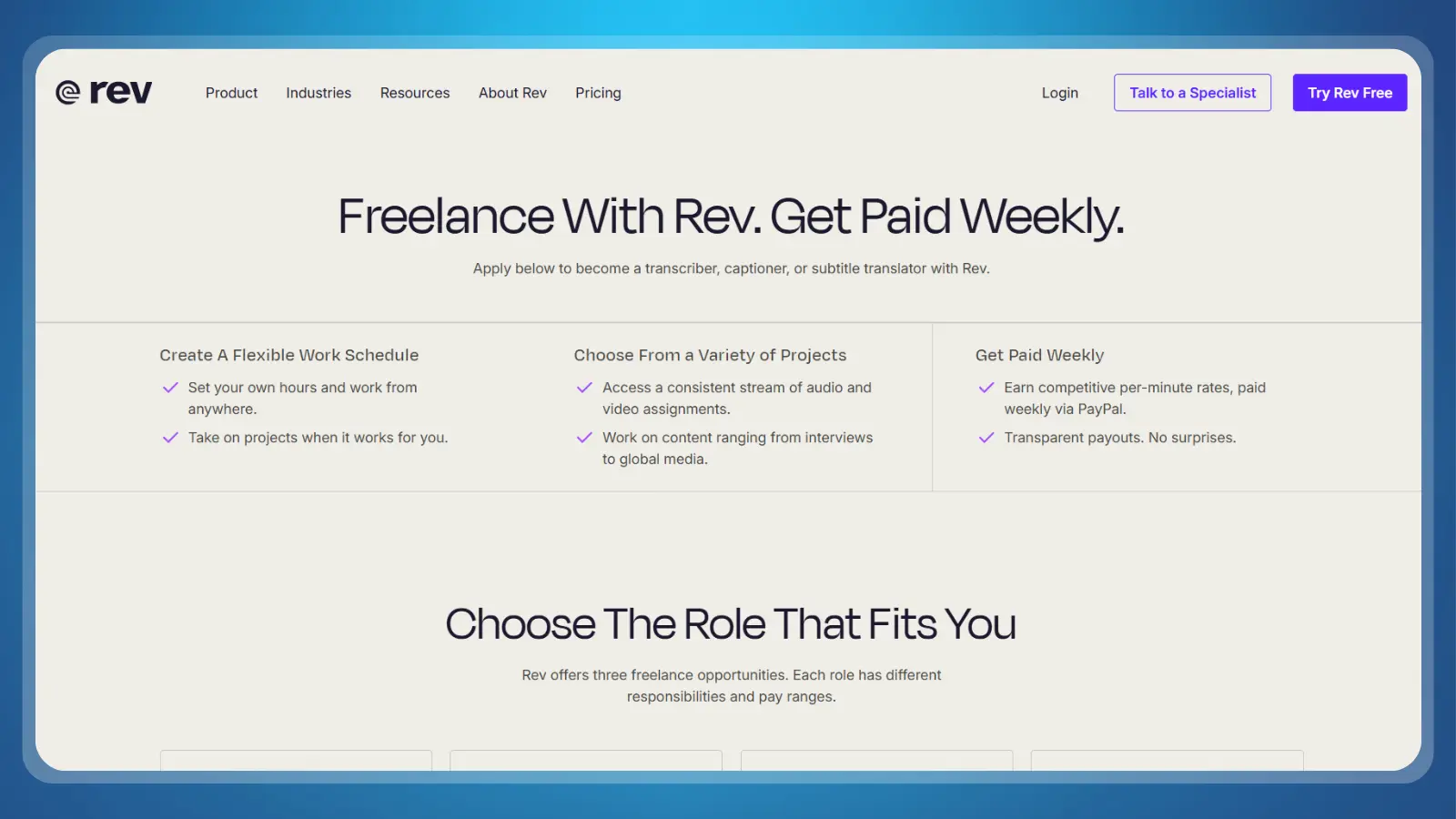
Rev pays $0.40 to $1.10 per audio or video minute for transcription and $0.54 to $1.10 per minute for captioning. Because you’re paid by the audio minute instead of the hour, your actual hourly pay depends heavily on your typing speed and how difficult the audio is.
This is worth flagging plainly. A beginner transcribing a 60-minute recording that takes 3 to 4 hours to complete, including typing, replaying, and correcting, can end up earning closer to $3 to $9 an hour in practice. That’s despite the higher per-minute rate, according to freelance pay breakdowns of Rev’s own rate card. Speed and accuracy improve this considerably over the first few months.
Applying is free, but Rev requires you to pass a skills assessment showing strong English grammar and a sample transcription or caption that meets its quality bar before granting access to paid work. Once accepted, work is available immediately and pay accrues per completed job.
- Apply and complete the grammar assessment
- Submit a sample transcription or caption for review
- Once approved, browse and claim available jobs
- Submit completed work for Rev’s quality check before payment is released
Picking long, low-clarity audio with multiple speakers, background noise, or accents as your first job is a common mistake. It pays the same per-minute rate as clean audio but takes far longer, cratering your effective hourly rate.

5. Pet Sitting and Dog Walking on Rover
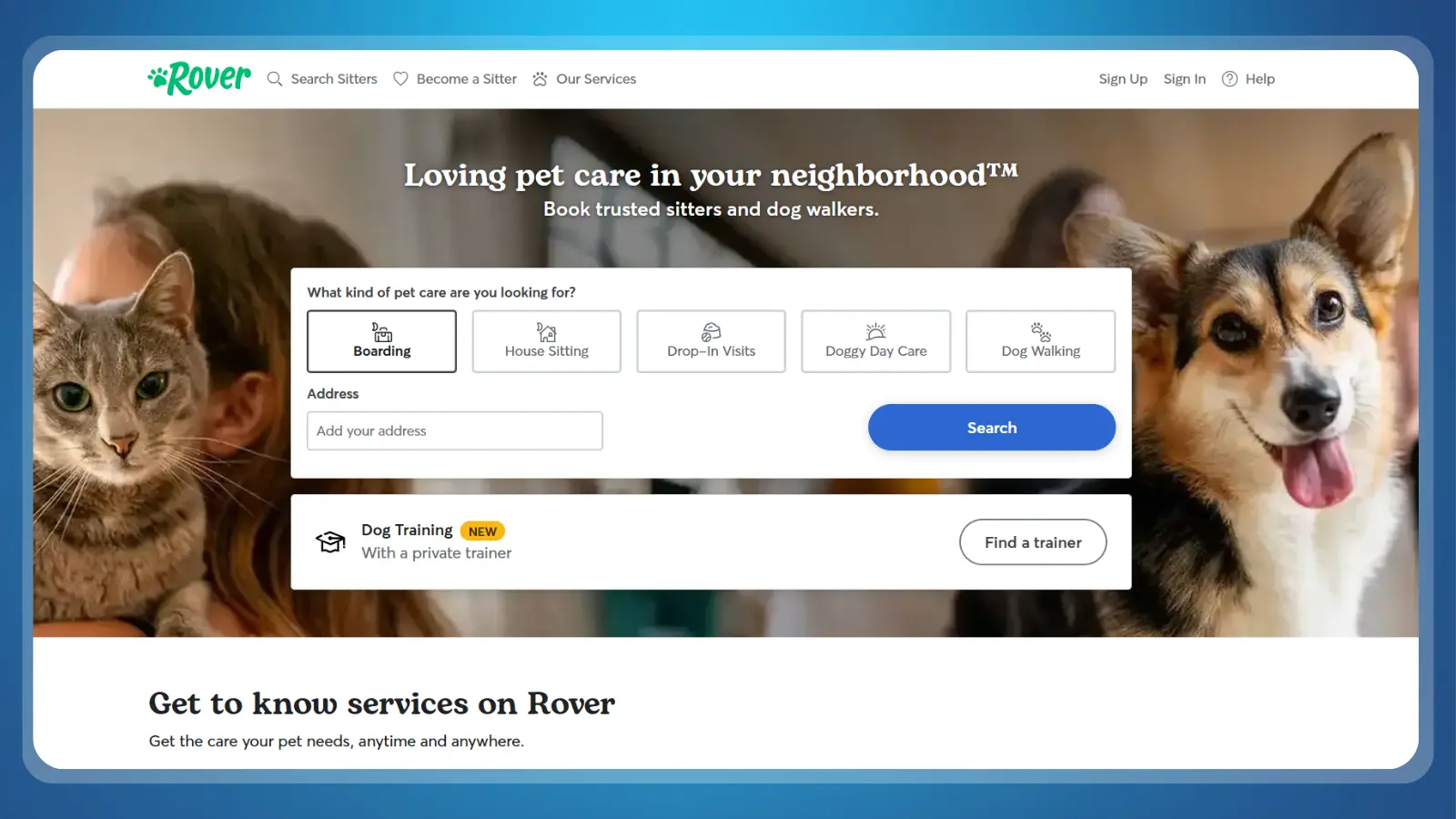
Pet sitting and dog walking through Rover typically pays $15 to $40 per walk, with higher pay for overnight stays. Most part-time sitters bring in $300 to $800 a month, which makes this a solid pet-focused side work option if you already like animals. A small share of highly active sitters run it closer to full-time.
Rover’s standard sitter fee is 20% in most areas, rising to 25% in California and for RoverGO bookings, on top of a separate fee charged to pet owners. In the Seattle, Chicago, and Dallas-Fort Worth metro areas, Rover is also piloting a tiered fee that drops as your booking history grows. The fee runs from 30% down to 10% for sitters with $1,200-plus in lifetime bookings. Sitters keep 100% of any tips regardless of tier, and setting your own price is still the main lever for raising your take-home pay.
Applying is free. Rover requires a background check for certain services and a completed profile with photos and a bio before clients will book you. Expect days to weeks for a first booking depending on how competitive your local market is, then payment releases per completed booking.
- Create a detailed profile with real photos and a specific bio
- Pass the required background check
- Set competitive introductory rates
- Respond quickly to booking requests, since response time affects your ranking in the app
Under-pricing to win your first bookings and never raising your rate afterward is the most common mistake. Most successful sitters price at market rate from day one and rely on reviews, not discounts, to build a client base.
6. Online Tutoring on Wyzant
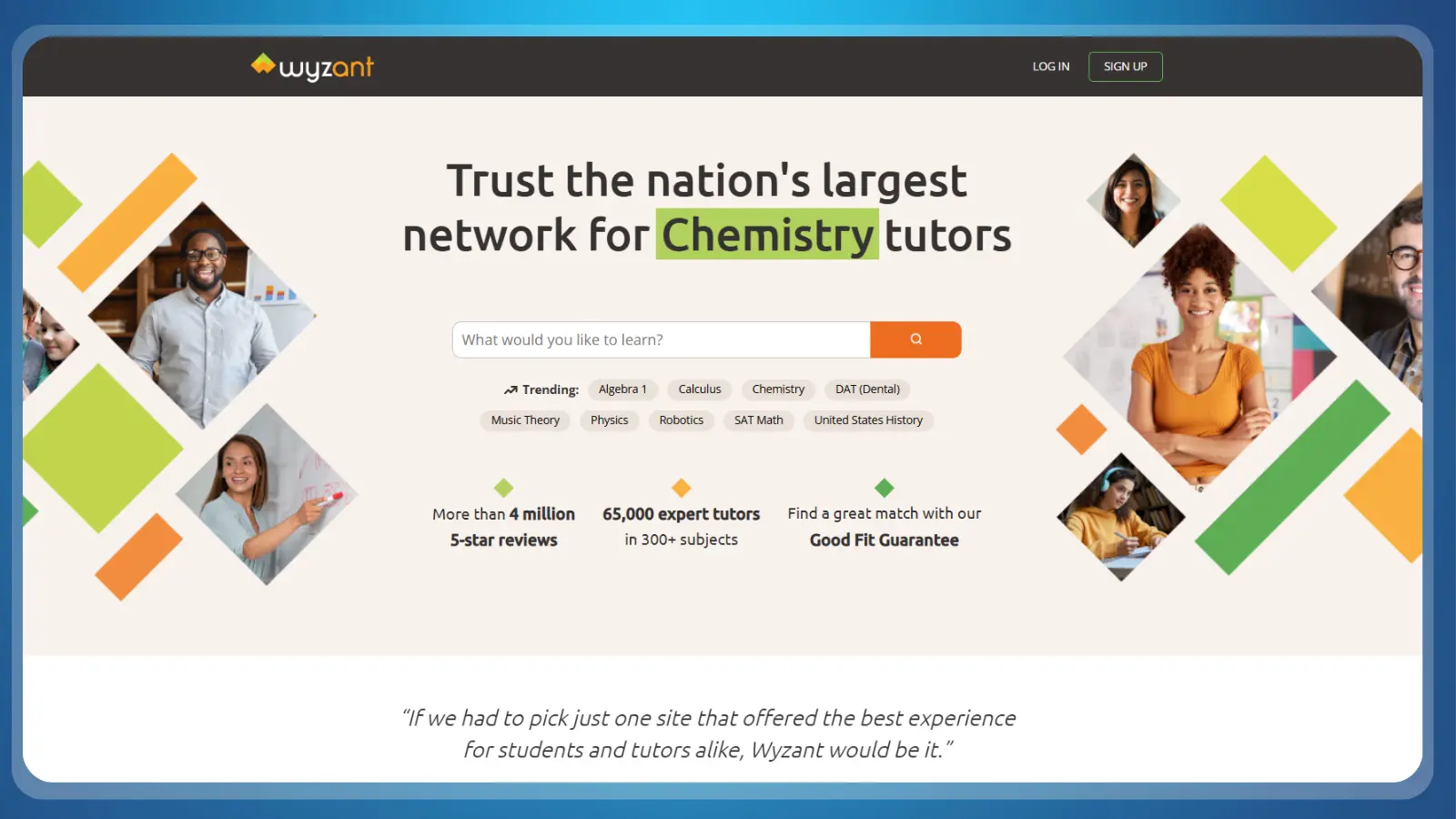
Tutoring through Wyzant pays $15 to $35 an hour for most subjects, with tutors free to set their own rate up to $60 an hour or more for specialized subjects. Because you set the price, this rewards a specific, in-demand subject, like math, test prep, or a language, more than a general homework-help pitch. It’s a natural side work fit for anyone who already tutors informally.
Wyzant keeps roughly 25% of each lesson fee as its service fee, on top of a separate fee charged to the student. That means listing $40 an hour realistically nets you closer to $30 an hour after Wyzant’s cut.
Applying is free, though Wyzant screens applications and may require a background check and a subject-specific qualifying test before your profile goes live. Expect days to weeks to land a first paying student, then payment follows shortly after each completed lesson.
- Apply and pick specific, searchable subjects instead of broad categories
- Set an introductory rate near the low end of the range
- Complete any required subject test
- Respond quickly to your first inquiries, since students often book the first qualified tutor who replies
Listing too many subjects at once is a common mistake. A profile spread across ten subjects ranks worse in search than one specializing in two or three, since students search by specific subject.

7. Freelance Graphic Design on 99designs

Freelance design work on 99designs pays through two different models. Design contests only pay the client’s chosen winner. Direct one-to-one client work pays every time, and that split matters more here than on most platforms, since a contest loss means unpaid design time.
It changes how you should budget this kind of side work against your schedule. 99designs charges a tiered fee running from 5% at Top Level up to 15% at Entry Level, plus a 20% client-introduction fee on the first $500 from a self-sourced client. A Top Level designer with repeat direct clients keeps the largest share of each invoice (the best deal on the platform), but one that takes a track record to reach.
Joining is free, and there’s no cost to enter contests. Each entry is unpaid design work with no guarantee of winning, so treat early contests as portfolio-building instead of income. Contest wins can take one entry or twenty, while one-to-one client work, once you have a portfolio, tends to book faster, often days to a couple of weeks for a first paid project.
- Build a small portfolio before entering contests
- Enter a handful of contests in one specific niche, like logos, packaging, or social templates
- Once a design wins or gets noticed, pursue direct client relationships to avoid the contest fee structure going forward
Treating every contest entry as billable time is the common mistake. Most designers who succeed here budget a fixed number of unpaid entries per week and stop once that budget is spent, instead of chasing every open contest.

8. Academic Proofreading on ProofreadingPal
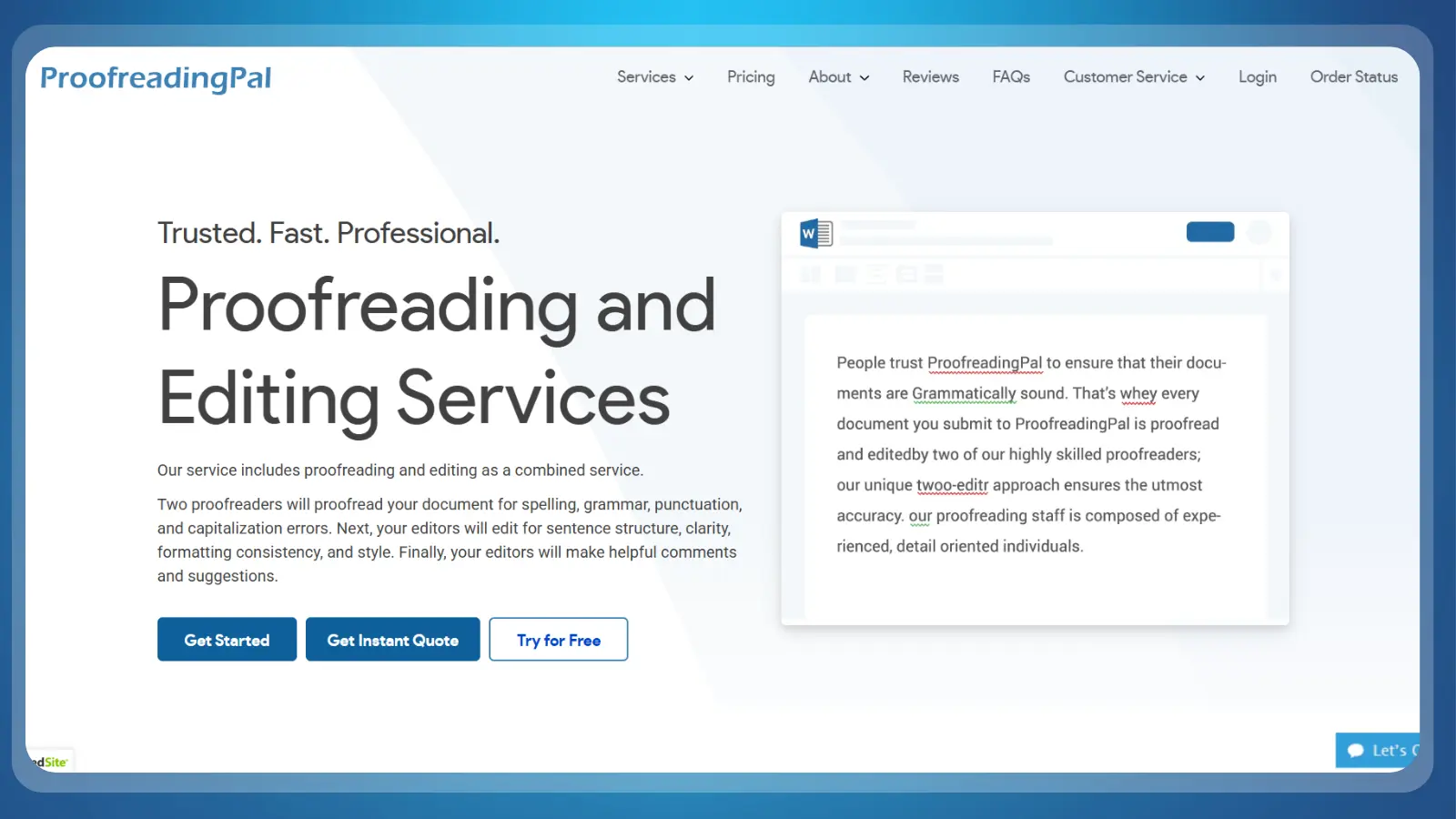
Proofreading for ProofreadingPal works out to roughly $5 to $15 an hour for most proofreaders once the per-word pay rate converts to real reading and editing speed. That rises to $10 to $30 an hour with experience and higher tiers. That’s meaningfully lower than the headline figures some salary sites report, because you’re paid per 100 words, not per hour. It’s worth knowing before you count on this as reliable side work income.
Applying is free, but the bar is high. ProofreadingPal requires either a graduate degree plus five years of editing experience, or professor or PhD-candidate status with a 3.5-plus GPA. Either way, you’ll also need familiarity with major academic style guides, and both the application and any unpaid trainee period add weeks before your first paid assignment.
- Confirm you meet the graduate-degree or professor-level bar before applying
- Prepare a sample edit that shows knowledge of at least one major style guide
- Commit only to an availability window you can reliably keep, given the missed-shift fine
- Track actual time spent per assignment for the first month to see your real hourly rate
Treating this as simple proofreading is a mistake. Reviewers describe the actual work as closer to full line editing, which takes longer than a quick pass and cuts into your effective hourly rate if you don’t budget for it.

9. Voiceover Work on Voices.com
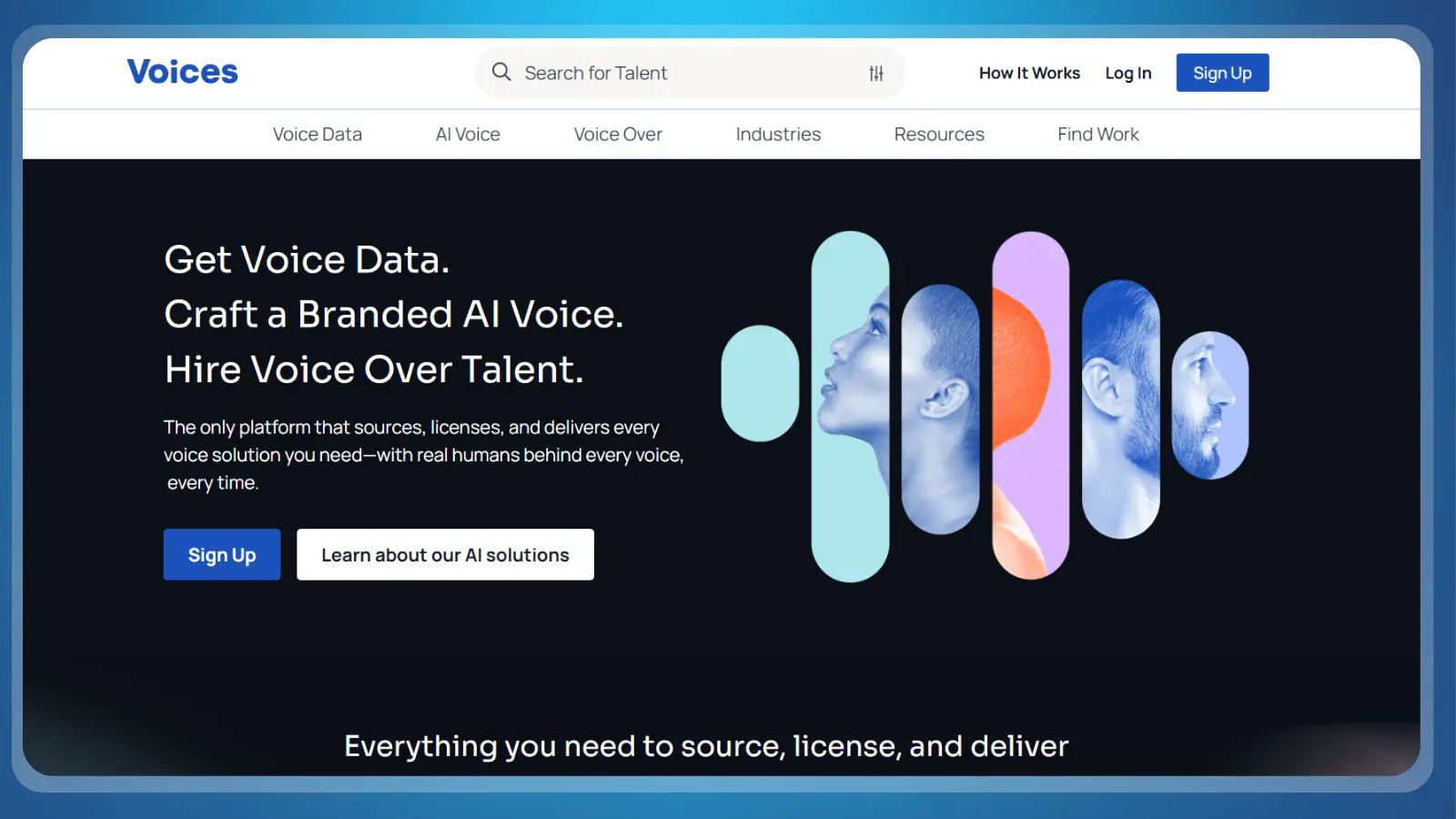
Voice work through Voices pays per project, with the platform keeping a 20% commission, so a $1,000 job nets the voice actor $800. Unlike most entries in this list, this sits closer to a specialized freelance craft than entry-level side work, since paid work depends on demo quality and real speaking skill.
A free Guest membership only allows private invitations to audition. A $499-a-year Premium membership is required to respond to open jobs, build packages clients can buy directly, and rank higher in search. That upfront cost is unusual for this list and worth weighing against realistic booking volume before you commit.
A decent home recording setup and a demo reel are effectively required to book any real work. Expect weeks to months for a first payout without Premium, since Guest members can only wait for private invitations. Funds are released through PayPal after a completed job.
- Record a focused demo reel in your strongest style, like commercial, narration or character
- Start with a free Guest profile to test interest
- Upgrade to Premium only once your demo is strong enough to convert auditions
- Price packages competitively for your first few bookings to build reviews
Upgrading to Premium before recording a strong demo is a common mistake. The membership cost doesn’t fix a weak reel, and a bad first impression in a niche market is hard to shake.

10. Selling Handmade Goods on Etsy
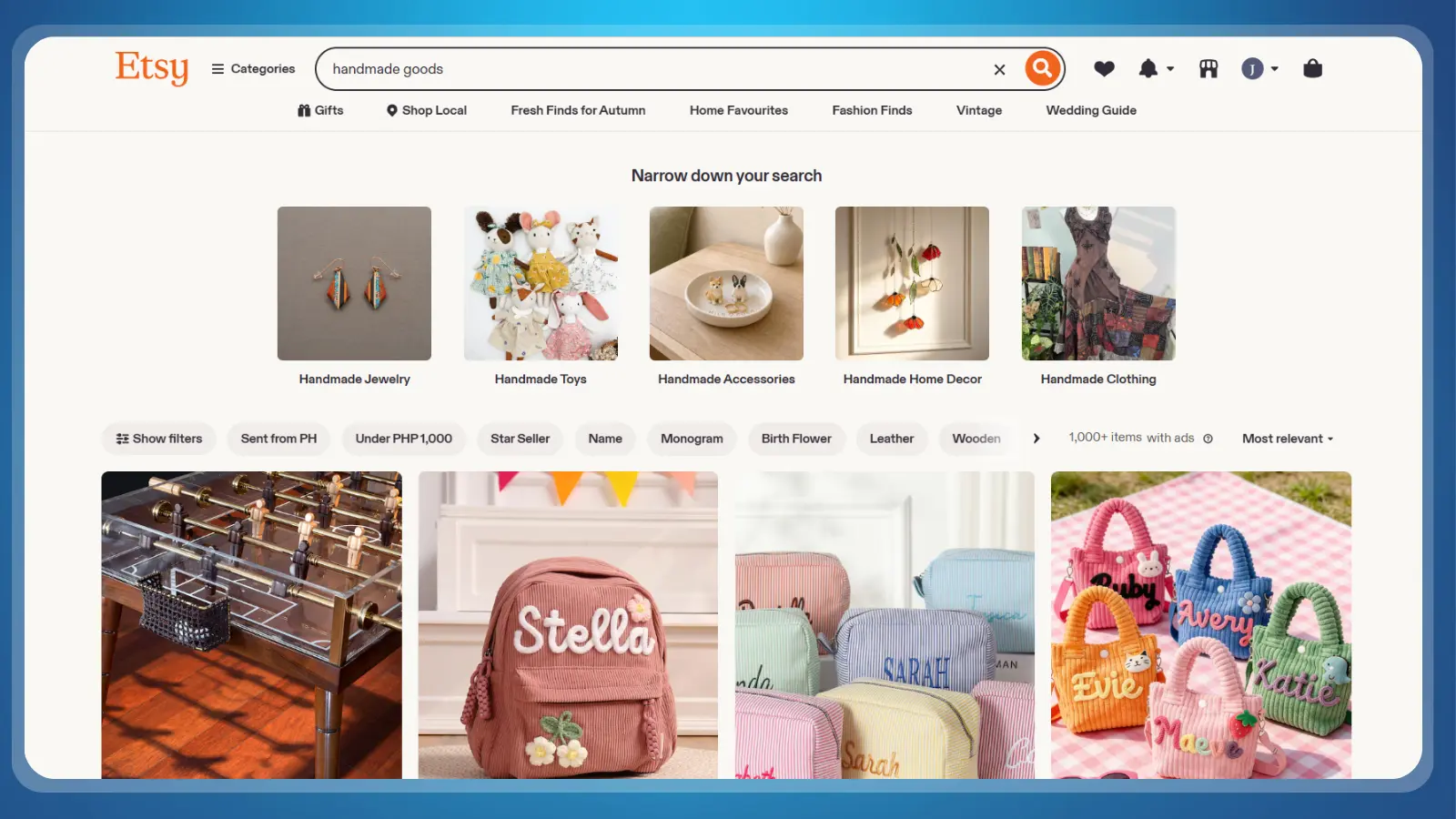
Selling handmade goods on Etsy costs $0.20 per listing plus a 6.5% transaction fee and payment processing of roughly 3% plus $0.25, per Etsy’s fee schedule. Opening a shop itself is free, so this is nearly free to test as side work since fees only apply once something actually sells.
Combined, standard fees land around 9.5% to 10.8% of the sale price, plus the fixed listing fee, and Offsite Ads can add another 12% to 15% depending on your shop’s annual sales. Larger shops pay the lower Offsite Ads rate but lose the option to opt out, which is worth knowing upfront.
The real cost for most beginners is materials and time, which varies enormously by craft. Expect days to weeks for a first sale on a new shop with no reviews, and Etsy Payments releases funds a few business days after a sale is marked complete.
- Pick a specific, searchable niche instead of a broad craft category
- Photograph products in natural light against a plain background
- Write listing titles around the actual search terms buyers use
- Price to cover materials, time, and Etsy’s combined fee load, not just materials
Pricing only to cover materials and forgetting Etsy’s combined fee load is the most common mistake. A shop that looks profitable on paper can lose money once the transaction fee and payment processing come out.

11. Reselling Thrifted Clothes on Poshmark
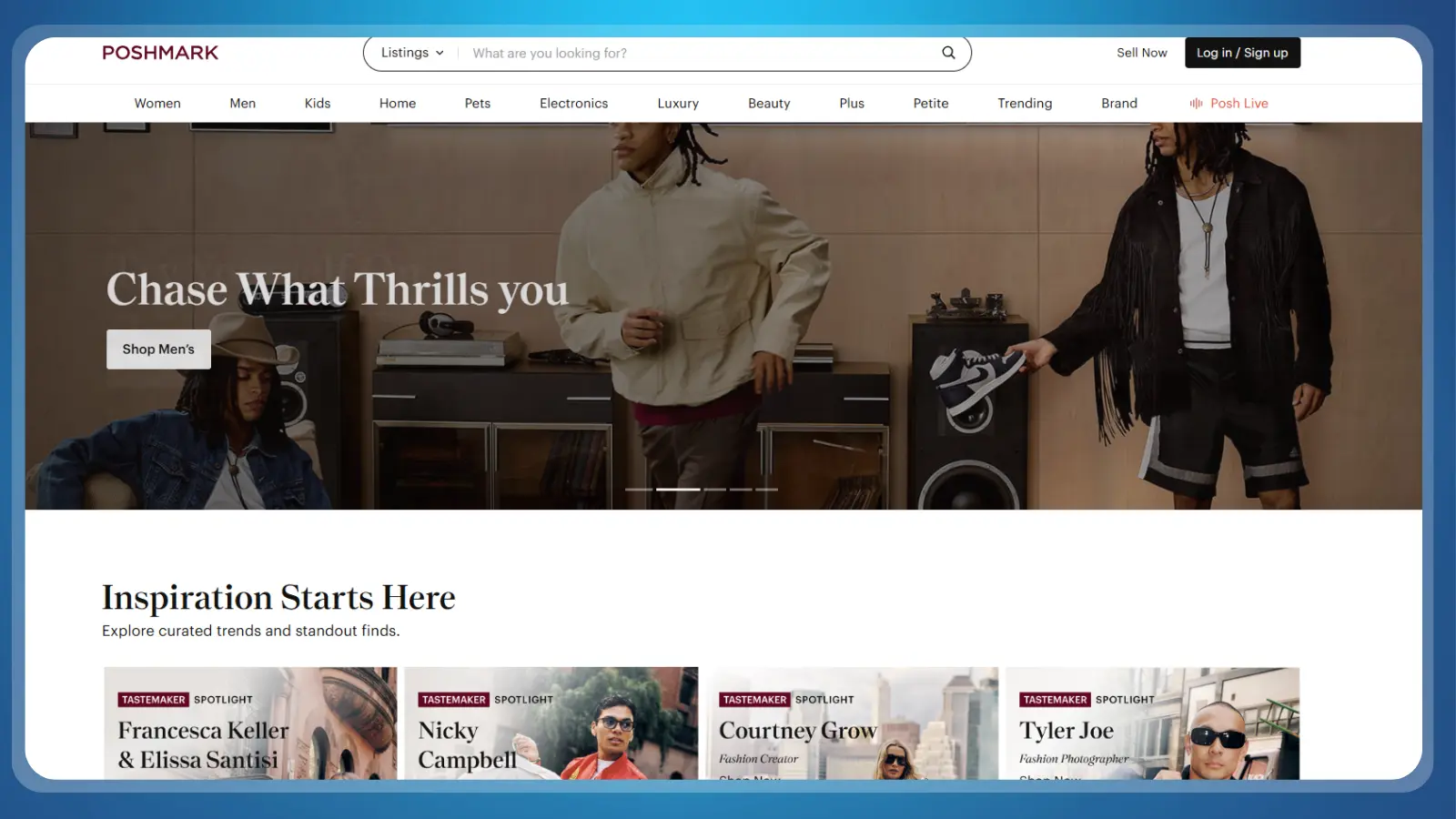
Reselling thrifted clothing on Poshmark costs a flat $2.95 on sales under $15, or a 20% fee above that, with no separate listing or payment-processing charge. That flat fee actually favors low-priced items: a $12 sale loses just $2.95 instead of a 20% cut, which makes this closet-clearing side work worth doing even for small items.
That fee bundles payment processing and a prepaid USPS shipping label together, so you never separately calculate shipping cost since Poshmark provides the label. Funds typically clear a few business days after the buyer confirms receipt, worth planning around for cash flow.
Listing is free, and the only real cost is sourcing inventory, whether from your own closet or thrifted finds. Expect days to weeks for a first sale depending on how competitively you price and photograph your listings.
- Photograph items in good light, showing any flaws honestly
- Price a little below comparable active listings to move inventory faster
- Share listings regularly within the app’s social feed, since visibility drives most sales
- Bundle smaller items together to clear low-value inventory efficiently
Pricing items to match retail instead of resale value is the common mistake. Poshmark buyers expect a discount versus new, and overpriced listings simply sit unsold.

12. Selling Stock Photos and Video on Adobe Stock
Selling stock photos and video on Adobe Stock pays a royalty of roughly 33% on photos and vectors and 35% on video, per Adobe Stock’s own contributor royalty terms. This is a genuinely passive form of side work once you have a portfolio, since the same file can sell repeatedly with no extra work per sale.
Adobe Stock guarantees a minimum royalty floor per license, $0.33 for newer contributors rising to $0.38 for high-volume contributors with 10,000-plus lifetime sales, and pays out once your balance clears a $25 threshold. Per-image income is unpredictable early on and builds slowly as your portfolio and search ranking grow.
Applying is free. You’ll need a camera or smartphone capable of professional-quality images, and files must meet Adobe’s technical and content-quality standards to be accepted. Expect weeks to months for a first sale, since new contributor portfolios take time to be discovered in search. Payouts are processed monthly once you clear the threshold.
- Apply as a contributor and pass the initial quality review
- Research in-demand, underserved categories instead of oversaturated ones
- Tag and title images with the specific search terms buyers use
- Upload consistently, since a larger portfolio compounds discoverability over time
Uploading a small, one-time batch and expecting ongoing income is the common mistake. Earnings here scale with portfolio size and consistency, not a single upload session.

13. Print-on-Demand Designs Through Printful
Print-on-demand through Printful is free to set up. Typical profit margins run from about 10% on competitive basics up to 50% or more on premium or niche designs. Because Printful only charges per order, there’s no inventory risk. That makes this a low-risk creative side work option, though your margin depends entirely on design appeal and how well your store markets itself.
There’s no required monthly cost. An optional $24.99-a-month Growth plan unlocks up to 33% product discounts and becomes free automatically once a store hits $12,000 in annual qualifying sales. For most beginners, the real cost isn’t Printful’s fee at all: it’s the time and any ad spend needed to actually drive traffic to a new store.
Connecting to Etsy or Shopify is free. Design skill or a template tool, and a store to sell through, are the only real prerequisites. Expect weeks to months before your first payout, since this depends on store traffic instead of platform approval. Fulfillment itself has effectively no wait once an order comes in.
- Pick a specific niche audience instead of a generic design theme
- Connect Printful to an Etsy or Shopify storefront
- Order a sample to check print quality before launching
- Price to cover the base product cost plus a real margin, not just round numbers
Underestimating shipping cost and turnaround time when pricing is a common mistake. Fulfillment adds shipping time that a buyer needs to know upfront, and unclear expectations drive refund requests.

14. Renting Out Your Car on Turo
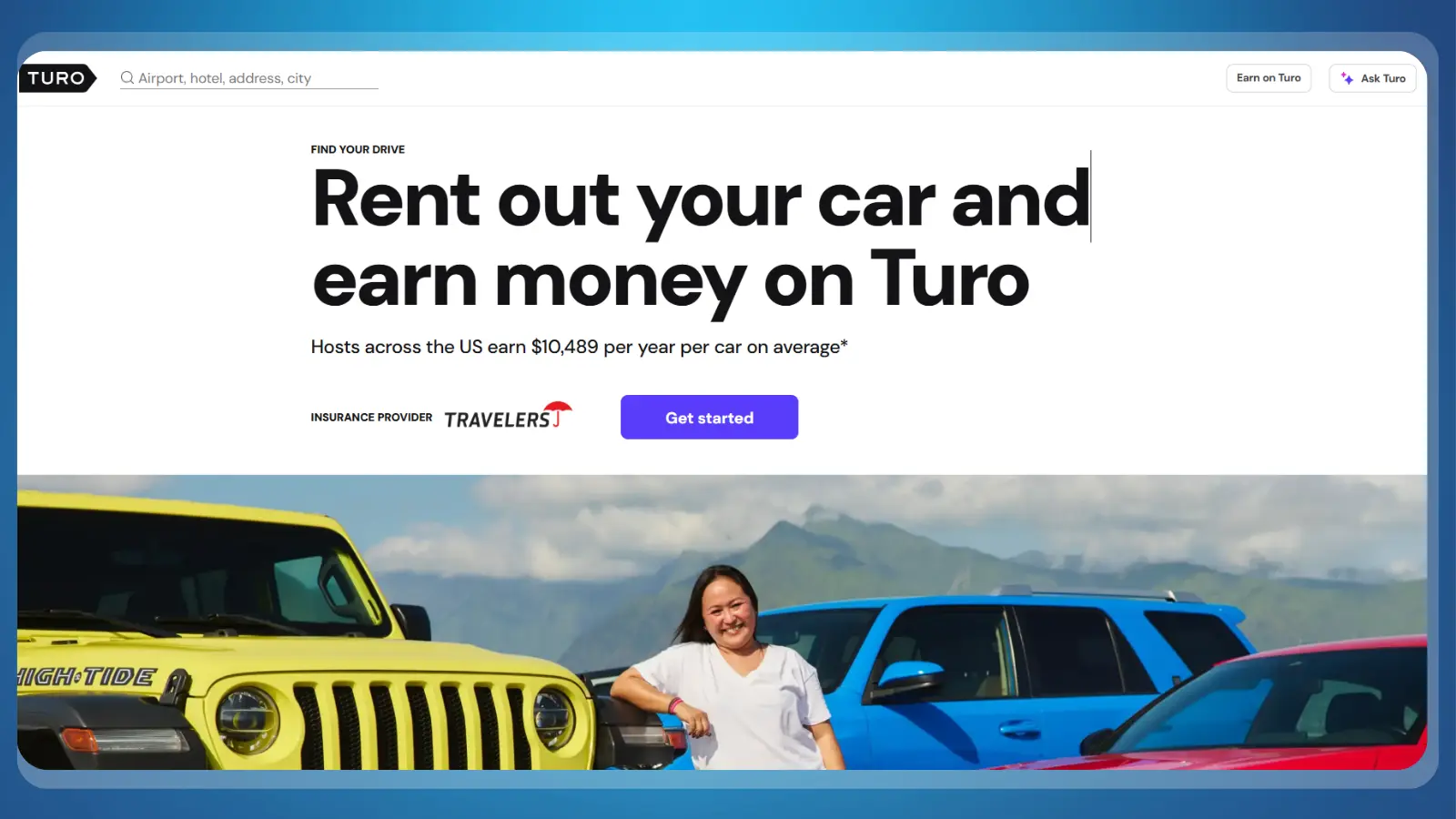
Renting out a car on Turo lets you choose from three earnings plans, from 70% up to 90%, each tied to a correspondingly lower or higher damage deductible if the car is damaged. Turo’s own current reporting puts average host earnings at roughly $874 to $906 a month per car. That makes this one of the stronger per-asset earners on this list if you already have a car sitting idle.
The trade-off across the three plans is straightforward. A higher host share comes with a higher deductible if the car is damaged, while a lower share comes with far less financial exposure per claim. Turo also runs a separate Hands Off Hosting co-host program, where a local host manages the car for you in exchange for a 70% or 100% cut of a lower base earnings split. That’s a different arrangement from the standard hosting plans above.
There’s no cash startup cost beyond already owning or leasing a qualifying vehicle, though Turo sets its own age, mileage, and condition requirements for listed cars. Expect days to weeks for a first booking depending on local demand, then payout follows within a few business days of each completed trip.
- List the car with clear, well-lit photos and an accurate condition description
- Choose an earnings plan based on how much deductible risk feels comfortable
- Set a competitive daily rate against similar local listings
- Keep the calendar updated to avoid double bookings or missed availability
Picking the 90% plan without budgeting for the $2,750 deductible is a common mistake. The higher share only pays off if you can actually absorb that worst case.

15. House Sitting Through TrustedHousesitters
House sitting through TrustedHousesitters doesn’t pay cash at all. It trades free accommodation for pet and home care, which only counts as side work in the sense that it directly cuts a major living expense. This is the one honest exception in this list, included because it’s a real way to reduce cost while traveling, not because it puts money in your bank account.
Sitters pay an annual membership of $129 for Basic, $169 for Standard, or $259 for Premium. Since late 2025, both sitter and homeowner also pay a $12 booking fee per confirmed sit on the Basic and Standard tiers. Premium waives that per-sit fee, so frequent sitters can come out ahead on the higher tier, and no money changes hands between the homeowner and the sitter directly. A completed profile, references, and often a short video introduction are expected before homeowners will book you, and the payoff here is avoided rent or hotel cost, not a cash deposit.
- Join at the membership tier that matches your expected sit frequency
- Build a complete profile with references and, ideally, a short video
- Apply to sits that match your real availability instead of mass-applying
- Over-deliver on your first sit’s communication and photos to earn a strong review
Joining Premium before confirming there’s enough sit demand in your desired location is a common mistake. The fee waiver only pays for itself after 6 to 9 sits a year, per the platform’s own pricing comparison.

Compare 15 Real Side Work: Pay, Startup Costs & Timeline
Every method on this side work list needed a real, checkable pay figure or fee structure from the platform’s own site or a reputable secondary source before it made the cut.
These 15 side work options differ enough in cost, timeline, and business model that a quick side-by-side view helps before you commit to one. The table below reconciles the figures from every section above so you can compare them at a glance.
| Method | Startup Cost | Typical Pay | Time to First Payout | How Passive |
|---|---|---|---|---|
| Instawork (shifts) | Free | $14-25/hr | Same day to a few days | Active |
| Upwork (freelance) | Free | $10-150+/hr | 1-3 weeks | Active |
| Time etc (VA) | Free | From $17/hr | Weeks (application) | Active |
| Rev (transcription) | Free | $0.40-1.10/min | Immediately after approval | Active |
| Rover (pet sitting) | Free | $15-75/booking | Days to weeks | Active |
| Wyzant (tutoring) | Free | $15-60+/hr | Days to weeks | Active |
| 99designs (design) | Free | Contest or 85-95% direct | Variable to weeks | Active |
| ProofreadingPal (editing) | Free | ~$5-15/hr | Weeks (application) | Active |
| Voices (voiceover) | $0-499/yr | Per project, minus 20% | Weeks to months | Active |
| Etsy (handmade) | Free + materials | Varies by product | Days to weeks | Semi-passive |
| Poshmark (resale) | Free + inventory | Varies by item | Days to weeks | Active |
| Adobe Stock (media) | Free | ~33-35% royalty | Weeks to months | Passive |
| Printful (POD) | Free | 10-50%+ margin | Weeks to months | Semi-passive |
| Turo (car rental) | Free (own a car) | ~$874-906/mo avg | Days to weeks | Semi-passive |
| TrustedHousesitters | $129-259/yr | Saved cost, not cash | Weeks | Active |
Play-to-Earn and Reward Apps for Side Work

Reward and play-to-earn apps make sense as a low-effort supplement to the methods above, not as a primary source of side work income, since payouts are small and capped by design. They fit best running in the background while you do one of the higher-paying methods above.
Snakzy, Eneba’s own app, is free to use with a $35 minimum payout. Bigcash is a free option with a $1 minimum payout. Both require you to be at least 18 to sign up, and both let you start immediately with no application process, unlike most of the skill-based methods above. If you want more options in this category, see our best money-making apps guide.
Swagbucks is a well-known name in this space worth being aware of alongside these two, though no confirmed link is available for it here, and it also requires users to be 18 or older to sign up.
All are 100% free to join, no deposit required, and open to anyone 18 or older. There’s nothing stopping you from testing it alongside whichever method above fits your schedule.
You can start earning real rewards right now just by trying out Snackzy.
Play to earn cash today

What Doesn’t Work
Most side work scams cluster around a few repeatable patterns, and knowing them prevents most of the real damage. The shared thread across all of them is being asked to pay or recruit before you’re ever paid.
- Pay-to-play starter kits: any side work opportunity that charges an upfront fee for a starter kit, certification, or exclusive access before any paid work begins is a red flag the FTC warns about directly in its business-opportunity rules. None of the 15 platforms above ever require this.
- Recruitment-first “side work”: if the primary way to earn is recruiting other people into the same opportunity instead of doing the work itself, that’s a pyramid structure, not side work, per the FTC’s own guidance on multi-level marketing.
- Overpayment and fake-check scams: a client or customer who overpays for freelance or resale work and asks for the difference wired back is a classic overpayment scam the Better Business Bureau has documented for years across freelance and marketplace platforms. The original check or payment bounces after the money is sent.
- Unrealistic marketplace flipping claims: any course or guide promising guaranteed profit margins on resale or print-on-demand without any marketing ignores that platforms like Etsy, Poshmark, and Printful only pay when an actual buyer is found. No fee structure changes that.
- Undisclosed rating manipulation: be wary of any tutoring, design or gig platform offering to buy fake reviews. This violates every major platform’s terms and can get a legitimate account suspended along with real earned income.
None of the 15 methods in this guide ever ask you to pay upfront, recruit anyone, or accept a check for more than you’re owed. If an offer outside this list does any of those things, treat it as a red flag and walk away.
Final Verdict on Side Work
For fastest cash, Instawork settles it: fixed hourly rates after each shift, with no application wait. If you’re optimizing for a higher long-term hourly rate instead, Upwork or Time etc scale further with skill and client relationships, trading a slower start for a higher ceiling. Etsy or Adobe Stock fit best if you’d rather build something that keeps earning without a shift schedule.
For a low-effort supplement to any of the above, Snakzy or Bigcash run in the background with no schedule and no experience needed. Pick one side work method above that matches your time and skills, and try it this week: start with Instawork if speed matters most, or Upwork if you already have a skill worth billing.
Play to earn cash today
FAQs
Yes, side work can genuinely pay well, though your results depend on the method and hours you commit. The honest range across the 15 options here runs from about $50 to $2,000-plus a month.
Instawork is a strong app to start with, since it pays fixed hourly rates for hospitality and warehouse shifts. You can book a shift and get paid out fast, with no interview required.
Most people earn roughly $300 to $1,500 a month from side work. Freelancers and skilled tutors who commit 15-plus hours a week often earn more than that.
Yes, platforms like Time etc and Rev accept beginners with no prior experience. Pay starts modest at first, but it improves once you build a track record and work faster with practice.
No, most side work online costs nothing to start. A few platforms, like Voices, charge an optional yearly membership for full access to open jobs.
Side work platforms pay at very different speeds. Gig apps like Instawork often pay within a day of a shift, while marketplaces such as Etsy or Poshmark release funds a few business days after a sale.
No, side work rarely replaces a full-time restaurant job on its own. Stacking hospitality shifts with one or two other methods here can come close for a committed schedule.
The safest way to start is a free, no-inventory platform like Instawork or Time etc. That way, you can test side work before spending any money on it.