


How To Make Money Flipping: 6 Real Ways in 2026

Eneba Hub contains affiliate links, which means we may earn a small commission if you make a purchase through them—at no extra cost to you. Learn more


QUICK VERDICT
Card commission on TCGplayer now sits at 10.75%, with updated Direct fee rules for lower-value cards. Payouts land twice weekly. Anyone learning how to make money flipping should start by registering as a TCGplayer seller.
Learning how to make money flipping starts with one honest number: the platform’s cut, and the cheapest way in runs through trading cards on TCGplayer, with payments starting on a twice-weekly cycle. This suits anyone holding a modest amount to tie up in stock and a few hours a week to hunt for it. One scope note before reading on: this covers goods and digital assets, not houses.
Profit is whatever survives the platform’s cut, so learning those cuts comes first. This guide breaks down the real commission rates, payout timings, and startup costs behind six routes, priced straight from each platform’s own published fee schedule.
Working out a realistic take-home before buying a single item to flip is the whole game, and that’s the real answer to how to make money flipping instead of losing money on it
Jump to:
Is Flipping Actually Realistic?

Yes, flipping is realistic. On $200 to $500 of working stock, plan on $100 to $400 of profit a month before tax. What is flipping? It’s buying something cheap, then reselling it for more. That’s a second income startable this weekend, and it rewards good sourcing far more than it rewards capital.
Property flipping runs on mortgages, permits, and six-figure capital, so it sits outside this guide entirely. What’s covered here is buying goods and digital assets below market, then selling them on to someone who wants that exact thing, which is the practical shape behind how to make money flipping today.
The ceiling runs high but stays top-heavy. Amazon‘s independent sellers averaged well into six figures in annual sales last year, though that number gets pulled up hard by operations running full warehouses and staff.
Demand isn’t the problem in any category below. Card singles moved billions on eBay last year, and vinyl has posted nearly two decades of straight growth in the US. Profit depends on three things: what got paid, the platform’s cut, and how long stock sits.
A sourcing budget times roughly a quarter is the figure worth trusting for month one. Fees run 12% to 15% on the card, sneaker, and vinyl marketplaces below, and higher still on Amazon once fulfilment gets added. Guaranteed money by next Friday isn’t realistic here, since stock can sit for weeks.
Flipping money fast is rarely realistic here, since stock can sit unsold for weeks. Verified Seller Program payouts are released the day an item ships, while Listings Marketplace payouts are released once the buyer confirms delivery, or three days after, whichever comes first. Resale profit counts as taxable income regardless of what a platform reports, and the IRS wants every gain on a return even when no Form 1099-K arrives.
6 Real Ways to Start Flipping for Profit
The six routes below are ordered from the cheapest and fastest start to the slowest. Each one carries its published fees, its payout timing, and the steps to a first sale, the real groundwork behind how to make money flipping.
1. Flipping Trading Cards on TCGplayer
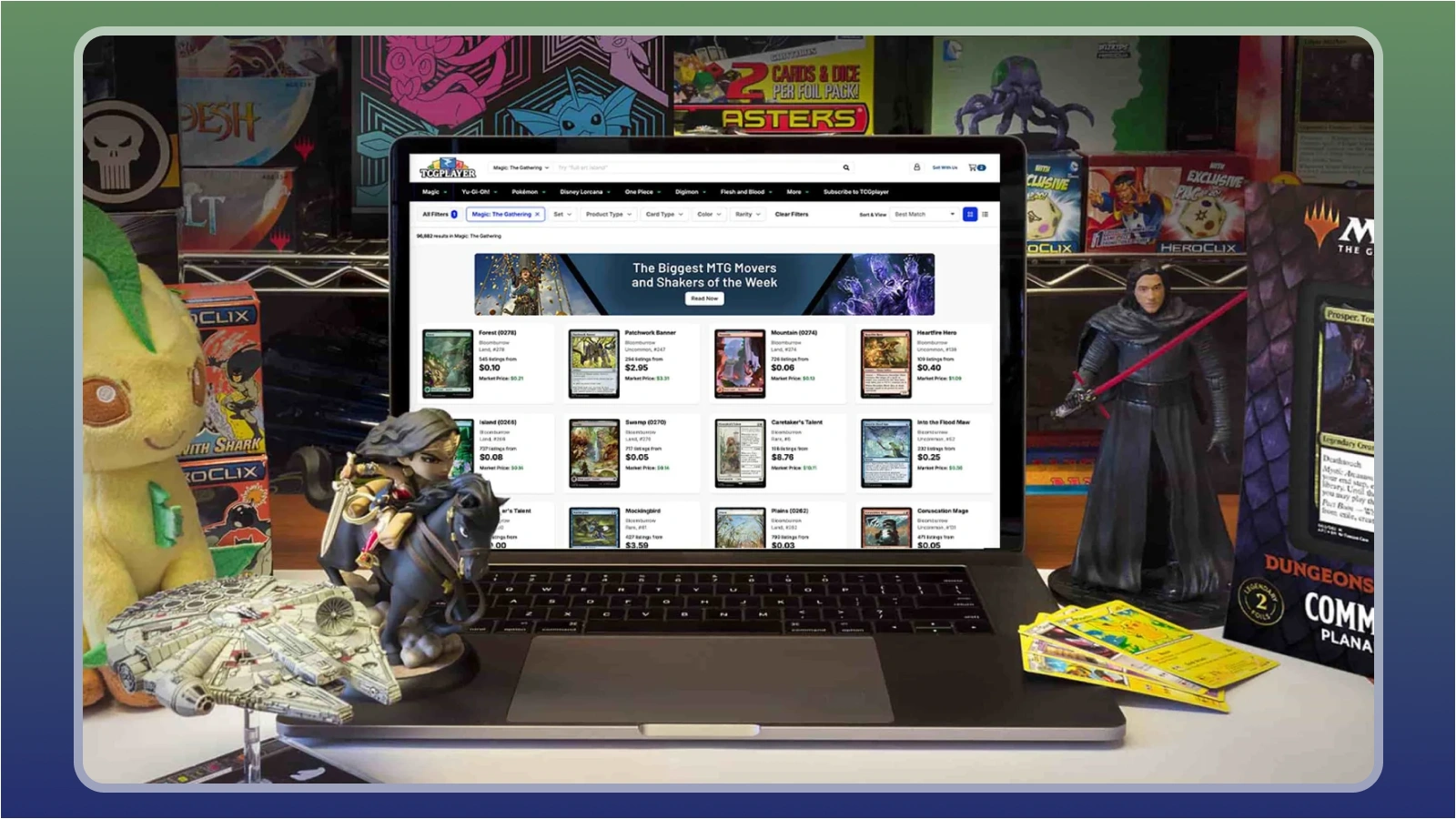
Cards are the cheapest flip to start and the most predictable one to get paid on. TCGplayer starts seller payments every Monday and Thursday, once an order clears 24 hours after confirmed delivery, which puts a first payday roughly two weeks out.
Sellers on Levels 1 to 4 pay 10.75% commission, capped at $75 per product sold, plus a transaction fee of 2.5% and $0.30 per order. Flipping items for profit here means that fee comes out before any margin counts. Twenty singles a month at a typical card price runs close to $860 gross, near $740 after fees, a solid early answer for anyone working out how to make money flipping cards specifically.
eBay, Cardmarket, and Whatnot all move real volume, and eBay owns TCGplayer, so those markets share much of the same demand. Flipping products on eBay taps into that same buyer demand directly. Knowing which trading card games hold value matters more than any pricing trick.
Here’s the order to work in, starting from nothing:
- Open a seller account and complete tax and bank details for direct deposit
- Buy one sealed booster box or a bulk lot from a current set
- Price against the market price on each card’s own TCGplayer page, not against auctions elsewhere
- If enrolled in Direct, list singles above $2.50 individually and bundle anything cheaper • Ship in a sleeve, top loader, and rigid mailer, uploading tracking the same day
The mistake that costs beginners most is pricing to the highest listing instead of the market price, which leaves stock unsold for weeks. It’s the fastest way to turn a promising start into a stalled one.

2. Flipping Sneakers on StockX
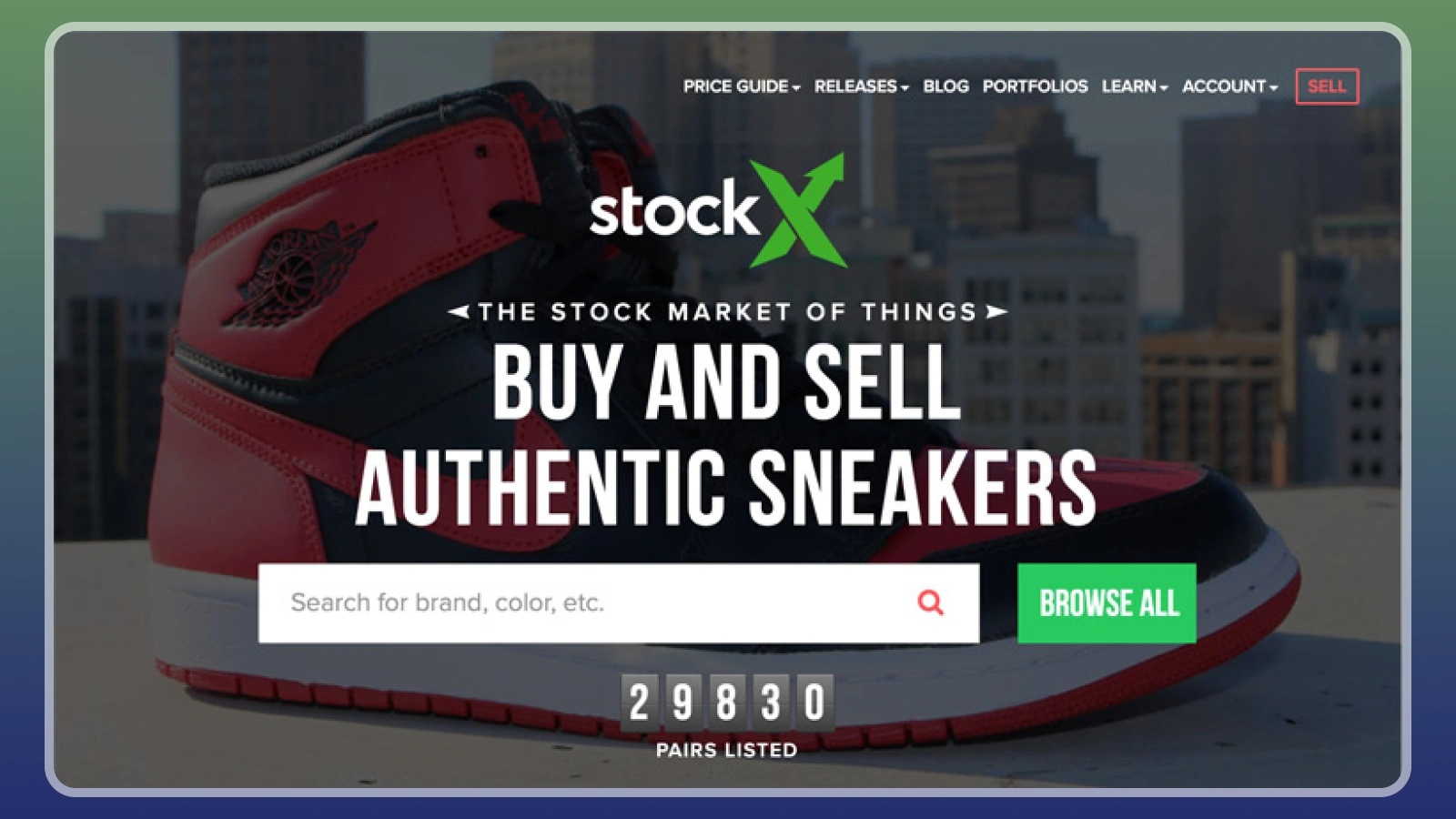
Sneaker flipping still works, and the real opportunity sits in fast turnover rather than chasing hype. A $200 pair sold at Level 1 pays out roughly $176 once StockX takes its cut. What is money flipping here, specifically? Buying pairs cheap and reselling for a real margin. Buying that pair at $130 retail clears about $46 before postage, a margin that adds up fast once repeated weekly.
Transaction fees fall from 9% at Level 1 to 7% at Level 5, alongside a flat 3% processing fee, dropping further with consistent selling. Verified Seller Program payouts release the day an item ships, while Listings Marketplace payouts release once the buyer confirms delivery, or three days after, whichever comes first.
GOAT and eBay buy the same stock, but StockX earns the recommendation since its fee ladder and bid data stay fully public, which makes it easy to price a pair before owning it. Performance running models and general releases in real sizes are quietly outperforming limited drops right now.
Get these five things right before a first listing goes live:
- Create a seller account and add payout details before buying any stock
- List deadstock only, in the original box, with the size stated exactly as printed
- Check the current highest bid, then price just under the lowest ask
- Ship inside the window StockX sets, since a late pair can have the sale cancelled
- Reinvest into common sizes of general releases, not one hyped pair
Sticking to retail prices instead of chasing a hyped release separates a repeatable flip from a one-off loss, the steadiest path for anyone figuring out how to make money flipping sneakers.
3. Retail and Online Arbitrage With Amazon FBA
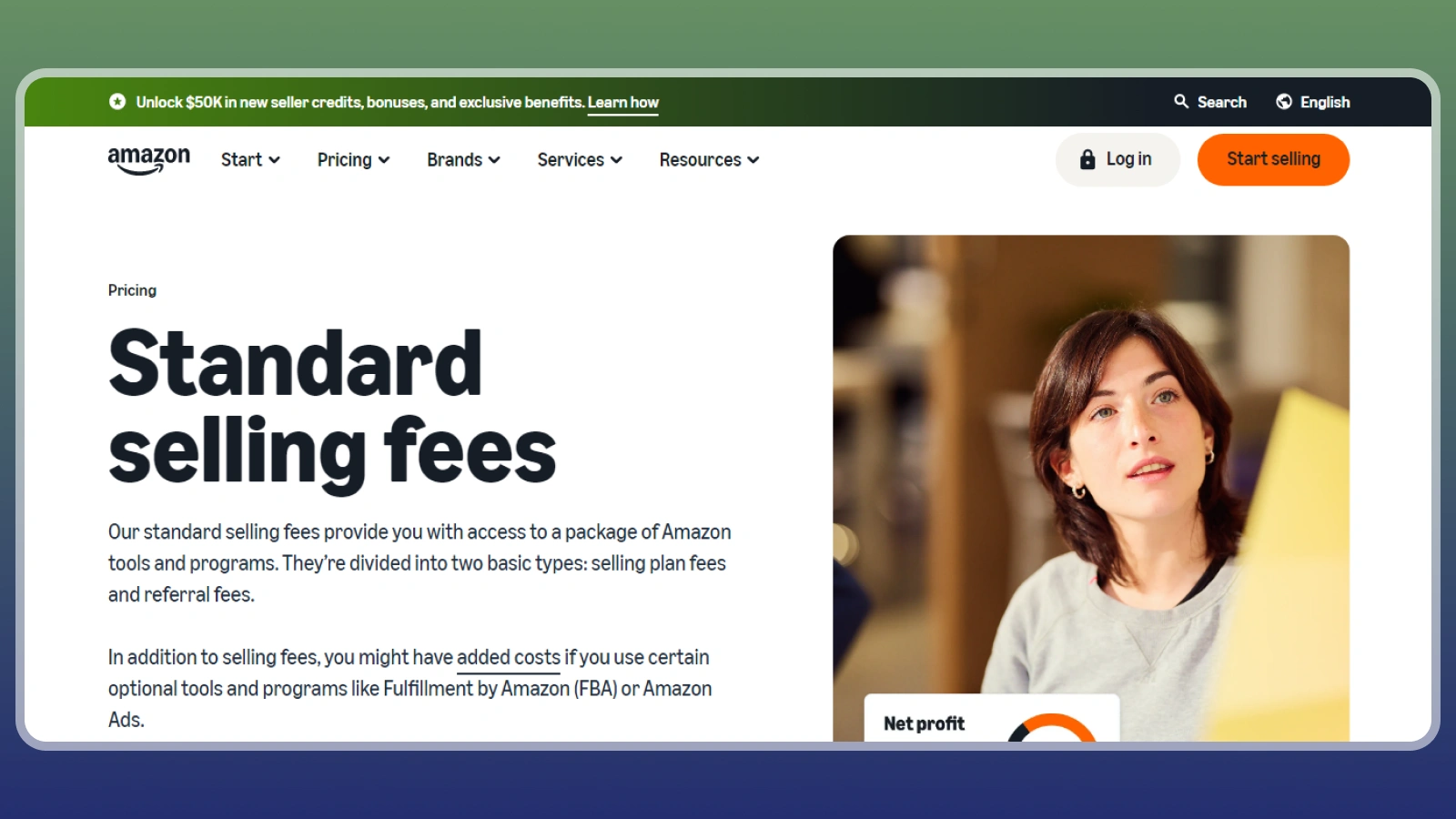
Clearance aisles and a fee table are all it takes to unlock the biggest ceiling on this list: arbitrage on Amazon. Independent sellers there averaged well into six figures in annual sales last year, a real ceiling worth aiming toward once the process clicks.
The Individual plan charges $0.99 per item sold, a smart start before switching to the $39.99 Professional plan once volume justifies it. Flipping items for beginners should start on that Individual plan first. Sales become disbursement-eligible seven days after confirmed delivery, followed by a roughly two-week settlement cycle and a few more days by ACH transfer.
The Individual plan charges $0.99 per item sold, a smart start before switching to the $39.99 Professional plan once volume justifies it. Flipping items for beginners should start on that Individual plan first. Sales become disbursement-eligible seven days after confirmed delivery, followed by a roughly two-week settlement cycle and a few more days by ACH transfer.
Referral fees land between 8% and 15% in most categories, with per-unit FBA fulfilment on top. A flipping cars side hustle carries none of those per-unit platform fees at all. Once that cycle is turning, this route can genuinely scale toward 1,000 a week.
Start small and prove the math first:
- Register on the Individual plan first, then switch to Professional once clearing 40 items a month
- Scan clearance stock with the Amazon Seller app and check the Revenue Calculator before buying
- Buy only where the fee-adjusted spread is 30% or better
- Send a small first shipment into FBA to learn the prep rules cheaply
- Keep supplier paperwork for anything branded, from the first box onward
The expensive mistake is buying gated brands on a till receipt, since Amazon asks for supplier invoices, not retail receipts. A clean paper trail from day one is the real key to how to make money flipping through arbitrage without hitting a wall.

4. Flipping Vinyl Records on Discogs
Discogs charges a 9% selling fee on the item plus shipping, capped at $150, with nothing charged to list. That makes vinyl the cheapest physical category to test, since the only real exposure is what got paid for the record itself.
The buyer pays at checkout, and fees come out automatically, which leaves a little over seven-eighths of most sales in a seller’s pocket after the platform and payment processor both take their small cut. Flipping money meaning stays simple here: buy a record cheap, sell it for more. That’s still the lowest total cut of any physical route here, and one good crate can get anyone wondering how to make 200 dollars fast.
US vinyl revenue keeps climbing year over year, now running well ahead of CDs. Press-specific pricing is the whole game here, since two copies of the same album can differ tenfold by matrix and pressing.
Record fairs and eBay sell vinyl too, but Discogs earns the recommendation on its release database, which prices the exact pressing in hand. Flipping products on eBay is still an option here, just with less pressing-specific pricing data.
The routine that keeps refunds down looks like this:
- Source from charity shops, house clearances, and fairs, aiming for $1 to $5 a record
- Match each record to its exact release page using the runout matrix and catalogue number
- Grade honestly with the Goldmine standard, grading the sleeve and vinyl separately
- Price against the release’s lowest three current listings, not its all-time high sale
- Ship in a proper mailer with the record outside the sleeve to avoid seam splits
Grading honestly from the start is what separates a smooth flip from a refund, and it’s one of the steadiest ways into how to make money flipping without much startup cost.

5. Domain Name Flipping on Afternic and GoDaddy Auctions
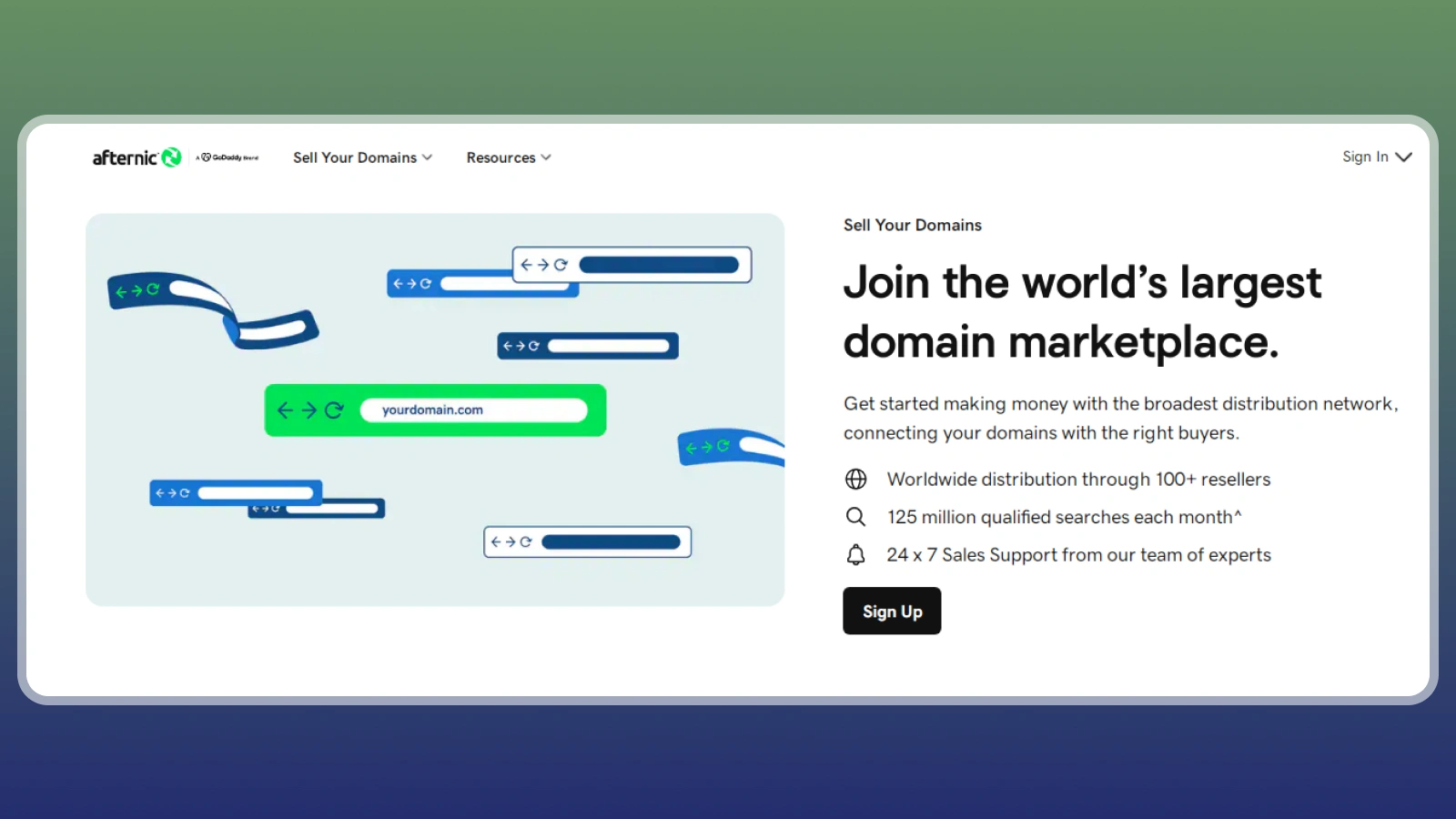
Domain flipping pays in occasional lumps, and knowing the numbers upfront turns this from a guessing game into a real strategy. Median sale prices run well into the hundreds, though most registered names never sell at all. Flipping money meaning shifts here, since most stock never sells at all. This is a portfolio game where renewals run against a seller every single year.
A .com costs roughly $12 to $22 a year retail, a renewal that lands regardless of a sale. Flipping items for beginners works here too, though renewals run every single year. Afternic’s Basic plan takes 15% when a domain points to GoDaddy aftermarket nameservers, and 25% when it doesn’t, so that nameserver setting matters more than any listing tweak. Fast Transfer releases payout once the buyer pays, keeping cash flow simple once a sale lands.
Sedo, Dynadot, and Namecheap Market all list names, but Afternic earns the recommendation since Fast Transfer distribution reaches most major registrars.
Build the portfolio in this order and cull it without sentiment:
- Pick a niche you understand, then hand-register two-word .com names a real business would buy
- Check comparable sales before registering anything, not after
- Point nameservers at Afternic to get the 15% Basic rate and Fast Transfer distribution
- Set a buy-now price, since buy-now sales dominate this market
- Drop anything that hasn’t sold in two renewal cycles
Skipping automated appraisal tools is a smart move, since they value keywords, not buyers. A disciplined approach here is a real, low-cost entry into how to make money flipping.

6. Website Flipping on Flippa
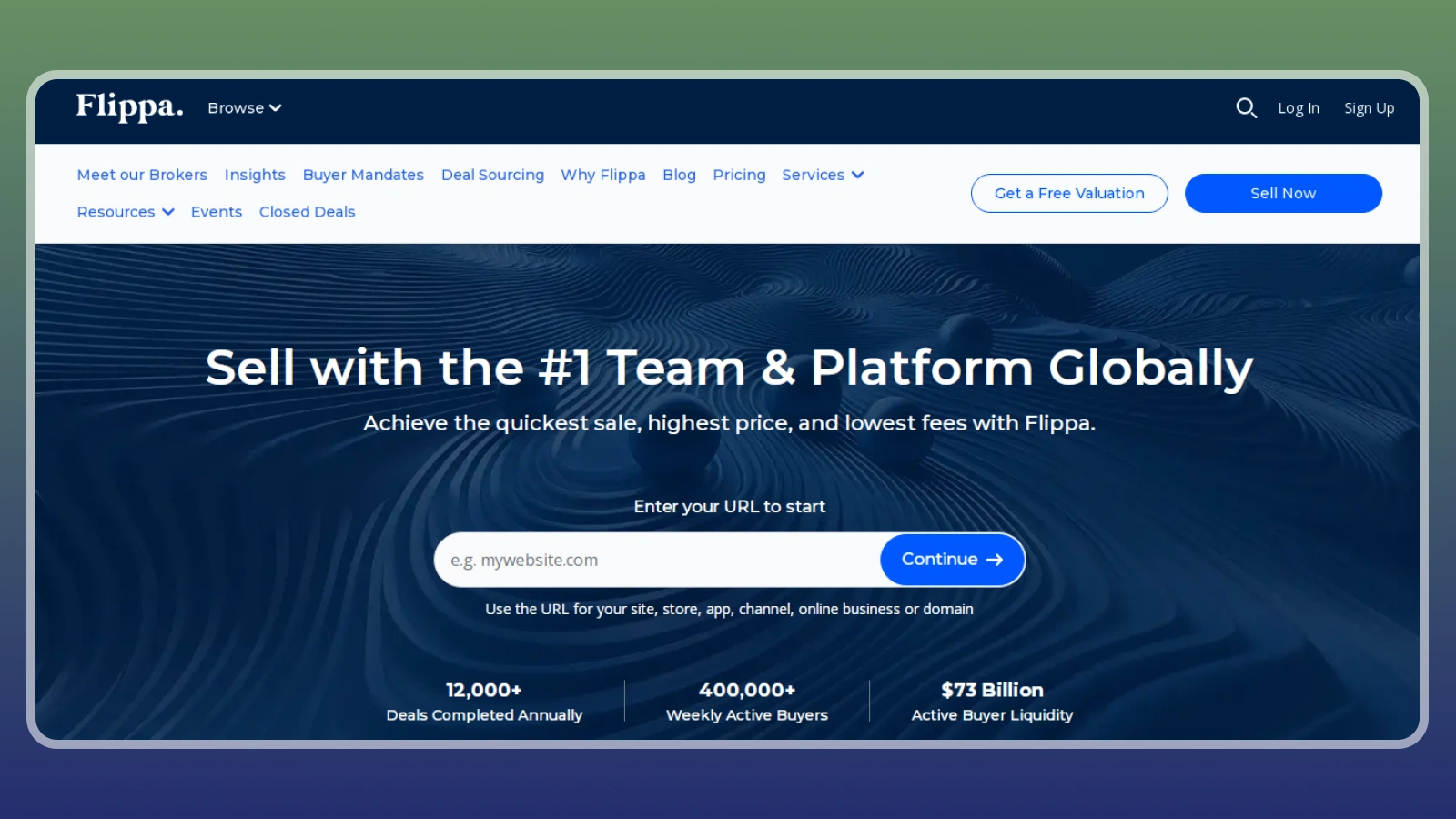
Website flipping is the one route here where a single sale can beat a whole year of card flipping. Sites trade on a multiple of profit, with brokers like Empire Flippers pricing listings at roughly 2.5 to 4.2 times annual profit. It sits last on this list, needing either capital to buy or six months of work to build, but that patience unlocks the biggest single payday in how to make money flipping.
Empire Flippers wants at least $24,000 a year in net profit and a 12-month earnings history, with an average of 125 days to sale across thousands of completed deals. A flipping cars side hustle rarely needs that kind of documented earnings history. Knowing where that bar sits early makes building toward it a lot more achievable.
Flippa is the accessible end, with listing packages starting at $29 for a business under $10,000 and a success fee starting at 10% on that tier. Motion Invest, Investors Club, and Empire Flippers broker sites too, but Flippa earns the link here since it takes the small sites a first-time flipper actually owns.
A sale-ready site gets built deliberately:
- Buy a small content site with 12 months of verifiable earnings, or build one and hold it a year
- Connect analytics and revenue accounts so a buyer can verify numbers without trusting screenshots
- Fix the cheap wins first: internal links, page speed, and underperforming money pages
- List at 30 to 40 times monthly profit and expect to negotiate down from there
- Use escrow and document the migration steps before any money moves
Steering clear of a site whose traffic comes from one social account or a single redirect protects that hard-earned payday from disappearing overnight.

What Each Flipping Route Costs and How Fast It Pays
Here’s what each route costs and how quickly the money arrives. Flipping items for profit really comes down to comparing this fee table first. Reading the fee column first matters most, since that number decides the margin behind how to make money flipping before anything gets bought.
| Method | Platform fees | Startup cost | Time to first payout | Hands-on effort |
|---|---|---|---|---|
| Trading cards | 10.75% commission (L1–L4) + 2.5% and $0.30 per order, cap $75/product | $50–$150 of stock, no listing fee | Payments initiated Mondays and Thursdays; ~4 business days to bank | Active: sourcing and listing weekly |
| Sneakers | 9% (L1) to 7% (L5) + 3% processing, $5 min US seller fee | One pair, ~$100–$200 | Released on ship day (Verified Seller Program) | Active: buying and shipping fast |
| Amazon arbitrage | Referral 5%–45% (8%–15% in most categories, $0.30 min) + FBA per unit | $39.99/month or $0.99/item, plus inventory | DD+7 reserve (7 days after confirmed delivery), then the ~14-day settlement cycle, plus 3–5 business days by ACH | Active: store runs, prep and shipments |
| Vinyl records | 9% on item + shipping ($0.10 min, $150 max) + ~3.49% and $0.49 processing | $1–$5 per record, no listing fee | Buyer pays at checkout | Active: grading and packing each order |
| Domain names | 15% Basic with GoDaddy aftermarket nameservers, 25% without (Boost 20%/30%), $15 min commission | ~$12–$22 per name per year | Fast Transfer pays once the buyer pays; sales are irregular | Mostly passive once names are listed |
| Websites | Success fee from 10% on the smallest tier, stepping down on larger deals | Listing from $29, plus the site itself | Escrow release after handover; ~125 days average to sale at Empire Flippers | Heavy up front, passive while it sells |
Picking a route comes down to matching startup cost against patience. The fastest-paying options ask for less capital but more weekly hustle, while the biggest single paydays ask for time upfront instead. Flipping money fast almost always means less capital but more weekly hustle. Either path works as a real answer to how to make money flipping, provided the fee schedule gets checked before the buying starts.
How We Picked These Six
Every route here had to publish its own fees and payout terms, and stay workable by one person with under $500. What is flipping cash under $500? Enough real stock to actually test the process. That ruled out anything where take-home depends on a private rate card nobody can see up front, a real filter for judging how to make money flipping without guesswork.
Four tests decided the list:
- A route needed published commission and a published payout schedule
- A real demand figure had to come from a source outside the platform’s own marketing
- It had to be legal in the US without a licence
- A first sale had to be possible inside a month for at least four of the six
Property flipping went out on capital and permits, and ticket resale on state restrictions and platform bans. Every done-for-you store package went out on the simple ground of buying a promise instead of a product. Flipping money meaning got tested against that same standard for every route here. The same test applies to apps that pay real money, and most of them fail it too.
The order stays honest about what’s being traded, running from cheapest and fastest to slowest and most capital-hungry. That’s why website flipping sits sixth despite producing the largest single payment of the six, and it’s the real logic behind how to make money flipping smart instead of fast.
Reward Apps That Fund Your First Flip
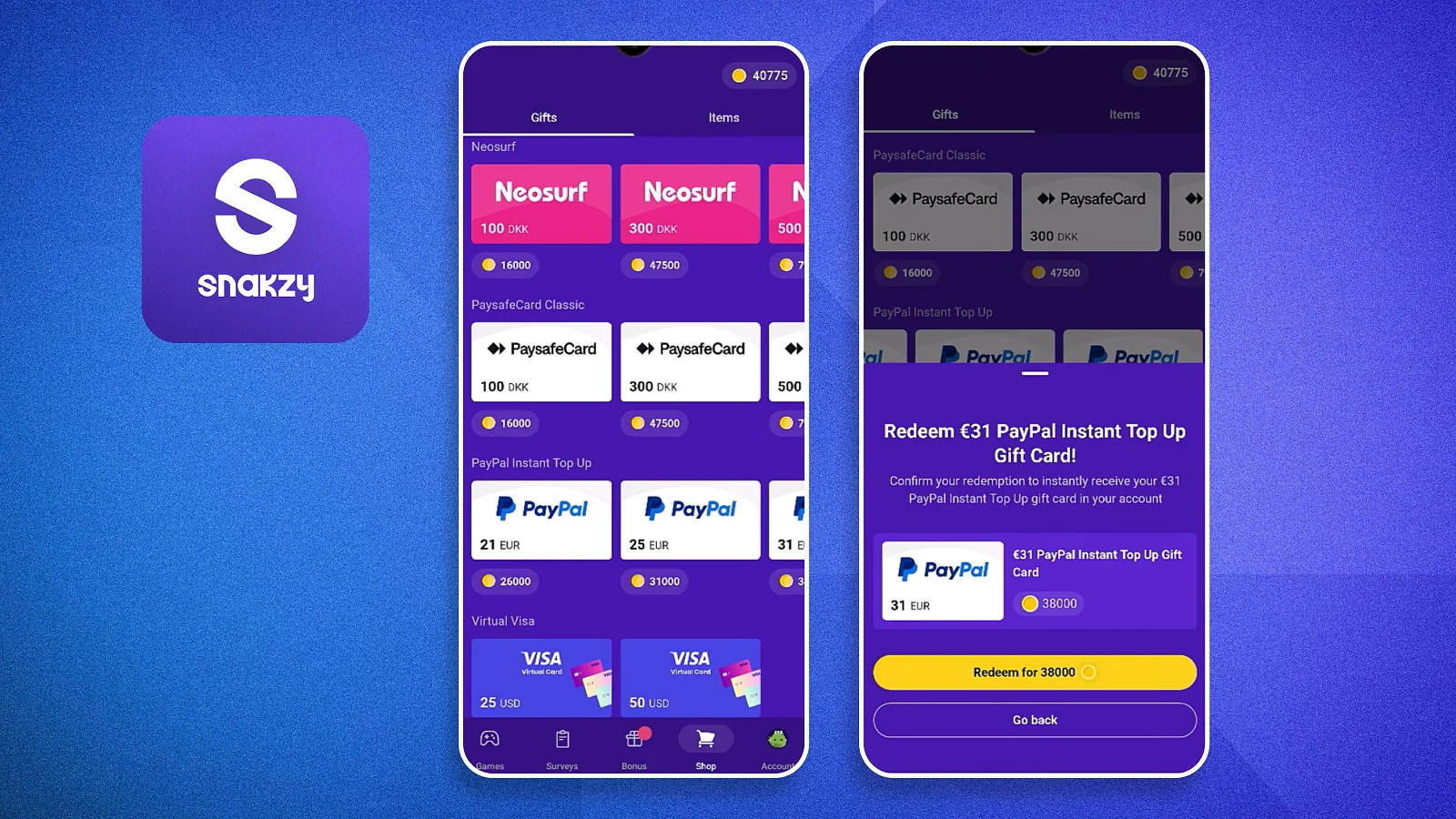
Reward and cash-back apps won’t replace flipping income, but they’ll cover the $50 to $150 of stock needed to start. Flipping items for beginners can lean on that free stock money early on. The mechanic is simple: these apps pay back a percentage of money already being spent, lowering the real cost of goods before a single item sells, a small but genuine head start for anyone working out how to make money flipping on a tight budget.
Ibotta and Rakuten both work that way on groceries and online stock, and both set 18 as the minimum age to join. Flipping products on eBay benefits from that same cash-back stacking trick too. Payout thresholds and eligibility differ by app and by region, so reading the terms before counting on one saves a wasted week.
| App | Minimum Payout | Entry Cost | Minimum Age |
|---|---|---|---|
| Snakzy | $35 (US standard tier) | Free | 18+ |
| Ibotta | $20 withdrawal minimum | Free | 18+ |
| Rakuten | $5.01 confirmed cash back per quarter | Free | 18+ |
Snakzy pays out from $35 on the US standard tier, free to join at 18 or over, with zero deposit required. Treating that payout as float rather than a wage is the smart move, since it costs nothing to run alongside sourcing trips already being made. Parking whatever builds up until it clears $50, then spending it on stock instead of withdrawing to a bank, turns a free app into real seed money behind how to make money flipping.
Play to earn cash today

What Doesn’t Work in Flipping
Most flipping money is lost in three places, and none of them is the platform taking its cut. They are paid-for automation, sourcing you cannot sell, and pricing to a number nobody is paying.
Schemes That Sell You the Dream
The pitches below sell the outcome and keep the work. That is why they keep reappearing under new brand names:
- Done-for-you store packages. The FTC sued Ascend Capventures, trading as Ascend Ecom, on 25 September 2024 over AI-branded storefronts sold as passive income. The complaint put consumer losses at at least $25 million. In June 2025, the FTC announced a stipulated order that would permanently ban its operators from marketing business opportunities, and the FTC says an order like that carries the force of law once the district court judge signs it. Anyone charging five figures to run a store for you is selling the same shape of thing.
- Paid appraisal upsells. An automated domain valuation is not an offer, and buying a premium appraisal does not create a buyer.
- Bot-driven drop buying. Retailers cancel bot orders. A flipping cars side hustle has its own version of this trap: bad-title cars. With average Nike resale prices up only 5% year on year on StockX in 2025, the spread rarely covers the risk.
If the course is the product and the storefront is the demo, you are the customer and not the seller. Compare any promise against how to earn 2,000 quickly, and the shape of the claim gives itself away.
Sourcing and Pricing Traps
These five cost you real money instead of opportunity. Each one is avoidable before you buy:
- Buying gated brands on a receipt. Amazon asks for supplier invoices for brand approval and does not accept retail receipts, so that clearance haul can be dead stock.
- Grading everything. Grading fees per card frequently exceed what a common card is worth, so grade only where the graded price supports it.
- Over-grading records. On Discogs, one refund plus return postage wipes out several sales’ worth of margin.
- Websites with one traffic source. Earnings that depend on a single social account or redirect vanish with it.
- Ignoring tax. The IRS requires you to report income from goods sold at a gain even when no Form 1099-K is issued. Flipping items for profit still counts as taxable income, 1099-K or not.
Each of these is a pricing failure wearing a different hat. The fix never changes. Know the fee, the comparable sale, and the buyer before money leaves your account.
Final Verdict on Flipping
Start with cards on TCGplayer if you want money moving inside a fortnight. Start with Amazon arbitrage if you want something that can grow past a hobby, as long as you can wait out the seven-day delivery reserve and the settlement cycle behind it. The trade-off is speed against ceiling, and the $39.99 monthly plan only makes sense above 40 items a month.
If you have no storage space, domains are your route, where the 15% Afternic Basic rate and a $12 registration are the whole cost base. Add a reward app like Snakzy on top to fund your first flip. Whichever route you pick, the fee schedule decides the profit, and that is what makes flipping a numbers game instead of a gamble.
Play to earn cash today
FAQs
Yes, flipping is still profitable, but plan on $100 to $400 a month from $200 to $500 of stock. Fees take roughly an eighth to a seventh of each sale before postage, so your margin comes from sourcing well.
You need very little money to start flipping, because $50 to $150 buys enough card stock or records to test the process. Amazon adds $39.99 a month on the Professional plan, or $0.99 per item.
The fastest way to get paid when you flip something is StockX, which releases Verified Seller Program payouts on the day your item ships. Discogs buyers pay at checkout, so both beat Amazon, where funds only free up seven days after delivery.
Yes, you pay tax on flipping income. The IRS requires all income from goods sold at a gain to be reported, and the Form 1099-K threshold is $20,000 and more than 200 transactions.
The easiest items for a beginner to flip are trading cards, vinyl, and general-release sneakers. Each has public price data you can check before you buy, so you never guess at what a resale is worth.
Yes, domain flipping is worth trying on a small budget, but slowly. Sedo’s median .com sale was $595, and most names never sell. Keep renewals under control, and it stays a low-cost corner of flipping.