


The 10 Best Work From Home Jobs in 2026: Ranked by Pay, Cost, and Time to First Income

Eneba Hub contains affiliate links, which means we may earn a small commission if you make a purchase through them—at no extra cost to you. Learn more



The best work from home jobs include flexible entry-level roles like virtual assistants, customer service representatives, and freelance writers, as well as high-paying professional careers like software developers or project managers.
The pay range is wide: entry-level roles like customer service and data entry often start around $34,000–$46,000 per year, while senior roles in software development or project management can pass $100,000. We selected the 10 best work from home jobs, and here’s a short look at the complexity level of each for you to consider.
Entry-Level Jobs
- Customer Service Representative — assist customers by responding to inquiries, addressing issues, and managing requests via phone, email, or online chat.
- Data Entry — input, organize, and maintain data in spreadsheets, databases, and digital systems, prioritizing both speed and accuracy.
- Transcription — transcribe audio or video recordings into text, requiring strong typing, listening, and grammar skills.
- Virtual Assistant — offer remote administrative support, including email management, appointment scheduling, research, and task organization for individuals or businesses.
- Online Tutoring — use online platforms such as Preply or Wyzant to teach subjects you know well, with higher rates for specialized topics and test preparation.
Higher-Paying / Professional Careers
- Freelance Writer — create articles, blog posts, marketing copy, and other written content for businesses and clients you can find on Upwork or Fiverr.
- Bookkeeping — oversee daily business accounting tasks, including financial records, invoicing, and reconciliations.
- Social Media Manager — oversee a company’s social media presence by developing content, executing campaigns, interacting with followers, and monitoring performance metrics.
- Project Manager — manage people, budgets, timelines, and resources to ensure projects are delivered successfully and on time.
- Software Developer — develop and manage websites, applications, software, and digital systems through the use of programming languages and development tools.
Jump to:
Earn Real Cash Gaming Right Now While Your Remote Income Builds
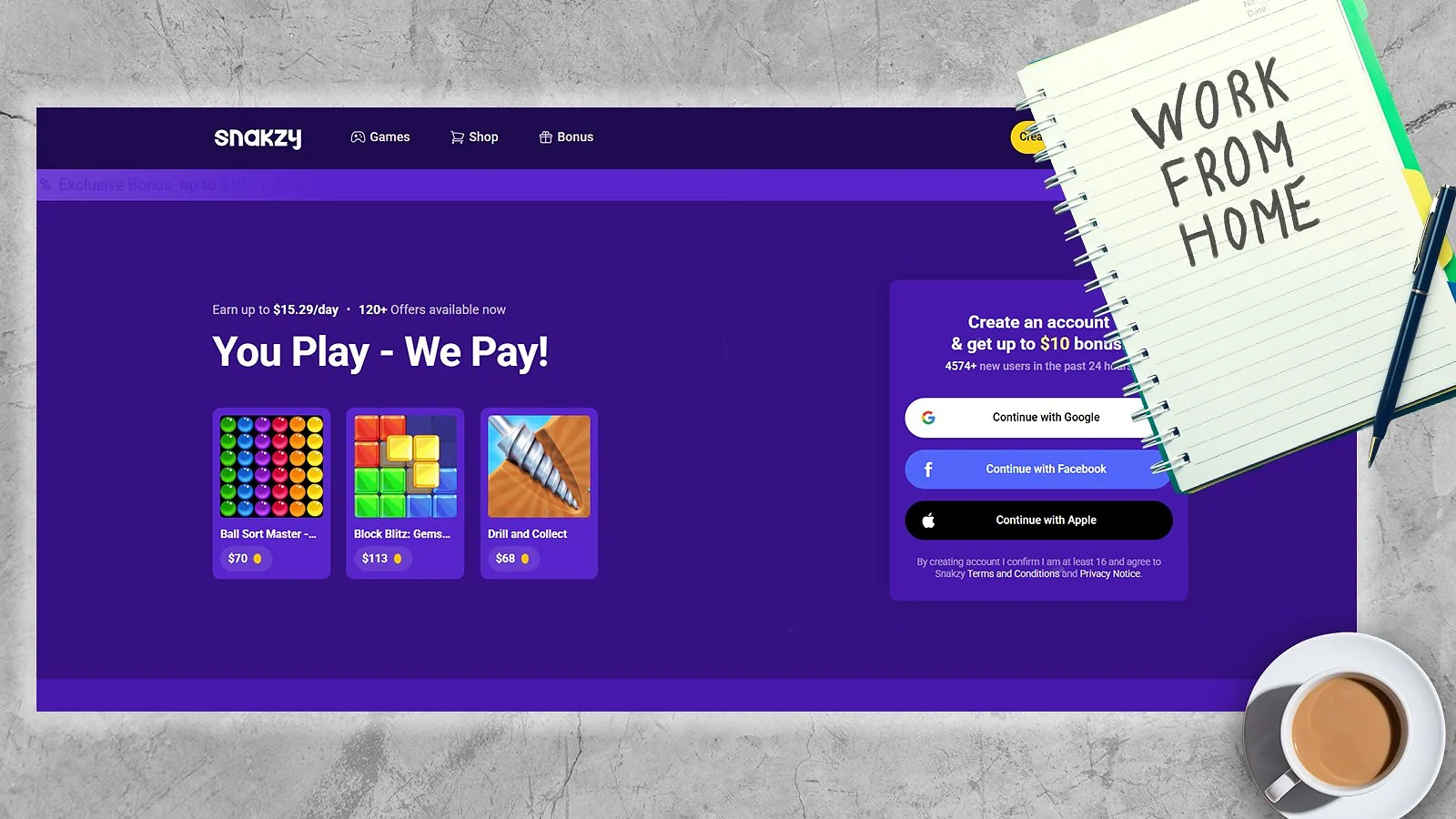
★ $15+ First Day, Instant Payouts, Zero Startup Cost
Every job in this article takes time before the first paycheck. Customer service takes 2-4 weeks from application to first pay. Freelance writing takes 3-6 months for consistent monthly income. Software development can take 3-6 months of job searching before a single dollar arrives. That waiting period is real, and it costs people momentum.
Snakzy solves the gap. It is a play-to-earn gaming platform where you complete skill-based challenges, earn coins, and redeem them for PayPal cash or Eneba gift cards. There is zero startup cost, no skills required, and no experience gate. According to platform data, users commonly earn $15+ on their first session. The average first cashout reported by users is $27.70, reached within 6.5 days of installing.
The platform features 100+ games, no forced ads, and availability in 100+ countries. New users receive a $10 welcome bonus on signup. Payouts land via PayPal with instant transfer. You can also redeem for Eneba wallet credits and gift cards. Total cashouts across the user base have passed $1.2 million globally.
Think of Snakzy as bridge income, not a replacement for the main methods above. You build your Rev profile in the morning. You open Snakzy in the afternoon and start earning something today.
Play games and get paid with Snakzy.

10 Best Work From Home Jobs in 2026: What They Pay and What They Cost to Start
These 10 jobs are ranked by accessibility and earning potential. Entry-level roles like customer service and data entry pay $15-$22/hour with zero startup cost. Senior-track roles like software development and project management pay $100,000+ per year but require months of preparation.
Every job on this list is available on established platforms like Upwork, Indeed, LinkedIn, or direct employer portals. None require upfront payments to access jobs or multi-level recruitment to earn.
1. Customer Service Representative
Earning range: ZipRecruiter average $39,098/year (~$18.80/hour); Glassdoor average $46,211/year; specialist roles at companies like Apple and Amazon pay $45,000-$55,000/year.
Startup cost: $0. Companies provide software and training. A computer, headset, and reliable internet are all you need.
Time to first income: 2-4 weeks from job offer to first paycheck. Companies actively hiring remotely include Amazon, Concentrix, TTEC, and Apple.
Skill level: None to basic. Communication, patience, and typing are the core requirements. CRM training is provided on the job by most employers.
Limitations: Schedule flexibility varies by employer. Some roles require fixed shift hours, and peak-season demand can mean mandatory overtime.
Day 1 steps:
- Create a profile on Indeed or ZipRecruiter
- Search “remote customer service” filtered by “Remote”
- Apply to 5-10 companies that list company-provided training in the job posting
2. Virtual Assistant
Earning range: Beginners $20-$30/hour; mid-level (2-3 ongoing clients) up to $35/hour; senior specialist $35-$75/hour. Upwork average: $18-$35/hour.
Startup cost: $0. All tools used, including Trello, Slack, and Google Workspace, are provided by clients or available on free tiers.
Time to first income: First client on Upwork or Fiverr possible within days to weeks of profile creation and first proposal submissions.
Skill level: Basic to intermediate. Core tasks cover scheduling, email management, and research. Mid-level adds marketing support and basic bookkeeping. Senior specialist adds automation via Zapier and AI tools.
Limitations: Income is inconsistent in the first 1-3 months while you build a client base. Upwork charges a variable service fee of 0–15% per contract, with most freelancers paying around 10%.
Day 1 steps:
- List your strongest skills (inbox management, scheduling, research) in an Upwork profile
- Apply to 5 entry-level VA postings with tailored proposals
- Set your starting rate at $18-$20/hour to build initial client reviews
3. Freelance Writing
Earning range: Beginners $0.05-$0.12/word; mid-level $0.12-$0.50/word. Among US experienced writers, 78.6% charge $51+/hour and 32% charge $101+/hour. Survey data from 346 writers shows 18.4% earn $5,001-$10,000/month and 15.7% exceed $10,000/month.
Startup cost: $0 to $150 for an optional portfolio site. A computer and internet are sufficient.
Time to first income: First paid gig on Upwork or Fiverr is possible within days of profile launch. Consistent monthly income typically takes 3-6 months to build.
Skill level: Basic to intermediate. Core requirements are writing ability, research skills, and SEO familiarity. Platforms include Upwork, Fiverr, ProBlogger, Contena, ClearVoice, and Skyword.
Limitations: 91.6% of freelance writers earn under $30,000 in year one. Consistent income requires niche focus and repeat clients. Platform fees (Upwork takes a variable 0–15% per contract, typically around 10%) reduce initial take-home.
Day 1 steps:
- Choose a niche (tech, health, or finance)
- Write 2-3 sample articles of 1,000+ words
- Create an Upwork profile with those samples and apply to 10 content writing jobs at $0.06-$0.10/word
4. Online Tutoring

Earning range: General range $15–$50/hour; average $25/hour; experienced tutors with certifications earn up to $80/hour. Preply lets tutors set their own rate and takes an 18–33% commission that drops as you log more teaching hours, with its most popular tutors earning up to $550/week. TutorMe pays $16/hour and accepts only 4% of applicants. Varsity Tutors pays up to $35/hour, and specialized subjects like test prep or business English command $50+/hour across most platforms.
Startup cost: $0. Computer, webcam, and stable internet required. Whiteboard apps like Miro and Google Jamboard are free.
Time to first income: Profile approval on most platforms takes 1–7 days. First paid session is possible within the same week.
Skill level: Subject mastery is the baseline requirement. No teaching degree is needed for most platforms, though it raises your rate.
Limitations: Demand is seasonal. Summer and January are slow. Finals season (April–May, November–December) drives peak volume.
Day 1 steps:
- Pick one subject you can teach at high school or college level
- Apply to Preply, Wyzant, and Varsity Tutors on the same day
- Set availability for weekday evenings and weekends, which carry the highest student demand
5. Social Media Manager
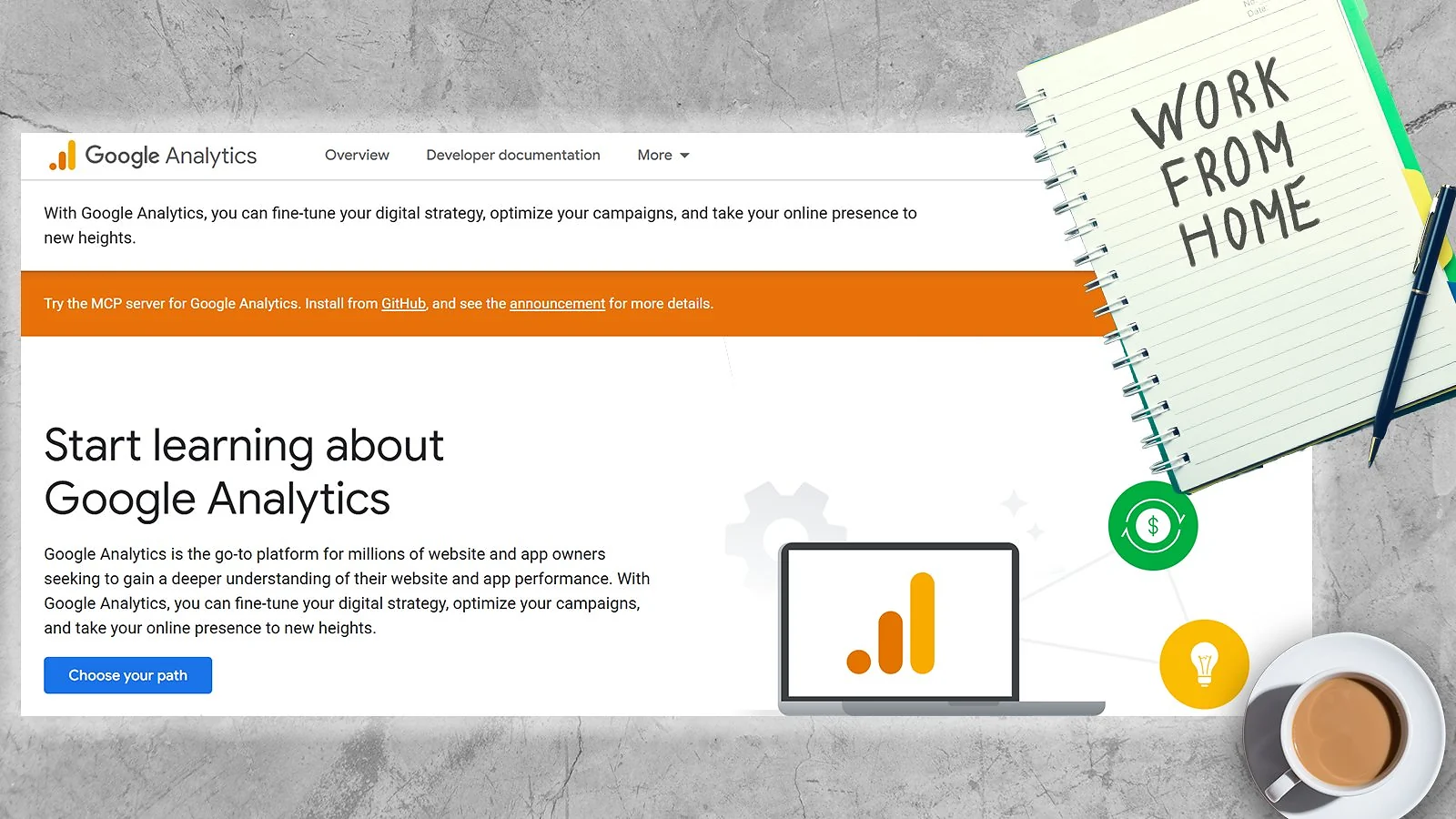
Earning range: Glassdoor remote average $72,600/year ($35/hour); ZipRecruiter average $76,990/year; entry-level ~$35,000/year; 90th percentile $112,000/year.
Startup cost: $0 to $99/month for optional scheduling tools. Buffer costs $18/month; Hootsuite costs $99/month. All social platform accounts are free.
Time to first income: Freelance gig via Upwork takes days to weeks. Full-time employment typically 2-6 weeks from offer acceptance.
Skill level: Basic to intermediate. Requires platform expertise across Instagram, TikTok, and LinkedIn, basic copywriting, and analytics familiarity via Meta Business Suite and Google Analytics.
Limitations: Most freelance contracts are month-to-month and can be cancelled with little notice. Building a portfolio takes 30-60 days before you can pitch paid clients credibly.
Day 1 steps:
- Build a sample content calendar for a fictional brand in your chosen niche
- Post consistently on your own accounts for 30 days as a live portfolio
- Apply to 5 remote roles on LinkedIn with that portfolio attached
These are your best online side hustles for digital-first workers. If you want more income streams in parallel, that guide covers options that layer well with a social media or writing career.
6. Software Developer

Earning range: ZipRecruiter US average $111,845/year; entry-level remote average $100,265/year; BLS median $131,450/year; demand projected to grow 15% through 2034.
Startup cost: $0 to $2,500 for a high-spec computer (Mac or equivalent). Development environments like VS Code and Git are free.
Time to first income: Bootcamp graduates typically spend 3-6 months in job search. Experienced developers switching to remote find roles faster via We Work Remotely and Arc.
Skill level: Advanced. Core requirements include programming languages (Python, JavaScript, Java), version control with Git, API development, and system design.
Limitations: Entry to the field requires months of upfront skill-building. The job market for junior developers remains competitive, and bootcamp graduates face a longer search window than those with a computer science degree.
Day 1 steps:
- Build a public GitHub portfolio with 3-5 completed projects
- Make one open-source contribution
- Apply to remote roles on We Work Remotely, Arc, and Stack Overflow Jobs
7. Data Entry
Earning range: Standard remote range $15-$22/hour; specialized roles (medical coding, legal transcription) $22-$35/hour; Glassdoor remote data entry average $41,405/year ($20/hour). AI chatbot trainer variant pays $60,000-$150,000/year per some employer postings.
Startup cost: $0. Requires a computer and typing speed of 55+ WPM. Excel or Google Sheets proficiency is recommended.
Time to first income: Amazon MTurk tasks are available immediately after account setup. Traditional data entry positions take 2-4 weeks from application to first paycheck.
Skill level: None to basic. Fast, accurate typing and attention to detail are the only requirements for entry-level roles.
Limitations: Automation is reducing basic data entry volume. The roles that pay $20+/hour typically require domain knowledge (medical, legal, financial). Pure key-punch roles average closer to $15-$17/hour.
Day 1 steps:
- Take a free typing speed test (target 55+ WPM)
- Create profiles on Upwork and ZipRecruiter filtered to “data entry remote”
- Apply to 10 positions, emphasizing part-time or contract availability
You might also want to look at game apps that pay real money as a zero-skill income supplement while data entry applications are in review.
8. Bookkeeping

Earning range: Glassdoor remote average $65,955/year ($32/hour); ZipRecruiter freelance bookkeeper average $50,573/year; PayScale hourly average $24.31/hour; standard freelance range $17-$28/hour.
Startup cost: $0 to $1,995. Wave accounting software is free. QuickBooks costs ~$30/month. Optional QuickBooks ProAdvisor certification: ~$499. Bookkeeper Launch training course: ~$1,995.
Time to first income: Freelance clients via Upwork are reachable within weeks. Full-time employment typically takes 2-4 weeks from offer to first paycheck.
Skill level: Basic to intermediate. Requires QuickBooks or Xero proficiency, accounts payable/receivable, and bank reconciliation. No CPA license required for bookkeeping (distinct from accounting).
Limitations: Small business clients have high turnover and often expect low rates from new bookkeepers. Building a steady client base takes 3-6 months.
Day 1 steps:
- Complete the free 30-day QuickBooks trial and learn core modules
- Create an Upwork profile targeting small businesses needing part-time bookkeeping
- Set your starting rate at $20-$25/hour to build initial reviews
9. Project Manager

Earning range: ZipRecruiter average $102,682/year; Glassdoor average $104,253/year; senior remote PM average $140,791/year; BLS median $100,750/year.
Startup cost: $100-$555. PMP exam fee: $555 for PMI members. Prep courses: $100-$500. Jira and Asana both have free tiers for individuals.
Time to first income: PMP-certified candidates typically find roles within 4-8 weeks of applying. Without certification, a 2-4 month search window is realistic.
Skill level: Intermediate to advanced. Core requirements include Agile/Scrum methodology, stakeholder management, risk assessment, and proficiency in Jira, Monday, or MS Project.
Limitations: Without 3+ years of project coordination experience, most senior PM job listings are out of reach. Entry paths include coordinator or project analyst roles first.
Day 1 steps:
- Enroll in a PMP exam prep course via PMI
- Build a LinkedIn profile listing every PM tool you have used
- Apply to remote PM roles on LinkedIn and Toptal
10. Transcription
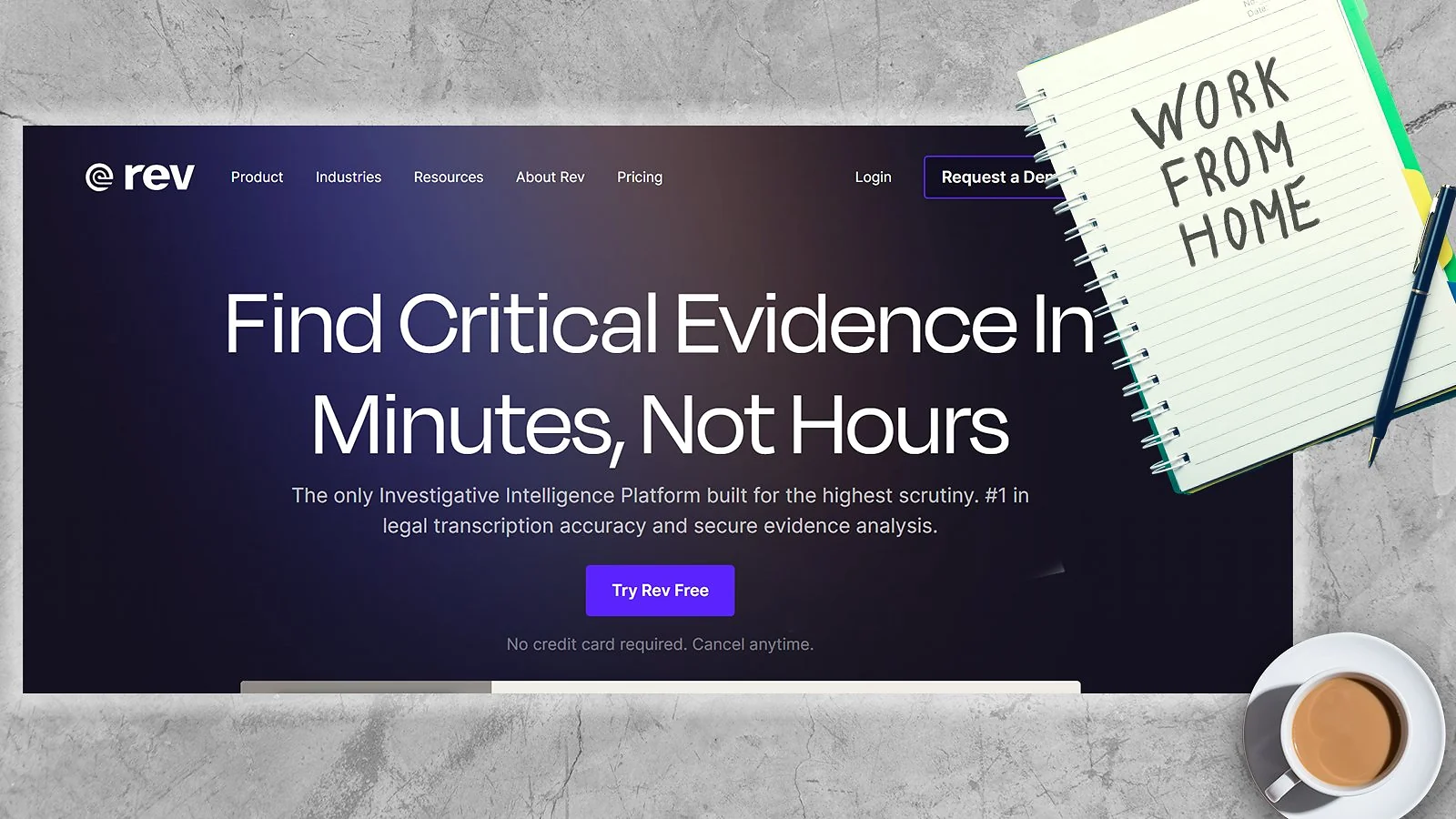
Earning range: Rev beginners average $156/month after 15 completed jobs. Seasoned Rev transcriptionists average ~$1,495/month. Scribie pays $5-$20 per audio hour with advanced workers reaching $1,600/month. General experienced range: $15-$30/hour.
Startup cost: $0 to $50 for a headset. Applying to Rev and TranscribeMe costs nothing.
Time to first income: Rev account approval takes 1-3 days after passing the free transcription test. First payment typically arrives within 1-2 weeks of completing initial jobs.
Skill level: None to basic. Fast, accurate typing, strong English grammar, and good audio comprehension are required. No degree needed. Rev requires passing a free test.
Limitations: Scribie paused hiring home transcriptionists as of early 2025. Rev remains active. Platform pay rates are per audio minute, so slow audio (accents, background noise) significantly reduces effective hourly rate.
Day 1 steps:
- Take the free Rev transcription test at rev.com
- Simultaneously register at TranscribeMe
- Start with audio files under 5 minutes to build accuracy and platform rating
If you want to earn money gaming while transcription applications process, that guide covers legitimate methods with same-day earning potential.
How To Pick the Right Remote Job Based on Your Budget, Skills, and Income Timeline
These 10 jobs are not equal in how fast they pay or what it costs to start. The table below cuts through the detail from the list and gives you a direct comparison for the most accessible roles.
| Job | Startup Cost | Skill Level | Time to First Income | Year-1 Salary (Realistic) |
|---|---|---|---|---|
| Customer Service | $0 | None | 2-4 weeks | $34,000-$46,000 |
| Virtual Assistant | $0 | Basic | 1-3 weeks | $20,000-$35,000 |
| Freelance Writing | $0-$150 | Basic | 3-6 months consistent | $15,000-$30,000 |
| Online Tutoring | $0 | Subject mastery | 1 week | $12,000-$40,000 part-time |
| Bookkeeping | $0-$499 | Basic-intermediate | 2-4 weeks | $40,000-$55,000 |
| Software Developer | $0-$2,500 | Advanced | 3-6 months search | $90,000-$130,000 |
Three questions to narrow your choice fast:
- Do you need income in under 30 days? Choose customer service or transcription. Both pay within 2–4 weeks of application. Data entry via Amazon MTurk pays even faster, sometimes same-week. These three are the only roles on this list with a realistic sub-30-day first paycheck.
- Do you have a subject you can teach, or a skill you can package as a service? Online tutoring and virtual assistance reach income faster than building a portfolio from zero. If you have taught math, coached a sport, or managed someone’s calendar, you can apply for either today.
- Are you comfortable with a 3–6 month runway before consistent monthly income? Freelance writing and software development have the highest long-term earning ceiling. A freelance writer at $0.50/word earning full-time clears $80,000–$120,000/year. A senior remote developer clears $130,000+. The trade-off is that neither pays anything in week one.
Two mistakes most people make when choosing a remote job:
- The first is accepting below-market rates in month one because they feel unable to negotiate. These rates are hard to reverse with the same employer. Research the going rate for your role on ZipRecruiter or Glassdoor before accepting. A FlexJobs survey found 85% of job seekers rank remote work above other benefits, meaning many skip compensation research and accept the first offer.
- The second is targeting the highest-paying role instead of the fastest-to-income role. A beginner software developer earning nothing for six months is not ahead of a beginner customer service rep earning $38,000 in year one. Start where you can earn something this month, then upskill in parallel.
A useful data point: 25% of remote workers said they would accept a 15% pay cut for fully flexible hours, according to a Pumble remote work survey. Schedule control is a primary filter for most people choosing between remote roles, not hourly rate alone. If that describes you, online tutoring and virtual assistance offer the most schedule autonomy of any role on this list.
For a broader look at income streams that pair with remote work, the best online side hustles guide covers options that layer cleanly on top of a main remote role.
How Much You Can Realistically Earn in Your First Year Working Remotely

The national average remote salary sits at around $63,000 per year based on current ZipRecruiter data. That figure spans a wide range: entry-level roles like customer service and data entry average $34,000-$46,000 in year one. Mid-level roles like social media manager and bookkeeper average $50,000-$66,000. Senior roles like project manager and software developer average $100,000-$140,000.
Those averages mask the slower starting reality for freelancers. Here is a realistic income timeline for a freelance writer or virtual assistant starting from zero:
- Week 1-2: Profile live, zero to two clients, no income yet
- Month 1: First invoice, $200-$800 total
- Month 3: Two to three repeat clients, $1,500-$3,000/month
- Month 6: Niche reputation building, $3,000-$5,000/month
- Month 12: Referral network active, $4,000-$8,000/month possible for full-time freelancers
The breakdown by income tier is sobering: 91.6% of freelance writers earn under $30,000 in year one. At any career stage, 65% of freelancers earn under $5,000/month, 18.4% reach $5,001-$10,000/month, and 15.7% exceed $10,000/month. Reaching the top tier takes a niche, repeat clients, and time. It is not a year-one outcome for most people.
Three factors that accelerate income across all remote roles:
Specializing in a high-demand niche. Tech, finance, and healthcare clients pay 30-50% more than generalist clients across writing, virtual assistance, and social media management. A bookkeeper who specializes in e-commerce businesses can charge $35+/hour where a generalist charges $22/hour.
Taking repeat clients over one-off projects. A single client worth $500/month is worth more than five one-time clients at $100 each. Repeat work cuts the time spent on proposals, onboarding, and negotiation by 80%.
Earning a recognized certification. A QuickBooks ProAdvisor certification ($499 one-time) raises bookkeeper rates by $5-$10/hour on average. A PMP certification opens the $100,000+ project management tier. A TutorMe or Varsity Tutors subject approval with verifiable credentials raises tutoring rates from $20 to $35-$50/hour.
One gross-vs-net warning for freelancers: self-employment tax runs at 15.3% on top of income tax. A $50,000 gross freelance income nets roughly $37,000-$41,000 after self-employment tax and standard deductions. Upwork also charges a variable service fee of 0–15% per contract – most freelancers pay around 10% – so factor both into your rate from day one.
Want to see how how Swagbucks earns you cash stacks up as a zero-commitment income supplement during your first remote work months? That guide breaks down the payout mechanics and realistic monthly totals.
The Real Barriers That Stop Remote Workers From Reaching Full-Time Income

The best work from home jobs can absolutely turn into steady income, but the path is rarely as smooth as “apply, get hired, live happily ever after.” In reality, most people hit a few bumps in the first three months. The good news: they are fixable.
- Working alone gets old fast
Remote work removes the commute, but it also removes the casual chats, office rhythm, and “someone else is working too” feeling. According to Pumble, 73% of remote workers reported feeling isolated in 2023. A small fix helps: plan one 30-minute call a day with a colleague, client, mentor, or co-working buddy.
- Freelancers rely too much on job boards
Platforms are useful, especially for beginners, but they should not be your only source of work. If you want more stable remote income opportunities, mix platform applications with direct outreach. Sending 10 focused emails a week to businesses in your niche can work better than waiting for the perfect listing.
- Fees quietly shrink your pay
This is a big one for virtual assistant jobs, writing gigs, and other freelance roles. Upwork charges a variable 0–15% service fee per contract, so platform work can cost you hundreds per month once your income grows. Use platforms to find clients, then consider direct contracts once the relationship is established.
- Bad tech can ruin a workday
For remote customer service jobs, tutoring, project management, and client calls, reliable tech is part of the job. A backup hotspot, working headset, and basic hardware maintenance can save you from missed shifts, awkward calls, and lost billable time.
- Remote workers need to be more visible
A remote role can make it easier to focus, but harder to get noticed. Around 30% of remote and hybrid employees worry that remote work hurts career development. The fix is not complicated: schedule a monthly check-in, share progress, and ask what skills would move you forward.
Even the best work from home jobs need structure behind them. If you treat them like real remote careers, not random online gigs, it becomes much easier to build consistent income over time.
Self-Employment Taxes for Remote Freelancers: What You Owe and When to Pay

If you freelance or work as an independent contractor in any of the roles above, taxes work differently than a standard W-2 job. The IRS collects twice: once as self-employment tax and once as income tax. Knowing the numbers before your first invoice prevents a painful surprise in April.
Self-employment tax rate: 15.3% on all net self-employment income up to $184,500 (2026 IRS threshold). This covers 12.4% Social Security and 2.9% Medicare. Above $184,500, only the 2.9% Medicare portion continues. Source: IRS Publication 334.
Quarterly estimated payments: If you expect to owe more than $1,000 in federal taxes for the year, the IRS requires quarterly estimated payments. Due dates are April 15, June 15, September 15, and January 15. Missing a payment triggers an underpayment penalty currently running at approximately 8% annualized per current IRS rates.
Deductible expenses that reduce your taxable income:
- Home office: A dedicated room qualifies for up to $1,500 via the simplified IRS method
- Internet: $50-$100/month, 100% deductible if used exclusively for work
- Computer and peripherals: $800-$2,500, deducted under Section 179 in the purchase year
- Software subscriptions: QuickBooks $30/month, Zoom $150/year
- Professional development: PMP prep $400, Bookkeeper Launch $1,995
Free tools to manage it:
Wave handles free invoicing, income tracking, and expense categorization. Google Sheets works as a free transaction log. IRS Free File covers federal filing for incomes under $79,000. QuickBooks Self-Employed ($15/month) automates quarterly estimates and is worth it once you have two or more regular clients.
1099-NEC threshold: Starting in 2026, any client paying $2,000 or more in a calendar year must issue you a 1099-NEC – up from the previous $600 threshold under the One Big Beautiful Bill Act. All income is taxable regardless of whether a 1099 is issued, so track every payment from day one, including jobs that fall under the threshold.
How Part-Time Remote Work Scales to a Full-Time Income

Many of the best work from home jobs start small. You take a few hours a week, test the role, build confidence, and then scale from there. The goal is not always to work more hours – it is to charge better rates, find repeat clients, and make your income more predictable.
Start with one clear path.
For example, a virtual assistant earning $20/hour for 10 hours a week makes about $800/month. Add a second client, and that can become $1,600/month. With three steady clients at $30/hour, virtual assistant jobs can reach around $3,600/month.
Raise your rate before adding more work.
This matters for freelance writing jobs, social media work, tutoring, and bookkeeping. A writer earning $0.10/word does not need to write forever at that rate. Moving to $0.20/word can double income without doubling workload.
Make income more predictable.
Retainers help turn random gigs into steadier remote income opportunities. A social media manager charging five clients $500/month each makes $2,500/month before taking on extra work.
Use seasonal demand smartly.
For online tutoring jobs, busy periods like finals season can justify higher rates. A tutor working 15 hours/week at $20/hour earns about $1,200/month, but raising rates during peak months can add thousands more per year.
Add skills that increase your rate.
For bookkeeping, QuickBooks ProAdvisor training and certification are available through QuickBooks Online Accountant, so it should not be listed as a separate $499 cost. Paid courses can still help, but the real goal is simple: build skills that let you charge more.
That is how the best work from home jobs grow from part-time experiments into real income: better clients, better rates, and fewer one-off gigs.
The Best Work From Home Jobs to Start This Week
Not every role on this list is worth starting today if you need income this month. The best work from home jobs for a fast first paycheck share one trait: zero startup cost and a hiring cycle under 30 days. These three remote jobs from home meet that standard right now.
- Best for fastest first paycheck → Remote Customer Service. Zero startup cost, $34,000–$46,000/year, and a 2–4 week hiring cycle from application to paid first day. Amazon, Concentrix, and TTEC post hundreds of openings weekly on Indeed and ZipRecruiter.
- Best for same-week earning → Data Entry. A computer and 55+ WPM typing speed is all the entry requirement. Amazon MTurk tasks are available the same week you set up an account. Traditional employer portals pay $15–$22/hour with a 2–4 week start window. If you’re already above 60 WPM, you can apply to five positions today.
- Best for fastest platform approval → Transcription. Rev approves accounts in 1–3 days after a free grammar and audio comprehension test – no resume, no experience required. First payment arrives within 1–2 weeks of completing initial jobs.
These are the legitimate work from home jobs with the clearest path to a first paycheck. While your applications are processing, Snakzy can help you earn a little extra through skill-based gaming challenges with same-day payouts. There’s no experience barrier or startup cost, so it can be an easy way to cover the gap before a full remote job comes through.
One concrete action: pick one role, create an account on its primary platform today, and submit at least five applications before the week ends. Every experienced remote worker started with a first application. Yours is one tab away.
Play games and get paid with Snakzy.
FAQs
Software development tops the list at $100,000-$131,000/year median for remote roles, followed by project management at $100,000-$140,000. Both require technical skill, not a degree.
Remote customer service and data entry are the two best starting points. Both hire with no remote experience, provide on-the-job training, and pay within 2-4 weeks of your first application.
Yes. Transcription via Rev approves accounts in 1-3 days. Amazon MTurk data entry tasks are available same-week. Customer service roles at Amazon and Concentrix run short hiring cycles.
Software development, customer service, and virtual assistance lead remote hiring volume in 2026. Social media management and bookkeeping are also growing categories with consistent LinkedIn and Upwork demand.
Entry-level work from home jobs like customer service average $34,000-$46,000 in year one. Freelancers typically earn $200-$800 in month one, scaling to $3,000-$5,000/month by month six if they build repeat clients.