


10 Best Remote Customer Service Jobs for a Side Hustle in 2026

Eneba Hub contains affiliate links, which means we may earn a small commission if you make a purchase through them—at no extra cost to you. Learn more


QUICK VERDICT
Amazon and Delta are hiring for remote customer service jobs now, with gig platforms like Liveops and Working Solutions offering per-call pay and no fixed schedule. Rates run $17 to $31 an hour. See Amazon's open roles for the fastest entry point.
Remote customer service jobs are real, and they’re hiring at scale this month. The fastest way in is Amazon’s Virtual Customer Service Associate role, which runs on a live application and a speed test instead of a resume screen. Real hourly wages come with it, not passive income.
Beginners can expect roughly $17 to $21 an hour, climbing toward $25 to $31 an hour on higher-paying airline and BPO programs further down the list. That top figure marks a ceiling for an experienced agent, not a starting wage.
Starting one of these roles costs $0 upfront, and earning $17 to $31 an hour within a month is realistic with the right employer behind it. This guide breaks down real pay, startup cost, and how fast each option actually gets you to a first paycheck.
Weigh structure against flexibility, and pick whichever remote customer service jobs fit how much of each you actually want right now.
Jump to:
Are Remote Customer Service Jobs Actually Realistic?
Yes, remote customer service jobs are a realistic income, and most people land one within two to four weeks of applying after clearing a background check and a home-internet speed test. That two-to-four-week window is worth keeping in mind before trusting any posting advertising remote customer service jobs hiring immediately with same-day pay. It’s real hourly wage work, not income that scales on its own: the ceiling is the hours available to staff, not a platform algorithm.
National median pay for the role sits above $21 an hour, according to the Bureau of Labor Statistics, though traditional in-house seats are expected to thin out over the next decade as self-service and chatbots absorb simple tickets. That decline is about seat count at individual companies, not about remote hiring overall, and turnover alone keeps a steady stream of openings flowing every year.
Freelance postings in this space have grown fast too, and remote customer service jobs remain one of the highest-volume categories out there. This path suits anyone with a quiet space and a computer that can pass a speed and hardware check, plus the willingness to commit to a fixed shift or set hours. It suits fewer people hoping for fully passive income or a six-figure entry-level seat.
Amazon or a BPO like Concentrix wins on speed to a first real paycheck. Anyone juggling childcare or a second job should look at a gig platform like Working Solutions instead, since self-scheduling fits around whatever else is already on the plate.
10 Real Remote Customer Service Jobs Worth Applying To
Each of these ten remote customer service jobs is ranked by pay, startup cost, and how fast a realistic first paycheck lands. Direct employee roles come first, followed by flexible gig platforms for anyone stacking hours around another commitment.
1. Amazon Virtual Customer Service Associate
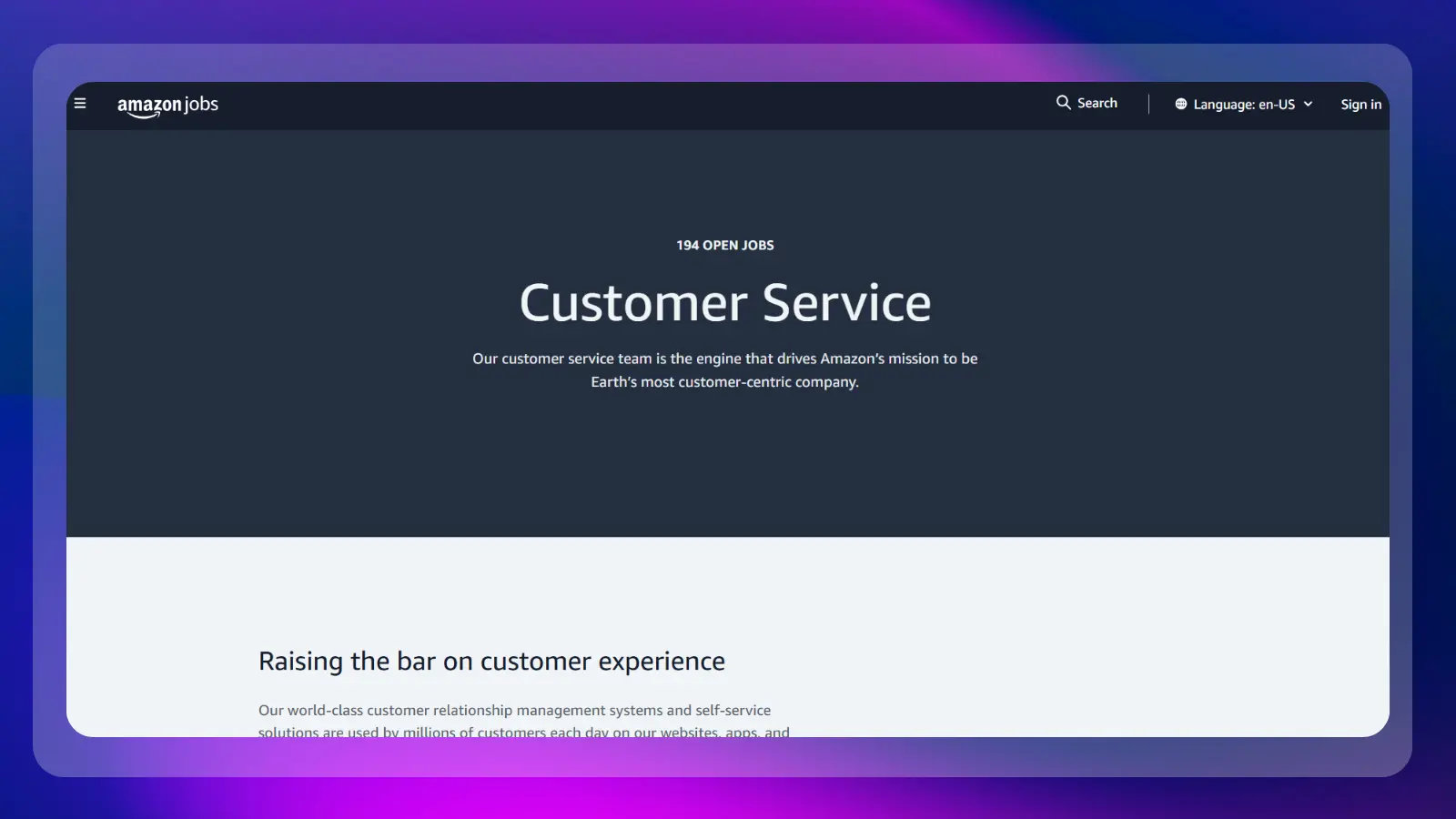
This Amazon role realistically pays $17 to $21 an hour for entry-level remote work, with pay climbing toward $25 an hour for tenured reps. Amazon remote customer service jobs like this one post under the “Virtual Customer Service Associate” title specifically, so searching that exact phrase surfaces more live listings than a general search. It’s the highest-volume single employer on this list, which makes it the fastest realistic starting point among remote customer service jobs for anyone without prior BPO experience.
These roles get posted on amazon.jobs under titles like “Virtual Customer Service Associate, Work From Home.” Overnight remote customer service jobs are genuinely built into this shift model, not an occasional exception to a standard daytime schedule.Many are explicitly Fixed-Term, seasonal positions tied to the holiday peak, rather than permanent seats. Checking the “Fixed-Term” versus “Regular” label on the specific listing matters if job security is a priority.
Amazon’s posting language also requires a noise-free environment at home, and recruiters may run a speed test to confirm technical requirements. A slow or shared home connection can disqualify an otherwise-qualified applicant before the interview stage even starts.
Getting started means clearing four checkpoints in order:
- Apply directly at amazon.jobs under the Customer Service category and filter for “virtual” or “work from home”
- Pass Amazon’s home internet speed test (a reliable, hard-wired connection is preferred)
- Complete the online assessment and interview, then a background check
- Attend paid, mandatory virtual training before your first live shift
The common mistake here is treating a Fixed-Term, seasonal posting as guaranteed year-round income, since many of these roles are tied to peak shopping seasons and end on a set date.

2. Delta Reservation Sales and Customer Care
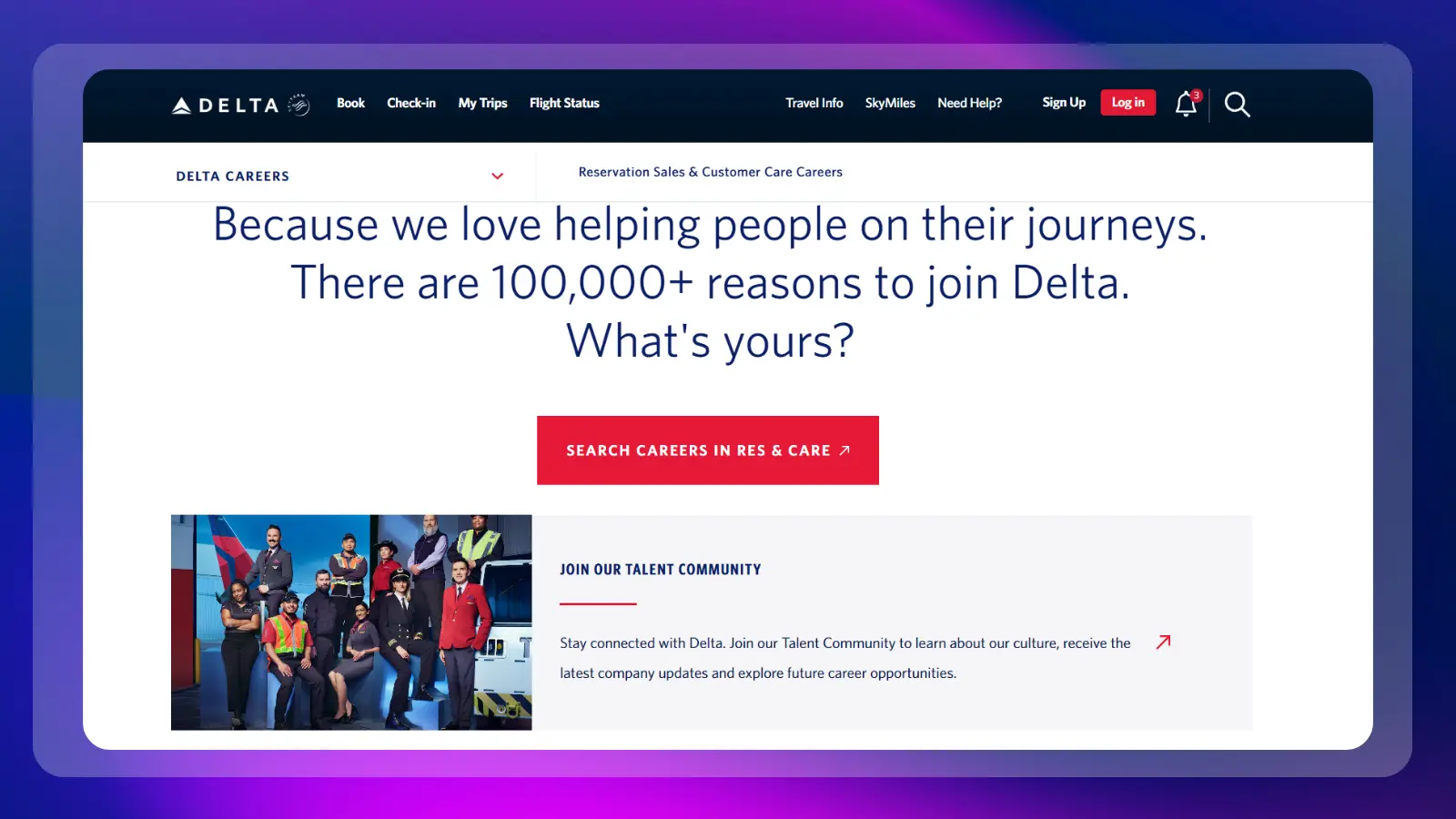
Delta’s Reservation Sales Agent role is the highest-paying job among these remote customer service jobs, with a realistic range of $20 to $31 an hour and an average around $25. Delta remote customer service jobs like this one clear the highest pay ceiling on this entire list, though the paid training runway runs longer than most other entries. That top figure marks the ceiling for an experienced agent, not the wage a new hire starts at.
Delta’s own careers page describes a 10-week paid training period, with Customer Engagement Centers in cities like Atlanta, Dallas, Minneapolis, and Tampa. Airlines remote customer service jobs commonly follow that same on-site-training-first structure before the role goes fully remote.
These seats aren’t remote from day one. Treat “remote” here as remote-eligible after training, not remote from the first day, and confirm the specific posting’s remote start date before counting on it.
Delta hires reservation sales agents in defined hiring windows rather than year-round, so timing matters:
- Apply through delta.com’s own Customer Care and Reservations careers page, not a third-party job board
- Have one to two years of customer service, travel or airline experience ready to show; it’s preferred, not always required
- Expect a GDS (global distribution system, the reservation software airlines use) skills question if you’ve used Sabre, Amadeus or Galileo before
- Plan for a paid, roughly 10-week training period before your schedule normalizes
Delta remote customer service jobs open and close around those specific hiring windows, so checking whether one is currently open saves a wasted application. The common mistake is applying expecting day-one remote work, then being surprised when the on-site training requirement surfaces. Read the location and training terms on the specific posting first.
3. Concentrix Work-From-Home Customer Service Representative
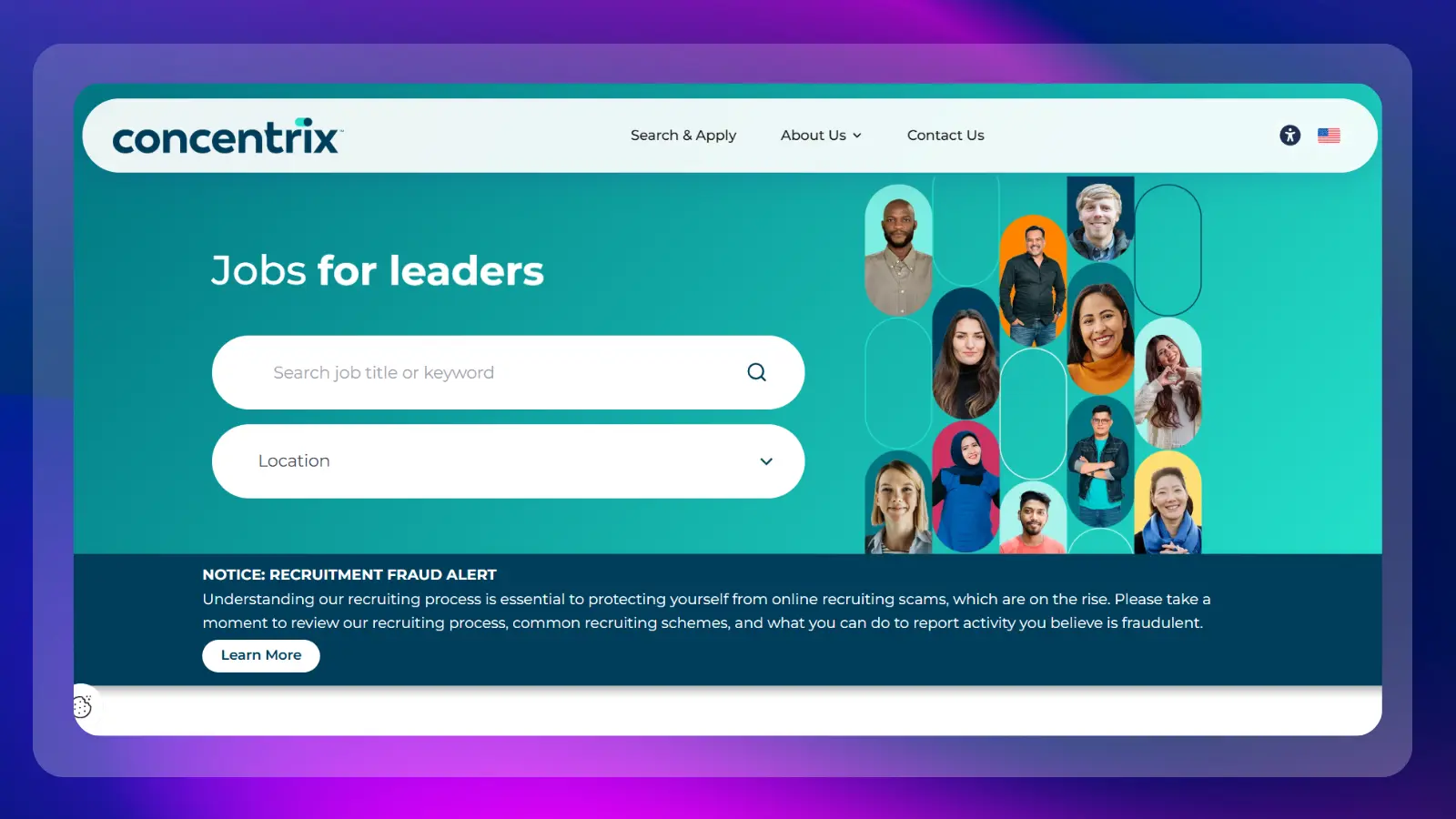
Concentrix, one of the largest BPOs hiring remote agents, pays a realistic $17 to $24 an hour for work-from-home customer service roles, averaging around $20 an hour. Running dozens of different client programs at once means real variety among remote customer service jobs here, well past what a single-brand employer like Amazon or Delta can offer.
Work from home remote customer service jobs at this scale are worth comparing program by program, since pay varies more by client account than by the employer name on the offer letter.
Concentrix’s own careers portal posts openings by client program and location, giving applicants a real shot at matching a program to their background and preferred pay tier. Checking a program’s remote eligibility for your state before applying is the one step worth doing carefully, since certain client contracts come with their own licensing or data-security rules.
Here’s how to start:
- Search jobs.concentrix.com and filter specifically for “work from home” or “virtual,” not just “customer service”
- Confirm the listed program’s remote eligibility for your state before applying
- Complete a virtual interview and a computer or typing assessment
- Expect paid training on your assigned client’s specific software before you take live calls
Pay flexes by program rather than sitting at one flat company-wide number, and a tech-support program can land meaningfully higher than a general retail-support one, so there’s real room to aim for the better-paying end.

4. TTEC @Home Remote Customer Service Representative
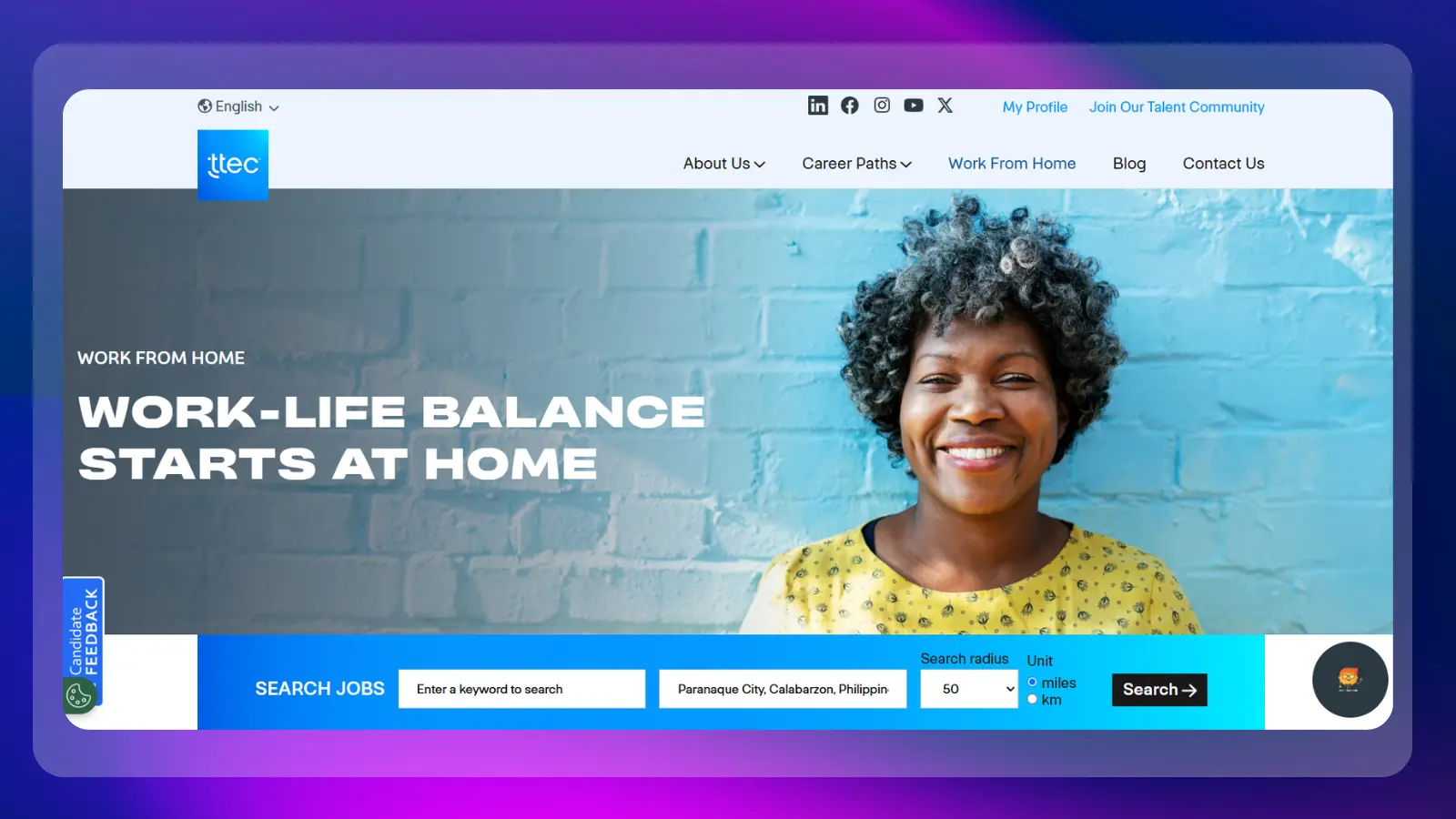
TTEC’s @Home program hires remote customer service reps starting around $16 to $19 an hour plus performance bonuses, with a broader realistic band of $19 to $27 an hour once tenure and program are factored in. TTEC hires at scale across many named brands, and it’s one of the few remote customer service jobs on this list open to 17-year-olds with a high school diploma or GED.
TTEC’s own work-from-home FAQ is specific about equipment, requiring a Windows-based PC, high-speed internet, and a headset. Remote customer service jobs from home like this one live or die on that exact equipment checklist, more than on any interview answer. Apple, Chromebook, and tablet devices aren’t supported. That trips up applicants coming from other remote CS programs that ship a laptop, so checking the specific program’s equipment page before applying saves a wasted application.
Start here:
- Confirm you have a Windows PC (not a Mac, Chromebook, or tablet) and hard-wired high-speed internet before applying
- Apply at ttecjobs.com and complete the roughly one-hour online application and computer skills assessment
- Pass a background check
- Complete paid training, which can run a few days to several weeks depending on the client program
Applying on a Chromebook or tablet and getting rejected at the technical-compatibility stage is the single most avoidable mistake here, so check the hardware requirement first.

5. Foundever (Formerly Sykes) Work-From-Home Agent
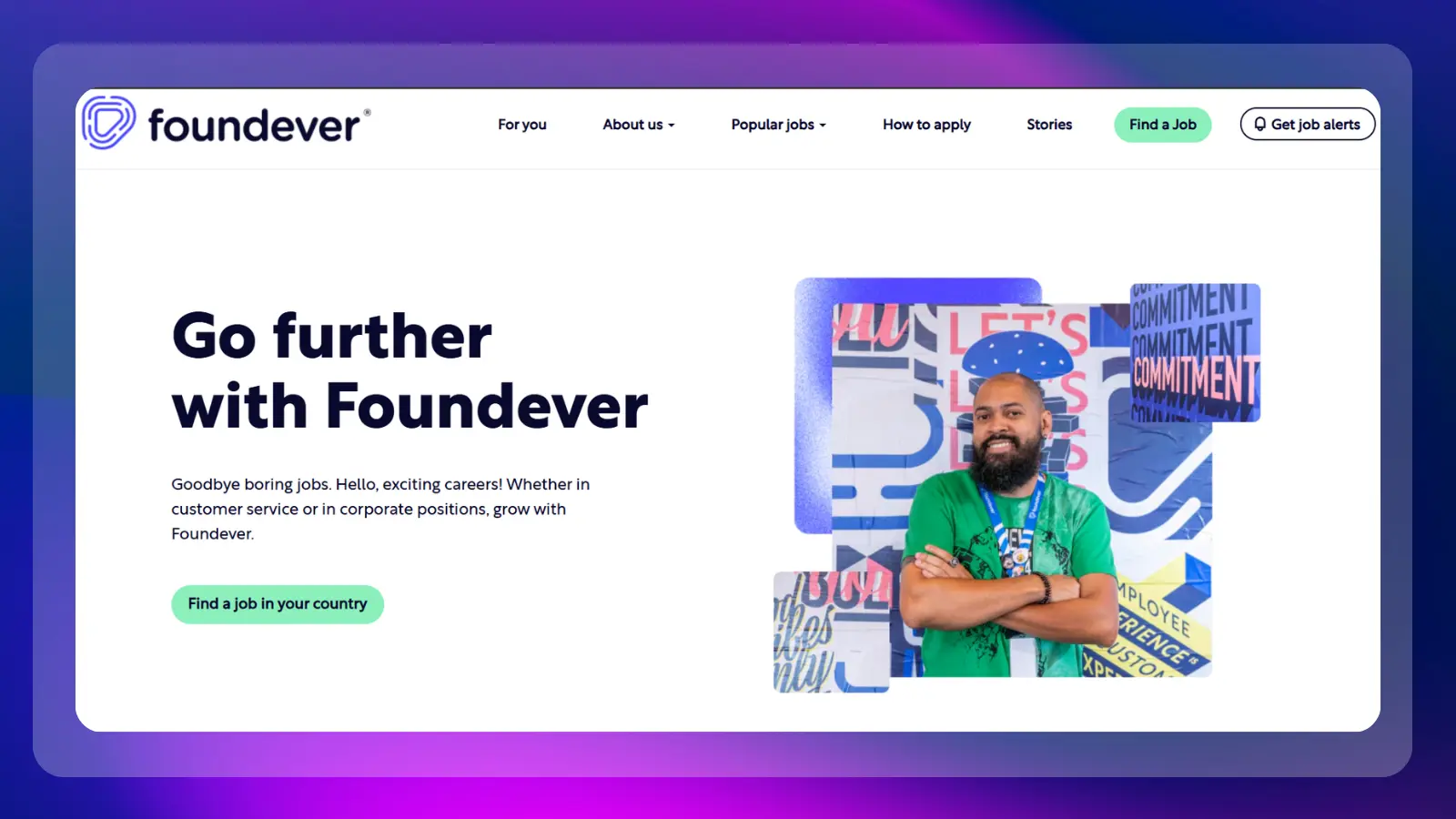
Foundever pays a realistic $17 to $24 an hour for work-from-home customer service reps, averaging about $20 an hour. Remote customer service jobs from home under this brand still route through the current post-rebrand portal, not the older Sykes-branded pages still floating around search results.
Anyone who remembers this company as Sykes is looking at the same employer under its post-2022 name, and searching the old name still turns up legacy postings and reviews mixed in with current ones.
That rebrand matters practically. Salary data still splits across both the “Foundever” and “Sykes Remote Work At Home” listings, with the Sykes-branded pages showing a slightly higher average around $27 an hour, most likely reflecting older, higher-tenure programs rather than a real pay difference by name.
The common mistake is applying through an outdated Sykes-branded job link instead of the current jobs.foundever.com portal, where live openings actually get posted now.
Getting started:
- Apply directly at jobs.foundever.com, the current post-rebrand careers portal
- Pick a client program during application; travel, retail, tech support, and healthcare are common categories
- Complete a virtual assessment and interview
- Complete paid training specific to your assigned client before taking live contacts
Don’t judge pay or legitimacy from old Sykes reviews without confirming the program itself still exists under Foundever.

6. Progressive Insurance Customer Service Representative
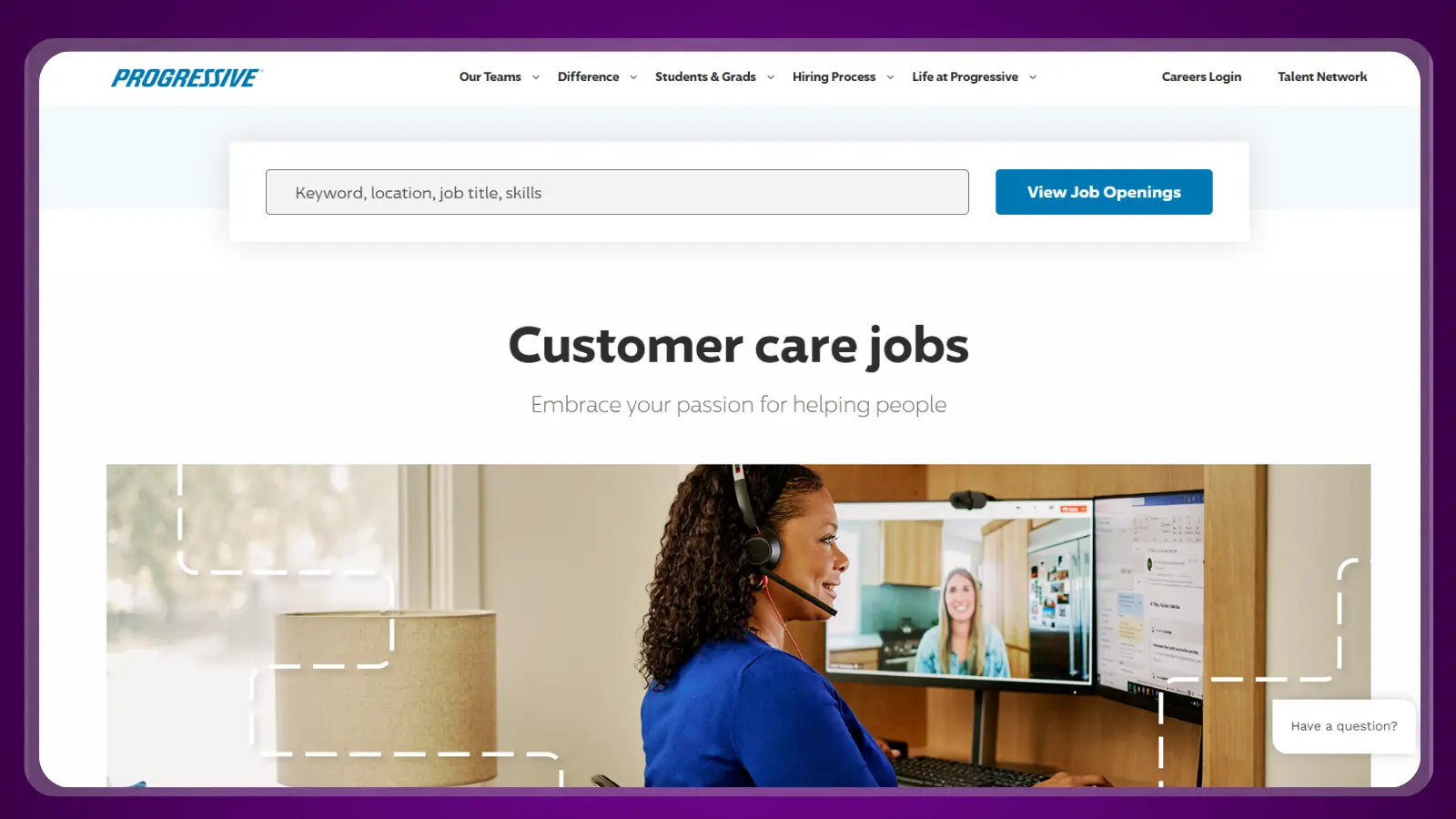
Progressive pays a realistic $17 to $24 an hour for its remote customer service and inbound sales representatives, and it’s the insurance-industry alternative among these remote customer service jobs, handling policy questions, claims support, and coverage sales instead of general retail or tech tickets.
Positions span claims customer service, general policy support, inbound sales, and bilingual customer care, all built around inbound-only calls. No cold calling happens here, since customers are the ones initiating contact. A comprehensive benefits package and real career-growth paths within the company come standard with the role.
To apply:
- Visit careers.progressive.com and search customer service or customer care openings
- Confirm the role’s home-office requirements (a distraction-free workspace and a hardwired internet connection)
- Complete the online assessment and interview
- Finish paid training before taking live customer calls
Common mistake: assuming every Progressive customer service role is licensed insurance sales. Some positions require obtaining a property and casualty license after hire, while others stick to general policy support, so checking the specific listing avoids a mismatched expectation.

7. Working Solutions Independent Contractor
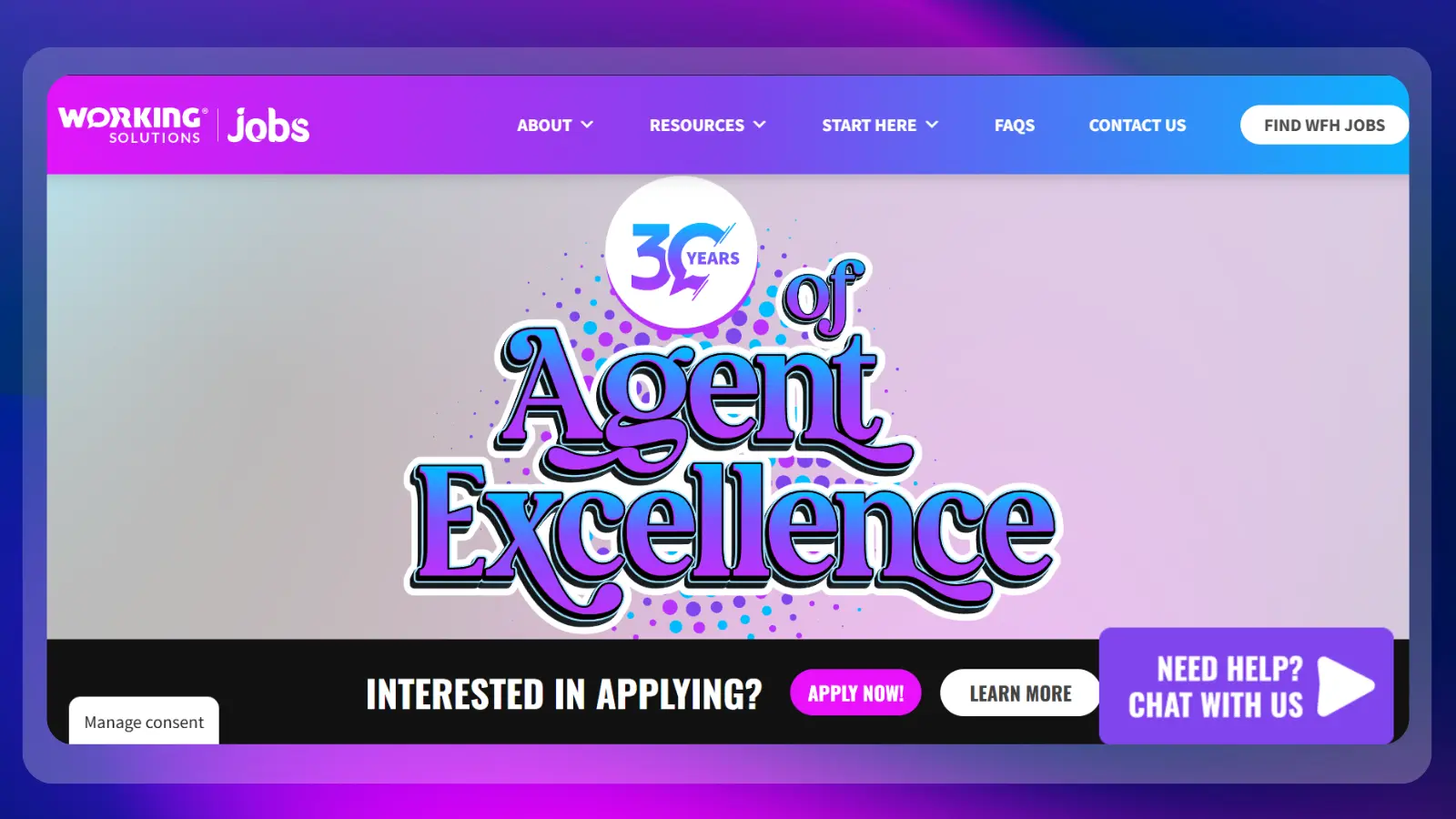
Working Solutions pays independent contractors $0.25 to $0.31 per productive minute, which realistically works out to $15 to $19 an hour once a program’s guaranteed-minute floor is factored in. Unlike the employee roles above, this is 1099 contractor work with genuinely flexible self-scheduling, making it one of the better remote customer service jobs for stacking hours around another commitment. Part-time remote customer service jobs like this one are built around filling open call blocks, not clocking a set number of weekly hours.
Working Solutions joins its contractor network with zero fees and never asks for financial information during the application, a clean track record worth knowing in a space where scams love to charge upfront. Pay runs on productive minutes, with most programs building in a guaranteed floor of around 30 minutes per scheduled hour, so steady call volume is what turns a scheduled block into a fully paid one.
How to start:
- Apply at jobs.workingsolutions.com; note it’s desktop or laptop only; mobile devices can’t complete the application
- Pass the required PC scan confirming your equipment meets the technical standard
- Choose a client program; retail, tax, and home-services accounts rotate seasonally
- Self-schedule your working blocks once certified; no fixed shift is required
Getting the most out of this one means treating certified availability as an opportunity to fill, not a guaranteed paycheck. Staying active during peak call windows is what pushes earnings toward the higher end of that range.

8. Liveops Independent Agent
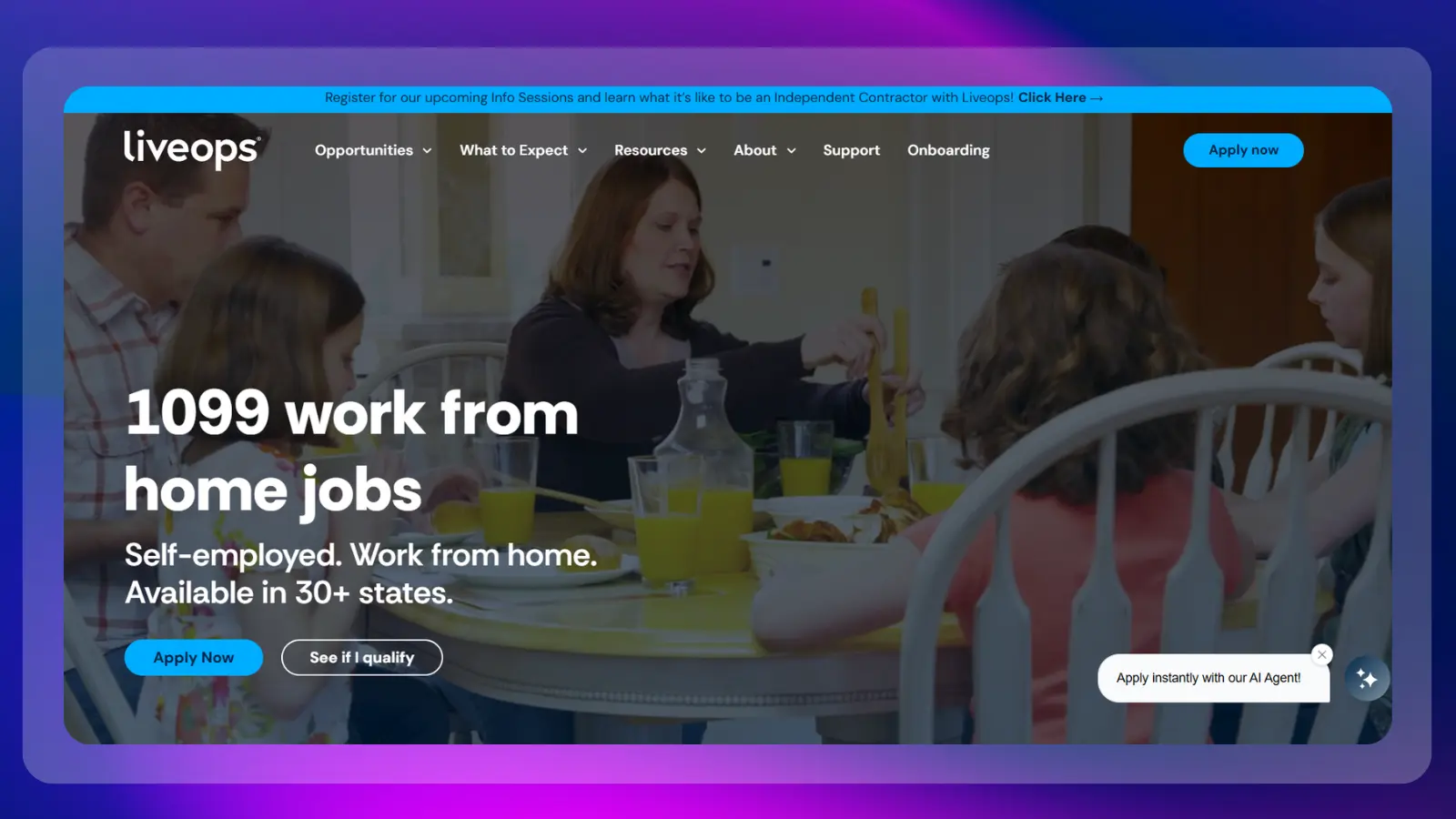
Liveops pays independent agents a talk-time rate of 25 to 34 cents a minute depending on the client program, which realistically lands around $15 to $27 an hour once commission incentives on sales-based programs are factored in. Liveops is the most schedule-flexible of these remote customer service jobs, letting you book work in blocks as short as 30 minutes rather than committing to a shift. Part-time remote customer service jobs structured this way suit anyone stacking hours around childcare or a second job specifically.
Certification courses come free, though a real, non-refundable background-check fee of $35.00 goes to a third-party vendor before onboarding completes. Overnight remote customer service jobs fit especially well here, since agents choose their own blocks instead of working a schedule someone else sets.
LiveOps doesn’t support Mac computers for most programs, and pays twice monthly via invoice, check, or direct deposit for the prior two weeks of work. Since payment is agent-initiated rather than automatic, submitting invoices on time keeps that schedule running smoothly.
How to start:
- Apply at join.liveops.com and confirm you’re 18+ and a legal U.S. resident in an eligible state
- Confirm your computer isn’t a Mac (most programs require a PC) and that you have wired internet
- Pass the required background check ($35.00, non-refundable, via YardStik)
- Complete certification training, then submit invoices for your worked minutes twice a month
Budgeting around talk minutes actually completed, rather than hours scheduled, keeps expectations realistic and lines income up with the per-minute structure this platform runs on.
9. Arise Virtual Solutions Certified Service Partner
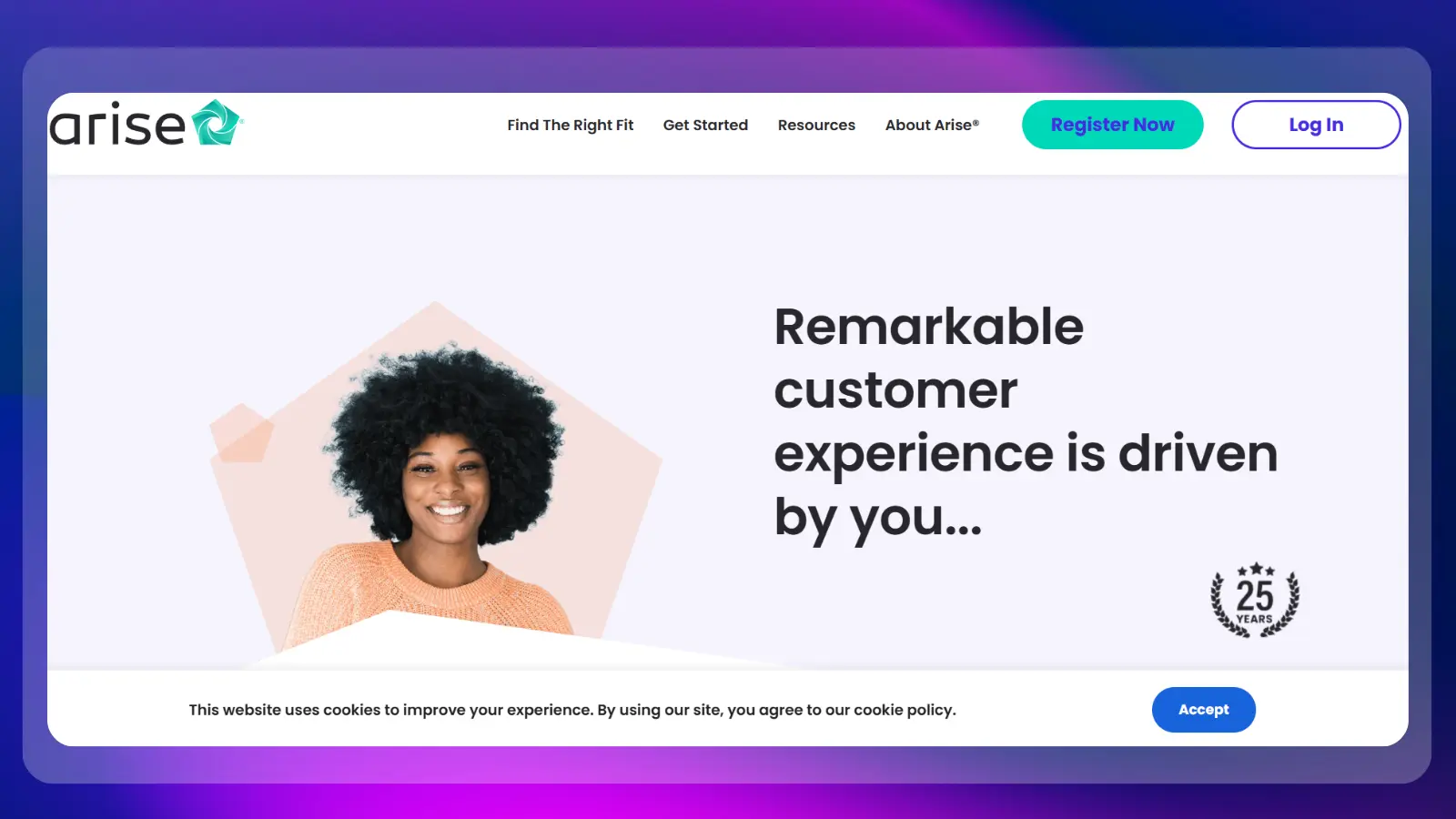
Arise isn’t a job in the traditional sense. It’s a business-to-business platform where you register your own small business, an LLC, S-corp, or C-corp, to service Arise’s client programs, with pay negotiated by that business rather than set by Arise itself.
This is the most business-ownership-flavored option among these remote customer service jobs, built for anyone who wants to run a small customer-service operation rather than simply take a job. Remote customer service jobs part-time in this business-ownership format come with their own tax and setup responsibilities that a standard employee role never asks for.
The current fee structure runs at 5% of a business’s invoice total, excluding referral revenue, replacing the earlier flat twice-monthly charge. Per-client certification courses and a background check add to startup cost too, worth planning for as part of setting up the business rather than a one-time hurdle.
How to start:
- Register a qualifying business entity (LLC, S-corp, or C-corp) before contracting with Arise
- Apply and select a client program on Arise’s own site
- Pay the program’s certification course fee (reportedly $25 to $249) and pass a background check (about $30)
- Budget for the ongoing 5%-of-invoice platform usage fee once actively servicing clients
Treating this as a genuine business launch, complete with its own tax responsibilities and startup costs, sets expectations right from the first application.

10. ModSquad Freelance Customer and Community Support
ModSquad pays freelance “Mods” $15 to $27 an hour depending on the project and how niche the language or technical skill involved is. Remote customer service jobs part-time built this way reward whoever builds a language or technical niche early, since that’s what moves pay toward the top of the range.
ModSquad hires 1099 contractors who choose which open projects to apply for, spanning phone, email, and chat-based customer support as well as community moderation work. Mods with a rarer language pairing or a specific technical skill land toward the higher end of that range.
It’s the most project-driven, pick-your-own-client option among these remote customer service jobs, closer to freelancing than to a call-center shift, ideal for anyone chasing variety over routine.
Payouts run monthly via PayPal, a slower cycle than the biweekly rhythm at Working Solutions or LiveOps. Planning cash flow around that monthly lag from the start makes the transition smoother, especially while waiting on that first payment to land.
How to start:
- Apply to become a “Mod” at join.modsquad.com
- Browse open customer-support and community-support projects once approved
- Apply to specific projects that match your language skills or technical niche
- Set up PayPal to receive your monthly payout
Building a project portfolio across a language or technical niche early on is what moves earnings toward the top of that range over time.

How These Remote Customer Service Jobs Compare
These ten remote customer service jobs are split into three setups. LinkedIn remote customer service jobs postings are worth checking too, particularly ones tied to a company’s own verified page rather than a reposted listing. Airlines remote customer service jobs sit toward the higher-pay, longer-training end of that same comparison.
There are W-2 employee roles with a fixed hourly wage, 1099 contractor gigs paid by the minute or project, and one B2B platform where you run your own business. That difference changes what your first paycheck looks like and how fast it arrives, so the table below lines up structure, pay, and startup cost side by side, including how much of the work is genuinely passive versus hands-on.
| Method | Type | Typical Pay | Startup Cost | First Paycheck | How Passive Is It |
|---|---|---|---|---|---|
| Amazon Virtual CS Associate | W-2 employee | $17-$21/hr | $0 | ~2-4 weeks | Not passive: fixed live shifts |
| Delta Reservation Sales | W-2 employee | $20-$31/hr | $0 | After 10-week paid training | Not passive: fixed live shifts |
| Concentrix Work-From-Home CSR | W-2 employee | $17-$24/hr | $0 | ~2-4 weeks | Not passive: fixed live shifts |
| TTEC @Home | W-2 employee | $16-$27/hr | $0 (own Windows PC required) | ~2-3 weeks | Not passive: fixed live shifts |
| Foundever Work-From-Home Agent | W-2 employee | $17-$24/hr | $0 | ~2-4 weeks | Not passive: fixed live shifts |
| U-Haul CSR (Work From Home) | W-2 employee | $15.38-$20.91/hr | $0 | ~2-4 weeks | Not passive: fixed live shifts |
| Working Solutions Contractor | 1099 contractor | $0.25-$0.31/min | $0 | ~Biweekly once certified | Semi-flexible: you set your own blocks |
| Liveops Independent Agent | 1099 contractor | $0.25-$0.34/min | $0 cert, plus $35.00 background-check fee | Twice monthly (invoice) | Semi-flexible: 30-minute self-booked blocks |
| Arise Service Partner | B2B (own business) | Negotiated by your business | $25-$249 cert, plus ~$30 background | Twice monthly, after cert | Active management: you run the business |
| ModSquad Freelance Mod | 1099 contractor | $15-$27/hr | $0 | Monthly (PayPal) | Semi-flexible: pick your own projects |
How This List Was Built
Every entry above had to clear three bars: a real, named employer or platform with published pay, a genuinely remote or remote-eligible role, and a documented, checkable way to start applying today.
That cut out anonymous job-board postings with no verifiable employer behind them, along with any listing asking for payment before hiring, a pattern that quietly runs through a lot of remote customer service jobs surfacing in a generic search. ZipRecruiter remote customer service jobs postings needed that same named-employer verification before making this list.
Hiring volume and pay transparency broke the remaining ties, which is why Amazon and Delta lead the list, with gig platforms filling out the flexible end. Amazon remote customer service jobs specifically account for the largest share of that hiring volume among everything reviewed for this list.
Stack Reward Apps on Top of a Remote Customer Service Job

Reward and cashback apps won’t replace the paycheck from one of these remote customer service jobs, but they realistically add $20 to $100 a month in free time between shifts, with zero schedule conflict. They run passively on your phone while you’re between calls or off-shift, so they cost nothing but attention and don’t compete with your job’s hours.
Pick one or two you’ll actually open during downtime instead of installing every app on this list:
Start with Snakzy, Eneba’s own reward app, for a wider range of ways to earn between shifts. Join Snakzy for free and let it run in the background while you work your actual remote customer service job.
Play to earn cash today

How Remote Customer Service Reps Can Stack a Second Income Stream
Working two remote customer service jobs at once can realistically add $200 to $600 a month, without learning a new skill. The same phone, chat, and email fluency that got you hired at Amazon or Delta is exactly what Working Solutions, LiveOps, and ModSquad need.
Why the Skill Transfers Directly
This is a genuinely growing lane, not a shrinking niche. Freelance customer-service job postings on FlexJobs nearly doubled during the second half of 2025. That reflects real demand for these side hustles pattern. If you already pass a speed test and a background check for one remote customer service job, you clear most of the bar for a second one at a gig platform. The interview questions barely change between employers hiring for these roles.
What to Watch Before You Double Up
Check your primary employer’s moonlighting policy first. Some W-2 call-center employers, particularly airline and financial-services programs, restrict outside customer-service work in writing because of compliance and confidentiality rules.
A real common mistake is picking up a second CS gig without checking your current offer letter or employee handbook for a moonlighting clause; see our part-time jobs guide for other flexible options to weigh against a second CS gig.
What Doubling Up Costs at Tax Time
A second income from a 1099 gig platform isn’t withheld the way your primary paycheck is, so you owe self-employment tax on top of regular income tax on whatever you earn from Working Solutions, LiveOps, or ModSquad. Set aside roughly a quarter of that second income for taxes as you go, per the IRS’s own guidance on estimated quarterly payments for self-employment income, so a big bill in April doesn’t catch you off guard.
What Doesn’t Work for Remote Customer Service Jobs
The two patterns that waste the most time and money among remote customer service jobs are upfront-fee “certification kit” scams and copy-pasted postings with a fake application link swapped in. Both prey on the high search volume around remote customer service jobs hiring immediately, since urgency-shopping applicants tend to skip verifying the source.
- Paying upfront for a “certification kit” or “starter package”: the FTC warns that any job requiring payment before hiring is almost always a scam. Legitimate certification costs, like Arise’s, run through the company’s own registered site, not a random job-board link.
- Fake “$31 an hour, hire immediately, no interview” postings: a real airline or BPO role always includes a structured interview and, on most programs, a background check. Zero-screening postings are borrowing a real pay figure to look credible. Remote customer service jobs hiring immediately are a real category, but any listing skipping both the interview and the background check is borrowing that urgency rather than earning it.
- Overpayment or fake-check scams tied to “equipment reimbursement”: legitimate employers like TTEC and Amazon either ship equipment directly or require existing qualifying hardware, so any “employer” sending a check and asking for a wired difference is a red flag.
- Mistaking a B2B platform for a job offer: applying to something structured like Arise expecting a W-2 paycheck and hitting a business-registration requirement instead isn’t a scam, but it’s a real, avoidable mismatch worth checking for upfront.
Verifying the employer on its own careers site, refusing any upfront fee, and confirming employee-versus-contractor status before applying filters out most of what makes remote customer service jobs risky to chase. That same verification step applies to linkedin remote customer service jobs specifically, since a company page badge doesn’t guarantee the linked posting itself is current.
Final Verdict on Remote Customer Service Jobs
For most people starting today, remote customer service jobs point toward Amazon’s Virtual Customer Service Associate role as the strongest overall pick. It combines the highest hiring volume, a $0 upfront cost, and pay of $17 to $21 an hour with no resume-screen bottleneck. Anyone chasing a higher ceiling should look at Delta’s reservation sales program instead, which tops out at $31 an hour after a 10-week training runway most other options skip.
Childcare or a second job calls for Working Solutions or LiveOps over any fixed-shift employee role, since both allow self-scheduling in short blocks with no sign-up fee. Stack a free app like Snakzy on top once that paycheck starts landing, which turns downtime between shifts into a little extra cash.
Start with whichever of these remote customer service jobs matches how much structure versus flexibility fits this month.
Play to earn cash today
FAQs
Yes. Employers like Amazon, Delta, Concentrix, and TTEC hire real, W-2 remote customer service reps with published pay, background checks, and paid training. Treat any posting asking you to pay upfront for a “kit” or “certification” as a red flag instead.
Most entry-level remote customer service jobs pay $17 to $24 an hour. Delta’s reservation sales role reaches $25 to $31 an hour for experienced agents, and gig platforms typically land in a similar range once minimums and incentives are counted.
No, rarely on day one. Even fast-moving postings for remote customer service jobs hiring immediately usually still require a background check and a few days to weeks of paid training before your first live shift.
Yes. Gig platforms like Working Solutions, LiveOps, and ModSquad let you self-schedule part-time remote customer service jobs in short blocks, while some employer programs also offer reduced-hour schedules on request.
To start a remote customer service job at home, you need a quiet, noise-free space and a reliable high-speed internet connection that can pass a speed test. Several programs also require a specific computer type, like TTEC’s requirement for a Windows PC, not a Mac or Chromebook.