


How To Learn Character Design: A Beginner’s Roadmap for 2026

Eneba Hub contains affiliate links, which means we may earn a small commission if you make a purchase through them—at no extra cost to you. Learn more


Recent update
Try Udemy for structured character-drawing lessons, then apply each lesson to an original character.
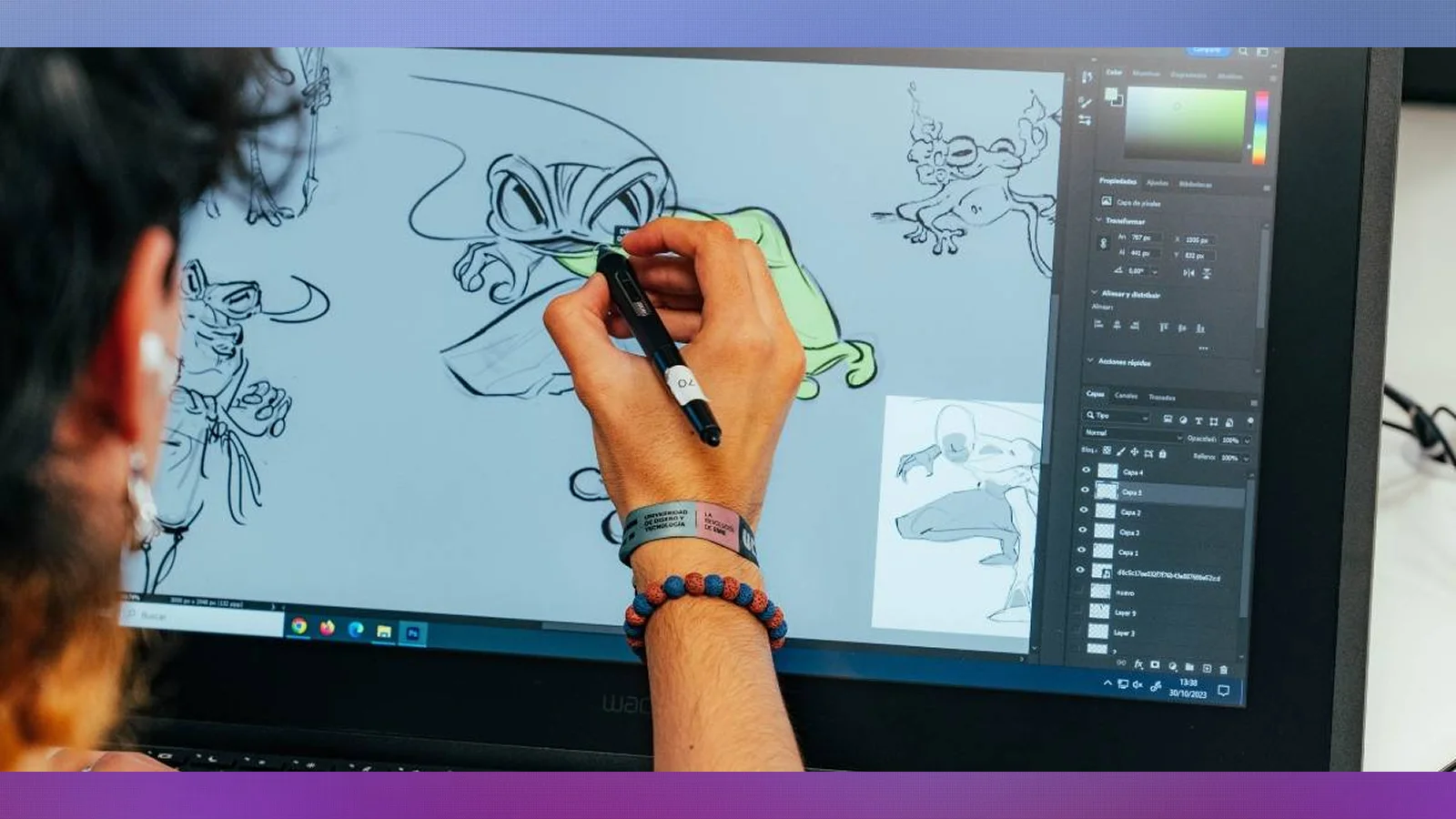
Understanding how to learn character design starts with a repeatable drawing process: study fundamentals, explore visual choices, and finish an original character. This roadmap connects drawing fundamentals, course choices, and practice projects so you can build a character with a clear visual identity. It suits hobbyists and game-art beginners who can sketch a basic figure but need direction.
Free tutorials cost nothing, but they tend to be scattered. A paid course, which can cost under $15 on sale, gives you a lesson order and moves faster. Expect a few weeks of regular practice for the basics. Character design for beginners works best when each lesson leads to a drawing you can assess.
This guide covers the tools, a step-by-step path, courses, practice projects, and fixes for common drawing mistakes.
Jump to:
Character Design at a Glance
Learning character design takes a drawing surface and a practice sequence. This table gives the fast answer to how to learn character design and what starting out requires, so you can plan character design for beginners before you choose a course.
|
Cost to start |
Free with tutorials, and paid courses from $12.99 on sale |
|---|---|
|
Time to learn the basics |
A few weeks of regular practice to draw a consistent character |
|
What you need |
Pencil and paper or a drawing tablet, plus a structured course or tutorial series |
|
Main hurdles |
Inconsistent anatomy, weak silhouettes, and skipped fundamentals |
|
Beginner suitability |
High; no art degree is needed, and regular practice is enough |
Choose the kinds of characters you want to create next. Their intended use will shape your practice.
What Character Design Looks Like in Practice
Character design means giving a character a visual identity that fits their personality, role, and story. It involves decisions about body shape, clothing, expression, and movement, rather than simply drawing an attractive figure.
Different types of character design place different demands on those decisions. Understanding how to learn character design often starts with an application you care about:
- Game art: Player characters and non-player characters, or NPCs, need readable roles. A shopkeeper and a heavily armored enemy should communicate different functions through their shapes, even in a small project built in Unity or Godot.
- Comics and manga: Characters need recognizable features that survive repeated panels, changing expressions, and different viewing angles. A complicated costume becomes a practical drawing commitment.
- Animation: Expressive poses and repeatable construction help a character stay recognizable in motion. Disney-style art is one stylistic direction among many.
- Film concept art: Designs explore how a character could look within a story’s world. Clothing and props should support the setting instead of competing with it.
These types of character design overlap, so early studies can serve more than one goal. A character design tutorial becomes more useful when you can name the problem you’re studying: readability, expression, or consistency.
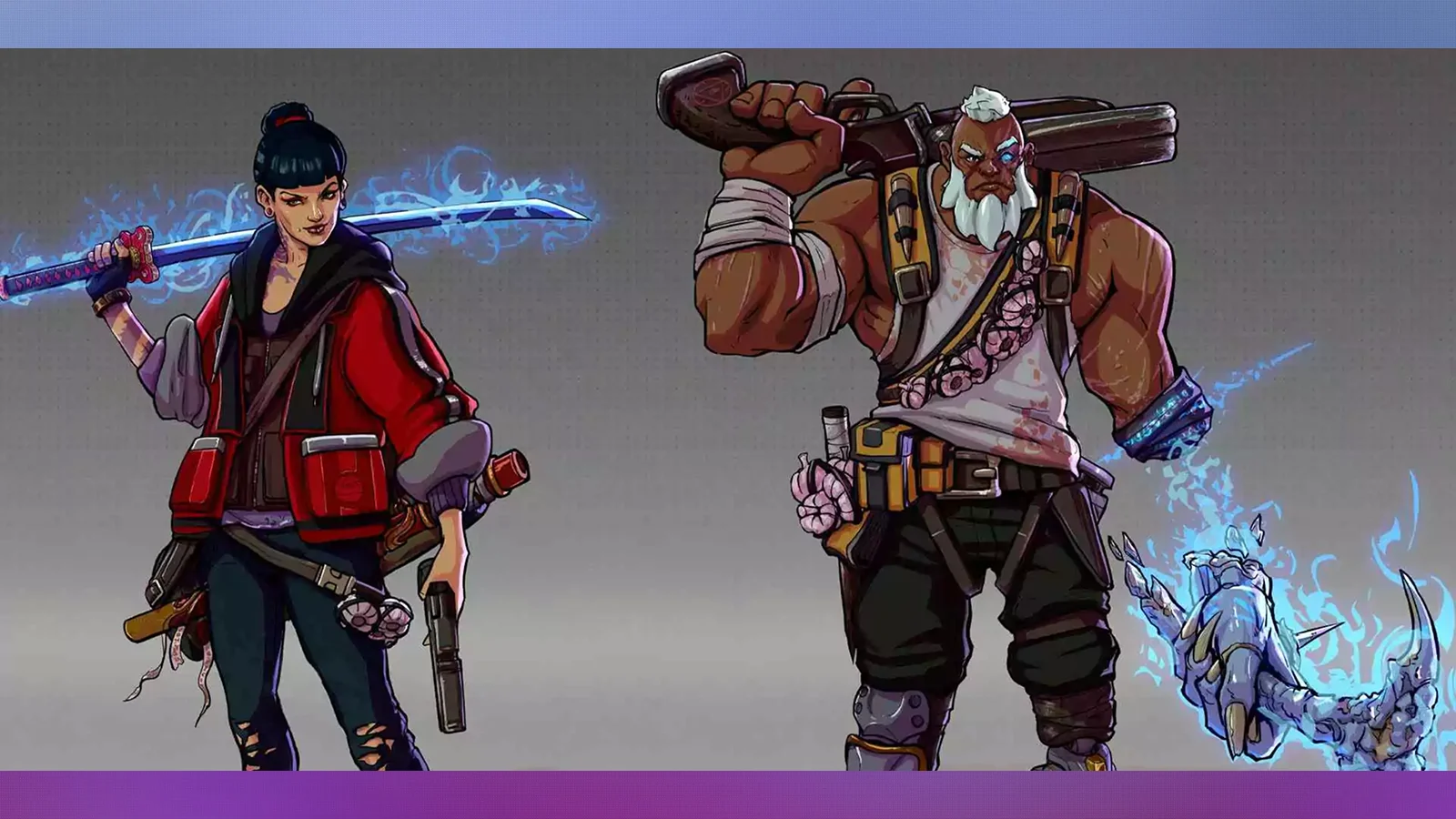
What You Need Before You Start Learning Character Design
You need a drawing surface and organized instruction to learn character design. Keep your setup familiar so learning software doesn’t compete with learning to draw.
Build your practice around these categories:
- Sketching tool: Use pencil and paper, or a drawing tablet and an application you already understand. Clip Studio Paint is an option for digital character work, and you can keep your current software.
- Reference library: Gather anatomy references, pose photographs, and costume examples. Separate observation studies from original designs so you can explain what each reference helped you understand.
- Lesson source: Choose an ordered course on Udemy, or organize a character design tutorial series around the roadmap below.
This keeps equipment decisions separate from drawing decisions.
For paid instruction, Udemy advertises promotional course pricing as low as $12.99, but offers can change, so treat it as sale pricing.
|
Tool |
Best for |
Price |
|---|---|---|
|
[FILENAME: udemy-logo] |
Structured, video-based character drawing courses |
Courses from $12.99 on sale |
|
[FILENAME: clip-studio-paint-logo] |
Digital character inking, coloring, and comic layout |
Subscription from $0.99/mo, or a one-time license |
Beginners discovering how to learn character design benefit far more from repeatable practice than a larger collection of tools. Use the same setup while you learn character design, then upgrade only to solve a specific limitation.
How To Learn Character Design: A Step-by-Step Path
Here’s how to learn character design in practice: move from simple construction to a finished character sheet. Expect a few weeks of regular practice for the basics and closer to a month for a first finished character. Advance when you can apply a concept without following the demonstration line for line.
The sequence below keeps each stage connected to the same original character.
Step 1: Build Basic Drawing Fundamentals
Practice loose lines, simple shapes, and solid forms as foundations of character design for beginners before polishing a face or costume. Draw boxes and cylinders at different angles, then combine them into a simplified torso or limb. Construction means using these basic forms to explain a figure’s volume.
Keep rough attempts visible so you can compare them with revisions. Character Art School: Complete Character Drawing opens with a module on art fundamentals and getting messy before refining lines, which keeps perfectionism from stalling you early.
A useful character design tutorial should help you understand why a form works, and should show more than marks to copy. Figuring out how to learn character design becomes much easier when you can rotate simple forms before adding complicated clothing.
Step 2: Learn Figure and Gesture Basics
Study gesture, the directional flow that communicates a pose’s action and balance. Start with the main movement through the body, then add the rib cage, pelvis, and supporting limbs. Identify where the character’s weight rests before refining anatomy. Also look at asymmetry and at how age and gender change a figure’s proportions.
Draw the same character standing, reaching, and carrying something. Check that the proportions remain consistent across those actions. Character design for beginners should include ordinary poses alongside dramatic ones: a believable resting stance can reveal balance problems that an action pose hides. Quick timed gesture drawings from photo references build this habit faster than slow, detailed studies.
Step 3: Study Character Composition and Design Essentials
Explore silhouettes, the filled outer shapes that remain when interior detail disappears. Compare broad and narrow forms, then decide where the viewer should look first. That area is the focal point, and contrast can help draw attention to it. Symbolism, the use of visual cues like a color or an accessory to hint at a character’s nature, belongs here too.
Give visual choices a reason. A traveling healer might carry an accessible medicine pouch, while a palace official might wear clothing that restricts movement. Different types of character design use these cues differently. Learning character design means linking appearance to purpose, so skip adding detail just because a sketch looks empty.
Step 4: Draw a Complete, Original Character
Write a short brief describing the character’s role, temperament, and environment. Sketch alternative silhouettes before choosing a direction, then develop the chosen figure with a readable pose and appropriate clothing. Use references to solve specific drawing problems instead of borrowing an entire design.
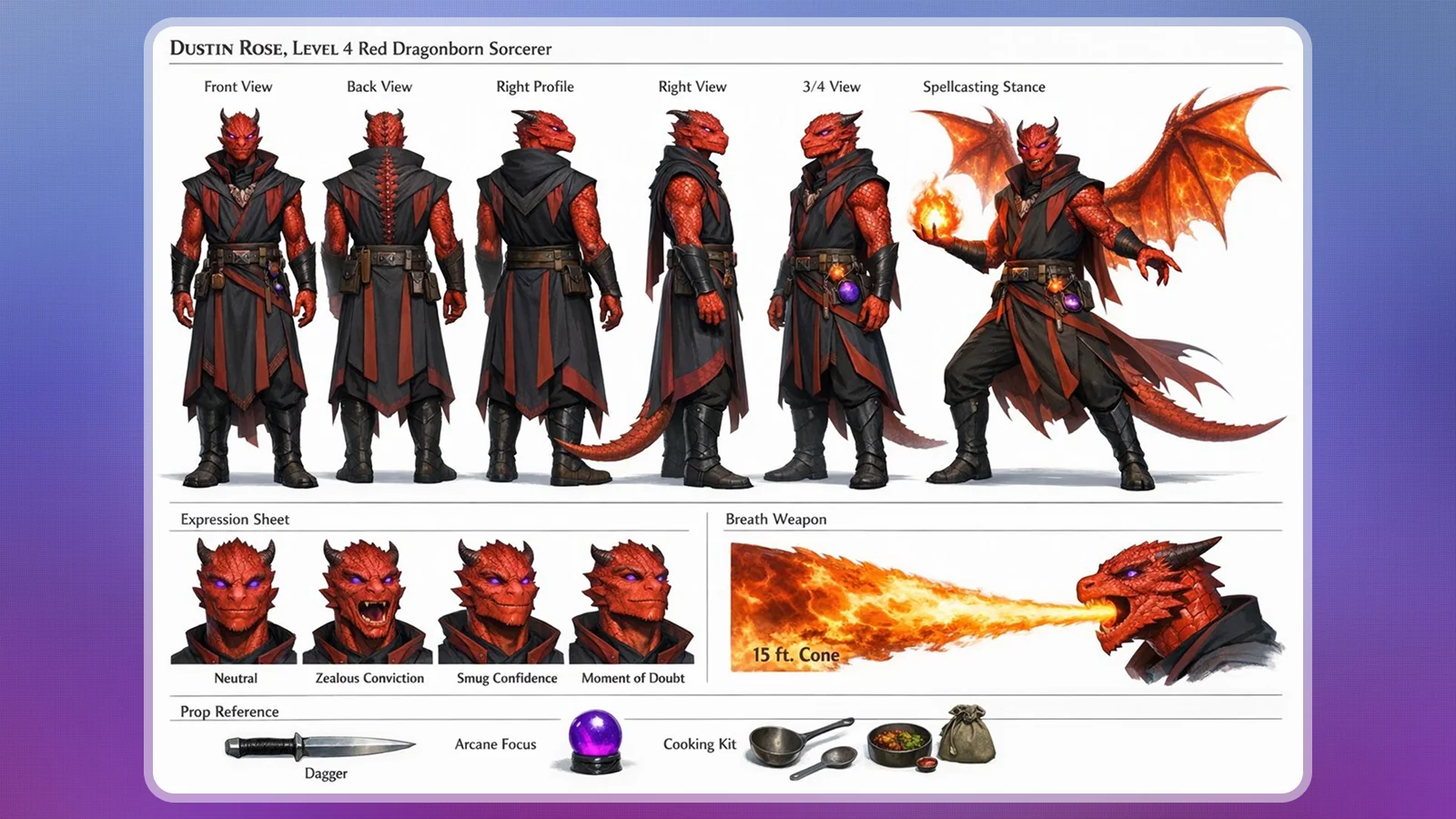
Build a character sheet, a page that explains the design through useful views and expressions. Keep head size, limb length, and costume placement consistent. You learn character design through these decisions and revisions, so retain the rough alternatives alongside the finished drawing. Labeling each view with the angle and a short note helps another artist redraw the character without guessing.
Step 5: Refine With Page Composition and Post-Production
Clean up the drawing only after the pose and silhouette communicate clearly. Arrange the page so the main view is easy to find, and give supporting views enough space to remain readable. Post-production means the final presentation adjustments, like removing stray marks or correcting contrast.
Review the sheet at a small display size. If the character’s role disappears, simplify competing details before adding more. Finish with a brief note about the design choice you would improve next. That gives your next practice session a concrete starting point.
Best Courses To Learn Character Design
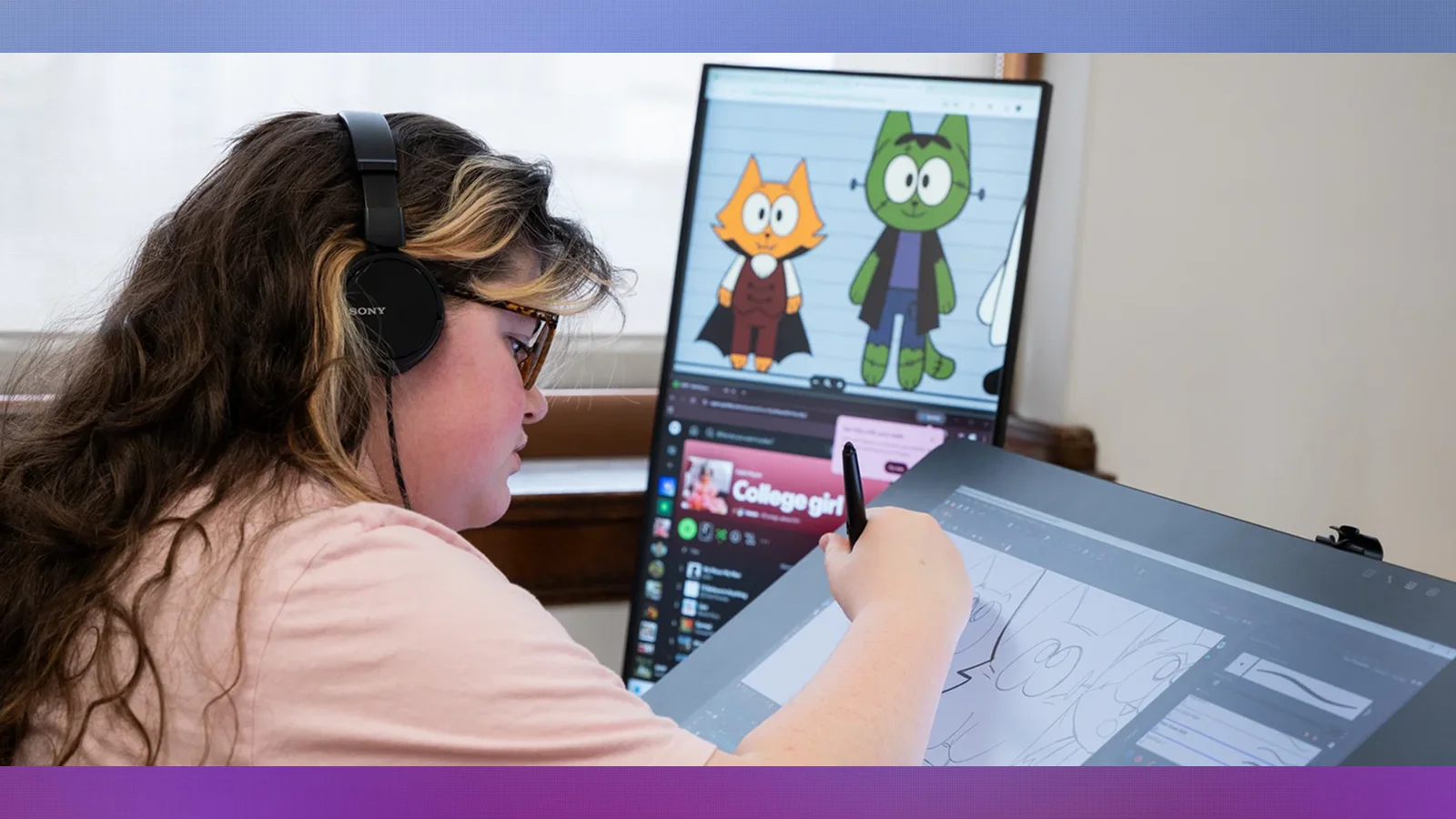
A structured course shortens the trial and error of learning character design alone. When figuring out how to learn character design, choose a broad drawing course before narrowing into specific niches like game art or comics. Exercises and independent drawings still do the heavy lifting.
Character Art School: Complete Character Drawing on Udemy is the best-fit starting course here for broad character-drawing study. Review the curriculum on Udemy for the drawing skills you need to practice.
The Udemy course page lists these video durations for the main course and related options:
|
Provider |
Course |
What it covers |
Price or duration |
|---|---|---|---|
 |
Character Art School: Complete Character Drawing |
Character drawing fundamentals, composition, and design for games, comics, and animation |
14.5 hours |
|
|
The Ultimate Character Design Course |
Broader character design techniques for illustration and games |
24 hours |
|
|
Character Art School: Complete Coloring and Painting |
Digital coloring and painting for finished character art |
19.5 hours |
|
|
Anatomy for Figure Drawing: Mastering the Human Figure |
Human anatomy fundamentals that support believable character proportions |
58.5 hours |
|
|
The Art and Science of Figure Drawing: GESTURE |
Gesture drawing for dynamic, lifelike character poses |
13.5 hours |
Choose a gesture-focused character design tutorial for stiff poses or anatomy lessons for inconsistent body construction. The types of character design you prefer can guide later specialization.
Beginner Projects To Practice Character Design
Finishing small projects exposes gaps that passive watching can hide. Deciding how to learn character design means choosing instructions you can immediately inspect, revise, and finish.
Work through these projects in order, with each one adding a new demand:
- A simple character turnaround: Draw a plainly dressed figure from the front, side, and back. Keep the outfit simple so you can focus on consistent proportions and matching landmarks across views.
- A silhouette lineup: Create a group of five contrasting characters using filled shapes. Give each a different role, then test if their outlines communicate those differences without facial features or costume decoration.
- A fairy-tale redesign: Reinterpret a familiar character for a different setting. Explain how their personality affects posture and clothing. The same story can call for different types of character design.
- An NPC for a small game: Design a character for a project in Godot or Unity. State the intended camera distance and role, then simplify details that would disappear during play.
- A finished color illustration: Present your original character in a pose with a clear focal point. This combines drawing, coloring, and composition in one piece. Check the drawing in grayscale, a view without color, to assess light and dark contrast.
These exercises make learning character design measurable through finished work. After each project, identify a specific weakness and choose a character design tutorial that addresses it.
Where Most Character Design Beginners Get Stuck
The biggest hurdle in how to learn character design is skipping the fundamentals, which leaves even polished drawings with structural problems. A detailed costume can’t correct an unbalanced pose, and a finished painting can still have an unreadable silhouette.
Use these fixes to keep learning character design focused:
- Skipping figure study: Return to gesture and simple body construction when a pose looks unstable. Check the supporting foot and the distribution of weight before adjusting individual muscles or clothing folds.
- Copying without analyzing: Separate what you observe from what you invent. Describe the reference’s silhouette and proportions, then apply the underlying idea to a different pose or character and avoid tracing the complete solution.
- Detailing too early: Resolve the large shapes before accessories, seams, and decorative marks. Compare the rough sketch with its silhouette; if the design is unclear there, line cleanup won’t solve the main problem.
- Switching lessons constantly: Follow an ordered character design tutorial sequence long enough to apply its fundamentals. When you study other types of character design, keep the same checks for balance, construction, and readability.
- Leaving every piece unfinished: Define a manageable finish before starting, and set a deadline for one finished piece each week. A readable character sheet can be the goal without elaborate rendering, a background, or a full cast of supporting characters.
A useful answer to how to learn character design includes revision. Character design for beginners stays manageable when each drawing has a purpose and each review produces a specific correction. Keep earlier versions so you can see which changes improved the design.
Outside feedback shows what your own eyes miss, so treat it as part of how to learn character design. Share a finished sheet in an online art community or a Discord art server, and ask one specific question, such as whether the silhouette reads at a glance. Test the most common comment in your next revision.
Final Verdict on Character Design
The best-fit path is structured instruction paired with original drawings. A beginner who commits a few hours a week should see clear progress within a month with a structured course and regular practice. If deciding how to learn character design keeps interrupting your practice, choose the recommended foundation course. Judge it by the concepts you can apply to your own character sheet without following a demonstration.
A paid course in character design for beginners is a poor fit for someone who wants progress without sketching or revision. A free character design tutorial may be enough if loose drawing is the goal and you enjoy organizing your own practice. Different types of character design can wait until the basic construction and presentation process feels familiar.
Choosing how to learn character design comes down to the structure you need to keep drawing. Pick an instructional path, finish a manageable character, and use the result to choose your next exercise.
FAQs
No. Construction, gesture, and silhouettes apply to every style, so how to learn character design starts the same way. Build solid basic forms first, then study manga and anime-style drawing.
No. Character design defines one character’s visual identity. Concept art covers wider visual ideas, such as environments, props, and mood, and character design can be one part of it.
Yes. Draw and finish the character first. A game engine like Unity or Godot only matters when you place a design in a small playable project, such as the NPC exercise above.
Yes, if you enjoy making characters. The closest U.S. Bureau of Labor Statistics category is special effects artists and animators, with a $102,030 median wage (May 2025) and little or no projected growth for 2025–35. Skill alone guarantees no job.
Figure drawing studies the body’s form, proportion, and movement. Understanding how to learn character design means taking those structural skills and using them to build a distinct visual identity through silhouette, costume, expression, and story.
Check the curriculum, ratings, and any preview lessons before you pay. Look for exercises you can repeat without the instructor. Trying one lesson first is a sensible step in how to learn character design.