


How To Become a 3D Animator: Tools and Steps for 2026

Eneba Hub contains affiliate links, which means we may earn a small commission if you make a purchase through them—at no extra cost to you. Learn more


START WITH A PROJECT
Start with Coursera for a guided character-animation project in Unreal Engine. Choose a course that matches the kind of work you want in your demo reel.
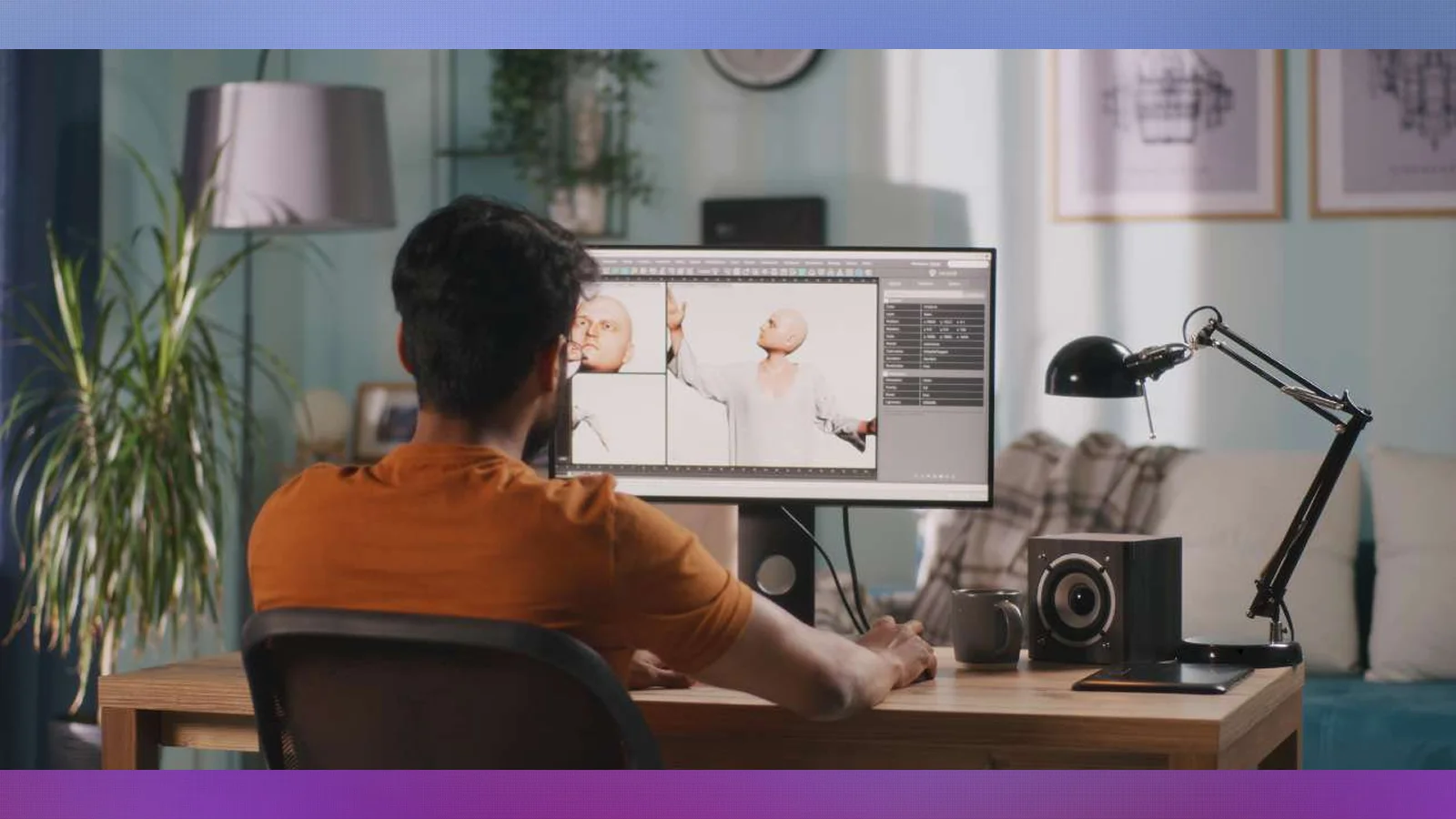
Here’s how to become a 3D animator: learn a 3D tool like Blender or Autodesk Maya, build a demo reel, and apply for entry-level roles once your portfolio is strong enough. Self-taught beginners often need 6 to 18 months to build a hireable reel, while a bachelor’s degree adds two to four years of school first.
The Bureau of Labor Statistics (BLS) puts median pay for the broader special effects artists and animators category at $102,030 annually. That figure covers every experience level, so it says little about a starting 3D animator salary or your odds of getting hired.
Open Blender‘s free download and follow a short tutorial, like animating a bouncing ball, before you commit to a paid software subscription.
This guide covers roles, qualifications, 3D animator software, pay, a practical roadmap, courses, and alternate careers. Students, career changers, and gaming hobbyists who want to become a 3D animator can use it to turn an interest in character movement into demonstrable production skills.
Jump to:
What Is a 3D Animator?
A 3D animator creates the illusion of movement in digital characters, objects, and scenes. They work in studios and game companies across games, film, television, and advertising. About 63% of the broader special effects artists and animators category is self-employed, according to the Bureau of Labor Statistics, and many work alongside specialists who build models, character controls, or visual effects.
Different 3D animator jobs cover different parts of that process. Becoming a 3D animator rarely means building every asset yourself, since studio animators often work with characters and environments prepared by other artists.
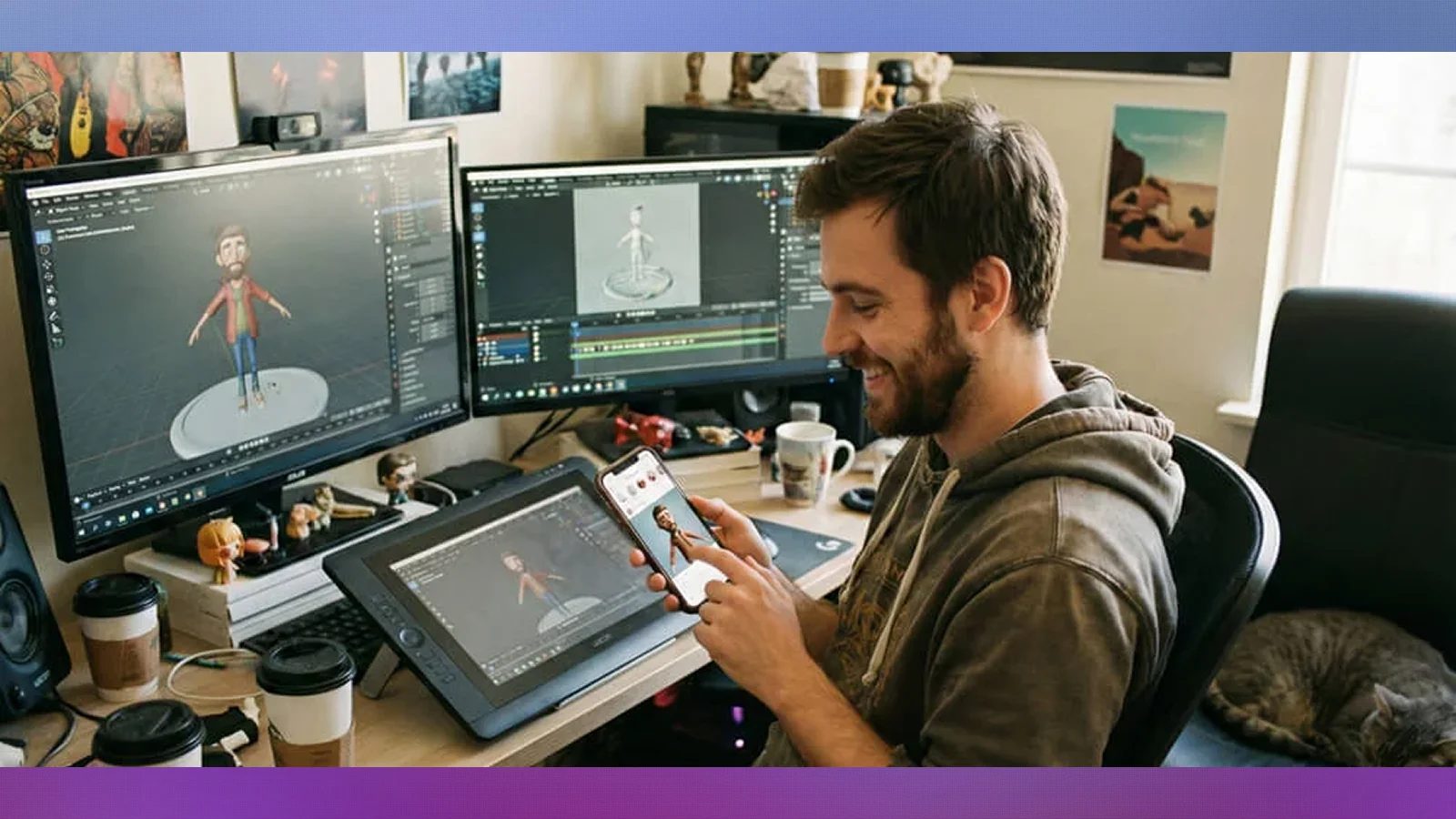
What Does a 3D Animator Do?
A 3D animator brings characters, objects, and environments to life through motion. A 3D animator job description centers on turning a creative direction into readable poses, then revising the movement against feedback and technical requirements.
If you want to know how to become a 3D animator, it’s important to understand the tasks involved:
- Model and rig characters: Build or adjust a character so it can move as needed. A rig is the skeleton and set of controls used to pose a model, and on larger teams a separate technical artist may build it.
- Set keyframes: Place important poses along a timeline. Refine the movement between those poses so weight, balance, and timing support the action.
- Polish animation: Correct sliding feet, awkward transitions, or unclear expressions. A convincing game character needs readable movement even when viewed during fast gameplay.
- Light and render scenes: Set up lighting and check rendered output when the role includes presentation work. Rendering turns scene data into finished images.
- Collaborate with the team: Interpret notes from directors or game designers. Check that movement supports the intended performance or gameplay behavior.
- Specialize: Focus on characters, backgrounds, or, in games, level design, which covers the look, feel, and layout of a game’s levels.
Daily work splits between creative animation decisions and technical fixes, so learning 3D animator software covers only part of the preparation. Observation, revision, and problem-solving matter just as much when you are becoming a 3D animator.
Roles in 3D Animation
The main tracks include character animation, game animation, VFX/simulation, and rigging or technical art. These tracks overlap, but 3D animator jobs can ask for very different portfolios.
Use the target role to choose your first project:
|
Role |
What you’d do |
Primary software focus |
First portfolio piece |
|---|---|---|---|
|
Character animator |
Create movement and expressive performances |
Blender or Autodesk Maya |
Walk cycle or facial-performance clip |
|
Game animator |
Build movement for interactive characters |
Unreal Engine |
A custom Metahuman character in a template level |
|
VFX/simulation animator |
Create effects like cloth or destruction |
Houdini |
Simulation clip with a process breakdown |
|
Rigging/technical artist |
Build skeletons and animation controls |
Autodesk Maya or 3ds Max |
Rig demonstration with clear controls |
Many beginners start in character or game animation because Blender and Unreal Engine are free and widely taught. Character exercises give beginners a focused way to become a 3D animator without attempting an entire short film. Choose 3D animator software around the work you want to demonstrate.
Professional preparation also includes presenting that work and communicating with clients. This course addresses that side of the career.
Pros and Cons of Becoming a 3D Animator
Becoming a 3D animator suits people who enjoy repeatedly refining a visual performance. A strong interest in games or movies helps, but the working process also needs patience with corrections.
These trade-offs are worth considering before committing to training:
| Pros | Cons |
|---|---|
| ✅ Flexible location – many animators work in offices or from home, and about 63% of the category is self-employed ✅ Free entry tool – Blender costs nothing and covers modeling, rigging, and animation ✅ Several industries – animation supports games, film, television, and advertising. ✅ Focused specializations – performance and technical work offer different directions. ✅ Strong median pay – the closest BLS category reports $102,030 a year | ❌ Flat job growth – BLS projects 0% employment change for the category from 2025 to 2035 ❌ Wide pay swings – ZipRecruiter shows annual salaries from $31,000 to $132,000 |
The Bureau of Labor Statistics projects about 4,200 openings a year across the broader occupation, mostly from workers who change careers or leave the labor force. Those openings are not all entry-level 3D animator jobs.
A 3D animator salary also needs context. Pay can range widely by studio and location, so compare a salaried offer with a contract’s workload and benefits before treating a quoted 3D animator salary per hour as equivalent compensation.
How To Become a 3D Animator: Qualifications
In the US, employers typically prefer a bachelor’s degree in computer graphics, art, or a related field. Requirements differ, so read the individual 3D animator job description before treating a degree as a universal gate.
To know how to become a 3D animator, a useful qualification plan covers the following areas:
- Formal education: Look for a program that combines art fundamentals with production work and critique. A degree should help you develop a portfolio, and you will still need one. Review the kinds of projects students finish and how closely they resemble your target role.
- Alternative paths: Bootcamps, structured courses, and self-taught practice in Blender or through Udemy courses show how to become a 3D animator without a degree. This path means organizing your own exercises and seeking feedback. Finished tutorials alone do not show that you can solve an unfamiliar animation problem.
- Demo reel: Select finished work that supports the 3D animator jobs you want. A performance-focused reel should show convincing poses and timing, and a technical reel should explain how a rig or system works. Identify your contribution when a project includes other people’s assets.
- Technical foundations: Learn the relevant 3D animator software alongside the underlying concepts. Understanding keyframes, character controls, and animation curves helps you diagnose problems instead of copying a sequence of clicks.
- Certificates and certifications: A course completion certificate records completed learning. It is different from a vendor’s exam-based certification. Use course projects as evidence of practice, and describe the credential accurately on applications.
- Communication and business skills: Practice taking feedback, explaining your choices, and meeting deadlines. Freelancers also need clear agreements about revisions, payment, and ownership, and the Coursera career-skills specialization above covers contract negotiation and invoicing. A headline 3D animator salary per hour says little about how much unpaid administration a contract includes.
A strong, role-specific demo reel often outweighs any single credential. It shows what you can do, so a recruiter does not have to infer your ability from course titles.
Before paying for a course, compare its projects with the responsibilities in a current 3D animator job description. That comparison tells you more about a course’s value than an advertised 3D animator salary does.
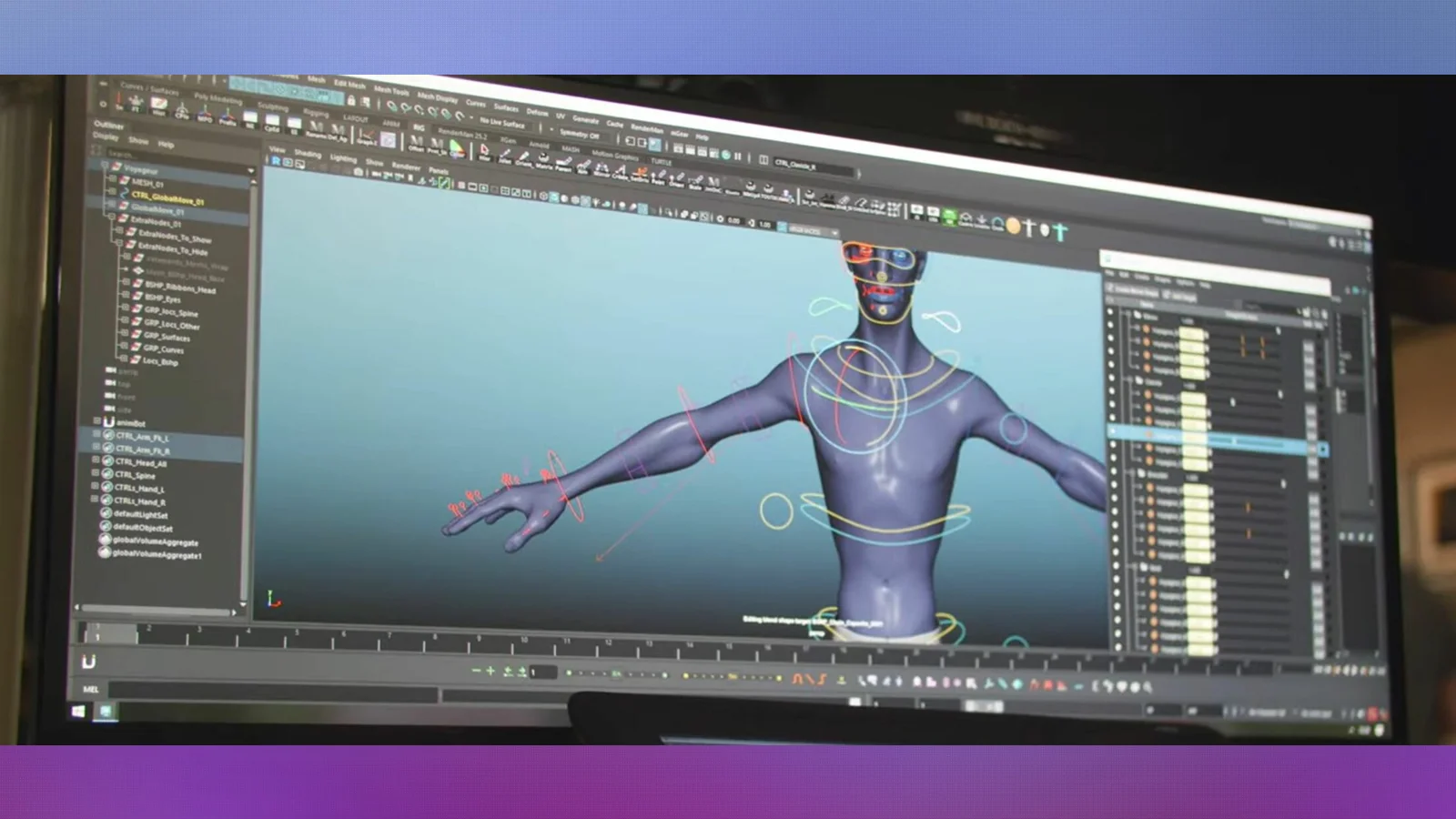
3D Animator Software and Tools You’ll Need
Every beginner who wants to know how to become a 3D animator needs one free tool to start and one paid industry standard to grow into. Blender is the free option, and Autodesk Maya is widely used for studio film and TV work.
The tools below serve different production needs:
|
Tool |
Best for |
Price |
|---|---|---|
|
Beginners and freelancers: modeling, rigging, animation, and rendering in one app |
Free and open source |
|
|
Studio film, TV, and game animation |
From $168/month, free for eligible students |
|
|
Interactive character presentation |
Free to start, with a 5% royalty above $1M in revenue |
|
|
Effects and simulation |
Free Apprentice version, with paid licenses for commercial work |
|
|
Architectural visualization, product design, and game asset creation |
From $168/month, free for eligible students |
Start with Blender because it costs nothing, and add another tool only when a target role asks for it. Becoming a 3D animator does not take every application in this table, and each course below teaches at least one of them.
Let the 3D animator job description for your target role guide later purchases, and choose 3D animator software for a specific production need.
3D Animator Salary per Hour and Career Progression
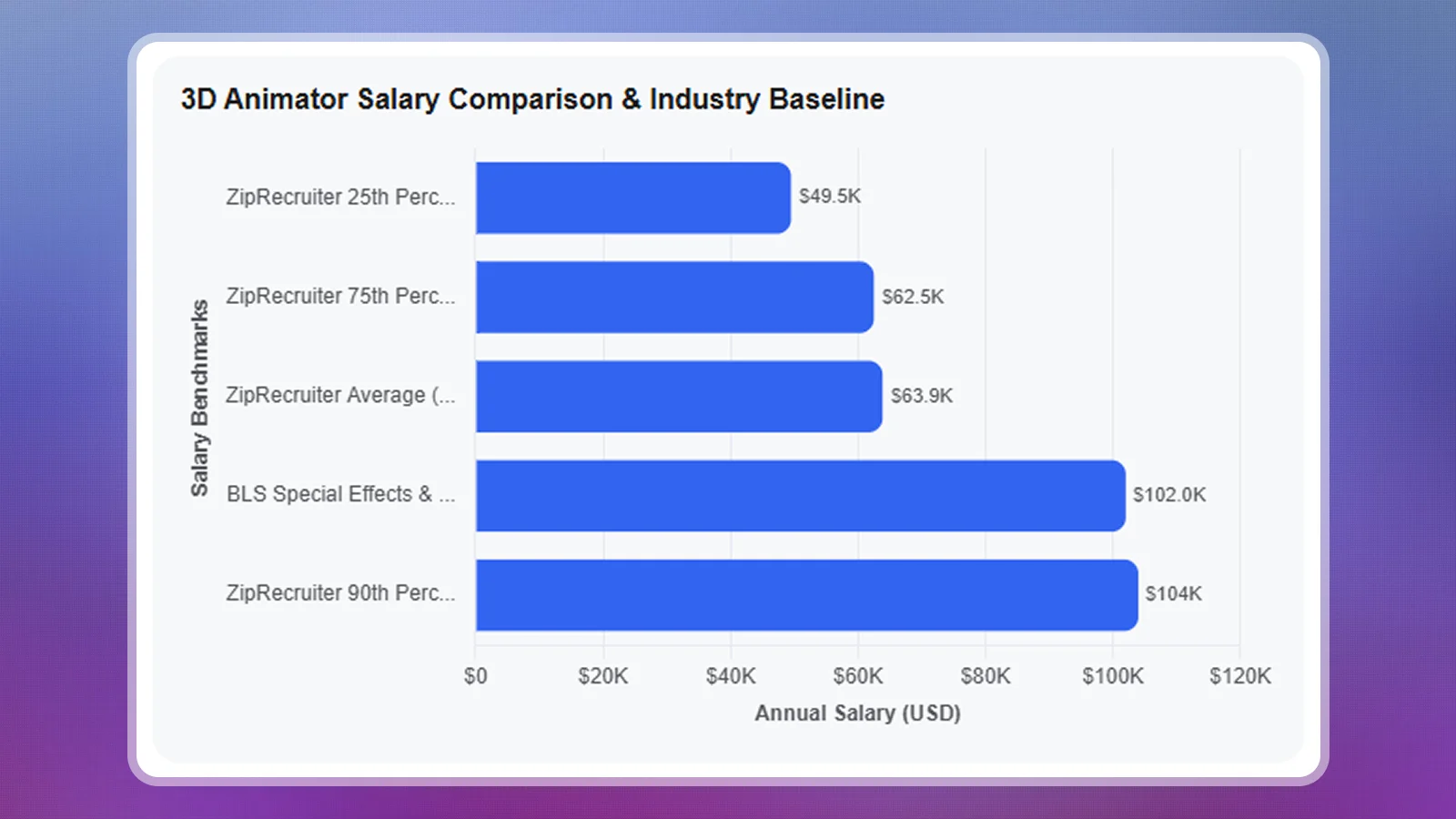
The Bureau of Labor Statistics has no separate 3D animator line, so the closest official baseline is the special effects artists and animators category. Its May 2025 median is $102,030 a year, or $49.06 an hour.
For loose market context, ZipRecruiter gives a 3D animator salary per hour of $30.70 on average in 2026, or $63,866 a year. That is one site’s estimate for a single job title, while the BLS figure comes from an occupational survey of a broader category.
The same ZipRecruiter data gives these annual percentiles:
- Lower quartile: $49,500 annually at the 25th percentile.
- Upper quartile: $62,500 annually at the 75th percentile.
- Upper-end reference: $104,000 annually at the 90th percentile.
These percentiles show where a salary falls in the distribution. They do not tell you the experience level behind it.
After becoming a 3D animator, most people move from junior to mid-level to lead or senior roles over several years. Along the way they take on more complex shots, more independence, and eventually review or leadership duties.
When learning how to become a 3D animator, compare 3D animator jobs by scope as well as title. Then check the employment arrangement before comparing 3D animator salary per hour figures.
How To Become a 3D Animator: A Step-by-Step Guide
Self-taught beginners often reach a hireable demo reel in 6 to 18 months, while degree-holders add two to four years of school first. Course duration measures lesson material, and readiness to become a 3D animator depends on the work you can demonstrate. The six steps below build a focused reel through progressively harder exercises.
Step 1: Learn Animation Fundamentals
Learning how to become a 3D animator starts with timing, spacing, weight, and readable poses, so study them through simple movement exercises. Start with an object that bounces or changes direction before attempting a detailed character performance. Observe how movement begins, transfers through the body, and settles.
Free beginner material in Blender covers modeling and lighting basics, so you can practice before paying for software. Read a 3D animator job description from your preferred industry to see the standard you are working toward.
Step 2: Learn Your Core Tool
Practice the complete workflow in Blender: prepare an object, animate it, review the result, and export a viewable clip. Learn how to correct mistakes without restarting the project. Move into Autodesk Maya once the fundamentals are solid and your target studios use it.
The Udemy course Learn 3D Animation – The Ultimate Blender A-Z Guide is one example of a modeling-to-animation workflow, with 28.5 hours of on-demand video. Learning 3D animator software pays off once you can apply it beyond the demonstrated exercise.
Step 3: Build a Focused Demo Reel
Build two or three short clips for the 3D animator jobs you want: a walk cycle, a facial animation, or a simple game-character movement study. Finished clips show more relevant ability than an unfinished cinematic project.
Explain the task, your contribution, and any assets supplied by others. Review each clip against a relevant 3D animator job description. Anyone learning how to become a 3D animator should make finished, readable movement the priority before adding elaborate scenery.
Step 4: Use a Structured Course
Pick a course from Recommended Courses that fills your current skill gap. Use the Coursera character project for an Unreal Engine direction, or keep building your Blender workflow with a guided path.
Complete the guided assignment, then change the brief and solve it again independently. This second application helps distinguish understanding from repetition. Becoming a 3D animator requires that independent judgment, particularly when a director’s notes do not come with step-by-step instructions.
Step 5: Apply for Entry-Level Roles
Target junior animator, game animator, or VFX assistant postings whose listed requirements your reel can demonstrate. Because BLS projects little or no growth for the field, networking and a strong reel matter more than volume applications. Tailor the opening clips to the work advertised, and make your portfolio easy to view.
Compare each 3D animator job description with your current strengths before applying. When an offer arrives, discuss the 3D animator salary alongside contract length, benefits, and revision duties. If it quotes a 3D animator salary per hour, clarify paid hours and scope before judging its value.
Step 6: Keep Learning and Specialize
Revise your work after critique and keep a record of recurring problems. If your characters consistently lose balance, focus on body mechanics before adding more complex acting shots.
Specialize in rigging, VFX, or game animation as your projects demand. A roadmap on how to become a 3D animator only gets you started, and sustained improvement comes from diagnosing your own work. Keep the strongest revised clips, remove weaker material, and let your reel reflect the responsibilities you are ready to take on.

Recommended Courses for Learning How To Become a 3D Animator
Choose a course that fills a specific portfolio gap. These options cover 3D animator software and professional preparation, so they serve different stages of becoming a 3D animator. The table lists the shortest first.
Compare the subject with the project you need to finish:
|
Provider |
Course |
What it covers |
Price or duration |
|---|---|---|---|
 |
3D Animation in Unreal Engine: Create an Original Character |
Building and animating a Metahuman character in Unreal Engine |
4 hours |
|
|
Blender 3D Modeling and Rendering for Games and Animation |
Blender modeling, rendering, and export to Unreal Engine |
3 courses, about 20 hours |
|
|
Career Skills to Become a Professional 3D Animator |
Demo reel and online presence, freelancing, contract negotiation, and studio-job skills |
5 courses, about 20 hours |
 |
Learn 3D Animation – The Ultimate Blender A-Z Guide |
Blender modeling, rigging, and a complete animation project |
28.5 hours |
|
|
3DS Max Mastery: Character Modeling and Animation |
Character modeling, UV unwrapping, texturing, and rendering in 3ds Max |
6 courses, about 43 hours |
Coursera lists 3D Animation in Unreal Engine: Create an Original Character as taking 4 hours, with free enrollment and no Unreal Engine experience required. The certificate is a paid option at enrollment, so check the current terms. These courses offer completion certificates that support your portfolio and interview talking points. They are not vendor certifications.
The short character project offers a focused way to try this workflow.
Alternate Careers in 3D Animation
Consider adjacent visual careers if the daily work in 3D animator jobs does not appeal to you. Enjoying digital art does not automatically mean enjoying repeated motion refinement.
These alternatives use overlapping skills in different ways. Median pay comes from the Bureau of Labor Statistics for 2025:
- Graphic designer: Concentrate on layout, typography, and visual communication. Median pay is $62,960 a year, and the trade-off is less character performance and more work within brand requirements.
- Film and video editor: Shape existing footage into a clear sequence. Median pay for film and video editors and camera operators is $75,100 a year. Storytelling transfers, but the work centers on selecting and arranging shots.
- Art director: Guide the visual approach and review other artists’ work. Median pay is $114,850 a year. This is a leadership direction rather than a beginner substitute for animation practice.
The modeling, rendering, and storytelling skills you build while becoming a 3D animator carry into all three paths. Explore the day-to-day work before choosing another credential.
Final Verdict on How To Become a 3D Animator
This path fits readers who want to become a 3D animator and enjoy careful visual revision, and who can judge progress through finished work. Start with a focused exercise in a free tool like Blender, and invest in training when you can name the skill gap it addresses.
It is less suitable for someone who wants predictable high pay quickly or dislikes technical troubleshooting. A benchmark for 3D animator salary per hour cannot tell you how easily you will find work, and flat projected growth makes the market competitive. Consider graphic design or editing if their daily tasks suit you better.
If you are deciding how to become a 3D animator, build relevant evidence before you chase a title. A clear reel and an accurate account of your contribution give employers something concrete to assess.
FAQs
Pay spreads widely. The BLS reports that the lowest-paid 10% of special effects artists and animators earned under $58,600 in May 2025 and the highest-paid 10% earned over $177,110. Where you land after becoming a 3D animator depends on your role, employer, and portfolio.
Yes, but check each license before paid work. Blender is free to use commercially, Autodesk‘s free student access covers learning only, and the free Houdini Apprentice version adds a watermark to rendered output.
No, a degree is not required everywhere. One practical difference: Autodesk‘s free one-year software access goes only to students and educators at qualified institutions, so self-taught learners may pay for Maya or use Blender.
Yes, if you enjoy iterating on motion and can handle deadline pressure. The BLS says most special effects artists and animators keep a regular schedule, but nights and weekends are possible when deadlines approach.
The BLS lists artistic ability, communication, computer skills, creativity, and time management as important qualities. Your target 3D animator job description decides which 3D animator software to prioritize.
It depends on the tool and the goal. A bouncing-ball exercise in Blender is approachable, while polished character acting takes many rounds of revision. Small exercises keep the early steps of how to become a 3D animator manageable.