


Turntable vs Record Player: What You Need to Know Before Buying


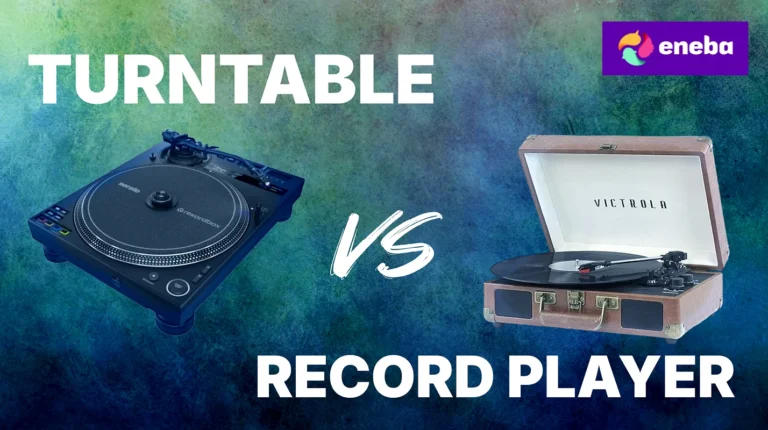
If you are exploring the world of vinyl, understanding the turntable vs record player distinction is essential before making a purchase. These terms get tossed around interchangeably, but they refer to different types of audio equipment: one offers simplicity and convenience, the other opens the door to customization and superior audio quality.
Vinyl sales have been climbing steadily for over a decade. More people are discovering the warm, rich sound that digital formats simply cannot replicate. Walking into this hobby without knowing the difference between these two devices can lead to buyer’s remorse.
Jump to:
Understanding the Turntable vs Record Player: What Are They?
The core distinction comes down to components and functionality.
A turntable is a single component that spins vinyl records. It includes the platter, motor, tonearm, and cartridge. That is it. To actually hear music, you need to connect external speakers and an amplifier. Some models include a built-in phono preamp, but many require a separate one.
A record player is an all-in-one system. It contains a turntable mechanism, built-in speakers, and an internal amplifier. You can unbox it, plug it in, and start listening within minutes. No additional gear required.
Think of it this way: all record players contain turntables, but not all turntables are record players. The turntable is the spinning component inside. The record player is the complete package.
Which One Offers Better Sound Quality?
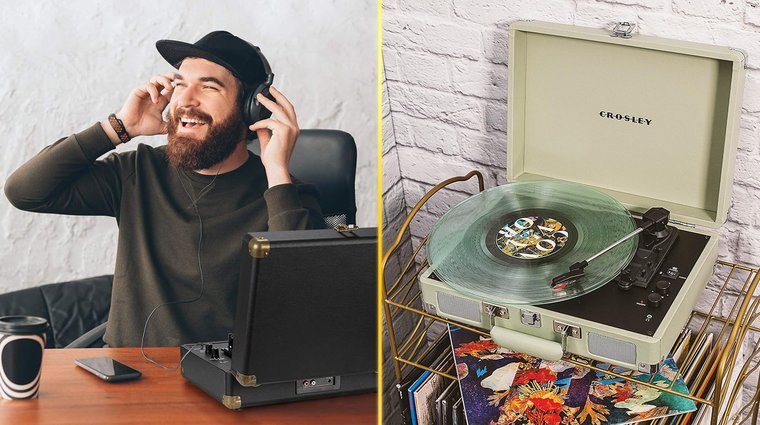
This is where the turntable vs record player debate gets interesting. Turntables generally deliver better audio performance, but the reason comes down to flexibility rather than inherent superiority.
Turntables let you choose your own speakers and amplifiers. You can pair an entry-level turntable with quality gaming speakers that suit your taste. As your ears develop and your budget grows, you can upgrade individual components. Swap out the cartridge for a higher-quality record player experience. Add a better amplifier. Invest in audiophile speakers.
Record players with speakers built into the unit face physical limitations. The speakers are small because they need to fit inside the housing. Small speakers struggle to produce deep bass and a wide soundstage. The amplifier is also compact, which limits power output and dynamic range.
That said, a good record player can still sound pleasant for casual listening. The warmth and character of analog audio still come through.
For serious listening sessions where you want to hear every detail in the recording, a turntable paired with quality external gear will outperform any all-in-one solution. If you are building a dedicated listening space, pairing a turntable with the best audiophile headphones can create an immersive experience.
Design and Setup Considerations
The design differences between these two options reflect their intended purposes.
Turntables embrace minimalism. They consist of only the essential components for spinning records. This sleek approach saves space and lets you position each element of your audio system exactly where you want it.
Record players often feature retro styling that evokes nostalgia. Many come in suitcase designs or vintage cabinet styles. These units look charming and serve as conversation pieces.
Setup complexity differs significantly. A record player requires minimal effort. Plug it into a power outlet, place a record on the platter, and you’re listening in under five minutes.
Turntables demand more work. You need to position speakers, connect cables, calibrate tracking force, and set anti-skate. This process takes longer, but the payoff is a system tailored to your preferences.
Cost Comparison: Turntable vs Record Player
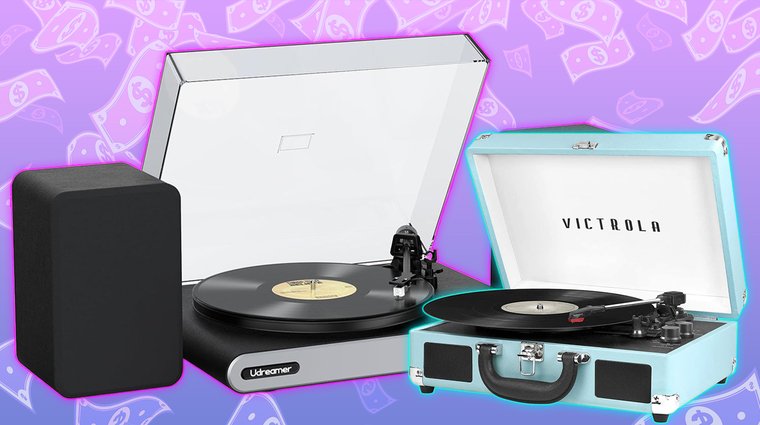
Budget plays a major role in this decision.
Entry-level record players start around fifty to one hundred dollars. These affordable units get you spinning vinyl immediately without additional purchases. Brands like Crosley and Victrola dominate this space with portable turntable designs. Understanding the distinct features and design philosophies in a Victrola vs Crosley comparison helps narrow down which of these popular starter brands provides the right aesthetic for your home.
Quality turntables typically start around two hundred dollars. However, you also need speakers and possibly an amplifier. A complete beginner setup might cost three hundred to five hundred dollars when you factor in all the components.
Here is the tradeoff. The record player offers a lower upfront cost but limited upgrade potential. The turntable requires a higher initial investment but lets you improve your system incrementally over time. Instead of replacing an entire unit when you want better sound, you upgrade individual components. The robust architecture of a top-tier vinyl record player supports these future enhancements while minimizing the vibration and resonance that can cloud audio clarity.
Who Should Choose a Record Player?
Record players suit specific situations perfectly. Consider one if you fall into these categories.
- Beginners testing the waters of vinyl benefit from the simplicity. You can explore whether this hobby resonates with you before committing to a larger investment.
- Casual listeners who want background music without fuss appreciate the convenience. If you just want to hear your favorite albums while doing other activities, an all-in-one solution works great.
- Space-constrained setups like dorm rooms or small apartments favor integrated designs. One unit is easier to manage than multiple components scattered around a tight space.
- Gift buyers often choose record players because they make complete presents. The recipient can start enjoying vinyl immediately without needing additional purchases.
- Nostalgia seekers who love retro aesthetics find charm in vintage-styled record players. These units double as décor pieces while providing functional audio playback.
Who Should Choose a Turntable?
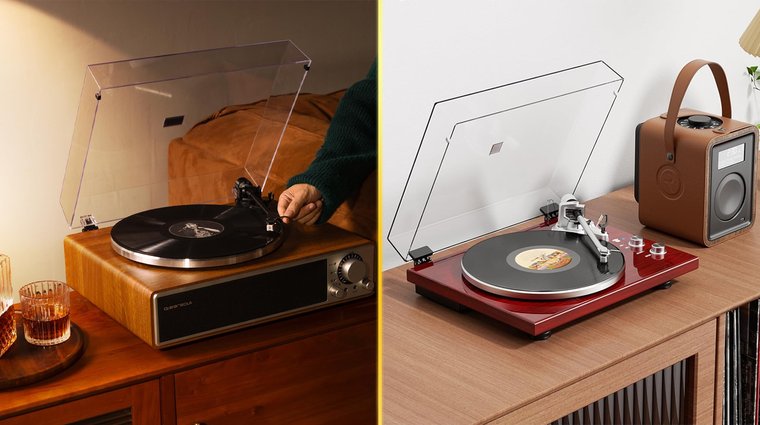
Turntables appeal to different priorities. Consider one if these descriptions fit you.
- Sound quality enthusiasts who want the best possible audio from their vinyl collection need the flexibility turntables provide. Pairing a high-quality record player component with external speakers and amplification unlocks the full potential of your records.
- Long-term hobbyists planning to grow their systems over time benefit from the modular approach. You can start with modest components and upgrade gradually.
- DJ turntable users need the direct drive motors, pitch control, and durability that professional equipment offers. All-in-one record players cannot handle scratching, mixing, or performance applications.
- Home audio integrators who already own quality speakers and receivers can add a turntable to their existing systems. The turntable record player component slots right into established setups.
- Audiophiles pursuing reference-grade sound quality require the control that standalone turntables provide. Adjustable counterweights, replaceable cartridges, and precision tonearms matter at this level.
For the complete home entertainment experience, consider how your vinyl setup integrates with other audio gear like a quality soundbar for your television.
Bluetooth and Modern Features
Modern turntables and record players increasingly include Bluetooth connectivity. This feature lets you stream vinyl audio to wireless speakers or headphones.
Bluetooth turntable models offer flexibility. You can connect to powered Bluetooth speakers without running cables. Some even support the aptX codec for higher-quality wireless audio. Retro record player designs sometimes include Bluetooth input as well, letting you stream music from your phone through the built-in speakers when you are not playing vinyl.
Other modern features include USB output for digitizing your vinyl collection, built-in phono preamps that simplify connections, and vertical record player designs that display your albums as wall art while playing them. Mechanical ease is another factor to consider, and a top automatic turntable provides the perfect solution for those who want to avoid handling the delicate stylus manually.
Making Your Decision on Turntable vs Record Player
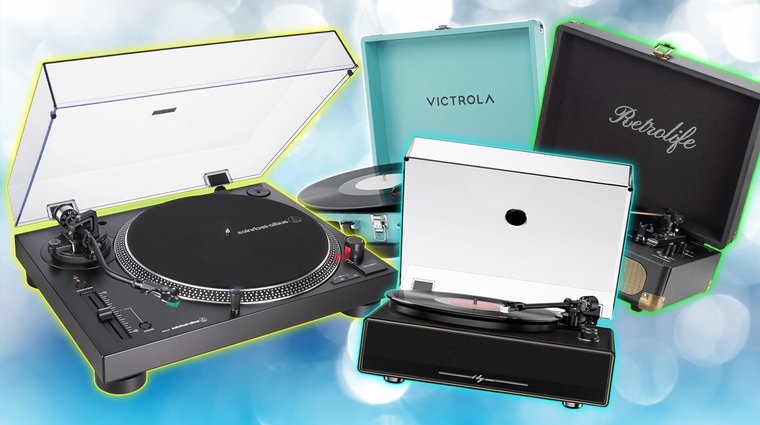
The turntable vs record player choice ultimately depends on what you value most.
Choose a record player if convenience outweighs audio quality for you. These units get you listening immediately without complexity. They work perfectly for casual enjoyment and spaces where simplicity matters.
Choose a turntable if sound quality and long-term flexibility matter more. Accept the higher initial cost and setup effort in exchange for a system that grows with your passion. You can also expand your audio setup over time, adding components like separate amplifiers or exploring what Dolby Atmos offers for immersive sound experiences.
Both options connect you to the magic of vinyl. The warm analog sound, the ritual of placing a record on the platter, and the album artwork in your hands create an experience that streaming cannot match. Whether you start with a budget gramophone record player or invest in an audiophile turntable, you are joining a community that values intentional listening.
If you want specific model recommendations across both categories, our guide to the best turntables and record players covers options for every budget and use case. Take your time, consider your priorities, and choose the path that fits your listening lifestyle.
Spin Your First Record with Confidence
The vinyl revival continues gaining momentum, and understanding the turntable vs record player distinction puts you ahead of most newcomers. Both options have merit. One emphasizes convenience while the other prioritizes audio quality and customization.
Start where you feel comfortable. A simple vinyl player with speakers lets you test whether this hobby resonates with you. An entry-level turntable with external speakers sets you up for years of upgrading and exploration.
Either way, you are about to experience music the way artists intended. That first needle drop creates a connection to recordings that digital simply cannot replicate. Welcome to the world of vinyl.
FAQs
A turntable is generally better than a record player for sound quality because it allows you to connect higher-quality external speakers and amplifiers. However, record players offer convenience that turntables cannot match for casual listeners.
No, you cannot play records on a turntable without speakers because turntables only spin the record and read the grooves. You need external amplification and speakers to actually hear the music produced by the turntable.
Yes, you need a receiver or amplifier for a turntable if your turntable lacks a built-in phono preamp. Many modern turntables include built-in preamps, letting you connect directly to powered speakers instead.
Victrola record players are not necessarily bad for records, but some budget models use heavier tracking force that can cause faster wear over time. Higher quality Victrola models with adjustable tracking force are gentler on vinyl.
The two types of turntables are belt drive and direct drive. Belt drive turntables use an elastic belt for quieter operation, preferred by audiophiles. Direct drive turntables connect the motor directly to the platter, offering instant startup favored by DJs.