


Bose vs Sony Headphones: Which Brand Wins for Gamers and Music Lovers?

Eneba Hub contains affiliate links, which means we may earn a small commission if you make a purchase through them—at no extra cost to you. Learn more

Deciding between Bose vs Sony headphones is one of the toughest choices in audio right now. Both brands dominate the premium headphone market, and their flagship models rank among the best available. I have compared both extensively, and choosing a clear winner is not easy.
Bose built its reputation on noise cancellation technology; Sony caught up with innovations like LDAC audio and adaptive sound control. In this guide, I will break down sound quality, noise cancellation, comfort, and battery life to help you pick the right pair.
Jump to:
Sound Quality: How Each Brand Delivers Audio
When comparing Sony vs Bose headphones for sound, both produce excellent audio quality. However, they have distinct sound signatures that appeal to different listeners.
Sony headphones, particularly the WH-1000XM5 and newer WH-1000XM6, tend toward a more neutral and detailed sound. The clarity across frequencies makes them excellent for critical listening. Vocals come through with precision, and the soundstage feels open and expansive. Sony also offers a 10-band equalizer through their companion app, letting you fine-tune the audio to your exact preferences.
Bose takes a different approach with richer, more full-bodied sound. The QuietComfort Ultra headphones emphasize bass without sacrificing clarity in the mids and highs. For gaming sessions where you want to feel the impact of explosions and deep sound effects, the Bose signature can be more engaging. I have found them particularly enjoyable during long gaming sessions playing titles with cinematic soundtracks.
Both brands support high-bitrate Bluetooth codecs. Sony uses LDAC, which works with most Android devices. Bose supports aptX Lossless and Snapdragon Sound, though this requires compatible hardware. If you are looking for good headphones for music and gaming, either brand brings impressive results.
Noise Cancellation: The Core Battleground
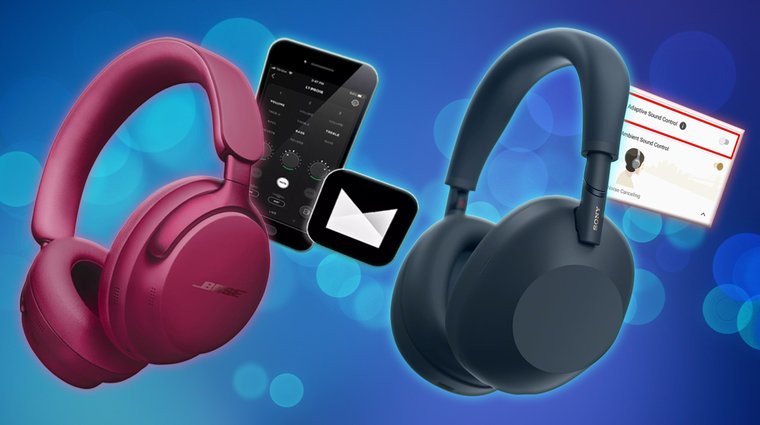
Active Noise Cancellation is where Bose vs Sony gets particularly interesting. Both companies have invested heavily in ANC technology, and the results are impressive.
Bose has historically been the benchmark for noise cancellation. The QuietComfort Ultra headphones feature CustomTune calibration that automatically adjusts ANC to your ears. The effect is remarkable. Low-frequency rumbles from planes, trains, and traffic virtually disappear. You can customize up to ten levels of noise cancellation through the Bose Music app.
Sony has closed the gap significantly. The WH-1000XM6 uses an advanced processor with six microphones to analyze and cancel ambient noise. In testing, Sony reduces average loudness by around 87%, while Bose achieves approximately 85%. The difference is minimal in real-world use.
Where Sony edges ahead is with smart features. Adaptive Sound Control detects your activity and location, automatically adjusting ANC accordingly. The Quick Attention feature lets you temporarily hear your surroundings by covering the right earcup. For gamers who need situational awareness, these features prove genuinely useful.
Comfort and Design: Built for Long Sessions
Marathon gaming sessions demand comfortable headphones. Both brands understand this, though they approach design differently.
Bose headphones are lighter and feature a more compact folding design. The QuietComfort Ultra weighs around 8.9 ounces and folds into a smaller carrying case than Sony‘s. The cushioned earpads use soft leatherette that feels premium against the skin.
Sony headphones are equally comfortable but slightly heavier. The WH-1000XM5 and XM6 feature wider headbands that distribute weight evenly. The memory foam earpads conform to your head shape over time. However, Sony headphones only fold flat rather than folding inward, making the case larger.
Controls differ between the brands as well. Bose uses physical buttons and a capacitive volume strip, which I find more reliable during gameplay. Sony relies on touch gestures on the right earcup. Swiping and tapping work well once learned, but accidental inputs happen occasionally during intense gaming moments.
Battery Life and Connectivity
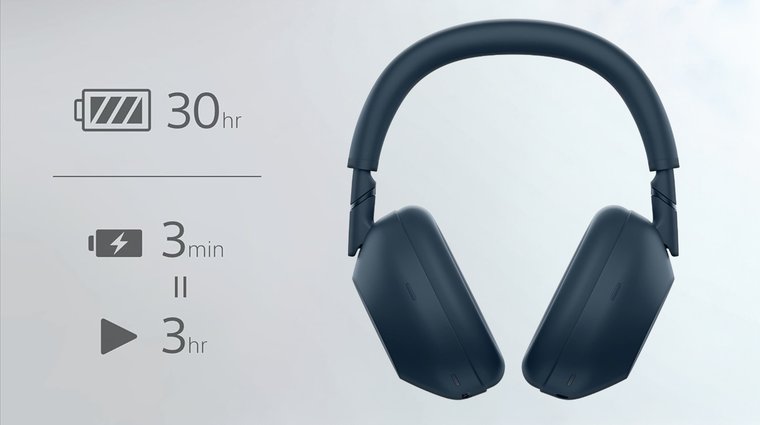
Battery life matters considerably when choosing Sony or Bose headphones for extended gaming sessions and travel.
Sony wins this category convincingly. The WH-1000XM6 provides around 37 hours of playback with ANC enabled. Even more impressive, a 3-minute quick charge provides 3 hours of listening. For gamers who forget to charge their gear, this can be a lifesaver.
Bose offers respectable but shorter battery life at around 24-27 hours depending on the model and ANC settings. Quick charging provides 2.5 hours of playback from a 15-minute charge. Adequate for most users, but Sony clearly has the advantage here.
Both brands support Bluetooth multipoint connection, letting you switch between devices seamlessly. This proves helpful when switching from PC gaming to mobile without re-pairing.
Bose Headphones vs Sony: Which Is Better for Gaming?
For gamers specifically, the Sony vs Bose noise-cancelling comparison leans slightly toward Sony. Here is why.
Gaming headsets benefit from detailed audio positioning. Sony headphones offer excellent spatial separation that helps locate enemies in competitive shooters. The neutral sound signature prevents bass from masking important audio cues like footsteps. If you are considering dedicated gaming audio solutions, our guide to the best noise-cancelling headphones covers several excellent options.
That said, Bose headphones work perfectly well for casual gaming. The immersive bass response enhances single-player adventures and story-driven titles. The Bose Immersive Audio feature adds spatial dimension to any content without requiring specially mixed tracks.
Neither brand offers gaming-specific features like low-latency wireless modes available on dedicated gaming headsets. Both use Bluetooth, which introduces some audio delay. For competitive gaming where milliseconds matter, you might want to explore our gaming earbuds vs headset comparison for alternatives.
Sony vs Bose Earbuds: A Quick Comparison
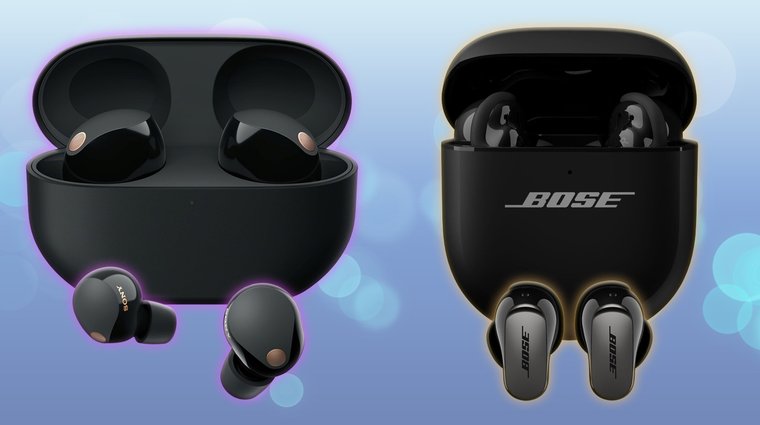
The rivalry extends beyond over-ear headphones. Earbuds from Sony vs Bose present another compelling choice for portable gaming and music listening.
The Sony WF-1000XM5 earbuds offer exceptional ANC and detailed sound in a compact package. They support LDAC for high-resolution wireless audio and integrate seamlessly with PlayStation consoles.
The Bose QuietComfort Earbuds deliver arguably better noise cancellation in earbud form. The fit is more stable for many users, and battery life extends slightly longer.
Both options work well for gaming on the go, though earbuds generally cannot match the soundstage of over-ear headphones.
Price and Value Considerations
Premium headphones represent a significant investment. At launch, both the Bose QuietComfort Ultra and Sony WH-1000XM5 sit in the same premium price bracket. However, prices fluctuate throughout the year.
Sony headphones tend to see deeper discounts during sales events. The WH-1000XM5 frequently drops significantly below its retail price. Bose also offers periodic deals, though their price floor tends to be slightly higher. Many audio enthusiasts analyze the JBL vs Bose rivalry to understand how different manufacturers balance features against price.
For budget-conscious buyers, previous-generation models from both brands still perform excellently. The Sony WH-1000XM4 and Bose QuietComfort 45 can be found at substantial discounts while offering most features of their successors.
Finding Your Perfect Match
Choosing between Bose and Sony ultimately comes down to priorities. Let me summarize the key differences.
Choose Bose if you prioritize noise cancellation above all else,
- prefer physical controls,
- want a more compact carrying case, or
- enjoy a richer bass response.
The QuietComfort Ultra remains the benchmark for silencing the outside world.
Choose Sony if you
- want longer battery life,
- prefer detailed and neutral sound, value extensive app customization, or
- appreciate smart features like adaptive ANC.
The WH-1000XM6 offers the most well-rounded package available.
Both brands provide exceptional quality that justifies their premium pricing. For gamers who also use headphones for music and travel, either choice will serve you well for years. To make an informed decision, check out top-tier headphone brands and chose your new favorite.
FAQs
Bose is generally better for noise canceling. Bose QuietComfort headphones reduce ambient noise more effectively, especially mid-frequency sounds like voices. Sony comes close and adds smart ANC features.
Yes, Bose headphones are worth it if noise cancellation and physical controls matter most to you. Bose also has more compact cases. Sony offers longer battery life and deeper discounts.
Sony headphones offer more detailed, accurate sound quality. Bose delivers richer bass and warmer audio. Audiophiles tend to prefer Sony, while casual listeners often enjoy the Bose sound signature.
Yes, you can use Bose or Sony headphones for gaming. Both work well for casual play. For competitive gaming needing low latency, dedicated gaming headsets with 2.4GHz wireless perform better.
Sony headphones last longer, providing up to 37 hours versus 24-27 hours for Bose. Sony also charges faster, delivering 3 hours of playback from just 3 minutes of charging.