
Shadowheart Build in BG3: Guide to Mastering the Half‑Elf Cleric


The Shadowheart build in BG3 players pick can change how this companion helps in battle. Shadowheart is one of the most talked-about characters in Baldur’s Gate 3 thanks to her secret past, her faith in Shar, and her tricky spell style. When I first met her, I wasn’t sure how to use her best – should she stay a cleric or mix in another class?
After many runs and a lot of testing, I found a Shadowheart build that players can count on. This guide shows her best domains, stats, spells, and gear so you can make her a strong and reliable part of your team.
Jump to:
Shadowheart Build in BG3 Overview and Starting Abilities
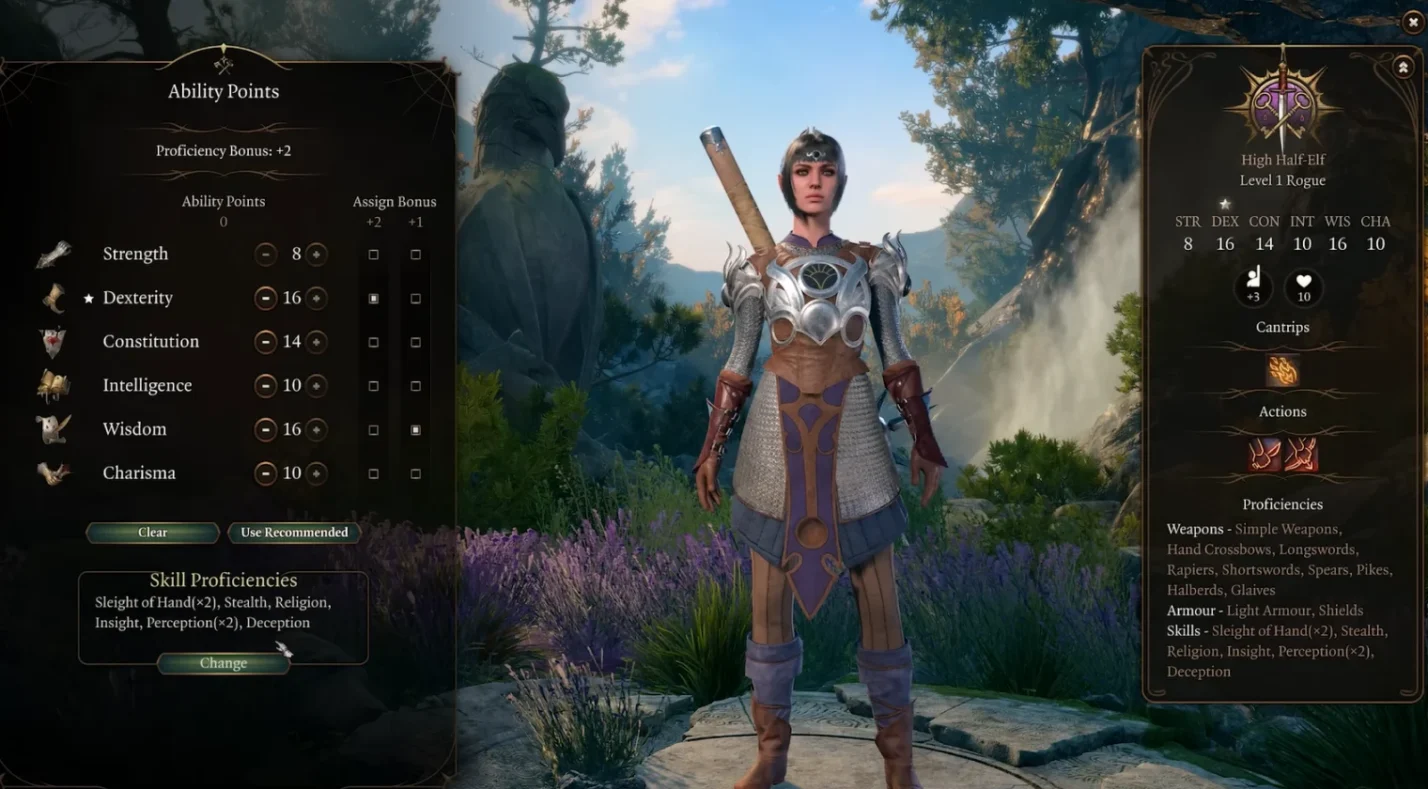
Shadowheart begins as a high half‑elf cleric devoted to the Trickery Domain. Her starting ability scores lean toward Wisdom and Dexterity, with decent Constitution for survivability. When building her, focus on the following ability scores:
· Wisdom (16 or 17): This governs her spellcasting, improves healing spells like Healing Word and Cure Wounds, and boosts saving throws against enemy spells. A high wisdom modifier also increases her chances of detecting traps and hidden objects.
· Dexterity (14): Enhances her Armour Class and initiative and helps with skill proficiencies like Stealth and Sleight of Hand. As a cleric who often hangs back, a solid Dexterity score lets her avoid melee attacks.
· Constitution (14): Keeps her alive and improves concentration checks when maintaining spells like Spirit Guardians or Bless. Don’t neglect Constitution; losing a concentration spell mid‑fight can turn a battle.
· Strength and Intelligence (8–10): These stats matter less. Keep them average so you can invest points elsewhere.
· Charisma (10–12): Shadowheart often handles dialogue when I need to persuade NPCs, but you can use other companions for social checks if you prefer.
At Level 4, take an Ability Score Improvement, raising Wisdom by two points if it’s not already at 18. Later improvements can go toward Dexterity or Constitution to bolster survivability. If you enjoy casting concentration spells constantly, consider the War Caster feat instead. It grants advantage on Constitution saving throws, helping Shadowheart maintain spirit guardians or blade ward when she takes damage.
If you’re curious about other moral dilemmas in the game, our He Who Was BG3 guide explores a haunting Act 2 quest that tests your judgment and companion approval.
Domain Choices: Trickery vs Life for Shadowheart
Shadowheart begins as a Trickery Domain cleric, fitting her Shar-worshipping story and granting stealth and illusion spells. Disguise Self, Blessing of the Trickster, and Invoke Duplicity let her boost allies’ Stealth and create an illusory clone that distracts enemies and gives attack advantages in combat.
Many players, however, prefer the Life Domain for stronger healing. Life clerics gain Blessed Healer, restoring their own HP when healing others, plus domain spells like Cure Wounds and Mass Healing Word. They can also wear heavy armor for better defense.
You can respec at your camp’s priest. For a lore-friendly run, stay with Trickery for stealth and charm spells. For survivability, switch to Life for unmatched healing. A smart middle ground is starting with Trickery for early illusion tools, then respeccing to Life around Level 5 when major healing spells unlock.
Choosing between domains echoes the tough decisions you make throughout Baldur’s Gate 3. For more on narrative choices, check out our guide to finding the dowry in BG3, where your actions in Waukeen’s Rest shape the story’s outcome.
Multiclassing Options and Ability Score Improvements
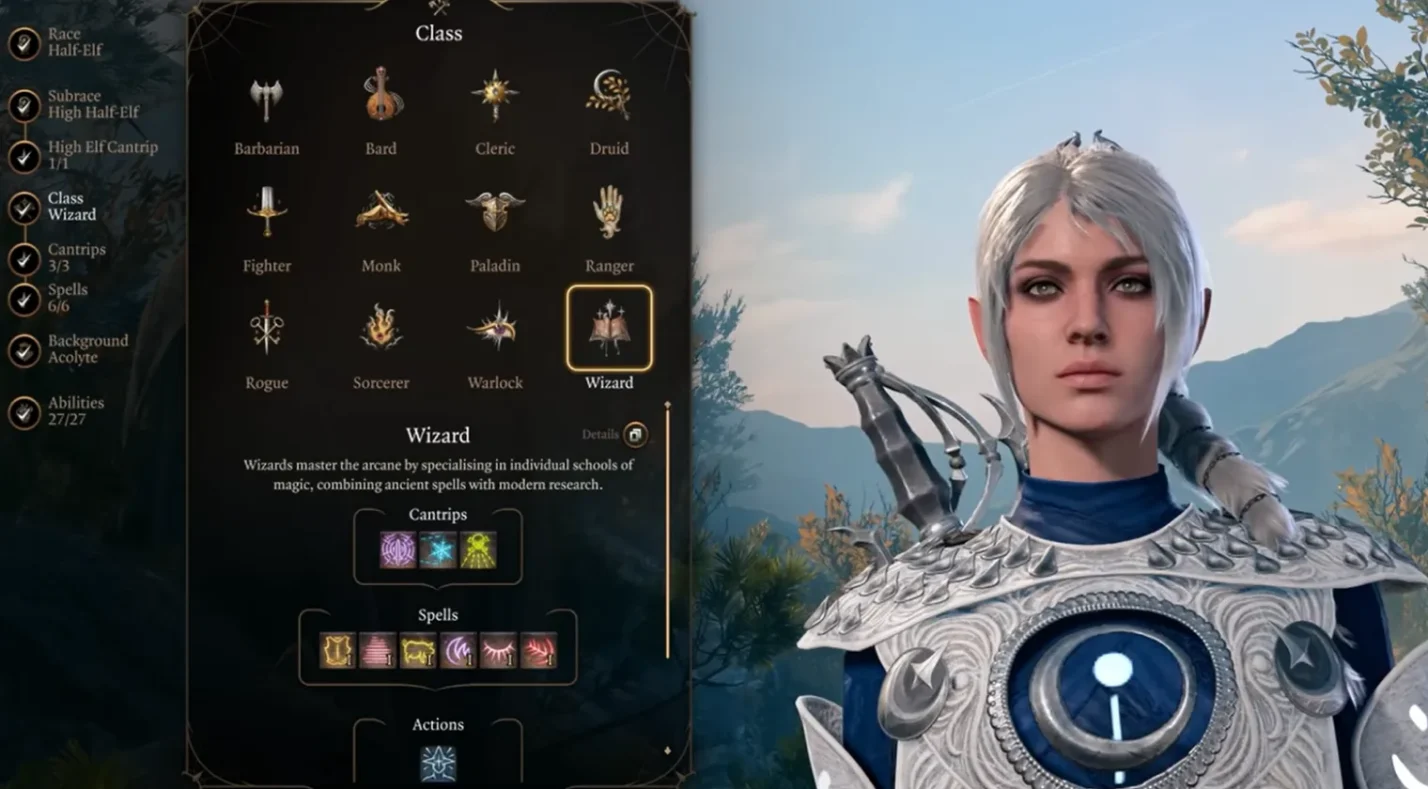
One of the most satisfying ways to evolve Shadowheart is to multiclass her. Taking just one level of Rogue at the start of your journey opens up powerful synergies with the Trickery Domain. As a Level 1 Rogue, she gains:
· Sneak Attack: Allows her to deal extra damage once per turn when she has advantage or an ally is adjacent to the target.
· Cunning Action: Lets her Dash, Disengage, or Hide as a bonus action, improving movement speed and battlefield control.
· Expertise: Grants proficiency bonuses in two skills; I choose Perception and Sleight of Hand to boost trap detection and pickpocketing.
After that single rogue level, I recommend returning to cleric levels to unlock higher spell slots, additional domain spells, and Turn Undead, which forces undead enemies to flee or take radiant damage. You’ll still gain the extra attack from Spiritual Weapon and improved healing spells, while the rogue dip keeps her nimble.
Feats and ability score improvements matter. Here are my top picks:
· War Caster: Advantage on concentration checks and the ability to cast Inflict Wounds or other spells as opportunity attacks. Essential if you rely on concentration spells like Spirit Guardians.
· Alert: Increases initiative by 5 and prevents being surprised. Going first allows Shadowheart to cast Bless or Enhance Ability before the enemy acts.
· Resilient (Constitution): Boosts Constitution and grants proficiency in Constitution saving throws, further securing concentration.
· Ability Score Improvement: Once your key feats are covered, raising Wisdom to 20 gives a significant boost to healing and spell attack rolls.
Some players prefer to keep Shadowheart as a pure cleric, which is perfectly viable. Staying single‑class ensures you reach Level 10 cleric earlier, unlocking Divine Intervention. This once‑per‑long‑rest ability lets you heal allies, smite multiple enemies with radiant damage, or manifest a legendary artifact. It’s a game‑changing spell for difficult boss fights.
When exploring ancient puzzles like the Silent Library, it pays to come prepared. Our guide on silencing the Nightsong covers how to find the right book and disarm traps in the Gauntlet of Shar.
Spell Selection and Combat Tactics
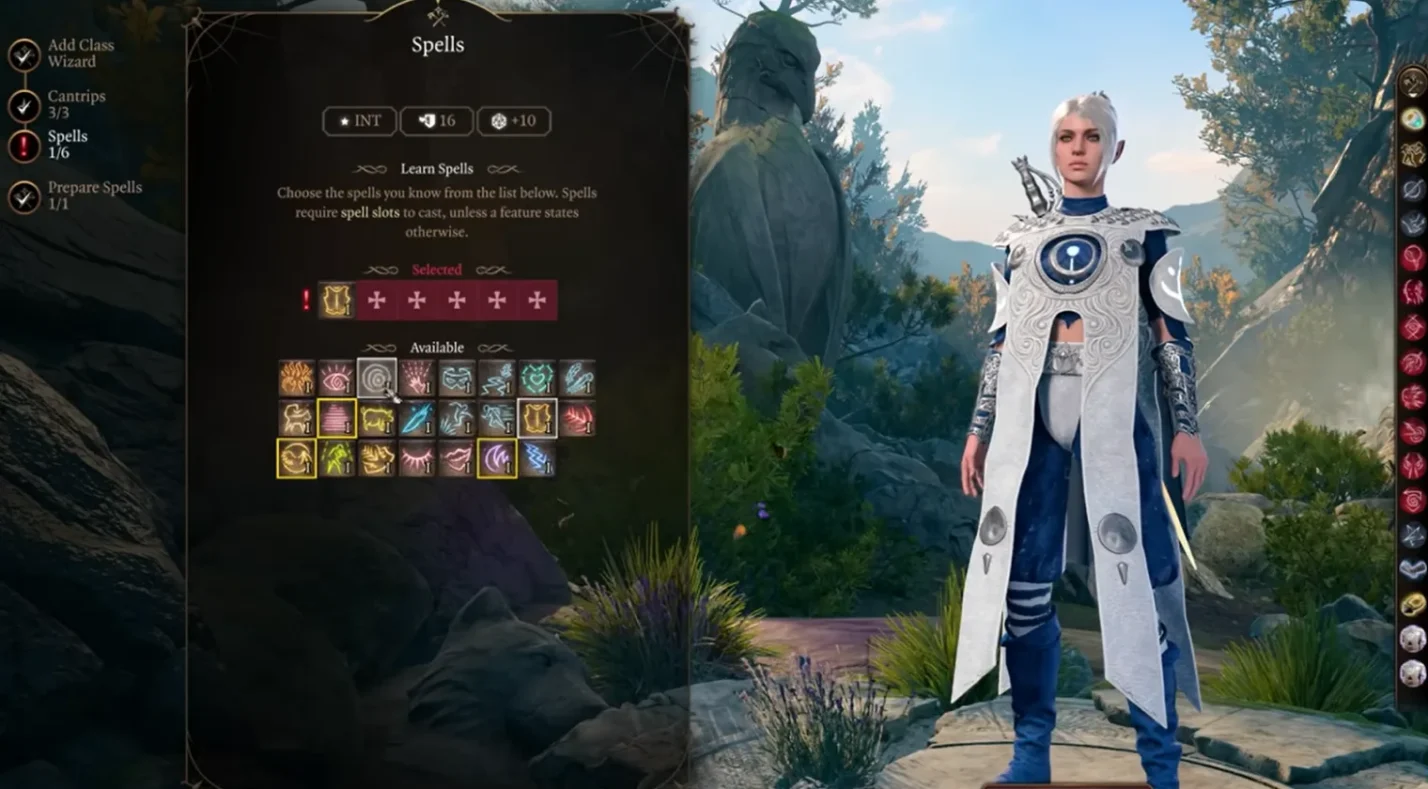
Shadowheart’s spell list can be overwhelming, especially if you’re new to fifth‑edition D&D mechanics. Here’s how I prioritize her prepared spells and manage spell slots throughout the adventure:
Healing and Support Spells
· Healing Word / Mass Healing Word: These are clutch during combat because they require only a bonus action and can bring an ally back from death saving throws at range. Mass Healing Word heals multiple allies, making it essential when your party is surrounded.
· Cure Wounds / Mass Cure Wounds: Use these as action spells when you need to restore large chunks of hit points during or after a fight. Life clerics heal additional hit points thanks to their domain features.
· Bless: Grants allies a bonus to attack rolls and saving throws for up to a minute. Cast this at the start of tough battles to improve hit chance and resist hostile spells.
· Beacon of Hope: Maximizes healing received and gives advantage on Wisdom saving throws and death saves. Combine it with Mass Healing Word for emergency recovery.
· Aid: Increases the maximum hit points of three allies until your next long rest. Casting Aid before big encounters saved my party more than once.
Offensive and Control Spells
· Sacred Flame: A cantrip that deals radiant damage and ignores enemy armour class by targeting their dexterity saving throw. It’s great against undead enemies and foes with high AC.
· Guiding Bolt: Deals radiant damage and grants advantage on the next attack roll against the target. Use it to set up a powerful follow‑up from your fighters.
· Spirit Guardians: Perhaps the most important offensive spell. It surrounds Shadowheart with ghostly spirits that deal radiant or necrotic damage to enemies in melee range and slows them. Cast it early in fights to whittle down packs of enemies.
· Hold Person: Paralyzes humanoid enemies, granting automatic critical hits for melee attacks. This spell wins duels against tough humanoid bosses.
· Spiritual Weapon: Summons a weapon that acts independently each round. It doesn’t require concentration, so you can pair it with Spirit Guardians. Casting it uses a bonus action, leaving your action free for spells or melee attacks.
· Blade Ward: As a cantrip, it grants resistance to bludgeoning, piercing, and slashing damage until the start of your next turn. Use it when you expect to take multiple attacks.
· Command: A single‑target control spell that forces an enemy to obey a one‑word command. Commands like “Drop” or “Grovel” can disarm opponents or give your party advantage.
Enhancements and Utilities
· Enhance Ability: Grants advantage on ability checks such as Dexterity (Stealth) or Wisdom (Perception). I often cast it before attempting skill checks or exploring dungeons.
· Sanctuary: Makes an ally untargetable until they attack or cast a spell. Use it to protect squishy party members or yourself when you need to cast a big heal.
· Silence: Creates a zone where no sound can be made, preventing hostile spells. It’s invaluable against enemy spellcasters or in puzzle‑heavy areas.
When managing spell slots, remember to preserve at least one slot for emergency healing or Revify if you have it. Use Restoration spells and Long Rest at camp to replenish depleted slots. Always keep a few low‑level slots for Healing Word, because a timely heal can prevent a party wipe.
In large battles, start by casting Bless or Aid, then move into the fray with Spirit Guardians. Summon Spiritual Weapon to maximize bonus actions, and use Guiding Bolt or Hold Person to set up your party’s damage dealers. If Shadowheart runs low on offensive options, don’t forget she can still fire her crossbow or swing a mace. Items like the Strange Conduit Ring and Amulet of Restoration extend concentration and enhance healing effects.
Equipment and Gear Recommendations
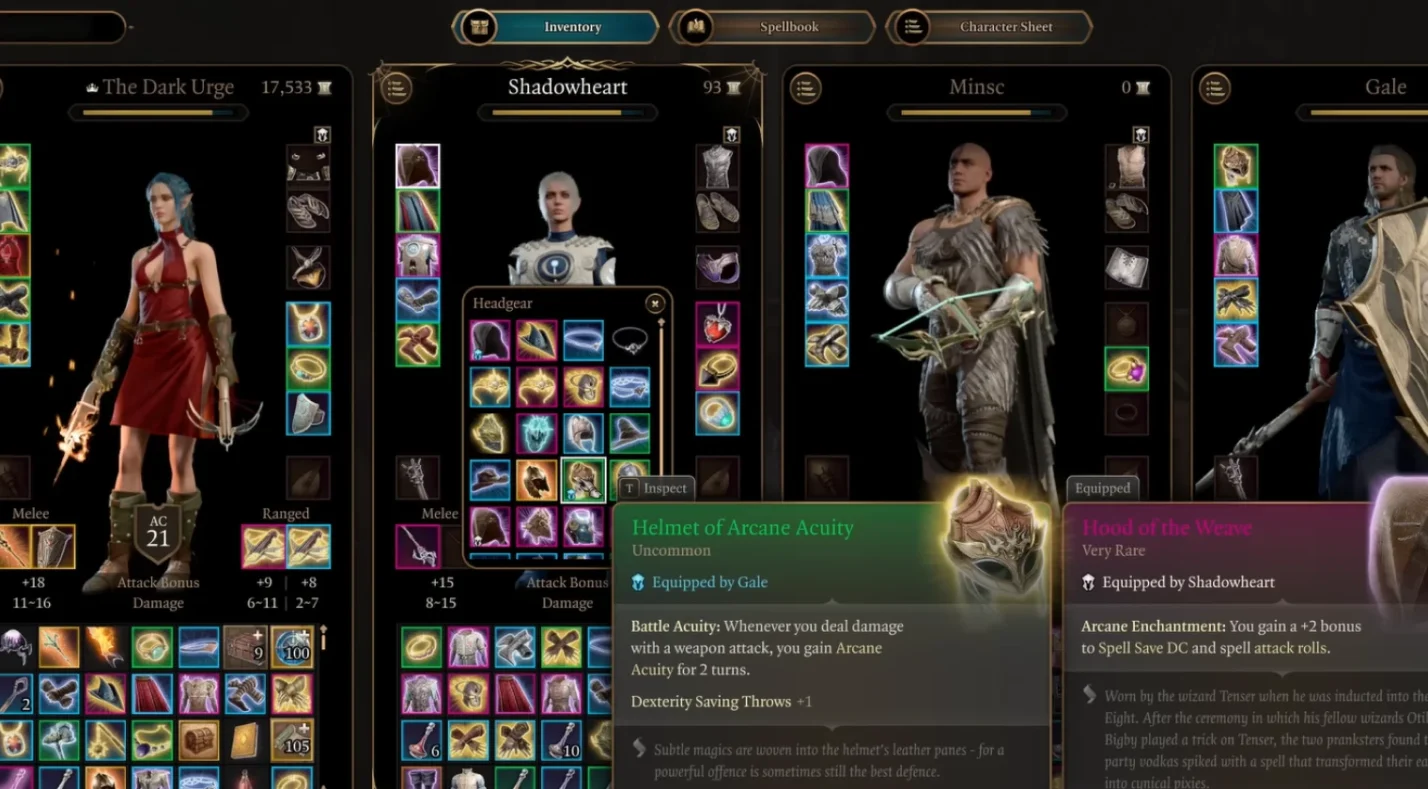
Shadowheart’s survivability hinges on the right gear. As a cleric, she can wear medium armour by default and heavy armour if she chooses the Life Domain. Keep these equipment tips in mind:
· Armour: Early on, the Chain Shirt or Scale Mail provide good armour class without too much weight. Later, look for gear like the Luminous Armour or Dark Justiciar Half‑Plate that boosts AC and adds bonuses to Wisdom or necrotic resistance. Avoid armour that imposes disadvantage on Stealth checks if you’re leaning into her Trickery Domain abilities.
· Shields: A +1 shield increases armour class and can grant defensive spells like Shield of Faith or additional bonus actions. Equip a shield unless you plan to use a two‑handed weapon.
· Weapons: Shadowheart is proficient with simple weapons, hand crossbows, and light crossbows. Keep a mace or morningstar for melee range and a crossbow for ranged attacks. The Spear of Night, acquired by solving the Silent Library puzzle, is a thematic choice that deals radiant damage and complements her spells.
· Accessories: The Strange Conduit Ring boosts damage while concentrating on spells, Warped Headband of Intellect raises Intelligence (useful if multiclassing into wizard levels), and Amulet of the Harpers improves armour class. Rings granting additional spell slots or necrotic resistance also synergize well.
· Boots and Gloves: Look for boots that increase movement speed or grant advantage on ability checks. Gloves like the Raven Gloves from the Punish the Wicked quest provide small bonuses to stealth or unique abilities.
Always inspect loot for bonuses to Wisdom, Constitution, or concentration checks. Mix and match items that complement your chosen domain and multiclass strategy.
Playing Shadowheart: Tips for Party Role and Exploration
Shadowheart isn’t just a healer; she’s a flexible support caster with enough control and damage to hold her own. Here’s how to make the most of her party member role:
· Positioning: Keep her behind the frontline fighters. From there, she can cast Spirit Guardians to damage enemies who close in and still avoid direct attacks. When using Invoke Duplicity, position the clone to grant advantage to allies.
· Turn Management: Because she has many bonus action spells, plan your turns carefully. Cast Spiritual Weapon early to maximize its attacks; use Healing Word or Command when needed, and spend your action on big spells like Spirit Guardians or Guiding Bolt.
· Skill Checks: With high Wisdom and Dexterity, Shadowheart excels at spotting traps and hidden paths. Cast Enhance Ability or Guidance to improve ability checks and ensure safe exploration.
· Conversations and Morality: Many companion approval points hinge on how you handle quests. Shadowheart appreciates thoughtful or self‑serving choices, but she disdains needless cruelty. Understanding her personality can unlock romance or unique dialogue.
· Resource Management: Use long rests wisely. Running out of spell slots can leave your party vulnerable. In tough dungeons, short rests combined with healing potions may buy you extra time before camping.
Her versatility shines when paired with other companions. A fighter or paladin can capitalize on her Bless and Guiding Bolt, while a wizard benefits from the advantage she provides. If you want to test different party setups, take a look at our list of games like Baldur’s Gate 3 for inspiration on mixing strategy and story.
Level‑By‑Level Progression for Shadowheart
To illustrate how the build comes together, here’s a suggested progression from Level 1 to Level 12 (the current cap in BG3):
1. Level 1 – Cleric (Trickery Domain): Start with Bless, Cure Wounds, and cantrips like Sacred Flame. Use Blessing of the Trickster to help your rogue.
2. Level 2 – Rogue: Take one level of rogue for Sneak Attack, Cunning Action, and Expertise. This level improves mobility and skill checks.
3. Levels 3–4 – Cleric: Gain Invoke Duplicity, Pass Without Trace, and an Ability Score Improvement. Raise Wisdom to 18 or choose War Caster.
4. Levels 5–7 – Cleric: Access Level 3 spells like Spirit Guardians and Revivify. Choose Turn Undead upgrades and prepare more healing spells.
5. Levels 8–10 – Cleric: Pick another ability score improvement (Wisdom 20) or the Alert feat. Life clerics get Blessed Healer here, while Trickery clerics unlock improved duplicity.
6. Levels 11–12 – Cleric: Learn Mass Cure Wounds, Flame Strike, and if you chose the Life Domain, Divine Strike. Level 10 clerics also gain Divine Intervention, a once‑per‑long‑rest miracle that can heal allies or deal massive damage. Endgame levels let you experiment with necrotic damage spells or pick up an extra spell slot from items.
This roadmap keeps Shadowheart relevant throughout the entire game. By Level 12 she can heal the party, control crowds, and deal consistent damage – while still sneaking around and unlocking chests.
Master Your Journey in Faerûn with Eneba
Whether you keep Shadowheart true to her Trickery Domain roots or respec her into a Life Domain healer, the key is understanding her strengths and planning ahead. Invest in Wisdom and Constitution, learn to juggle concentration spells like Spirit Guardians and Bless, and don’t be afraid to dabble in rogue for extra mobility.
With the right spell list, gear, and feats, she becomes the glue that holds your party together through mind flayer ships, cursed lands, and city intrigue. I’ve witnessed her single‑handedly turn near defeats into triumphs with a timely Mass Healing Word or a clutch Hold Person.
Ready to craft your own story in Faerûn? The journey begins with the game itself. Grab a Baldur’s Gate 3 digital key from Eneba’s marketplace, install it on your platform of choice, and recruit Shadowheart to your cause. You’ll unlock a world of choices, companions, and strategic battles – plus you’ll support our community by purchasing through our secure store.
FAQs
What is the best build for Shadowheart in BG3?
To achieve the best build for Shadowheart in BG3, multiclass one level of rogue and focus on Life or Trickery Domain cleric levels. This setup balances healing, control, and stealth, making her adaptable to any party composition.
Should I multiclass Shadowheart in Baldur’s Gate 3?
Yes, multiclassing Shadowheart in Baldur’s Gate 3 into a one‑level rogue is ideal. It grants Sneak Attack, Expertise, and Cunning Action without sacrificing her cleric spell progression, giving her more mobility and utility.
What spells should Shadowheart prepare in BG3?
The spells Shadowheart should prepare in BG3 include Spirit Guardians, Spiritual Weapon, Healing Word, Bless, and Guiding Bolt. These choices provide crowd control, healing, and damage while leaving room for utility spells like Aid and Enhance Ability.
What domain should I choose for Shadowheart?
The domain you should choose for Shadowheart depends on playstyle; Trickery Domain offers stealth and illusion, while Life Domain maximizes healing and grants heavy armor proficiency. I recommend starting with Trickery, then switching to Life around Level 5 for balanced support.
How do you respec Shadowheart in BG3?
To respec Shadowheart in BG3, visit Withers in your camp and pay 100 gold to retrain. This process lets you change her class, domain, and ability points, allowing you to tailor her build to your preferred playstyle.