

Elden Ring Review – The Ultimate Open-World Soulslike Challenge



Let me kick off my Elden Ring review by getting straight to the point: this is the game that took everything brutal and brilliant about the Souls series and blew it wide open.
Developed by FromSoftware and released in 2022, with its world co-created by author George R.R. Martin, Elden Ring drops you into an enormous open world and dares you to conquer it. There are demigods to topple, secrets to hunt down, and a relentless combat system that tests every ounce of your reflexes and nerve.
What makes it so thrilling, and what I think any Elden Ring review just has to get across, is how it fuses three things into one adrenaline rush: the weighty, demanding combat of Dark Souls, the boundless freedom of open-world exploration, and a character-building system deep enough to make every single run feel like your own.
So strap in – here’s what it takes to rise, Tarnished, and conquer the Lands Between.

Jump to:
GAMES LIKE ELDEN RING
TL;DR – My Elden Ring Game Review at a Glance
| Genre | Action RPG, Open-World Soulslike, Dark Fantasy |
| Core loop | Explore the Lands Between, hunt down bosses and secrets, die, adapt your build, and come back sharper, resting at Sites of Grace and gearing up to bring down the next demigod. |
| Biggest strength | A massive open world done right, paired with thrilling, deep combat and near-endless build variety. |
| Biggest weakness | Cryptic guidance and quests that are easy to miss entirely. |
| Clear verdict | The best soulslike ever made and one of the greatest open-world games ever built. It’s brutal, yet fair, not to mention endlessly rewarding. |
GAMES LIKE ELDEN RING
Open-World Done Right
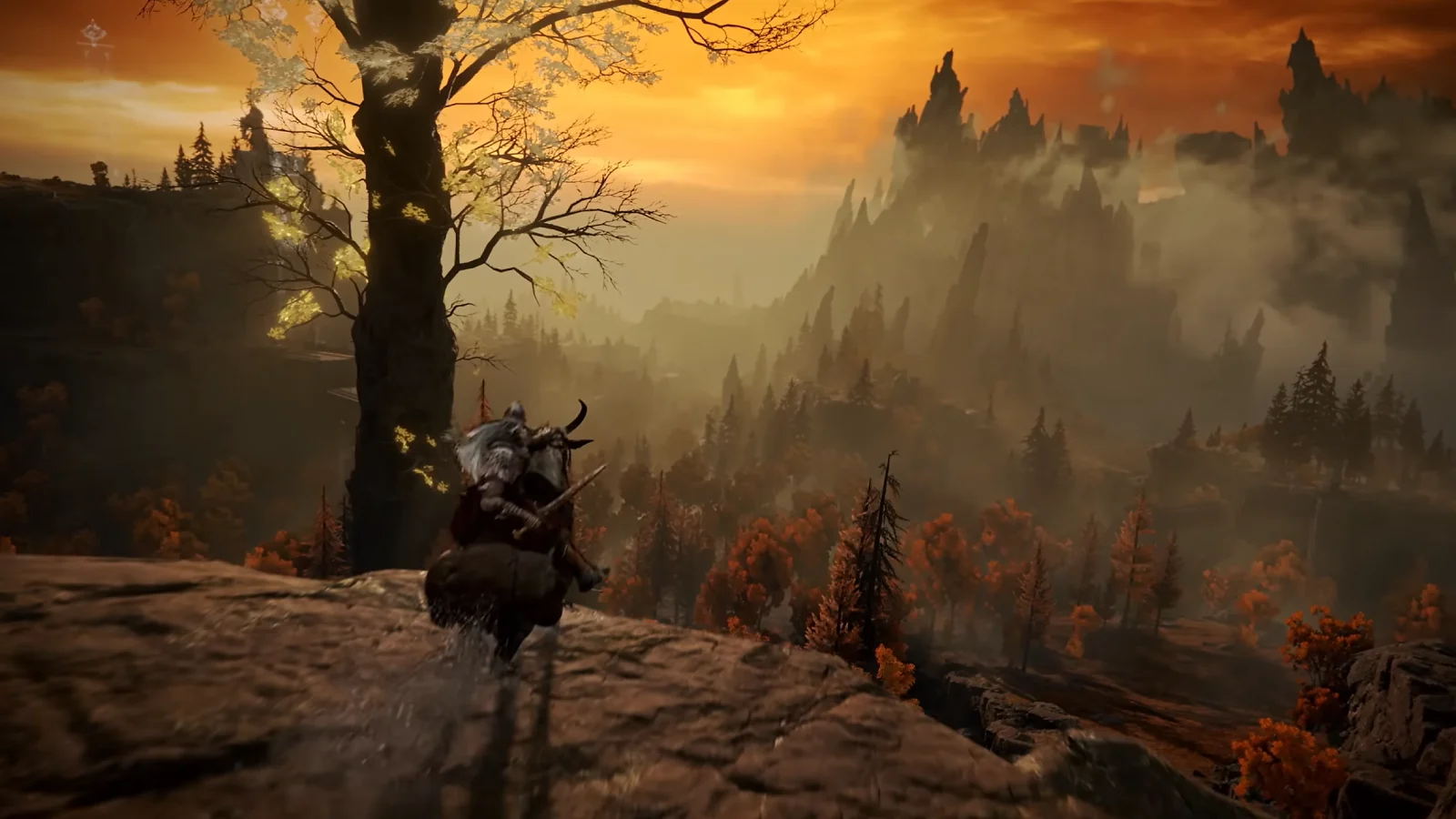
If one phrase sums up this game, it’s the one at the top of this section: open world done right. The Lands Between is vast and completely interconnected, and crucially it has no level scaling.
Every region is tuned to its own difficulty, so the world itself tells you where you belong – wander somewhere you’re not ready for and a towering enemy will send you flying, but that’s the game being honest with you, not cruel. Learning to read those signals, and deciding when to push your luck anyway, is half the thrill.
Better still, curiosity is always rewarded. There are no meaningless icons to mop up here, chase down a distant ruin or a suspicious cave and you’ll walk away with a new weapon, a game-changing spell, a fresh Ash of War, or an NPC whose story sends you somewhere new. It’s a discovery with real stakes, and it puts even some of the most beloved open-world games to shame.
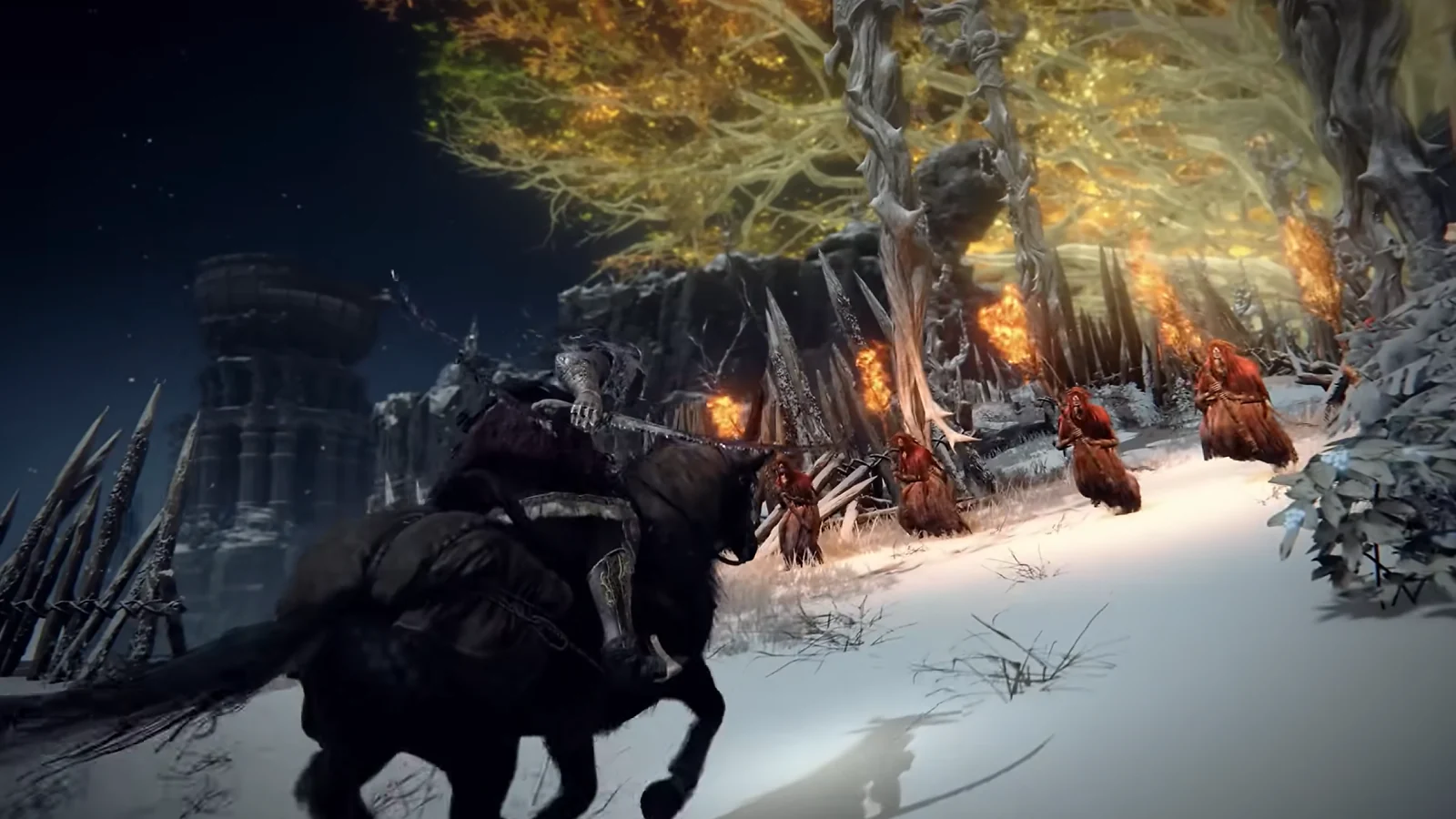
The design trusts you to explore on your own terms. There are no quest markers and no minimap, only the golden light of Sites of Grace nudging you onward, and you won’t even see a region’s shape until you’ve hunted down its hidden map fragments.
Navigation still feels great, though: Torrent, your summonable spectral steed, makes crossing the map fast and fun, generous fast travel cuts the tedium, and Stakes of Marika near tough fights slash the backtracking after a death.
Add clever alternate routes that let you slip past a wall and circle back later, and you get the rarest feat in the genre: a world this enormous that never once drags. There’s always a glint on the horizon pulling you forward: a ruined tower, a boss fog gate, a shaft of light you can’t explain, and “just one more landmark” is exactly how a quick session turns into a five-hour marathon.
Brutal, But (Almost) Always Fair
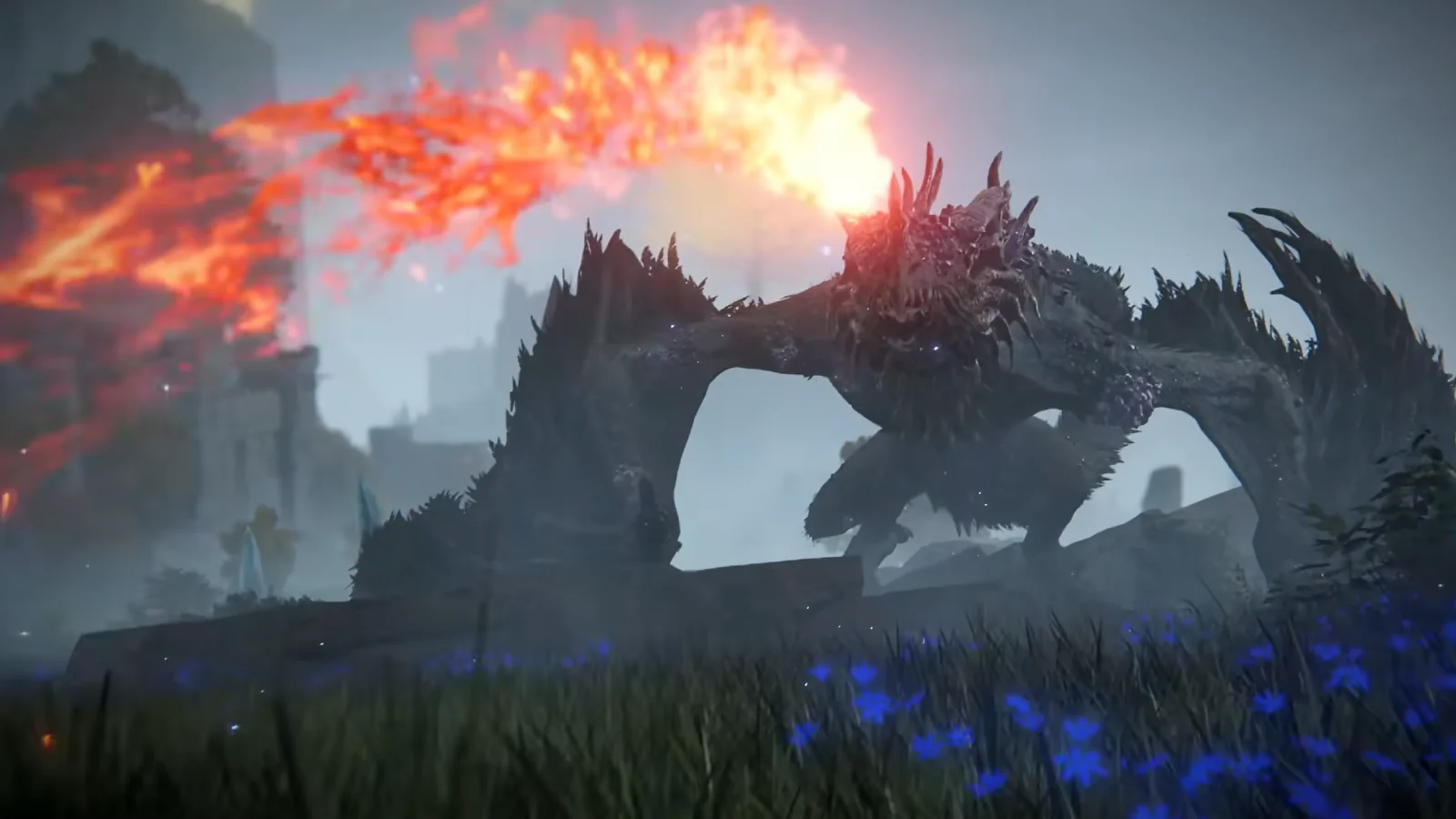
Combat, unsurprisingly, is where Elden Ring grabs you by the collar. At its core, it plays like Dark Souls 3, weighty strikes and tight stamina management, where one greedy swing gets you punished, but it adds sharp new tools: jump attacks, guard counters, and stealth that make every encounter more dynamic and more aggressive.
And yes, it’s hard. This sits comfortably among the hardest video games of its generation, and a few of its big bads (though technically not all of them are bad) rank with the toughest video game bosses ever. But here’s the thing that makes it special: Elden Ring might be the most approachable game FromSoftware has ever made, and it manages that without ever feeling watered down.
It’s a touch easier than the studio’s older Dark Souls games, and that’s exactly the point. It strikes a near-perfect balance: it keeps the brutal, exhilarating challenge the series is famous for, while being just forgiving enough to welcome newcomers who’d bounce off stricter soulslike games.
A lot of that comes down to freedom and tools. Struggling with a boss? Leave, explore, grow stronger, and come back. Need backup? Spirit Ashes can summon allies to even the odds. The difficulty never truly softens, it just always feels earned rather than unfair, and every hard-won kill lands like a genuine triumph.
That loop: die, study the boss’s tells, adapt, and finally break through on your twentieth attempt, is the beating heart of the whole experience, and few games deliver a bigger rush when it clicks.
Build the Hero You Want
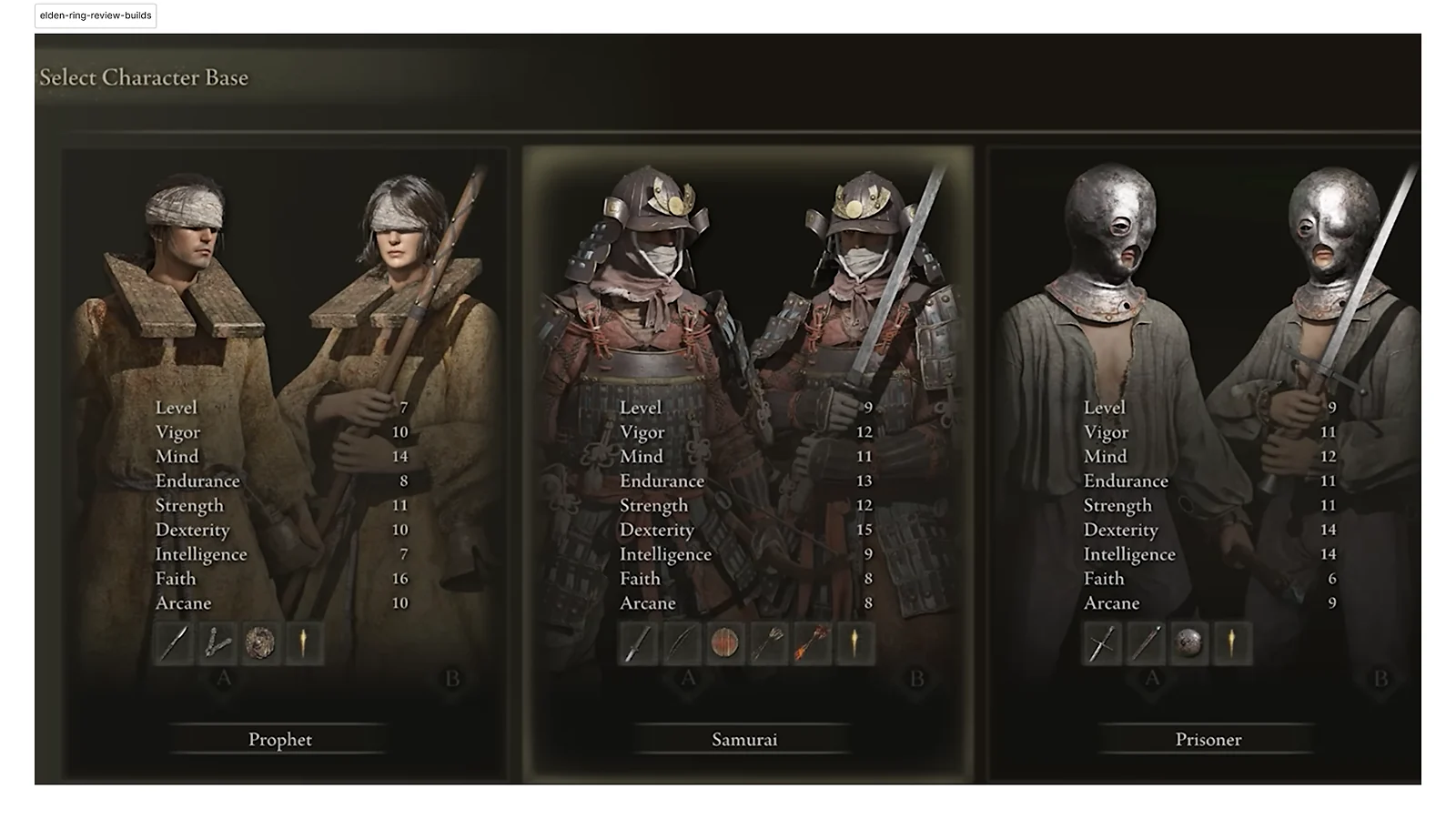
Half the fun of Elden Ring is deciding exactly who you want to be, and the build variety here is staggering. It’s easily one of the best action RPGs I’d recommend if you want top-tier customization.Thanks to the Ashes of War system, flexible stats, and easy respecs, you can chase almost any fantasy build and reshape it whenever you like.
Fan favorites include the bleed-stacking Blood Samurai, the ranged, status-slinging Elemental Archer, the parry-and-riposte Duelist, and countless more, from faith-fueled paladins to colossal-sword bruisers to pure sorcerers. Finding the perfect build is a game in itself, I spent literally hundreds of hours myself testing and playing dozens of builds and there were still many more to try!
Which brings me to a pet peeve. There’s a tired trend online of writing off mage builds as “too easy”, and in my experience, that take almost always comes from people who never actually played one. Sure, a good sorcery build can trivialize certain encounters. But on average, mages are actually more demanding than melee, not less: you’re constantly juggling FP, spacing, and casting windows, all while being fragile as glass.
Meanwhile a well-built melee character can one-shot enemies and even bosses just as readily, while enjoying far better defense and mobility. Don’t let the discourse steer you, pick the playstyle that excites you and lean all the way in. If you don’t like it, you can always change it to something else.
What keeps the system so addictive is how freely it lets you experiment. Found a weapon with a wild skill? Slot a new Ash of War onto it and build around that. Want to swap your strength bruiser into a dexterity bleed monster halfway through? Respec and go. Theorycrafting your next character becomes its own meta-game, and it’s a huge part of why so many players roll straight into a second and third run.
Where Classic Souls Still Bites
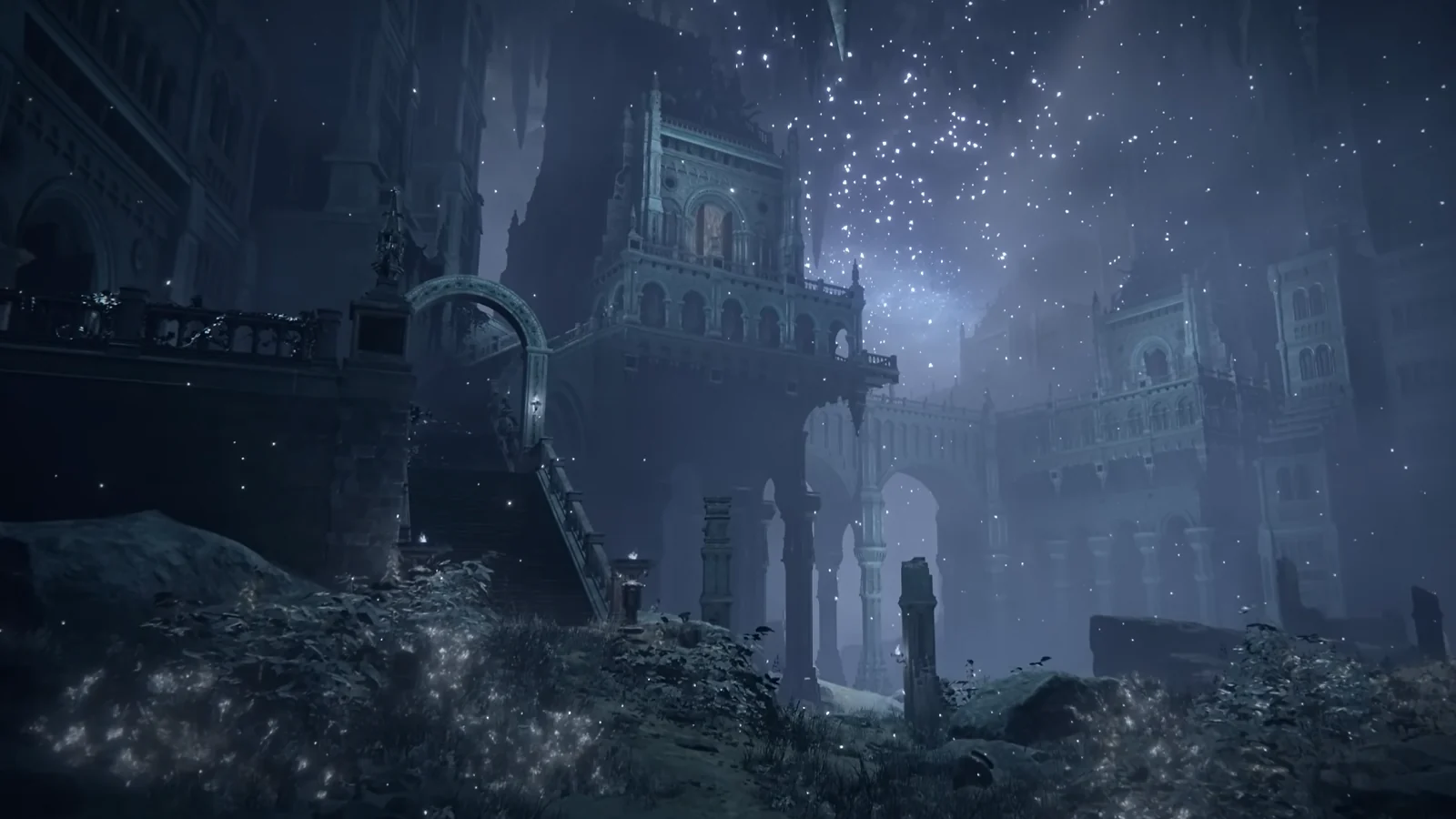
For all its open-world ambition, Elden Ring never forgets its roots. Scattered across the map are the Legacy Dungeons, huge, handcrafted strongholds like Stormveil Castle and the Academy of Raya Lucaria, and they’re pure, concentrated FromSoftware.
Winding paths that loop back on themselves, shortcuts you unlock with a satisfying clunk, illusory walls, and vertical layouts that reward you for looking everywhere: it’s that classic Souls level design at its sharpest, threaded straight into the open world.
Aside from those showpieces, the map is riddled with smaller dungeons, catacombs, caves, and tunnels, for the curious. Some lean on reused assets, and you’ll clock a few repeated layouts, sure, but the density and craft stay impressive throughout. And every Legacy Dungeon caps off with a boss, so the climb always pays off with a fight worth the sweat.
Story You Piece Together
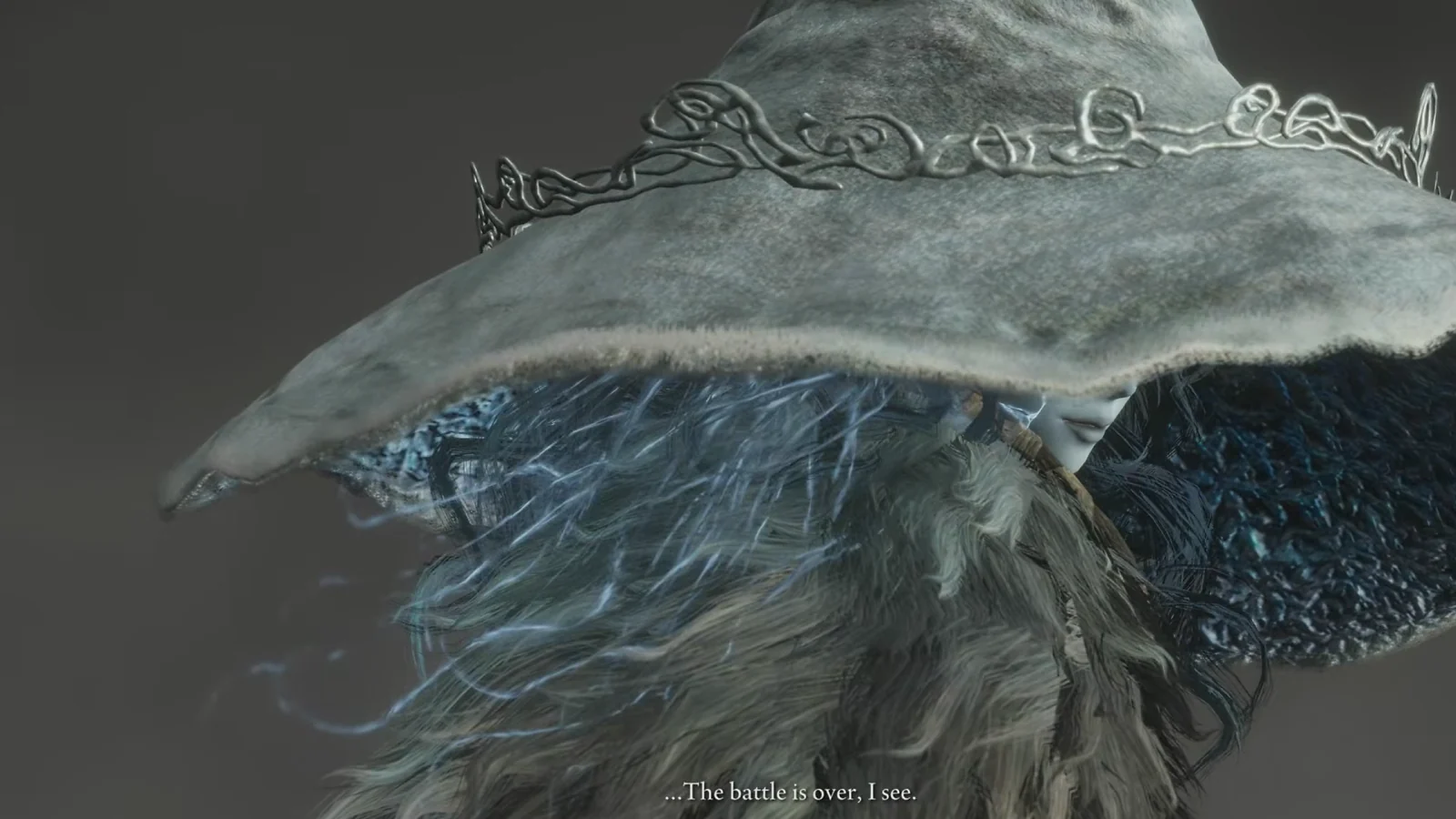
Here’s a pleasant surprise that’s probably already mentioned in almost every Elden Ring review out there: the game tells its story more directly than past FromSoftware titles. There’s a clear throughline, you’re the Tarnished, called back to restore the shattered Elden Ring and claim the title of Elden Lord, and the demigods you hunt give the plot real shape and momentum. It’s far easier to follow the broad strokes than in the studio’s older games.
But make no mistake: this is still a FromSoftware world, and it still asks you to do the work. Much of the lore lives in item descriptions, scattered documents, and sparse NPC conversations, and piecing it together yourself is surprisingly engaging, every cryptic line you decode snaps another part of the world into focus.
That mythic backbone owes a lot to George R.R. Martin, who crafted the underlying history of the demigods; his fingerprints are all over the feuding royalty and the sense of a grand tragedy that unfolded long before you arrived, giving this world a depth that, without a doubt, firmly lands it among the best fantasy RPGs ever made.
In a way, it reminded me of how Little Nightmares tells its story, almost entirely through what you see and uncover rather than what you’re told, except here that environmental storytelling is layered beneath a sprawling epic, and it makes you feel like an archaeologist digging up a lost age.
| Reviewer’s Platform (PC) | |
|---|---|
| GPU | NVIDIA GeForce RTX 5070 (12 GB) |
| CPU | AMD Ryzen 7 5700X 8-Core Processor (3.40 GHz) |
| RAM | 32 GB DDR4 |
| Average FPS (Native – Maximum Preset) | 60 (Official Cap) |
On the technical side, I’d say keep your expectations grounded: performance is mostly stable on consoles, while the PC version, which I’ve played, is prone to occasional frame-rate hitches, especially at a full gallop through busy areas. Patches have helped over time, but it’s worth knowing the presentation, glorious as it is, isn’t always perfectly smooth.
Still, the art direction is genuinely stunning and, more importantly, wildly varied. Each region really feels like its own world. The green fields of Limgrave give way to the rotting crimson horror of Caelid and the moonlit beauty of Liurnia, and cresting a ridge to see a new one sprawl out is a reward all its own.
The enemy designs are grotesque and unforgettable, and the golden Erdtree glowing on the horizon from nearly everywhere acts as a constant landmark, doing more for a sense of place than any waypoint could.
More Elden Ring Game Features Review: Bring Friends, Break Builds
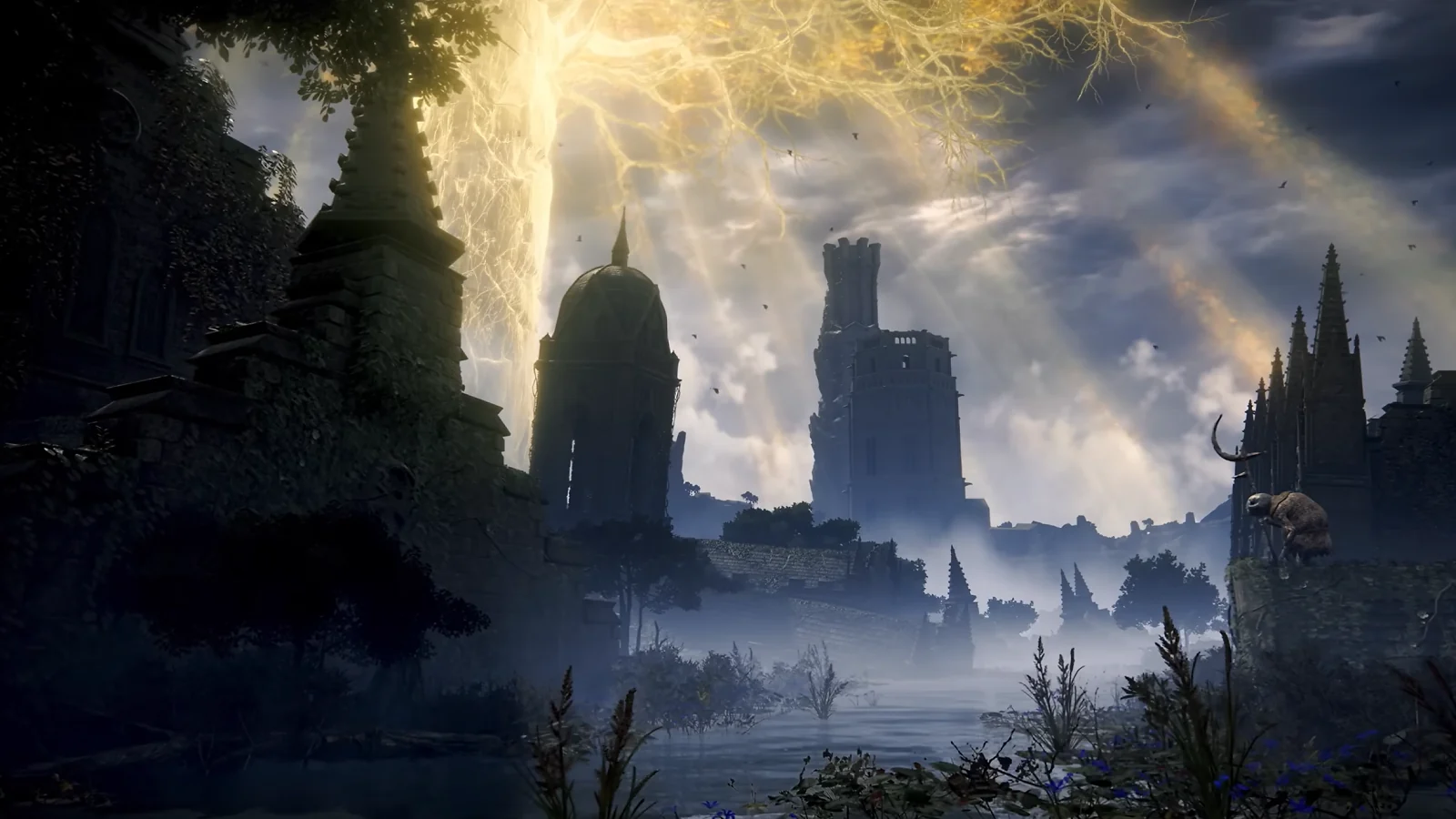
Good news for all you devoted fans of amazing multiplayer titles out there – those awesome Elden Ring combat and exploration mechanics I’ve mentioned here aren’t for solo gamers only to enjoy.
Cooperative multiplayer lets you summon friends or strangers to explore and gang up on bosses, which can turn a mildly frustrating brick wall into a fun, team victory lap (or a shared traumatic experience). Another reason why the game stands out even among some of the best PvE games.
PvP invasions make a comeback too, and you get to have chaotic duels with players rocking wildly unpredictable builds. There’s also FromSoftware’s clever asynchronous layer of cryptic player messages and ghostly death replays scrawled across the ground, that makes the world feel shared even solo.
My one gripe is that the multiplayer setup is fiddly, juggling passwords and items just to co-op is more friction than it should be. Even so, replay value is enormous: radically different builds, a mountain of optional bosses, quests you missed, and New Game Plus runs can, and in my case have, swallow hundreds of hours, and that’s before the acclaimed Shadow of the Erdtree expansion piles on a whole new region.
GAMES LIKE ELDEN RING
My Overall Verdict – The Best Soulslike Ever Made
To put it bluntly as I close out this Elden Ring review: this is as good as the genre gets. It’s the best soulslike ever made and one of the greatest open-world games ever built, an enormous, endlessly rewarding world of discovery welded to combat that’s brutal, fair, and exhilarating in equal measure.
The region-by-region difficulty and the perfect challenge balance make it the rare game that works both as your first Souls adventure and as an endgame obsession.
It runs cleanly on console and looks just as gorgeous on PC, with only the odd stutter to watch for. Some players will want clearer signposting, and that’s fair, but for anyone chasing a real test of skill and a world worth conquering, nothing else quite compares. A flawless 10/10.
| Pros | Cons |
|---|---|
| ✅ Top-notch open world design ✅ Deep character customization ✅ Gorgeous visuals ✅ Rich lore and environmental storytelling ✅ Tons of replay value ✅ Hardcore FromSoftware-signature combat ✅ Memorable NPCs and boss fights ✅ Similarly impressive expansion DLC (Shadow of the Erdtree) and standalone spin-off (Nightreign) | ❌ Cryptic guidance and easy-to-miss quests/lore ❌ Some PC performance hitches ❌ Reused assets in side dungeons ❌ Multiplayer setup is a bit fiddly |
Great for: Players who want a real challenge, deep character-building, and a world bursting with secrets. Soulsborne veterans and newcomers alike who are ready to be tested and rewarded.
Less ideal for: Players who want clear objectives, hand-holding, or a relaxed, low-stakes adventure to switch off with.