


What Is Whatnot & How Much Can You Earn in 2026?

Eneba Hub contains affiliate links, which means we may earn a small commission if you make a purchase through them—at no extra cost to you. Learn more


2026 Fee Update
Higher-priced sales may come with lower Whatnot seller fees in eligible categories:
Standard commission applies to the first $1,500 of an individual sale.
The eligible portion above $1,500 is commission-free, but processing fees still apply to the entire transaction.
What is Whatnot, and can it turn your cards, clothes, or collectibles into income? It is a marketplace for live auctions and Buy It Now listings. You earn from the products you sell on Whatnot, not simply from going live.
If you’re wondering, “What is Whatnot, and how does it differ from a regular resale app?” live video is the key difference. Learning how to buy on Whatnot means viewing items, asking questions, and bidding live. Whatnot live selling may help attract repeat customers, but more shows do not guarantee more sales.
This article breaks down what is Whatnot, how the platform works, and what you need to know before you sell on Whatnot – from fees and payouts to realistic ways to get started.
Jump to:
Is Whatnot Actually Realistic?
Yes, but “What is Whatnot?” is only the starting point. The bigger question is whether the platform fits your inventory, margins, and schedule. If you are wondering, “What is Whatnot worth as a side hustle?” the honest answer depends on what you sell and how much profit remains.
Whatnot live selling works best when you can:
- Explain and demonstrate products clearly
- Use recent sold prices to set realistic starting bids
- Pack and ship every order reliably
If you are researching what is Whatnot because you have seen impressive seller figures, keep those numbers in perspective. So, what is Whatnot sales data actually good for? It shows what established sellers may achieve, not what every beginner will earn.
According to the company, sellers who stream three or four times per week average more than $13,000 in monthly sales. A Whatnot payout is what remains after platform fees, while final profit also accounts for inventory and other business costs. Our guide to earning $1,000 a week playing games explores a different income model.
Before deciding how to sell on Whatnot, check:
- Whether sellers can apply from your country
- Whether your category requires extra approval
- What your products are worth and how much they cost you
- How much you may spend on fulfillment
If you are learning how to buy on Whatnot, focus on the full checkout price instead of seller costs.
And if you are asking, “What is Whatnot likely to leave after fees?” check the order receipt. It shows your Whatnot payout after platform charges, while inventory, packaging, seller-paid shipping, and refunds determine your final profit. The payout is not available immediately after the auction ends.
7 Real Ways to Earn From Live Selling
What is Whatnot? It is a live shopping marketplace where sellers auction or list products for buyers. Anyone searching “What is Whatnot” will probably also want to know which products perform best there. A smart starting point is to sell items you already know well.
After answering “is Whatnot app free?”, compare these five categories, one break format, and one scaling strategy. Ratings show how beginner-friendly each option is based on startup costs, policy complexity, and fulfillment work.
1. Trading Cards and Sports Cards
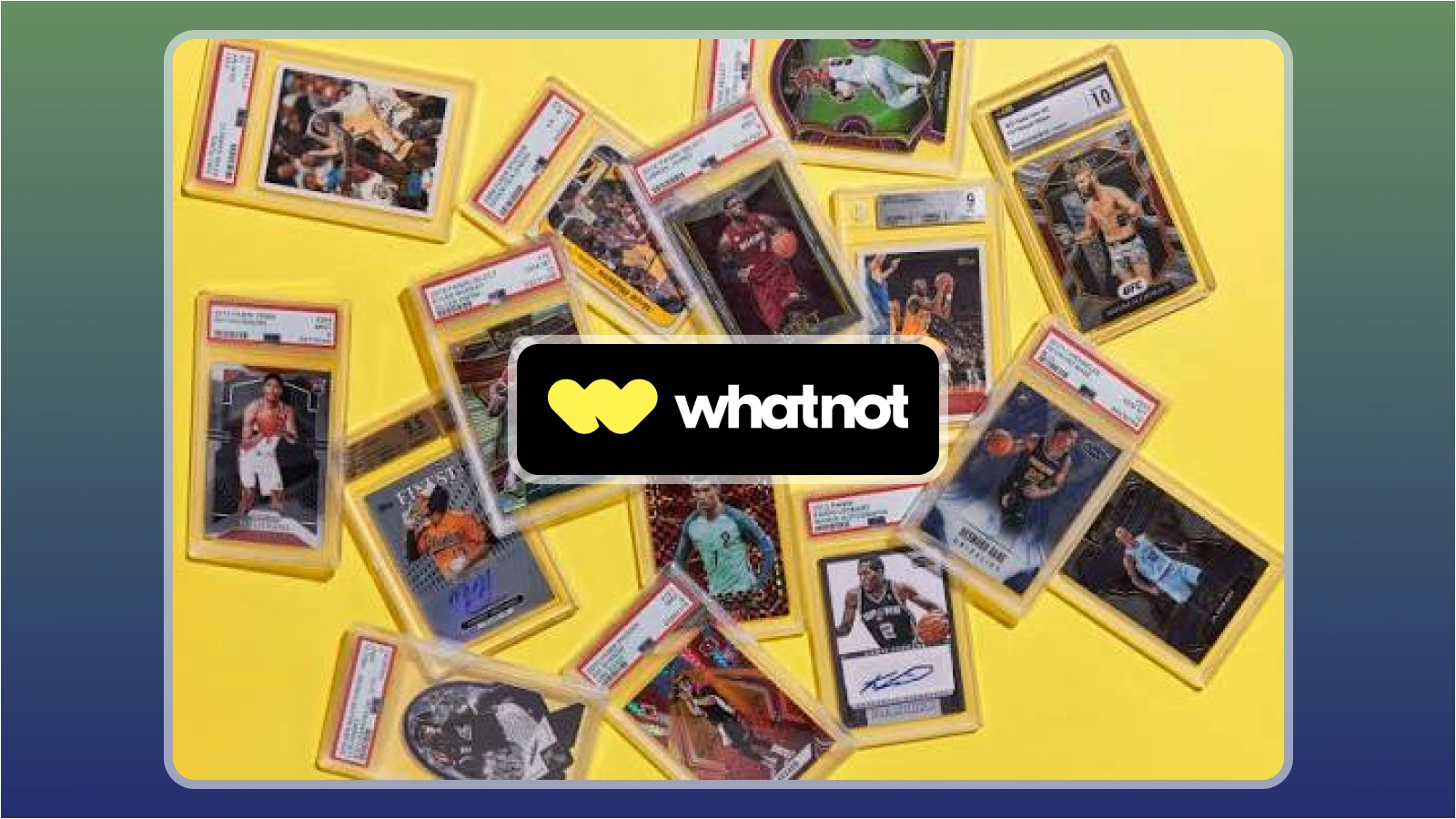
What is Whatnot like for card sellers? For a collector asking what is Whatnot‘s advantage here, it is the ability to show condition and answer questions live. Is Whatnot good for card sellers? Cards remain major categories, although fashion now leads by order volume. When learning how to buy on Whatnot, compare singles, graded cards, and sealed products.
If you want to sell on Whatnot, start with cards you already understand instead of buying a large case immediately. In the US, the standard Whatnot commission for TCG and sports singles is 8% of the final item price, plus payment processing. The fee basis differs for processing, so review Whatnot seller fees before setting a $1 opening bid. Understanding these costs is a key part of learning how to sell on Whatnot profitably. A beginner’s guide to Pokemon cards can help with sets, rarity, and condition.
Here is how to sell on Whatnot without making the first show harder than it needs to be:
- Before running Whatnot card breaks, apply for seller access and check approval requirements.
- Sort cards by set, sport, player, and condition before creating listings.
- Build a clear show theme so buyers know what will appear on screen.
- Bundle low-value commons thoughtfully and describe every flaw before bidding starts.

2. Live Card Breaks
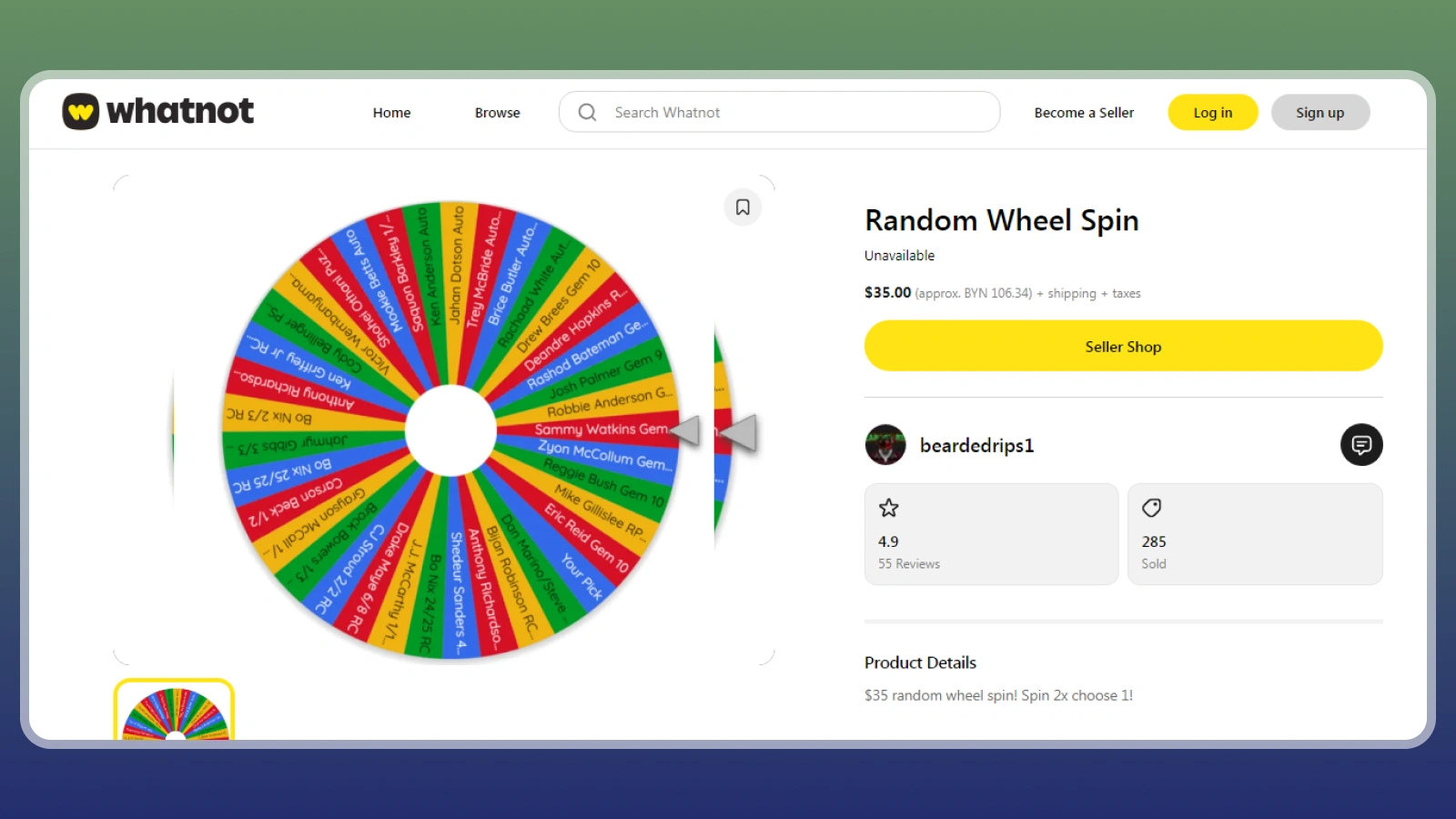
What is Whatnot doing differently with group breaks? For someone asking what is Whatnot‘s role in the format, it supplies the marketplace, live video, spot tools, and rules. In Whatnot card breaks, buyers purchase a spot tied to a stated allocation before the seller opens sealed cards live. The seller’s profit is total spot revenue minus the product cost, Whatnot seller fees, packaging, shipping, and other expenses.
Is Whatnot good for card breaks? It can be, but valuable pulls belong to assigned buyers and do not increase completed spot revenue. Whatnot card breaks use on-camera opening and dedicated randomization tools. Whatnot card breaks also require each buyer to receive a card even if their assigned team is not pulled. Buyers searching “is Whatnot app free?” should also review break protections, including reimbursement for undelivered high-value cards. This overview of the best trading card games explains the categories, not break profit.
Before running Whatnot card breaks, plan the full transaction:
- Buy sealed boxes or packs only when total spot pricing can cover every cost.
- Choose a permitted format and explain the allocation rules before buyers enter.
- List every spot clearly and start Whatnot card breaks only after meeting platform rules.
- Record the opening, track every card, and ship each buyer’s allocation correctly.
3. Sneakers and Streetwear
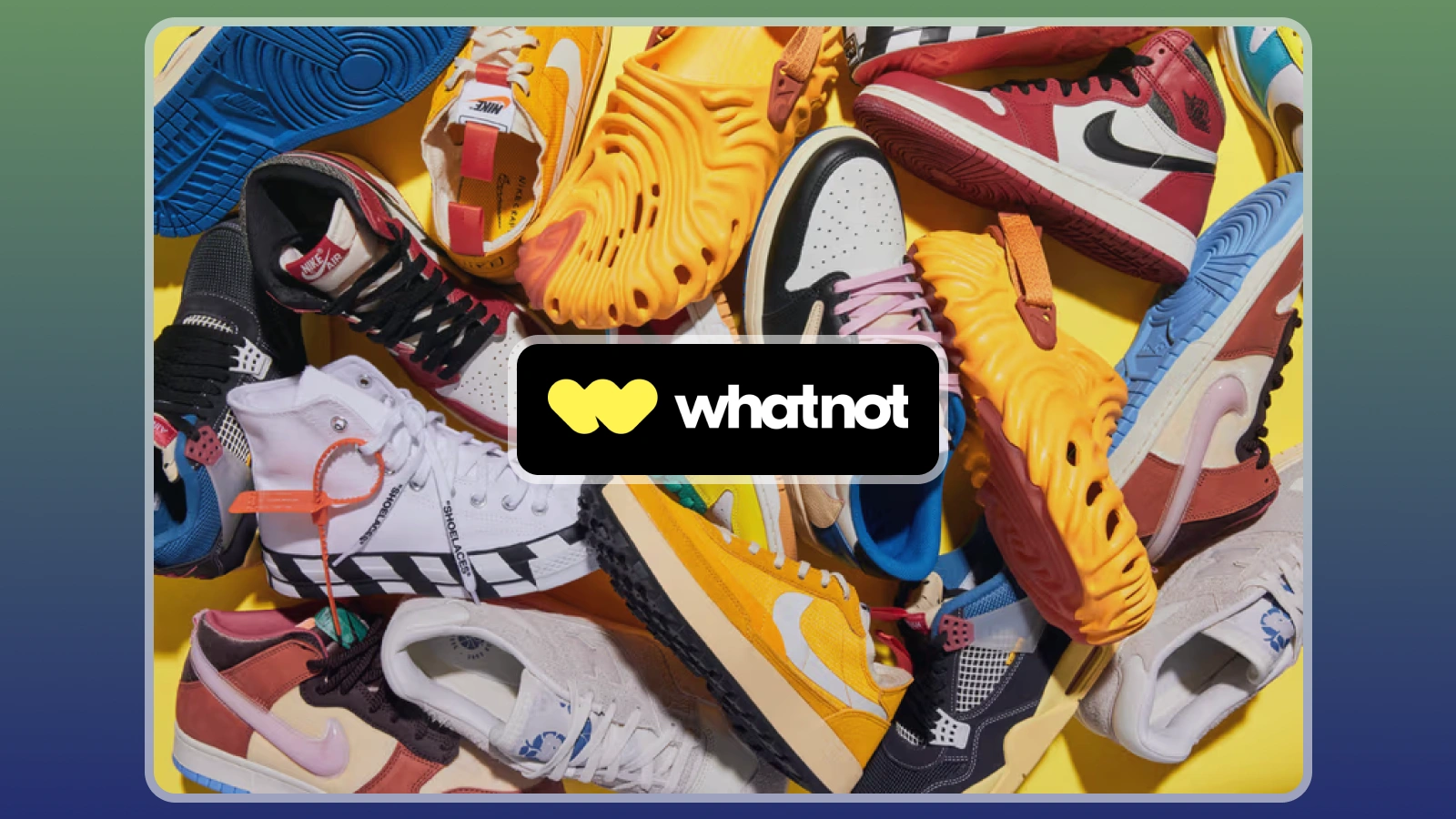
What is Whatnot like for sneakers and streetwear? If you are wondering what is Whatnot adding to a sneaker listing, it is the chance to show materials, labels, box condition, and visible wear before bidding. People wondering “is Whatnot app free?” can browse sneaker shows without a subscription, but sellers still need authentication and pricing knowledge.
For anyone learning how to sell on Whatnot, margin matters more than the winning bid alone. In the US, sneakers and streetwear normally fall under the 8% Whatnot commission for other categories, plus processing. Check recent completed sales, subtract every cost, and set a floor you can accept before you sell on Whatnot.
Is Whatnot good for sneaker sellers? It can be if you follow this checklist:
- Verify authenticity and keep evidence of where each pair came from.
- Show box damage, stains, sole wear, repairs, and missing accessories clearly.
- Check recent sales and the Whatnot commission before setting your minimum.
- Use lots only when the expected Whatnot payout covers your stock and fulfilment costs while leaving a worthwhile profit.
4. Vintage and Thrifted Clothing
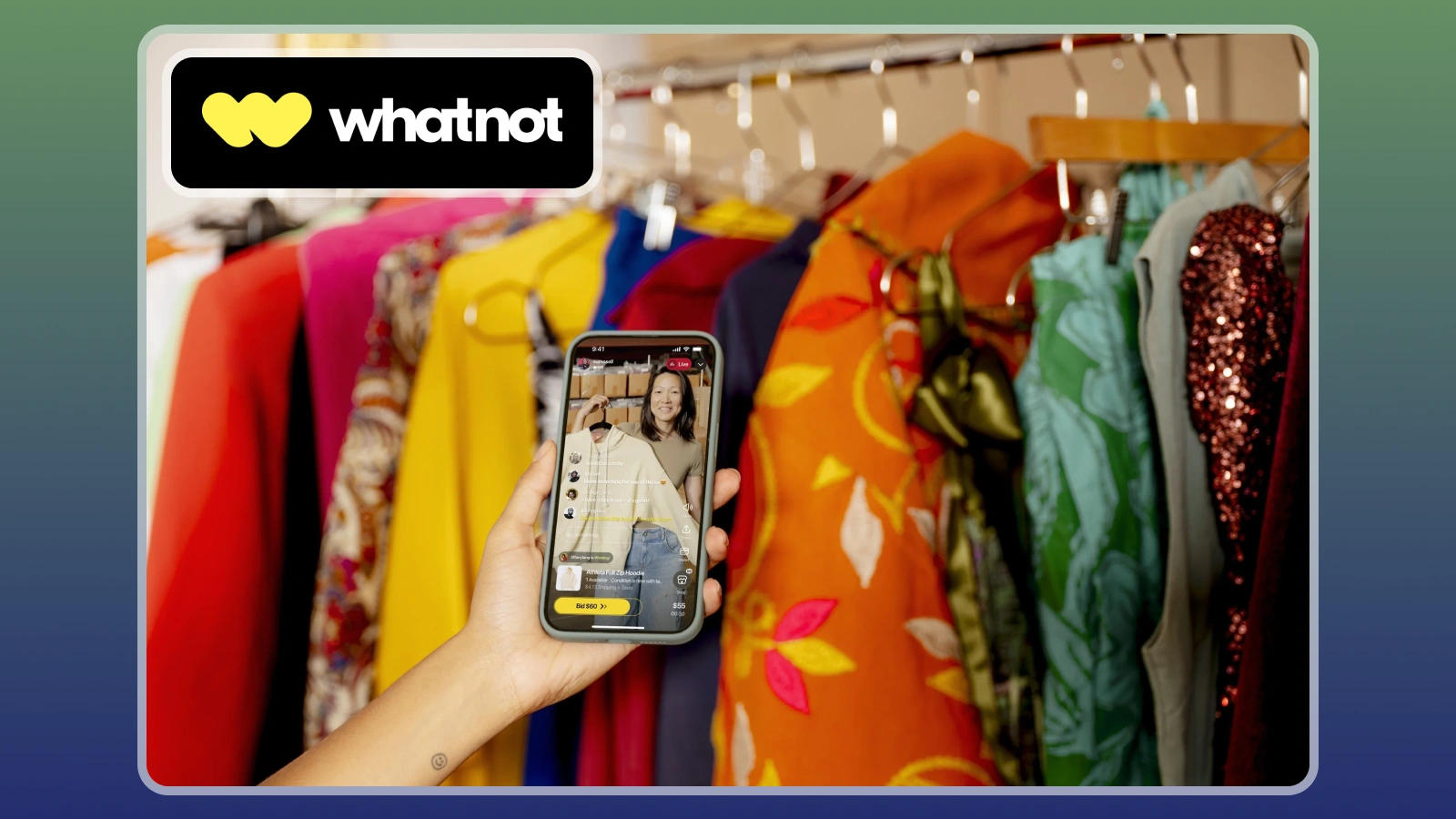
What is Whatnot useful for in fashion? For a closet seller asking what is Whatnot‘s main benefit, it is a way to show fit, fabric, and condition to a live audience. You can sell an existing closet, source vintage stock, or build themed shows. Listings are free to create and manage, but stock, cleaning, packaging, and returns can still cost money.
Whatnot live selling is especially useful when fit, fabric, and flaws need explanation. If you sell on Whatnot from the US, most fashion items carry an 8% Whatnot commission on the final item price, plus a 2.9% processing fee on the buyer’s total and $0.30 per transaction. International Whatnot seller fees differ and may include tax. Calculating your margin before going live is essential when learning how to sell on Whatnot.
Before your first clothing show:
- Group pieces by size, style, or era instead of presenting a mixed pile.
- Account for the Whatnot commission, then disclose measurements, repairs, and wear.
- Use recent sale prices and platform fees to estimate your Whatnot payout, then subtract sourcing costs to calculate profit.
- Steam items and prepare a simple order system before going live.
5. Funko Pops, Comics and Collectibles
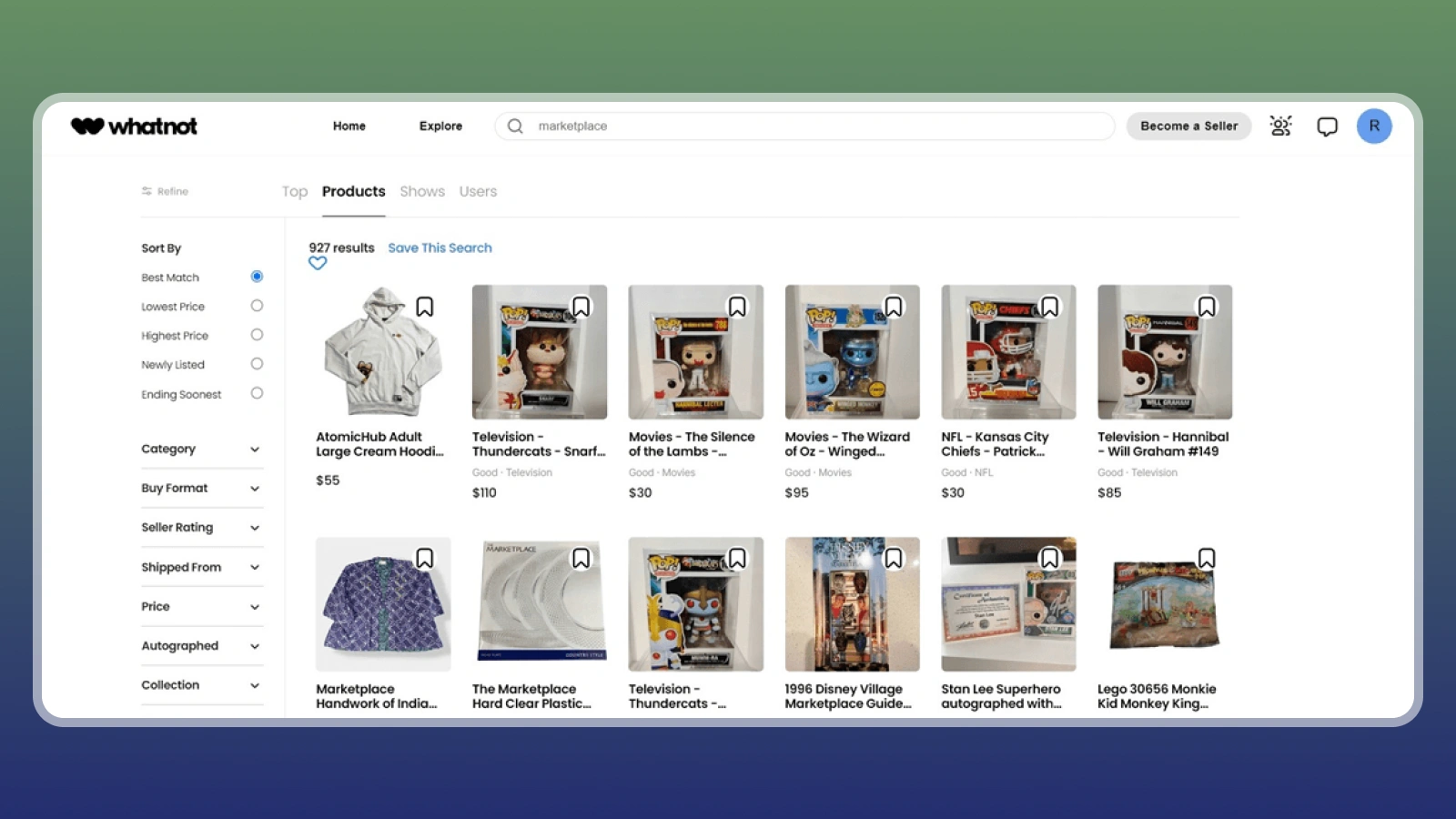
What is Whatnot best at within collectibles? If a new seller asks what is Whatnot‘s practical edge, it is the room to explain editions, condition, provenance, and details a static photo may miss. Collectors searching “is Whatnot app free?” can browse themed shows without paying for membership, although purchases still cost money.
Research completed sales before you sell on Whatnot, and send an item for grading only when the likely value increase can justify the fee, shipping, insurance, and result risk. This guide to rare Pokemon cards worth grading offers a useful starting point. In the US, Coins and Money has a 4% Whatnot commission, while most other collectibles use 8%, plus processing.
Is Whatnot good for collectibles? It can be when you prepare a clear, focused show:
- Separate high-value pieces from everyday stock and verify authenticity first.
- Use recent sold prices when estimating a realistic Whatnot payout.
- Group products by franchise, era, artist, or collecting niche.
- Show packaging damage and item condition closely before accepting bids.
6. Electronics and Tech Accessories

What is Whatnot like for electronics? A seller can demonstrate that a device powers on, a screen works, or an accessory is present. Electronics do not have a blanket 5% rate. In the US, they normally use the standard 8% Whatnot commission for other categories, plus processing.
Learning how to sell on Whatnot in this category means testing before listing and demonstrating condition during the show. Disclose battery health, account locks, repairs, missing parts, and compatibility. If you prefer digital inventory, selling CS2 skins for real money uses a different marketplace process and avoids physical shipping.
Use this check before you sell on Whatnot:
- Test every function before listing, then demonstrate key functions on camera.
- Record serial numbers and disclose battery health, wear, repairs, and account locks.
- Bundle low-value cables only when compatibility is clear to the buyer.
- Show original boxes and manuals when included, without promising a fixed value boost.
7. Scaling to Daily Live Selling
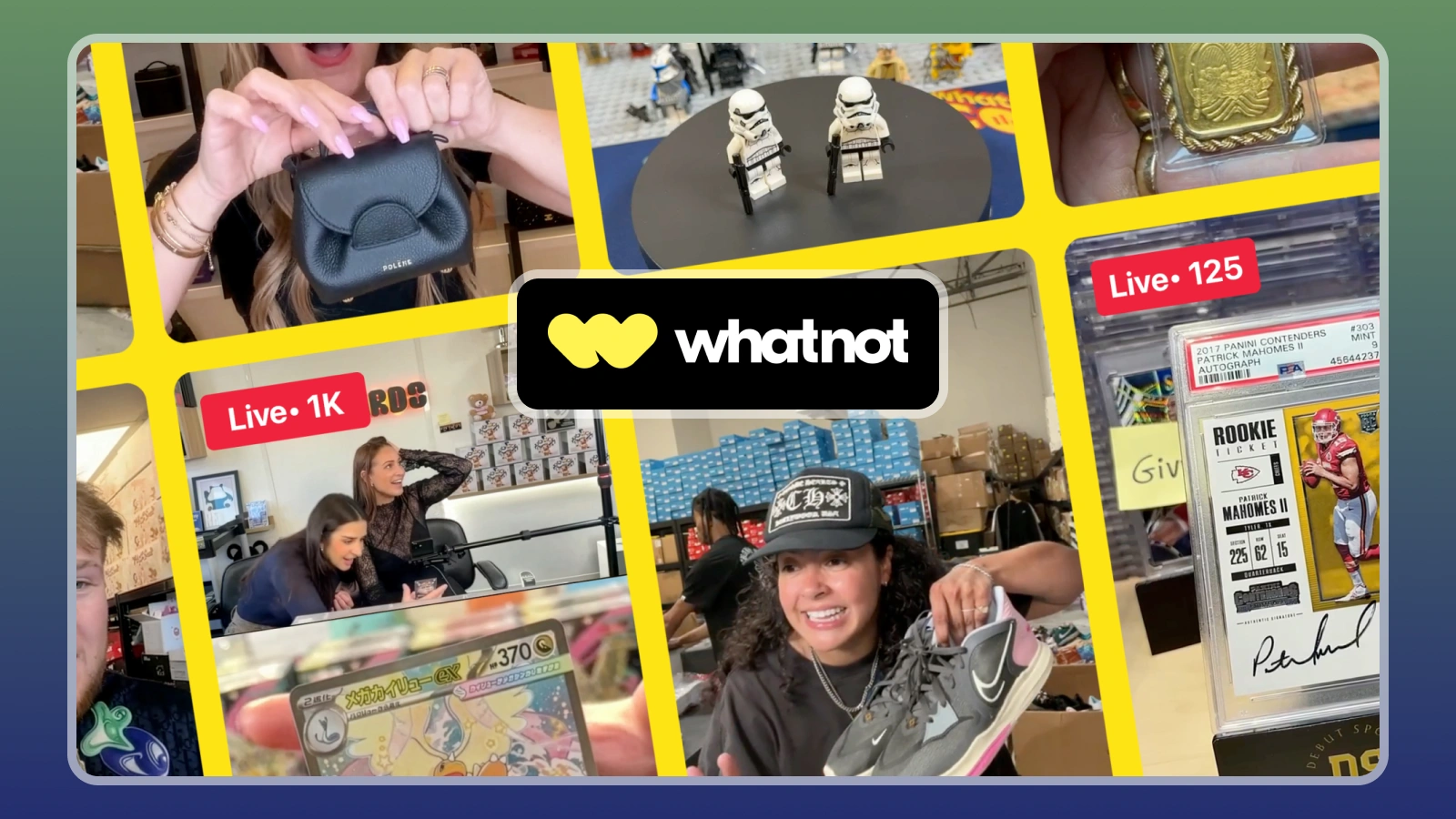
What is Whatnot like once selling becomes a daily operation? Although the answer to “is Whatnot app free?” is yes, running a selling business involves much more than hosting. You need reliable sourcing, listing, moderation, packing, customer service, bookkeeping, and enough cash to replace inventory while a Whatnot payout is still processing.
Is Whatnot good for frequent streamers? Company data shows that frequent streamers have much higher average sales, but it does not guarantee a larger Whatnot payout.
To scale without losing track of profit:
- Build a repeatable sourcing plan before increasing the number of shows.
- Batch packing and shipping while keeping each buyer’s order easy to trace.
- Track gross sales, Whatnot seller fees, inventory, refunds, and fulfillment separately.
- Add help only when steady order volume can support the extra cost.
How Do the Earning Methods Compare?
What is Whatnot easiest to start with? Sellers searching “is Whatnot app free?” can start without a subscription, ideally using stock they already know and own. The table compares practical starting points, US Whatnot commission rates, and workload. It avoids fixed income promises because prices, margins, show frequency, and audience size vary.
| Method | Best Starting Point | US Commission | Workload | Earnings Considerations |
|---|---|---|---|---|
| Trading Cards and Sports Cards | Owned singles or a small themed lot | 8% | 1 or more prepared shows | Sale price minus stock, fees, and fulfillment |
| Live Card Breaks | Sealed product and a compliant format | 8% | High tracking and packing work | Spot revenue minus every break cost |
| Sneakers and Streetwear | Authenticated pairs you know | 8% | Research and condition checks | Margin varies by sourcing and demand |
| Vintage and Thrifted Clothing | Existing closet or focused stock | 8% | Measuring, prep, and packing | Low extra startup cost is possible |
| Funko Pops Comics and Collectibles | A niche you can price well | 4% coins; usually 8% otherwise | Research and careful packing | Grading helps only when value supports it |
| Electronics and Tech Accessories | Tested devices and clear accessories | 8% | Testing and detailed disclosure | Returns and defects can reduce margin |
| Daily Live Selling | A proven show and stock pipeline | Depends on category | Full business operation | Track profit, not only gross sales |
Learning how to sell on Whatnot starts with the numbers. Estimate the likely sale price, then subtract every expense before deciding whether an item is worth listing. Whatnot card breaks also require more planning than standard listings because sellers must follow specific allocation and fulfillment rules.
Check the seller overview, verify the latest Whatnot seller fees in your country, and look for any approval requirements. Wondering, “What is Whatnot charging on this sale?” Your order receipt shows the exact fees.
Can Reward Apps Add to Your Income?
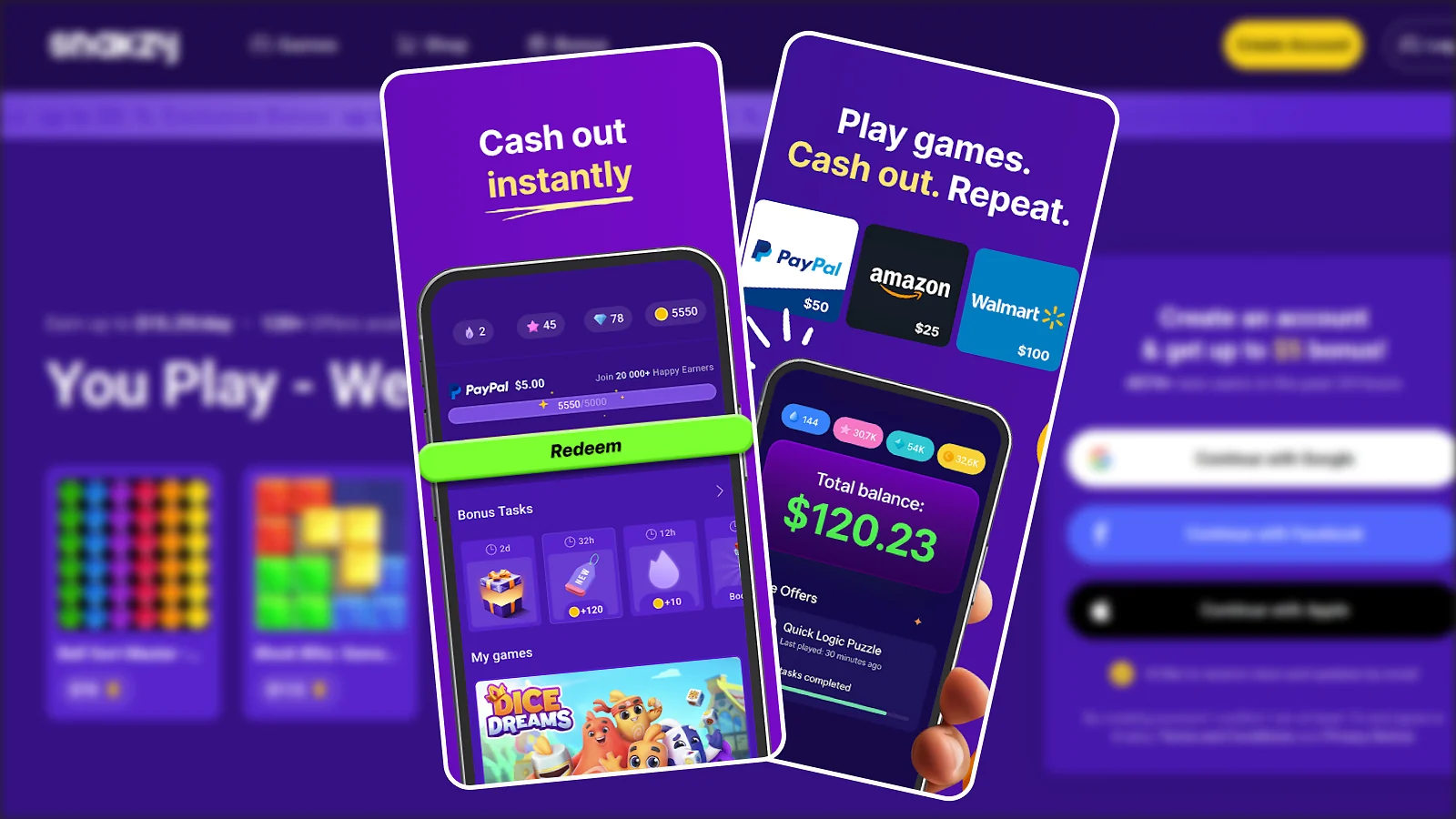
If you searched “is Whatnot app free?” the answer is yes, but it is a marketplace rather than a reward app. Reward and cash-back apps will not replace what Whatnot pays for an actual sale, but they can add a few extra dollars a month for close to no effort. Think of them as a side stack, not a second income stream.
Well-known cash-back apps like Swagbucks and Rakuten work the same basic way. Small point or cash rewards land for surveys, shopping, or referrals. Snakzy, Eneba’s own rewards app, and Bigcash pay out for a similar mix of light daily activity. Both have a real, working payout link on record right now.
If your goal is earning $200 fast, compare several realistic methods instead of relying on one app. Snakzy usually requires 35,000 coins to unlock its Shop once, but later minimums depend on country, reward, and VIP status. Eneba Wallet transfers currently require at least 25,000 coins.
What Doesn’t Work
What is Whatnot strict about? If your question is what is Whatnot most likely to enforce, start with listing, authenticity, category, break, and fulfillment rules. Violations can lead to warnings, billbacks, restrictions, or removal. Pricing and inventory mistakes can erase profit without breaking a rule.
Watch for these common problems:
- Counterfeit or unauthorized items: Verify authenticity and your right to resell before listing. People searching “is Whatnot app free?” should remember that free access does not make counterfeit or prohibited products acceptable.
- Chasing bidding wars: Anyone learning how to buy on Whatnot should compare prices because overbidding may not qualify for a return. Describe the item and any value claims accurately, and never manipulate bidding. Knowing how to buy on Whatnot also means setting a bid limit before the auction starts.
- Treating the work as passive: Whatnot live selling takes preparation, streaming, packing, shipping, and customer support. More shows also mean more operational work.
- Ignoring the Whatnot payout timeline: For most sellers, funds become available after confirmed delivery. US earnings usually move to the available balance within four hours after delivery, then a requested bank payout commonly takes 1–2 business days. Country and Early Payout rules differ.
- Using one fee percentage for every order: Whatnot seller fees vary by country and category. Commission uses the final item price, while processing usually uses the buyer’s total, including shipping and tax. The fixed charge also makes low-price transactions proportionally more expensive.
Is Whatnot good for cautious buyers? It can be, provided you check listings, sellers, and total prices carefully. What is Whatnot safety like in everyday use? The safest way to learn how to buy on Whatnot is to keep payments and messages on-platform. This guide to avoiding gift card scams covers useful warning signs.
Final Verdict on Whatnot
What is Whatnot in the final calculation? For a careful beginner asking what is Whatnot worth trying for, it is a marketplace that can turn product knowledge into sales, but revenue is not profit.
Start with stock you understand, calculate the Whatnot commission and processing cost, and treat Whatnot card breaks as a specialist format with stricter rules. So, is Whatnot good for new sellers? It can be if you start small and calculate the real profit on every order.
If you want to sell on Whatnot, begin with one manageable show or a small set of Buy It Now listings, then review actual margins. This is the simplest way to learn how to sell on Whatnot. It also gives you a personal answer to what is Whatnot like before you scale. A Whatnot payout usually depends on delivery, so plan cash flow around fulfillment. If you are learning how to buy on Whatnot, start with a modest order and review the seller’s history first.
FAQs
If you are asking what is Whatnot, it is a legitimate live and fixed-price marketplace founded in 2019. Buyer protection, seller verification, payment processing, and policy enforcement apply, but each transaction still carries normal marketplace risk.
US Whatnot seller fees are usually an 8% commission plus 2.9% of the buyer’s total and $0.30. Coins and Money uses 4%. Rates, taxes, and promotions vary by country and category.
A standard US Whatnot payout becomes available up to four hours after confirmed delivery. After you request it, bank arrival usually takes 1–2 business days. Other countries and Early Payout use different timelines.
Yes. If your question is what is Whatnot‘s first seller step, submit the in-app application. Most sellers get access within minutes, but some categories need another review. Applicants must be in a supported country, and ages 13–17 need guardian permission.
Yes, but it is not typical or guaranteed. For anyone asking what is Whatnot‘s full-time potential, the company says one in eight sellers is full time. Sellers with $10,000 or more in monthly sales more than doubled in one year, but those figures describe sales, not profit.
Fashion is Whatnot‘s largest category by order volume, while sports and trading cards remain popular. If you are asking what is Whatnot best for, choose inventory you can authenticate, price from recent sales, explain clearly, and ship safely.