

7 Lucrative Side Hustles: How It Works & How Much You Can Earn in 2026

Eneba Hub contains affiliate links, which means we may earn a small commission if you make a purchase through them—at no extra cost to you. Learn more



QUICK VERDICT
The highest-ceiling route among these lucrative side hustles is freelancing on Toptal, where accepted developers bill $60 to $200 or more an hour, though the screening process itself takes real preparation. Among the most lucrative side hustles here, Toptal and Airbnb co-hosting show the widest gap between effort required and ceiling reached. Apply to Toptal
Lucrative side hustles come down to one honest trade: real skill or real setup time now, for real income later. Freelancing on Toptal is the highest-ceiling route in, since it filters for senior talent instead of competing on price, though that ceiling is earned through a genuinely tough screening process, not handed out immediately.
The strongest options on this list pay well because they turn a skill, an asset, or a genuine specialty into recurring income, not because any of them are fast money. Some ask for real capital upfront, others just real time and consistency.
Below, this guide ranks seven real, verifiable ways to build one, each with actual payout numbers, real startup costs, and an honest read on how long it takes before the effort is worth it.
Jump to:
Is a Lucrative Side Hustle Actually Realistic?
Yes, but only for people willing to trade a real skill, real capital, or real setup time for it. None of the seven methods on this list pay meaningfully without one of those three going in first, and lucrative side hustles cover a wide honest range, from a few hundred dollars a month casually up to a full income replacement for people treating it like a real business.
It’s realistic for someone with a genuinely marketable skill worth screening for, like software development or voiceover work, or for someone willing to put real capital or setup time into an asset first, a private label product, a managed listing, an inventory of resale stock, before seeing meaningful income.
Understanding what are lucrative side hustles versus casual gig work starts with looking at which of those three inputs, skill, capital, or time, a method actually demands. It isn’t realistic for anyone expecting fast money with zero existing skill, audience, or capital, and that gap is the honest boundary lucrative side hustles are built around.
The tradeoff is worth naming directly. Skill-based methods like freelancing pay fast per hour once accepted but cap out at available hours, capital-heavy methods like Amazon FBA ask for money upfront in exchange for a higher ceiling later, and service-based methods like Airbnb co-hosting scale by adding more clients rather than more hours.
That range, skill, capital, or scale, is really the trade-off at the center of what makes something a genuinely lucrative side hustle instead of just another gig. Voiceover work and print-on-demand both count as remote side hustles if a fully location-independent setup matters more to you than the highest possible ceiling.
7 Real Ways to Build a Lucrative Side Hustle
Every method below comes from a real platform with sourced pay data, real startup costs, and an honest timeline to a first payout. These seven lucrative side hustles range from a screened freelance marketplace to hands-on physical work, each ranked by how the effort or capital required actually turns into real income.
1. Freelance Software Development on Toptal
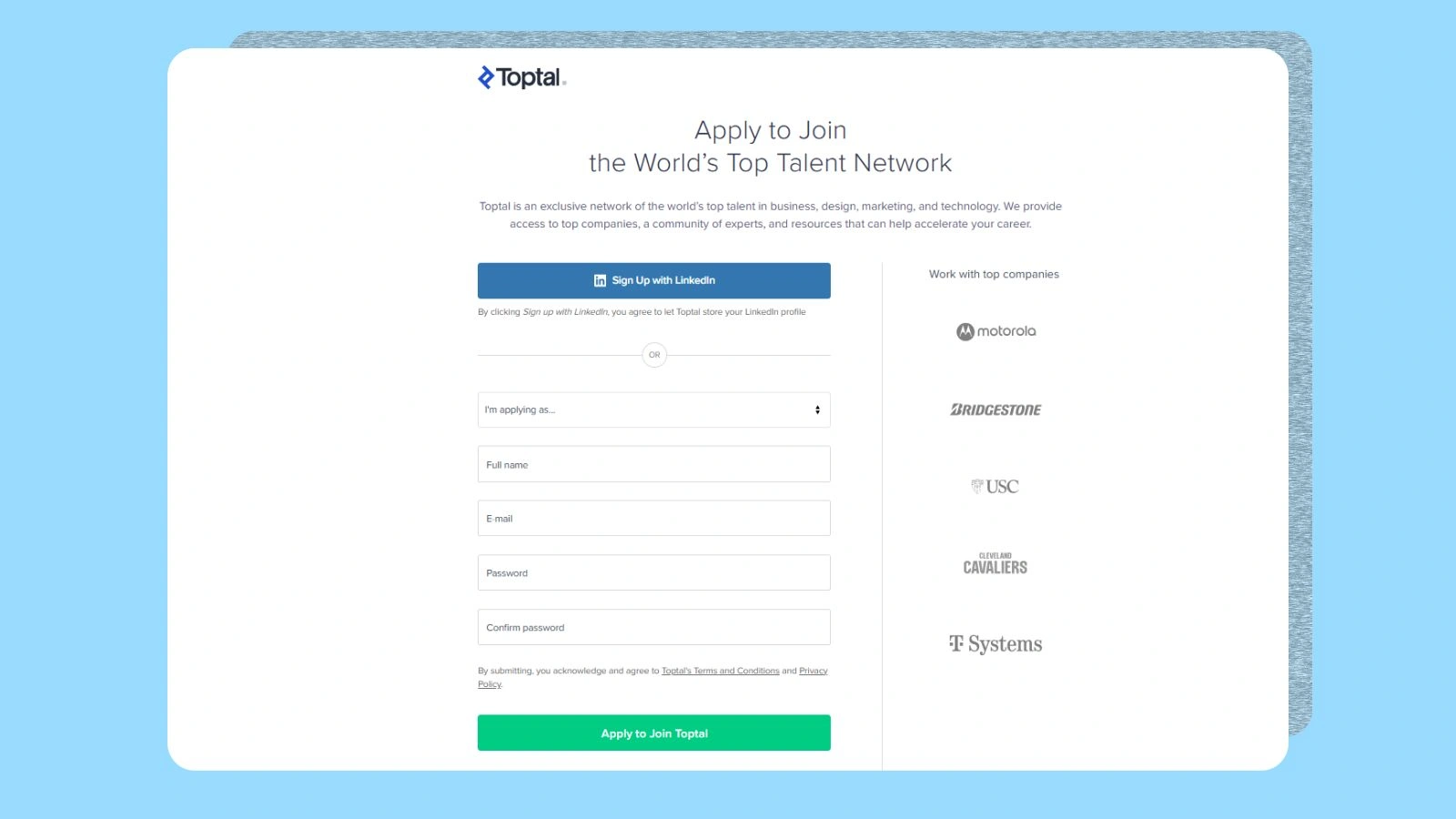
Freelancing through Toptal is the highest-ceiling entry among these seven lucrative side hustles, since it filters for senior talent instead of competing on price. Developers typically bill $60 to $200 or more an hour, well above what a comparable profile earns on an open marketplace, because clients pay a premium specifically to skip sourcing and first-round screening.
That premium comes with a real barrier to entry. Toptal accepts fewer than 3% of applicants through a five-stage process covering a language and personality assessment, a live technical interview, and a timed coding challenge, all before a single project gets offered.
Getting in changes how the work actually flows. There’s no bidding and no proposal writing once accepted; Toptal‘s matching team pairs accepted freelancers directly with client engagements, and freelancers set their availability and rate rather than racing other applicants to the bottom.
The tradeoff is real preparation time before any income starts. Most rejections happen at the technical screening stage, and Toptal allows a reapplication after six months for anyone who doesn’t pass the first time. This isn’t a route into software development from zero, it’s a landing spot for developers who already have the skill and want to stop competing on price for it. For developers who clear the screening, Toptal consistently ranks among the best lucrative side hustles available right now.
2. Moving and Delivery Help on GoShare
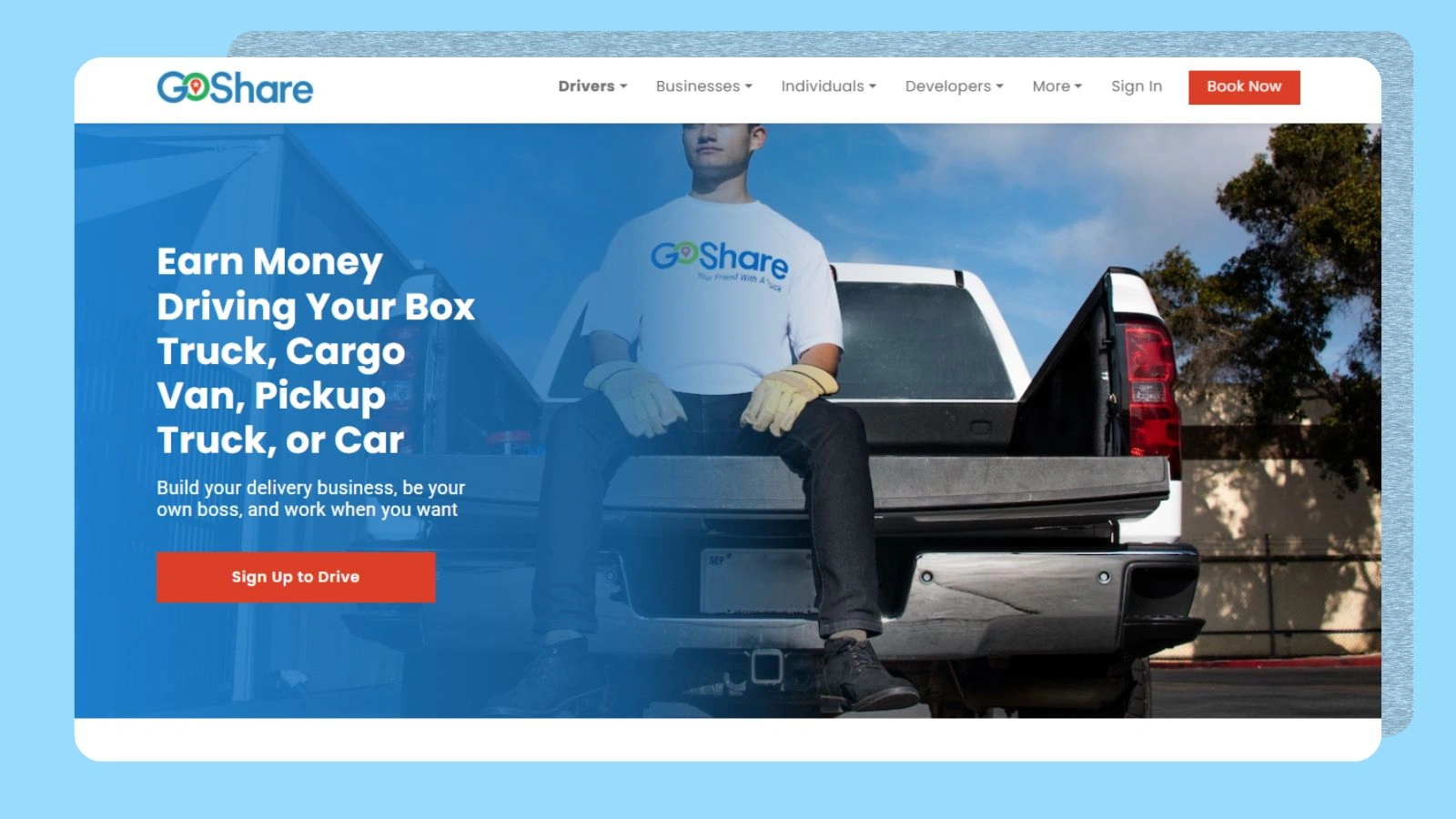
Moving and delivery work through GoShare is one of the more accessible lucrative side hustles on this list, since there’s no degree, certification, or even a vehicle strictly required. Drivers with a pickup truck, cargo van, or box truck earn the most, with published rates running $36 to $85 an hour depending on vehicle type, while a labor-only Helper role pays a comparable rate to pickup drivers for anyone willing to lift and load without owning a truck at all.
Real-world pay tends to land below those advertised numbers once driving to a pickup and waiting between jobs gets counted, so treating the top-line figures as a ceiling rather than a guarantee keeps expectations honest from day one.
Getting approved costs a $49 membership fee that covers a background check, plus a vehicle inspection for anyone bringing their own truck or van. The check typically takes 3 to 5 business days, and approval unlocks job alerts for nearby moving and delivery requests.
The habit that separates strong earners from disappointed ones is being selective about which jobs to accept. Jobs far from home eat into the hourly rate fast once drive time gets factored in, so picking nearby, well-paying offers over grabbing every alert that comes through is what actually protects the real hourly number. Vehicle-based work like this is one of the few lucrative side hustles from home that still requires stepping outside the house to earn.

3. Voiceover Work Through Voices
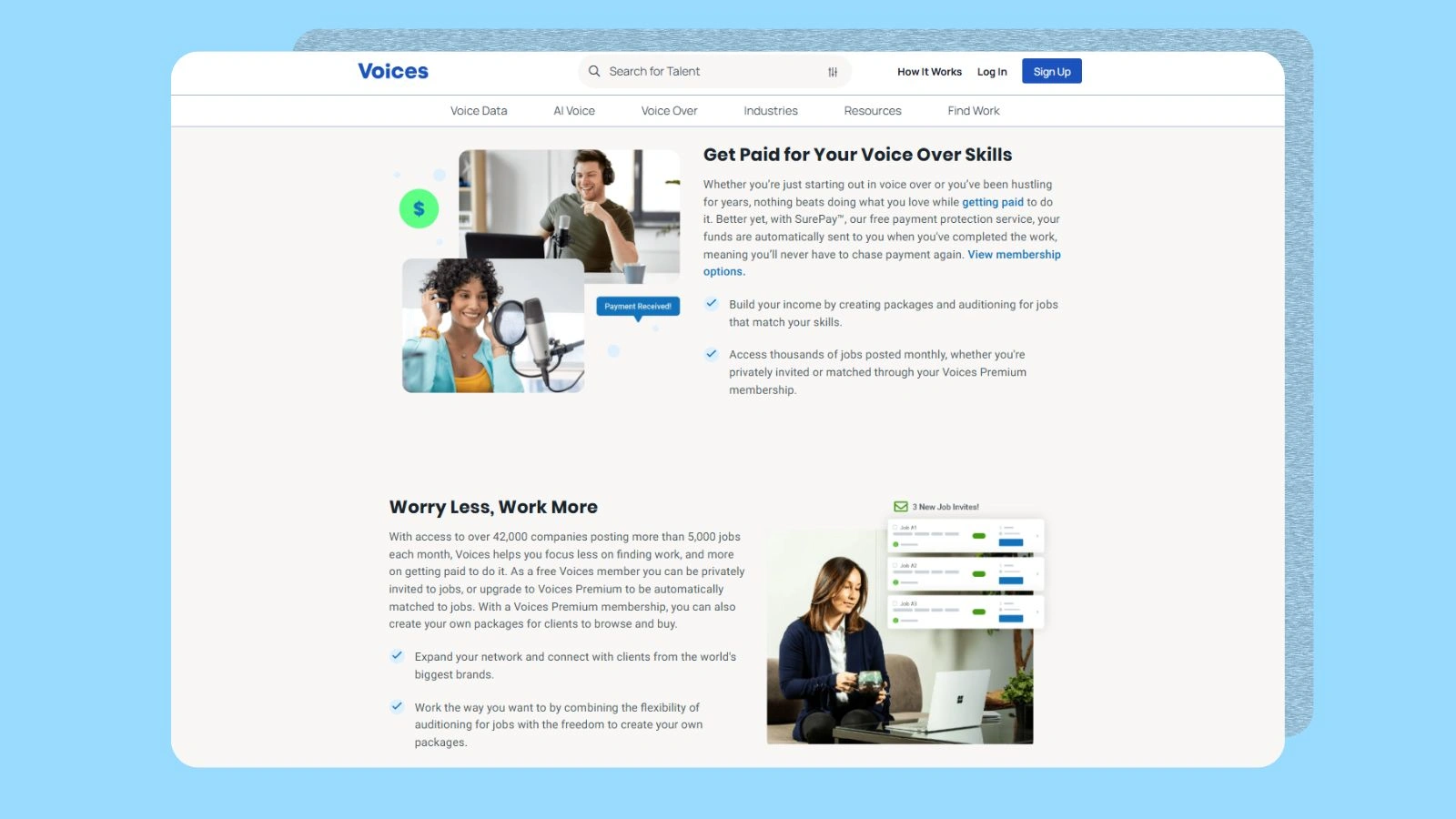
Voiceover work booked through Voices is one of the more flexible lucrative side hustles here, since pay scales entirely with skill and portfolio rather than a platform-set rate. Beginners typically land $100 to $500 per project on non-broadcast work like e-learning modules or corporate narration, while voice actors with a few years of steady bookings often reach $500 to $2,000 or more per project.
Broadcast work pays differently than everything else on this list. A commercial’s rate depends on market size and how long it airs, not a flat per-word or per-minute fee, which is why an experienced voice actor’s income can swing widely from project to project.
No degree is required, just a decent microphone, a quiet recording space, and a demo reel that actually shows range across a few different styles. Clients browse profiles and request auditions directly, so the demo does most of the work before a single pitch gets sent.
The habit that separates working voice actors from hobbyists is treating both types of work as complementary instead of chasing only the highest-paying broadcast jobs. Non-broadcast projects build steady income and a track record, while broadcast work delivers the occasional bigger payout once a client base exists. Voices is one of the best online side hustles for anyone who wants steady non-broadcast bookings without chasing the rare big broadcast payout.

4. Print-on-Demand via Printify
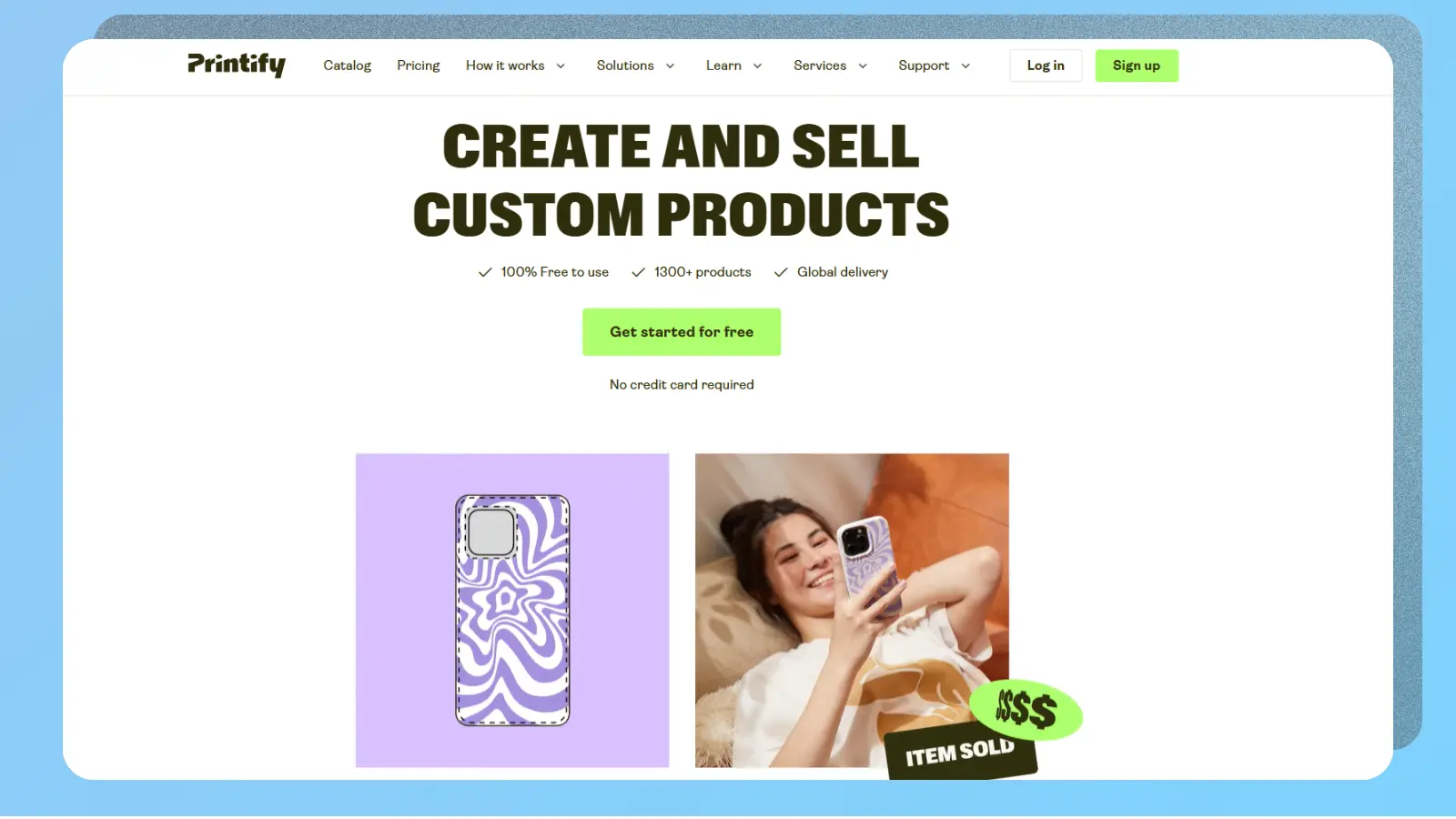
Print-on-demand through Printify is one of the most lucrative side hustles on this list for anyone with a design idea and zero inventory budget, since nothing gets produced or paid for until a design actually sells. Sellers who price deliberately and pick the right fulfillment provider realistically net 20% to 35% per order, well above what a default, un-optimized setup brings in.
That gap comes down to setup discipline, not luck. On the same $28 t-shirt design, Printify nets noticeably more profit than comparable providers once fulfillment costs are compared side by side, which makes provider choice one of the highest-leverage decisions in the entire setup.
Startup cost sits at zero beyond a connected Etsy or Shopify storefront and either basic design skill or an AI design tool. Time to a first sale depends entirely on traffic: days with an existing audience, months without one.
The habit that separates profitable shops from break-even ones is comparing fulfillment providers and prices before publishing a design, instead of defaulting to whichever one Printify auto-routes an order to. That single choice is often the difference between a thin margin and a real one on the exact same design. Print-on-demand through Printify is one of the simplest ways to have extra income without inventory, especially for anyone already comfortable with basic design work.

5. Reselling Sneakers and Collectibles on StockX
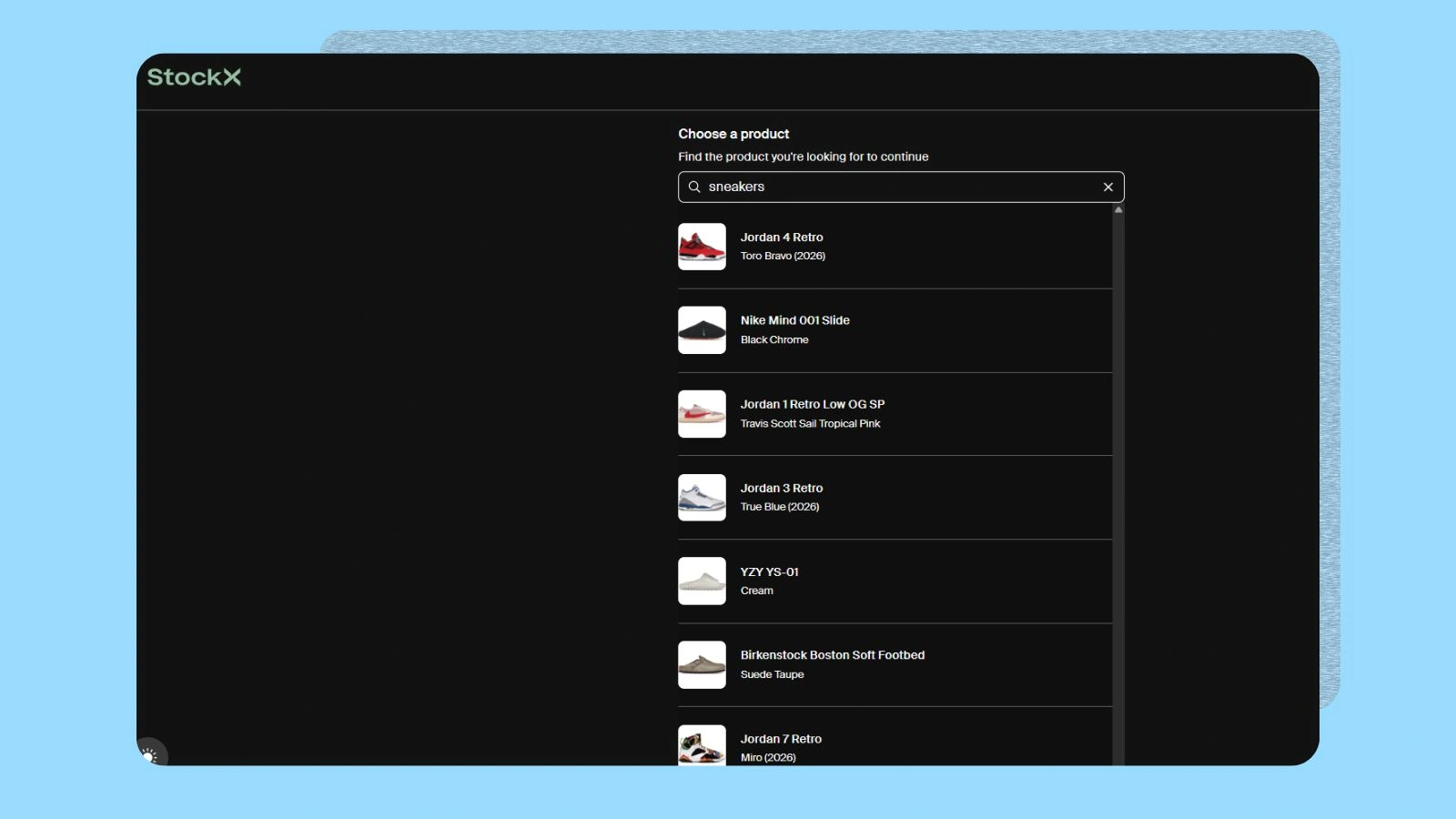
Reselling through StockX stands out among lucrative side hustles because pricing runs on a live bid/ask system rather than a fixed listing price, so both buyers and sellers see exactly what the market will pay before committing. That transparency makes it easier to price sneakers, streetwear, and collectibles with real data instead of a guess.
New sellers start at a 9% transaction fee plus a flat 3% payment processing charge, and that transaction fee steps down as sales volume builds, dropping toward 7% for high-volume sellers. On a $200 pair, that works out to roughly $171 in hand before factoring in whatever the item cost to source.
Startup cost is really just sourcing inventory, since listing itself is free and StockX handles authentication and shipping labels once a sale locks in. Payouts land in a seller wallet once the item passes verification, then transfer out to a bank account, PayPal, or Venmo.
The habit that separates profitable resellers from break-even ones is running the fee math before buying, not after listing. A hyped pair with a thin resale margin can turn into a loss fast once shipping and the transaction fee come out, so checking recent sold prices against sourcing cost is worth doing before a single dollar changes hands. Sneaker and collectible resale sits comfortably among the most lucrative side hustles for anyone who already understands a specific market.
6. Amazon FBA Wholesale or Private Label
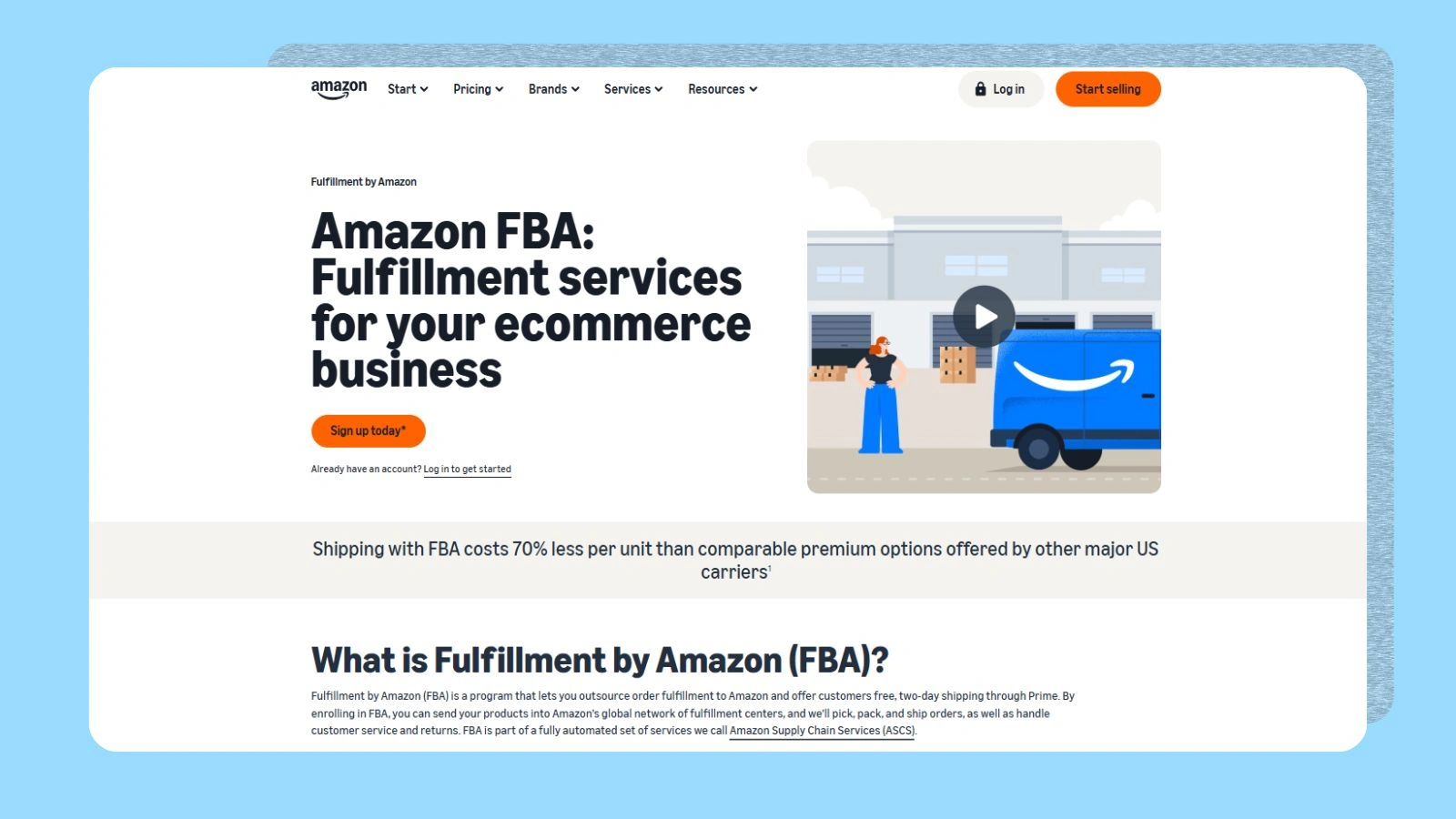
Selling through Amazon FBA is the biggest-capital, highest-ceiling entry among these lucrative side hustles, and that upfront investment is exactly what separates it from everything else on this list. A private label launch, sourcing a product, branding it, and building the listing from scratch, realistically needs $2,500 to $5,000 to do properly, while a wholesale approach, buying existing branded products in bulk to resell, can start closer to $1,000 to $3,000.
That capital difference tracks a real tradeoff. Private label offers higher margins and real brand equity since a seller owns the listing outright, while wholesale moves established products people already search for, trading some margin for faster, more predictable sales.
Getting a first product live typically takes 6 to 12 months to turn genuinely profitable, and staying in stock during that window matters more than almost anything else, since running out during a listing’s early momentum resets progress that took months to build.
The habit that separates sellers who scale from those who stall is treating the first product as a controlled test rather than a full bet. Budgeting for one confident reorder before launch, rather than spending every available dollar on the first shipment, is what keeps a promising listing from dying the moment it starts to sell.

7. Airbnb Co-Hosting / Short-Term Rental Management
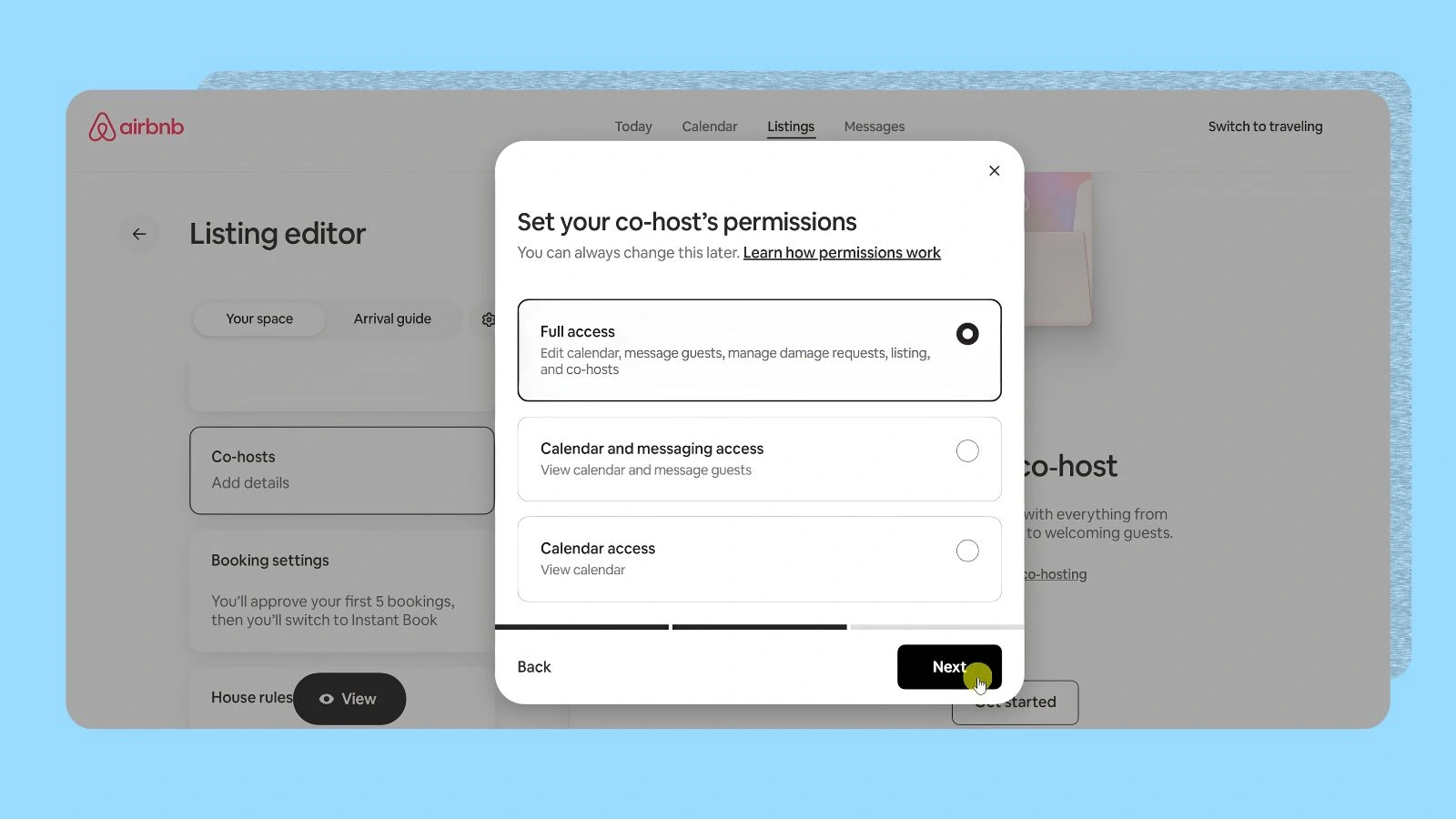
Co-hosting on Airbnb is a service-based way to earn from short-term rentals without owning any property at all, typically paying 10% to 25% of gross booking revenue per listing managed. Light-touch arrangements covering just guest messaging and calendar management sit at the lower end, while full-service work, pricing strategy, cleaning coordination, and restocking supplies, commands 20% to 25% or more.
That commission runs on gross revenue before Airbnb‘s own platform fee comes out, a distinction worth understanding early since the two fees stack rather than offset each other. A co-host managing a property earning $3,000 a month at a 20% commission takes home $600 from that one listing, and the model scales cleanly since each additional property adds roughly the same cut without adding real overhead.
Getting listed on Airbnb‘s own Co-Host Network requires a track record: 10 completed stays, or three stays totaling 100-plus nights, a 4.8-star average rating, and under 3% cancellations. Building that history usually means managing an owner’s listing informally first, sometimes for family or friends at a reduced rate, before applying to the formal network.
The habit that separates co-hosts who scale into a real business from those who stay stuck at one property is treating pricing strategy as a real skill to develop, not an afterthought. A well-priced calendar can add thousands in annual revenue for an owner, which is exactly the kind of result that turns a single client into referrals for the next one. That referral loop is part of why co-hosting stays on lists of the best lucrative side hustles for people who enjoy client-facing work.
How These 7 Lucrative Side Hustles Compare
These seven methods differ enough in startup cost, payout speed, and business model that a side-by-side view helps before picking one, and this comparison table for lucrative side hustles lines the real numbers up in one place.
| Method | Startup Cost | Time to First Payout | Realistic Earning Range |
|---|---|---|---|
| Freelancing (Toptal) | Free to apply | 1 to 3 weeks through screening, then days to weeks once matched | $60 to $200+/hour |
| Moving & delivery (GoShare) | $49 background check | Within about a week of approval | $36 to $85/hour by vehicle tier (real-world often lower) |
| Voiceover (Voices) | Free to create a profile | Per project, once booked | $100 to $2,000+ per project |
| Print-on-demand (Printify) | Free, no inventory | Days to months (traffic-dependent) | 20% to 35% net margin per order |
| Reselling (StockX) | Cost of sourcing inventory | 2 to 3 business days after verification | Sale price minus ~12% combined fees, net depends on sourcing cost |
| Amazon FBA | $1,000 to $5,000+ | 6 to 12 months to real profitability | Wide range; $200 to $5,000+/month profit depending on model |
| Airbnb co-hosting | Free (track record required) | Monthly, after a completed booking cycle | 10% to 25% of gross booking revenue per property |
Ready to see which of these seven lucrative side hustles fits your available time and skill level? Picking the right match now saves months of second-guessing later.
Can Reward and Cash-Back Apps Add to Your Side Hustle Income?
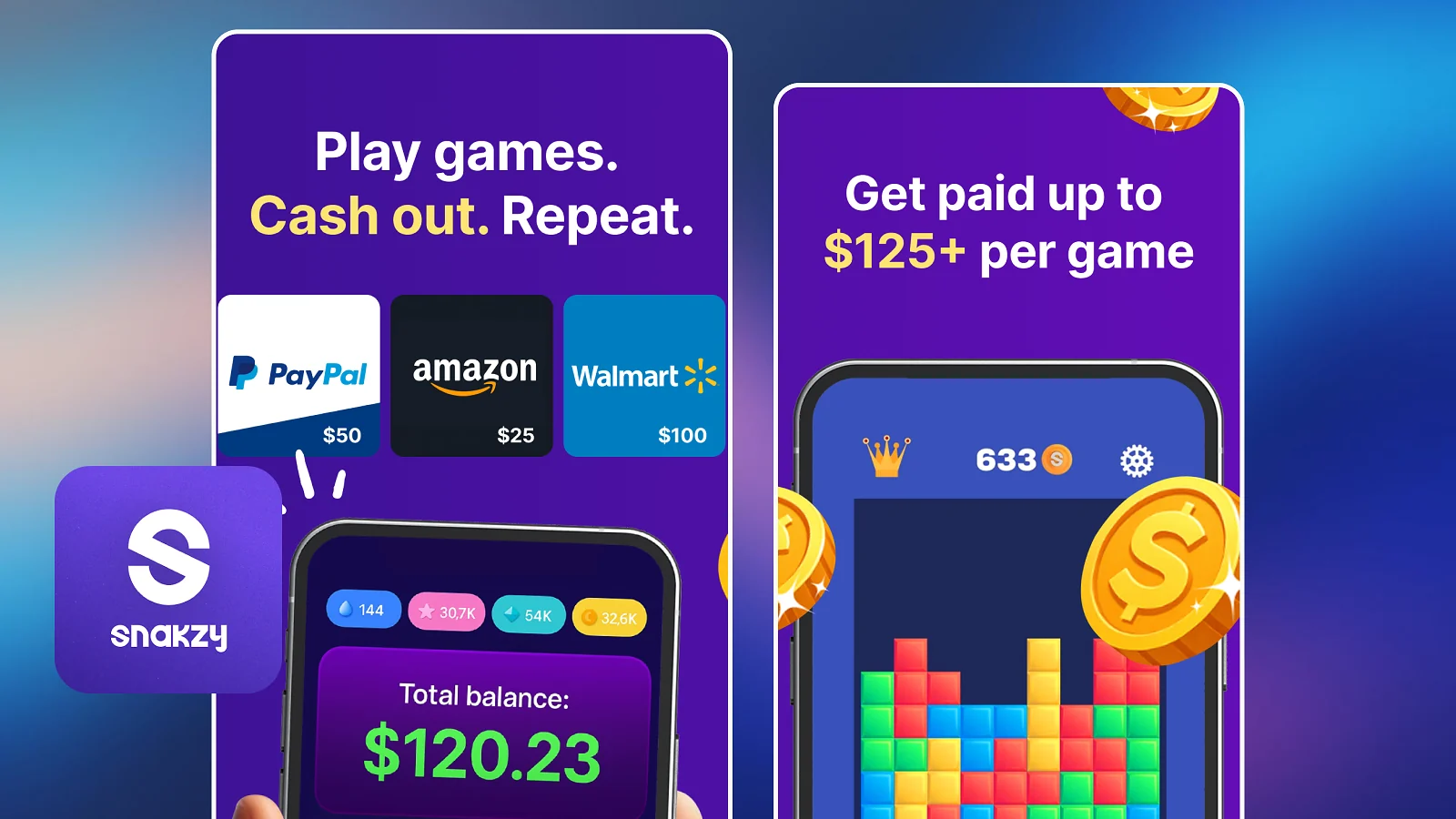
Reward apps won’t replace a real side hustle, but Snakzy pays out real cash once a user hits a $35 minimum, for free. On their own, they’re not one of the lucrative side hustles ranked above, so treat them as a casual bonus layered on top of one of the seven, never as a primary income source.
Reward apps are best suited to downtime, like a commute or a lunch break, rather than to the hours a reader would otherwise spend on a paying method above. Used that way, they add a small, steady trickle of extra cash without competing with the real earning time that any lucrative side hustle on this list needs to pay off.
Play to earn cash today

What Doesn’t Work
The methods above fail almost exclusively for one reason: skipping the math on fees, rates, or timing before committing real time or money to them. Each pattern below quietly erases the margin that lucrative side hustles otherwise offer. Seeing these mistakes laid out is often the clearest answer to what are lucrative side hustles actually built on, since the margin only holds when the basics are done right.
- Rushing back into Toptal’s screening after a rejection: reapplying immediately instead of using the required six-month wait to genuinely sharpen weak spots wastes the one advantage the waiting period offers.
- Accepting every GoShare job alert without checking distance first: a job an hour away quietly turns a strong hourly rate into a mediocre one once drive time gets counted, and that math only works in a driver’s favor when jobs stay local. GoShare is one of the side gigs worth trying first if you want proof the model works before committing to something with a longer runway.
- Pricing voiceover demos too low to attract real clients: a demo priced like a hobbyist’s signals inexperience before a client hears a single word, and raising rates later is harder than pricing with confidence from the first project. Voice actors who price with confidence from day one tend to land among the most lucrative side hustles on this list within a year or two.
- Print-on-demand shops that skip provider comparison: defaulting to whichever fulfillment provider Printify auto-routes an order to instead of comparing options can be the difference between a thin margin and a real one on the exact same design.
- Reselling hyped sneakers without running the fee math first: a pair with a thin resale spread can turn into a loss once StockX‘s transaction fee, payment processing, and shipping all come out, so checking sold prices against sourcing cost matters more than chasing hype. Reselling stays one of the more approachable lucrative side hustles from home once a seller learns to read the fee math correctly.
- Launching Amazon FBA with no reorder budget set aside: spending every available dollar on the first shipment leaves nothing to restock once a listing starts gaining momentum, which resets months of progress right when it starts paying off.
- Co-hosting Airbnb properties before building a real track record: skipping the step of managing a listing informally first, even for family or friends, makes it harder to qualify for better clients and higher commissions down the line.
Final Verdict on Lucrative Side Hustles
Lucrative side hustles work best when the method matches what someone actually has to invest, whether that’s a marketable skill, spare time, or real capital. Freelancing on Toptal offers the highest realistic ceiling for a strong software or design skill, while Printify and Airbnb co-hosting offer more passive, scalable paths once the setup work is done, and Amazon FBA asks for real upfront capital before effort even starts.
Layering on a reward app like Snakzy in the background adds a little extra on top of whichever method gets picked, at zero added cost. Comparing all seven side by side is really the fastest way to spot the best lucrative side hustles for your own situation.
Across all seven, the realistic range runs from a few hundred dollars a month casually up to a full income replacement for people treating it like a real business, which is the honest range behind lucrative side hustles.
Play to earn cash today
FAQs
Most methods bring in a few hundred dollars a month part-time, though Toptal and StockX can scale higher. That gap is really the answer to what are lucrative side hustles once you strip away the hype.
It depends on the method. Freelancing on Toptal, moving help on GoShare, voiceover work, and Airbnb co-hosting all start free or near-free, while print-on-demand needs no inventory, and Amazon FBA is the one method here that genuinely requires real upfront capital.
It varies widely: StockX pays out within days of a verified sale, while Amazon FBA often takes 6 to 12 months to become genuinely profitable after the first launch.
Often yes, for anyone with a genuinely strong software, design, or finance skill: accepted freelancers bill $60 to $200 or more an hour, well above what the same skill typically earns on an open marketplace, though fewer than 3% of applicants make it through.
Specialized freelancing on Toptal tops out highest among these seven, with accepted freelancers billing $60 to $200 or more an hour once past the screening process.
Yes, for some: accepted Toptal freelancers and established Airbnb co-hosts can rival a full-time salary. Both are also realistic lucrative side hustles from home with the right client base.