


How to Sell Dota 2 Items for Real Money in 2026

Eneba Hub contains affiliate links, which means we may earn a small commission if you make a purchase through them—at no extra cost to you. Learn more


Learning how to sell Dota 2 items might seem complicated at first, but turning your inventory into actual cash is easier than most players think. The cosmetic ecosystem runs deep, with thousands of players sitting on valuable items without realizing they could convert them into real money.
The frustration hits hard when you discover Steam Community Market restrictions blocking your sales. Region locks, price caps, and that brutal 15% commission can kill your profits before you even start. Many players don’t know which items can actually be sold or where to find legitimate platforms that won’t scam them.
I’m breaking down every practical method to monetize your cosmetics, including official Steam channels and trusted third-party marketplaces. You’ll learn which platforms pay the best rates, how to price competitively, and the exact steps to complete safe transactions.
Jump to:
Understanding Dota 2 Items: What Can You Sell?
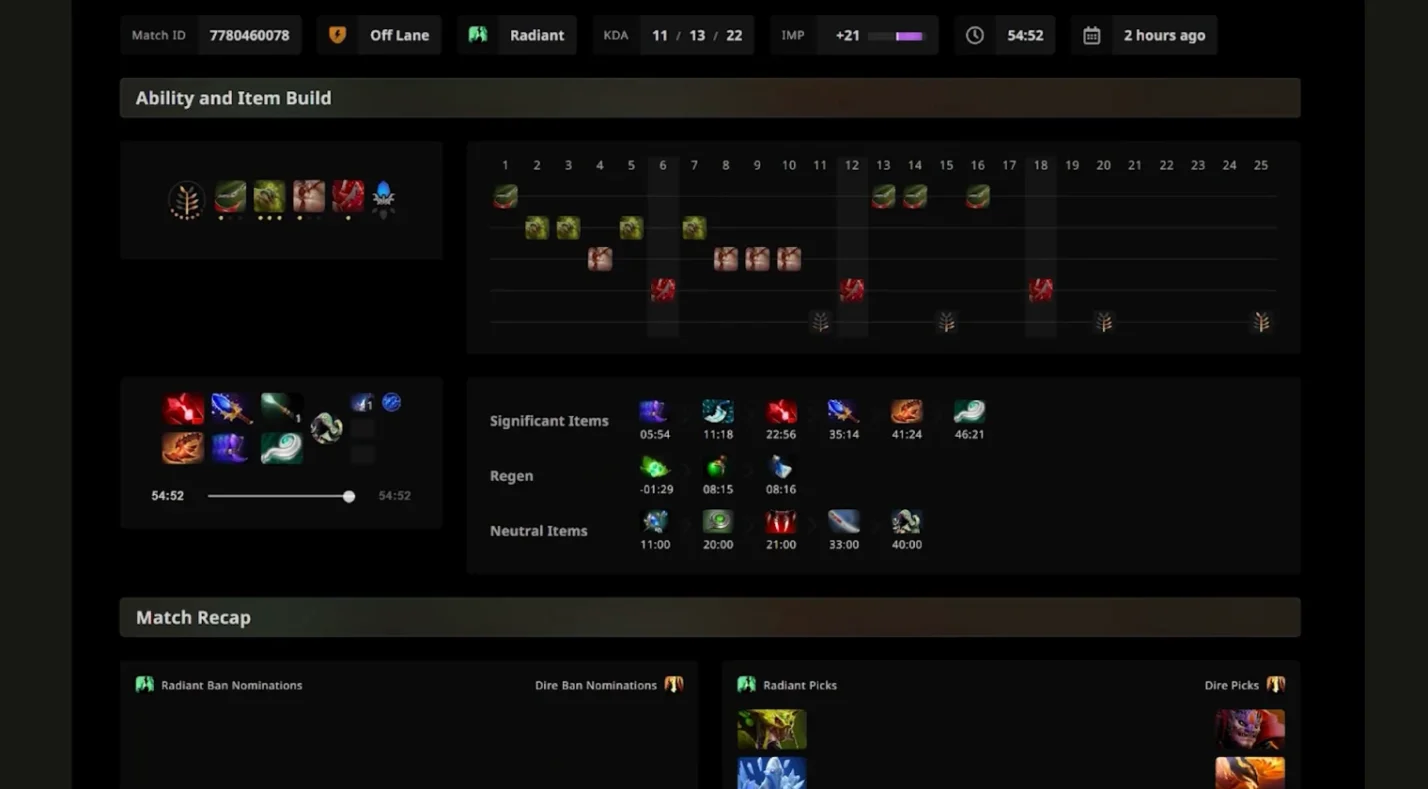
Dota 2 items fall into several categories that determine their selling potential. Cosmetics include hero sets, weapon skins, immortal items, couriers, wards, and loading screens. Each piece changes how your heroes look in-game but doesn’t affect gameplay mechanics.
Not every item in your inventory can be sold. Marketable items come from direct Steam Community Market purchases, certain treasure chest drops, and older battle pass rewards. Items marked as non-marketable include specific battle pass exclusives, achievement rewards, and promotional items tied to events.
Rarity directly impacts value in ways that might surprise you. Common items barely scratch a few cents while immortal and arcana pieces can hit triple digits. The market floods with common drops, making them nearly worthless unless they’re from retired sets that aren’t available anymore.
Here’s what actually drives prices up: particle effects, custom animations, special sound effects, and limited availability. An immortal item with unique visual effects for a popular hero like Pudge or Invoker will always command premium rates. Items from discontinued treasure chests or time-limited events become more valuable as supply decreases over time.
Trade restrictions affect your selling timeline more than you might expect. Newly purchased items lock for seven days before becoming tradable. This prevents rapid flipping but can delay your cash-out plans if you’re not prepared. The Dota 2 sell items market values exclusivity above almost everything else.
How to Sell Dota 2 Items on the Steam Community Market
The Steam Community Market stands as the safest option for most players looking to liquidate their inventories. Valve built this marketplace directly into Steam, which means you don’t need to trust external platforms with your account details or worry about getting scammed through fake websites.
Listing items takes maybe two minutes once you know the process. Open your Dota 2 inventory through Steam, select the item you want to sell, and click the “Sell” button. Set your price based on recent sales of similar items, confirm the listing, and wait for buyers to come to you.
The platform handles all transaction security automatically through Steam Guard. Your items sit in escrow until someone purchases them, then the money hits your Steam Wallet almost instantly. No chargebacks, no payment disputes, just straightforward digital transactions.
But here’s where Steam Market limitations start to sting. That 15% commission eats into every sale, with Valve taking 5% and the game publisher taking another 10%. Regional restrictions block certain countries from accessing the market entirely. Price caps prevent individual items from being listed above $1,800.
Your earnings stay locked in Steam Wallet, which means no direct cash withdrawals. You can buy games, DLC, hardware, or other marketplace items, but converting that money to your bank account requires third-party methods. This works fine if you’re reinvesting in gaming purchases but frustrates sellers who need actual cash.
Competitive pricing requires research before listing anything. Check the current lowest listings for your item and undercut them slightly if you want faster sales. Look at price history graphs to spot trends and avoid listing during market crashes when everyone dumps their inventory after events. Selling Dota 2 items is considered as one of the best ways to make money playing video games.
Best Third-Party Platforms for Selling Dota 2 Items and Accounts
Third-party marketplaces break free from Steam‘s restrictions while adding new payment options. DMarket, Skinport, Z2U, Eldorado.gg, and G2G dominate the space with established user bases and security measures that protect both buyers and sellers.
These platforms let you bypass price caps and access real money through PayPal, bank transfers, cryptocurrency, and gift cards. Commission rates vary but often beat Steam‘s 15% cut, especially for bulk sales or high-value items.
Security features like trade link verification, escrow protection, and Steam Guard integration prevent most scam attempts. Legit platforms never ask for your account password, only your public trade link that lets them send you trade requests without accessing your account directly. Red flags include platforms without verified user reviews, sites demanding account credentials, and marketplaces with no escrow protection.
1. DMarket
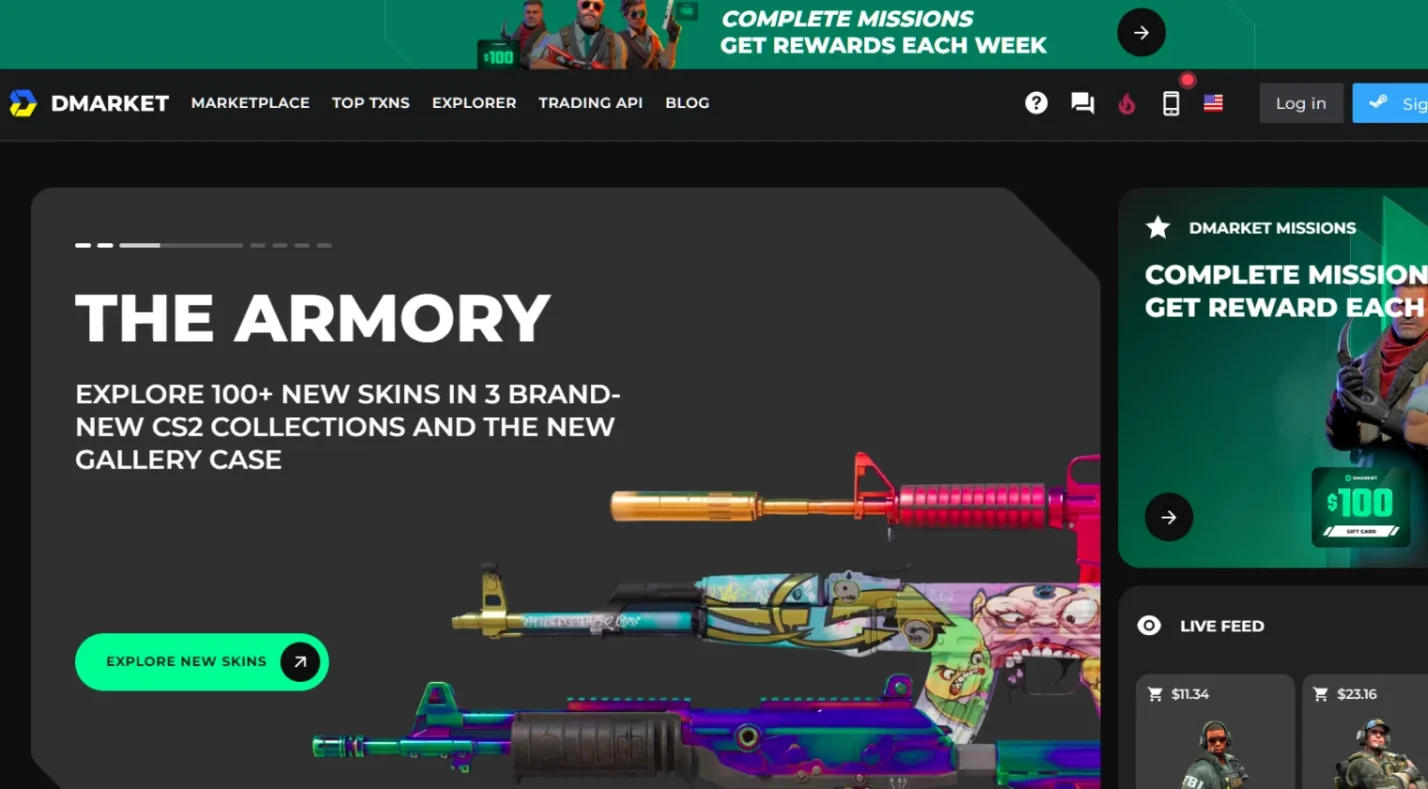
DMarket runs as a global marketplace connecting Dota 2 item sellers with buyers across multiple regions. The platform simplifies the selling process through Steam integration that lets you sign in, select items, and receive payment without complex verification steps.
Cash payouts process quickly compared to other platforms. You can withdraw through PayPal, cryptocurrency wallets, or bank transfers depending on your region. Prices tend to run slightly below Steam Market rates, but the faster liquidity compensates for the difference.
Security features include Steam Guard integration and encrypted transactions that protect your account during trades. The platform never asks for your password and processes everything through official Steam trade requests. Commission rates hover around 7-10% depending on item type and sale volume.
2. Skinport
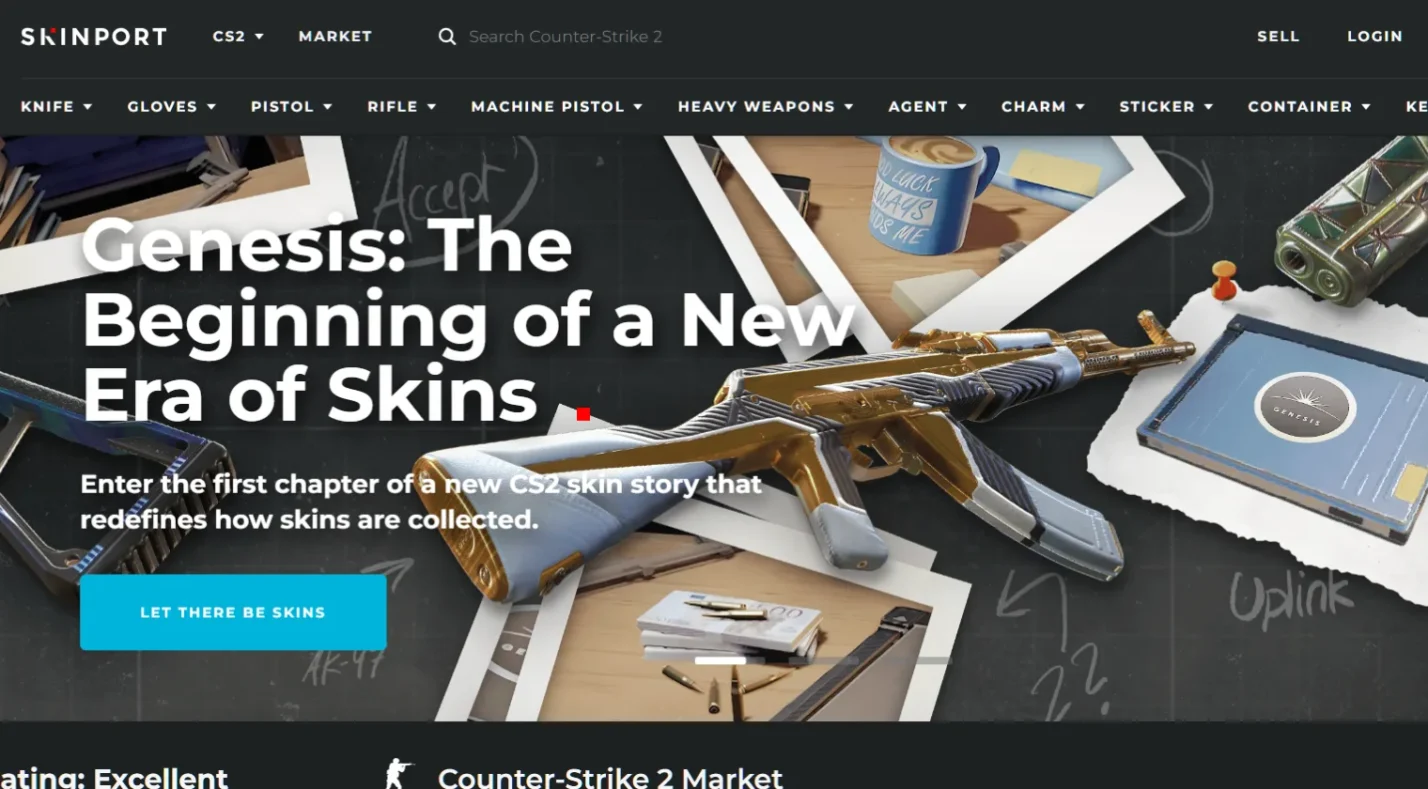
Skinport built its reputation on transparent pricing and lower commission fees than most competitors. The platform shows real-time price comparisons across multiple marketplaces, which helps you list items at competitive rates that actually sell.
Setting up takes minutes through Steam account linking. List your items with suggested prices based on recent sales data, then choose your preferred payout method. Transaction speed stands out as a major advantage, with items listed at market rates often selling within hours.
Security measures include trade link verification, escrow protection for every transaction, and automated fraud detection. The platform supports both individual items and account sales for those looking to sell Dota 2 items for cash while keeping your account active.

3. Z2U
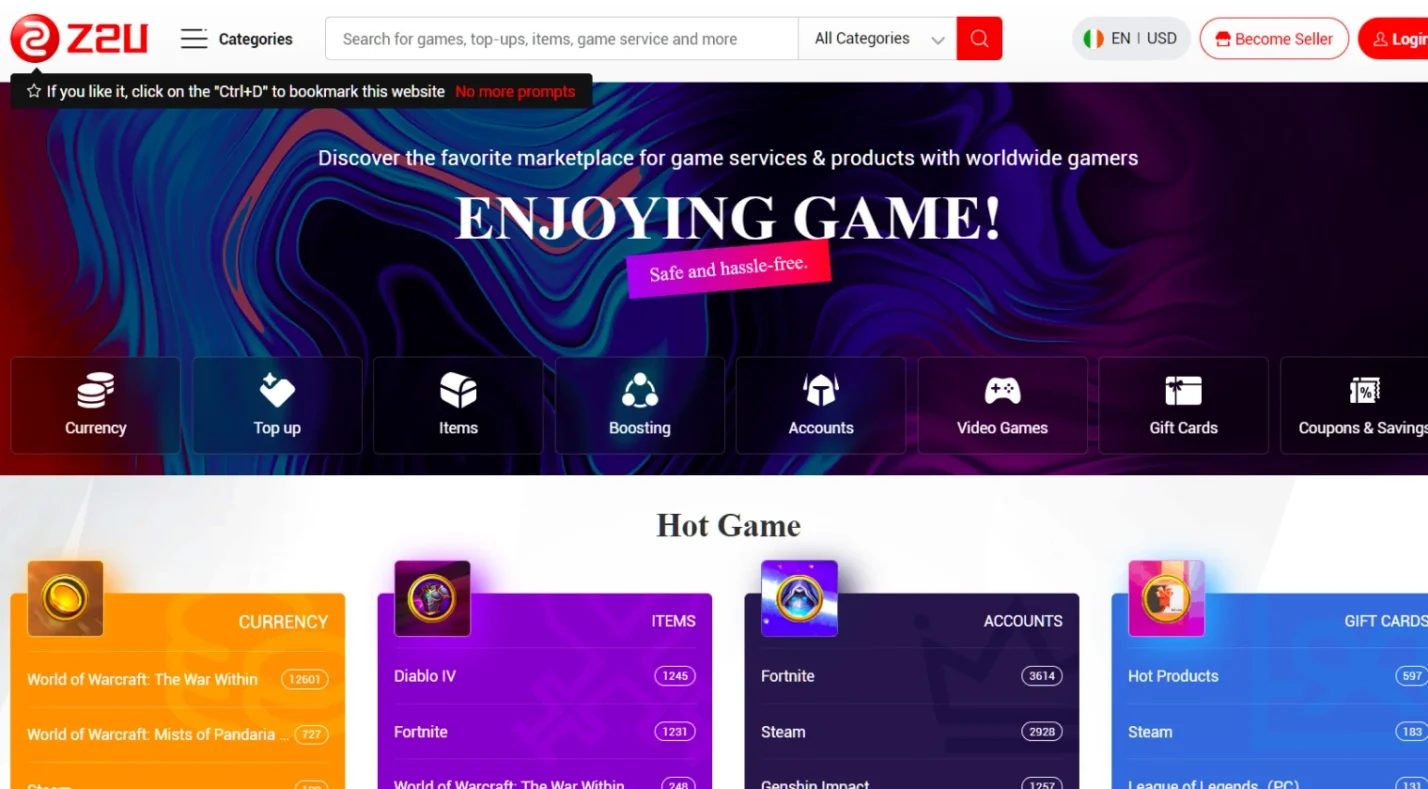
Z2U positions itself as a versatile marketplace for both items and accounts. The platform connects sellers with buyers globally, processing transactions through multiple payment methods including PayPal, credit cards, and regional payment processors.
The selling process starts with Steam connection, followed by item or account listings with your chosen prices. Buyer protection and escrow services reduce scam risks significantly. The platform holds payments until both parties confirm the trade completed successfully.
Account sales carry inherent risks despite platform protections. Selling accounts violates Steam‘s terms of service, which could result in permanent bans if discovered. Anyone looking to buy Dota 2 account options will find extensive listings here, with verification systems helping identify trustworthy sellers.

4. Eldorado.gg
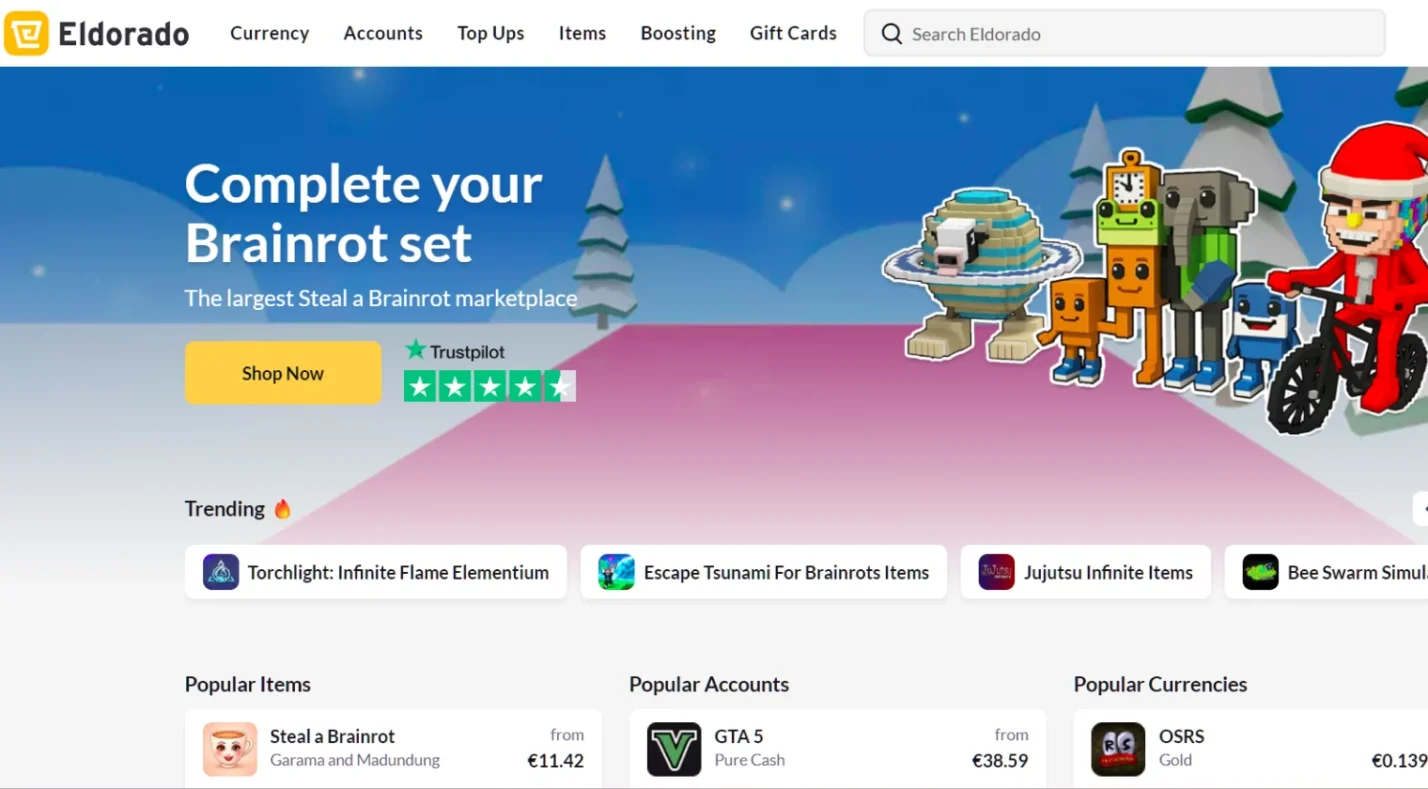
Eldorado.gg attracts sellers through its large user base and established reputation in the gaming marketplace space. The platform processes thousands of daily transactions across multiple games, with Dota 2 items and accounts representing a significant portion of their business.
Fast payment processing sets Eldorado.gg apart from slower platforms. Most withdrawals complete within 24 hours for verified accounts. User review systems let buyers rate sellers, creating accountability that reduces fraud.
Security measures include Steam Guard integration, secure trade link handling, and automated fraud detection. The platform monitors unusual activity patterns and flags suspicious transactions for manual review before processing.

5. G2G
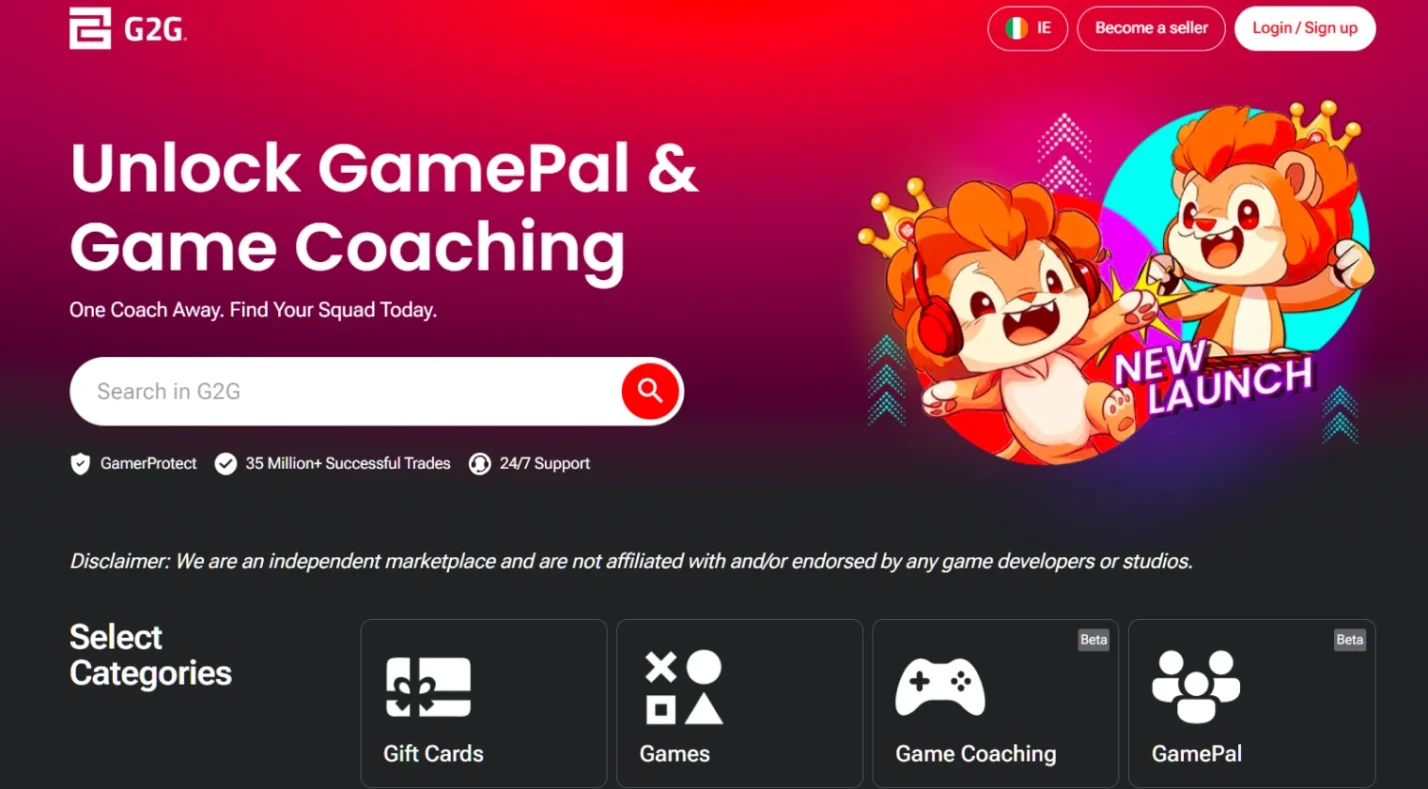
G2G operates as an international marketplace connecting sellers with buyers across dozens of countries. The platform supports multiple languages and regional payment methods, which makes it accessible for sellers in markets where other platforms struggle.
International reach means access to buyers who might pay premium prices for specific items. Regional pricing differences create arbitrage opportunities where items worth less in one market command higher prices elsewhere.
Payment methods include PayPal, bank transfers, cryptocurrency, and various regional processors. You can list a Dota 2 account for sale with detailed descriptions of rank, items, and match history. Buyers filter by these criteria, so accurate listings attract serious purchasers faster.

Pricing Your Dota 2 Items: Factors That Affect Value
Item rarity forms the foundation of Dota 2 pricing structures. Common items barely break even on listing fees while mythical and immortal pieces can hit serious money. Arcanas and ultra-rare items from limited treasure chests command the highest prices because of their visual quality and scarcity.
Demand fluctuates based on hero popularity and meta shifts. Cosmetics for heroes like Pudge, Invoker, and Anti-Mage maintain steady demand because these heroes see consistent play. Items for niche heroes with low pick rates struggle to find buyers even at discount prices.
Age and exclusivity create value through artificial scarcity. Battle pass rewards from years ago can’t be obtained anymore, which drives up prices as supply decreases. Special effects significantly impact perceived value through particle effects, custom animations, and unique sound effects.
Market saturation kills prices faster than anything else. When Valve releases a new treasure, the market floods with fresh items that everyone’s trying to sell simultaneously. Prices crater until supply normalizes weeks or months later.
Research comparable sales before setting your prices. Check recent transaction history for identical items, not just current listings. Items listed at inflated prices that never sell don’t represent real market value. Look at what actually moved in the past week to gauge demand. Understanding the competitive scene through our Dota 2 esports guide helps predict demand spikes.
Step-by-Step Guide: How to Sell Your Dota 2 Items
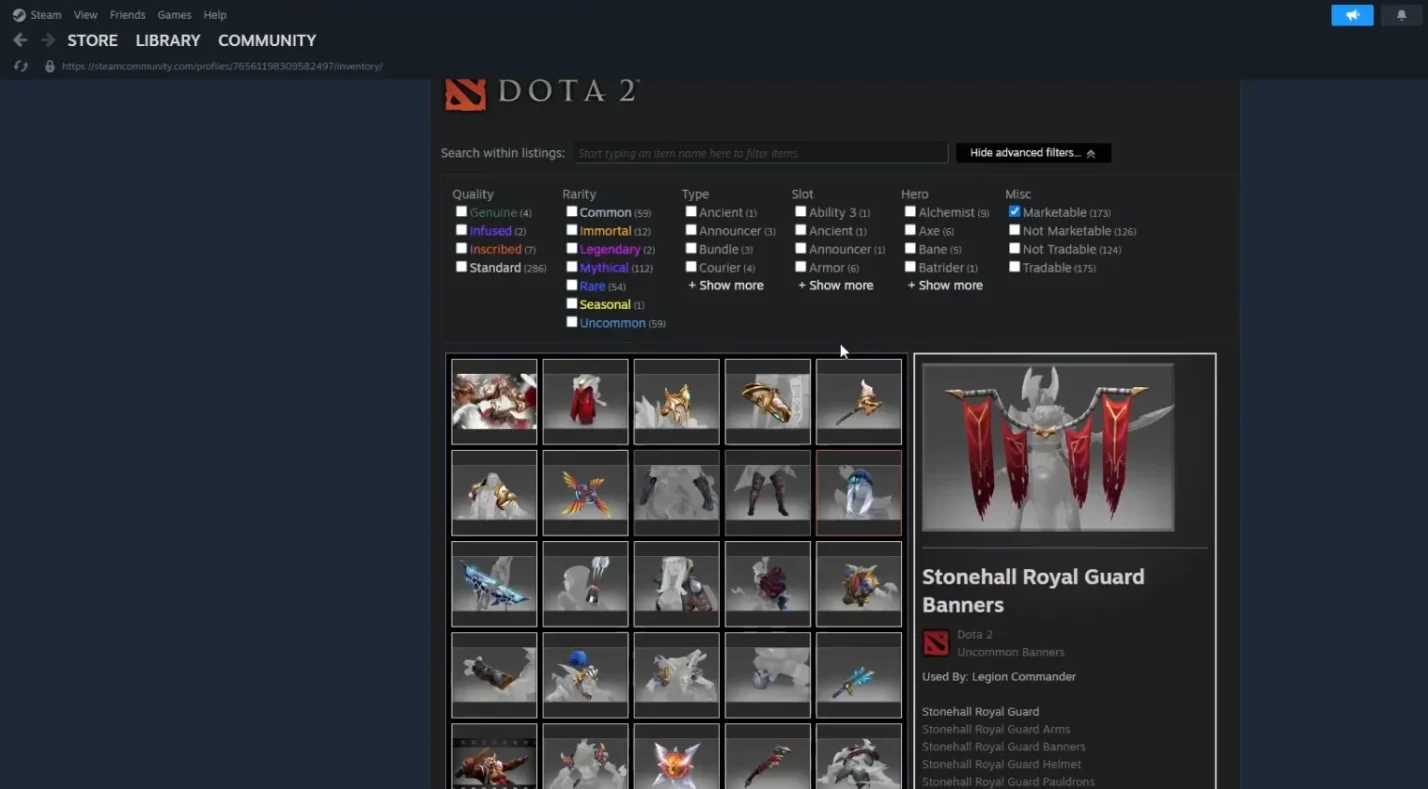
Your inventory assessment comes first, so open Dota 2 through Steam and check what you’ve accumulated. Look for the marketable tag on items, which indicates they can be sold. Value research takes time but prevents leaving money on the table.
Platform selection depends on your priorities. Choose Steam Market for convenience and security if you plan to reinvest in gaming purchases. Pick third-party platforms when you need actual cash withdrawals or want to sell items above Steam’s price caps.
For Steam Market sales, click the item in your inventory and select “Sell on the Community Market“. Enter your desired price based on your research. The system calculates the buyer’s total including fees, showing exactly what you’ll receive after Valve‘s commission.
Third-party platform sales require generating your trade link from Steam settings. Find this under Privacy Settings and Trade URL. Copy this link to your chosen platform during account setup. Never share your password with any platform regardless of what they claim.
List your items on the third-party platform with competitive prices based on their marketplace data. The platform sends a trade request to your Steam account when someone purchases your listing. Accept the trade through Steam‘s interface, which transfers the item to the buyer while the platform releases your payment.
Safety protocols matter more than speed. Enable Steam Guard mobile authentication before selling anything. Verify trade requests match your active listings before accepting them. Check that payment confirmations arrive from the legitimate platform, not phishing emails pretending to be them.
Skyrocket Your Earnings: Strategies and Best Practices
Regular inventory audits reveal forgotten value sitting in your collection. I check my inventory monthly to identify items I don’t use that could be converted to cash. Items from old battle passes, duplicate drops, and cosmetics for heroes I never play all become selling opportunities.
Bundling items attracts bulk buyers on third-party platforms who want complete sets or themed collections. Selling a full hero set with matching courier and ward skins fetches better prices than listing pieces individually.
Timing sales around Dota 2 events maximizes profits through predictable demand spikes. Major tournaments increase player engagement and cosmetic interest. The weeks before The International see increased marketplace activity as returning players refresh their inventories.
Building reputation on trading platforms unlocks better rates and faster sales. Consistent, honest transactions earn positive reviews that make future buyers trust your listings. High-rated sellers can price items slightly above market rates because buyers value reliability.
Diversifying selling methods reduces risk and increases total earnings. I use Steam Market for quick sales of lower-value items where convenience matters. Third-party platforms handle high-value pieces where the better rates justify additional verification steps. Exploring ways to earn money online reveals opportunities that complement gaming income.
Safety and Security: Protecting Your Account While Selling
Account security becomes critical when engaging third-party platforms for sales. Understanding the difference between trade links and account access prevents most scam attempts. Legitimate platforms request your public trade link, which allows them to send trade requests without accessing your account credentials.
Your password should never be shared with any platform, regardless of their claims. Steam Guard authentication adds two-factor protection that blocks unauthorized trades even if someone obtains your password. Enable mobile authentication through the Steam app.
Scam prevention requires recognizing common tactics. Phishing websites clone legitimate platform designs to steal credentials. Always verify URLs match the official platform before entering any information. Bookmark authentic platform addresses and access them directly rather than clicking links from emails.
Valve‘s policies on third-party trading remain somewhat ambiguous. The company doesn’t explicitly ban using external marketplaces for item sales, but selling accounts violates terms of service clearly. Items sales through trade links generally avoid account penalties, but selling accounts carries ban risks.
Platform terms of service deserve careful reading before engaging in sales. Understanding exactly what activities violate their policies prevents surprise account restrictions. Most legitimate platforms clearly outline prohibited practices and explain their security measures.
Comparing Selling Methods: Steam Market vs. Third-Party Platforms
Steam Community Market wins on convenience and security for casual sellers. The integration with your existing Steam account eliminates setup time. Listing items takes seconds, and transactions complete automatically without manual intervention.
Fee structures favor third-party platforms for high-value items. Steam‘s 15% commission stays constant regardless of item price. Third-party platforms often negotiate lower percentages for expensive cosmetics, potentially saving you significant money on rare items.
Payout speed varies dramatically between methods. Steam Market credits your wallet instantly upon sale, but converting those funds to real money requires workarounds. Third-party platforms process cash withdrawals within 24 hours to several business days depending on payment method.
Price flexibility makes third-party platforms attractive for premium items. Steam‘s $1,800 listing cap blocks the most valuable cosmetics from their marketplace. External platforms handle five-figure transactions for ultra-rare items without artificial limits.
Earning expectations depend on item rarity and market conditions. Common items barely profit on either platform after fees. Rare cosmetics can generate hundreds through third-party sales while Steam Market caps potential earnings lower.
The best approach combines both methods strategically. Use Steam Market for bulk common items where convenience outweighs fee concerns. Reserve third-party platforms for valuable pieces where better rates and cash payouts justify additional verification steps. Combining these two methods is one of the top ways to make money from home.
Alternative Ways to Earn Money from Gaming
Gaming income extends far beyond selling cosmetics and accounts. Multiple revenue streams create more stable earnings than relying solely on item marketplaces. I’ve explored several methods that complement trading while building additional skills, including the best game apps to win real money.
Streaming and content creation on Twitch, YouTube, and TikTok monetize gameplay through ads, donations, and sponsorships. Building an audience takes months of consistent content, but successful streamers earn passive income from archives while creating new material.
Coaching services and skill training work well for high-ranked players. Many gamers pay for personalized tutorials, replay analysis, and strategic advice. The Dota 2 community values expertise, and skilled players can charge premium rates for one-on-one sessions.
Task-based apps and platforms pay for completing gaming-related activities. Snakzy stands out as a reliable option for legitimate gaming income through achievable games. The platform verifies payments and maintains transparent earning structures that avoid scam tactics common in this space.
Multiple income streams protect against market fluctuations and platform changes. When item prices crash or selling platforms adjust their fees, alternative revenue sources maintain cash flow.
Play games and get paid with Snakzy.

Turn Your Inventory Into Real Money
Knowing how to sell Dota 2 items opens up options that work better than most players realize The combination of Steam Market convenience and third-party platform flexibility creates options for every selling situation. Your accumulated items represent real value that doesn’t require continuing gameplay to extract.
Starting with an inventory audit reveals exactly what you can sell and rough value estimates. Choose selling methods based on your priorities, whether that’s maximum convenience through Steam or better rates through external platforms.
Security practices protect your account while generating income from items. Trade links, Steam Guard authentication, and platform verification prevent most scam attempts. The small time investment in proper security measures prevents devastating account losses.
Anyone can turn gaming investments into real money through strategic selling. The process becomes routine after your first few transactions.
FAQs
Sell Dota 2 items through Steam Community Market for wallet credit or use third-party platforms like DMarket, Skinport, and G2G for cash payouts via PayPal, bank transfer, or cryptocurrency.
Marketable items include Steam Market purchases, certain treasure drops, and older battle pass rewards. Non-marketable items are specific battle pass exclusives, achievement rewards, and promotional items tied to events.
Steam Market works best for convenience and security. Third-party platforms like DMarket and Skinport excel for cash withdrawals and items exceeding Steam’s price cap.
Earnings range from cents for common items to hundreds for rare immortals and arcanas. Your total depends on inventory value, item rarity, and chosen selling platform.
Account sales carry risks including potential bans for violating Steam terms of service and buyer chargebacks. Use platforms with escrow protection and understand the inherent dangers before proceeding.
Sell items on Steam Community Market, DMarket, Skinport, Z2U, Eldorado.gg, or G2G. Each platform balances different priorities like convenience, fees, and payment methods.
Sell treasure chests through Steam Community Market by listing them from your inventory. Most chests sell for minimal amounts unless they’re from discontinued series with valuable potential drops.
Open your Dota 2 inventory, click the item, select sell on Community Market, set your price based on recent sales, and confirm the listing. Sales credit your Steam Wallet automatically
How to sell Dota 2 items for real money?
Sell Dota 2 items through Steam Community Market for wallet credit or use third-party platforms like DMarket, Skinport, and G2G for cash payouts via PayPal, bank transfer, or cryptocurrency.
Which Dota 2 items are marketable and which are not?
Marketable items include Steam Market purchases, certain treasure drops, and older battle pass rewards. Non-marketable items are specific battle pass exclusives, achievement rewards, and promotional items tied to events.
What is the best platform to sell Dota 2 items?
Steam Market works best for convenience and security. Third-party platforms like DMarket and Skinport excel for cash withdrawals and items exceeding Steam’s price cap.
How much can I earn selling Dota 2 items?
Earnings range from cents for common items to hundreds for rare immortals and arcanas. Your total depends on inventory value, item rarity, and chosen selling platform.
Is it safe to sell Dota 2 accounts on third-party platforms?
Account sales carry risks including potential bans for violating Steam terms of service and buyer chargebacks. Use platforms with escrow protection and understand the inherent dangers before proceeding.
Where can I sell my Dota 2 items?
Sell items on Steam Community Market, DMarket, Skinport, Z2U, Eldorado.gg, or G2G. Each platform balances different priorities like convenience, fees, and payment methods.
How to sell Dota 2 chests?
Sell treasure chests through Steam Community Market by listing them from your inventory. Most chests sell for minimal amounts unless they’re from discontinued series with valuable potential drops.
How do I sell my items on Steam?
Open your Dota 2 inventory, click the item, select sell on Community Market, set your price based on recent sales, and confirm the listing. Sales credit your Steam Wallet automatically.