


How to Check Pokémon Card Value: A Step-by-Step Guide for Collectors and Sellers

Eneba Hub contains affiliate links, which means we may earn a small commission if you make a purchase through them—at no extra cost to you. Learn more


Recent update
This list is regularly updated to match what’s trending and in-demand among gamers.
Learning how to check Pokémon card value is the first thing any collector or seller needs to figure out. Get it wrong, and you either leave money on the table or price yourself out of a sale entirely.
This guide walks you through the full process so you can identify the most valuable Pokémon cards in your collection, understand condition and grading, use the right pricing platforms, and get an accurate number you can actually trust.
Jump to:
How to Check Pokémon Card Value Accurately – The Complete 5-Step Process Explained
Most people check prices in the wrong order. They search eBay before they even know what condition their card is in, or they rely on a single listing price instead of completed sales. Here is the process that works.
Step 1 – Identify Your Card and Check the Pokémon Rarity Symbol
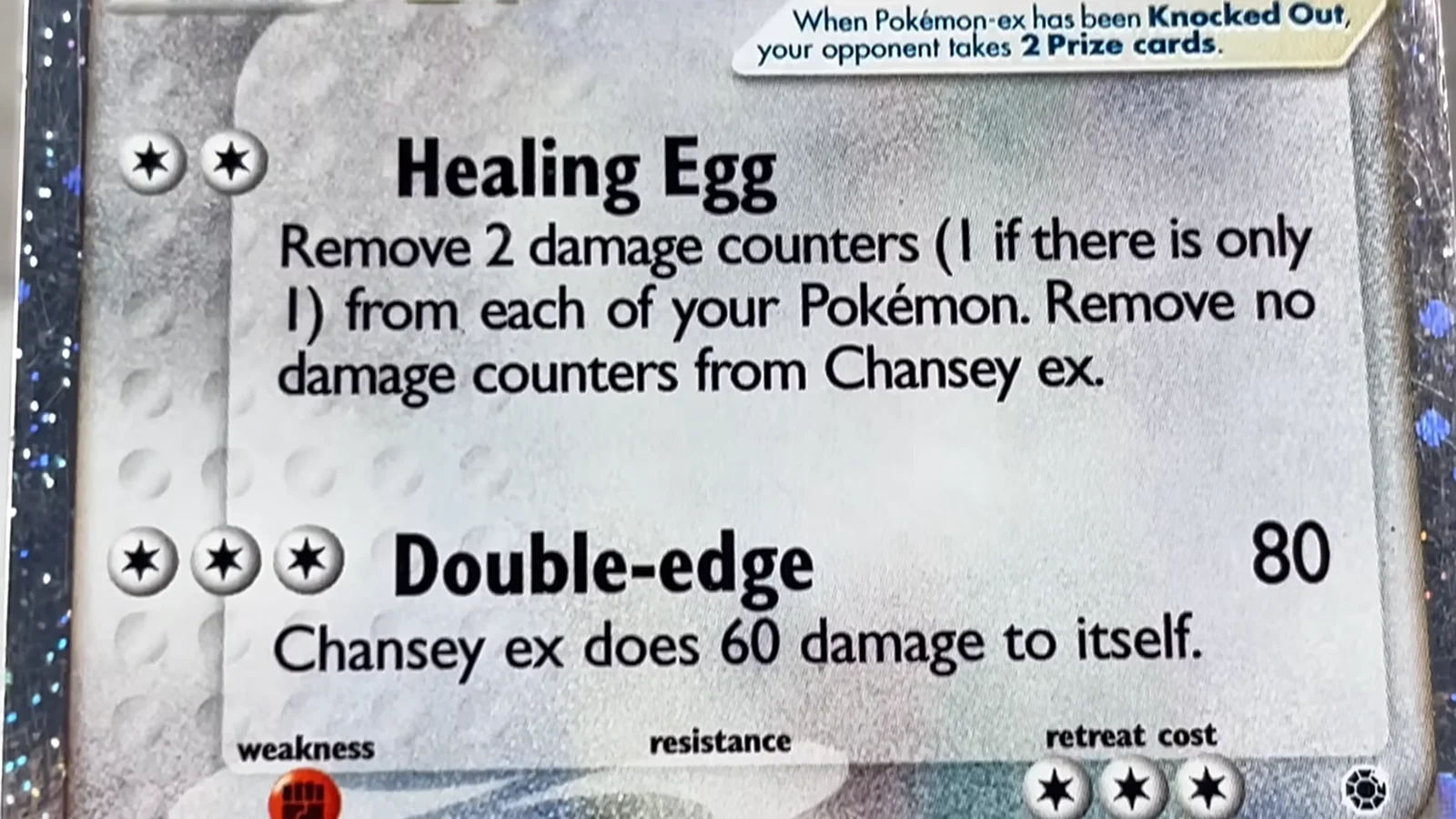
Before you look up any price, you need to know exactly what you have. Find the card name, its set number (printed in the bottom corner, e.g., 101/108), and the Pokémon rarity symbol near the bottom of the card.
The Pokémon rarity symbol is your first indicator of value:
| Symbol | Rarity Tier | Value Potential |
|---|---|---|
| ● | Common | Typically, a few cents |
| ◆ | Uncommon | Low value, usually under $1 |
| ★ | Rare or higher | High value, many sub-variants |
| ★★ / ★H | Double Rare, Holo Rare | Solid collector demand |
| Secret Rare / Special Illustration | Highest rarity tiers | Premium prices, often $50+ |
Cards with the star symbol and above are worth pricing individually. Common and uncommon cards are typically bulk material.
Beyond rarity symbols, pay attention to edition and print run. First Edition and Shadowless cards from early Pokémon TCG sets are among the most expensive Pokémon cards in existence, consistently commanding premium prices.
Step 2 – Assess Your Card’s Condition
Condition is one of the two biggest factors in Pokémon cards value, right alongside rarity. A card in perfect condition can be worth three to ten times more than the same card with visible wear.
Use these standard condition grades when assessing your cards:
- Mint (M): Perfect, no visible flaws under normal lighting. Flat surface, sharp corners, no scratches.
- Near Mint (NM): Almost perfect. Tiny print defect possible, but no play wear.
- Lightly Played (LP): Minor surface scratches or slight edge whitening. Still looks great.
- Moderately Played (MP): Visible wear, scuffs, or mild creasing. Noticeably lower value.
- Heavily Played (HP) / Damaged: Significant wear, deep scratches, or bends. Minimal collector value.
Be honest with yourself. Collectors and buyers will notice flaws immediately, and overpricing a damaged card wastes everyone’s time.
Step 3 – Use a Pokémon Card Price Guide to Check Market Value
With your card identified and its condition assessed, you can now check Pokémon card value using the right tools. This is where most people spend the most time.
The most reliable platforms for a Pokémon card price guide lookup:
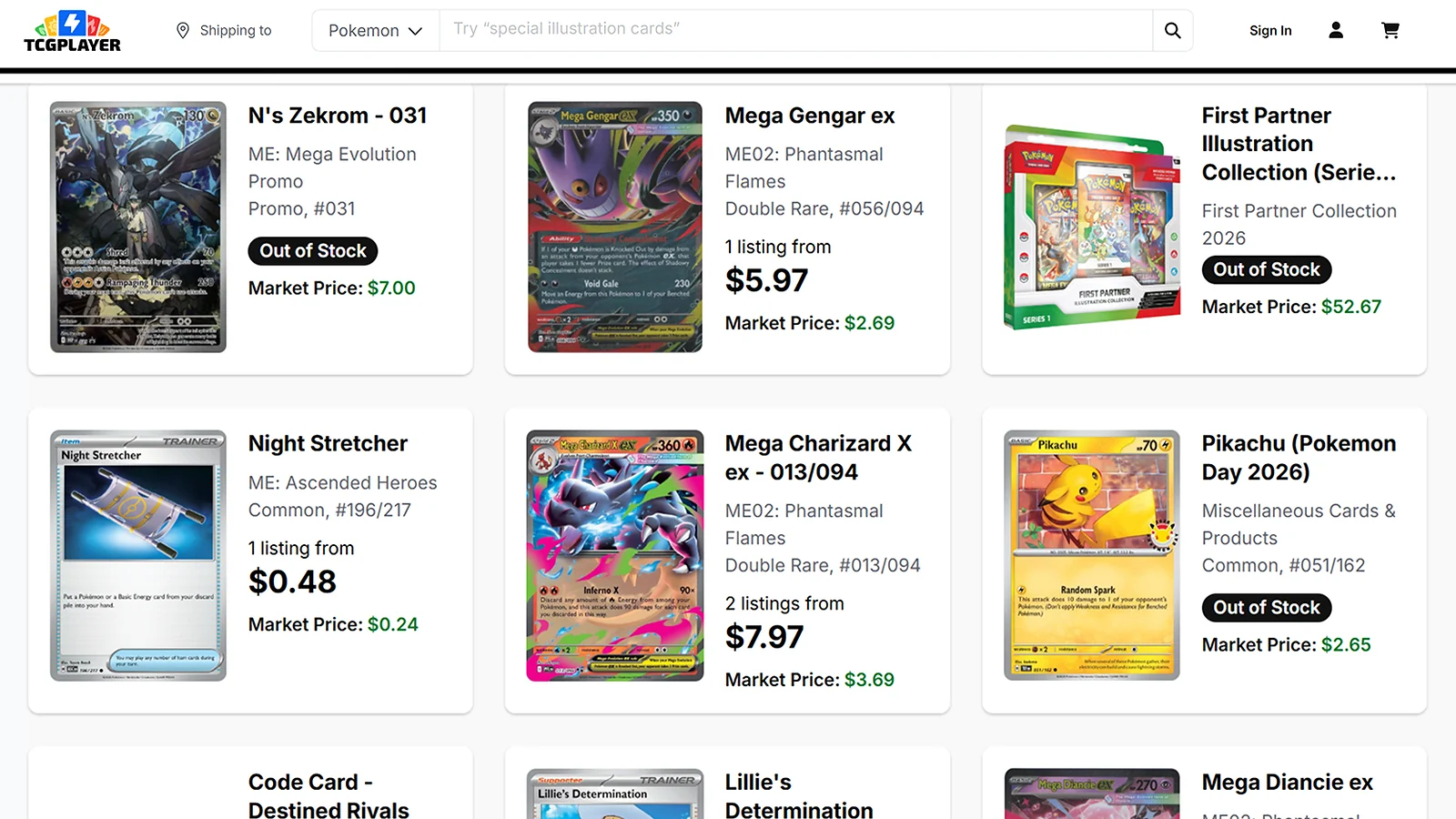
- TCGPlayer: The largest dedicated trading card marketplace in North America. Shows current market price, low, mid, and high prices, and recent sales data. Use the “Market Price” figure, not the individual listing prices.
- eBay: Filter results by “Sold Items” to see what buyers actually paid, not what sellers hope to get. This is the most accurate real-world data available.
- PriceCharting: Aggregates historical pricing data across platforms. Excellent for tracking price trends over time.
- Cardmarket: Preferred by European collectors. Shows actual transaction data similar to TCGPlayer.
Always cross-reference at least two of these sources. A single data point is not enough to set a fair price.
Step 4 – Factor In Grading If the Card Is High Value
If a card appears to be worth $50 or more in raw condition, professional grading is worth considering. Services like PSA (Professional Sports Authenticator) and Beckett Grading Services (BGS) authenticate the card and assign a numerical grade from 1 to 10.
Why grading matters for expensive Pokémon cards:
| PSA Grade | What It Means | Effect on Value |
|---|---|---|
| 10 (Gem Mint) | Virtually flawless under magnification | Massive multiplier, often 5x to 10x raw price |
| 9 (Mint) | Near-perfect, one minor flaw allowed | Strong premium over raw price |
| 7 to 8 (Near Mint) | Light wear, still pack-fresh looking | Modest premium, widely collected |
| 4 to 6 (Excellent) | Noticeable wear, scratches present | Price decrease vs. raw |
| 1 to 3 (Poor to Good) | Heavy damage | Near-bulk value |
A PSA 10 grade on a rare card does not just add a few dollars. It can multiply the value dramatically. For reference, raw Base Set Charizard cards in Near Mint condition sell for hundreds of dollars. A PSA 10 copy can sell for thousands.
For professional card authentication and grading services, CGC Cards is another respected option alongside PSA and Beckett. You can learn more about PSA grading costs in our dedicated guide before deciding whether it is worth it for your card.
Step 5 – Cross-Reference and Set Your Price
Once you have condition and market data in hand, compare completed sales from at least two platforms for cards in the same condition. Do not rely on active listings because sellers frequently overprice.
Tips to get an accurate final price:
- Search by full card details: Name, set number, and edition. A first edition card and a non-first edition card of the same Pokémon are completely different products.
- Filter by condition: Sold listings for a Near Mint copy are useless if your card is Lightly Played.
- Check volume: If only one copy sold in six months, the price is unreliable. Look for multiple recent sales.
- Account for fees: If you are selling, factor in platform fees (eBay takes roughly 13%, TCGPlayer takes 10-15% for sellers).
Gold Pokémon Cards and Other High-Value Card Types to Know
Certain categories of cards consistently appear at the top of the Pokémon card price guide rankings. If you have any of these in your collection, prioritize pricing them individually.
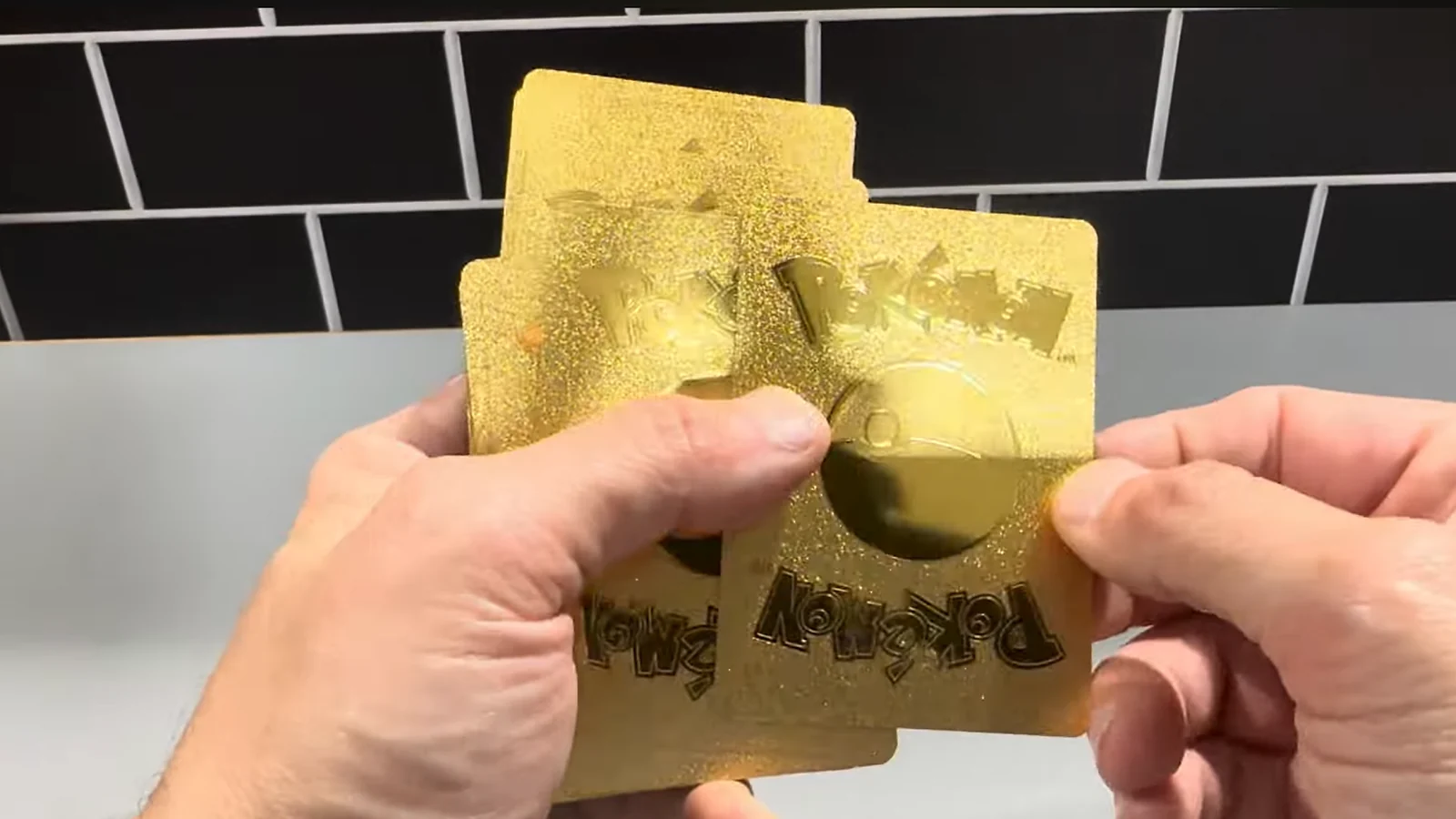
Gold Pokémon cards are among the most sought-after in the hobby. Gold Pokémon cards come in several forms: Secret Rare gold cards (often numbered above the set’s print run), gold star cards from older sets like EX Dragon Frontiers, and full-art gold illustration cards from modern sets. These regularly sell for $30 to $500+, depending on the specific card and condition.
Other high-priority card categories include some of the most valuable Pokémon cards on the market:
- First Edition and Shadowless cards (Base Set era): These are the most valuable standard Pokémon cards. Even common First Edition cards carry a premium.
- Alternate Art Special Illustration Rares: Modern sets from Sword and Shield onward. Cards like Umbreon VMAX Alternate Art or Charizard ex Special Illustration Rare consistently fetch hundreds of dollars.
- Promotional cards: Cards distributed at events, through Nintendo promotions, or as exclusive prints. The Pikachu Illustrator is the most famous example, valued in the tens of thousands.
- Graded PSA 10 copies of any popular Pokémon: Even a common card featuring Pikachu or Charizard in a PSA 10 slab can sell above expectations because of collector demand.
If you are trying to identify rare Pokémon cards or understand what makes the most expensive Pokémon cards so valuable, our dedicated guides cover each category in more detail.
Best Platforms and Apps – Your Complete Pokémon Card Value Toolkit
Here is a consolidated reference for every tool worth using when checking Pokémon cards value.
Pricing platforms:
- TCGPlayer: Best overall for North American market data
- eBay Sold Listings: Best for real transaction data
- PriceCharting: Best for historical trends
- Cardmarket: Best for European pricing
Scanning apps:
- Collectr: Scan cards with your camera for instant estimated values
- Shiny: Similar scan-to-price functionality
Browser tools:
- PokeBid Scout: Chrome extension for auction price tracking
For auctions and live sales:
Whatnot is worth knowing if you are buying or selling through live streams and auctions. It is a dedicated collectibles marketplace where active Pokémon card auctions happen daily, and completed sale data reflects genuine collector demand.

How to Value a Pokémon Card Collection vs. Individual Cards
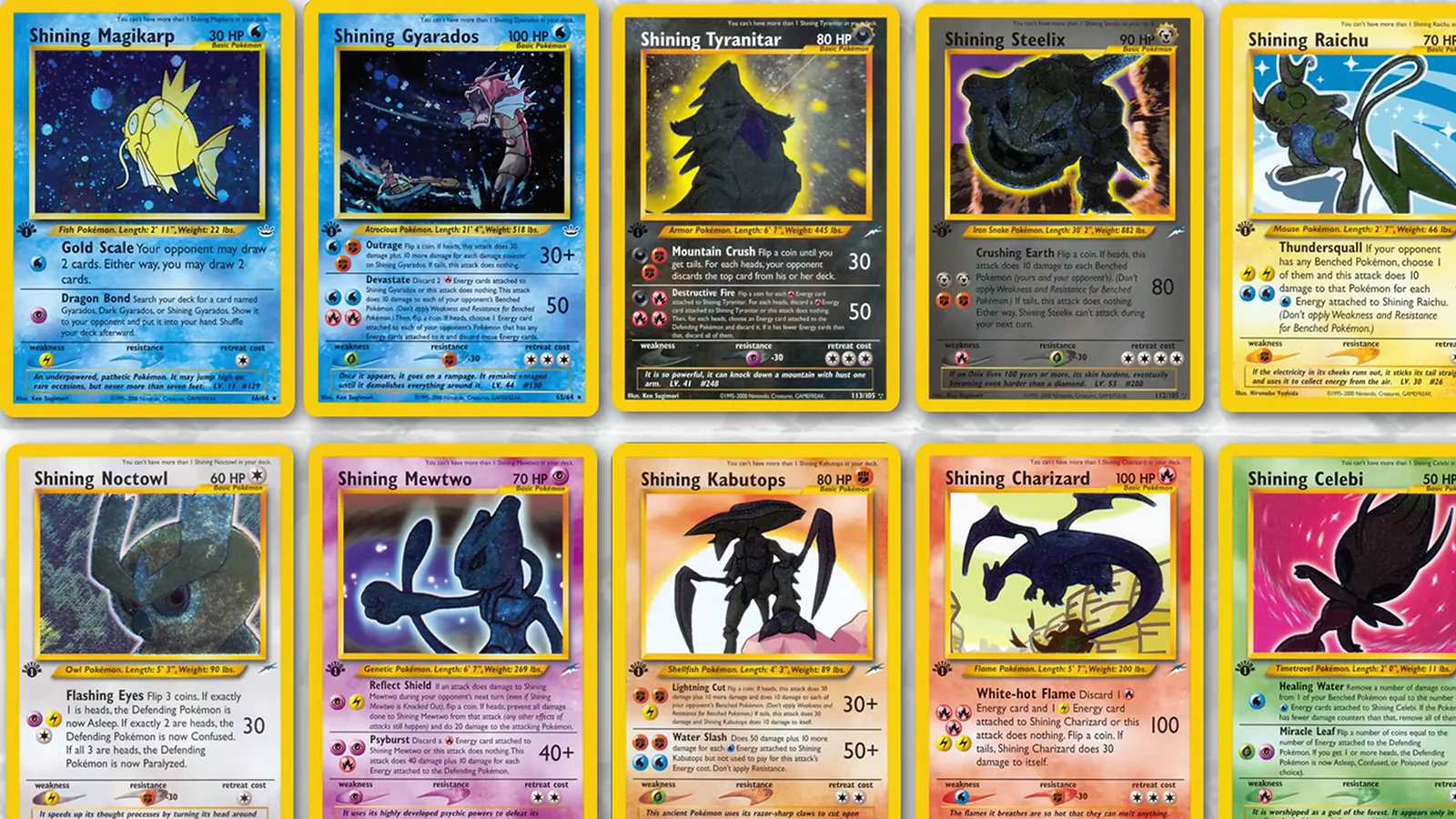
The approach is different depending on what you are pricing.
For individual high-value cards, follow the full 5-step process above. Every expensive Pokémon card deserves its own research.
For bulk collections, the process is faster but less precise:
- Sort by rarity first. Separate everything with a star symbol or higher from the rest.
- Price rares individually using TCGPlayer or eBay.
- Value the remaining bulk at standard bulk rates, which typically range from $0.02 to $0.05 per card depending on the set and condition.
- Group commons and uncommons by set if possible, since some older sets carry a slight premium over recent ones.
One useful tip: never throw away or bulk-sell cards without scanning them first. Certain cards that look unremarkable can still hold significant Pokémon cards value due to tournament demand, set scarcity, or collector interest in that specific Pokémon.
How to Spot Fakes and Protect Your Collection’s Value
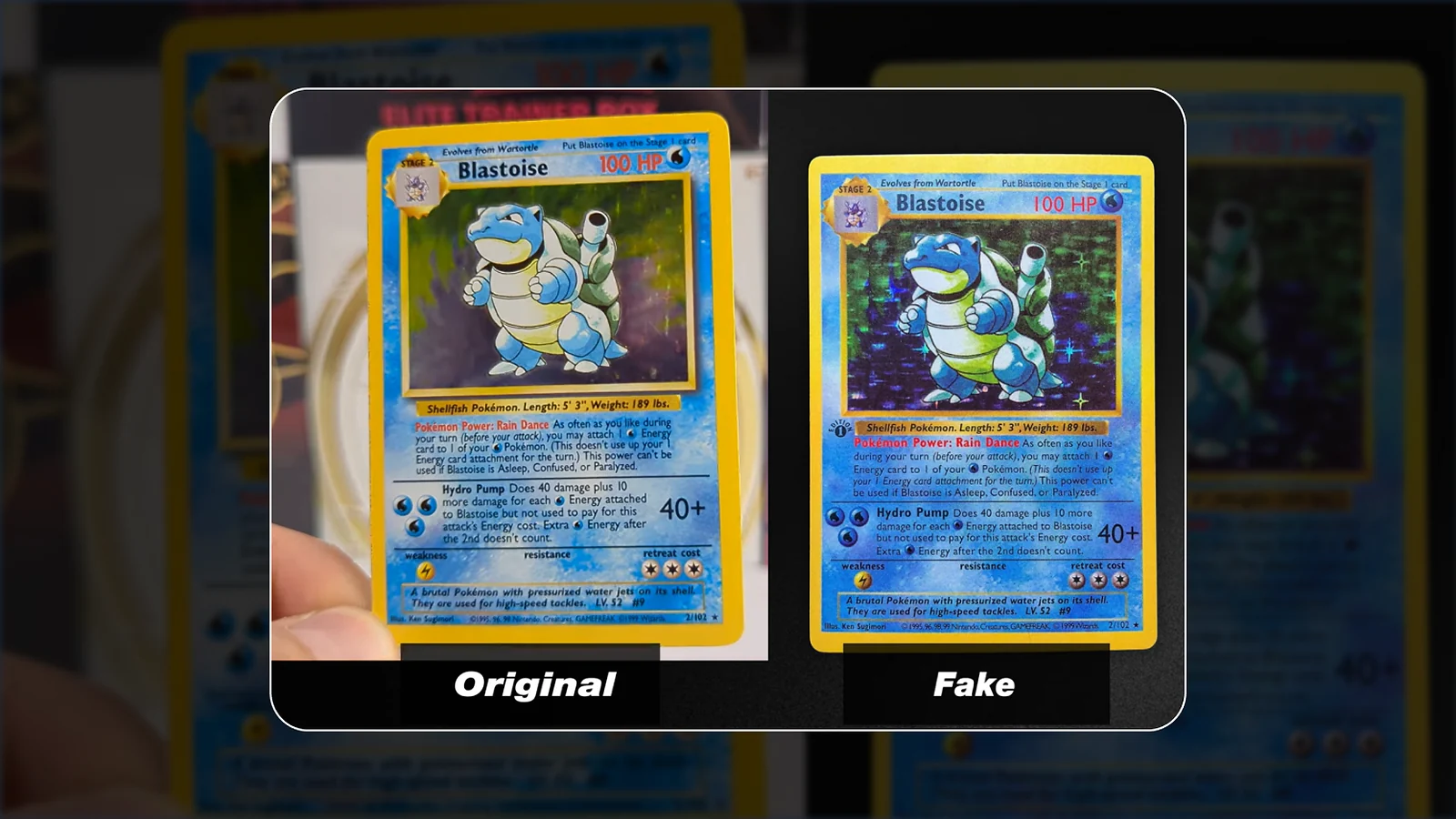
Counterfeit cards are common enough that authentication is a real concern, especially when buying online. Before pricing any card you purchased second-hand, verify that it is genuine.
Quick authenticity checks:
- Feel the cardstock: Real cards have a firm, layered feel with a slight texture. Fakes often feel lighter or flimsier.
- Check the printing: Real cards have sharp, clean print with no blurring or color bleeding. The holographic foil should shift cleanly.
- Light test: Hold the card up to a light source. Genuine cards show a distinct layered construction when backlit. Many counterfeits do not.
- Use a reference: Compare against a known authentic card of the same set. Font, symbol size, and border thickness should match exactly.
For cards you plan to sell at significant prices, always use a reputable grading service for authentication. Services like PSA and BGS authenticate the card as part of the grading process.
Once you have confirmed a card’s authenticity, store valuable cards in protective sleeves and rigid top-loaders immediately. Physical condition directly affects Pokémon cards value, and a single bend or scratch from poor storage can meaningfully reduce your card’s price.
If you need accessories to properly protect your cards before grading or selling, TCG Card Care offers specialized card cleaning and restoration supplies designed for collector use.
Is Your Pokémon Card Worth Grading – What to Know First
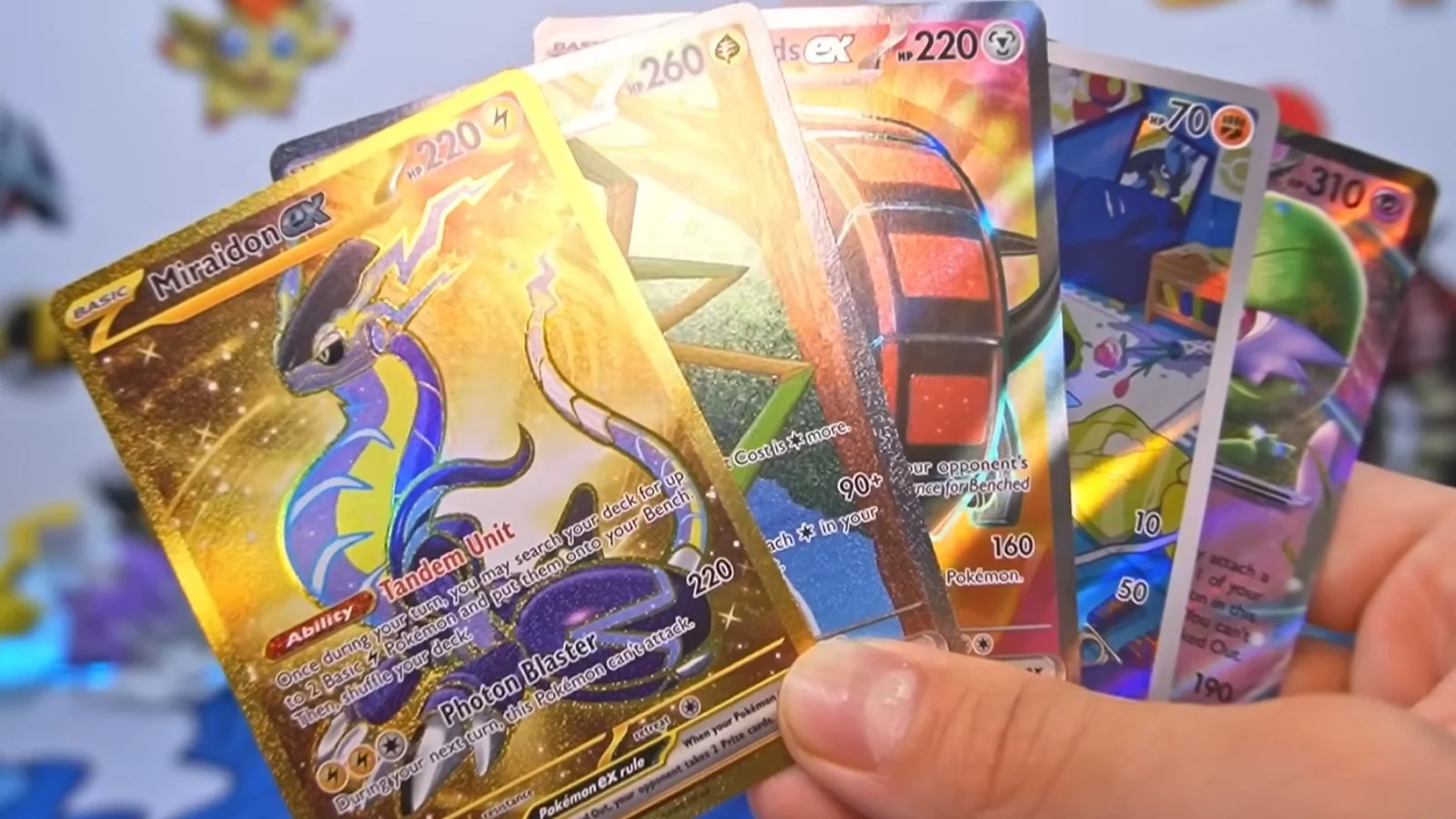
Professional grading is not the right move for every card. The submission fees (PSA charges $25+ per card for standard service, with premium tiers costing significantly more) only make sense when the potential grade increase justifies the cost. For expensive Pokémon cards, however, grading can significantly increase resale value and establish a verified price that buyers trust.
Grade these types of cards:
- Any card estimated at $50+ in raw condition
- First Edition or Shadowless Base Set cards in apparent Near Mint or better condition
- Secret Rares or Alternate Art cards from modern sets
- Any Pokémon-specific card with strong personal or market significance
Skip grading for:
- Common and uncommon cards regardless of condition
- Cards in Lightly Played or worse condition (a PSA 10 is extremely unlikely, making the fee hard to justify)
- Cards worth less than $30 raw (grading fees would exceed potential return)
For a full breakdown of current fees and turnaround times, check our guide on how much PSA grading costs.
Where to Sell Once You Know Your Card’s Value
Knowing how to check Pokémon card value is only useful if you act on that information. If you decide to sell, your platform choice affects how much you actually receive.
Platform comparison for sellers:
| Platform | Best For | Approximate Fees |
|---|---|---|
| TCGPlayer | Individual cards, competitive buyers | 10-15% seller fee |
| eBay | High-value singles, graded cards | ~13% total fees |
| Whatnot | Auctions, collections, live sales | ~8% seller fee |
| Local card shops | Quick bulk sales | 30-50% of market value |
| Card shows | Face-to-face, negotiable | Booth cost only |
TCGPlayer and eBay are the standard choices for most sellers. For full guidance, our article on where to sell Pokémon cards covers each platform in depth, including tips on packaging, shipping, and pricing competitively.
If you want to understand pricing from a buyer’s perspective before you sell, our guide on how to sell Pokémon cards walks through the full process.

Know Your Card’s Worth Before You Buy or Sell
Understanding how to check Pokémon card value accurately protects you whether you are buying, selling, or holding a collection long-term. The process comes down to identifying your card correctly, being honest about the condition, and checking completed sales on multiple platforms rather than relying on asking prices.
For high-value cards, professional grading is the single most reliable way to establish a verifiable price. For everything else, TCGPlayer and eBay sold listings give you all the market data you need.
The best Pokémon packs to buy for profit is a useful read if you are looking to build a collection with resale potential in mind.
FAQs
To learn how to check Pokémon card value, start by identifying the card’s set, number, and rarity symbol, then search completed sales on TCGPlayer or eBay for the same card in the same condition. Cross-referencing at least two platforms gives you a reliable price range rather than a single data point.
The Pokémon rarity symbol is a small icon printed near the bottom of every card: a circle for common, a diamond for uncommon, and a star for rare or higher. Cards with a star symbol or above are worth pricing individually, while circle and diamond cards are typically valued as bulk material.
Gold Pokémon cards refer to Secret Rare gold cards, gold star cards from older sets, and full-art gold illustration cards from modern sets. These are among the most expensive Pokémon cards in any set, regularly selling for $30 to $500 or more depending on the specific card and its condition.
Pokémon cards value is determined by three core factors: rarity (how limited the print run is), condition (physical state from Mint to Damaged), and demand (collector and competitive player interest). Cards that score high across all three, like a PSA 10 First Edition Shadowless Charizard, represent the top of the market.
The best Pokémon card price guide combination is TCGPlayer for current market price data and eBay sold listings for real transaction history. Using both together gives you the most accurate and up-to-date picture of what your card is actually worth right now.
Not all of the most valuable Pokémon cards are old, though vintage cards do dominate the top of the market. Modern Special Illustration Rares and Alternate Art cards from Sword and Shield onward regularly sell for hundreds of dollars, proving that recently printed cards can compete with vintage ones in terms of price.