


How to Sell Pokémon Cards: The Complete Guide to Getting Paid What They’re Worth

Eneba Hub contains affiliate links, which means we may earn a small commission if you make a purchase through them—at no extra cost to you. Learn more


Recent update
This list is regularly updated to match what’s trending and in-demand among gamers.
Learning how to sell Pokémon cards gets a lot easier once you understand how the market actually works. The pricing isn’t random, the platforms aren’t equal, and buyers have very specific expectations about condition and grading.
In this guide, I’ll walk you through how to price your cards accurately, how to choose the right platform for each type of sale, how to ship safely, and how to use grading to your advantage. If you want to sell Pokémon cards online instantly, you’ll find the fastest routes and platforms right here.
Jump to:
How to Sell Pokémon Cards – Choosing What to Sell and Where to Start
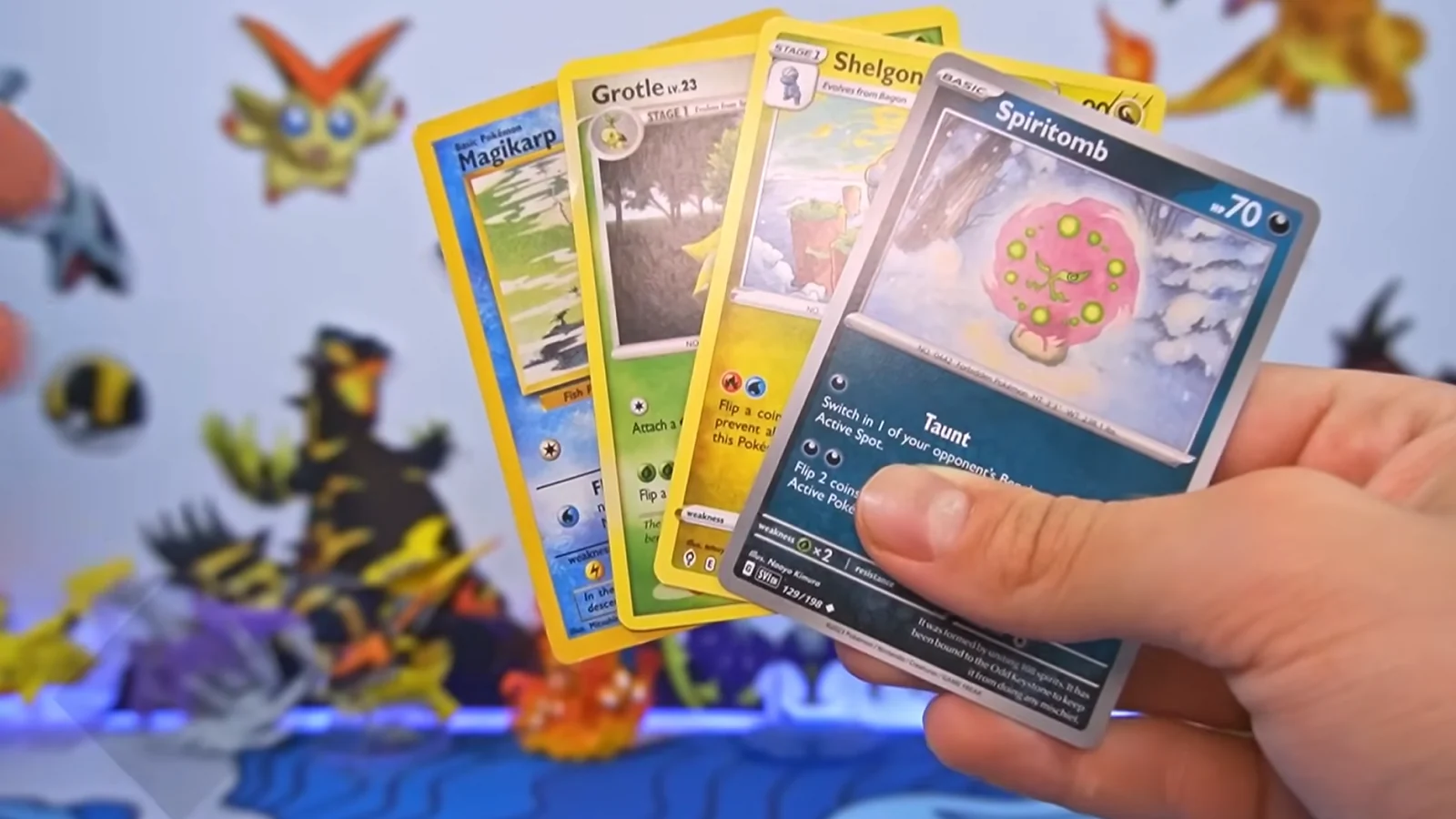
Before listing a single card, you need to know what’s actually worth selling. Not every rare pull is worth the effort of listing individually. The real value depends on rarity, condition, and current demand – and all three shift regularly.
I always start by sorting through my collection and separating high-value cards from bulk ones. Anything with scratches, edge wear, or bending goes into the “bulk” pile. Clean, centered holos go directly into protective sleeves. Those are the ones serious buyers pay attention to.
Timing matters more than most sellers realize. Card values spike when a new Pokémon game drops, when anniversaries drive nostalgia-buying, and when a creator showcases a rare pull on stream. Tracking recent sales on eBay (sold listings filter only) gives you real pricing data, not wishful thinking.
Use our Pokémon cards worth money guide before you start sorting. It helps identify which specific cards carry real collector value versus which ones look impressive but sell for pennies.
Once you know what you’re selling, the next question is where to sell it. Online marketplaces like eBay and TCGPlayer offer a wide reach for valuable singles. Local game stores and Facebook collector groups can move cards faster, often without the shipping hassle. Some shops also buy bulk collections at a flat rate.
For current high-demand releases worth tracking before you sell, check out our best new Pokémon cards guide. Fresh hype cycles affect older card prices, too.
How to Price Your Pokémon Cards – A Step-by-Step Approach to Real Market Data
Pricing is the skill that separates sellers who make money from sellers who leave money on the table. The goal is always real numbers from real recent sales – not estimates, not wishful thinking.
Here is a step-by-step pricing process that actually works:
- Identify the card. Set name, card number, rarity symbol, holo status, 1st Edition or shadowless print. Photograph it clearly.
- Grade the condition. Check surface, corners, edges, and centering. Sort into NM/M, LP, MP, or HP. Sleeve the clean ones immediately.
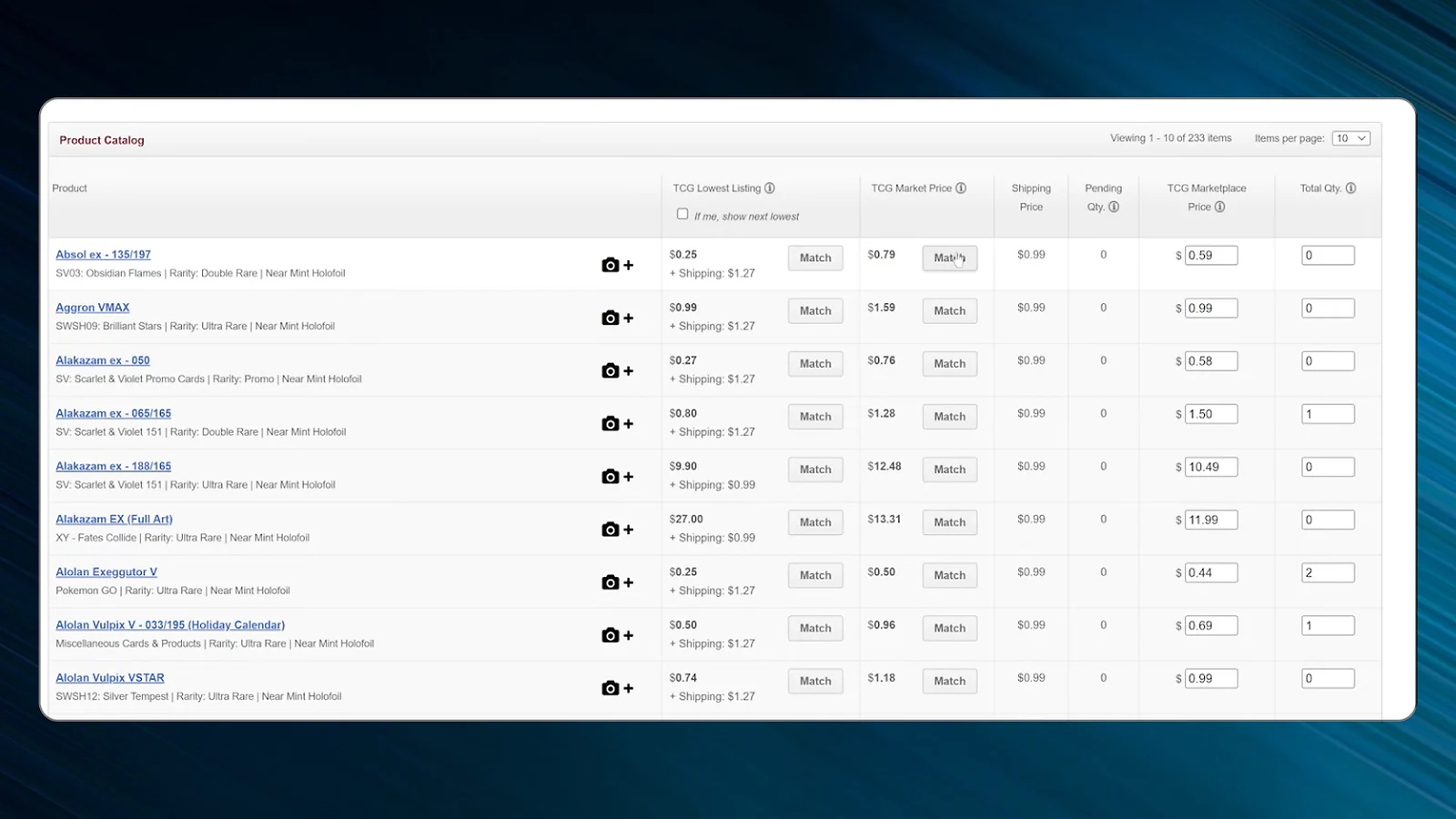
- Pull sold comps. On eBay, filter to “Sold” listings. On TCGPlayer, use Market Price and look at the last 10-15 sales. Cross-reference Pokémon-specific Facebook groups for context.
- Adjust for grade. A PSA or Beckett-graded copy changes everything. Look up population reports for your card’s grade tier before pricing raw copies against graded ones.
- Set the price. Aim near the last sold comp for NM/M, add a small margin for mint condition. Discount HP or MP copies appropriately. Build in shipping and platform fees.
- Plan your bulk strategy. Sort commons and uncommons by set or theme. Price bulk lots by per-card average using recent bulk sale data. High-value pulls never go into bulk.
If you’re figuring out how to sell Pokémon cards on eBay, title accuracy and honest condition notes are what drive conversions. Misleading condition descriptions lead to disputes and bad feedback.
Evaluating Card Value – Rarity, Condition, and Demand
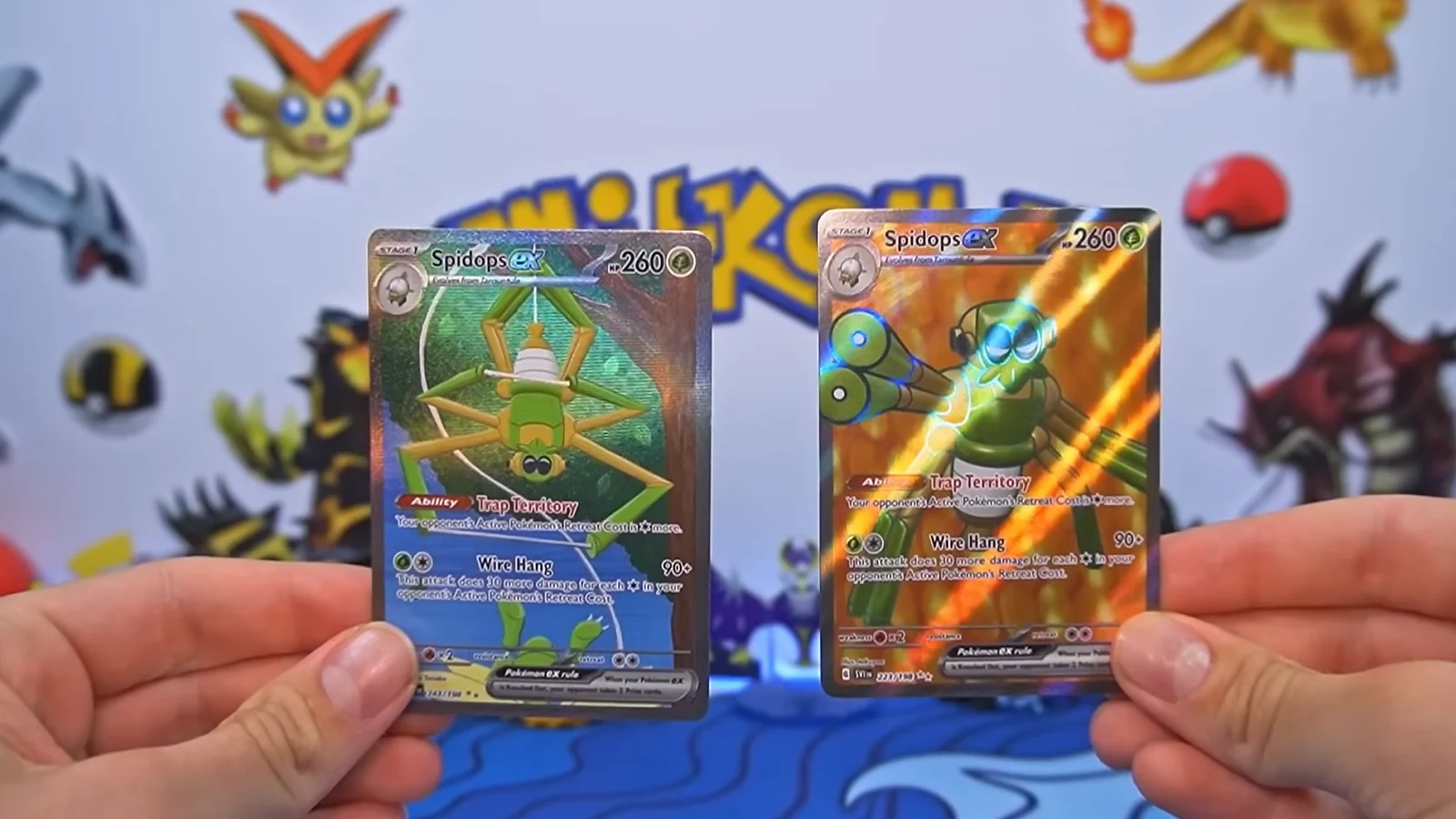
Rarity is the first thing I check. Limited prints and promos sit higher on the market than mass-produced commons, and that spread can be significant. But rarity alone means nothing without demand. A card can be rare and still sell for a dollar if nobody actively wants it.
Condition ties both factors together. Clean corners, sharp centering, and scratch-free surfaces are what collectors pay a premium for. Our rare Pokémon cards guide gives useful benchmarks for identifying which cards hold value year after year.
Once you know what you’re working with, deciding how to make money selling Pokémon cards becomes much more concrete. Selling rare Pokémon cards takes a bit more patience, but the payoff is worth it when you match the right card with the right buyer.
How Card Grading Affects Your Sale Price
The condition of your card is your single biggest pricing lever. Even before you pay for a PSA or Beckett grade, the visual assessment you do yourself determines which stack a card belongs in.
Mint and near-mint cards pull the strongest offers. Anything with visible scratches sells at a discount. Protecting clean cards in our best binders for Pokémon cards is the cheapest way to preserve value before a sale.
PSA grading is worth exploring for premium hits. A PSA 10 or PSA 9 sells faster and for more because buyers trust the score. Before sending cards in, check our how much does PSA grading cost guide to calculate whether grading a specific card makes financial sense.
You can still make money with Pokémon cards without grading, but for vintage pulls or first-edition holos, grading is the tool that unlocks the highest price tier.
Platform Pricing Comparison – Fees, Speed, and Audience
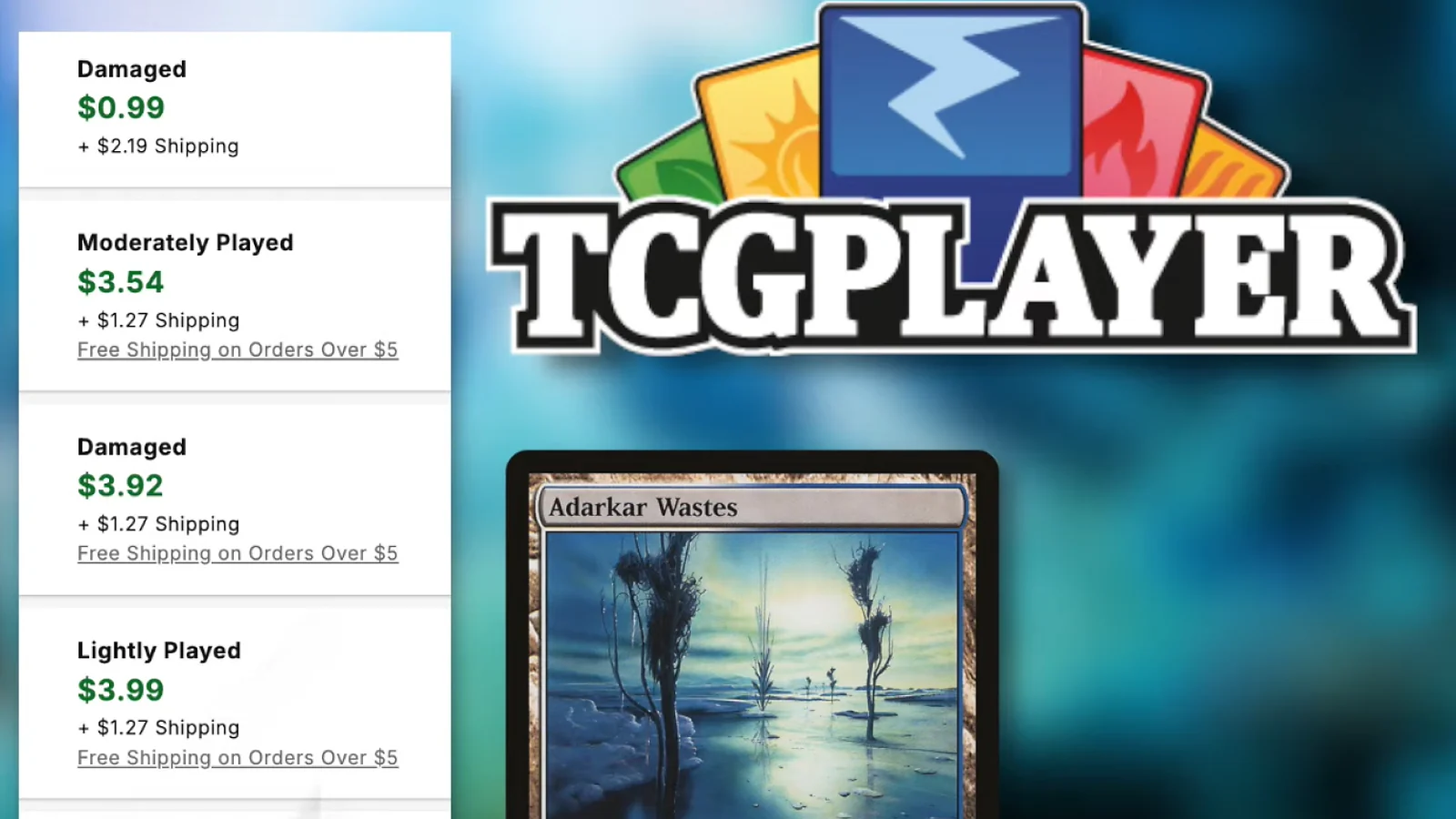
Different platforms have very different fee structures, buyer audiences, and sale speeds. Understanding these differences helps you choose the right venue for each card type.
| Platform | Fee Structure | Best For | Sale Speed |
|---|---|---|---|
| eBay | 12.35% final value + payment fees | High-value singles, vintage | Medium |
| TCGPlayer | 10.25% + $0.30 | Competitive-play cards | Fast |
| Whatnot (live auction) | 8% seller fee | Bulk, lots, community sales | Fast |
| Facebook Groups | No fees | Local, low-friction deals | Variable |
| Local Game Store | Flat buylist rate (usually 30-50% of market) | Bulk clearance | Immediate |
For high-value singles, eBay and TCGPlayer give you the widest audience. For bulk clearance, local game stores or live auction platforms like Whatnot move inventory faster. Check our guide on selling Pokémon cards for a full breakdown of each platform’s pros and cons.

How to Price Bulk Pokémon Cards vs. Individual Cards
Bulk pricing requires a completely different mindset than individual card sales. When I learned how to sell bulk Pokémon cards, the first thing I realized was that buyers want organized, themed lots that save them sorting time.
Group bulk cards by set, type, or rarity tier. Buyers jump on lots labeled “all holos,” “full trainer set,” or “Base Set commons complete.” It signals that you’ve done the work. Selling cards one by one works when the individual value is high, but for bulk stacks, the trade-off is speed versus per-card margin.
High-value pulls should never be thrown into bulk lots. Those deserve individual listings with clean photos, honest condition notes, and proper sleeves. Use the best Pokémon sets to identify which set-based lots are most in demand right now.
Final Pricing Tips – Reading Market Shifts Before You List
Card prices move fast. A card that looked mid-value last week can spike after a creator features it, after a new set announcement, or after a new record sale on eBay.
I keep my pricing flexible. If a card climbs, I adjust upward. If the market cools, I drop the price rather than let the listing sit for weeks. Price-tracking tools help. Setting alerts on eBay and checking TCGPlayer market history takes about five minutes per session.
Small listing improvements also help: better photos, accurate condition notes, and a keyword-rich title all increase visibility. The best Pokémon cards guide is useful for staying current on which cards are driving buyer demand.
Who Buys Pokémon Cards – Understanding Your Target Buyers
The market for Pokémon cards is much broader than most sellers expect. Serious collectors hunt for vintage grails, mint holos, and anything from iconic sets. They pay top-tier prices when your card meets their condition standards. If you’re selling rare Pokémon cards, these are the buyers who will pay premium prices without hesitation.
Resellers work differently. They buy cards they can flip quickly and already know the market inside out. If your price is fair, they act fast. Hobbyists buy cards they personally like, usually for binders or playing decks. They won’t always pay collector prices, but they buy consistently.
Online stores and local game shops move large volumes. They buy in bulk, pick up mid-value singles, and sometimes purchase entire collections if the price makes sense.
Matching the card to the right buyer type matters:
- Rare or vintage cards: target collectors on eBay or TCGPlayer advanced search
- Modern meta cards: target competitive players on TCGPlayer
- Bulk and repeats: target resellers or local game stores
- Full collections: contact local shops or post in Facebook collector groups
Top Platforms to Sell Pokémon Cards Online – Your Best Options
The platform you choose is the first major decision when selling. eBay is the best option for high-value singles because of its massive buyer pool and sold-listings research tool. TCGPlayer works best for cards competitive players actively hunt, especially anything tied to the current meta.
Whatnot is worth considering for live-auction selling. It’s a fast-growing platform where sellers stream their card pulls and sales in real time, and the live auction format drives competitive bidding.

Facebook Marketplace and Pokémon-focused groups work for fast local deals with zero shipping stress. These options let you sell Pokémon cards online instantly without waiting days for auction bids to close. Local game shops or trade events are solid for bulk or in-person offers.
Once you understand how to sell Pokémon cards online, these platforms become your best tools for reaching serious buyers. The best places to sell Pokémon cards depend on what you’re moving.
How to Sell Pokémon Cards Online – A Complete Platform Guide
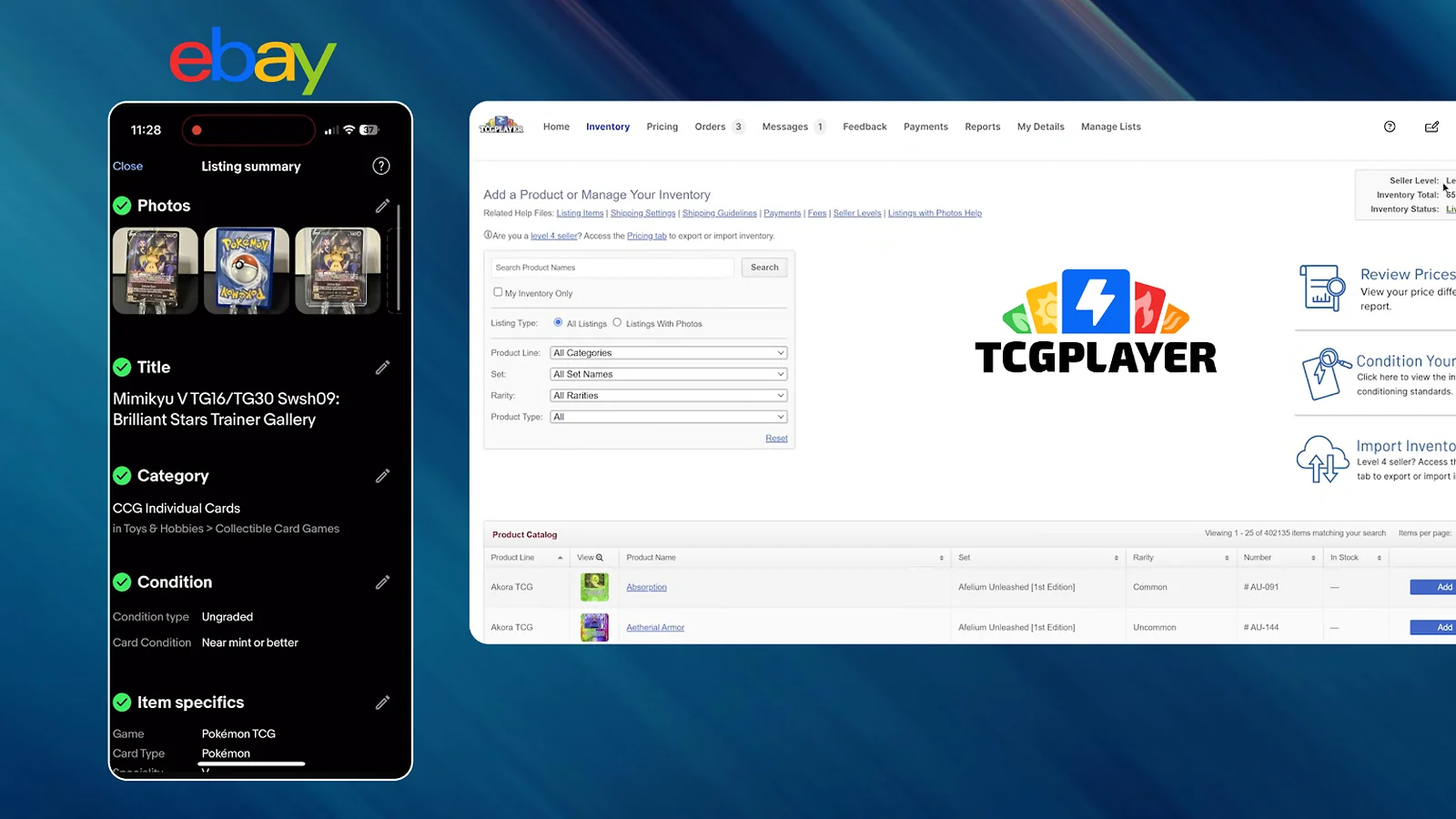
Selling online requires platform-specific knowledge to do it well. Here’s what matters on the two most important marketplaces.
How to Sell Pokémon Cards on eBay
eBay gives you access to the broadest audience, which means more competitive pricing on high-value cards. The process:
- Photograph the card from multiple angles, including edges and corners.
- Write a title that includes set name, card number, rarity, and condition (e.g., “Charizard Base Set Holo 1st Edition PSA 9”).
- Check sold listings to price accurately, not listing prices.
- Choose “Auction” for rare cards where bidding competition helps, and “Buy It Now” for straightforward sales.
- Use tracked shipping with a rigid card mailer or top loader for any card worth $10 or more.
eBay’s final value fee for trading cards is approximately 12.35%. Factor this in before setting your price.
How to Sell Pokémon Cards on TCGPlayer
TCGPlayer has a dedicated buying audience and a clear pricing system. List cards at or near the Market Price, use accurate condition grades (Near Mint, Lightly Played, etc.), and respond to buyer messages quickly. TCGPlayer buylist is also worth checking if you want to sell immediately without managing individual listings.
How to Ship Pokémon Cards Safely – Protecting Your Sale from Damage
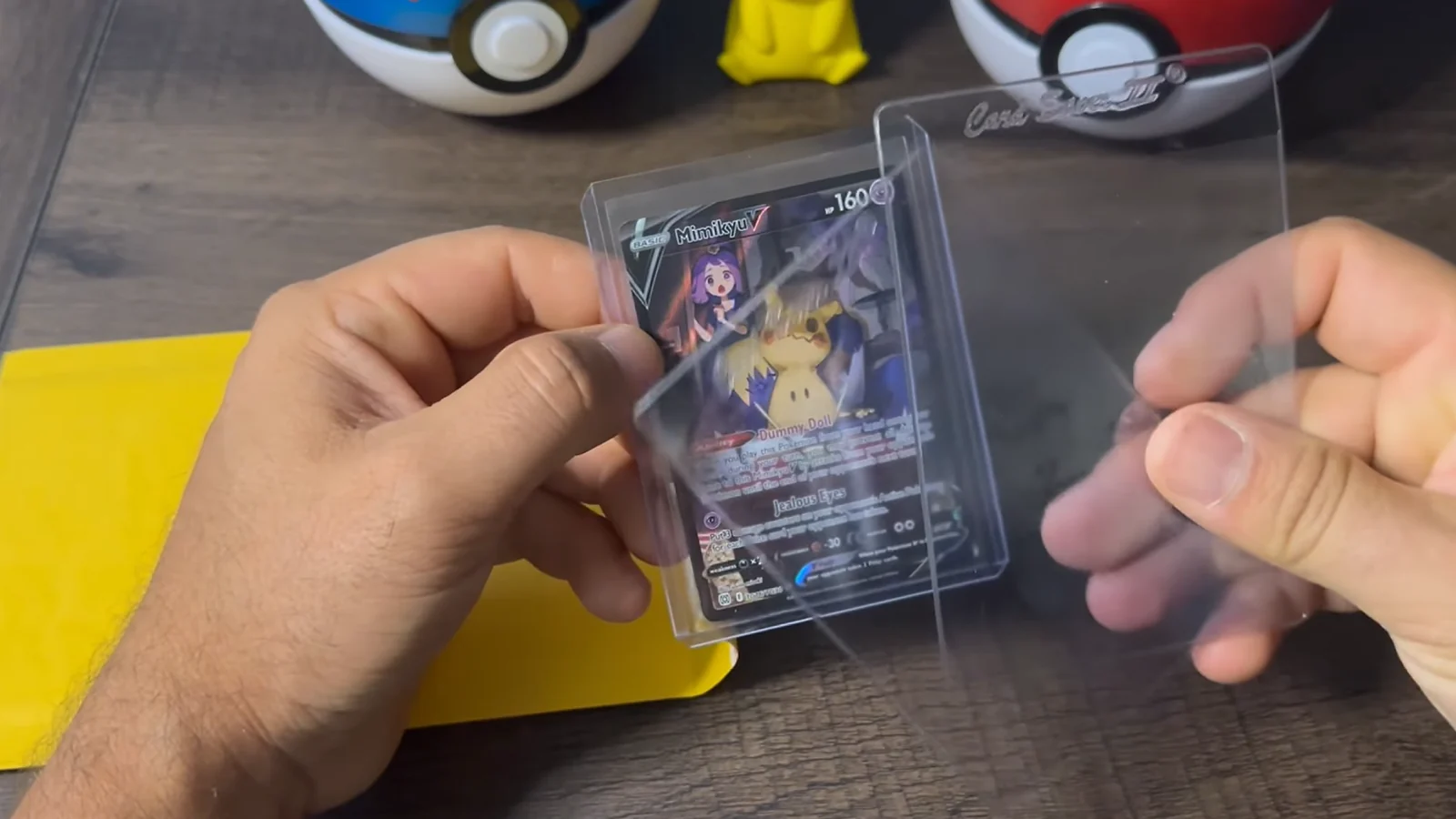
Shipping is where sales fall apart if you’re not careful. A card that arrives damaged leads to disputes, refunds, and bad reviews.
For cards worth under $20:
- Sleeve the card, place it in a penny sleeve, then a top loader or card saver
- Slide the top loader into a team bag or tape the opening closed
- Place in a rigid, padded envelope or use a bubble mailer
- Include tracking on all shipments
For cards worth $20-$100:
- Double-sleeve the card and use a top loader
- Place in a rigid cardboard mailer to prevent bending
- Add insurance through the shipping carrier
For cards worth over $100:
- Triple-sleeve, top loader, and place inside a semi-rigid card case
- Use a small bubble mailer inside a rigid box
- Purchase carrier insurance for the full declared value
- Use signature confirmation for anything over $250
Shipping damage claims are a hassle to win. It’s far easier to pack correctly the first time than to fight a claim.
How to Spot Fake Pokémon Cards – Protecting Your Reputation as a Seller
Selling a counterfeit card, even unknowingly, destroys buyer trust and creates legal risk. Verify your cards before listing.
Real Pokémon cards have specific characteristics:
- A distinct texture that feels slightly rough on the card face
- Clean, crisp font with no blurriness in text or energy symbols
- A visible blue inner layer when you hold the card edge up to a light source
- Holographic patterns with real depth and smooth color shifts (fakes look flat or printed)
Additional checks:
- Hold the card at an angle under a light and check for even holo shimmer
- Perform a light bend test – genuine cards have a specific give and snap back evenly
- Compare against a verified copy from the same set if you have one available
- Check energy symbols under a magnifying glass – blurry or oddly spaced symbols are a red flag
Taking five minutes to authenticate before listing protects your seller reputation.
How to Make Money Selling Pokémon Cards – Your Long-Term Strategy
Knowing how to sell Pokémon cards gets a lot easier once you understand how pricing works, understand who your buyers are, and choose the right platform for each type of card.
You’ve already seen the best way to sell Pokémon cards by checking demand, timing your listings, and targeting the right buyers. You know how to protect yourself with proper shipping and how to verify cards before sale.
The next step is execution. It doesn’t matter if you’re selling rare Pokémon cards or moving bulk lots, sort your collection, sleeve the clean cards, research your comps, and pick the platform that matches your goals. If you want to sell Pokémon cards online instantly, platforms like TCGPlayer and Facebook Marketplace give you the quickest turnaround.
For collectors who also want to earn more cards to sell over time, reward platforms let you convert gaming time into gift cards and cash. It’s an indirect path, but one that adds up over consistent sessions.
Play games and get paid with Snakzy.

FAQs
If you’re learning how to sell Pokémon cards for maximum profit, start by grading high-value cards through PSA or Beckett, researching current market prices using eBay sold listings, and listing on the right platform for each card type. Selling graded mint-condition cards individually on eBay or TCGPlayer consistently returns more than bulk lots or rushed sales.
You can tell if Pokémon cards are worth individual listings by checking rarity symbols, condition, set, and edition marks, then comparing against recent sold listings on eBay or TCGPlayer market prices. Cards below $5 in value are typically better sold in themed bulk lots rather than as individual listings.
The best place to sell Pokémon cards online depends on the card type: eBay for high-value singles with bidding potential, TCGPlayer for competitive-play cards, and Whatnot for live-auction bulk sales. Local game stores work best for immediate cash offers on bulk collections without the shipping hassle.
Price bulk Pokémon cards by sorting them into organized lots by set, rarity tier, or type, then use TCGPlayer or eBay market data to calculate a per-card average for the lot. Themed bulk lots such as “all holos” or “complete trainer set” sell faster and for more per card than unsorted piles.
Getting Pokémon cards graded through PSA or Beckett is worth it for vintage holos, first-edition cards, and any card worth over $50 raw, since graded copies consistently sell for significantly more.
The best platforms for selling Pokémon cards are eBay for the largest buyer pool, TCGPlayer for the most engaged collector and player market, and Whatnot for live auction selling. For graded cards worth over $500, platforms like PWCC or Heritage Auctions often return the strongest bids.
Sell Pokémon cards safely by sticking to trusted platforms like eBay and TCGPlayer, always using tracked and insured shipping, and keeping all buyer communications on-platform for documentation. Never accept payment outside the platform for high-value cards, and verify buyer feedback before shipping.