


WWE 2K26 Review – Another Year in the Ring, But What Actually Changed?



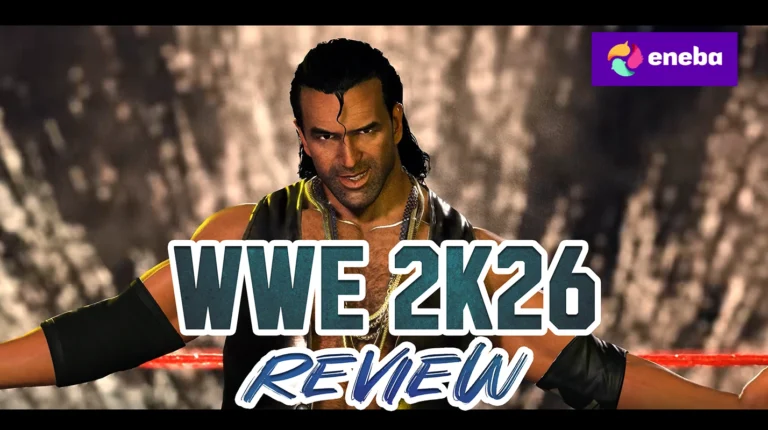
It’s WWE 2K26 review time, and the first thing that comes to my mind is the yearly sports game dilemma. Titles in this genre show up almost every year, yet huge changes rarely happen between releases. That situation sits right at the center of WWE 2K26, the newest entry in 2K’s long-running wrestling series.
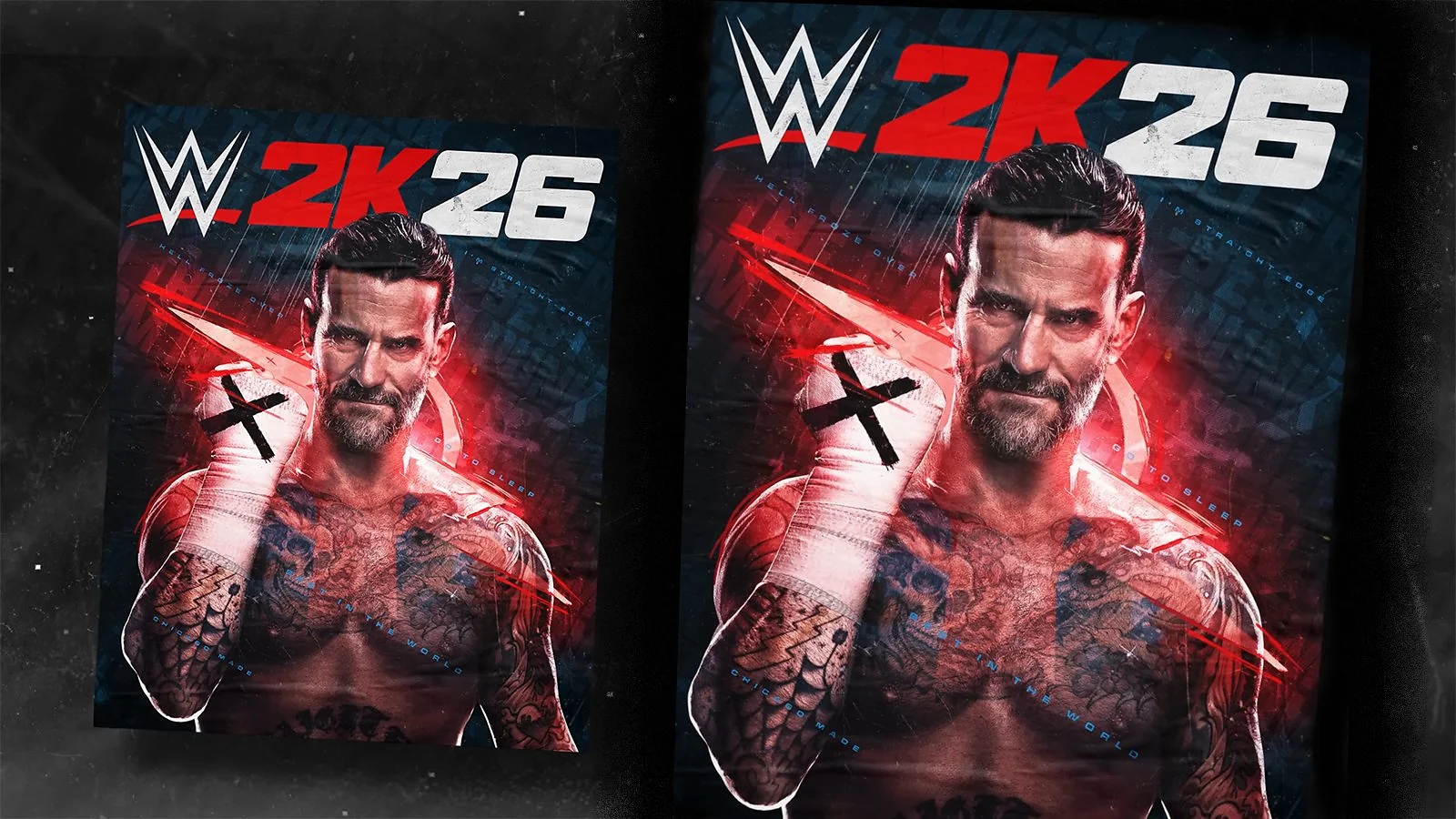
This time, CM Punk takes the spotlight as the cover star. His presence ties directly into the Showcase mode and brings extra attention to the game compared to recent installments.
Outside the marketing buzz, WWE 2K26 mostly builds on the structure from WWE 2K25 and WWE 2K24. Familiar modes return with updates, new match types appear, and the roster expands with more legends.
So the real question remains simple; does WWE 2K26 move the series forward, or mainly refine what already worked before?
Jump to:
TL;DR – WWE 2K26 Overview
| Genre | Sports / Wrestling Simulation |
| Core Loop | Wrestle, build momentum, land signature, finish the match |
| Biggest Strength | Strong in-ring gameplay and massive roster |
| Biggest Weakness | Ringside Pass progression and yearly familiarity |
| Standout Feature | CM Punk Showcase mode |
| Roster Size | 400+ playable superstars |
| Best For | WWE fans and wrestling game lovers |
| Clear Verdict | A solid entry that refines the formula |
WWE 2K26 Review: Learning The Ropes
At its core, WWE 2K26 revolves around the rhythm of a wrestling match. Two superstars step into the ring, trade grapples, and try to control momentum long enough to land a signature move or finisher. Even if you’re new to WWE games like I am, that core loop becomes easy to grasp after a few matches.
Grappling forms the foundation of most encounters. You chain together strikes or slams while searching for openings near the ropes or the corner. Reversals are crucial here; a well-timed counter can flip the entire flow of a match and instantly turn defense into offense.
Coming from UFC 5, the pacing feels noticeably different. That title focuses heavily on striking exchanges and stamina management, while WWE matches revolve around grappling momentum and dramatic swings. As someone who trains boxing in real life, the grappling-heavy system took a moment to click.
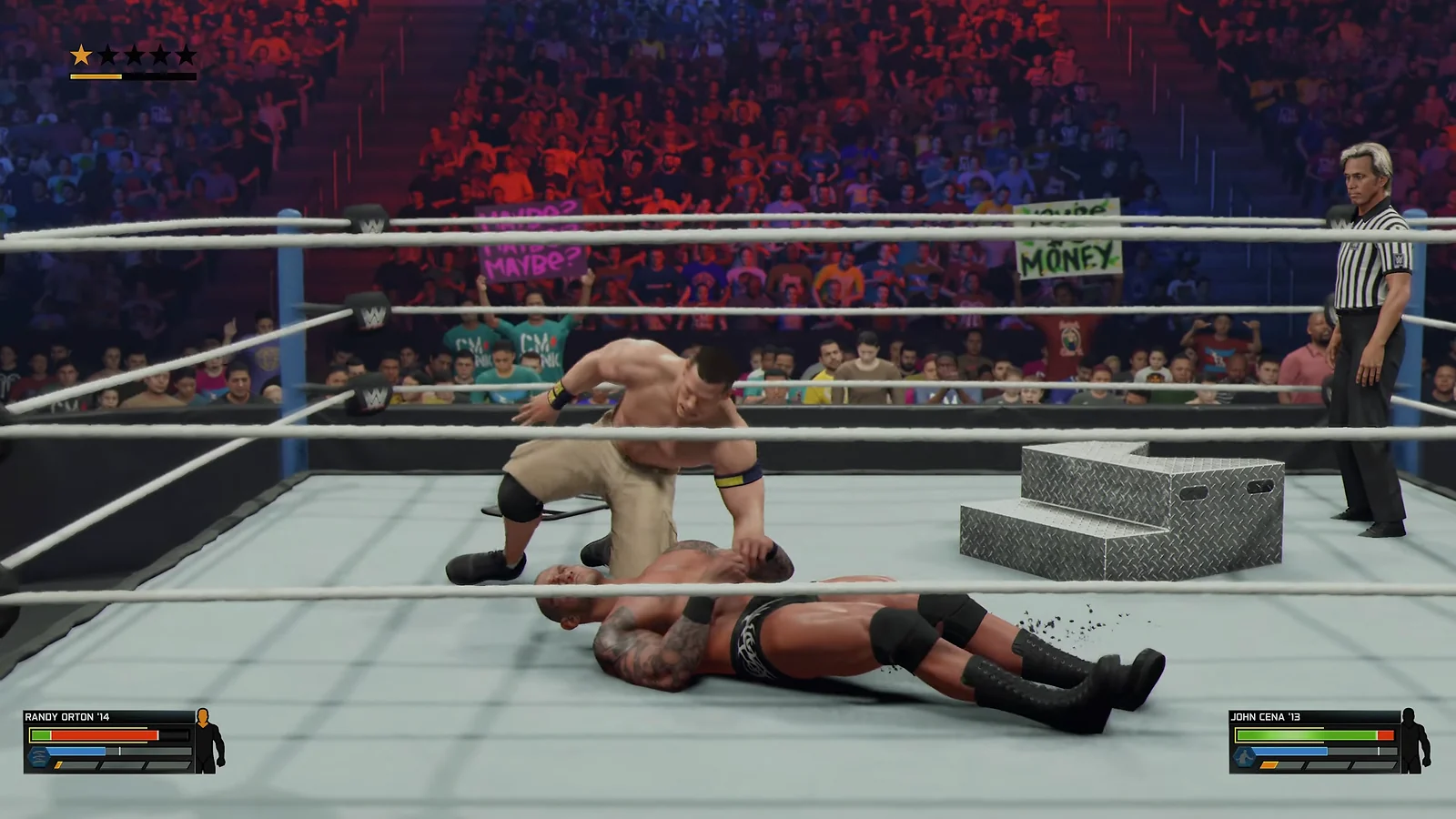
Stamina and damage systems also shape the pace. Early exchanges feel slower as both wrestlers test each other with smaller moves, but as damage builds up, finishers begin to appear more frequently.
Recent entries lean closer to simulation-style pacing while remaining accessible, which helps explain why this game often appears among the best sports video games.
Once the bell rings, the biggest highlights show up in the in-ring action.
CM Punk Steals The Spotlight
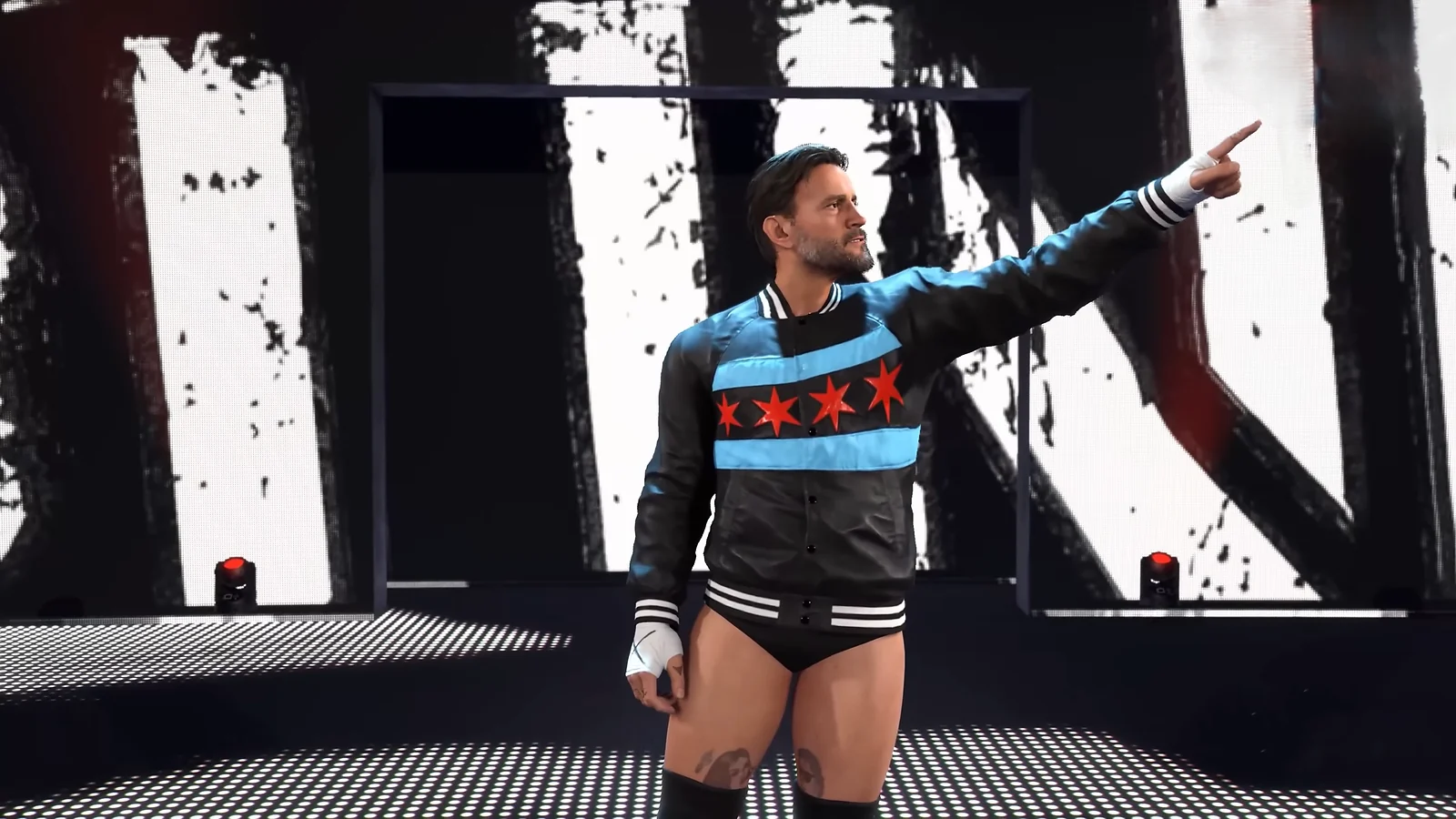
One of the highlights of my WWE 2K26 review is the Showcase mode, focusing on CM Punk’s wrestling career, with Punk narrating the journey himself.
His delivery carries a mix of sarcasm and warmth, which fits his personality well. Some players enjoy that tone because it feels closer to how Punk actually talks. Others feel the narration comes across a bit scripted in certain moments.
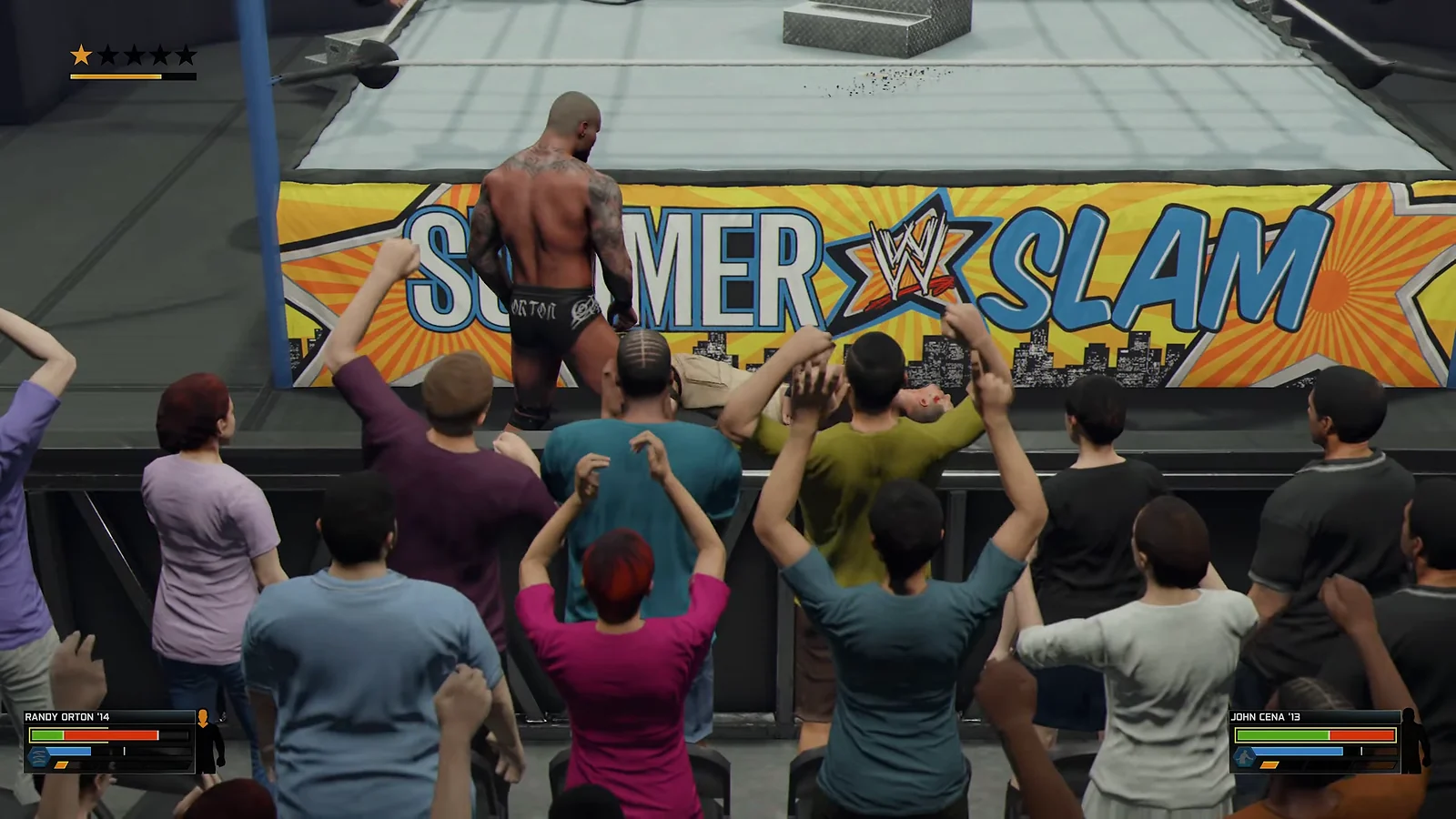
Several matches recreate memorable moments. Players step into the ring during SummerSlam 2008 against JBL, then jump ahead to a Bad Blood Hell in a Cell clash with Drew McIntyre. The mode also includes a dream match against Stone Cold Steve Austin, which adds a fun “what if” scenario for wrestling fans.
Another addition appears in the Showcase Gauntlet challenge. Instead of unlocking rewards slowly through multiple matches, you can fight twenty opponents back-to-back to grab those rewards immediately.
As part of this WWE 2K26 game features review, Showcase stands out as one of the more memorable modes. Reactions remain mixed, though. Some players enjoy the fantasy matchups, while others would rather see more real career moments. For fans comparing entries in the series, this mode still helps the game compete with the best WWE games.
Where Matches Really Shine
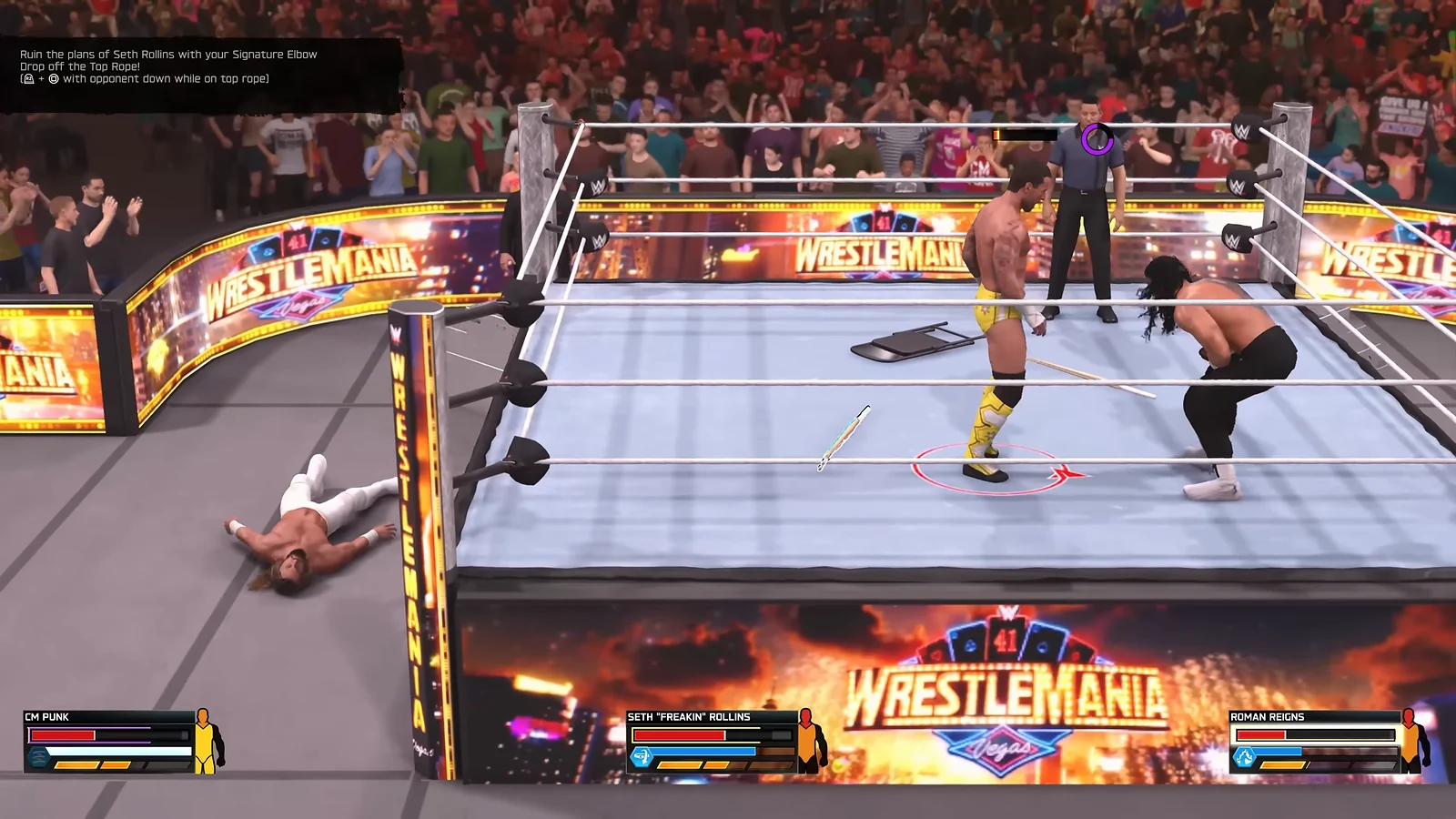
The biggest highlight in this WWE 2K26 review appears once the bell rings. Matches move at a more deliberate pace compared to older entries, which helps build momentum instead of rushing through every exchange. That rhythm gives each moment more weight inside the ring.
AI behavior also plays a stronger role this time. Opponents react to attacks, counters, and positioning in ways that resemble real wrestling match flow. A superstar who takes heavy damage might struggle to escape pins or reverse moves, which adds a sense of progression as the fight continues.
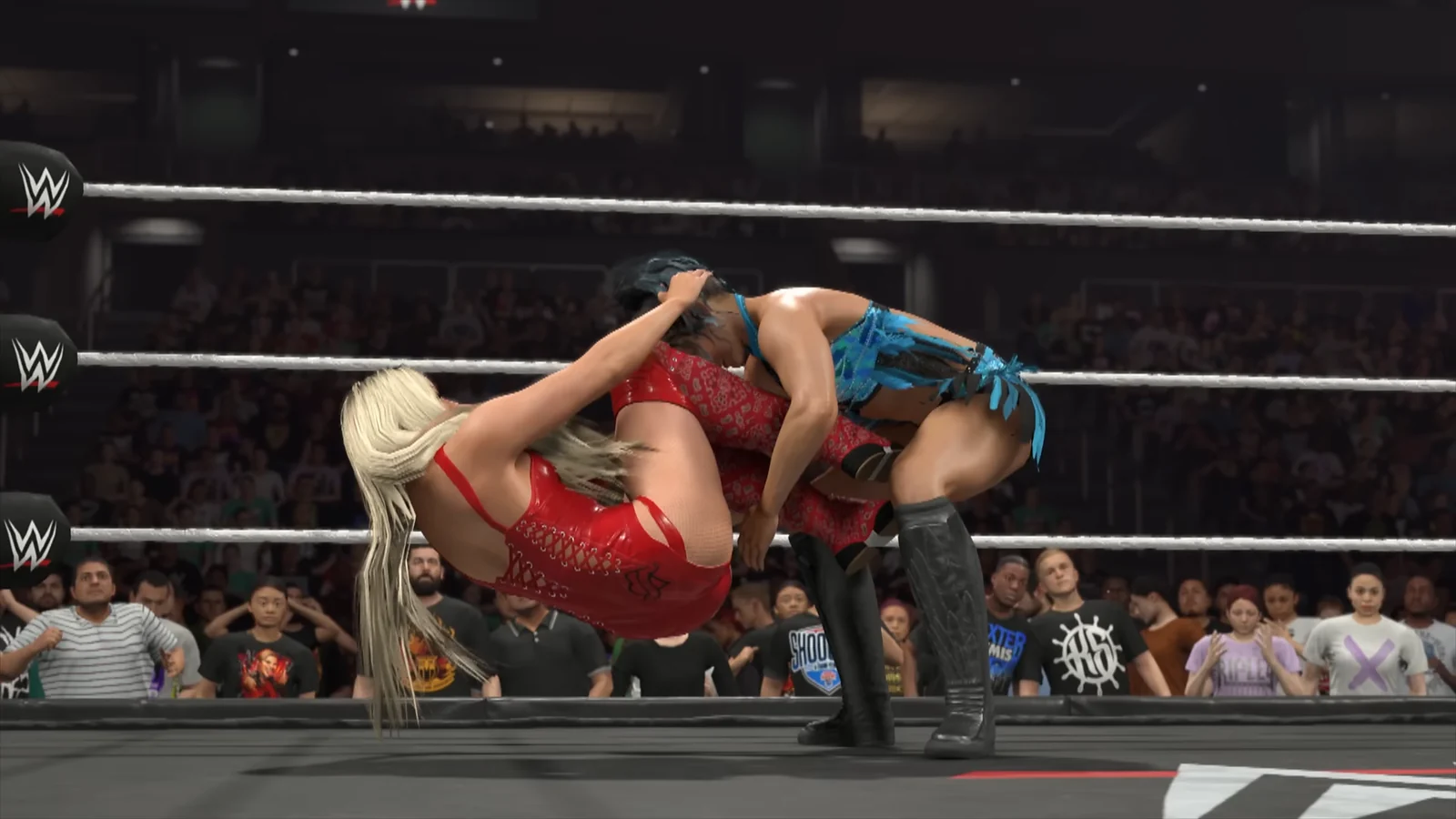
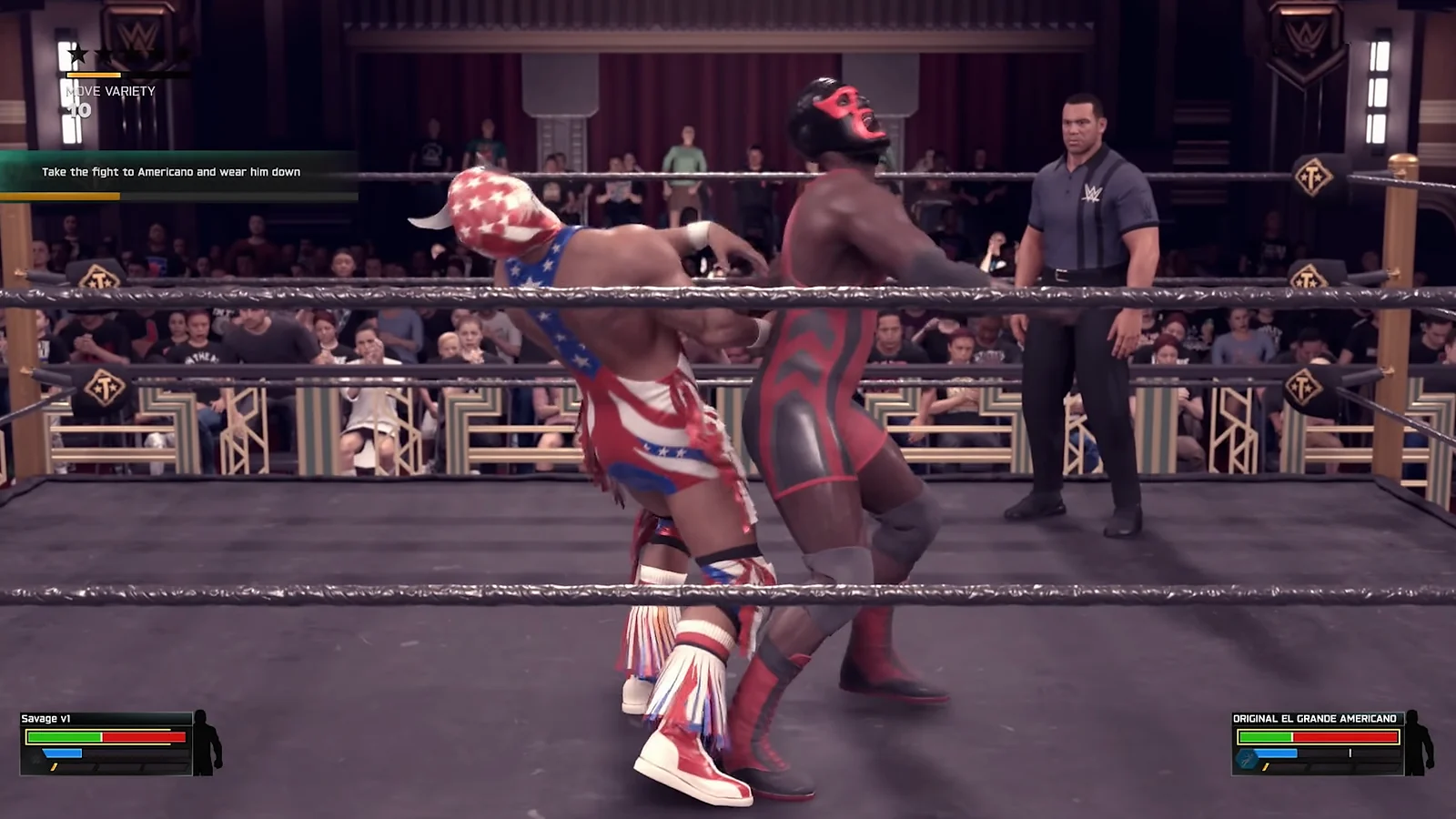
Several match types expand the lineup. You can jump into Inferno matches, I Quit matches, Dumpster matches, and the classic Three Stages of Hell format. Each one changes how a match unfolds and pushes players to approach fights differently.
Some mechanics borrow ideas from AEW: Fight Forever. Interactive entrances allow you to trigger taunts and pyro during the walk-in, while weapons like thumbtacks add chaos to hardcore encounters.
The game still sits between arcade energy and simulation pacing, similar to the creativity seen in the best arcade games. A few technical hiccups may appear, though the overall in-ring action remains the strongest part of the experience.
A Wildly Stacked Roster
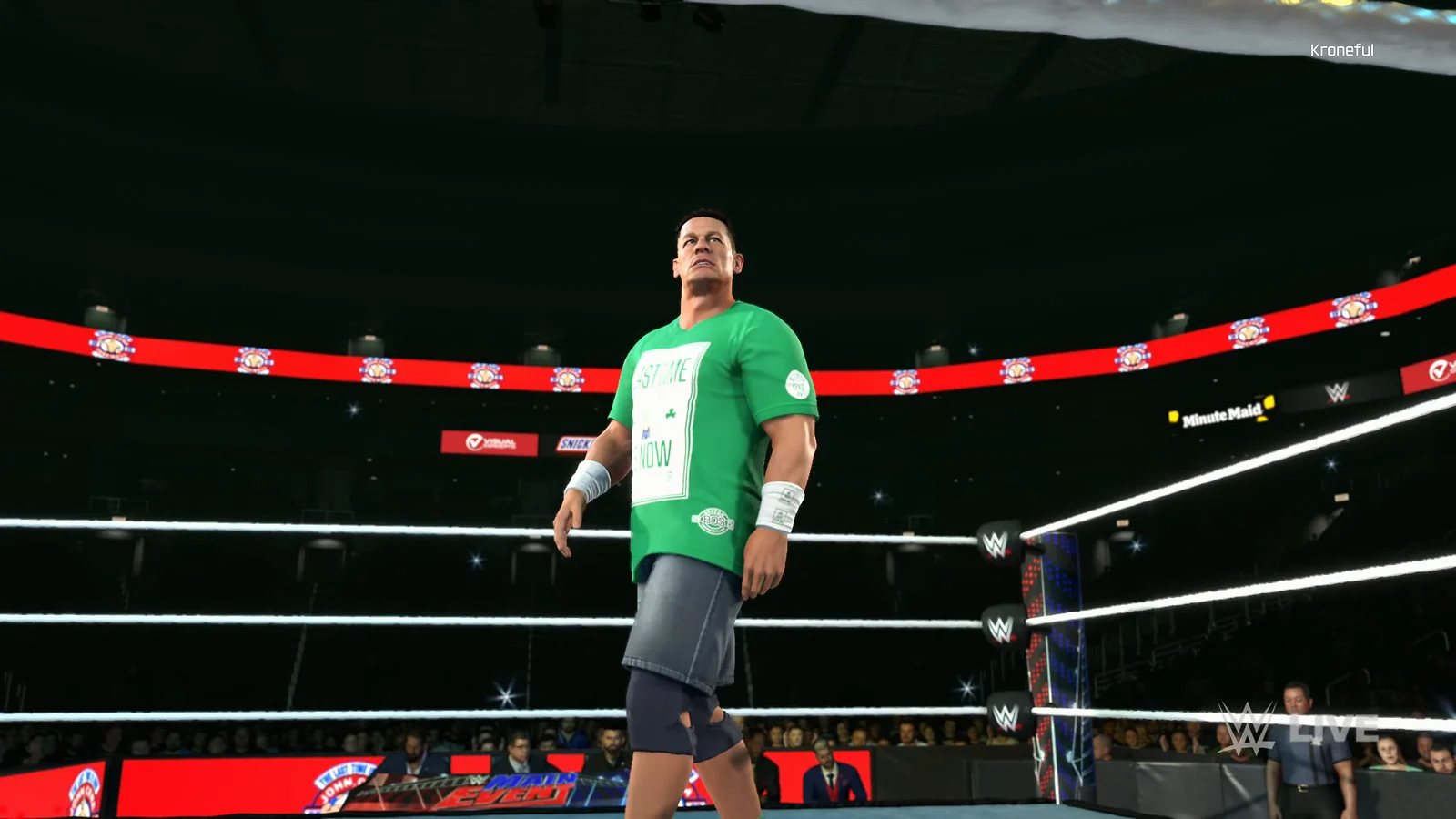
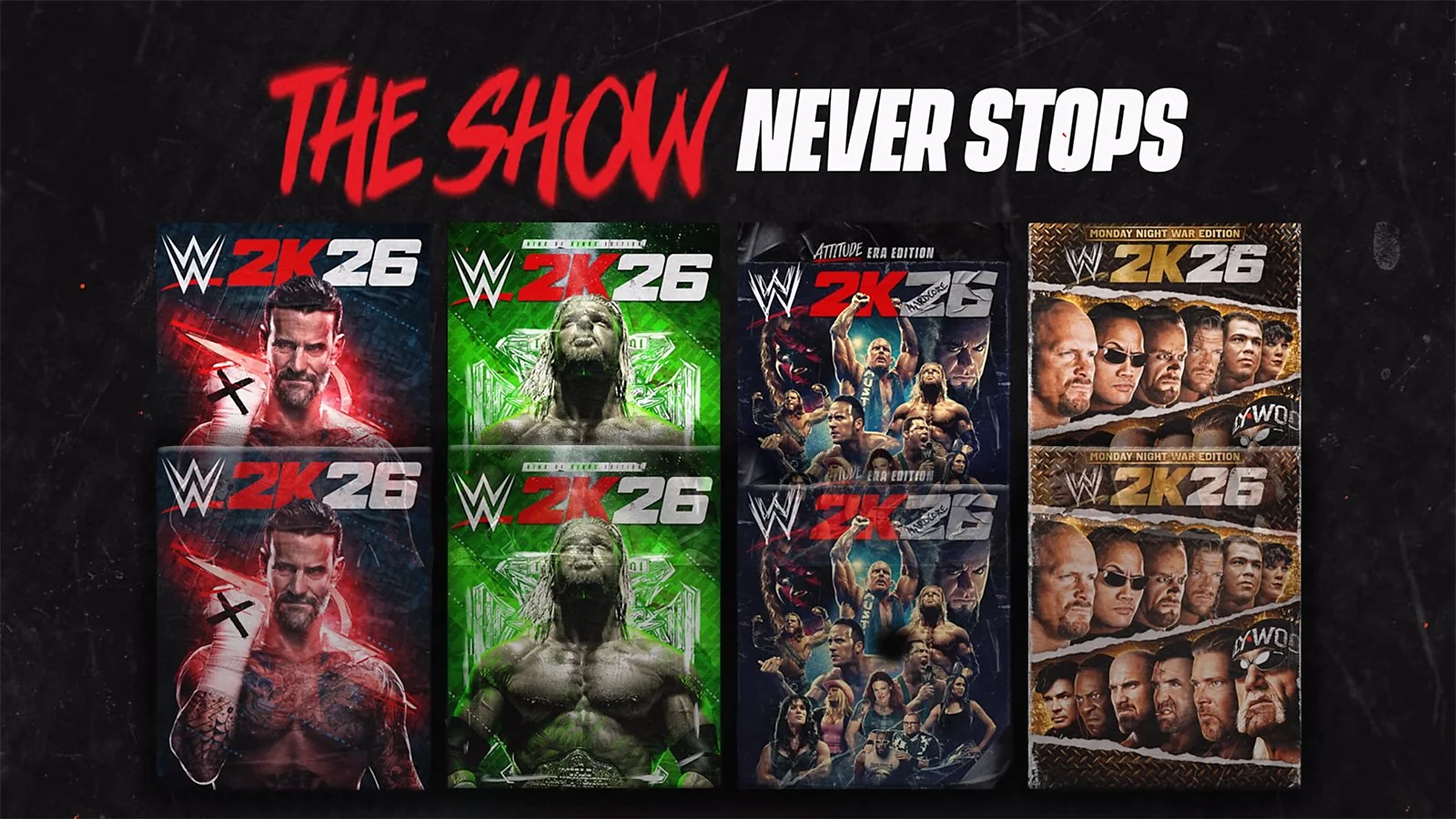
One thing that instantly stands out in my WWE 2K26 review is just how massive the roster feels. WWE 2K26 reportedly includes more than 400 playable superstars, mixing current WWE talent with legends and a few surprising additions from outside promotions.
That variety opens the door for some pretty wild matchups. You can throw modern stars against classic legends or build dream fights that never happened in real life. For wrestling fans who enjoy sandbox-style booking, the roster alone offers a lot to play with.
Cross-promotion partnerships also expand the universe beyond WWE. Wrestlers connected to Lucha Libre AAA Worldwide and Total Nonstop Action Wrestling show up in the lineup, which makes the game feel less restricted to a single company.
A few standout additions include Joe Hendry, the unpredictable Mr. Iguana, and tag team legends Matt Hardy and Jeff Hardy. Hardcore fans may also recognize the controversial presence of New Jack.
With that many characters available, the roster becomes a playground for fantasy booking. You can create matches across eras, promotions, and wrestling styles that would never realistically happen on TV.
Climbing The Ladder In MyRise
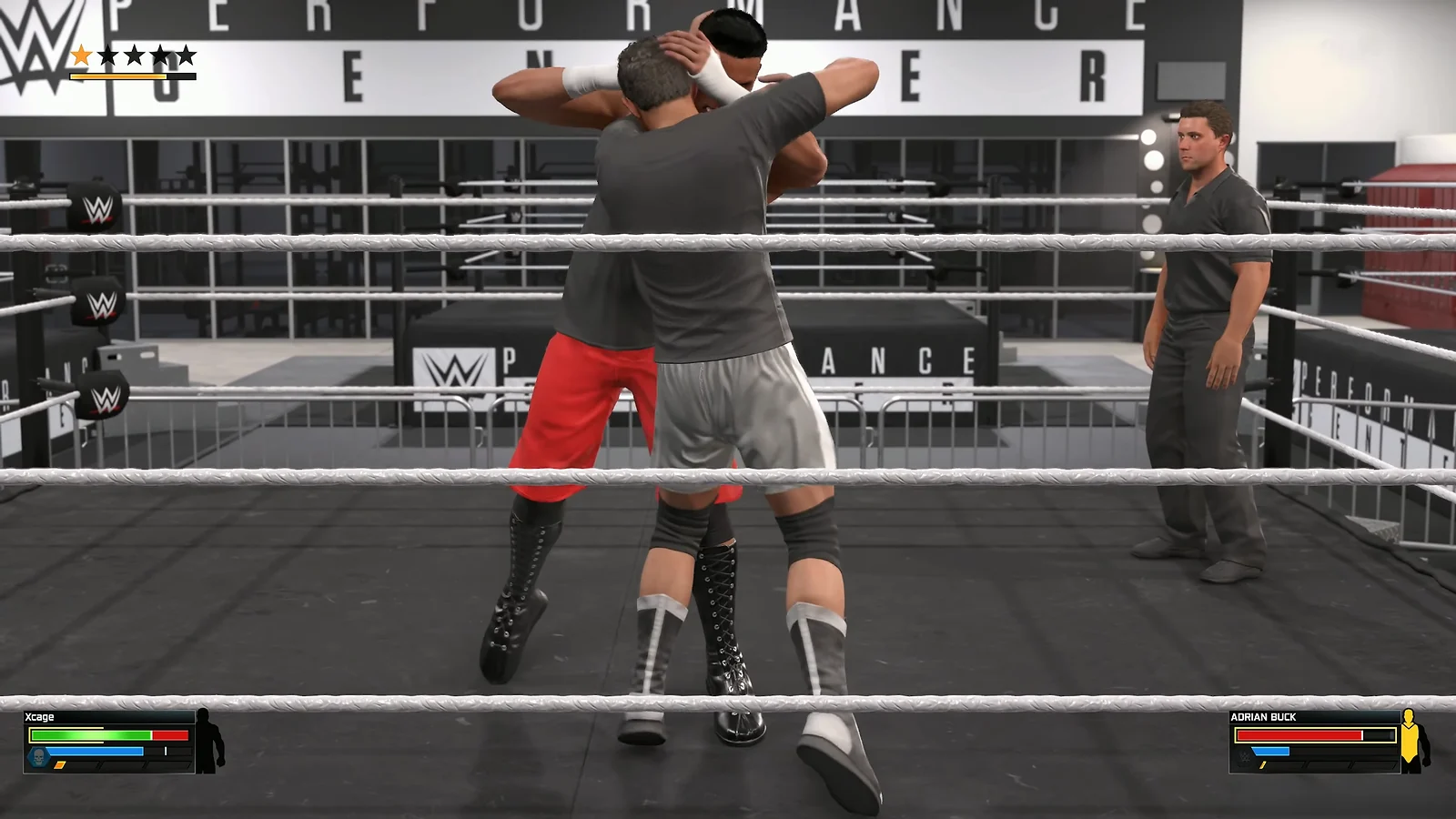
Story mode returns in WWE 2K26 through MyRise, where you take control of a custom superstar known as The Archetype. The premise follows a returning wrestler who immediately starts challenging champions across the roster, all while dealing with the influence of the legendary manager Paul Heyman.
Throughout my WWE 2K26 review, MyRise ends up being one of the more divisive modes. Some players enjoy the light storytelling and the chance to shape their own career path, while others feel the narrative plays it too safe – with moments that resemble story beats from previous WWE games.
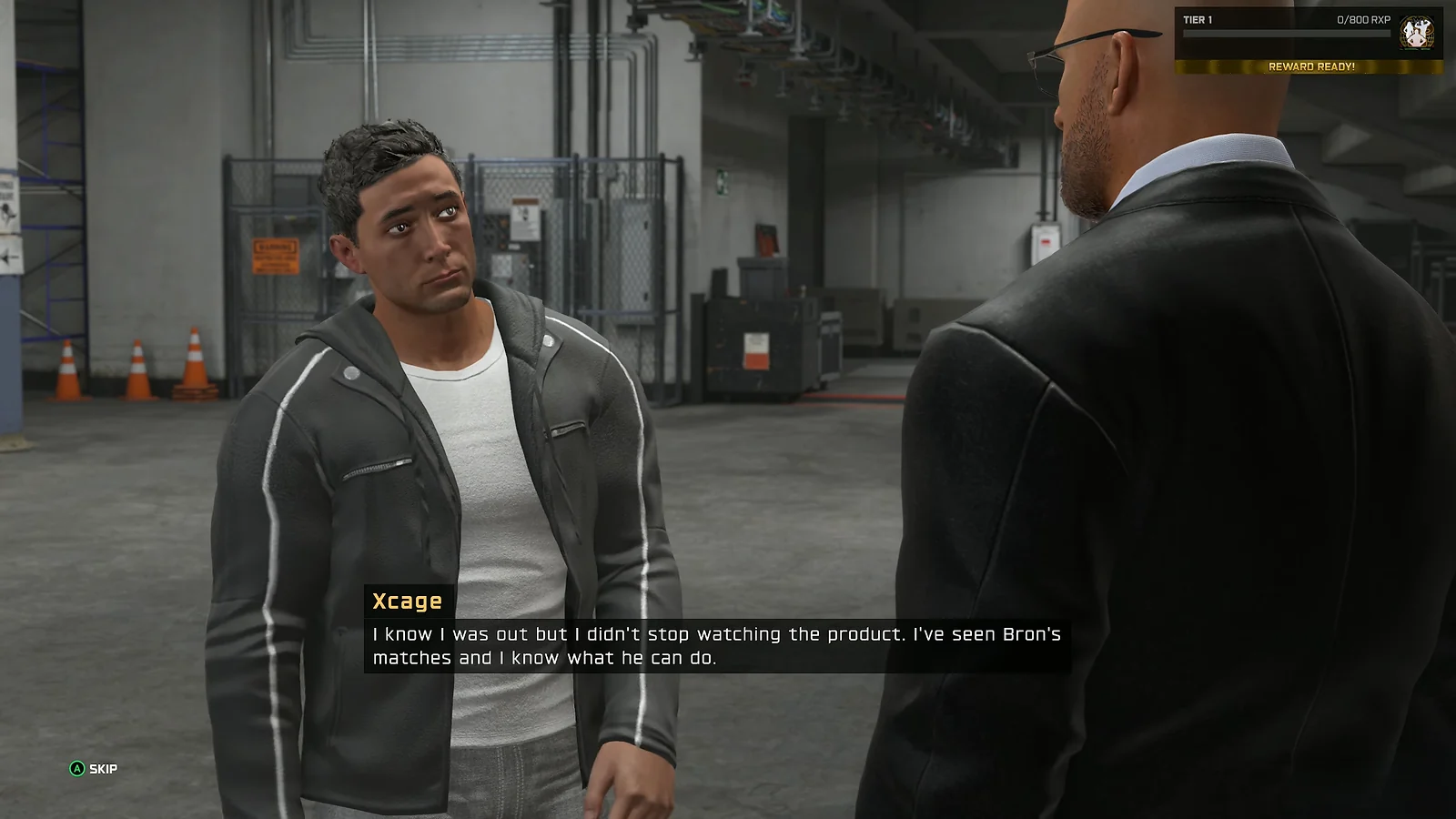
Progression also draws criticism. To move the story forward, you must complete required RISE matches, usually at least three per major story segment. That structure can make the pacing feel repetitive during longer sessions.
Still, the mode shines when it comes to customization. MyRise offers a deeper create-a-wrestler system with more than 200 options available for character creation. You can experiment with different gear, styles, and entrance setups.
Body customization also expands significantly, featuring around 40 body types. That flexibility makes it easier to build a wrestler who actually looks unique instead of another copy of the default template.
The Island Feels Like Its Own World
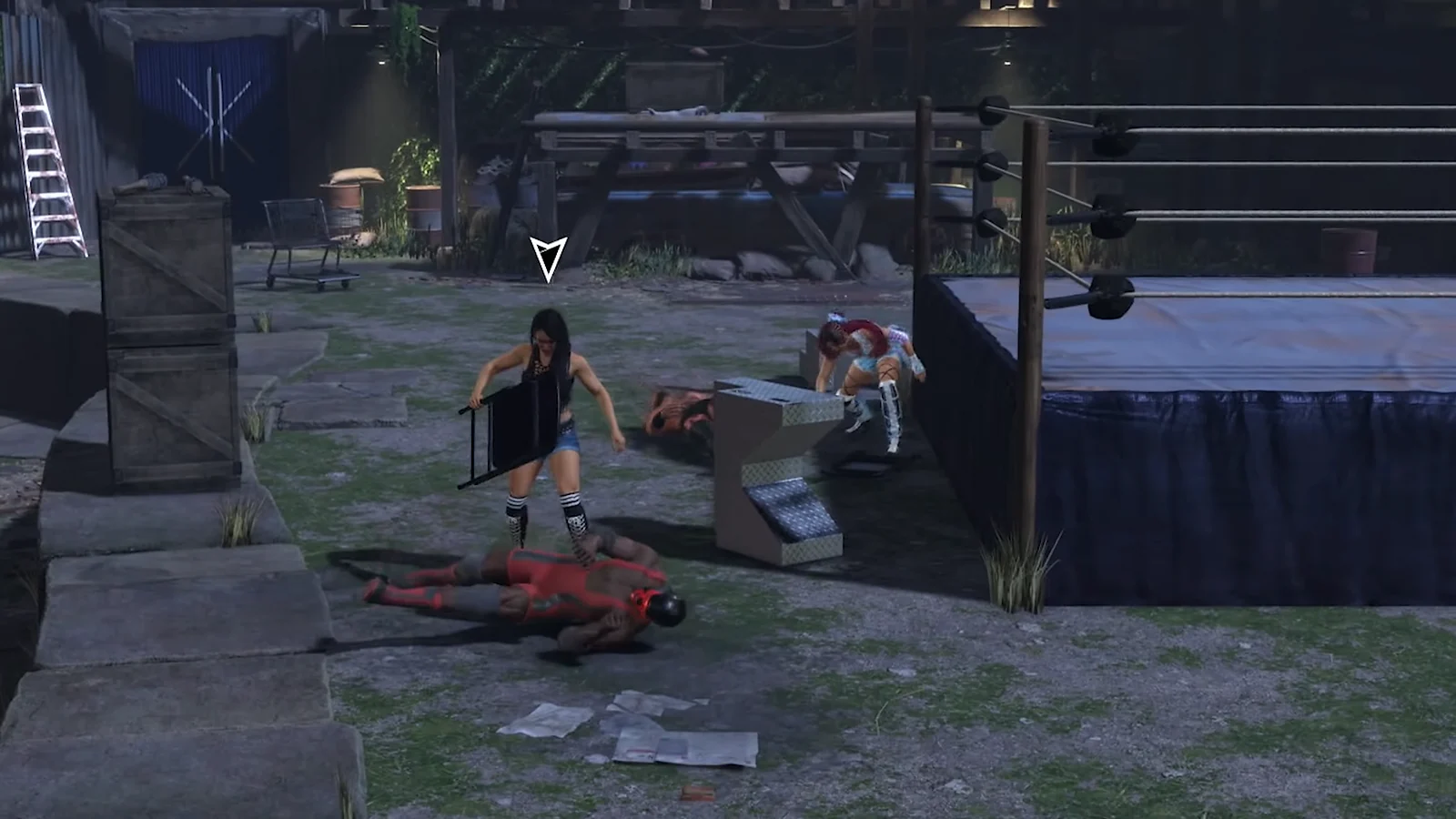
Another mode worth mentioning in my WWE 2K26 game review is The Island, which feels a bit like a hybrid between a story hub and an open exploration space. Instead of jumping straight into matches, you move through different areas, interact with characters, and gradually unlock challenges across the map.
The mode builds on the foundation introduced in the previous entry of WWE 2K25, but it now adds faction-based progression. Players must choose between three groups: the Order of Tradition, the Order of Anarchy, or the Order of Shadows. That choice slightly reshapes the story direction and determines which allies or rivals you encounter along the way.
A new location called The Scrapyard also expands the environment. It introduces more dialogue interactions, improved cutscenes, and additional customization options compared to earlier versions of the mode.
One of the biggest improvements is storytelling clarity. Cutscenes and conversations feel more structured and the progression path becomes easier to follow as you move through the different areas.
Even with those changes, The Island remains a bit tricky to fully explain on paper. Like many experiences in the best fighting games space, it’s something that makes more sense once you start exploring it yourself rather than just reading about it.
Booking Chaos Behind The Scenes
Another area worth pointing out in this WWE 2K26 review is the collection of management-focused modes that sit outside the ring. These include MyGM, Universe, and MyFaction, each offering a different way to experience WWE 2K26 beyond direct matches.
MyGM easily stands out as one of the strongest modes this year. It allows you to run your own WWE brand, draft superstars, and book weekly shows while trying to beat rival general managers in ratings. Seasons now run longer, which gives rivalries more time to develop naturally. There’s also a higher injury risk system that forces players to think carefully about how often certain wrestlers compete.
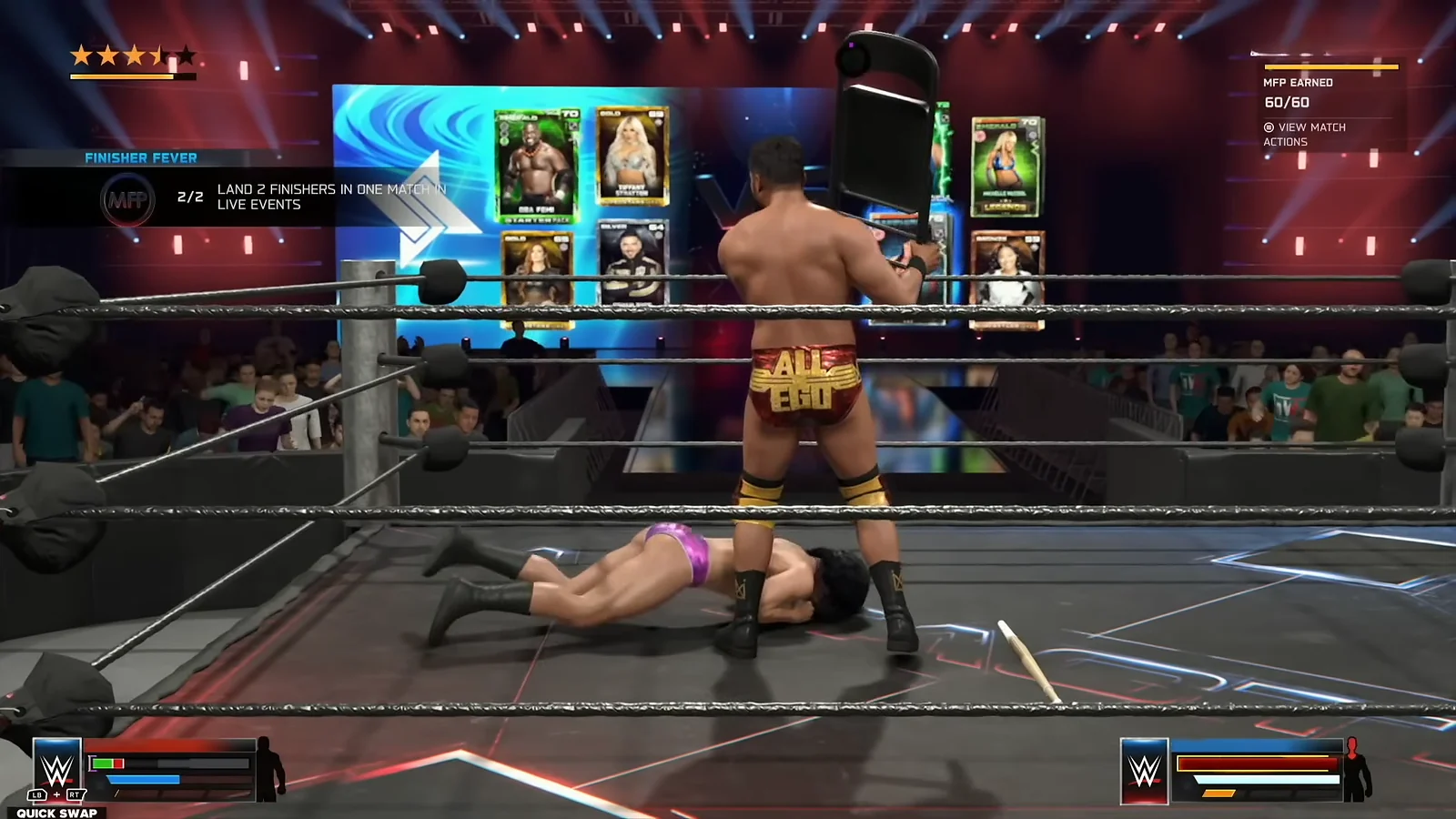
Match variety expands as well. Multi-man match booking becomes more flexible, and the addition of intergender wrestling adds more creative possibilities when building a roster.
Universe Mode receives smaller but useful upgrades. You get more control over match customization, which helps when setting up rivalries or building a long-term storyline. Cash-in mechanics for championship opportunities also feel smoother than before.
MyFaction, on the other hand, stays mostly the same compared to previous entries. While the card-collecting structure remains intact, the mode doesn’t introduce many major changes this year.
Ringside Pass Changes The DLC Game
One of the more controversial additions I’ve noticed during my WWE 2K26 game features review is the new Ringside Pass system. Instead of the traditional DLC packs seen in previous entries, the game now introduces a battle-pass style progression model.
Ringside Pass stands out as a major shift in how post-launch content works. The system is planned to run across six seasons, with each one offering both free and premium reward tracks. Players unlock cosmetics, wrestlers, and other bonuses by progressing through the pass over time.
One player-friendly change is that the passes do not expire. That means you can progress at your own pace instead of worrying about missing rewards once a season ends.
However, criticism quickly appeared across the community. Unlike battle passes in games such as Fortnite, Ringside Pass rewards do not carry over to the next annual installment. When the next game arrives, those unlocks effectively disappear, which makes some players question the long-term value of investing in the system.
Developer 2K has acknowledged the feedback. The studio stated that it is “taking notes and informing future decisions based on feedback,” suggesting the system may evolve in future releases.
Big Entrances, Big Energy
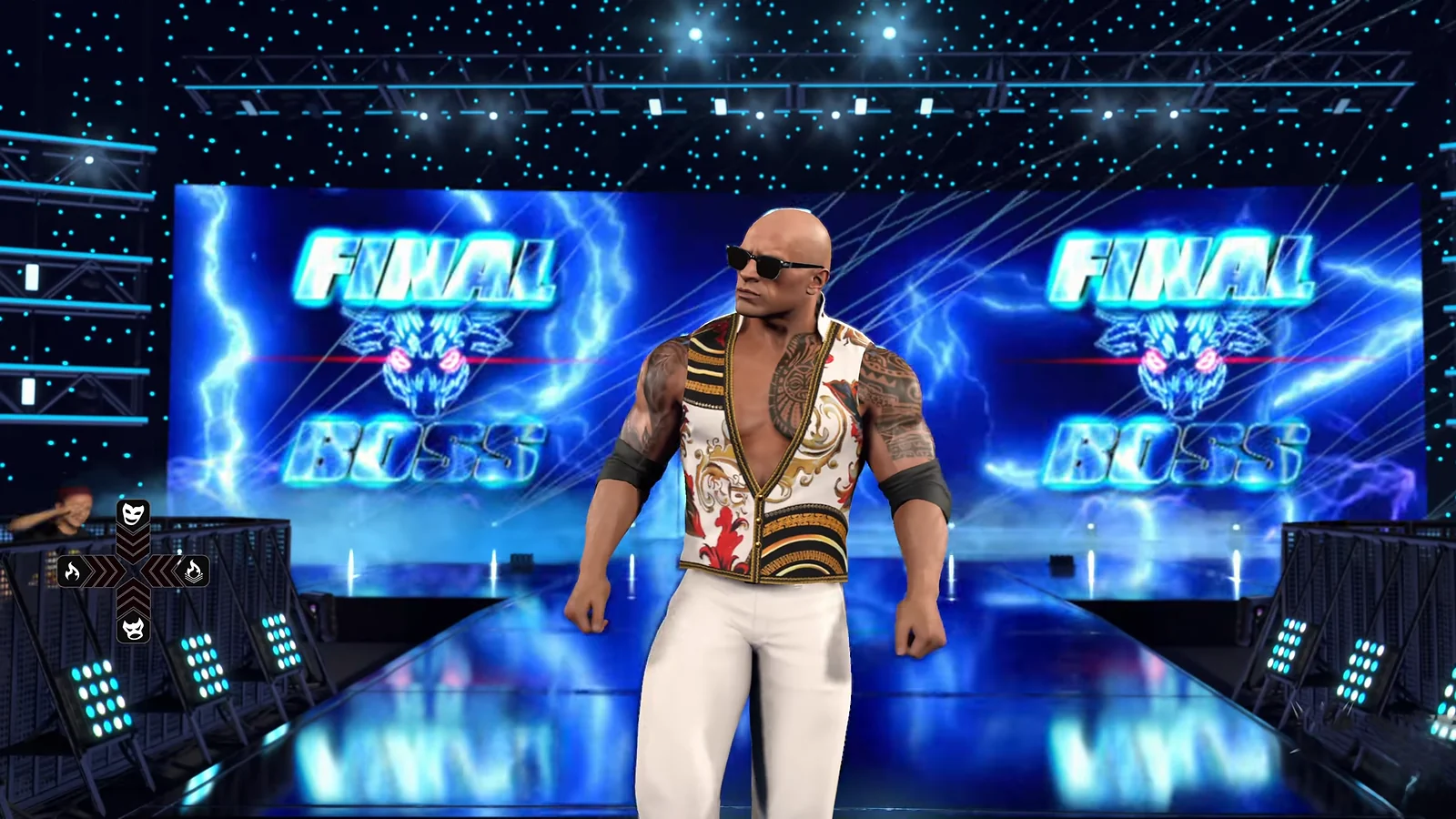
Presentation remains one of the strongest aspects I can point out in this WWE 2K26 review. Character models look detailed, with improved facial animations and ring gear that closely resembles what fans see on WWE broadcasts. While not every superstar looks perfect, the overall visual quality helps matches feel authentic.
I’m a big fan of the entrances. Pyro effects, lighting changes, and crowd reactions build atmosphere before the match even begins, which recreates the larger-than-life energy of WWE events.
Arena environments also look polished. Different venues feature unique stage designs and crowd layouts, which makes each show feel distinct rather than repetitive.
Commentary and sound design support the presentation well; announcers react to big moments like finishers and near falls, while crowd noise ramps up naturally as matches become more intense.
Overall, the visuals and audio presentation reinforce the entertainment side of WWE, which makes each match feel closer to a televised wrestling show.
My Overall Verdict on WWE 2K26: Annual Wrestling, Still Surprisingly Fun
This WWE 2K26 review ultimately lands on a positive note. Even with the usual concerns around yearly sports releases, WWE 2K26 ends up being a surprisingly strong entry.
The in-ring gameplay feels smoother than recent titles, and the sheer variety of modes gives players plenty of ways to experience the game. Between the massive roster, improved match flow, and modes like MyGM and Showcase, there’s enough here to keep wrestling fans busy for a long time.
| Pros | Cons |
|---|---|
| ✅ Massive roster with dream match potential ✅ Strong in-ring gameplay and pacing ✅ MyGM mode guarantees deeper management options | ❌ Ringside Pass rewards don’t carry over ❌ Some technical hiccups, but still acceptable |
Great for: Wrestling fans and players who enjoy sandbox-style sports games.
Less ideal for: Players looking for a pure competitive fighting experience.