

Pokémon Pokopia vs Animal Crossing: New Horizons



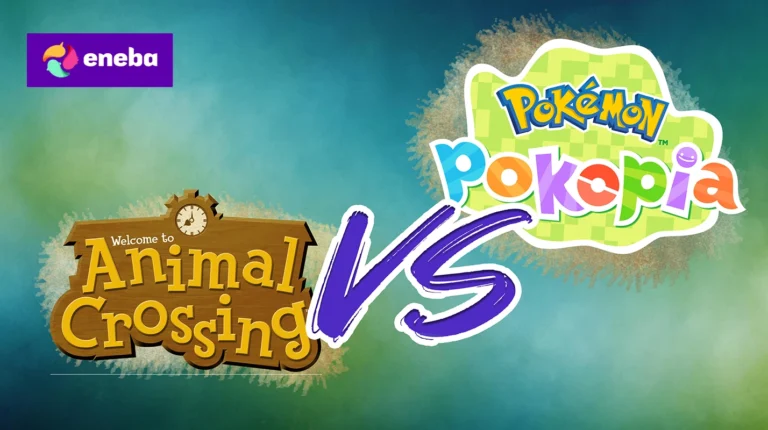
Pokémon Pokopia is the latest heavy hitter in the cozy social sim category, and it has drawn a lot of comparisons with the genre-defining Animal Crossing franchise. While both are sandbox games centered around building relationships and creating a home suited to your tastes, they have drastically different approaches to storytelling and gameplay.
So, what exactly sets them apart? Let’s go over the differences and what each game does better than the other!
Jump to:
Pokémon Pokopia vs Animal Crossing: New Horizons: Quick Comparison
Pokémon Pokopia quickly cemented itself as one of the top games for the Nintendo Switch 2, alongside Animal Crossing: New Horizons. Before going into more detail, here’s a quick overview of the differences (and similarities) in Pokopia vs Animal Crossing.
| Feature | Pokémon Pokopia | Animal Crossing: New Horizons |
|---|---|---|
| Platform | Nintendo Switch 2 | Nintendo Switch, Nintendo Switch 2 |
| Release Year | 2026 | 2020 |
| Price | $69.99 | $59.99 (NSW) / $64.99 (NS2) |
| Setting | Post-apocalyptic Kanto | A deserted island |
| Player Character | Ditto | Villager |
| World Scale | Multiple large areas | Large island |
| Building Style | Building blocks/kits and terraforming | Customizable homes and terraforming |
| Narrative | Post-apocalyptic mystery | Pure sandbox experience |
| Key Mechanic | Transformations with abilities | Real-time progression |
| Multiplayer | Local and online, with persistent servers | Local and online |
| Est. Story Hours | 30-40 hours | N/A (I’ll explain what I mean below) |
| Developer | Omega Force and Game Freak | Nintendo |
Pokémon Pokopia Overview
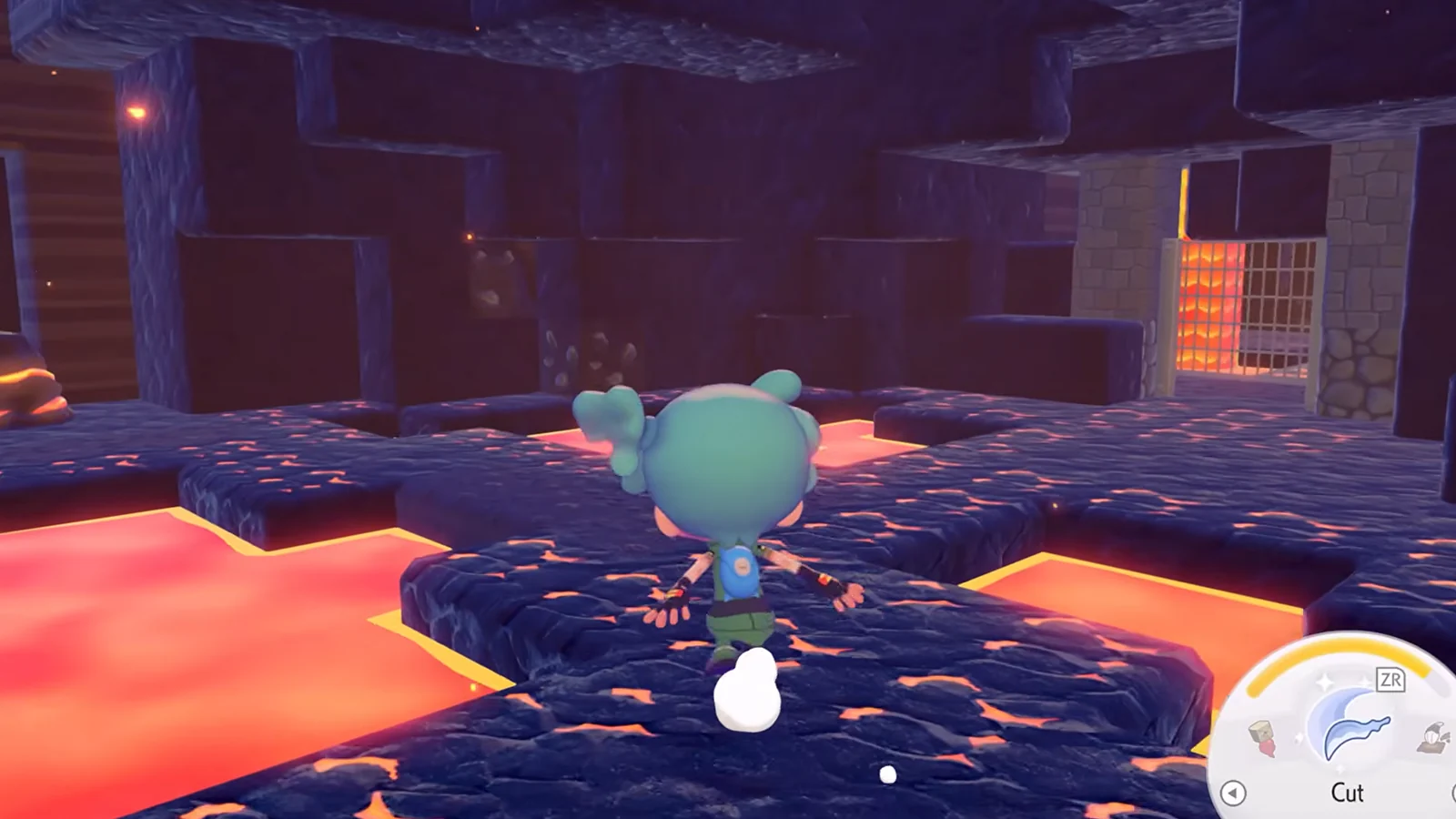
Without delving into spoiler territory, Pokémon Pokopia is set in a ruined version of the Kanto region. Why is it ruined? You’ll just have to unravel that mystery with the help of a particularly knowledgeable Tangrowth. All you know for now is that everybody is gone, and Pokémon have started popping back up.
You play as a Ditto who takes on the form of their former trainer (which you can customize), and your main goal is to make the world habitable for both Pokémon and humans once more. As you meet new Pokémon, you learn abilities that will help you bring life back into the desolate island.
Most of the Pokémon you encounter in this game act like the usual villagers you’ll find in other games like Animal Crossing. They have their own requests, day/night schedules, and specific housing requirements.
At its core, that’s pretty much the entire gameplay loop. All you have to do is build livable habitats and discover new Pokémon as they move in. Along the way, there are secrets to uncover that’ll show you what happened to the world and what you can do to “save” it.
Animal Crossing: New Horizons Overview
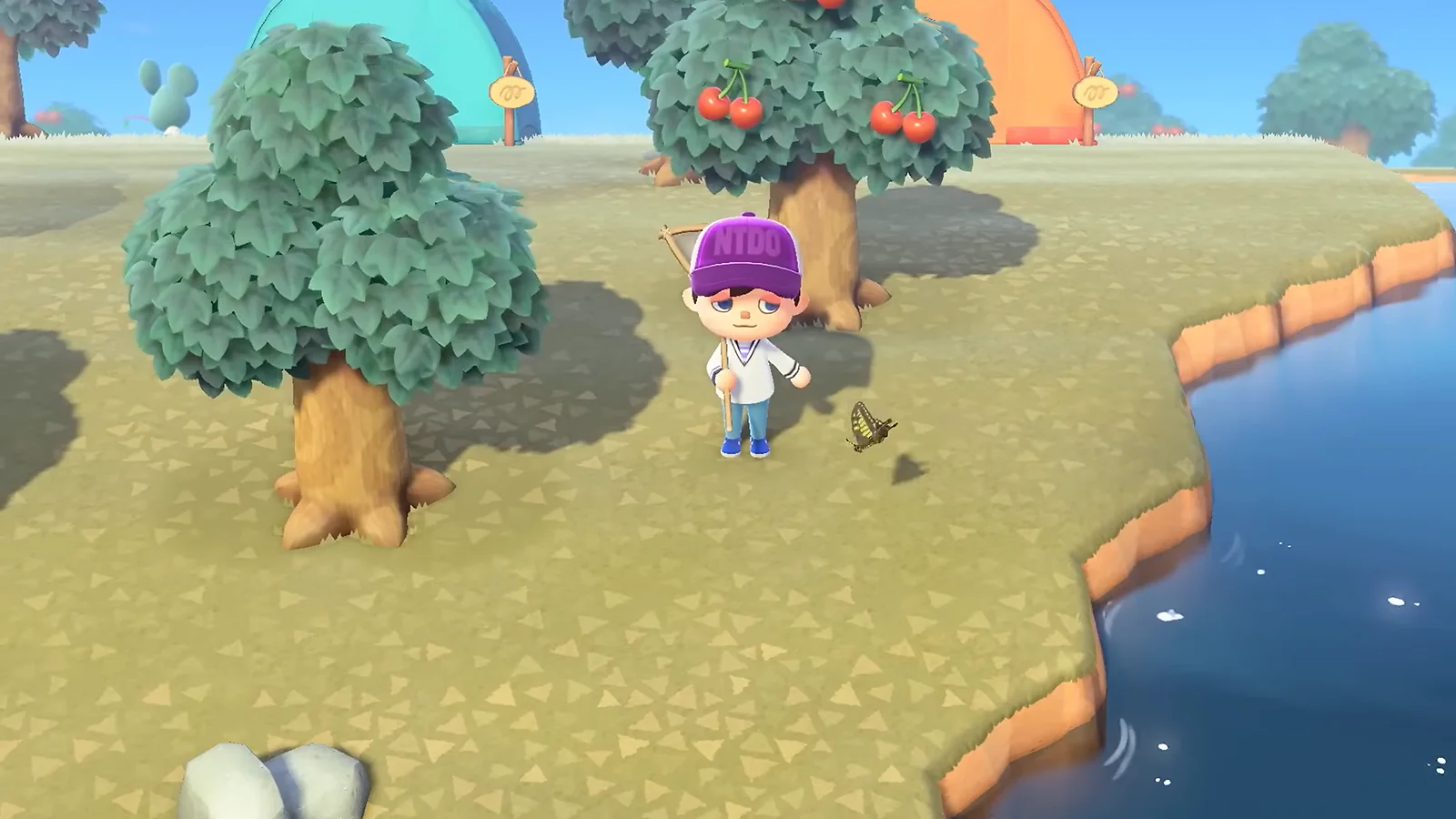
On the other side of the fence is Animal Crossing: New Horizons, which is widely known as one of the best cozy games out there. Nintendo struck gold by releasing it just as the world went into lockdown, and it quickly became one of the ways gamers would socialize with one another and show off their cute creations.
Unlike Pokopia, it doesn’t really have a story outside of what’s essentially a very long tutorial that sometimes feels like a grind akin to real life. You basically play as a villager who moves into a deserted island, and through your own hard work, this eventually becomes a thriving community full of friendly animal villagers.
It’s a slow burn that heavily emphasizes the passage of real time. With structures sometimes taking days to finish, most of your time will be spent gathering resources and personalizing your island. Many players say that the real game starts only after you’ve paid off all your debts to Tom Nook.
The social aspect is what it does really well. Apart from the villagers in your own space, you’re heavily encouraged to visit other players’ islands in order to trade items (especially non-native fruits), get certain achievements, and just to make friends if you’re keen on meeting new people.
Similarities Between Pokémon Pokopia and Animal Crossing
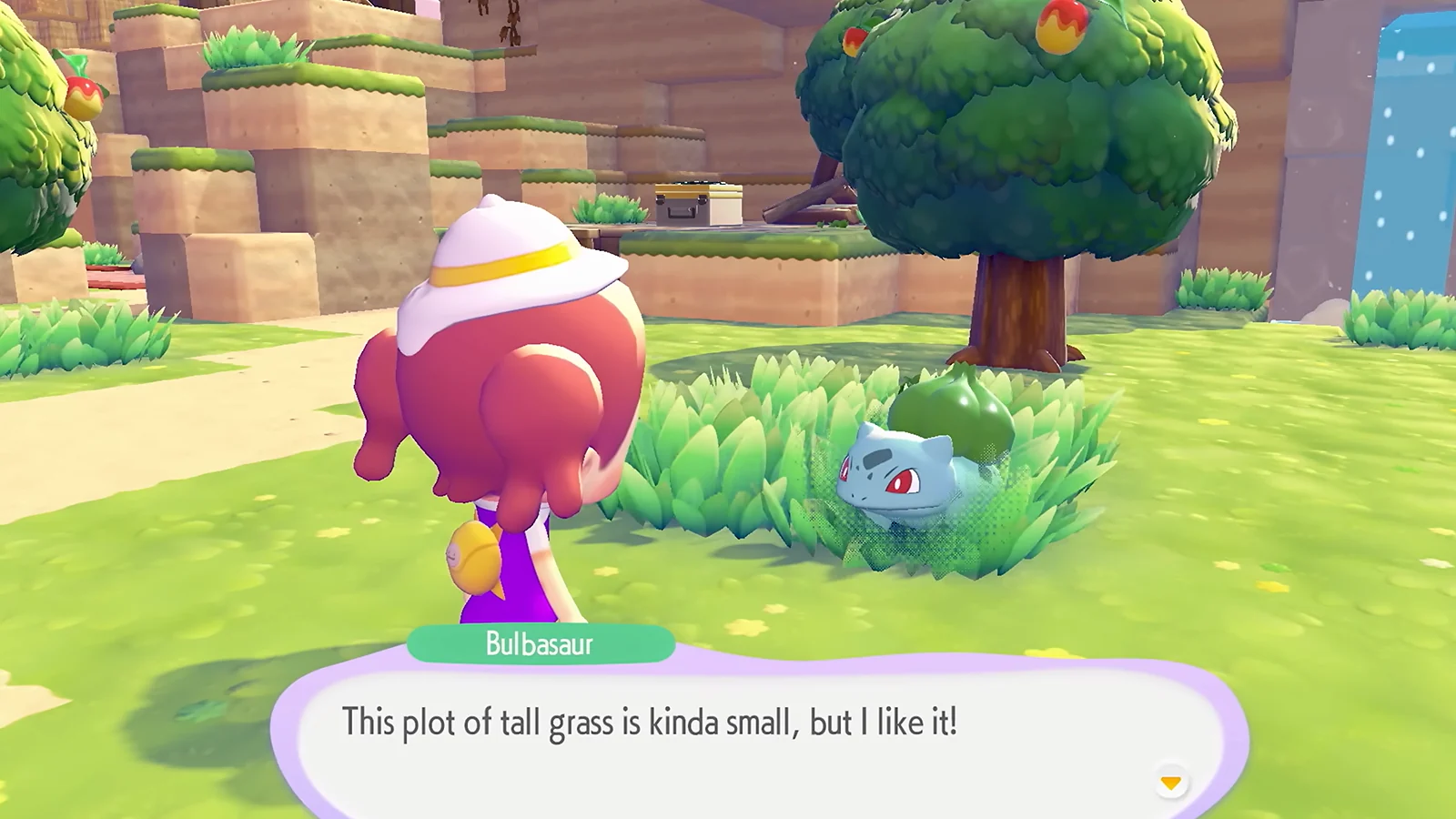
In a conversation about Pokopia vs Animal Crossing, there’s no denying that both have a lot of similarities on the surface. Aside from being the best-selling games of their respective consoles, they’re both cozy life sims that let you gather resources to improve your island’s living conditions.
Both games will have you build up a community of lively villagers who will occasionally share their opinions on the current state of the island. This community will grow over time as a result of your own efforts.
As sandbox games, Pokopia and Animal Crossing both give you plenty of tools and freedom to decorate your surroundings. Artistic players can spend a lot of time personalizing their own perfect space, with some forming bustling cities through creative use of each game’s terraforming and block-based decor systems.
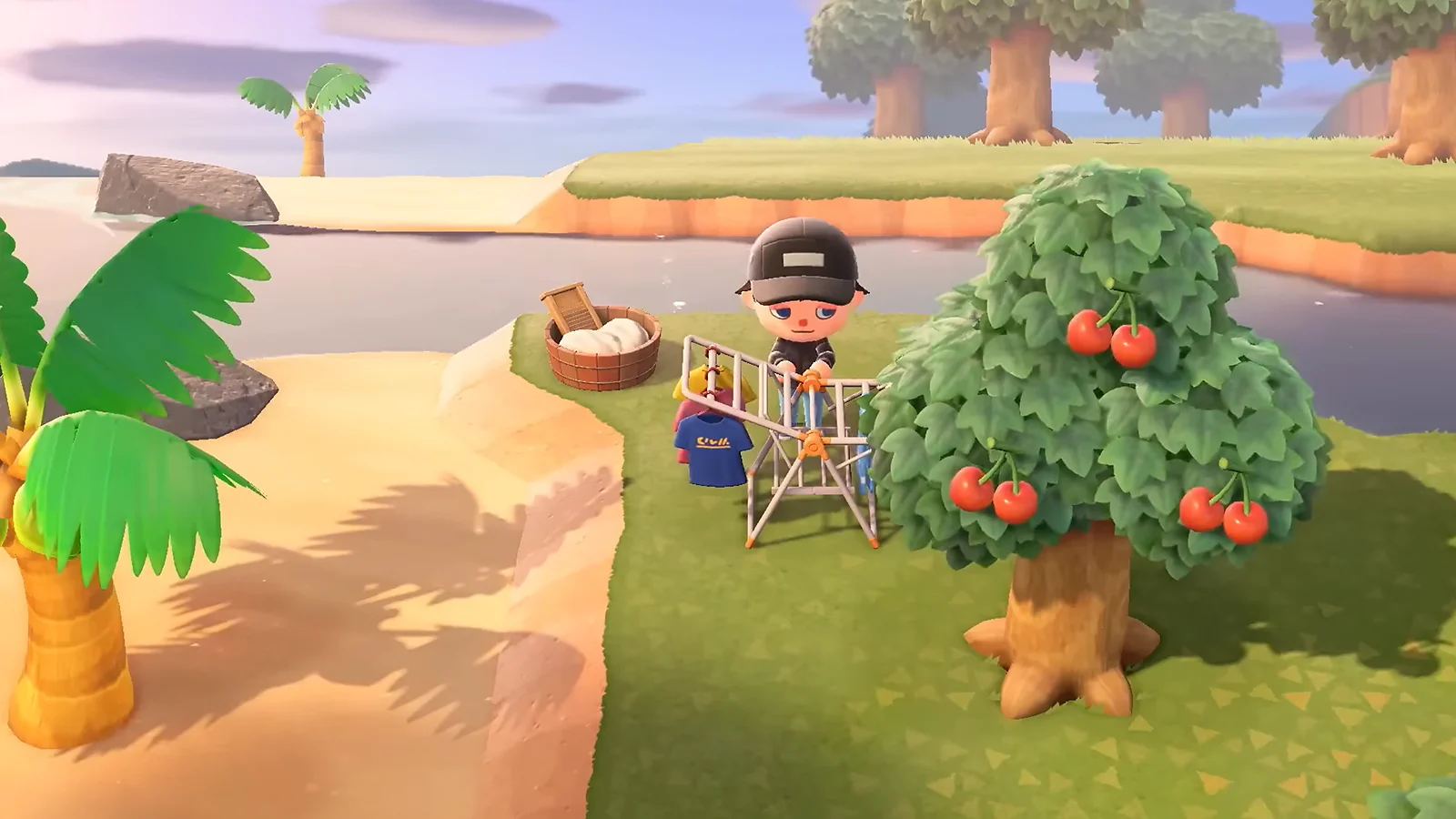
Finally, both titles also have local and online play. Multiplayer typically involves visiting the host player’s island, and apart from socializing, people can often work together and either gather resources or decorate the area. It mostly exists to let you hang out with friends, though there are a handful of tangible rewards for doing so.
For instance, players in Animal Crossing: New Horizons will have to visit other people to gain access to all of the fruits. In Pokopia, on the other hand, you can take pictures of people’s items to 3D print them back in your own world. Pokopia’s cloud islands are essentially multiplayer sandboxes as well.
Key Differences Between Pokémon Pokopia and Animal Crossing
With their similarities out of the way, we can now focus on the key differences in Pokopia vs Animal Crossing. If we dig a little deeper into how each game works, you’ll find that they have very different approaches to worldbuilding and gameplay.
Scale & World Design
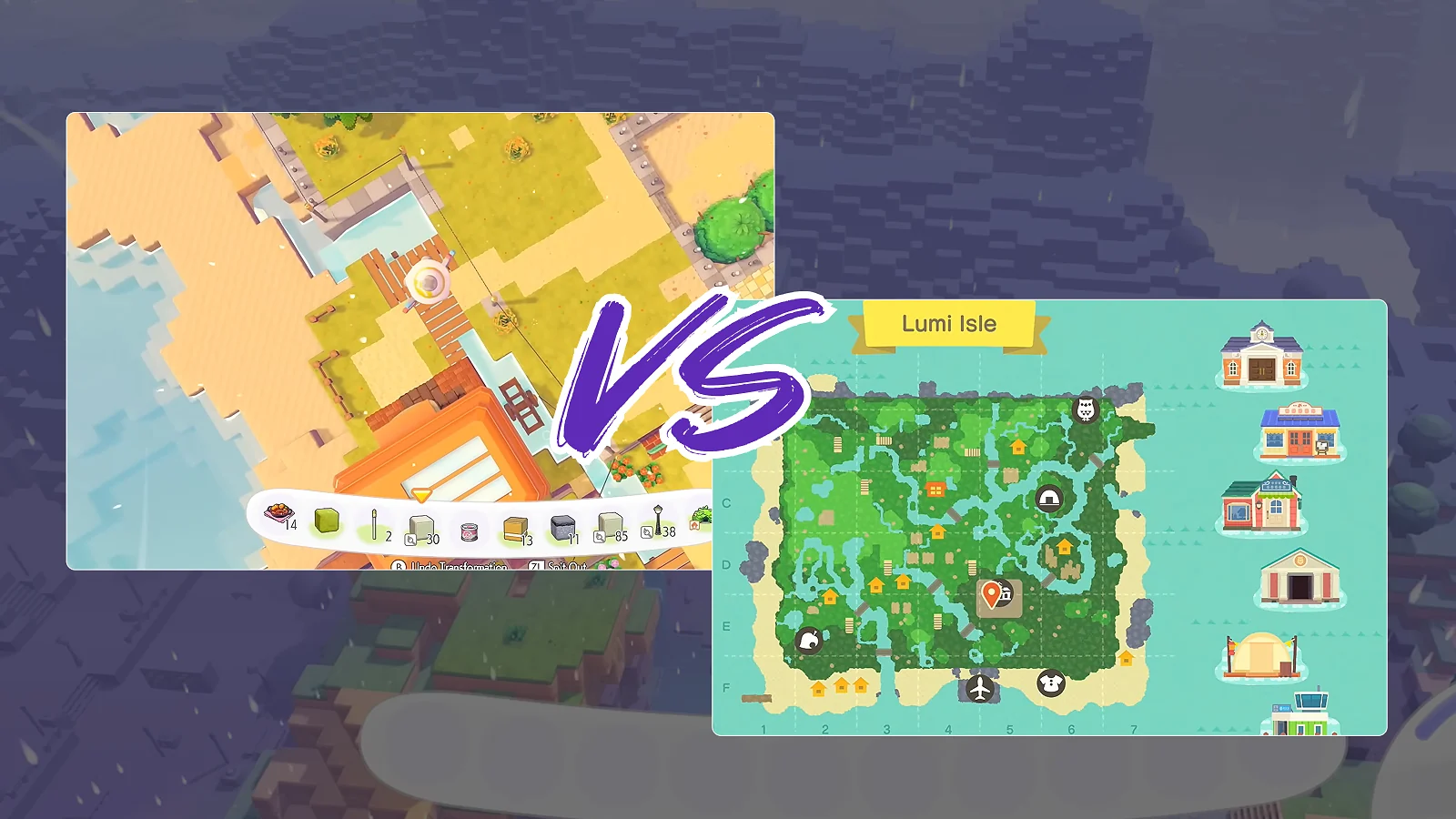
First up, Animal Crossing is centered around a single deserted island that you’re free to personalize. While you do get to visit other locations, the gameplay loop mainly takes place on that island.
In contrast, Pokopia gives you multiple interconnected regions with tons of space to build on and plenty of secrets and Pokémon to discover. Without spoiling anything, you even get a large empty space that you can customize with friends. The scale is so much bigger than you’ll initially think, and new places will eventually open up as you play through the story.
Characters
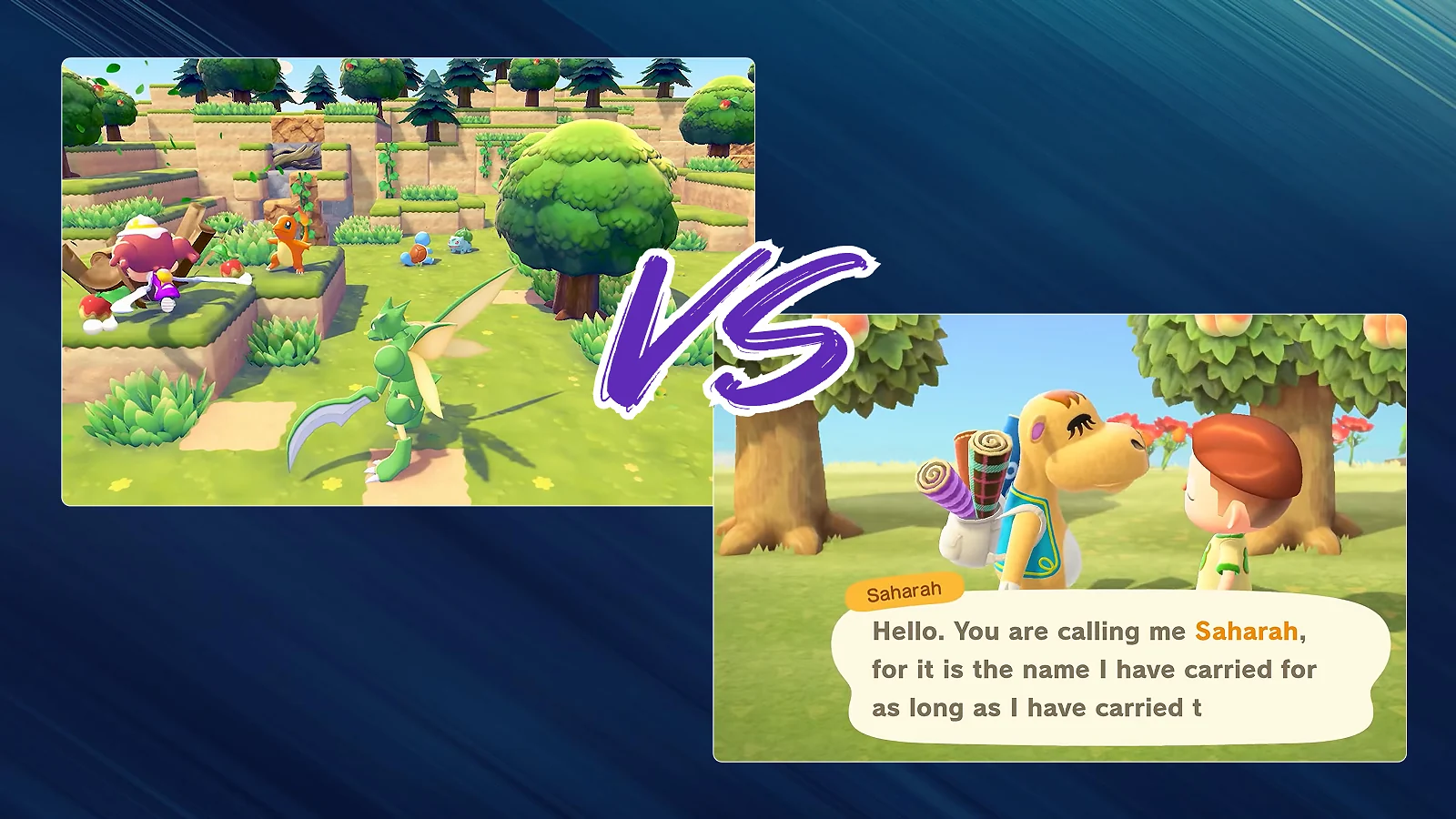
In Animal Crossing, you get to meet a lot of anthropomorphic animal villagers with varying preferences and personalities. Only up to 10 of them can live on the island at a time, so you’ll need other players if you want more houses.
Pokopia feels more lively in comparison by allowing a little over 20 Pokémon to visibly roam around simultaneously, and this rotates over time if you’ve already collected more than that number. There are currently a few hundred of them to discover, including a few legendaries that you might find flying around.
Sandbox Mechanics
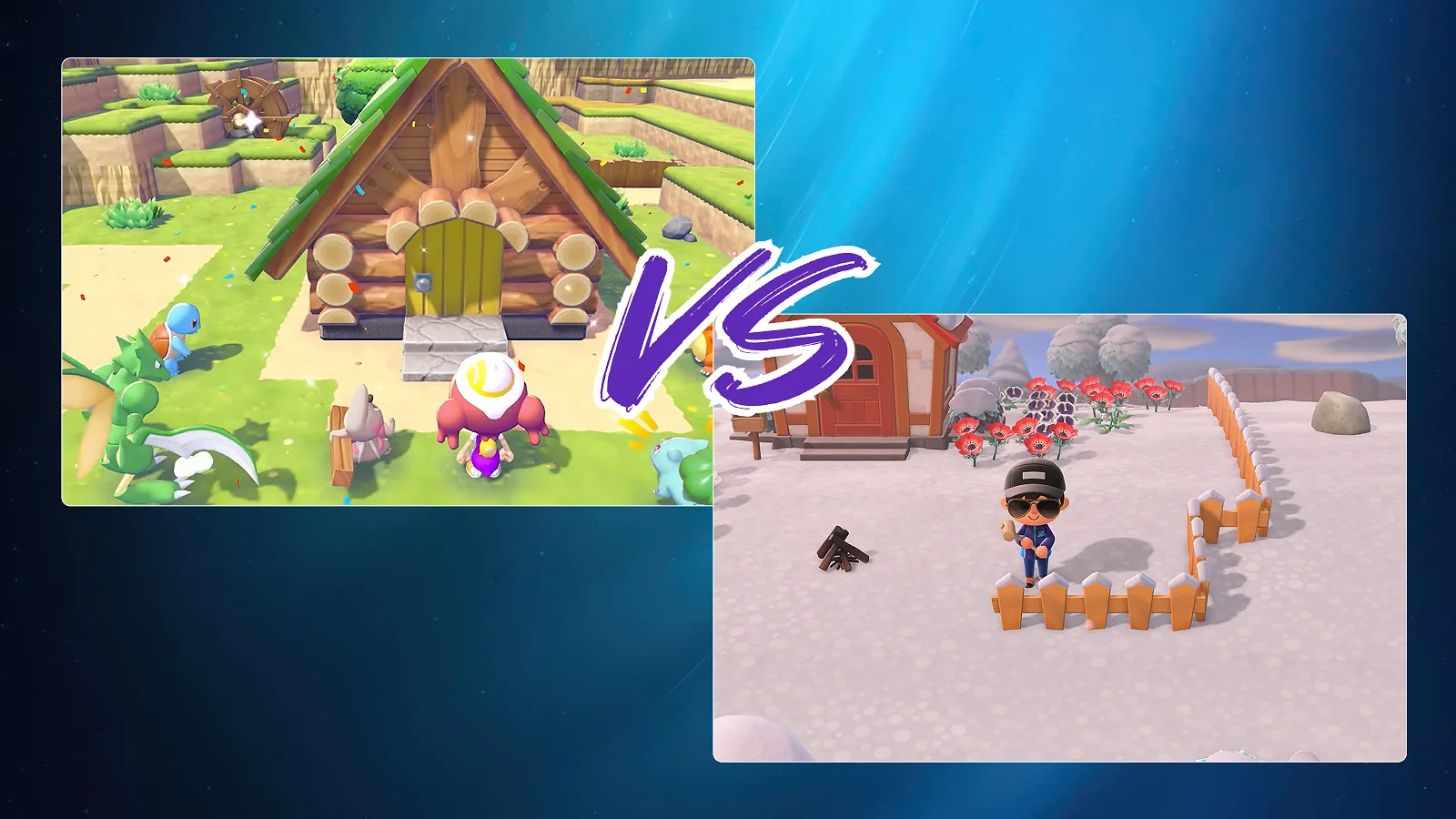
Animal Crossing: New Horizons mainly features prefabs and terraforming as its main building features, with players using furniture and outdoor pieces to creatively form structures.
In Pokopia, there’s a block-based building and terraforming system reminiscent of Dragon Quest Builders and Minecraft. This gives you more freedom to build your ideal structures and find ways to naturally incorporate Pokémon habitats into them.
In a nutshell, Pokopia features more flexibility in building, while Animal Crossing offers immense diversity in decorations.
Story and Narrative
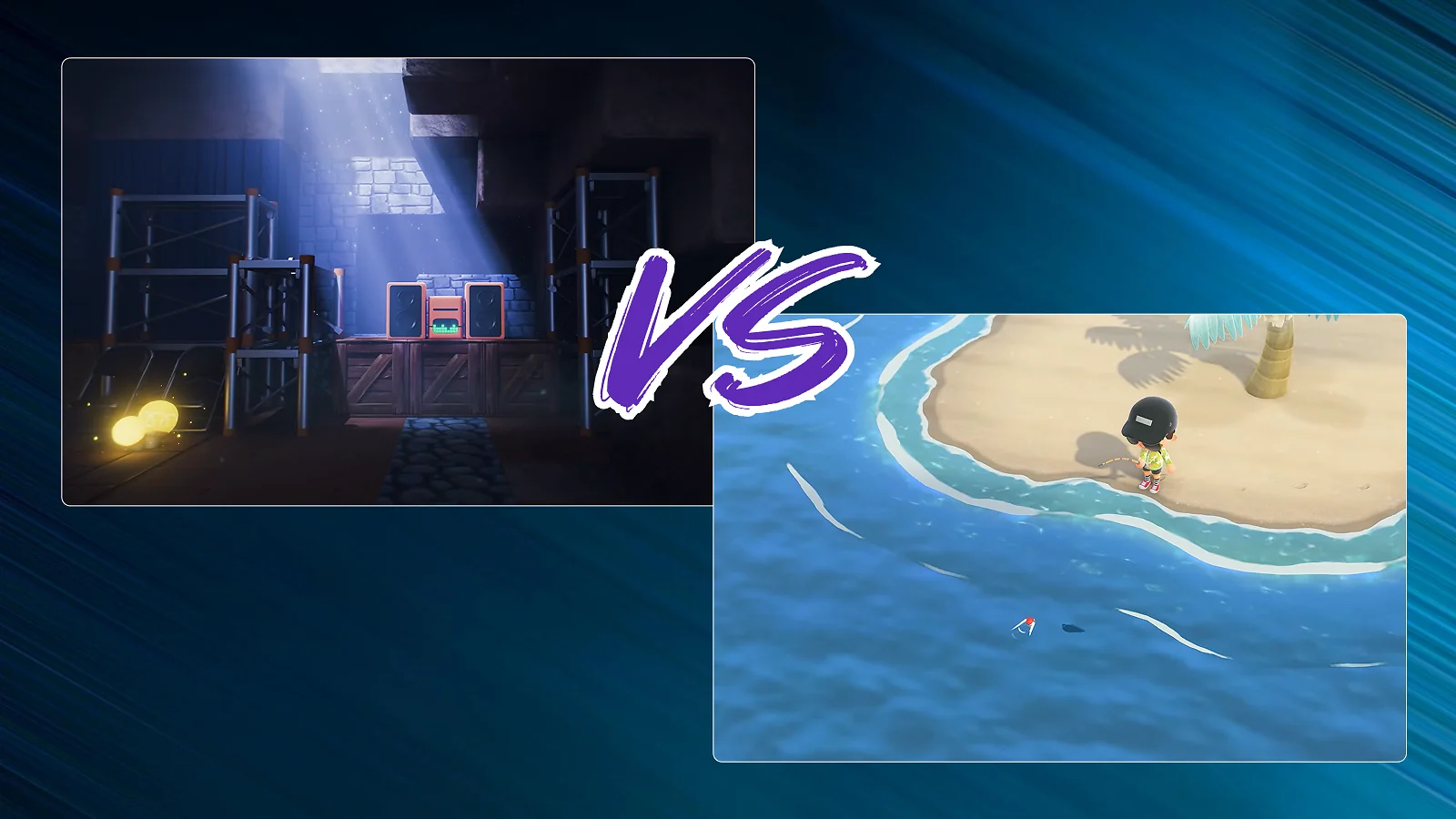
Animal Crossing: New Horizons doesn’t feature a conventional story, but it does include a clear sense of progression tied to developing your island. After arriving through Tom Nook’s getaway package, you gradually transform a deserted island into a thriving community by completing tasks, unlocking facilities, and attracting new residents.
This progression culminates in reaching a three-star island rating and hosting K.K. Slider’s concert, after which the game opens up into a more freeform, player-driven experience focused on customization and daily life.
Conversely, Pokopia has a particularly grim but intriguing backstory that you get to learn more about as you work on restoring the world to its former glory.
Right from the start, you learn that all of the humans have disappeared, and familiar locations have been neglected for seemingly a century or more. The mystery behind what happened to the world is mainly unraveled through environmental storytelling and notes scattered throughout the game.
Gameplay
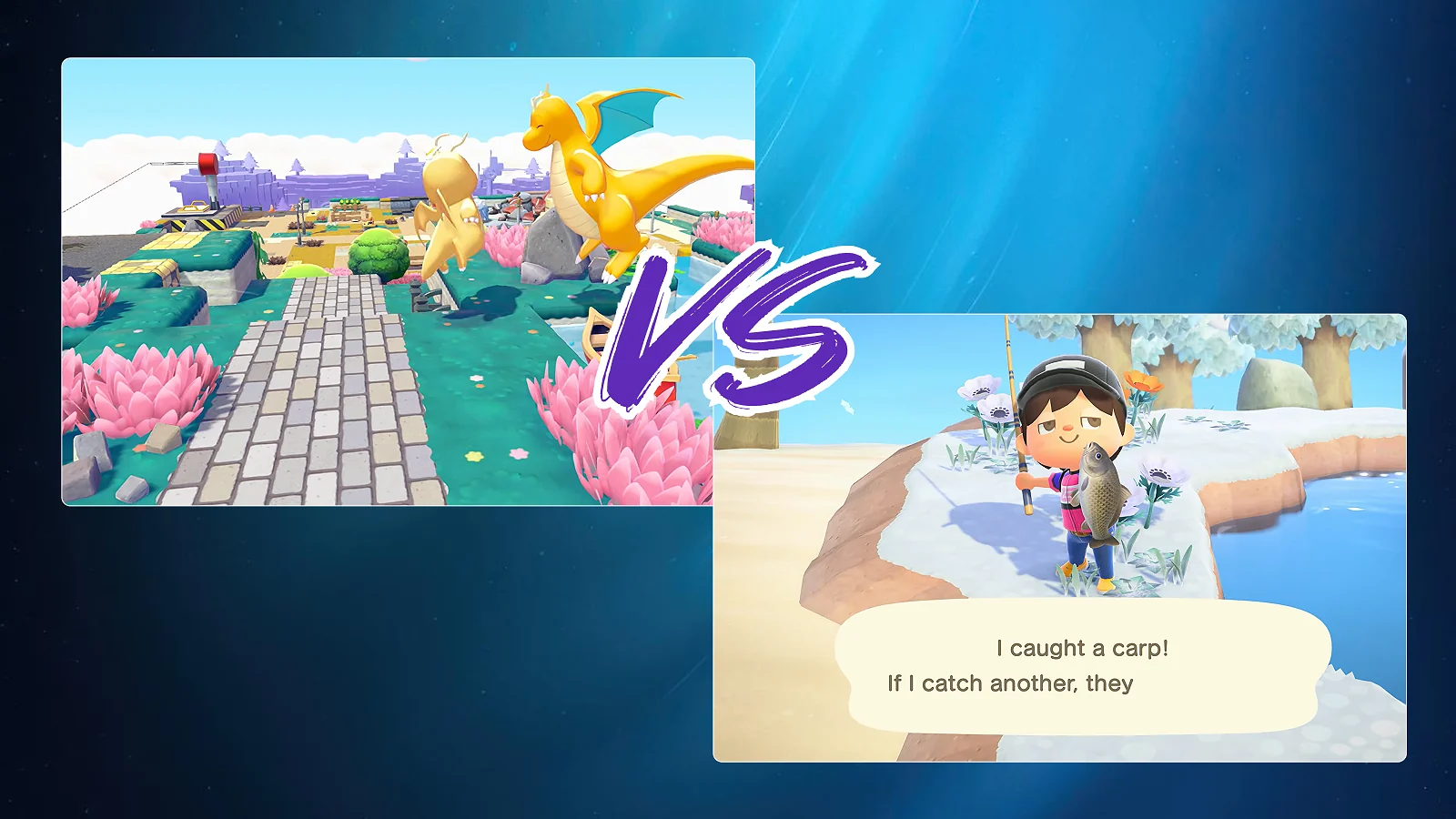
The gameplay in New Horizons is heavily focused on collecting resources and decorating your island, with the occasional socialization with NPCs in between. It’s the best Animal Crossing game out right now, and many would find the progression from rags to riches extremely satisfying.
Pokopia, on the other hand, is more focused on the creation of habitats. Instead of chucking Pokéballs all over the place, you collect new monsters by exploring the ruined world and creating suitable homes for them.
Along the way, you learn to transform into some of them for better transportation and terraforming. There’s also an insanely generous stamina system tied to these abilities.
Unlike in some of the most popular farming games out there, running out of energy doesn’t outright prevent you from working on projects in either New Horizons or Pokopia.
Strategic Implications
The release of Pokémon Pokopia has a lot of strategic implications for Nintendo and its competitors, as the surprise hit has the potential to shape more than just the franchise itself.
For Nintendo/The Pokémon Company
The game alone has reportedly driven a lot of hope that it would significantly increase sales for the Nintendo Switch 2 due to it being an exclusive.
Amazon increased the price of physical copies to $79.99, which signifies a clear imbalance in supply and demand shortly after its release.
Many have even stated that they’re willing to pay for DLCs that add new regions, and the game’s open-ended story leaves plenty of room for future updates.
For the Cozy Game Genre
Pokopia features a gripping blend of environmental storytelling and voxel-based sandbox gameplay, fostering expectations for new games to follow in its footsteps.
With that said, New Horizons continues to be a fantastic choice for casual and younger players who want a more accessible entry point to the genre. For cozy gamers who want more complexity and scale, Pokopia will scratch that itch.
For Competitors
Indie developers and other newcomers to the genre will have a harder time replicating Pokopia’s success due to it being tied to one of the biggest IPs. More innovations in gameplay will be required for those who wish to tap into its loyal fanbase.
There’s also the cloud island system, which allows players to visit and potentially interact with others’ unique worlds even while the host is offline. This sets a new standard for multiplayer hosting that competitors will need to match.
Pokopia’s success is also an indicator that there’s a market for cozy sandboxes with a weighty story. Its post-apocalyptic narrative driving a lot of fan speculation and hopes for future DLCs shows that cozy games don’t have to be purely about escapism.
My Overall Verdict on Pokémon Pokopia vs Animal Crossing: Which Game Should You Play?
Overall, I’d say that both games will satisfy different types of players, even if they do appear very similar on the surface.
Pick Pokopia if you want to explore and build on much larger and diverse worlds. While it ditches the traditional battling mechanics you’d expect from the franchise, it makes up for it with unique creature collection and habitat building systems. It’s a gigantic sandbox with a long list of Pokémon to find.
On the flip side, Animal Crossing: New Horizons is a great choice if you value the social aspect and slower pace. While it includes a gentle progression system centered on developing your island and community, its focus remains on freedom and player-driven goals rather than a rigid narrative.
There are plenty of cosmetics to discover and experiment with, making it an ideal form of escapism that casual gamers will appreciate. It’s a game that allows for meaningful progress through small, consistent daily activities that will have you hooked for years.
FAQs
Pokémon Pokopia is like Animal Crossing in that both give you the freedom to build in an open world. They both feature plenty of characters to interact with daily, and you’ll be spending most of your time decorating to your heart’s desire.
Pokopia undeniably has more exploration than Animal Crossing by virtue of having larger regions. There are multiple areas to discover as you progress through the story, which contain all sorts of secrets that reveal what led to its post-apocalyptic state.
Animal Crossing has better customization than Pokopia as it has an overwhelming amount of decorations and clothing to collect, and the whole gameplay loop is centered around it. In terms of pure character and island personalization, Pokopia is much more limited in comparison.
The biggest difference is focus: Animal Crossing: New Horizons offers a relaxed, player-driven experience centered on island life and customization, while Pokopia emphasizes a structured world with a stronger narrative, focusing on restoring the environment and uncovering its mystery.
Animal Crossing: New Horizons is better for relaxing gameplay, as it emphasizes slow‑paced island life, customization, and open‑ended daily activities without pressure or a defined narrative.