



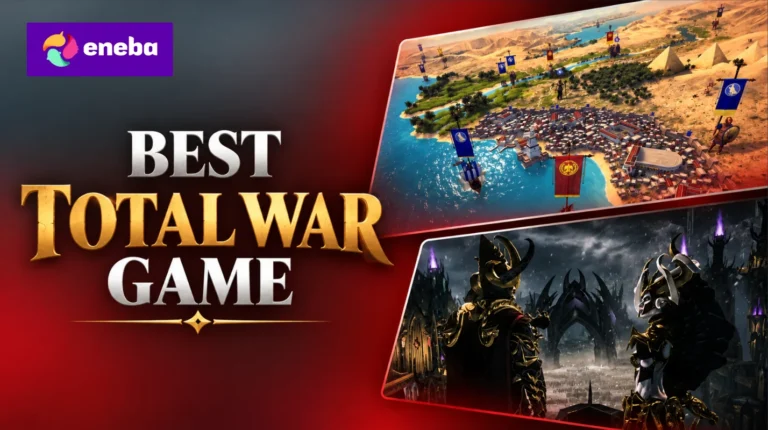
16 Best Total War Games for Epic Battles in 2026



Recent update
This list is regularly updated to match what’s trending and in-demand among gamers.
Picking the best Total War game feels like scrolling a Steam sale on payday – too many choices, not enough time. Each one hits different: Roman sieges, samurai duels, or full-blown monster wars. You could spend weeks replaying them all, or just let someone who already has pointed the way.
I’ve marched across every map, lost empires, rebuilt them, and found the campaigns that still hold up. Some reward patience, others pure brutality, but all earn their spot. If you want strategy that hits hard and battles that stick, this is where to plant your banner.
Jump to:
Our Top Picks for Total War Games
Total War is a time machine with a built-in war simulator. One minute you’re defending castle walls against a siege tower, the next you’re calling in artillery strikes that turn the battlefield into a smoking crater. But with so many classics, where do you even start? Here are my top picks that still hold the high ground:
-
Buy nowTotal War: Rome II 2013Drops you right into ancient Mediterranean conquest. Perfect for beginners looking for a massive, forgiving sandbox map to build an empire without getting punished for every misstep.
-
Buy nowTotal War: Warhammer II 2017Where the franchise went all-in on variety. High Elves, Lizardmen, Skaven, and dark magic meet across an insanely rich world map; every campaign feels fresh and dangerous.
-
Buy nowTotal War: Warhammer III 2022Chaos gods, giant demons, and armies that include literal dragons. Think “Lord of the Rings” battles cranked to 11.
I ranked these based on campaign depth, battle mechanics, replay value, and how well they still hold up today. Pick one, start playing, and say goodbye to your weekend.
16 Best Total War Games: Lead, Conquer, Dominate
Here’s the full battlefield lineup – 16 standout Total War games ranked and ready for inspection.
Think your favorite deserves the crown? Let’s see if it can hold the line.
1. Total War: Rome II [Best Total War Game Overall]
| Type of game | Grand strategy, real-time tactics |
| Platforms | PC |
| Year of release | 2013 |
| Developer | Creative Assembly |
| Publisher | Sega |
| Average playtime | 60-200+ hours |
| Best for | Newcomers who want a big, forgiving sandbox to learn the ropes |
| Unique features | Expansive campaign map, diverse starting factions, province management, streamlined politics system |
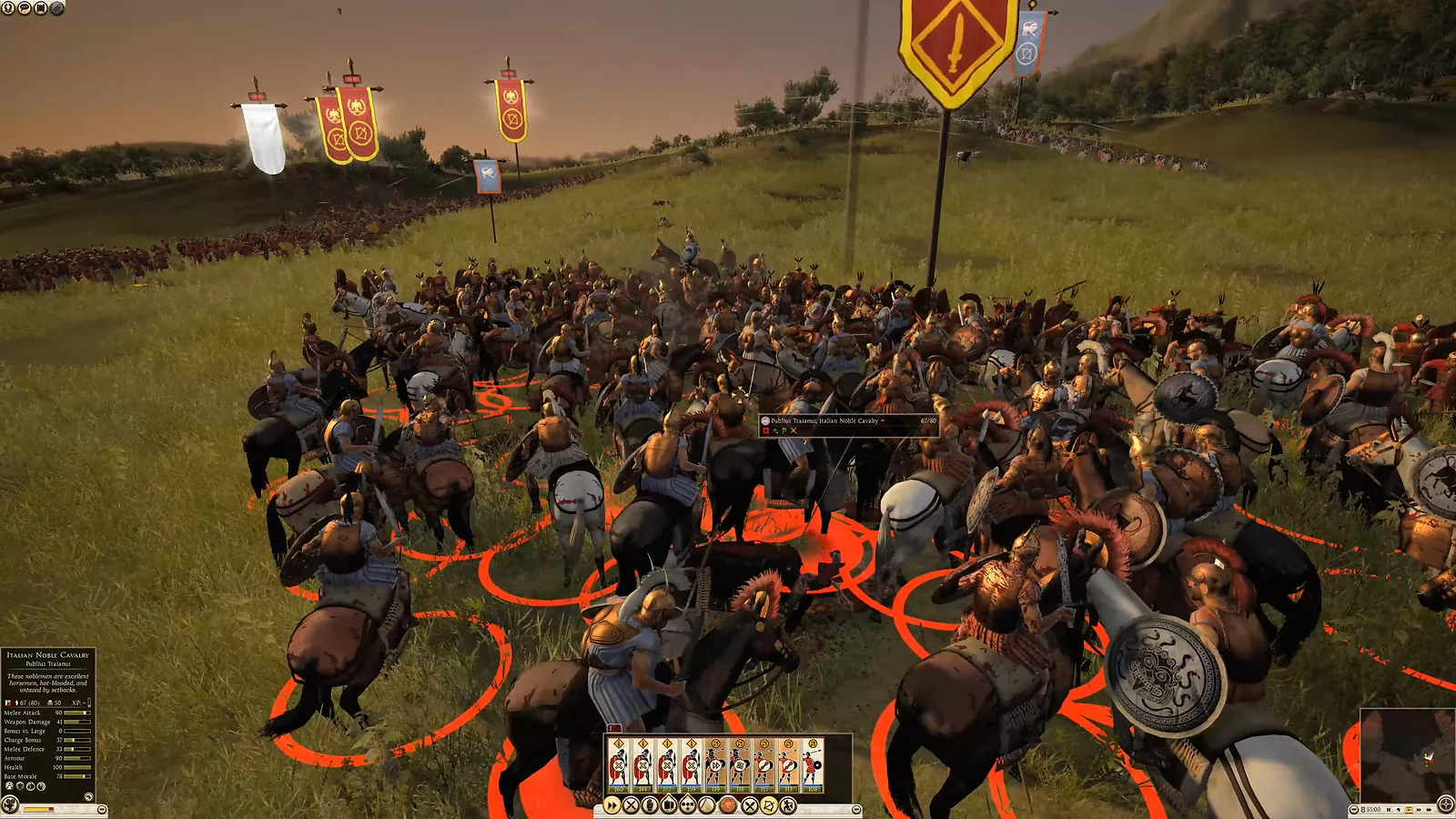
Total War: Rome II drops you into the Mediterranean at a point when practically everyone wants someone else’s territory. Rome is the obvious starting point, but Carthage, Egypt, the Greek states, and dozens of other factions give you very different ways to build an empire.
It’s also one of the easier historical entries to learn. Provinces make settlement management fairly straightforward, while battles still give you plenty to think about – infantry formations, cavalry flanks, missile positioning, morale, and terrain can turn a seemingly easy fight around fast. The sheer size of the campaign also means there’s always another border to defend or rival to deal with.
Rome II had a notoriously rough launch, but the version available today is a very different game. Its huge sandbox, faction variety, and relatively accessible campaign systems make it a strong entry point without stripping away the scale that makes Total War fun.
It’s also getting renewed attention in 2026 through Creative Assembly’s PANTHEON updates. The current MARS beta is reworking battles to make flanking, fatigue, and morale more important while improving unit movement, controls, combat rules, and bugs.
My Verdict: Rome II is still one of the easiest historical Total War games to recommend. It gives you a massive sandbox, approachable empire management, and enough tactical depth to keep campaigns interesting for hundreds of hours.
GAMES LIKE TOTAL WAR: ROME II
2. Total War: Warhammer II [Best for Diverse Fantasy Campaigns]
| Type of game | Grand strategy, real-time tactics |
| Platforms | PC |
| Year of release | 2017 |
| Developer | Creative Assembly |
| Publisher | Sega |
| Average playtime | 70-250+ hours |
| Best for | Fans of diverse fantasy campaigns |
| Unique features | Vortex campaign, highly asymmetric races, huge faction variety through DLC, combined Mortal Empires campaign |
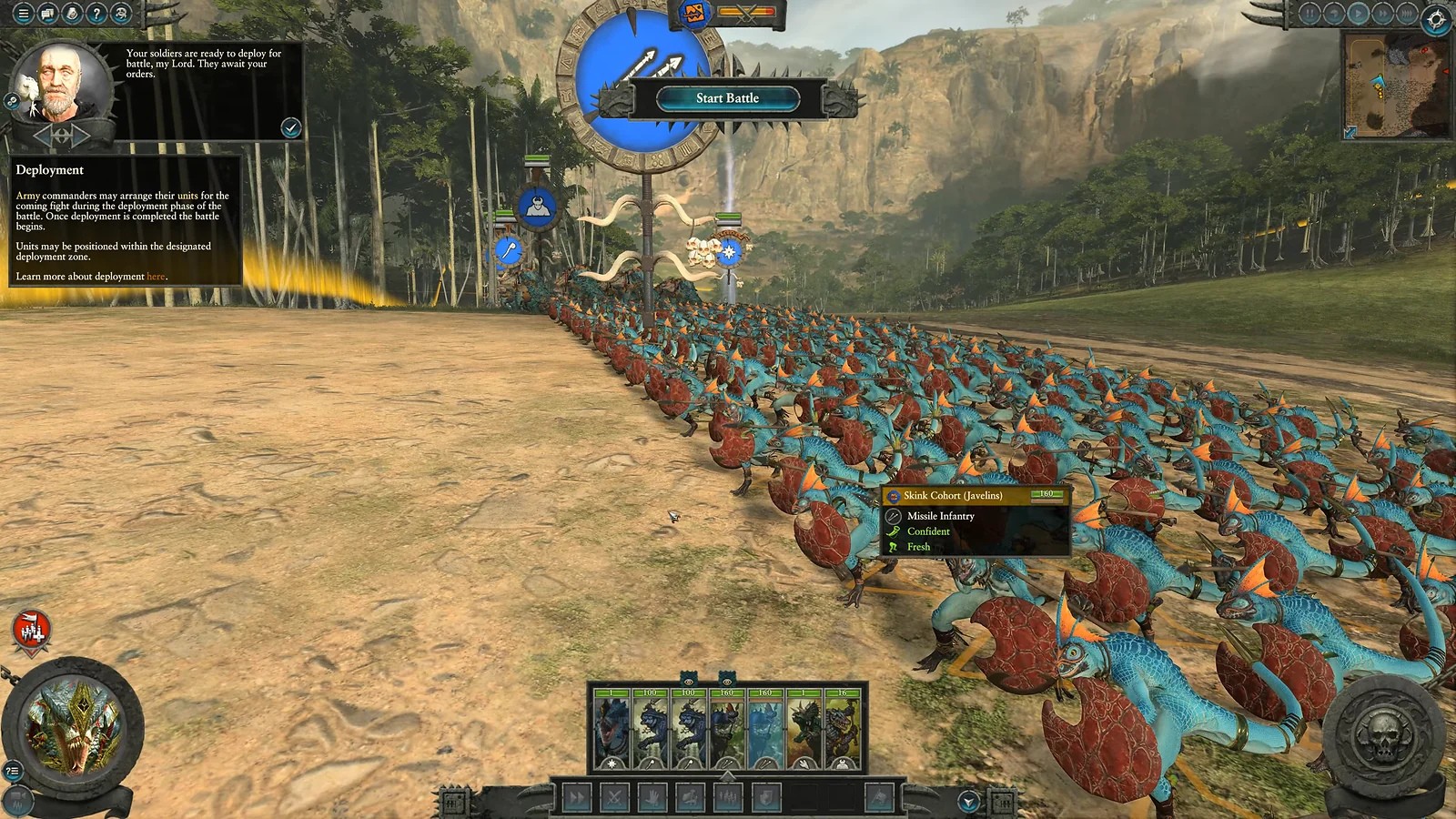
Total War: Warhammer II is where the series went all-in on variety. Four races, four wildly different playstyles, and a campaign map that jumps from jungle ruins and frozen wastes to deserts crawling with the undead. The result? Every campaign feels fresh, and dangerous in new ways.
It scored big on world design and faction diversity in my ranking. Lizardmen fight nothing like High Elves, and Skaven bring a level of chaos no other race can match. The Vortex Campaign’s pacing keeps the tension up, pushing you to balance expansion with ritual races against rival factions.
Total War: Warhammer II sets a high bar with its diverse fantasy races, distinct faction playstyles, and rich, expansive world design. From jungles to icy wastes, every campaign offers a fresh strategic challenge and unmatched replayability.
Not everything lands. The AI can be uneven, and some late-game ritual defenses get repetitive. But the sheer range of possible campaigns means those flaws fade fast when you’re busy plotting your next cross-continental invasion.
My Verdict: Warhammer II is still one of the best picks for faction variety. Its races play so differently that starting a new campaign rarely feels like repeating the same game.
3. Total War: Warhammer III [Best for Fantasy Fans]
| Type of game | Grand strategy, real-time tactics, fantasy |
| Platforms | PC |
| Year of release | 2022 |
| Developer | Creative Assembly |
| Publisher | Sega |
| Average playtime | 100-300+ hours |
| Best for | Fantasy lovers who want colossal battles and absurd unit variety |
| Unique features | Immortal Empires, huge faction roster, magic and monsters, highly asymmetric campaigns |
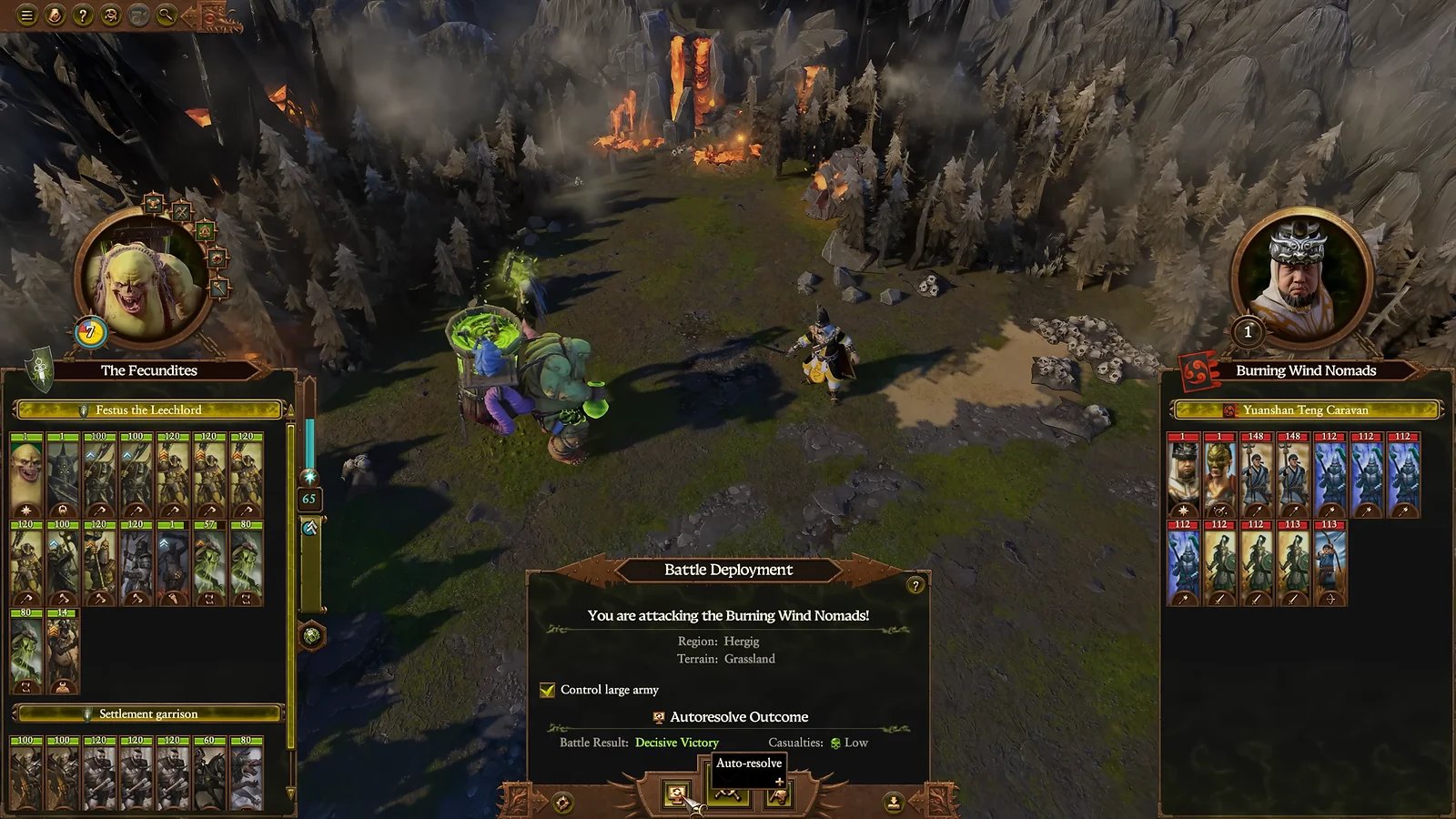
Total War: Warhammer III is where the trilogy turns into one enormous fantasy sandbox. The real star now is Immortal Empires, which brings factions from across the trilogy onto one huge campaign map. One run might have you balancing trade and Harmony as Grand Cathay; the next, you’re playing Khorne and solving most diplomatic problems by simply smashing through them.
That variety carries straight into the battles. Dragons, daemon armies, artillery, cavalry, spellcasters, and giant monsters can all end up on the same field, but factions still demand very different tactics. It’s spectacular, but there’s enough strategy underneath the chaos to keep campaigns interesting long after the novelty wears off.
Warhammer III has only grown since launch. September 2026 brought Update 9.0 alongside Lords of the End Times, adding new battle maps, campaign changes, faction updates, and more content for Immortal Empires. Creative Assembly calls Lords of the End Times its biggest DLC for the trilogy so far.
The sheer amount of factions, mechanics, and DLC can be intimidating for newcomers, but that scale is also its biggest strength.
My Verdict: Warhammer III is the series at its biggest and wildest. If you want massive faction variety, magic, monsters, and huge campaign potential, this is the obvious fantasy pick.
GAMES LIKE TOTAL WAR: WARHAMMER III
4. Total War: Attila [Best for Managing Apocalypse-Level Chaos]
| Type of game | Grand strategy, real-time tactics |
| Platforms | PC |
| Year of release | 2015 |
| Developer | Creative Assembly |
| Publisher | Sega |
| Average playtime | 50-200+ hours |
| Best for | Fans of crisis-driven, high-stakes survival campaigns |
| Unique features | Doomsday events, famine and migration mechanics, family trees, fortified settlements |
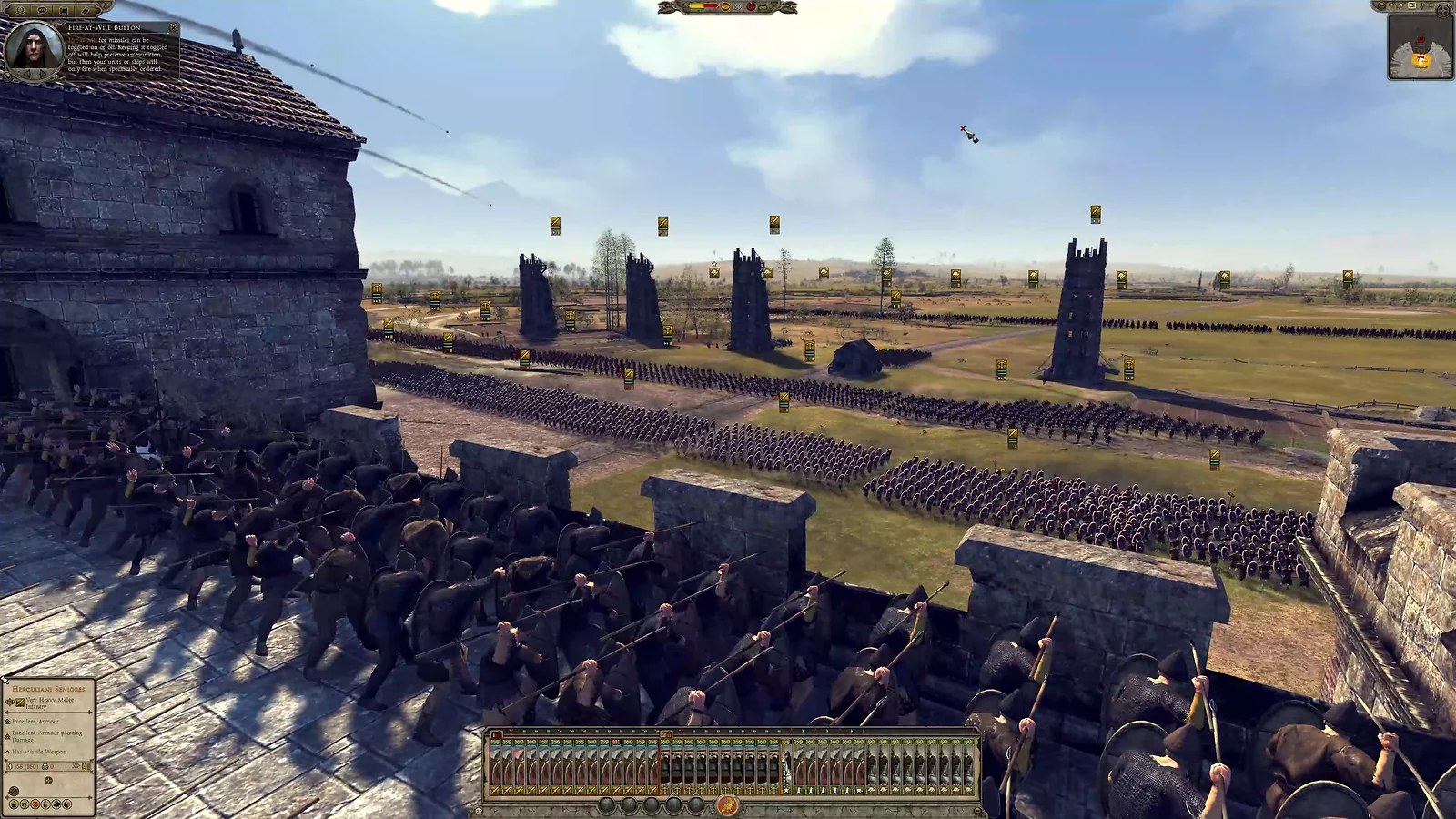
This game is set in 395 AD, featuring campaigns that depict the gradual fall of the Western Roman Empire not only to the hordes of barbarian tribes led by Attila the Hun, but also to the spread of famine and disease brought about by long, grueling winters.
Total War: Attila is ideal for players who get a kick out of everything going wrong at once. It throws famine, plague, rebellious peasants, and Hunnic hordes at you like it’s personal. Every turn is a juggling act where one bad move can blow up your carefully built empire. Think a poorly placed army, a town left undefended, or ignoring a revolt. It’s punishing, chaotic, and brilliant if you like your strategy with a side of “oh God.”
You do less conquering in Total War: Attila’s campaign as Romans, and more surviving against both your enemies and the elements. It offers one of the most challenging campaigns in all of Total War, as the gameplay and map environment fit the dreary themes of decay, bloodshed, and hopelessness appropriate for the era it was based on.
My Verdict: Attila is perfect if you want a campaign that constantly puts you under pressure. It’s harsher than most Total War games, but that survival-focused tension is exactly what makes it stand out.
5. Total War: Shogun 2 [Best for Tactical Precision]
| Type of game | Grand strategy, real-time tactics |
| Platforms | PC |
| Year of release | 2011 |
| Developer | Creative Assembly |
| Publisher | Sega |
| Average playtime | 50-150+ hours |
| Best for | Fans of feudal Japan, tactical precision, and high-stakes diplomacy |
| Unique features | Realm Divide, clan bonuses, agent system, castle sieges, samurai warfare |
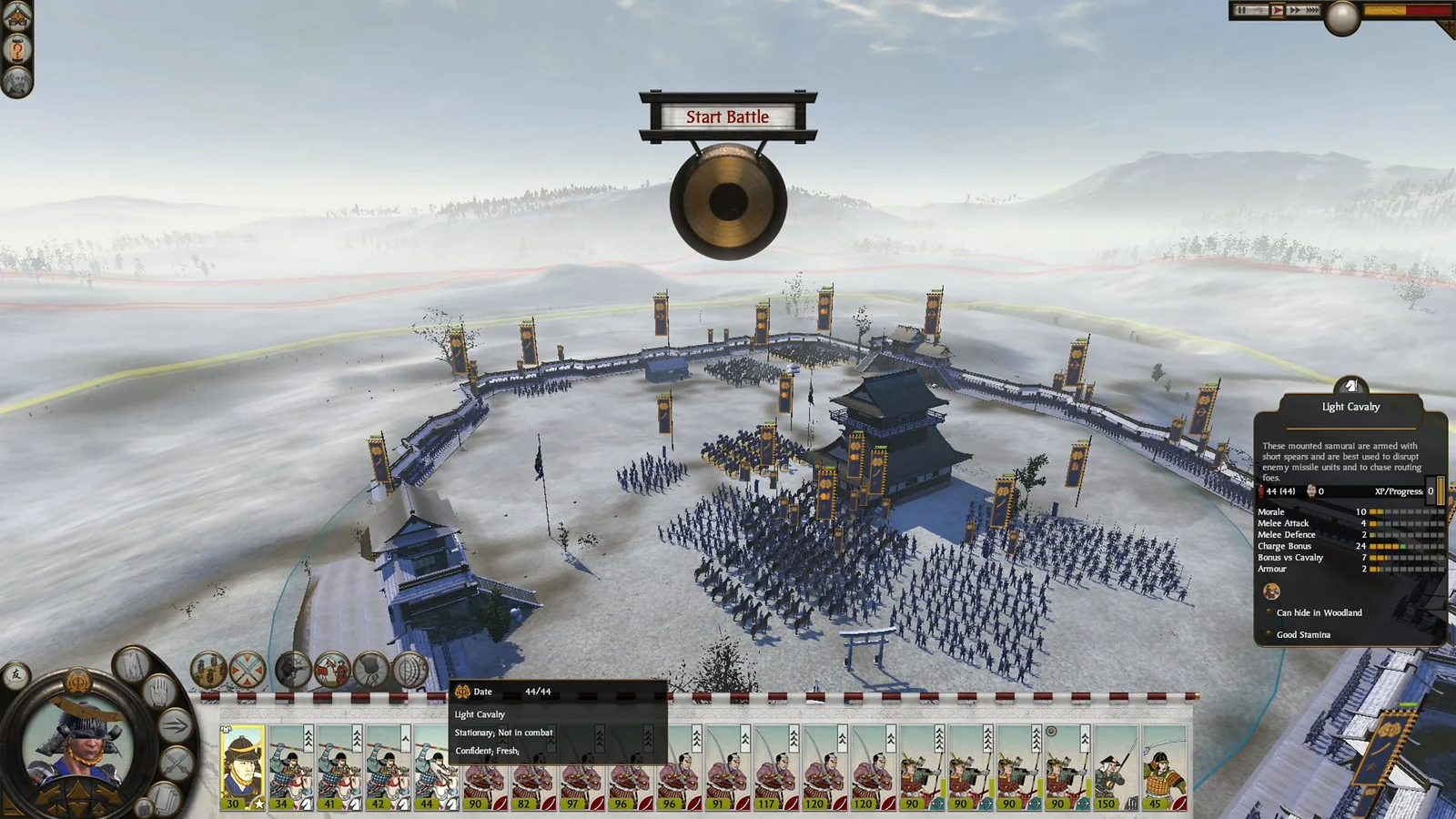
Total War: Shogun 2 is much more focused than the sprawling Rome II or Warhammer games, and that’s exactly why it works so well. You pick a clan during Japan’s Sengoku period, develop your provinces, manage alliances, and slowly push toward Kyoto while rival clans keep testing your borders.
The battles are where Shogun 2 really earns its reputation. Yari ashigaru can stop cavalry cold in the right formation, archers become much more dangerous from high ground, and even an expensive samurai unit can collapse if you throw it into a bad engagement. Castle sieges also feel distinct, with attackers climbing walls while defenders retreat deeper into multi-level fortresses.
Realm Divide gives the campaign its real bite. Once you become powerful enough, most of Japan starts treating you as the main threat, so the empire you spent dozens of turns building suddenly becomes much harder to hold together.
There’s less unit variety than in newer Total War games, and naval battles aren’t nearly as strong as the land combat. Still, the clean faction design, readable battlefields, and emphasis on positioning make Shogun 2 one of the most satisfying historical entries to play.
My Verdict: Shogun 2 is an easy recommendation if you want tactical battles where formations, terrain, and timing matter more than simply bringing the biggest army.
6. Medieval II: Total War [Best for Medieval Atmosphere]
| Type of game | Grand strategy, real-time tactics |
| Platforms | PC |
| Year of release | 2006 |
| Developer | Creative Assembly |
| Publisher | Sega |
| Average playtime | 60-200+ hours |
| Best for | Players who want classic medieval warfare, religion, dynasties, and old-school Total War depth |
| Unique features | Papal politics, Crusades and Jihads, royal family system, religion, merchants and agents, castle/city development |
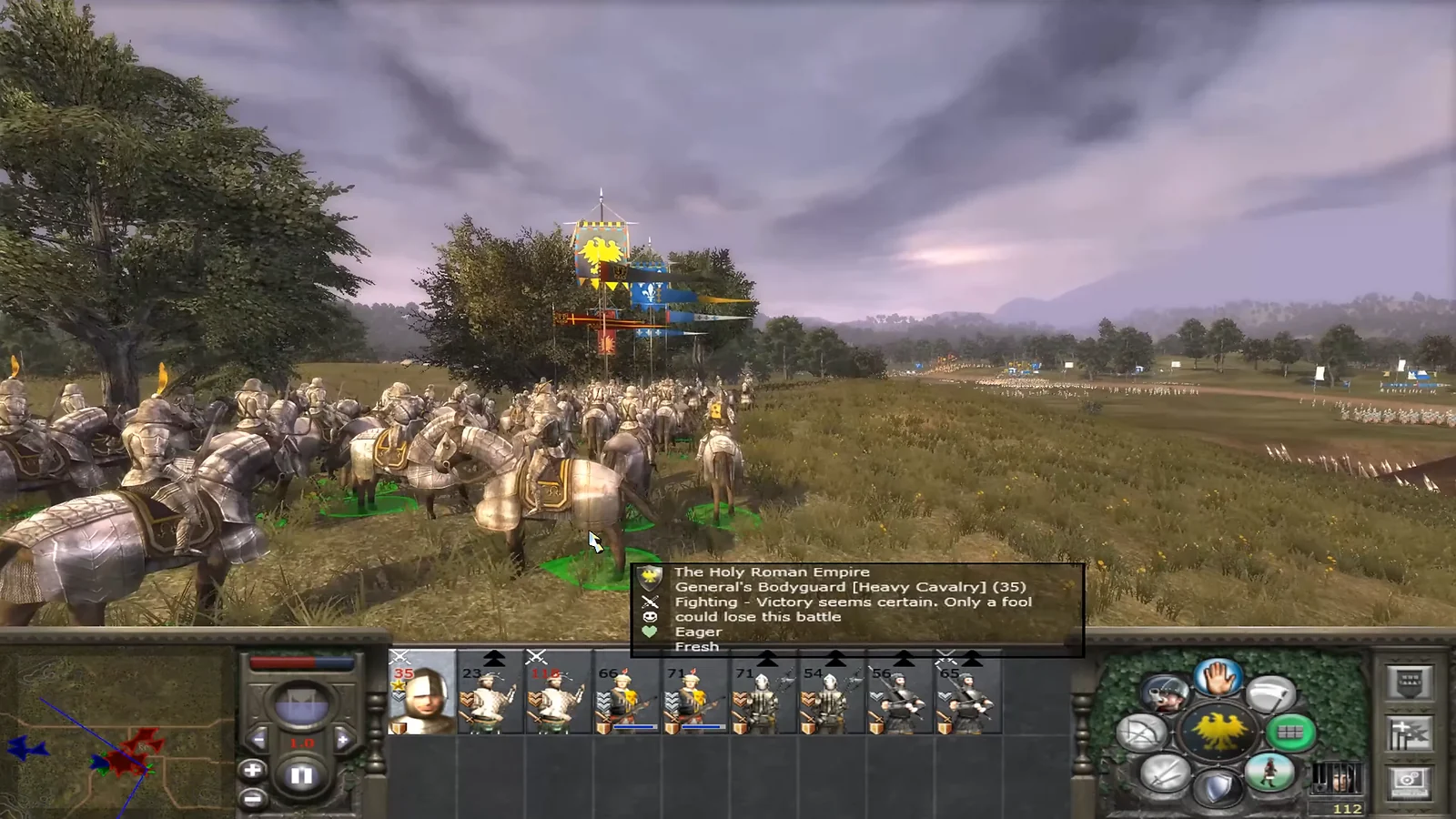
Medieval II: Total War is where the series’ grit and grandeur meet in perfect balance. The moment the Gregorian chants kick in over the campaign map, you’re just there. You’re a ruler navigating the tangled politics, faith, and feuds of the Middle Ages. Every faction feels different, from England’s longbow dominance to the Mongols sweeping in like an unstoppable tide.
Medieval II nails the medieval vibe better than anything else in the series. The mix of gritty warfare, religious politics, and dynastic intrigue makes it feel like you’re ruling a living, breathing kingdom – and that atmosphere hasn’t been topped since.
It scored high for historical accuracy. Units, armor, and settlements look and feel authentic. The political/religious systems also mirror the chaos of the era. World design is still striking despite its age, with battlefields dotted by castles, rivers, and rolling farmland that make each clash feel cinematic.
Where it stumbles is AI unpredictability. Sometimes enemy factions act brilliantly; other times they throw away armies in baffling assaults. But the charm outweighs the quirks, especially when your royal family’s personal dramas spill into the battlefield, a touch of storyline depth that few later titles match.
My Verdict: Medieval II shows its age, but its mix of religion, dynasties, crusades, and faction politics still gives it a personality few newer entries have matched.
7. Total War: Three Kingdoms [Best for Epic Battles in Ancient China]
| Type of game | Grand strategy, real-time tactics |
| Platforms | PC |
| Year of release | 2019 |
| Developer | Creative Assembly |
| Publisher | Sega |
| Average playtime | 80-250+ hours |
| Best for | Players who love political scheming as much as clashing armies |
| Unique features | Hero generals with unique abilities, relationship system, Romance vs. Records campaign modes, huge China map |
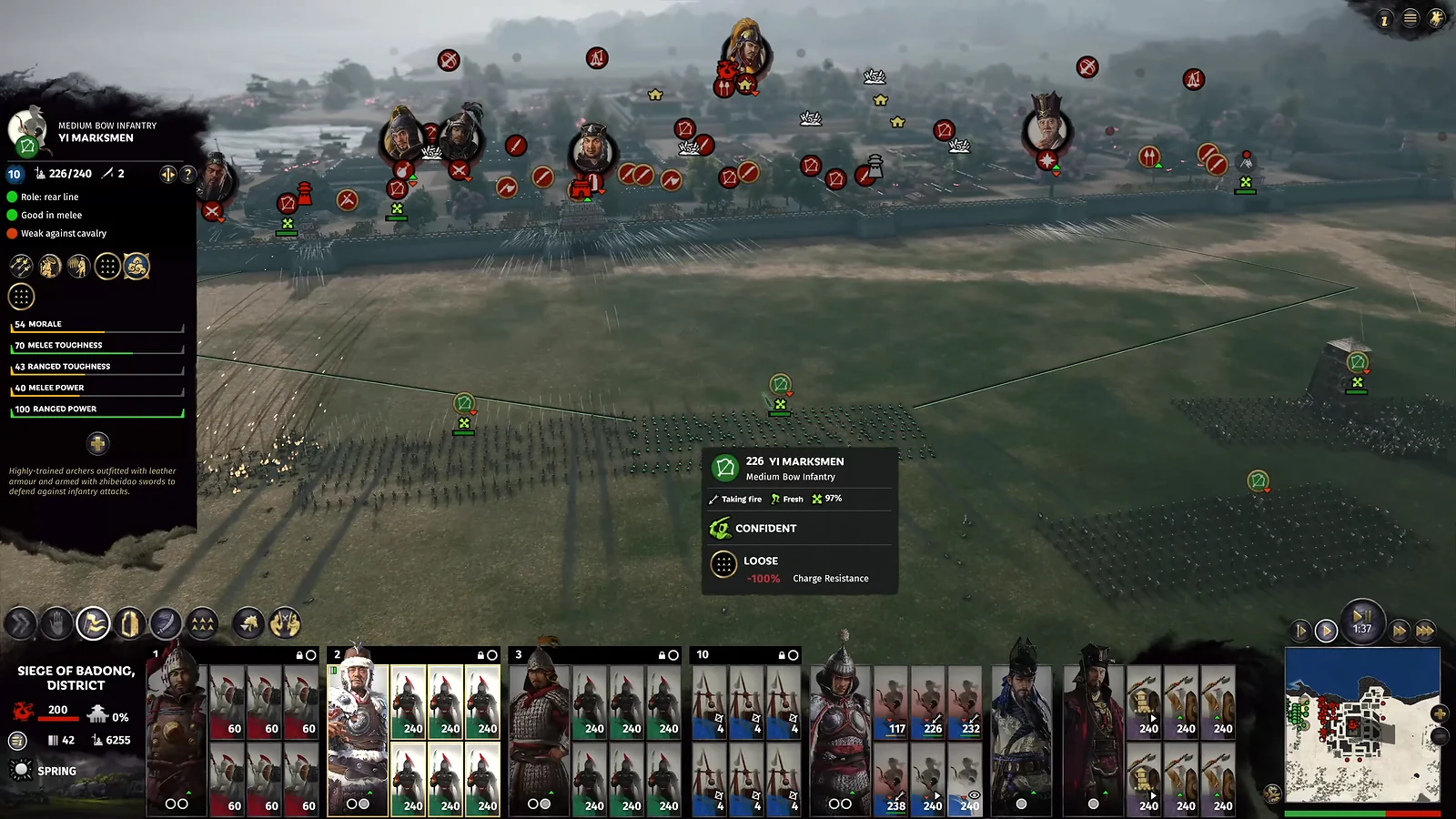
Three Kingdoms gives you two different takes on ancient China. Romance Mode turns legendary generals like Lü Bu and Guan Yu into larger-than-life battlefield heroes, while Records Mode keeps commanders more grounded and makes battles feel closer to traditional historical Total War.
In Romance mode, Three Kingdoms hands you some serious overpowered heroes straight out of legend. Lü Bu can single-handedly crush armies with his insane melee and charge bonuses, while Guan Yu and Zhao Yun make flanking and duels feel unfairly cinematic. Sun Ce’s leadership lets Wu steamroll early expansions, and Lu Xun’s morale buffs and ranged cavalry shenanigans can turn entire battles. Records Mode renders named characters less effective on the battlefield, making fights more realistic.
Total War: Three Kingdoms stands out by masterfully blending historical realism with the romanticized legend of Ancient China. Between its larger-than-life hero generals and sophisticated political diplomacy, it offers an exceptionally dynamic and immersive campaign experience.
Topped off with superb graphics and deep campaigns, Total War: Three Kingdoms is a fantastic game that’s also a personal favorite of mine. It has tons of available mods too (including Dynasty Warriors), so there’s lots of replay value.
My Verdict: Three Kingdoms is the best fit if diplomacy and character relationships matter as much to you as battles. Its campaign systems make rivalries feel unusually personal.
GAMES LIKE TOTAL WAR: THREE KINGDOMS
8. Napoleon: Total War [Best for Historical Accuracy]
| Type of game | Grand strategy, real-time tactics |
| Platforms | PC |
| Year of release | 2010 |
| Developer | Creative Assembly |
| Publisher | Sega |
| Average playtime | 40-120+ hours |
| Best for | History buffs who want their campaigns with a side of cannon smoke |
| Unique features | Three separate campaigns, historical battle recreations, weather and morale systems, era-specific tech tree |
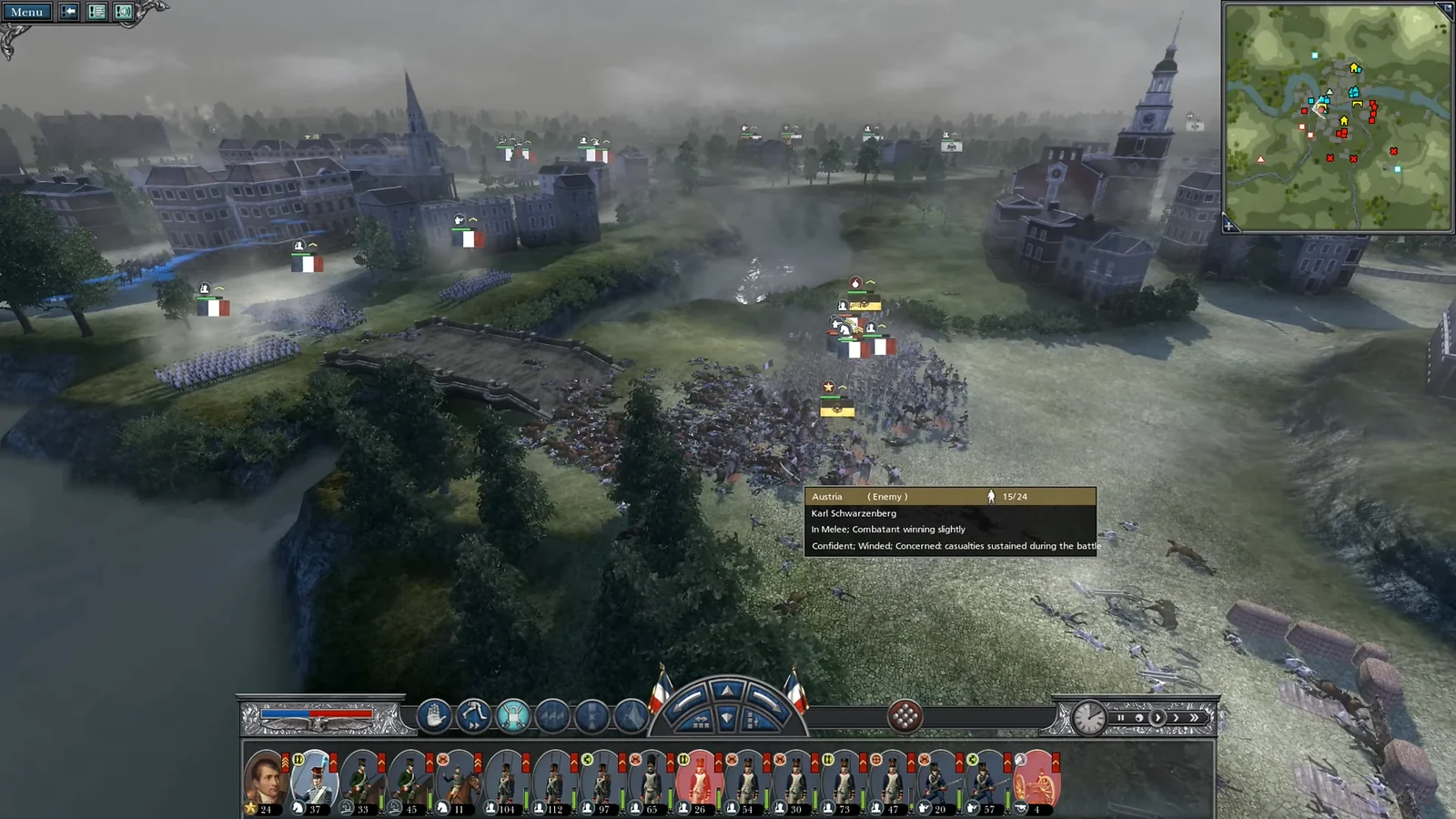
Napoleon: Total War puts you in the boots of one of history’s most ambitious generals and dares you to outdo him. The campaign is split into three acts: Italy, Egypt, and Europe, each dripping with historical detail. From troop uniforms to the way snowy terrain bogs down your army, it’s a love letter to Napoleonic warfare.
Storyline and setting are where it shines. Cutscenes frame each campaign like a war documentary, and the scripted events pull you right into the history books. It’s also one of the few Total War games where the AI actually seems to have a game plan beyond “charge everything.”
Napoleon nails the period feel like no other. Uniforms, tactics, and battlefields all scream authenticity, and the campaigns play out like a perfectly staged historical drama. The mix of weather effects, morale management, and gunpowder strategy makes it the definitive pick for players who want their history loud, smoky, and marching in formation.
Mechanically, it leans hard into gunpowder combat – line infantry, artillery placement, and morale all matter more than brute force. Weather plays a huge role: rain dampens gunpowder, fog kills visibility, and snow eats away at your troops’ stamina.
It’s not perfect. Naval battles are still sluggish, and the scripted campaign structure leaves less freedom than sandbox-style Total War entries. But if you’re here for authenticity, cinematic battles, and a campaign that feels like it could be an HBO miniseries, Napoleon delivers.
My Verdict: Napoleon is a strong pick for players who enjoy disciplined gunpowder warfare, artillery placement, and tightly focused historical campaigns.
9. Total War: ROME REMASTERED [Best for Conquering the Ancient Mediterranean]
| Type of game | Grand strategy, real-time tactics |
| Platforms | PC |
| Year of release | 2021 |
| Developer | Feral Interactive, Creative Assembly |
| Publisher | Sega |
| Average playtime | 60-200+ hours |
| Best for | Players who want classic empire building with updated 4K visuals and modern UI improvements |
| Unique features | Remastered 4K visuals, expanded playable factions, modernized camera controls, full Steam Workshop mod support |
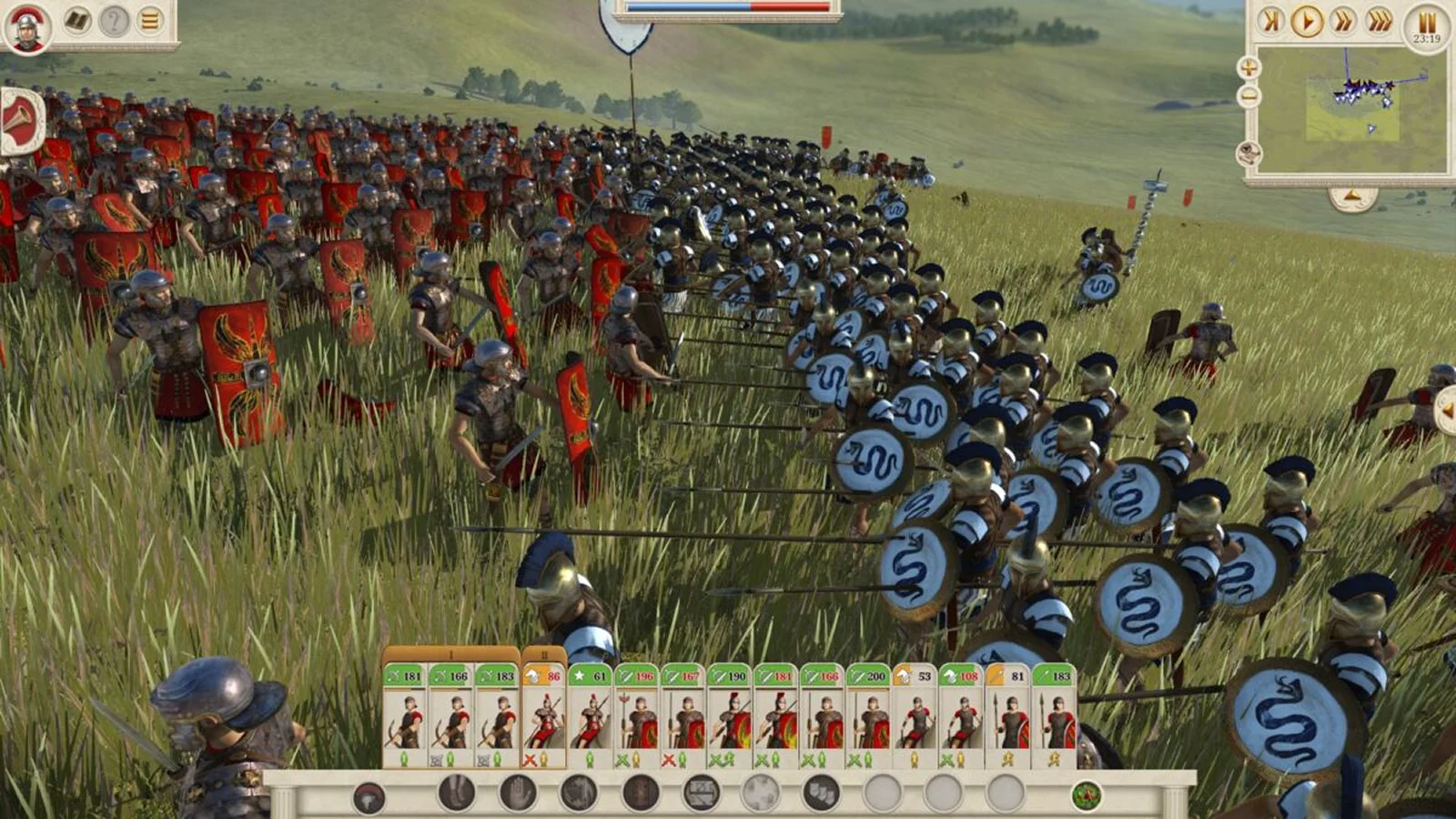
Total War: ROME REMASTERED brings the iconic 2004 classic into the modern era with upgraded 4K visuals, refined camera controls, and expanded gameplay features while preserving the foundational charm that defined the original strategy masterpiece.
Total War: ROME REMASTERED successfully bridges the beloved 2004 original with modern 4K visuals, refined camera controls, and bundled expansion campaigns. It provides the definitive ancient empire-building experience while keeping the classic gameplay mechanics that fans cherish.
Total War: ROME REMASTERED includes both the Barbarian Invasion and Alexander expansions, offering players an immense amount of content along with 16 previously unplayable factions now unlocked for the grand campaign.
My Verdict: ROME REMASTERED is the easiest way to revisit one of the series’ classics without wrestling quite as much with its original presentation and controls.
10. Total War: Warhammer [Best for Fantasy Strategy Beginners]
| Our Score | Enebameter 8.4/10
☆
★
☆
★
☆
★
☆
★
☆
★
☆
★
☆
★
☆
★
☆
★
☆
★
|
| Type of game | Grand strategy, real-time tactics |
| Platforms | PC |
| Year of release | 2016 |
| Developer | Creative Assembly |
| Publisher | Sega |
| Average playtime | 80-250+ hours |
| Best for | Players who want to dive into a fantasy Total War world without getting overwhelmed |
| Unique features | Four races, legendary lords, magic spells, diverse unit rosters |
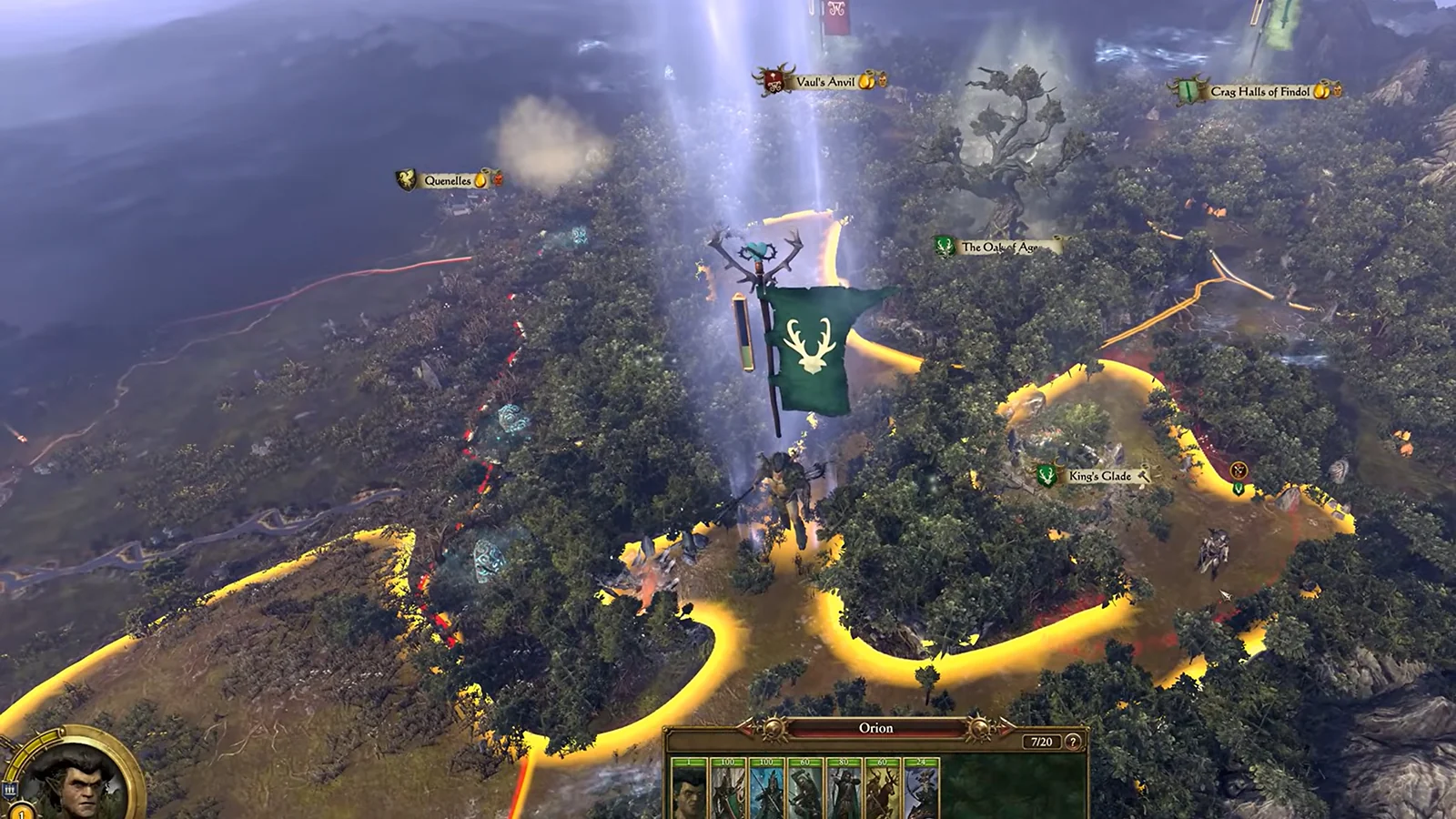
This game laid the foundation for the more recent Warhammer games we have now. It was well-received at the time of its release despite some fans questioning Creative Assembly’s momentary departure from the usual historical titles.
Total War: Warhammer is pure chaos in the best way. Every faction feels totally different, battles are insane spectacles, and legendary lords actually matter instead of being cosmetic fluff. It’s loud, wild, and exactly what you want if you’ve been itching to throw dragons, giants, and spells into a Total War fight.
The truth is, this game wasn’t just a treat for long-time Total War fans, but it also attracted a lot of fantasy fans into giving the strategy genre a try, growing the franchise’s player base significantly.
My Verdict: Total War: Warhammer feels smaller than its sequels today, but its focused roster and straightforward fantasy campaigns still make it a fun entry point into the trilogy.
11. Total War: Pharaoh [Best for Bronze Age Campaigns]
| Type of game | Grand strategy, real-time tactics |
| Platforms | PC |
| Year of release | 2023 |
| Developer | Creative Assembly |
| Publisher | Sega |
| Average playtime | 80-250+ hours |
| Best for | Players who want to manage a crumbling empire under constant threat |
| Unique features | Dynasty system, Bronze Age Collapse setting, Lethality mechanic, Sea Peoples invasions, expanded Dynasties campaign |
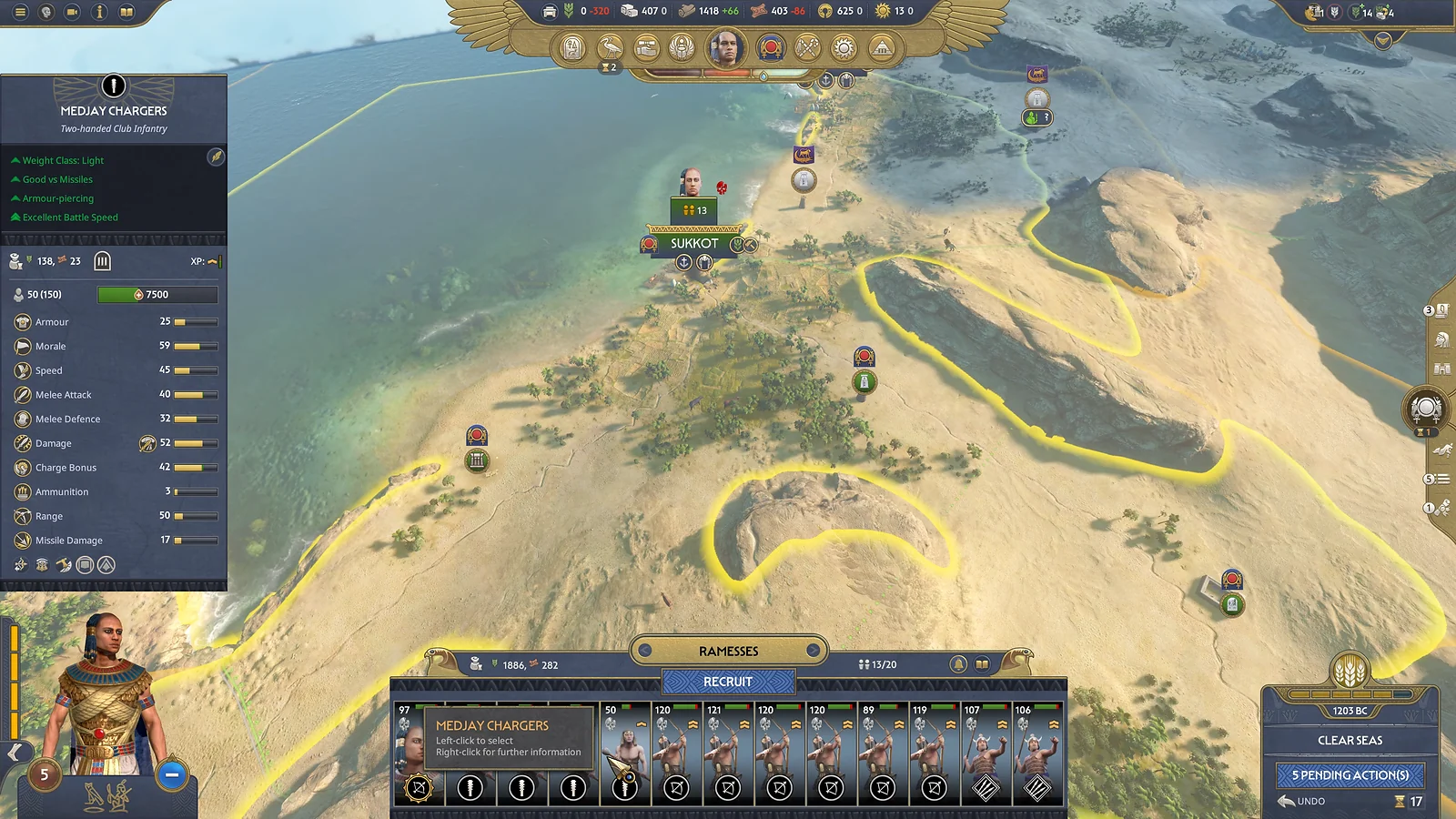
Total War: Pharaoh had a fairly limited scope at launch, but the free Dynasties addition changed the game dramatically. The campaign now stretches from Egypt and Anatolia to the Aegean and Mesopotamia, adding 168 settlements alongside major factions such as Babylon, Mycenae, Troy, and the Assyrians of Hanigalbat.
The expanded map gives the Bronze Age Collapse much more room to breathe. You’re not just fighting the Sea Peoples or competing for the Egyptian throne anymore – you can build a family dynasty, arrange marriages, deal with succession, and watch characters age or die while your empire keeps moving. Battles also feel noticeably deadlier thanks to the Lethality system, where charges and missile volleys can punish exposed units very quickly.
Pharaoh has grown into one of the most substantial historical entries in the series. Dynasties nearly doubles the campaign map, adds major civilizations such as Babylon, Mycenae, Troy, and Assyria, and makes succession and family politics a meaningful part of empire building.
It can still feel dense, especially once court politics, succession, economy, and multiple fronts pile up at once. But if you want a historical Total War campaign built around civilizations struggling to survive a collapsing world, Pharaoh now has a much stronger identity.
My Verdict: Pharaoh is far better than its launch reputation suggests. With Dynasties, it has become one of the series’ most substantial historical sandboxes and an easy recommendation for Bronze Age fans.
12. A Total War Saga: Troy [Best Mythic Bronze Age Warfare]
| Type of game | Grand strategy, real-time tactics, mythological fantasy |
| Platforms | PC |
| Year of release | 2020 |
| Developer | Creative Assembly |
| Publisher | Sega |
| Average playtime | 50-150+ hours |
| Best for | Players who want to command legendary heroes and mythical beasts in the Bronze Age |
| Unique features | Mythical creatures, divine favor system, hero-centric campaigns, resource management, mythological expeditions |
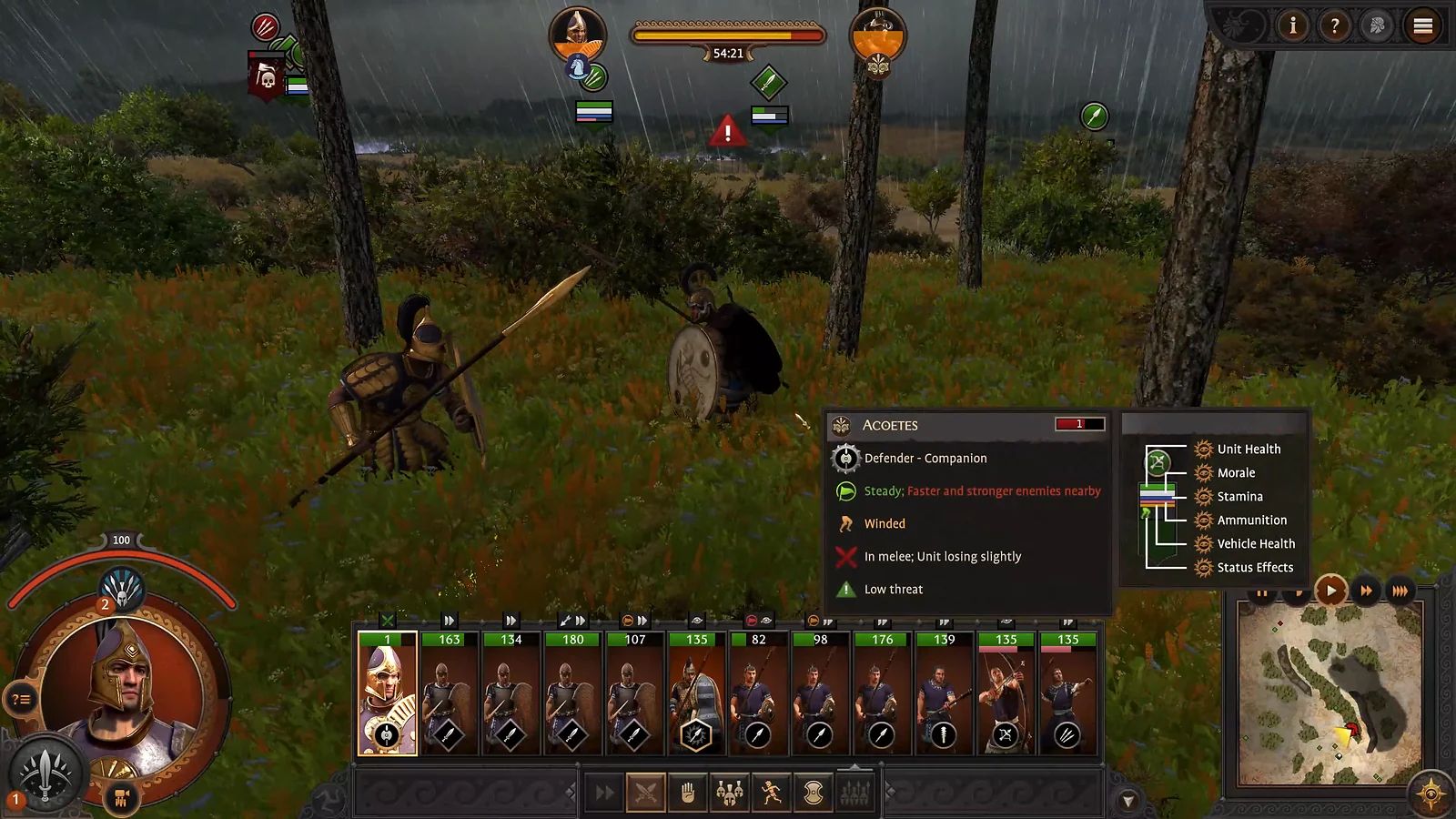
This game is set in 13th century BC Greece, allowing players to immerse themselves in the iconic Trojan War. It’s not a purely historical Total War game, however, as mythological elements are also touched upon in this game.
Creative Assembly tinkered with their formula quite a bit with this release by adding in all-powerful “god units” and blending real historical themes with fantastical ones, sacrificing historical accuracy in favor of more creative units, narrative, and campaigns.
A Total War Saga: Troy brings Homer’s Iliad to life with a fresh multi-resource economy, unique hero units, and a distinct Bronze Age setting. It strikes an intriguing balance between historical warfare and Greek myth, offering a campaign rhythm unlike anything else in the franchise.
Unfortunately for Total War Saga: Troy, it ended up failing to develop any meaningful identity in its attempt to be two things at once, earning its fair share of criticism over the years.
My Verdict: Troy works best if you like the Bronze Age setting but don’t mind history being mixed with heroic and mythological elements. Its resource system also gives the campaign a distinct rhythm.
GAMES LIKE A TOTAL WAR SAGA: TROY
13. Total War Saga: Thrones of Britannia [Best for Political Machinations in the Dark Ages]
| Type of game | Grand strategy, real-time tactics |
| Platforms | PC |
| Year of release | 2018 |
| Developer | Creative Assembly |
| Publisher | Sega |
| Average playtime | 50-150+ hours |
| Best for | Players who want to navigate the complexities of medieval politics and warfare |
| Unique features | Faction-specific victory conditions, loyalty mechanics, detailed diplomacy system, province management |
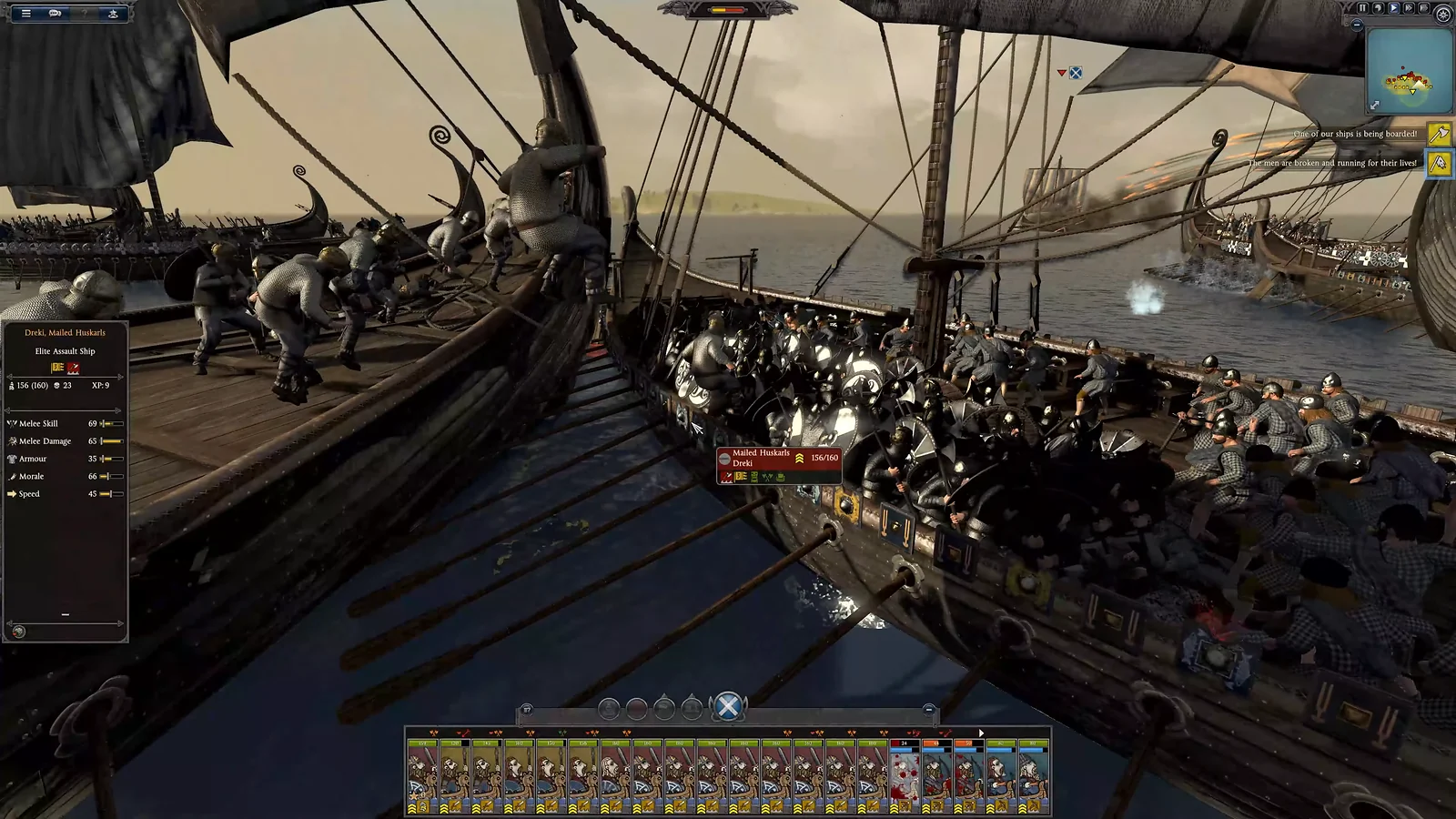
Another one of Creative Assembly’s more underwhelming recent games is Total War Saga: Thrones of Britannia. It’s a grand strategy game set in 878 AD during the Anglo-Saxon-Viking wars.
Thrones of Britannia has some excellent ideas – especially its sieges and political systems – but its smaller map, limited unit variety, and uneven AI make it feel less expansive than the strongest historical entries in the series.
Thrones of Britannia delivers a focused, highly detailed snapshot of Dark Age Britain, elevated by exceptional siege battles and deep political loyalty mechanics. Its smaller scale creates an intimate strategic experience that shines for fans of Viking-era history and intense regional conflicts.
It’s a decent title for sure, but clearly, it’s not the game for your typical Total War fan.
My Verdict: Thrones of Britannia is smaller and more specialized than most entries, but its Viking-era setting, politics, and siege battles give it a clear niche.
14. Total War: Shogun 2 – Fall of the Samurai [Best for 19th-Century Gunpowder Warfare]
| Type of game | Grand strategy, real-time tactics |
| Platforms | PC |
| Year of release | 2012 |
| Developer | Creative Assembly |
| Publisher | Sega |
| Average playtime | 50-150+ hours |
| Best for | Fans of 19th-century gunpowder warfare and the clash between traditional samurai and modern technology |
| Unique features | Boshin War setting, railways, ironclad warships, gatling guns, modern artillery |
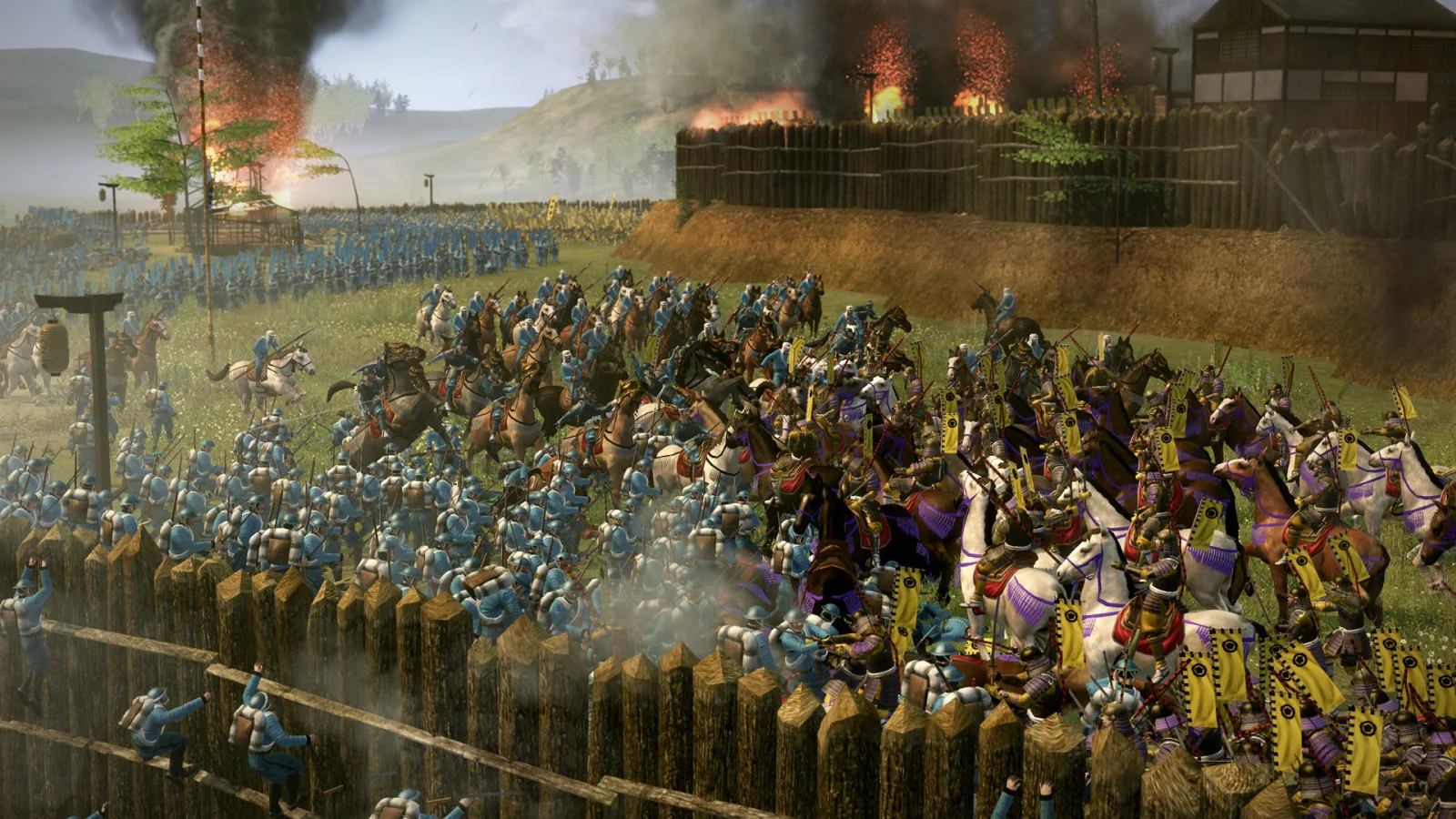
Total War: Shogun 2 – Fall of the Samurai is set during the dramatic Boshin War of the late 19th century. The campaign captures the fierce conflict between the traditionalist Imperial factions and modernizing Shogunate forces, depicting Japan’s rapid transformation.
Fall of the Samurai delivers one of the finest gunpowder expansions in the entire franchise. By seamlessly blending classic samurai charges with modern Gatling guns, railway logistics, and naval shore bombardments, it offers an incredible tactical clash between old-world tradition and modern industrial warfare.
My Verdict: Fall of the Samurai stands as a benchmark for standalone strategy expansions. It is an absolute must-play for fans who want devastating gunpowder tactics mixed with classic samurai warfare.
15. SHOGUN: Total War – Collection [Best for Experiencing Series Origins]
| Type of game | Grand strategy, real-time tactics |
| Platforms | PC |
| Year of release | 2000 |
| Developer | Creative Assembly |
| Publisher | Electronic Arts |
| Average playtime | 20-60+ hours |
| Best for | Retro strategy fans and franchise historians who want to experience where the Total War series began |
| Unique features | Original Sengoku Jidai campaign, Mongol Invasion expansion, classic 2D sprite battles, Sun Tzu mechanics |
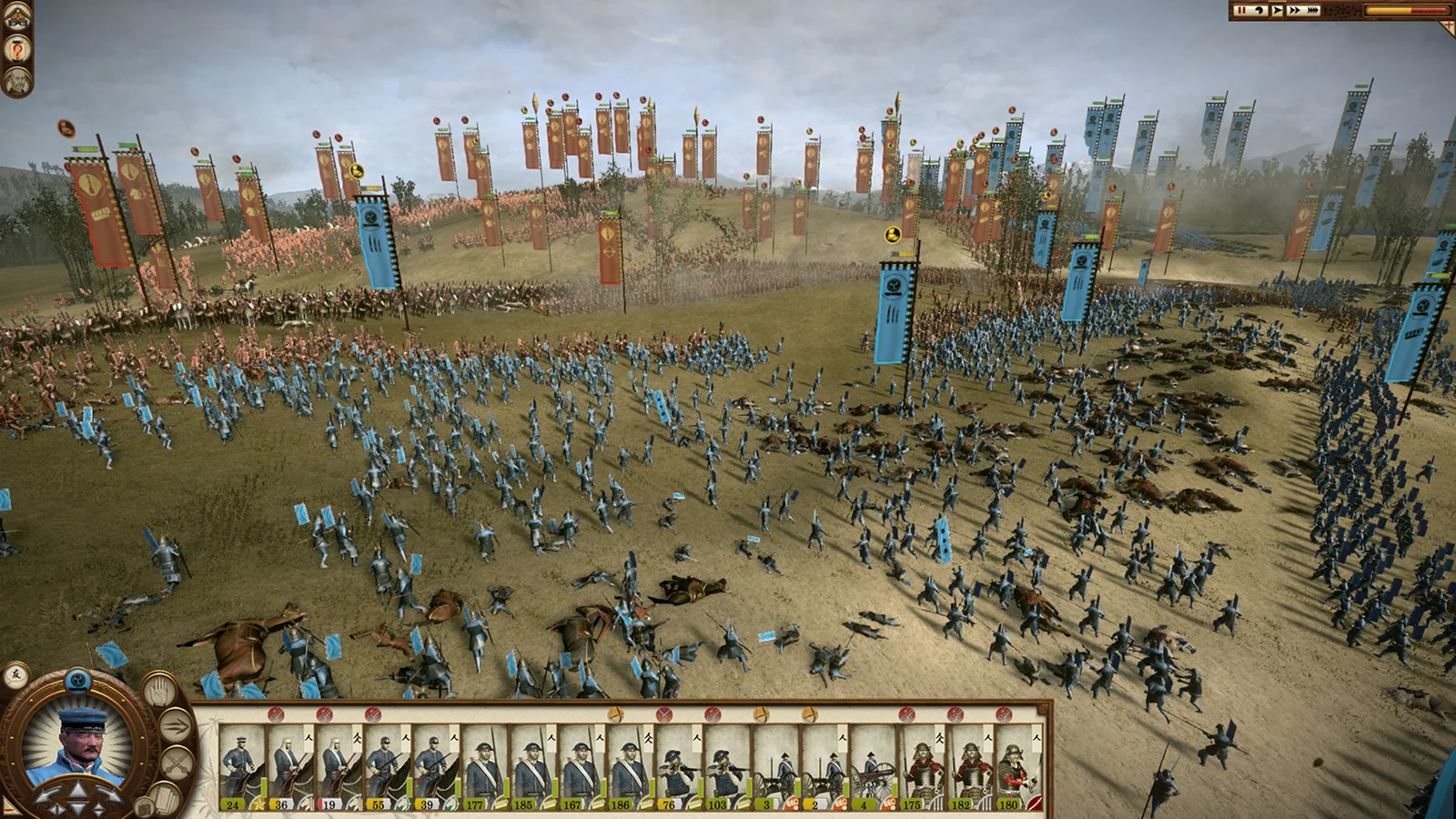
SHOGUN: Total War – Collection brings together the original game that launched the legendary strategy franchise in 2000 alongside its expansion, The Mongol Invasion. Set during the Sengoku Jidai period of feudal Japan, it lays down the iconic foundation of turn-based campaign map management paired with massive real-time tactical battles.
SHOGUN: Total War – Collection is a piece of strategy gaming history. It established the core formula that defined two decades of grand strategy games, featuring atmospheric feudal Japanese warfare, classic Sun Tzu strategic principles, and the brutal challenge of uniting Japan under one clan.
My Verdict: SHOGUN: Total War is a classic entry essential for strategy purists and fans curious about the series’ origins. It remains a fascinating look back at how Creative Assembly pioneered grand strategy battles.
16. Empire: Total War [Best for Epic Gunpowder Battles]
| Type of game | Grand strategy, real-time tactics |
| Platforms | PC |
| Year of release | 2009 |
| Developer | Creative Assembly |
| Publisher | Sega |
| Average playtime | 60-200+ hours |
| Best for | Players who love gunpowder warfare, massive battles, and naval combat |
| Unique features | 18th-century setting, line infantry and artillery mechanics, naval battles, trade and diplomacy systems |
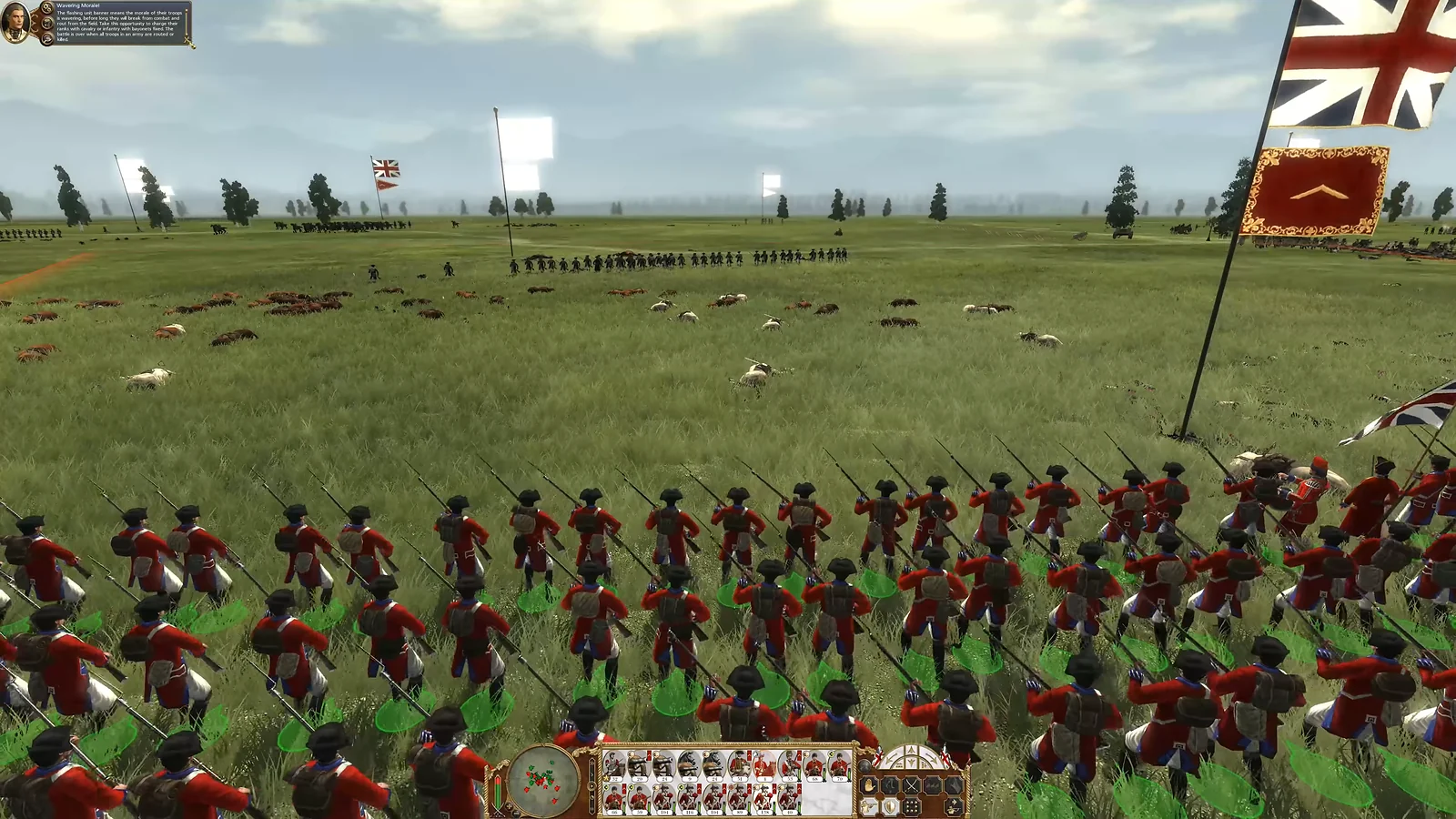
Let’s be clear – there’s no such thing as a terrible Total War game. Empire: Total War, despite being at the bottom of our list, is still a decent standalone title. It’s set in the 1700s, featuring campaigns from the early colonization period of various countries such as India, Europe, and the Middle East.
This is unquestionably the most polarizing title in the series. It suffered from a slew of performance issues, crashes, and bugs since the first day of its release and never truly recovered.
Empire: Total War remains the premier entry for 18th-century gunpowder tactics and massive global scale, pioneering full-scale naval battles across three continents. Despite its rough technical edges, no other title in the series matches its ambitious blend of line-infantry combat and oceanic strategy.
It’s a shame, as this game did pioneer the naval battle system for later Total War titles and could’ve been a solid entry if it weren’t for its disastrous launch.
My Verdict: Empire is rough around the edges, but its huge campaign, gunpowder battles, trade routes, and naval warfare still make it one of the series’ most ambitious entries.
Key Criteria for Ranking the Total War Games
My criteria for ranking each Total War game are as follows:
- Storyline and Character Development: Is the story campaign good? Are there enough unique characters/units to unlock? Are the story cutscenes/scenarios compelling?
- Gameplay Mechanics and Innovation: Does it play well? Are the core mechanics fun or tedious? Are the CPU-controlled enemies/allies too dumb or challenging? Is the game too derivative of the series?
- Graphics and World Design: Is the game timeless? Is the game visually appealing? Are the maps and environment immersive?
- Historical Accuracy and Setting: Are story campaign events historically accurate? Is the attire, equipment, and architecture appropriate for the period it was set in?
- Fan Reception and Critical Acclaim: How popular is the game? What do reviews from other players say about the game? Is there still an active player base for the game?
After weighing all the factors – and mixing in my own battle scars from countless campaigns – I think it’s fair to say we’ve got ourselves a pretty objective Total War ranking. And at the very top, slicing through all rivals, stands Total War: Rome II.
Upcoming Total War Games
Creative Assembly already has two major Total War projects in development. Neither has an official launch date yet, but their current development stages give us a rough idea of when they might arrive.
Total War: Warhammer 40,000 – Expected 2027–2028
Total War: Warhammer 40,000 takes the series into the 41st Millennium, with Space Marines, Orks, Astra Militarum armies, and large-scale sci-fi battles replacing the castles and swords of historical Total War. It was already playable publicly at Gamescom 2026, so it appears much further along than Medieval III. Creative Assembly has confirmed versions for PC, PS5, and Xbox Series X/S.
Total War: Medieval III – Expected 2028 or Later
The long-awaited Medieval III is finally in development, but this one is much further away. Creative Assembly says the game is still in early pre-production and has repeatedly described it as being years away rather than months. It’s being built with the new Warcore technology and is intended to bring the series back to large-scale medieval warfare, politics, and technological change across several centuries.
My Overall Verdict on Total War Games
There’s no single Total War experience that fits everyone – some games are all about huge empires, while others shine through tighter battles, survival pressure, or ridiculous fantasy armies. Based on this ranking, these are the five I’d start with:
- Best overall → Total War: Rome II: A massive historical sandbox that balances accessibility, faction variety, and plenty of room to build your own empire.
- Best for diverse fantasy campaigns → Total War: Warhammer II: Still one of the strongest picks if you want wildly different races, campaign mechanics, and playstyles.
- Best for fantasy fans → Total War: Warhammer III: The biggest fantasy sandbox in the series, with Immortal Empires, huge faction variety, magic, monsters, and enormous battles.
- Best for managing apocalypse-level chaos → Total War: Attila: A brutal survival-focused campaign where famine, collapsing empires, rebellions, and the Huns make every turn feel dangerous.
- Best for tactical precision → Total War: Shogun 2: A tighter, cleaner Total War experience where terrain, formations, timing, and careful expansion really matter.
Whichever style you prefer, these five show just how different Total War can feel from one entry to the next – from surviving the fall of Rome to sending dragons into an enemy frontline.
FAQs
No. Even titles in the same series, like Total War: Warhammer I, II, and III, feature standalone campaigns and independent storylines. You can jump into any game in the franchise without needing prior context or playing earlier entries.
Total War: Shogun 2 offers the finest strategy elements, featuring balanced factions, intelligent AI, and refined tactical gameplay. It emphasizes positioning and long-term planning, making it the series’ most polished strategic experience.
No, Total War games prioritize fun over strict historical accuracy. While settings, factions, and historical contexts inspire each game, Creative Assembly alters timelines, troop designs, and tactical mechanics to create engaging and dynamic sandbox gameplay.
Total War: Three Kingdoms is the best-selling entry, topping 3 million copies sold. Total War: Warhammer III follows closely, maintaining strong player numbers through extensive DLC support and its massive Immortal Empires mode.
There are over 16 mainline Total War titles. Beginning with Shogun: Total War in 2000, the franchise spans historical and fantasy eras with titles like Warhammer III, Three Kingdoms, and Pharaoh, along with several expansions.