




How to Kill Frogs in Minecraft: A Survival and Farming Guide


How to kill frogs in Minecraft might sound like a simple question, but it actually reveals a lot about how the game’s ecosystem works. Frogs (introduced in the 1.19 Wild Update) hop around mangrove swamps and ponds, their throats inflating as they croak.
When I first spotted these gentle creatures, my instinct was to swing a sword and see what they dropped – but the result taught me more about the world’s design than I expected. This guide explains why you might want to kill a frog, what happens when you do, and why you’re better off farming slimeballs and froglights instead.
Jump to:
How to Kill Frogs in Minecraft – Why and Why Not
Understanding Frog Behavior and Drops
Frogs are passive mobs, meaning they will never attack you. When you attack a frog, it simply hops away. They have 10 health points (five hearts) and can jump up to eight blocks high. Killing them is straightforward: use any weapon and inflict ten damage.
A wooden sword takes a few hits, while a netherite sword will fell a frog instantly. You can also use the /kill command or a bow and arrow from a distance.
However, killing frogs yields little reward. When a frog dies, it doesn’t drop any items. You only receive 1–3 experience points, which you can obtain far more efficiently from hostile mobs. That’s why I quickly stopped attacking frogs and looked into what else they could offer.
When Killing Frogs Might Make Sense
There are rare situations where removing frogs helps. If you’ve bred too many and they’re causing lag or crowding, culling a few can help manage your world’s entity count. You might also kill frogs while clearing an area for a build. In those cases, use a sweeping weapon like an axe or sword. But remember that frogs are harmless, and there are better uses for them than target practice.
Ethical Considerations and Game Lore
Minecraft often encourages players to respect the environment. Because frogs are passive and drop nothing, deliberately killing them feels wasteful. Instead, take advantage of their unique interactions with other mobs.
Frogs can eat small slimes and small magma cubes, turning them into useful items. Harnessing those interactions through farming provides a sustainable way to profit from frogs without unnecessary harm.
Frog Variants and Spawning
Three Frog Types: Warm, Temperate, and Cold
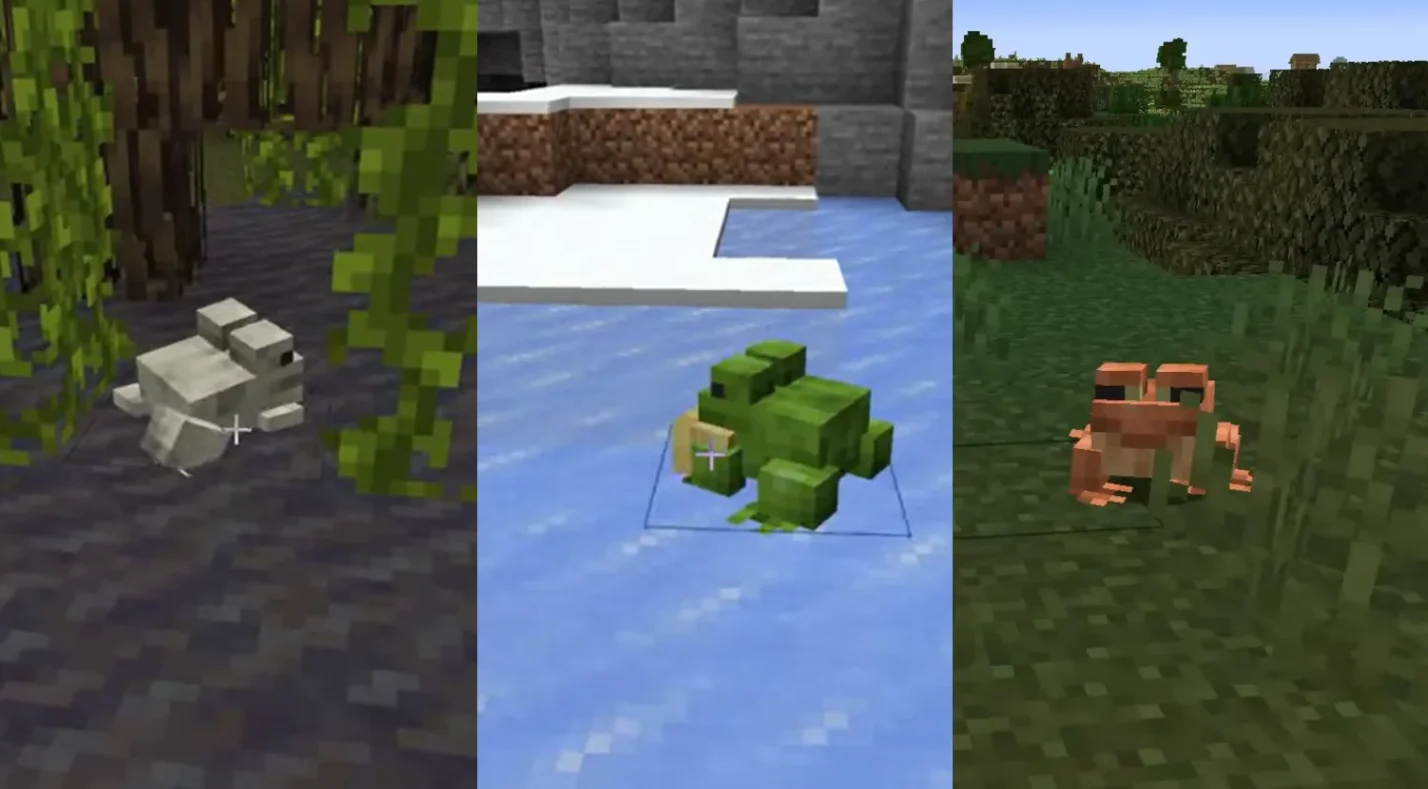
Frogs come in three variants – warm (white), temperate (orange), and cold (green) – depending on the biome where their tadpoles grow. Warm frogs live in hot biomes such as mangrove swamps and deserts. Temperate frogs spawn naturally in swamps.
Cold frogs don’t spawn naturally; you must raise tadpoles in snowy biomes like Snowy Taiga or Frozen Peaks. Each variant is visually distinct, and their color determines the type of froglight they produce when they eat a small magma cube.
Frog Spawn and Tadpoles

When you feed two frogs slimeballs, they enter love mode, and one becomes pregnant. The pregnant frog finds a water block and lays frogspawn (frog eggs) on the surface. After about five to ten minutes, the eggs hatch into tadpoles.
Tadpoles are fragile; they die quickly out of water and are hunted by axolotls. You can scoop a tadpole into a bucket to transport it to a different biome, which allows you to choose which frog variant it will become.
What Do Frogs Drop in Minecraft?
No Item Drops from Killing Frogs
If your goal is loot, you’ll be disappointed. Killing a frog produces no items. This sets frogs apart from most mobs. Even neutral mobs like pigs and cows drop meat or leather. With frogs, you only get a small experience orb. That’s why players quickly discovered that frogs are more valuable alive than dead.
Slimeball Farming
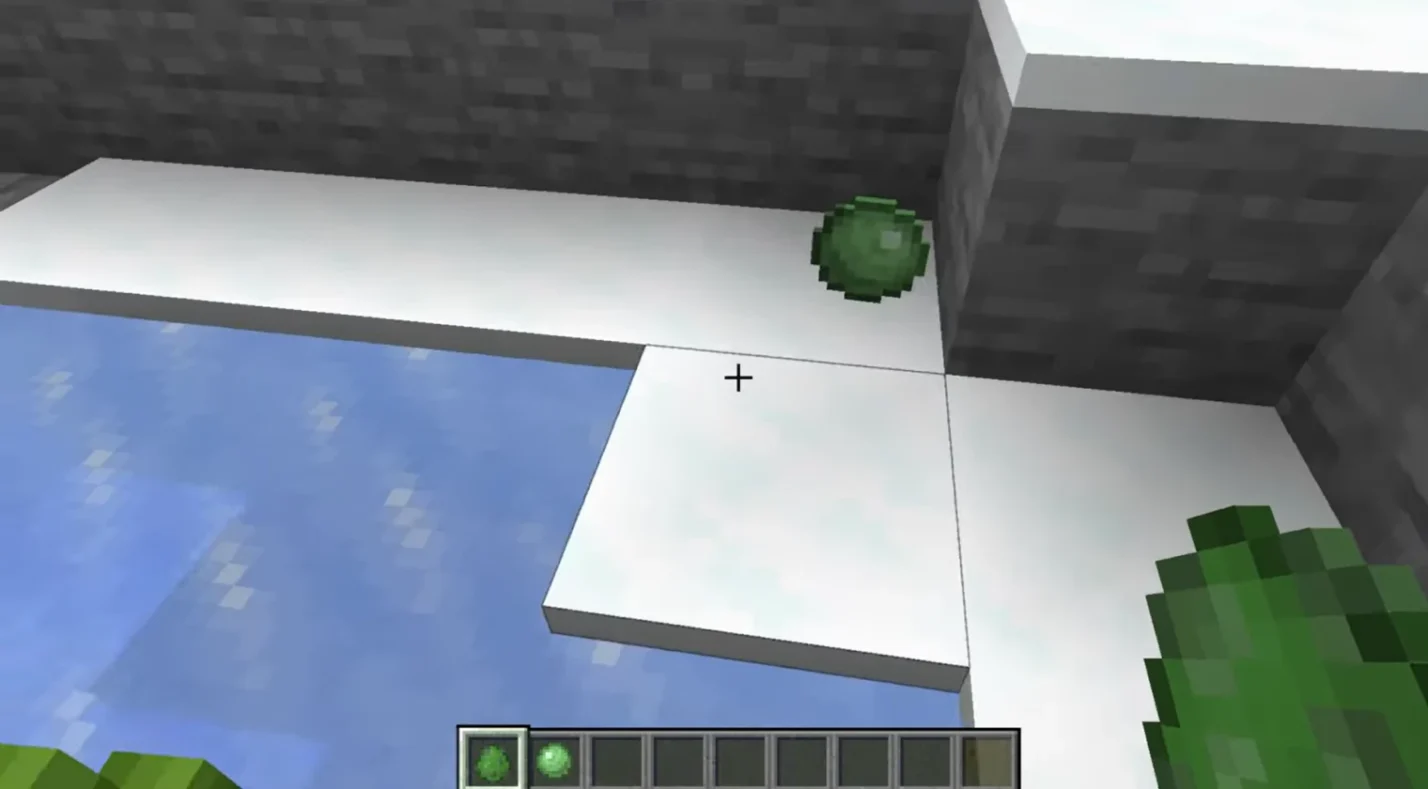
Frogs eat small slimes and cause them to drop slimeballs. To farm slimeballs, lead a frog into a slime chunk or swamp at night. When small slimes spawn, the frog will flick its long tongue, gobble them up, and slimeballs will pop out.
Collect these to craft sticky pistons, leads, magma cream, and more. Frogs don’t attack medium or large slimes, so you’ll need to kill bigger slimes yourself or let an iron golem thin the herd.
Froglights and Magma Cubes
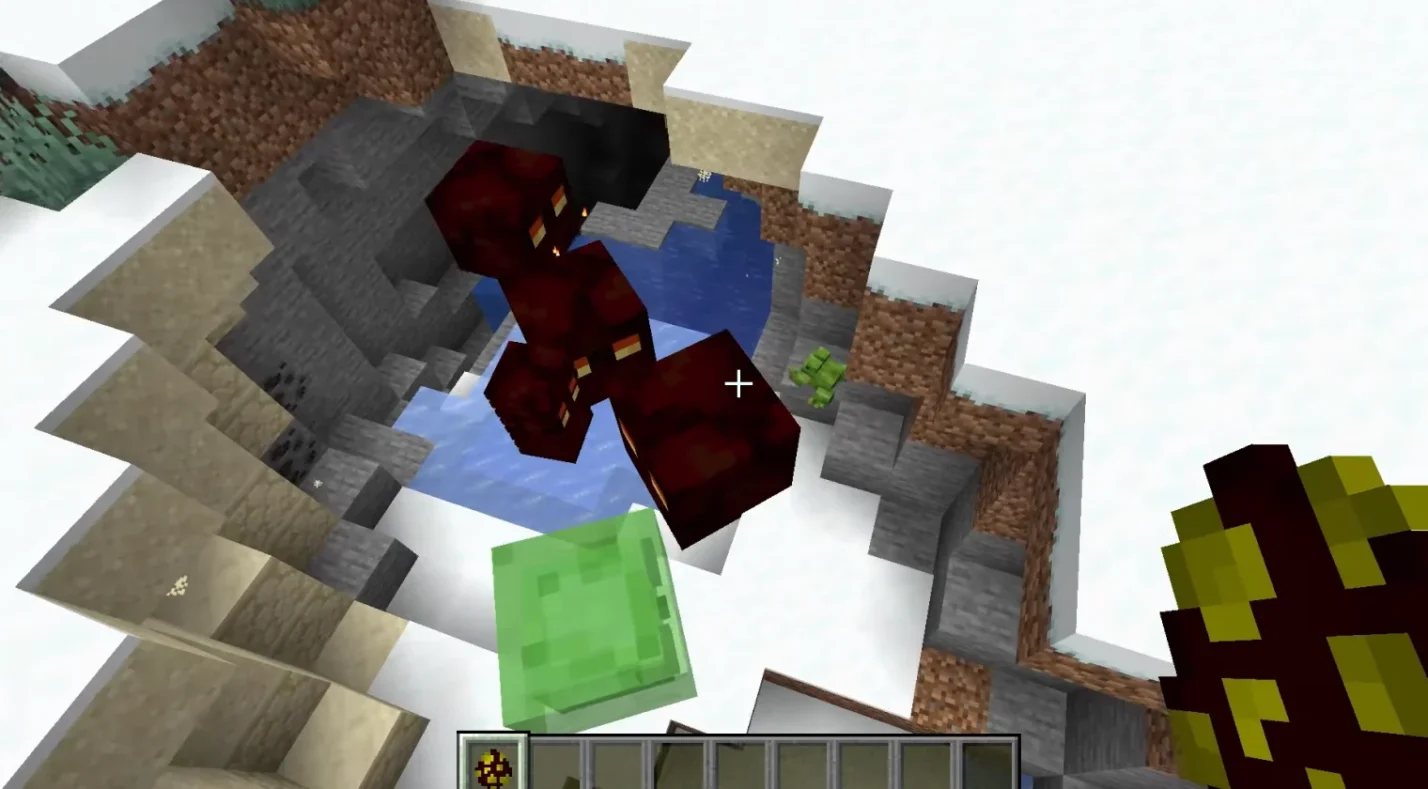
The most exciting frog mechanic involves magma cubes. When a frog eats a small magma cube, it drops a froglight, a decorative light source unique to the Wild Update. The froglight’s color matches the frog that created it: temperate frogs produce Ochre froglights, warm frogs drop Pearlescent froglights, and cold frogs yield Verdant froglights.
These lights emit a level 15 brightness and have patterns reminiscent of coral. Froglights do not appear in any crafting recipe, so using frogs is the only way to obtain them in survival mode.
Building a Froglight Farm
Preparing the Site
To build a froglight farm, you’ll need access to small magma cubes. The easiest way is to locate a bastion remnant with a magma cube spawner in the Nether. Prepare yourself before entering the Nether with good armor, fire resistance potions, and building blocks – our Netherite guide explains how to gear up for dangerous trips. Once you find the spawner, build a platform beneath it to trap the cubes.
You’ll also need at least one frog of each variant if you want all three froglight colors. To transport frogs, either lead them on a leash or carry tadpoles in buckets. Build an enclosure near the spawner with walls at least four blocks high so your frogs can’t jump out. Place powder snow or kill large magma cubes yourself to convert them into small ones; frogs only attack the smallest size.
Farming Process
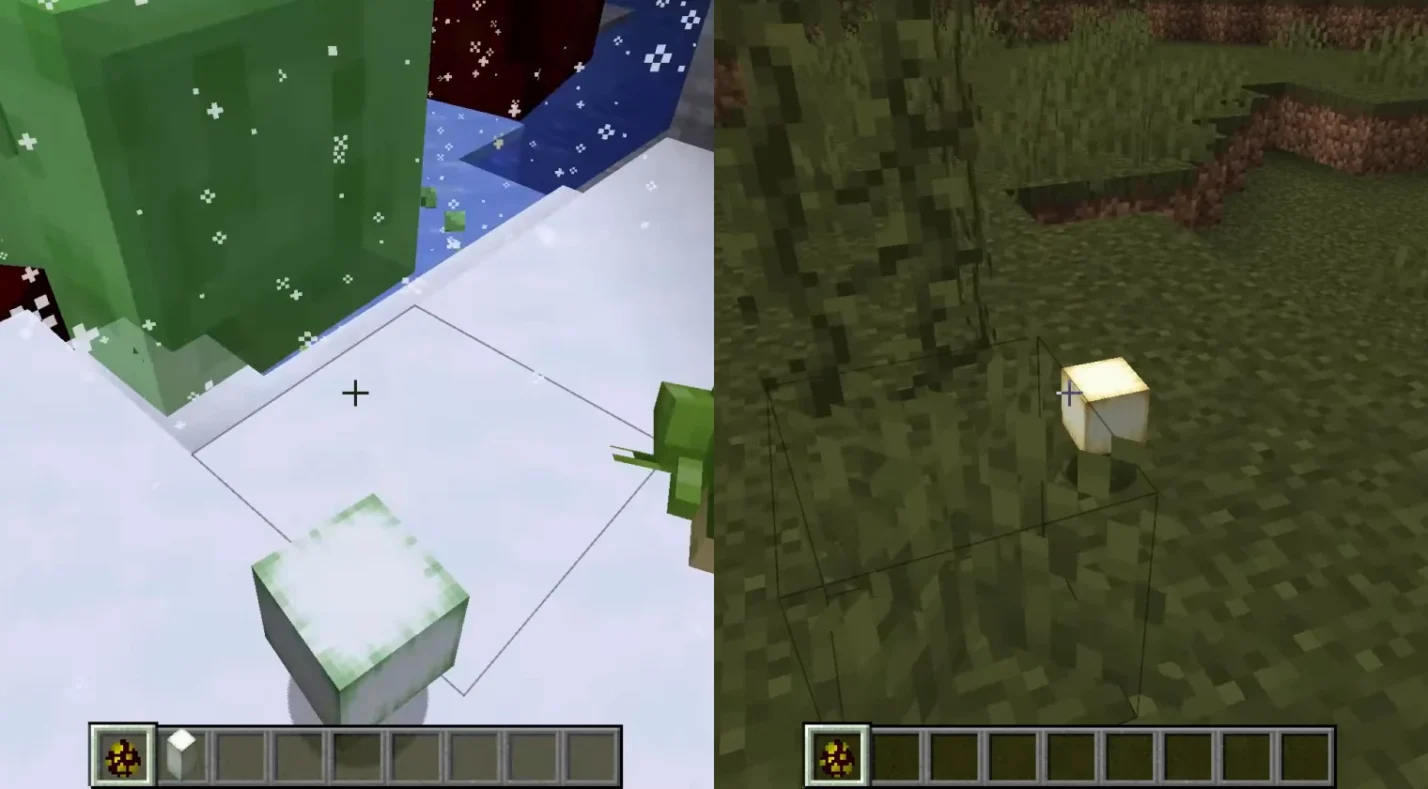
When the farm is running, magma cubes will spawn, fall onto powdered snow or a kill chamber, and shrink into small cubes. The frogs will hop over and eat them. Each time a frog consumes a small magma cube, it drops a froglight of the corresponding color. Make sure to collect the lights quickly before they despawn. You can automate the collection with hoppers and minecart systems.
The froglight farm is one of Minecraft’s few sources of a renewable decorative light. Building it deep in the Nether adds an extra challenge, but the payoff is a unique lighting option for your base.
Slime Frog Interaction and Other Uses
Slimeball Automation
If you’re interested in redstone contraptions, automate slimeball farming by combining frogs and iron golems. Build a spawning platform for slimes in a swamp biome or slime chunk. Use iron golems to kill medium and large slimes; the resulting small slimes are then eaten by frogs.
Place hoppers beneath the frogs to collect slimeballs. This setup yields a steady supply for sticky pistons and leads.
Breeding and Tadpole Farming
Breeding frogs is straightforward. Hold a slimeball, and frogs within six blocks will follow you. Feed two frogs a slimeball each to trigger love mode; hearts will appear above their heads. After breeding, one frog lays frogspawn on water.
To farm tadpoles, create a shallow pond in the desired biome. Tadpoles mature faster if you feed them slimeballs. Because tadpoles are treated as a separate mob from frogs, you can carry multiple tadpole buckets without filling your animal cap.
When raising tadpoles, consider which frog variant you need. Warm frogs grow in hot biomes like deserts and savannas, temperate frogs in swamps and forests, and cold frogs in snowy biomes. Transport tadpoles accordingly.
Frog Farming Tips
- Containment: Frogs can jump eight blocks high. Build enclosures with high walls or use boats to move them safely.
- Transport: Use leads or boats for adult frogs. A tadpole in a bucket is easier to move than a frog.
- Breeding Control: Breeding frogs too often can increase entity counts and reduce performance. Only breed what you need.
- Preventing Escapes: Frogs prefer lily pads and big dripleaves. Avoid placing these near farm boundaries, or they may escape.
Exploring the Nether: Why You Need Magma Cubes
Getting magma cubes requires venturing into the Nether, which can be dangerous. Before heading in, prepare your gear by mining netherite and upgrading your tools and armor. Netherite spawns as ancient debris between Y‑levels 8 and 22. It’s best to mine at Y15 and avoid basalt deltas. Bring a diamond or netherite pickaxe; weaker tools can’t mine ancient debris. Fire Resistance potions and gold armor help you survive lava lakes and keep piglins neutral.
While hunting for ancient debris, you might stumble on a bastion remnant. Bastions contain magma cube spawners, which are perfect for froglight farms. They also hold treasure room chests with netherite upgrade templates. Exploring the Nether is risky but rewarding; having strong gear ensures you can handle both piglins and magma cubes.
Enhancing Your Frog Adventure
Full-Screen Immersion
Watching frogs hop across your screen is more satisfying when you’re fully immersed. Toggling full-screen mode removes distractions. Press F11 on Windows PCs to enter or exit full screen, or use Fn + F11 on Mac keyboards. If the F‑keys don’t work, try Alt + Enter. These shortcuts make it easy to switch views while you’re managing your frog farm.
Our full-screen guide covers additional options for adjusting resolution and GUI scale, as well as troubleshooting tips if the game appears zoomed in or black screens on exit. Taking the time to fine‑tune your display helps you spot slimes, magma cubes, and frogspawn without squinting at a windowed screen.
Exploring Beyond Minecraft
Once you master frog farming, you might crave new adventures. Games like Valheim, Terraria, and Starbound offer fresh takes on survival, building, and exploration. Our roundup of games like Minecraft highlights titles with rich worlds, complex crafting systems, and cooperative multiplayer. These alternatives can rekindle your creativity when your current world feels complete.
When Killing Frogs Is Unavoidable
While farming and breeding are better long‑term strategies, sometimes you must remove frogs. If your world’s entity cap is maxed out or you accidentally spawned dozens of frogs, killing a few prevents lag.
The fastest way is to use a powerful sword or an axe with Sharpness. Two swings with a netherite sword are enough. You can also trap frogs in a boat and break the boat to kill them safely. Using /kill @e[type=frog] will eliminate all frogs, but be careful – it removes frogs across loaded chunks.
Remember that killing frogs should be a last resort. Consider relocating them to a new farm or releasing them into nearby water. Frogs add life to swamps and mangrove biomes, and their unique drops when alive make them far more valuable than a few experience points.
Managing Frogs in Your World
- Contain Frogs with Fences: Because frogs jump so high, use fences, walls, or glass to keep them enclosed. A roof prevents them from escaping.
- Use Leads for Control: Attach a lead to a frog to guide it to a new location. Anchoring the lead to a fence post lets you tether frogs temporarily.
- Avoid Hazard Blocks: Frogs can’t drown, but they can suffocate in solid blocks or die in powdered snow. Clear hazards from your farm.
- Balance Population: Too many frogs slow your game. Breed only enough for your slimeball and froglight needs.
Managing frogs becomes a rewarding side activity in your world. Watching tadpoles grow, collecting vibrant froglights, and hearing the croaks during a rainstorm adds charm to your survival experience.
Level Up Your Play with Eneba Deals
Knowing how to kill frogs in Minecraft helps you understand why keeping frogs alive is a smarter choice. Instead of dropping loot, dead frogs give you a handful of experience points. Alive, they provide renewable slimeballs and froglights, two valuable resources for builders and redstone engineers.
Set up a froglight farm near a magma cube spawner to harvest all three colors, or breed frogs across biomes to create a diverse population. Use our guides to prepare for the Nether and tweak your display settings for the best view. When your inventory is glowing with froglights and your slimeball chest is full, you’ll be glad you let the frogs live.
If reading this guide has inspired you to return to Minecraft or start a new world, consider picking up Minecraft: Java & Bedrock Edition through our marketplace. Buying a digital key means instant delivery and secure activation. With access to both editions, you can experiment with frog mechanics in whichever version suits you. Visit Eneba to grab your copy and begin your amphibian adventures today.
FAQs
Can you kill frogs in Minecraft?
Yes, you can kill frogs in Minecraft, but they only drop a small amount of experience and no items. It’s usually better to farm slimeballs or froglights by keeping them alive and letting them eat small slimes and magma cubes.
What happens when you kill a frog in Minecraft?
When you kill a frog in Minecraft, the frog drops 1–3 experience points and no items. Because the drop is minimal, most players avoid killing frogs unless they need to reduce the number of entities in their world.
How do you breed frogs in Minecraft?
To breed frogs in Minecraft, feed two adult frogs slimeballs until hearts appear, and one lays frogspawn on water. The eggs hatch into tadpoles after a few minutes, and the tadpoles grow into frogs based on the biome where they live.
Can you get frog eggs in Minecraft?
You can’t collect frog eggs directly; frogspawn is a non-solid block that breaks if harvested. To move frogs, scoop tadpoles into a water bucket and raise them elsewhere. This allows you to choose the frog variant by selecting the right biome.
What do frogs eat in Minecraft?
Frogs in Minecraft eat small slimes and small magma cubes, pulling them in with their tongues. Feeding frogs slimeballs makes them enter love mode for breeding, while consuming small magma cubes causes them to drop froglights.