


How Many Magic: The Gathering Cards Are There?

Eneba Hub contains affiliate links, which means we may earn a small commission if you make a purchase through them—at no extra cost to you. Learn more

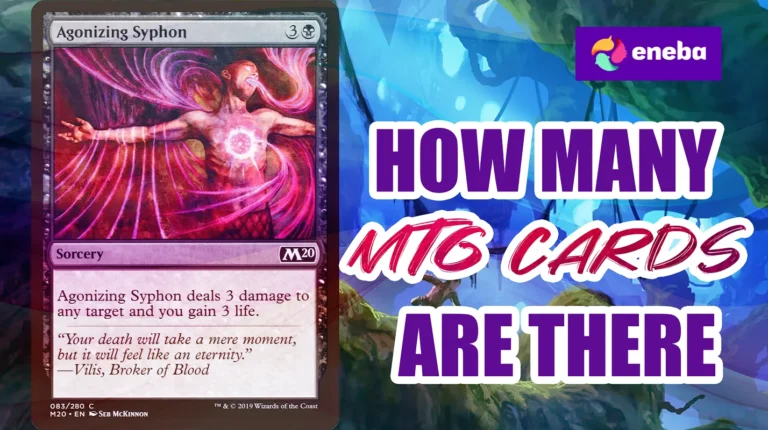
If you have ever browsed through a Magic: The Gathering database, you already know the answer is not simple. So, how many MTG cards are there? As of early 2026, there are approximately 29,000 unique card names in paper, but that number balloons to over 86,000 when counting every reprint, alternate art, and special treatment. Factor in digital platforms, non-English versions, and foils, and the total reaches well over one million individual printings.
The game launched in 1993 with just 295 cards in the Alpha set. Three decades later, Wizards of the Coast releases several hundred new cards every year across Standard sets, Commander products, and Universes Beyond collaborations. This constant growth makes tracking the exact count a moving target, but I will break down the numbers in a way that actually makes sense.
Jump to:
Unique Cards vs. Total Prints: What’s the Difference?
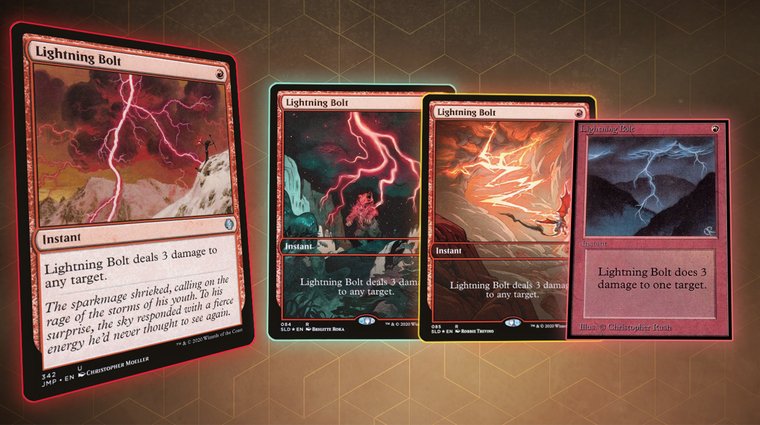
When collectors ask, “How many unique Magic cards are there?”, the term “unique” usually means distinct card names. A card like Lightning Bolt counts as one unique card, even though it has been reprinted dozens of times across different sets with various artwork.
According to Scryfall, a popular MTG database, there are roughly 29,170 unique card names in paper. This count includes everything from the original Alpha set through the latest Standard releases, Commander–exclusive cards, and supplemental products like Modern Horizons. Digital-only cards from MTG Arena and Magic Online add another 6,900 or so mechanically unique cards that have no paper equivalent.
The difference between unique cards and total prints deserves attention. That 29,000 number jumps to over 86,000 when you count every different printing, including alternate art versions, extended art treatments, and showcase frames. Factor in foils, and you reach around 115,000 distinct paper items. Add non-English printings across the ten languages Wizards supports, and you are looking at hundreds of thousands of individual card versions.
These numbers shift every time a new set drops. Each Standard expansion typically brings 200 to 300 new cards, and supplemental products pile on even more throughout the year.
Breakdown of Card Types and Rarities
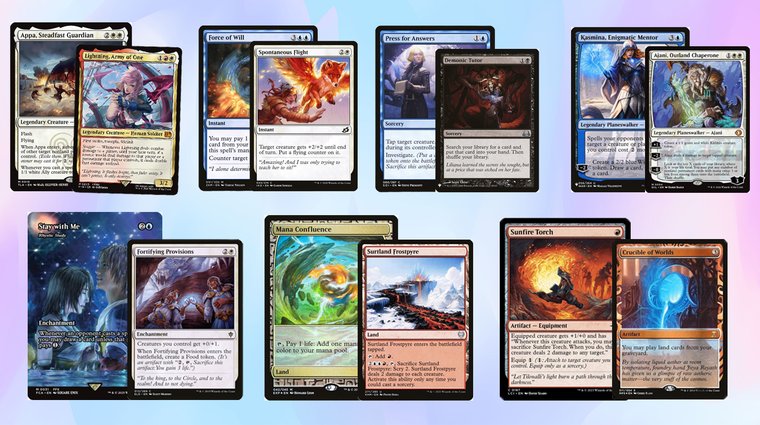
Understanding MTG‘s card pool means knowing how those thousands of cards break down by type. The game features seven main card types that form the backbone of every deck.
- Creatures represent monsters, heroes, and beings you summon to the battlefield. They attack opponents and block incoming threats. Creatures make up the largest portion of most sets and range from humble 1/1 tokens to devastating titans that can end games on their own.
- Instants are spells you can cast at almost any time, even during your opponent’s turn. They enable surprise plays, counter enemy spells, and provide combat tricks that keep opponents guessing. The flexibility of instant-speed interaction defines competitive play.
- Sorceries function similarly to instants but can only be cast during your main phase when the stack is empty. They often bring more powerful effects to compensate for their timing restrictions. Board wipes and game-ending finishers frequently appear as sorceries.
- Lands generate the mana needed to cast everything else. The five basic land types produce white, blue, black, red, and green mana, while hundreds of nonbasic lands offer special abilities or multiple colors.
- Artifacts are colorless permanents representing magical items, machines, and relics. Many artifacts serve as mana accelerators or provide powerful abilities that any color deck can access.
- Enchantments create ongoing magical effects that persist on the battlefield. Some attach to creatures as Auras, while others affect the entire game state.
- Planeswalkers represent powerful characters you can summon as allies. If you are curious about the strongest options, the best MTG cards are covered in a separate guide. These cards use loyalty counters and activated abilities that can swing games dramatically.
Each card also carries a rarity that affects how often it appears in booster packs. Common cards feature black set symbols and show up frequently. Uncommons have silver symbols and offer more complexity. Rares sport gold symbols, and typically give stronger effects. Mythic rares, introduced in 2008, carry orange symbols and appear in roughly one out of every eight packs. The rarity system helps balance Limited formats while creating chase cards for collectors.
Changes in Card Count Over Time
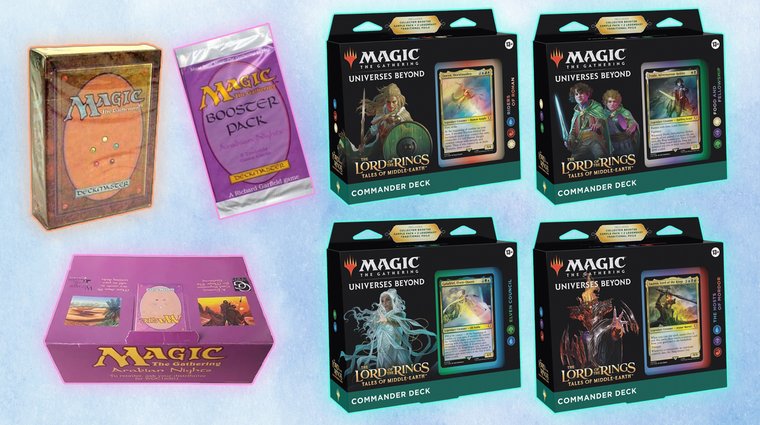
Magic: The Gathering started small. Alpha was released in August 1993 with just 295 cards, and players thought that was plenty. The first expansion, Arabian Nights, followed a few months later with 78 more cards. For the next several years, Wizards maintained a steady pace of roughly 600 to 800 new cards annually.
The turn of the millennium saw players managing around 3,000 unique cards total. You could realistically know every card in the game and anticipate what opponents might play. Competitive players memorized complete card pools, and deckbuilding felt manageable even without digital tools.
The card count exploded in the 2010s and 2020s. Commander‘s rise as the most popular format drove demand for new legends and niche effects. Wizards responded by releasing multiple Commander decks alongside every Standard set, each containing exclusive cards. Our best MTG Commander decks guide highlights some of the strongest options from these releases.
Universes Beyond accelerated growth even further. Crossovers with The Lord of the Rings, Warhammer 40,000, Final Fantasy, and Assassin’s Creed brought hundreds of unique cards to the game while attracting fans from other franchises. Secret Lair drops added limited-edition variants throughout the year.
In 2024 alone, Wizards released over 11,000 unique prints in paper when counting all variants and treatments. Some analysts estimate the game crossed one million total card versions with the release of Outlaws of Thunder Junction. The days of knowing every card are long gone, but the variety means there is always something new to discover.
Collectors often focus on specific archetypes or colors, specifically the top-tier red cards MTG lists frequently highlight for their competitive power and historical value.
Research Your MTG Cards Before Buying
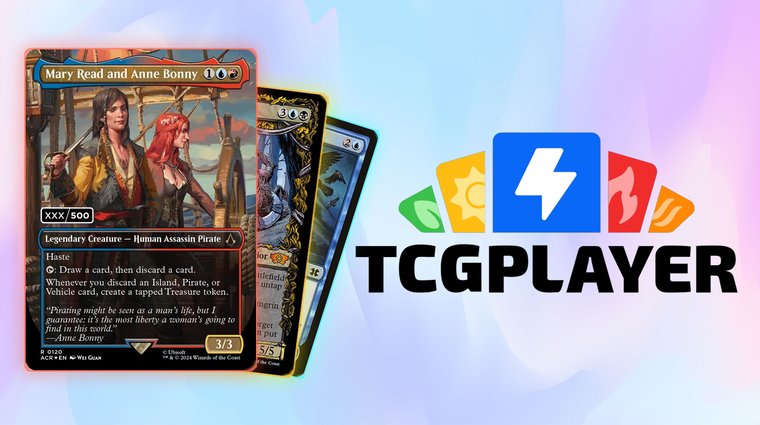
With so many MTG cards on the market, doing your homework before purchasing makes a real difference. Not every card holds its value, and format legality matters more than rarity for most players.
- Start by checking which formats a card is legal in. A powerful Commander staple might be banned in Modern or unavailable in Standard. Scryfall and other databases list legality for every card, so you can verify before buying. This step saves frustration when you realize that the incredible Rare you just bought cannot actually go in your deck.
- Price history tools show whether a card is at a peak or a low point, helping you time your purchases. Cards often spike right after a set releases when supply is low, then drop as more packs get opened. Waiting a few weeks can save significant money on Standard staples.
- Consider reprints versus original printings as well. A card from Alpha commands premium prices due to scarcity. The same card from a recent reprint set often costs a fraction of that price while playing identically. Unless you specifically collect vintage cards, reprints offer better value.
If you are looking for physical cards, TCGplayer provides a marketplace where you can compare prices across multiple sellers. Checking condition grades and seller ratings helps ensure you get what you pay for.
Collecting the Best of MTG’s Massive Card Pool
Tracking how many different Magic cards there are has become a job in itself. The game continues growing with every release, and Wizards shows no signs of slowing down. No matter if you focus on a single format or try to keep up with everything, knowing the scale of the card pool helps you make smarter decisions.
For players who are just entering the multiverse, this depth is actually a strength rather than a barrier. You can build competitive decks in most formats without owning every card ever printed. Focus on the ones that fit your playstyle and budget, and expand from there.
The variety also means niche strategies always exist for creative brewers. With nearly 30,000 unique cards, obscure interactions, and forgotten gems wait to be rediscovered. I have built decks around cards most players have never heard of, and that kind of exploration keeps the game fresh.
If you are new to the game and want to learn the fundamentals, check out our guide on how to play Magic: The Gathering.
For players ready to explore the full range of sets available, our MTG sets in order guide walks through every release from Alpha to the latest expansion.
FAQs
The total number of MTG cards depends on how you count them. There are approximately 29,000 unique card names in paper, but including all reprints, foils, alternate art treatments, and non-English versions pushes the number past one million individual printings worldwide.
No, the unique card count does not include reprints. When sources cite roughly 29,000 cards, they mean distinct card names where each reprint of a card like Lightning Bolt counts only once. Including all reprints and variants raises the total to over 86,000 unique prints.
The MTG card count increases multiple times per year with each new release. Each Standard set adds 200 to 300 new cards, and Wizards releases additional Commander decks, Universes Beyond products, and Secret Lairs throughout the year, totaling several thousand new cards annually.
You can check MTG card values on sites like Scryfall, TCGplayer, and CardKingdom before making purchases. These platforms show current market prices, historical price trends, and availability across multiple sellers, helping you make informed decisions based on actual market data.
The rarest MTG cards are mythic rares, which appear in roughly one out of every eight booster packs. Special variants like serialized cards, old Reserved List prints, and limited promotional cards can be even rarer due to extremely low print runs.