

Silent Hill f Review: Nightmare in 1960s Japan



In this Silent Hill f review, you step into a shadowed, unsettling vision of 1960s rural Japan, where familiar survival horror twists into a psychological nightmare that lingers long after you turn off the game.
If you’ve ever searched for who made Silent Hill, the answer varies by entry, but Silent Hill f was developed by NeoBards Entertainment and published by Konami.
This game fully embraces tension and dread, making every fog-choked street and abandoned house pulse with quiet, creeping menace. Its story grabs you from the first moment, weaving mysterious characters, dark secrets, and haunting visuals into a narrative that burrows under your skin.
Yet, not everything lands perfectly. Combat can feel clunky and divisive, often clashing with the otherwise tight pacing and immersive world. Still, the ambition and daring shift from classic Western horror settings in Silent Hill f is worth experiencing for fans craving a new flavor of fear.

Jump to:
TL;DR – Silent Hill f Review Overview
| Core gameplay identity | Psychological survival horror focused on exploration, environmental puzzles, melee-only combat, and narrative-driven tension set in 1960s rural Japan. |
| Biggest upgrades | Bold Japanese setting, deeply layered story by Ryukishi07, striking creature design, symbolic horror themes, and Akira Yamaoka’s atmospheric score. |
| Main criticisms | Clunky and divisive melee combat, uneven pacing, occasional performance stutters, and inconsistent puzzle difficulty. |
| Clear verdict | A haunting, story-rich Silent Hill entry that excels in mood and narrative but stumbles mechanically. Worth playing for horror fans who value atmosphere over polished combat. |
Silent Hill f: Surviving Fog and Fear
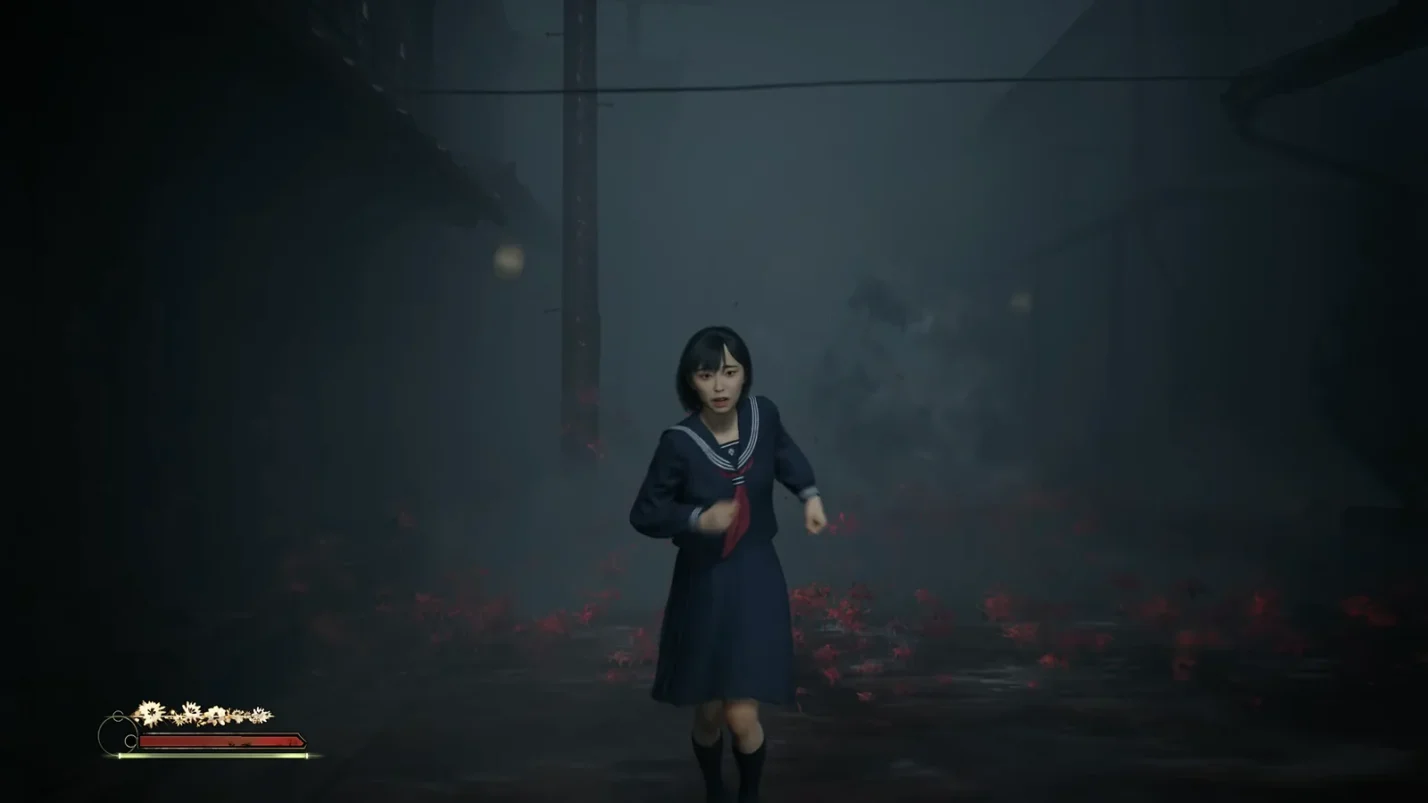
In my Silent Hill f game review, the real highlight is the atmosphere and story, even if combat occasionally tests your patience. The core loop is classic but tense – you’ll explore fog-drenched streets, solve layered environmental puzzles, survive brutal combat encounters, and unravel a story that grows darker the deeper you go.
If you’re wondering how long Silent Hill f is, a first playthrough typically runs up to 15 hours, depending on your puzzle-solving pace and exploration habits. Completionists chasing multiple endings can expect closer to 20 hours.
Available on PC, PS5, and Xbox Series X/S, it’s not built for casual jump-scare seekers. It’s for players who enjoy slow-burn dread and psychological tension.
Silent Hill f offers a haunting survival horror experience that stumbles mechanically but excels where it matters most – in mood, story, and emotional weight.
A Bold New Direction for Silent Hill
To be honest, this game is maddeningly brilliant. The story grips you with psychological tension, yet the combat can feel like a stubborn wall blocking immersion. That contradiction followed me through the town of Ebisugaoka, especially while watching Hinako Shimizu’s story slowly unravel, notebook in hand, as if the town itself was quietly judging her.
Every encounter and detail, from cryptic notes to unsettling mannequins and sudden shifts in reality, keeps you guessing. Exploration stays tense and unpredictable, with danger never far off.
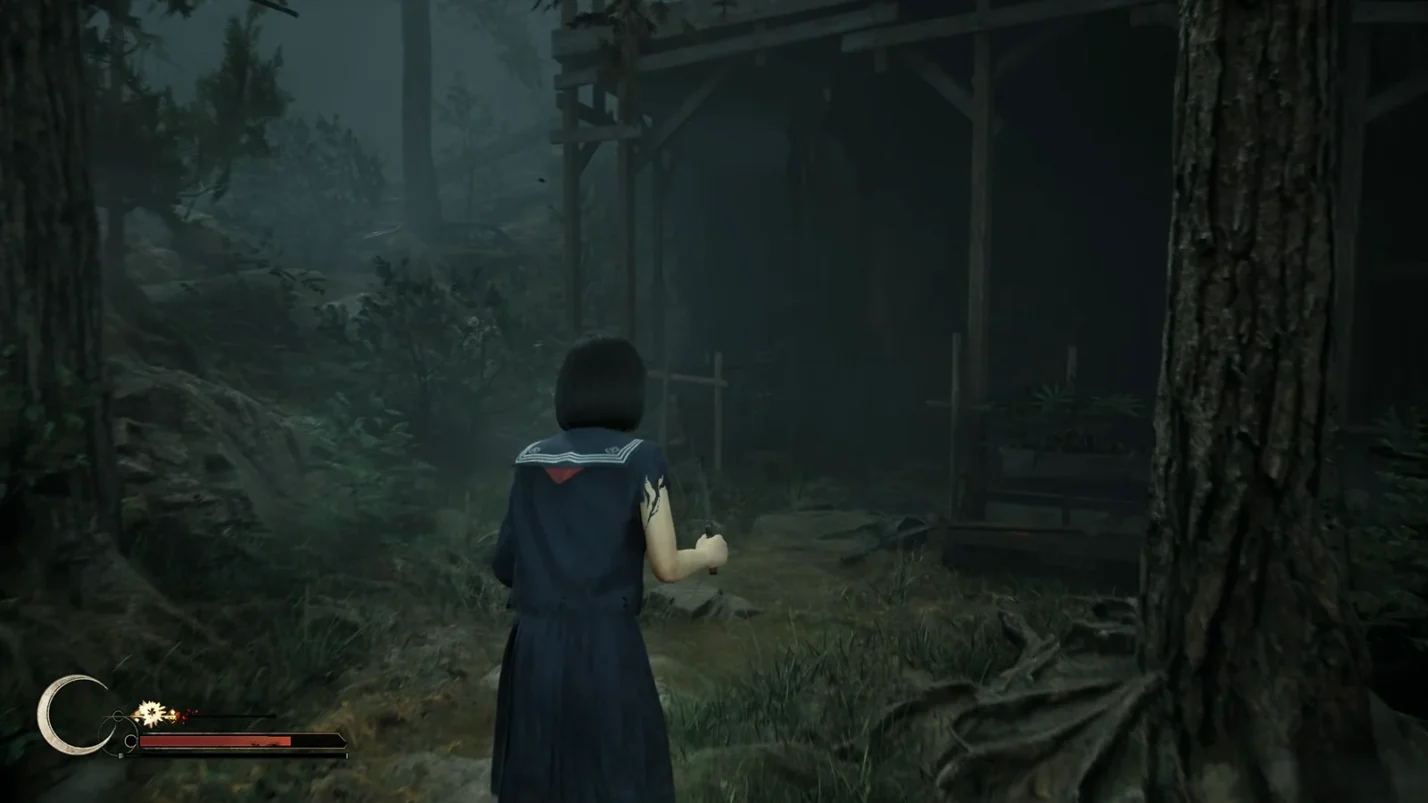
Ryukishi07, the mind behind When They Cry, delivers a narrative that’s haunting and deeply twisted. The fear isn’t just monsters. It’s social pressure, shame, and isolation curdling into something monstrous. That layer hit harder than any jump scare. And Akira Yamaoka’s score perfectly sets the tone, weaving tension through every moment.
Something I want to highlight in my Silent Hill f review is that this game isn’t built to please everyone. The highs are breathtaking, with moments of revelation that stuck with me for days. The lows can break the spell. If you’re willing to embrace that tension, Silent Hill f stands among the most memorable Silent Hill games you can play, not because it’s flawless, but because it dares to unsettle.
Living the Uneasy Silence
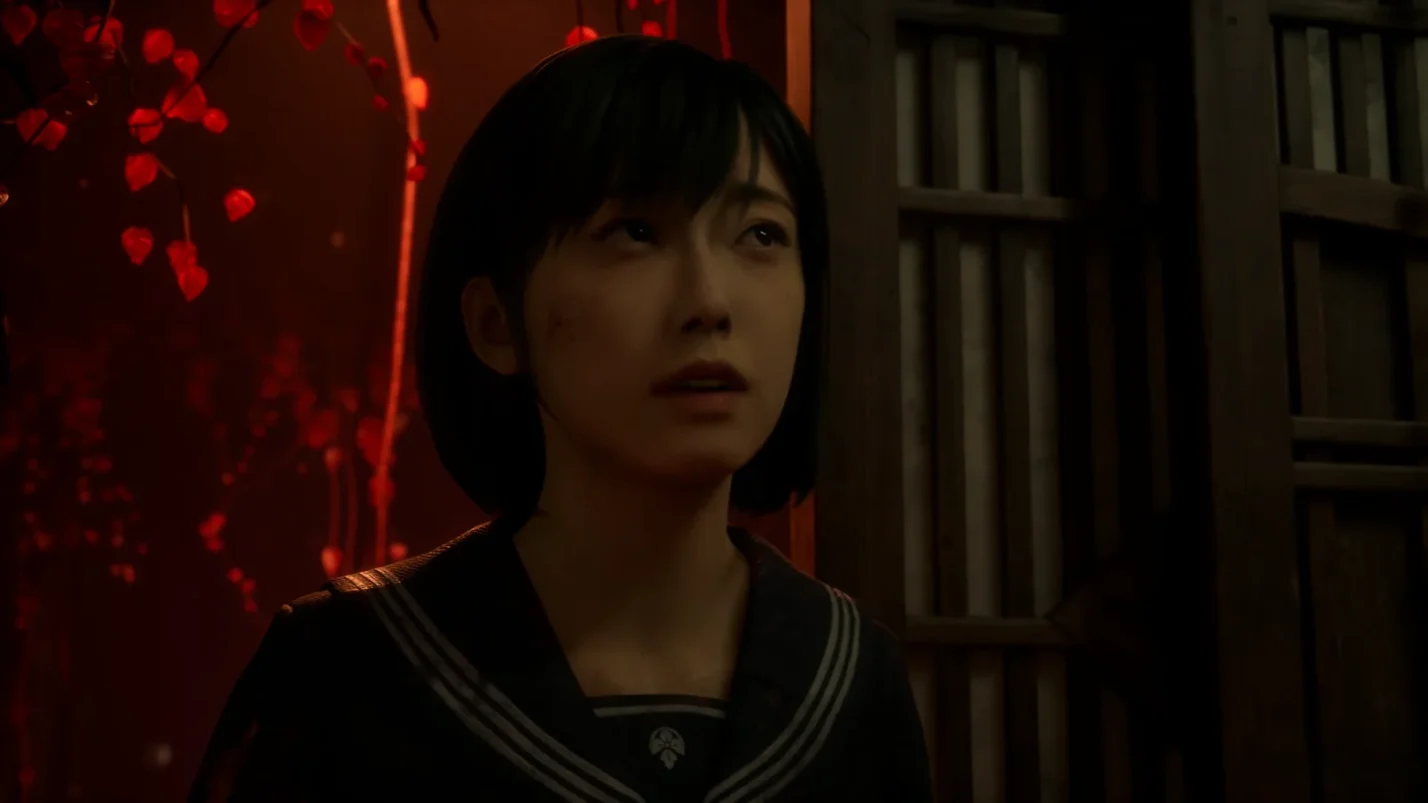
From the moment I picked up Hinako’s journal, I felt like I was seeing the world through her eyes – fragile, observant, and increasingly haunted.
The journal serves as a window into her thoughts, fears, and the creeping paranoia that colors every step through Ebisugaoka. Walking its fog-drenched streets, past decaying shrines and endless rice fields, I could feel the town’s isolation pressing down, a rural Japan that’s beautiful and terrifying at once. You can read more about the team’s vision in Silent Hill f creators.
The game doesn’t shy away from dark themes. Misogyny, trauma, and the restless confusion of adolescence are baked into Hinako’s journey, giving the horror a deeply personal, almost suffocating weight.
Symbols litter the environment, like strange dolls, bloodied notes, and twisted reflections, and make every discovery feel like a puzzle and a warning.
Visuals, Sound & Chills That Stay With You
Silent Hill f is impossible to forget. The fog feels alive, curling around streets and alleys, swallowing sound, and turning every familiar corner into something I didn’t dare fully trust.
I found myself caught between awe and unease in the town’s narrow lanes, weathered wood-and-stone buildings, torii gates, and creeping red flora – beautiful, yes, but decayed in a way that made me question what horrors might be hiding just out of sight.
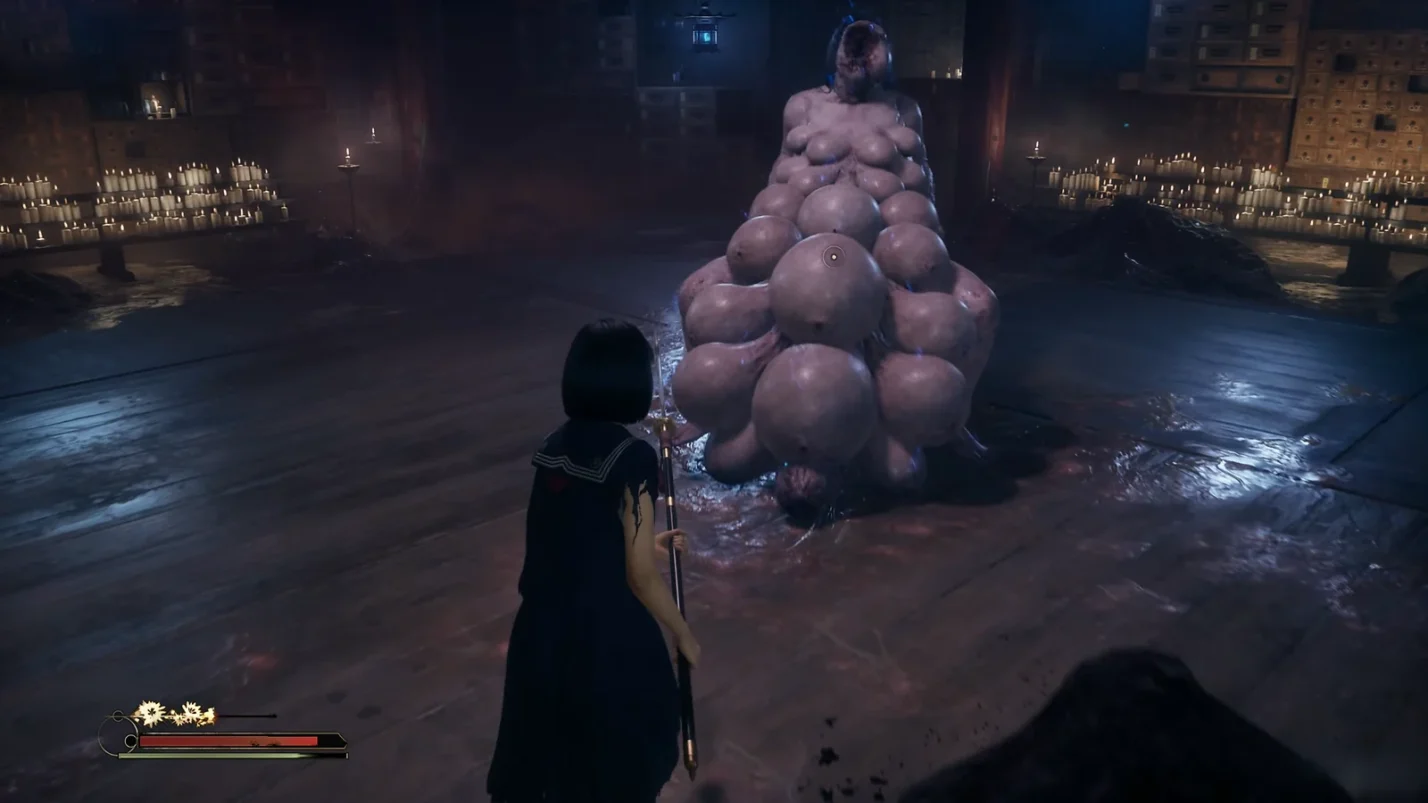
The monsters feel unmistakably Silent Hill. The series has long treated creatures as psychological extensions, and that philosophy is intact here. Warped silhouettes and rigid, deliberate movements suggest repression made physical. The horror is restrained, symbolic, and deeply intentional – unsettling because it means something.
Akira Yamaoka’s soundtrack is a masterclass in unease. Ambient drones, hints of traditional Japanese instruments, and industrial whispers not only accompany the visuals but also manipulate your nerves, swelling and receding so precisely that silence itself becomes terrifying.
Together, the fog, lighting, creature design, and music take over the atmosphere. Silent Hill f proves itself as a gripping horror game that makes the world around you feel like it’s watching, breathing, and waiting.
Combat & Gameplay: A Fight You Love to Hate
I’ll be blunt: Silent Hill f’s combat is the most divisive part of the experience… and that’s not an exaggeration. Every time I mentioned the game, it was the first thing others warned me about.
This is a melee-only world. You swing, evade, and watch your resources drain as weapons degrade mid-fight. It’s designed to make every fight feel urgent and fragile, but often it feels like wading through quicksand, each blow heavy, each moment tense in the wrong way.
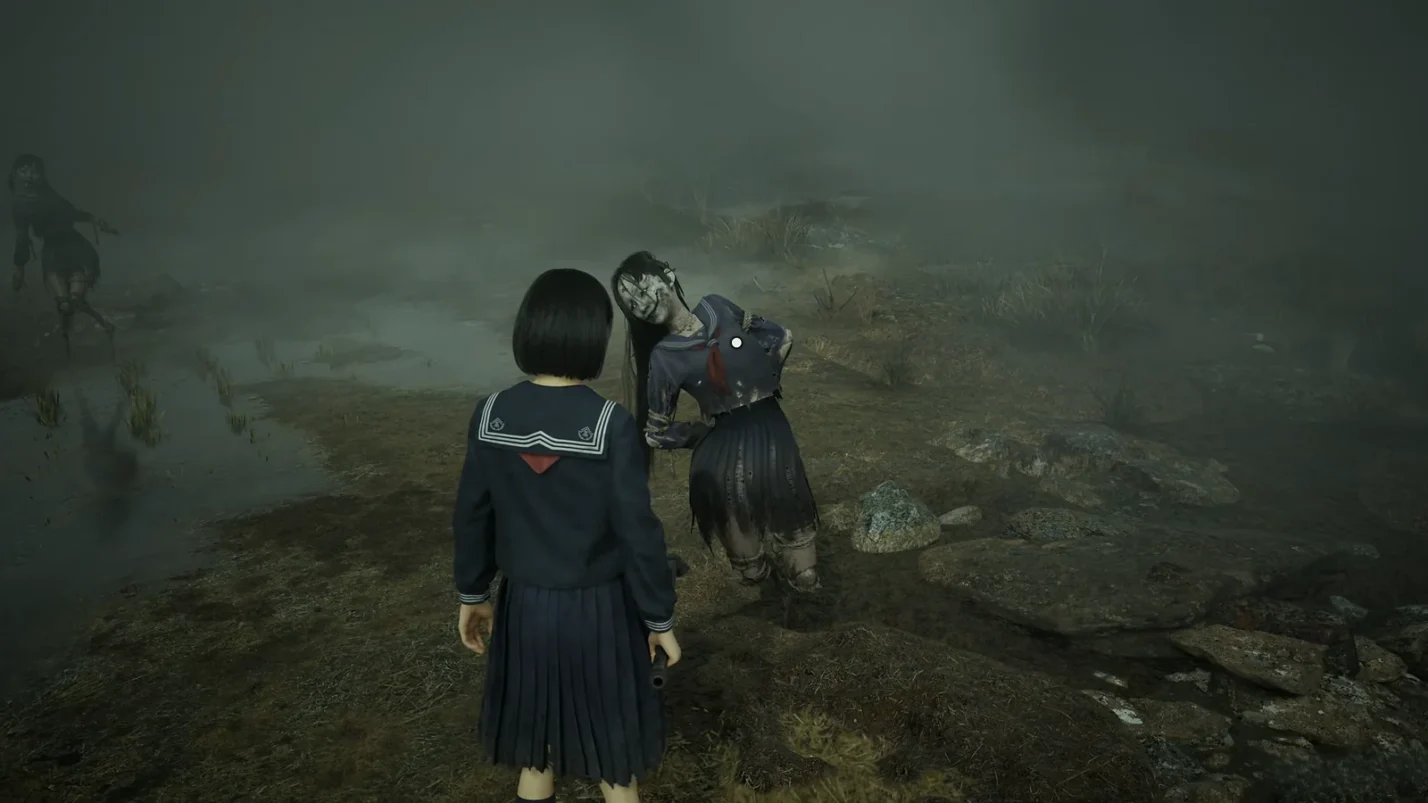
The system can leave you exposed, with awkward timings and unreliable hit feedback breaking rhythm and sometimes shattering immersion. When I looked at other Silent Hill f reviews, the reaction seemed similarly divided – the game is praised for its storytelling and atmosphere, criticized for its combat and pacing.
I even quit once out of sheer frustration. What finally worked was slowing down – treating each fight like a spacing exercise. Once I approached combat with restraint rather than panic, the system opened up, and I learned how to move with it.
The truth? Combat can thrill in bursts, but more often it disrupts pacing and tension. For players drawn to the story and atmosphere, it’s a gamble – the very mechanics meant to heighten fear might just make you walk away.
Exploring Ebisugaoka: Curiosity Before Clarity
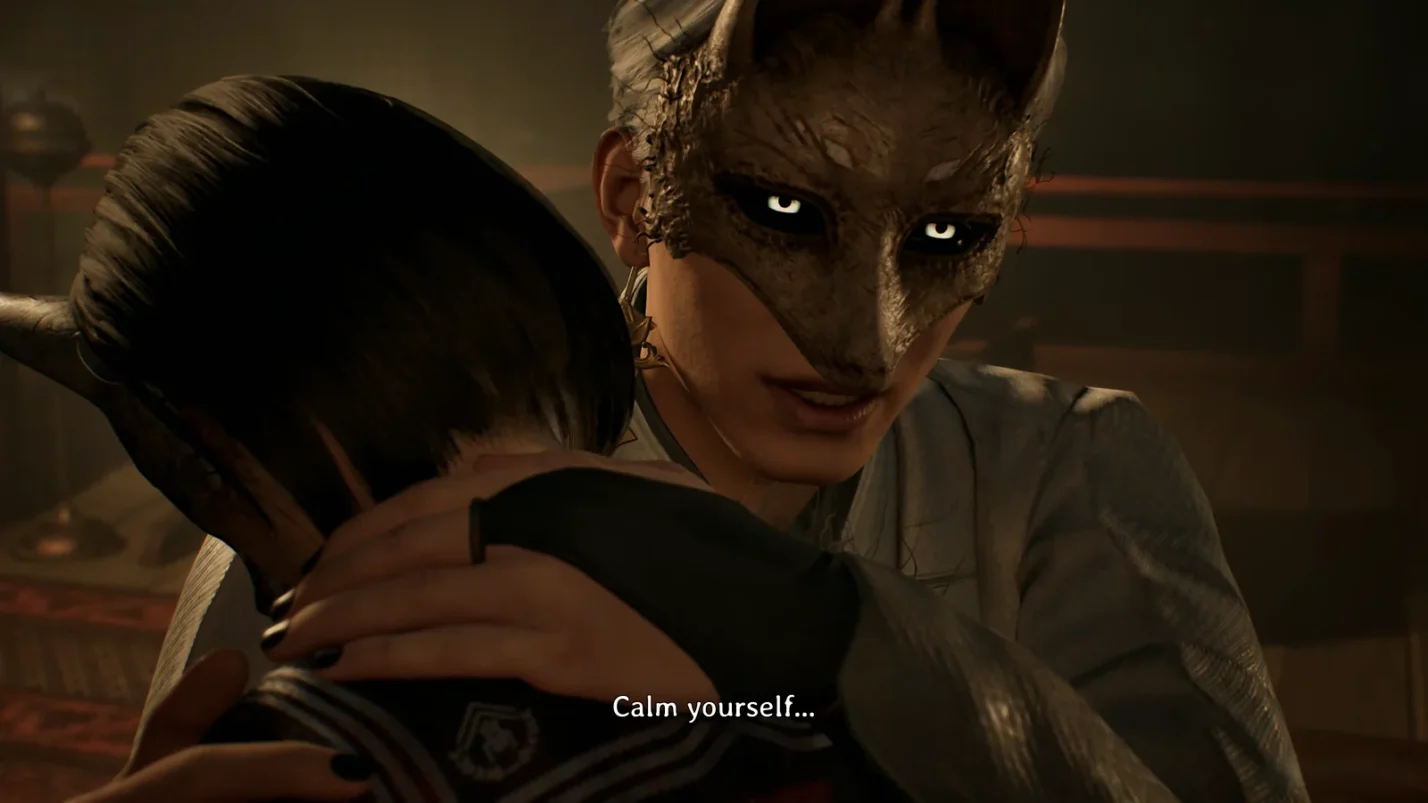
Exploring Silent Hill f felt like walking through a half-remembered dream. Streets loop back on themselves, paths narrow without warning, and just when I thought I understood the layout, the town subtly redirected me. It isn’t sprawling or truly open, yet I kept checking side rooms and lingering in empty buildings because it felt like the world was hiding something just out of reach.
The puzzles swing between deceptively simple and quietly cruel. One moment I was matching symbols without breaking a sweat; the next, I was staring at environmental clues, convinced I’d missed something obvious.
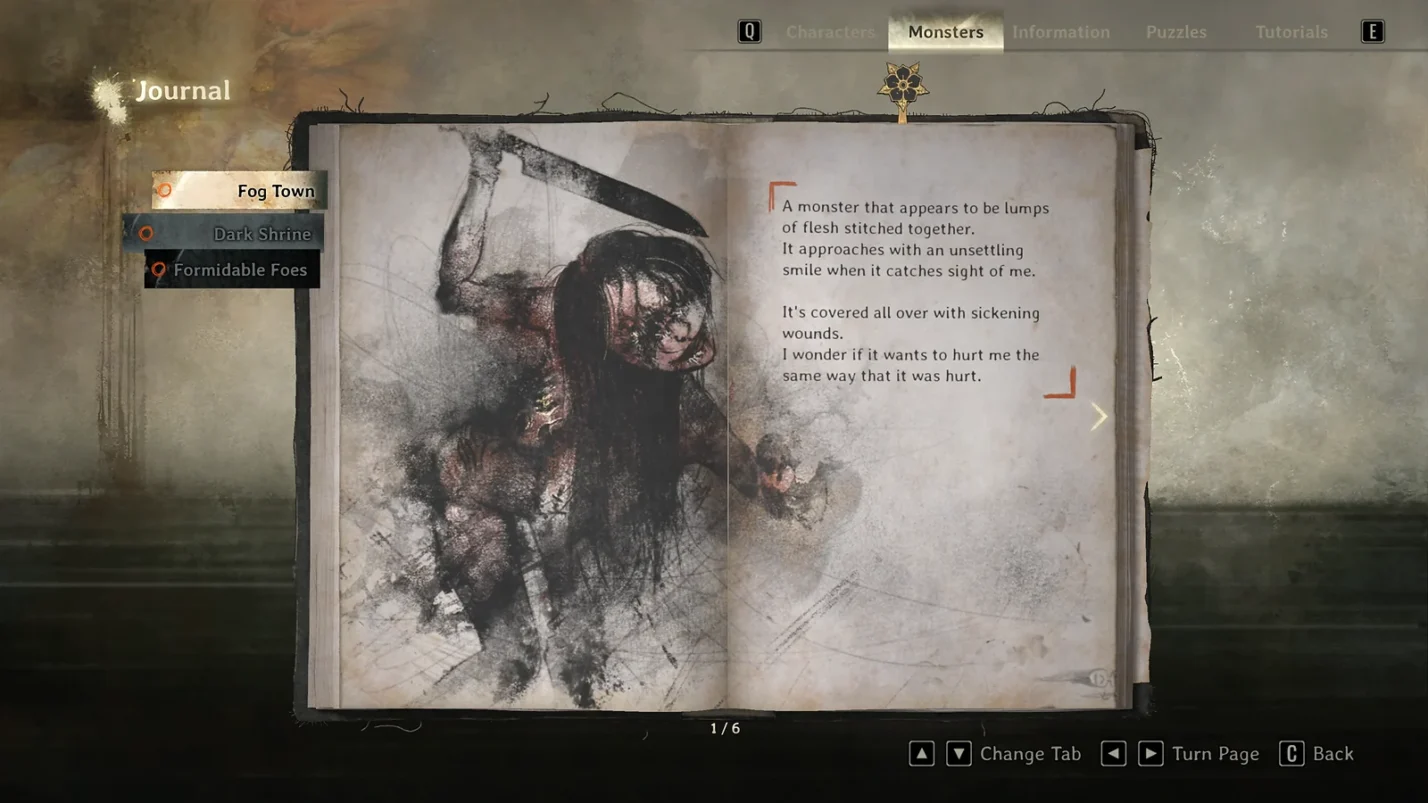
I found myself flipping back through Hinako’s journal, rereading entries like they held secrets between the lines, making Silent Hill f feel like a masterful puzzle game that toys with your mind at every turn.
That journal isn’t filler, it was my anchor. It gathers fragments of story and turns confusion into meaning. And with multiple endings waiting at the edges of the narrative, I could feel the game daring me to return, to look closer and understand what I might have overlooked.
The Ryukishi07 Factor: Why the Story Feels Different
To me, the first thing that made this game stand out was seeing Ryukishi07’s name, the creator behind Higurashi: When They Cry and Umineko.
Those works are famous for dragging you deep into mystery, ambiguity, and psychological unraveling, and that same flavor bleeds into this Silent Hill, a game that deserves a spot on the list if you’re exploring Silent Hill games in order.
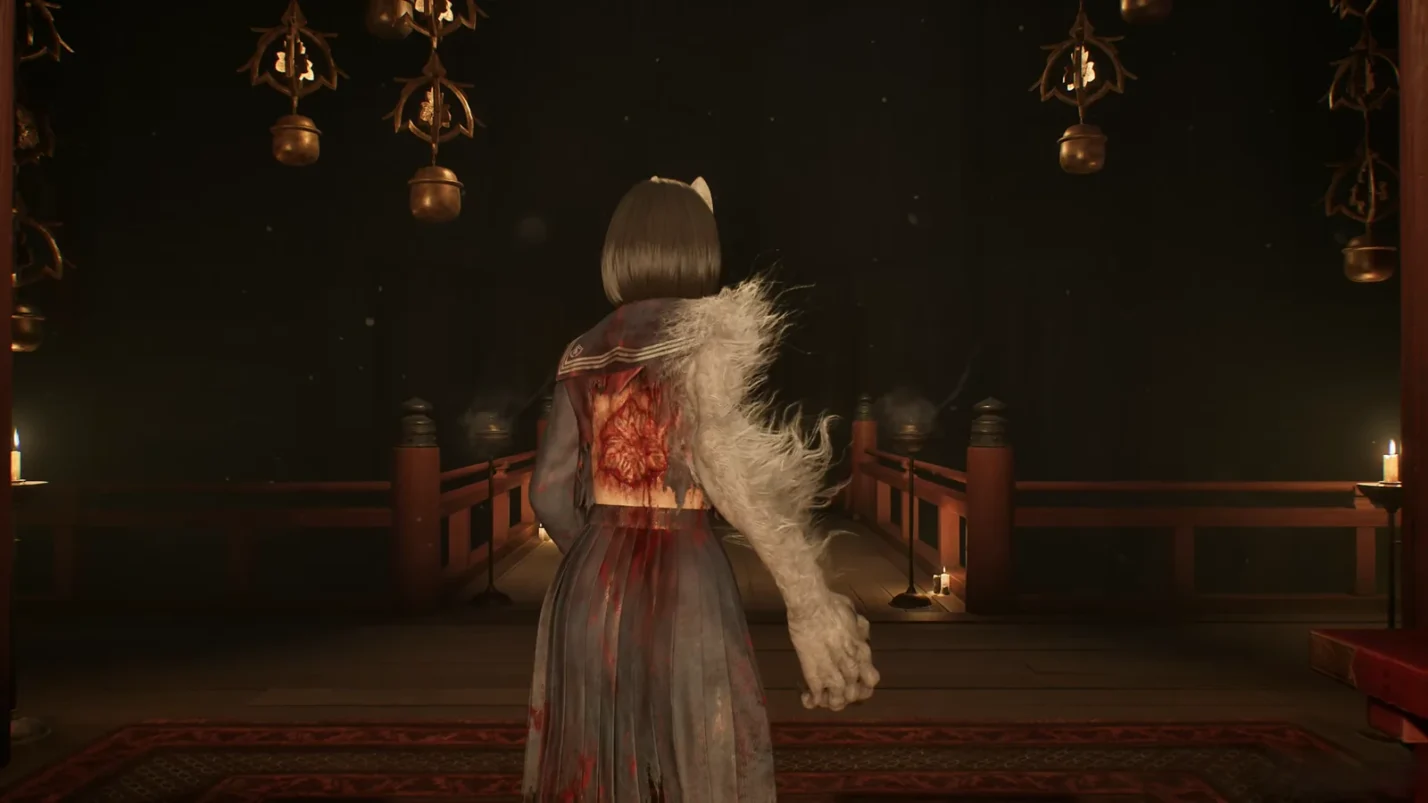
What struck me most is how layered the narrative feels. At first, the supernatural and psychological bits blur together – like shaking a bottle of oil and vinegar. But as you push forward, those layers start to separate and reveal hidden meaning.
That salad-dressing metaphor Ryukishi07 used actually stuck with me – the story feels like something you slowly decode rather than something just handed to you.
Playing through, I constantly found myself flipping back to earlier clues, wondering which voices I could trust and what secrets were lurking just out of sight. There’s a subtle art to how the game eases urgency, then pulls you into introspection and that’s classic Ryukishi07 territory. It’s psychological depth over cheap shocks.
Beautifully Unsettling, Frustratingly Flawed – And Still Worth It
I think I’ve made it pretty clear in my Silent Hill f review that this title is a contradiction I couldn’t shake. It frustrated me, slowed me down, even made me quit once… and yet I kept thinking about it. That says everything.
The story burrowed into my thoughts long after I put the controller down. Its rural 1960s setting, symbolic horror, and Ryukishi07’s layered writing give it a narrative weight the series hasn’t felt in years.
On PC, performance was mostly stable for me, though occasional stutters during combat didn’t help an already divisive system. The console feels slightly more consistent, but neither version completely smooths over mechanical rough edges.
Even if you think psychological horror is an overused space, this one feels authored – deliberate, intimate, almost literary. That alone makes it a gripping survival horror game worth experiencing.
| Pros | Cons |
|---|---|
| ✅Haunting, layered story ✅Striking art direction ✅Akira Yamaoka’s score | ❌Clunky melee combat ❌Uneven pacing ❌Puzzle inconsistency |
Great for: Players who value atmosphere and narrative over action.
Less ideal for: Anyone who needs tight, responsive combat to stay engaged.