

19 Best Games Like Spiritfarer to Soothe Your Soul in 2026



Games like Spiritfarer are rare because they blend gentle management and compassionate stories without turning play into chores. I chased that exact feeling while building this list – the calm loop of caring for others, wandering someplace beautiful, and letting small rituals become meaningful. For people who love sharing hugs, brewing tea, tending gardens, and saying hard goodbyes, you’ll feel at home here.
I also asked a couple of friends what stuck with them; both answered the same thing in different words – the kindness. That’s the throughline you’ll see, a cozy management game list with lots of hidden gems.
Jump to:
Our Top Picks for Games Like Spiritfarer
When someone asks me where to go next, these games focus on everything Spiritfarer. They echo Spiritfarer’s warmth in different ways while staying distinctive.
-
Buy nowMutazioneAn intimate island tale where gardening and conversation help a quirky community heal. I loved how small, daily rituals become meaningful acts of care, from planting musical gardens to checking in on neighbors. The writing is tender without being sugary, and the art feels hand-drawn and human. For those who miss Spiritfarer’s found-family heartbeat and the quiet satisfaction of helping, this is the clearest next step.
-
Buy nowA Short HikeA tiny open world that feels pressure-free and playful. You climb, glide, chat, fish, and bump into small delights that reward simple curiosity. There are no fail states, which keeps the mood light while discovery stays dense. It scratches the same wander-and-smile itch as hopping off Stella’s boat to explore a new shore, then gliding back at your own pace just because it feels good.
-
Buy nowWandersongA musical quest where singing solves problems and kindness carries the day. The bard’s optimism never feels forced because the game keeps finding new, clever uses for song, from opening paths to soothing people. Humor softens heavy themes, and empathy becomes a mechanic you actively practice.
Those are the headliners. Ready to dive deeper into the soft glow? The full list sails below.
19 Best Games Like Spiritfarer – Tender Stories, Gentle Play
Let’s check them out, because not every game has a world brimming with emotional storytelling and a cozy grove like these do. How many have you played – and which do you think will become your best games like Spiritfarer?
1. Mutazione [Small Town, Big Heart]
| Our score | 10
☆
★
☆
★
☆
★
☆
★
☆
★
☆
★
☆
★
☆
★
☆
★
☆
★
|
|---|---|
| Platforms | PC, macOS, Linux, PS4, Xbox One, Switch, iOS |
| Year of release | 2019 |
| Creator/s | Developer: Die Gute Fabrik • Publisher: Akupara Games |
| Unique features | Musical gardens that grow with the story, community-focused healing, tender conversations |
| Metacritic score | 80 (PC), 76 (PS4) |
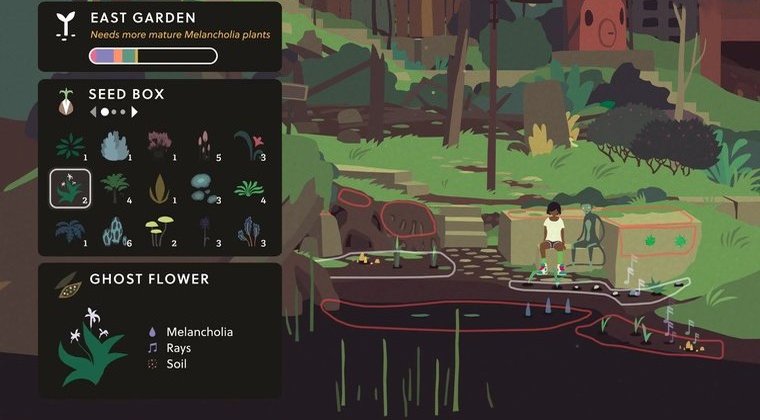
You arrive as Kai to help your grandfather and end up caring for a whole island. I loved how small, daily rituals matter here – watering a bed of plants, sitting to chat, checking on someone’s mood after a long night. The gardens sing, and the town slowly does, too.
Conversations feel organic, with little routines that stack into trust. I liked checking bulletin boards, watering seedlings, then visiting neighbors to hear gossip change after big moments. Musical gardens act like mood therapy, guiding scenes without a heavy hand. It is a quiet design with surprising emotional lift and staying power.
The story is tender without being saccharine, and the art has a hand‑drawn warmth that makes every corner feel lived in. The way Spiritfarer made helping feel like a game system and a hug at once, Mutazione hits that same frequency and earns its place among the best indie games worth experiencing.
Visit gardens at different times of day – some plant mixes hum louder after certain scenes, nudging you back to key characters.
Final Verdict: A compassionate slow burn where attention is power. Want found‑family healing with light interaction? This is your first stop.
2. A Short Hike [Tiny Journey, Big Smile]

| Our score | 9.8
☆
★
☆
★
☆
★
☆
★
☆
★
☆
★
☆
★
☆
★
☆
★
☆
★
|
|---|---|
| Platforms | PC, macOS, Linux, PS4, Xbox One, Switch |
| Year of release | 2019 |
| Creator/s | Developer/Publisher: adamgryu |
| Unique features | Pressure-free exploration, climbing and gliding with collectible feathers, tiny but dense open world |
| Metacritic score | 82 (PC), 88 (Switch), 83 (PS4) |
A Short Hike is equal parts park stroll, mountain trek, and bite-sized checklist of fun little distractions. I wandered off‑trail to fish, learned a goofy beach game, then soared from a cliff just to see what I could see.
The lack of fail states keeps the mood light while discovery stays dense. If the pure act of roaming new islands in Spiritfarer made you grin, this captures that feeling in a tighter, sunnier package.
Gliding feels playful, but climbing routes also reward planning. I chased side goals, traded trinkets, fished a bit, then followed a bird to a shortcut I had missed.
Climbing remains thoughtful while gliding stays joyful. It feels like a friendly park that keeps rewarding curiosity hour after hour. Every encounter I had added that extra warmth or a tiny laugh. I finished the hike and still wanted to stroll around greeting friends and skies.
Grab easy Golden Feathers by helping other hikers; that stamina snowballs into new routes and little secrets.
Final Verdict: Pocket‑sized exploration with constant delight. Perfect when you want cozy movement and charming chats, not stress.
3. Wandersong [Sing the World Brighter]
| Our score | 9.5
☆
★
☆
★
☆
★
☆
★
☆
★
☆
★
☆
★
☆
★
☆
★
☆
★
|
|---|---|
| Platforms | PC, macOS, Switch, PS4, Xbox One |
| Year of release | 2018 |
| Creator/s | Developer: Greg Lobanov • Publisher: Humble Bundle |
| Unique features | Singing as a core mechanic, empathy-driven puzzles, humorous and heartfelt storytelling |
| Metacritic score | 82 (PC), 82 (Switch), 79 (PS4) |
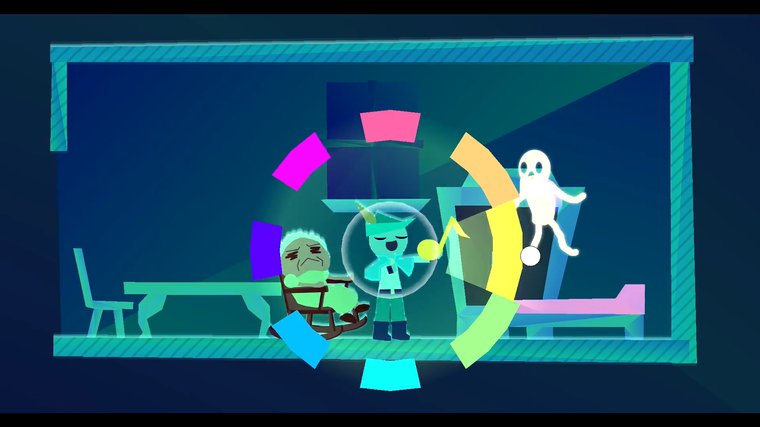
You’re a bard who insists the world can be saved with a song. That central idea never gets old because it keeps finding new, kinder uses – opening paths, connecting strangers. The writing is funny and earnest in a way that feels like a friend cheering you on.
When a scene felt tense, I experimented with pitch and tempo like a conversation guide. NPCs reacted with warmth or surprise rather than hostility. Puzzles teach by ear first and sight second, which keeps flow intact. Holding a note together with someone becomes a tiny victory that genuinely changes moods.
Singing becomes conversation, puzzle solving, and a way to comfort people who are hurting. The color wheel invites experimentation, so I messed around and found joyful solutions. The bard’s optimism is contagious, turning difficult moments into creative play that feels sincere rather than cheesy.
Listen for melodies in the environment, then match them with the stick – the “right note” often is the right answer.
Final Verdict: An unabashed tribute to optimism where kindness becomes progress. It sings to the same heart as Spiritfarer.
4. Oxenfree [Spooky, Human, Unforgettable]
| Our score | 9.2
☆
★
☆
★
☆
★
☆
★
☆
★
☆
★
☆
★
☆
★
☆
★
☆
★
|
|---|---|
| Platforms | PC, macOS, Linux, PS4, Xbox One, Switch, iOS, Android |
| Year of release | 2016 |
| Creator/s | Developer/Publisher: Night School Studio |
| Unique features | Real-time overlapping dialogue, supernatural radio tuning, multiple subtle narrative paths |
| Metacritic score | 80 (PC), 78 (Xbox One), 79 (PS4) |
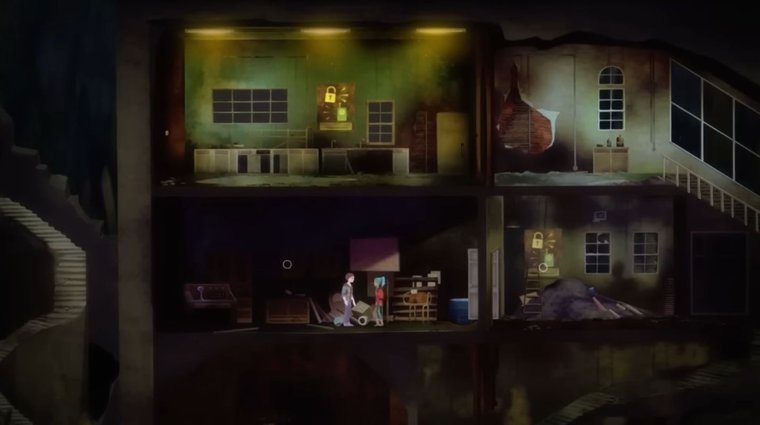
In Oxenfree, a teen trip becomes ghost story. But what makes it stick is how people actually talk – interrupting, joking, bickering, and choosing not to answer. I chased endings just to try new tones with friends.
The radio mechanic matters. Tuning frequencies cracks open strange rifts, reveals echoes, and reframes scenes you thought you understood. I enjoyed walking while choosing replies in motion.
Friends interrupt, tease, and go quiet in believable ways. Outcomes shift gently, which makes replays interesting without feeling like homework or sharp branches. I kept replaying late scenes to test different tones, not because achievements demanded it but because the relationships felt real.
Silence is an option – letting bubbles expire can shift relationships in surprising ways.
Final Verdict: A human story that happens to be haunted. Come for the mystery, stay for the messy, real conversations.
5. Graveyard Keeper [Cozy With a Macabre Wink]
| Our score | 9
☆
★
☆
★
☆
★
☆
★
☆
★
☆
★
☆
★
☆
★
☆
★
☆
★
|
|---|---|
| Platforms | PC, macOS, Linux, PS4, Xbox One, Switch, iOS, Android |
| Year of release | 2018 |
| Creator/s | Developer: Lazy Bear Games • Publisher: tinyBuild |
| Unique features | Dark humor in a management sim, deep crafting and automation, macabre yet cozy tone |
| Metacritic score | 69 (PC), 70 (Xbox One), 65 (Switch) |
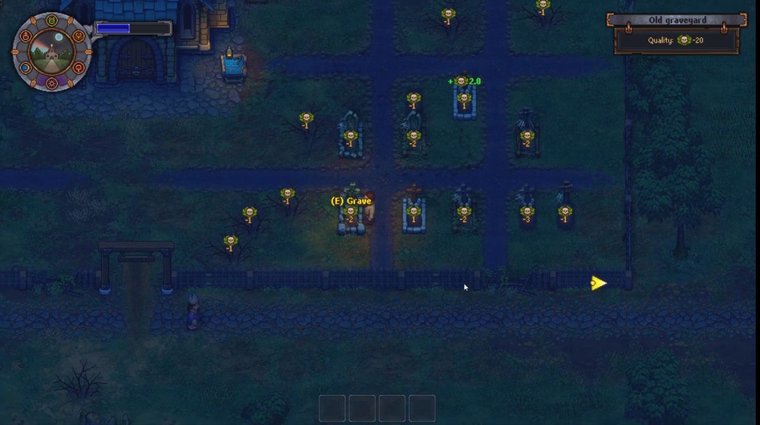
Imagine Spiritfarer’s chores turned up to eleven and seasoned with dark humor. It’s grindy yet satisfying if you like automating loops, and watching a messy operation become a polished routine.
This is a long haul sim with jokes hiding in the grind. A talking donkey made me laugh, then I went back to optimizing autopsies, sermons, and supply lines. Progress spikes after careful batching. Just like spreadsheets in spirit, the cemetery becomes a satisfying machine with surprising moral curveballs.
Under the jokes is a thoughtful take on labor and death. Treat long sessions like weekend projects and you will leave satisfied and oddly proud of progress.
Batch tasks. Queue smelting, chopping, and church prep together to avoid backtracking.
Final Verdict: Heavier on systems, lighter on sentiment, still obsessively playable if you crave depth after Spiritfarer.
6. My Time at Portia [Build, Craft, Belong]
| Our score | 8.7
☆
★
☆
★
☆
★
☆
★
☆
★
☆
★
☆
★
☆
★
☆
★
☆
★
|
|---|---|
| Platforms | PC, macOS, PS4, Xbox One, Switch, iOS, Android |
| Year of release | 2019 |
| Creator/s | Developer: Pathea Games • Publisher: Team17 |
| Unique features | Commission-driven crafting, engineering focus over farming, town festivals and relationships |
| Metacritic score | 73 (PC), 75 (PS4), 71 (Switch) |
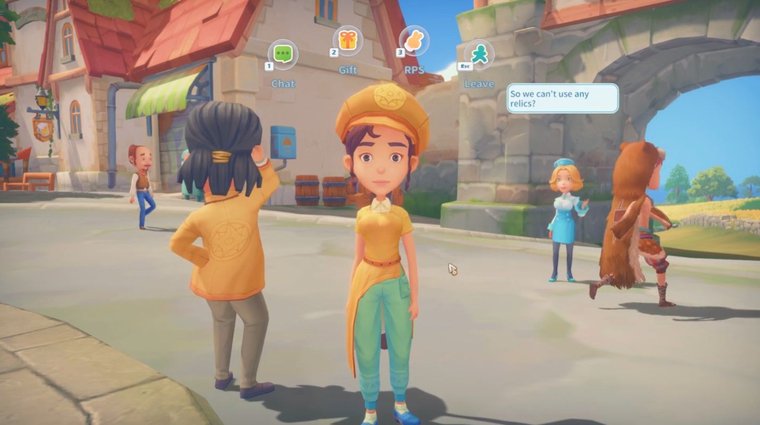
I woke up, checked the guild board, and lost the afternoon to bridges, furnaces, and birthdays. Portia feels like a cozy RPG that leans into building and engineering more than farming, which makes wins feel like you solved a cute, civic puzzle. It scratches the same “help the town” itch.
I liked how commissions push you into caves, fields, and social visits. Building machines feels like setting up a cheerful workshop that hums all day.
Festivals break the routine with minigames and town flavor. Combat is simple, but gathering loops and crafting trees carry the fun for many comfortable hours.
Do easy Commerce Guild jobs first – steady gols fund bigger machines faster.
Final Verdict: A generous sandbox about making a place better by showing up. Try it if you loved Stella’s builder brain.
7. Littlewood [Life After the Final Boss]
| Our score | 8.5
☆
★
☆
★
☆
★
☆
★
☆
★
☆
★
☆
★
☆
★
☆
★
☆
★
|
|---|---|
| Platforms | PC, macOS, Linux, Switch |
| Year of release | 2020 |
| Creator/s | Developer: Sean Young • Publisher: SmashGames |
| Unique features | No time limits, terraforming freedom, life after saving the world with calm town-building |
| Metacritic score | 81 (Switch) |
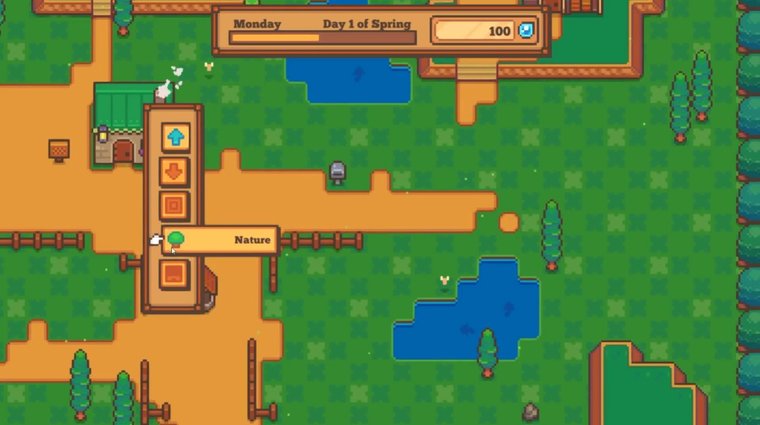
The crisis is over; now you rebuild. I liked how time yields to intention – no sprinting before sunset. The loop feels closer to a cozy farming game than a survival grind, with layout tools that are generous and townsfolk just odd enough to keep you curious.
Life after the big battle means smaller choices with sweeter payoffs. Moving buildings and terraforming the landscape scratches the layout itch without stress. I played before bed and ended on a bench to watch the town settle.
No ticking clock means experiments cost nothing. You can repaint a whole district in minutes, then try a different idea tomorrow.
Fishing and bug catching create just enough variety between construction projects. Relationships deepen slowly through gifts and chats.
Rearrange terrain often. Smart paths reduce stamina drain and unlock tidier gathering loops.
Final Verdict: A calm, kind post‑adventure where peace is the point.
8. Bear and Breakfast [Hospitality, Woodland‑Style]
| Our score | 8.4
☆
★
☆
★
☆
★
☆
★
☆
★
☆
★
☆
★
☆
★
☆
★
☆
★
|
|---|---|
| Platforms | PC, Switch, PS4/PS5 |
| Year of release | 2022 |
| Creator/s | Developer: Gummy Cat • Publisher: Armor Games Studios |
| Unique features | Run an inn as a bear, comfort-score rooms, light management mixed with forest mystery |
| Metacritic score | 72 (PC, Switch) |
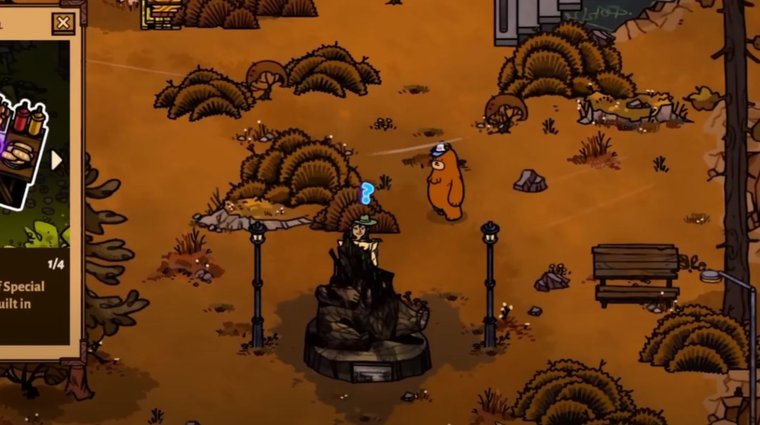
You’re a bear who opens an inn. The loop is simple and sweet – craft furniture, decorate rooms, cook, and make guests happy while a forest mystery peeks in from the edges. It’s wholesome sim comfort with a playful voice.
Running an inn as a bear somehow makes chores feel soft. Rooms need comfort scores, recipes need ingredients, and guests gossip about the forest. The management layer is approachable, not fussy. I liked upgrading kitchens, adding bathrooms, and watching reviews climb.
The story threads in quietly and keeps you curious. Between chores, the forest hints at bigger questions, which kept me benchmarking rooms and following clues in a gentle rhythm.
Early on, aim for comfort thresholds over fancy decor. Stars go up faster, cash flows sooner.
Final Verdict: Cozy business simulation game with a big heart and bigger fur.
9. Coffee Talk [Warm Drinks, Warmer Stories]
| Our score | 8.3
☆
★
☆
★
☆
★
☆
★
☆
★
☆
★
☆
★
☆
★
☆
★
☆
★
|
|---|---|
| Platforms | PC, macOS, PS4, Xbox One, Switch |
| Year of release | 2020 |
| Creator/s | Developer/Publisher: Toge Productions |
| Unique features | Barista gameplay with branching conversations, lo-fi cozy atmosphere, latte art experimentation |
| Metacritic score | 76 (PC), 70 (PS4), 74 (Switch) |
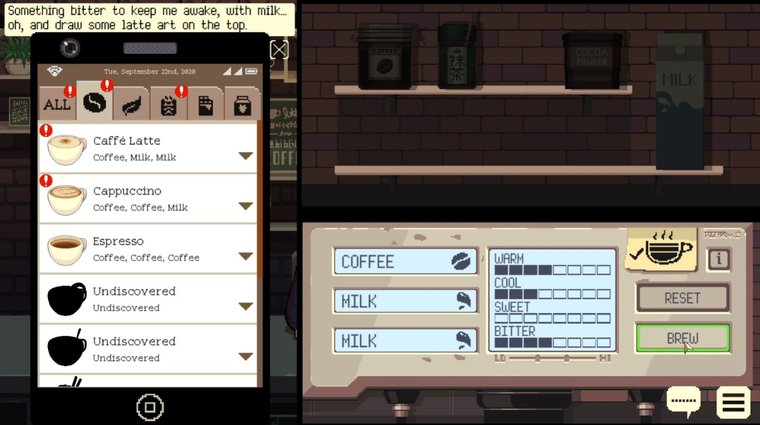
Late‑night café, lo‑fi rain, and regulars who actually talk. It’s more emotional barista than puzzlebox, which is exactly why it works. The small drink choices feel like gentle pushes toward better nights.
Most nights I listened more than I spoke, then served a drink that nudged someone toward clarity. The recipe discovery loop is low pressure and cozy. Latte art is playful, not mandatory.
Topics can get heavy, but the café frames them gently. I left feeling lighter after an honest talk. I kept a sticky note with my favorite blends and who needed them on rough nights. New ingredients show up like little story keys.
Choosing to listen first proves wise.
Keep a recipe notebook. Tiny ingredient swaps can unlock new dialogue beats later.
Final Verdict: A relaxing conversational hangout where empathy is gameplay.
10. Before Your Eyes [Blink and Time Moves]
| Our score | 8.1
☆
★
☆
★
☆
★
☆
★
☆
★
☆
★
☆
★
☆
★
☆
★
☆
★
|
|---|---|
| Platforms | PC, macOS, iOS, Android, PS VR2, PS5 |
| Year of release | 2021 |
| Creator/s | Developer: GoodbyeWorld Games • Publisher: Skybound Games |
| Unique features | Webcam blink control as input, emotional storytelling tied to fleeting moments, replay value through perspective |
| Metacritic score | 77 (PC), 79 (PS5) |
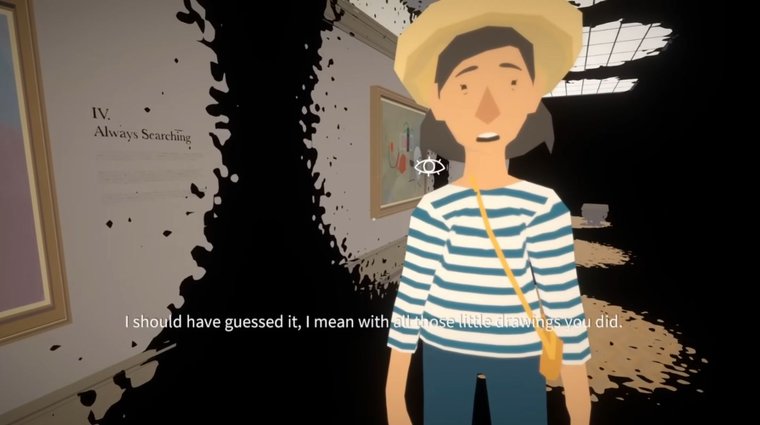
A life retold between blinks. I cried and then laughed at myself for crying – and then cried again. The mechanic reinforces everything the story wants to say about how quickly moments pass.
The blink mechanic makes theme and input match. You want to linger, but time jumps when you blink. That tension lands hard in joyful scenes and sad ones. The webcam setup is simple.
If you prefer, there is a no camera mode. Either way, the story hits with rare immediacy. The ending reframes earlier moments in ways that feel simple, true, and quietly shattering without cruelty. I needed water and tissues nearby afterward.
Relax your gaze during quiet scenes so you don’t skip moments you’ll want to hold.
Final Verdict: Short, and unforgettable – a powerful echo of Spiritfarer’s themes.
11. The Gardens Between [Time, Friendship, Quiet Magic]
| Our score | 8
☆
★
☆
★
☆
★
☆
★
☆
★
☆
★
☆
★
☆
★
☆
★
☆
★
|
|---|---|
| Platforms | PC, macOS, Linux, PS4/PS5, Xbox One, Switch, iOS, Android |
| Year of release | 2018 |
| Creator/s | Developer/Publisher: The Voxel Agents |
| Unique features | Time manipulation puzzles, wordless narrative about friendship, surreal diorama-like islands |
| Metacritic score | 80 (PC), 75 (PS4), 79 (Switch) |
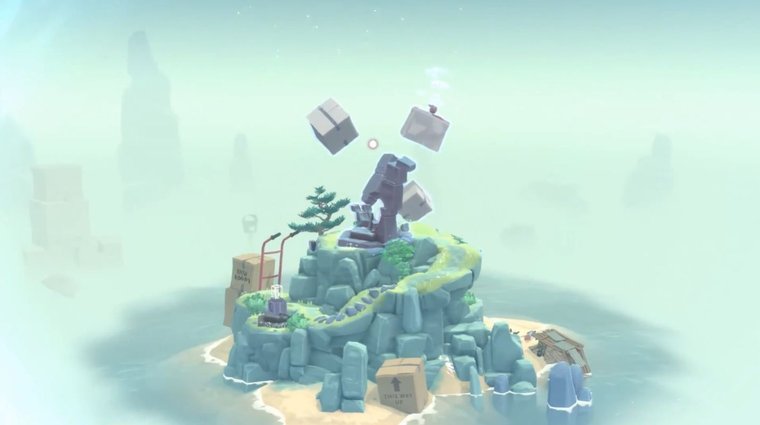
You control time. It’s a soothing cadence of rolling forward, rewinding, and noticing how small changes ripple.
Each island feels like a diorama built from shared memories. Household objects become puzzles with surprising logic. You scrub time rather than steer characters, which creates a pleasant rhythm of observing and nudging.
I liked noticing tiny cause and effect, like a plug moved seconds earlier changing an entire path. There is no dialogue to push, only rhythms to learn. It feels respectful of attention spans – easily one of the best puzzle games out there.
The ending lands softly, not loudly. It is ideal for a quiet afternoon with tea and patience.
Watch the lantern’s path; light logic is the spine of most solutions.
Final Verdict: A compact, poetic puzzler that feels like a memory you can touch.
12. GRIS [Grief, Painted in Watercolor]

| Our score | 7.7
☆
★
☆
★
☆
★
☆
★
☆
★
☆
★
☆
★
☆
★
☆
★
☆
★
|
|---|---|
| Platforms | PC, macOS, PS4/PS5, Xbox One, Xbox Series X/S, Switch, iOS, Android |
| Year of release | 2018 |
| Creator/s | Developer: Nomada Studio • Publisher: Devolver Digital |
| Unique features | Watercolor visual style, wordless emotional journey, platforming tied to stages of grief |
| Metacritic score | 84 (PC), 83 (Switch) |
A living painting where motion and music carry you through loss toward light. It’s not difficult, which lets emotion lead. I recommend headphones and a quiet room.
The dress unlocks abilities that mirror emotional recovery. Heavy forms become strength, then grace returns in wider color. The platforming stays approachable so the art and score can carry feeling.
Each region embodies a feeling, and the controls mirror that shift from weight to grace. Collectibles are gentle invitations rather than demands. I paused often just to listen.
I appreciated how scenes loop back with new shades. It rewards attention without asking for perfect timing or strict precision.
Play in one or two sittings – the score and color shifts land harder that way.
Final Verdict: A serene, hopeful counterpart to Spiritfarer’s themes.
13. Journey [Wordless Companionship]
| Our score | 7.6
☆
★
☆
★
☆
★
☆
★
☆
★
☆
★
☆
★
☆
★
☆
★
☆
★
|
|---|---|
| Platforms | PS3/PS4, PC, iOS |
| Year of release | 2012 (PC 2019; Steam 2020) |
| Creator/s | Developer: Thatgamecompany • Publishers: Sony; Annapurna (PC/iOS) |
| Unique features | Anonymous online co-op, minimalist communication with chimes, emotional pilgrimage with fluid movement |
| Metacritic score | 92 (PS3,PS4) |
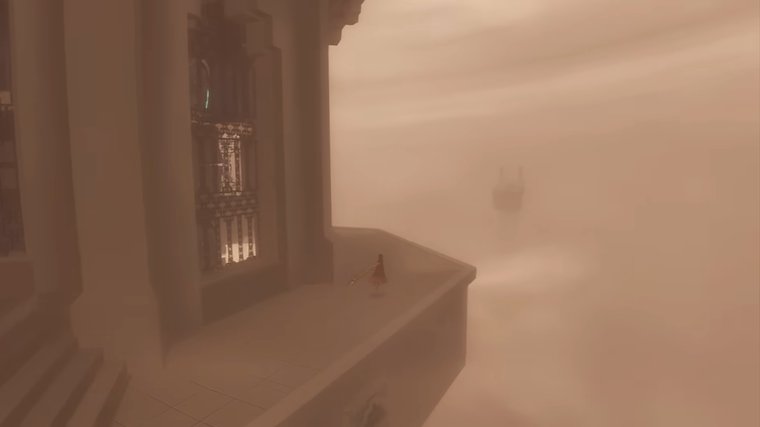
Two travelers, one mountain, no words. You learn to care with simple chimes and shared lift. It’s short, and pairs perfectly with the contemplative side of Spiritfarer. I always hope to meet one traveler who sticks around and teaches me a small trick midair. The absence of chat removes pressure.
Sliding across sand feels playful, then a musical chime says hello to a stranger. That anonymous companionship becomes the heart of the trip. Glyphs extend your scarf, so exploration feeds freedom. The finale gains power for those who stuck together.
I still revisit it when I need a small, wordless reset. If you adore elegant movement, this can feel like one of the best platformer games out there.
Stay close in co‑op to recharge scarves and keep flights going longer.
Final Verdict: A tiny epic about connection that speaks without speaking.
14. Abzu [A Meditative Dive]
| Our score | 7.5
☆
★
☆
★
☆
★
☆
★
☆
★
☆
★
☆
★
☆
★
☆
★
☆
★
|
|---|---|
| Platforms | PS4, PC, Xbox One, Switch, Amazon Luna |
| Year of release | 2016 |
| Creator/s | Developer: Giant Squid • Publisher: 505 Games |
| Unique features | Free underwater exploration, meditation statues, rideable sea creatures, no fail states |
| Metacritic score | 83 (PC), 78 (PS4), 80 (Switch) |
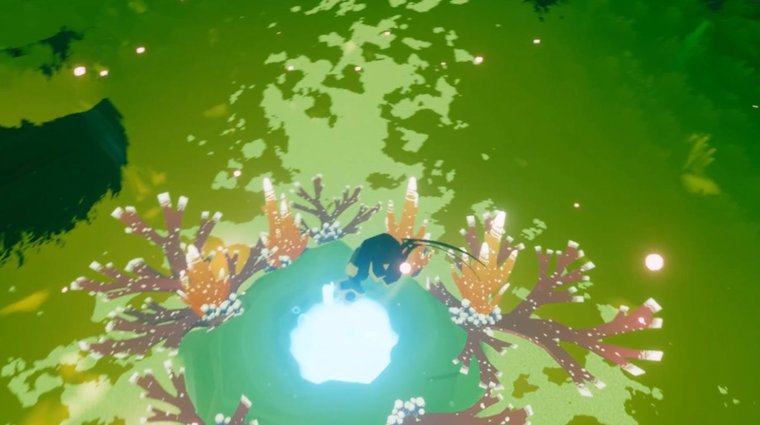
Abzu is the dream of scuba diving – no oxygen meter, no enemies, just curiosity and awe. The orchestral swells and glowing ruins make it easy to breathe slower.
The ocean is teeming. Whales pass by, and ruins glow with friendly secrets. There is no fail state for running out of air, so curiosity leads. Riding creatures is delightful.
Secrets hide in plain sight. Surface for air in real life, and the calm follows you back. I slept better after late sessions several nights.
The soundtrack eases you into a slower cadence. It is a go-to for calming the mind often.
Use Meditation statues for a zen break and a closer look at sea life patterns.
Final Verdict: A peaceful underwater companion to Journey and a lovely cool‑down after heavier stories.
15. Firewatch [Lonely Job, Loud Feelings]
| Our score | 7.5
☆
★
☆
★
☆
★
☆
★
☆
★
☆
★
☆
★
☆
★
☆
★
☆
★
|
|---|---|
| Platforms | PC, macOS, Linux, PS4, Xbox One, Switch |
| Year of release | 2016 |
| Creator/s | Developer: Campo Santo • Publishers: Panic, Campo Santo |
| Unique features | First-person narrative exploration, naturalistic dialogue over radio, wilderness mystery with emotional depth |
| Metacritic score | 81 (PC), 76 (PS4), 85 (Xbox One) |
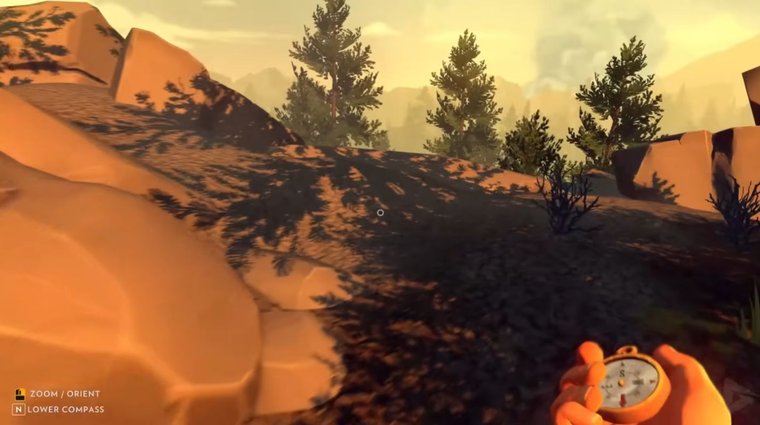
A watchtower summer that sneaks up on you. The banter feels real, the forests glow, and the choices are mostly about how you show up for someone’s voice at the other end of a radio. On a decent gaming monitor, the detailed wilderness environments hit harder – every tree bark, every patch of foliage, every rich texture feels like it belongs to you.
Henry’s choices read honest, complicated, and human. The forest feels vast, yet the map and compass keep wandering approachable. Dialogue timing matters, because you are often answering while walking. I appreciated the grounded resolution.
Answering late felt different than answering fast. Small trails hide quiet scenes that reframe Henry’s choices.
Firewatch refuses melodrama while still exploring grief, and connection in a way that lingers afterward – truly one of the best out there.
Wander off path whenever the map allows – little side scenes deepen the mood.
Final Verdict: Beautifully acted conversations with a crackle of unease.
16. Night in the Woods [Home, But Not As You Left It]
| Our score | 7.3
☆
★
☆
★
☆
★
☆
★
☆
★
☆
★
☆
★
☆
★
☆
★
☆
★
|
|---|---|
| Platforms | PC, PS4/PS5, Xbox One, Switch, iOS |
| Year of release | 2017 |
| Creator/s | Developer: Infinite Fall • Publisher: Finji |
| Unique features | Narrative-driven platformer, funny-sad writing, branching friend routes and rhythm minigames |
| Metacritic score | 88 (PC), 87 (PS4), 85 (Switch) |
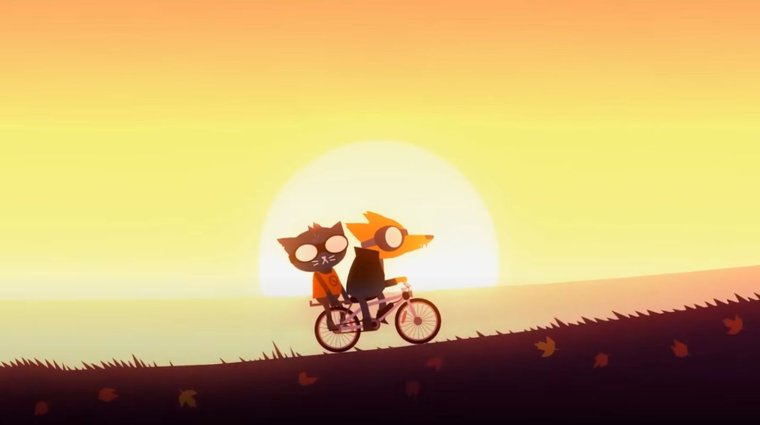
Mae’s return hits close to home as messy, and full of little choices about who to spend time with. You won’t see everything in one run, which makes it easy to revisit.
Possum Springs looks cute at first glance, then you start noticing cracks and kindness in equal measure. Platforming sections break up walks and chats. Band practice becomes a rhythm challenge with hilarious results.
I picked one friend route per playthrough and accepted the scenes I would miss. That choice gave their stories weight. Platforming bits break the talky rhythm just enough.
Pick who to spend time with and live with missing scenes. That design makes friendships feel personal.
Commit to a friend path each day; focusing your hangs yields the best character payoffs.
Final Verdict: A humane story about growing up when the world isn’t.
17. The Last Campfire [Kindness As a Lantern]
| Our score | 7.2
☆
★
☆
★
☆
★
☆
★
☆
★
☆
★
☆
★
☆
★
☆
★
☆
★
|
|---|---|
| Platforms | PC, macOS, PS4, Xbox One, Switch, iOS |
| Year of release | 2020 |
| Creator/s | Developer/Publisher: Hello Games |
| Unique features | Puzzle-driven progression, soothing narration, helping forlorn souls find hope |
| Metacritic score | 80 (PC), 81 (PS4), 83 (Switch) |
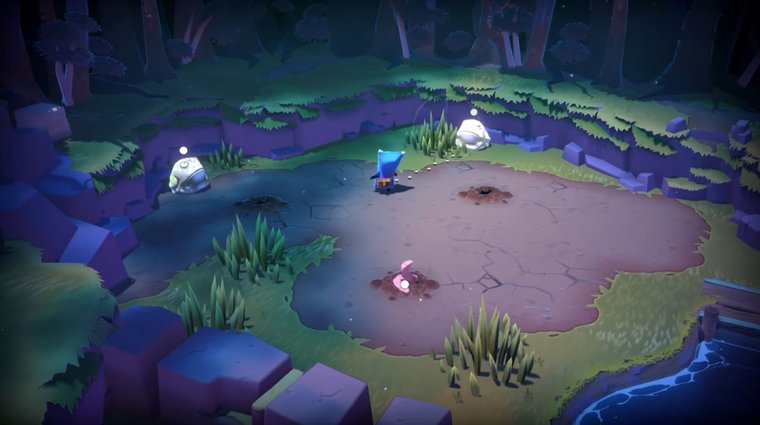
In The Last Campfire, you guide the Forlorn back to themselves, one puzzle at a time. It’s cozy without being slight, and it treats hope like a skill you practice.
This cozy fable mixes approachable challenges with a soothing narrator. Helping the Forlorn never felt repetitive because the ways you solve puzzles keep changing. Sliding blocks, valves, and little stealth moments stay friendly. Collectibles add optional context for lore enjoyers.
I liked hopping between puzzle flavors so nothing overstayed its welcome. The narrator treats mistakes kindly, which sets the tone.
Helping a Forlorn and watching their posture change became my favorite quiet reward. It feels like mending a net one knot at a time. The world feels safe, which lets the message about carrying hope land without cynicism.
Turn on Explore Mode if you prefer story flow over puzzle friction.
Final Verdict: A gentle echo of Spiritfarer’s mission with a storybook vibe.
18. Eternal Hope [Two Worlds, One Love]
| Our score | 7
☆
★
☆
★
☆
★
☆
★
☆
★
☆
★
☆
★
☆
★
☆
★
☆
★
|
|---|---|
| Platforms | PC, Xbox One |
| Year of release | 2020 |
| Creator/s | Developer: Doublehit Games • Publisher: Kwalee |
| Unique features | Dimension-shifting puzzles, shadow realm exploration, short but emotional love story |
| Metacritic score | 70 (PC), 69 (Xbox One) |
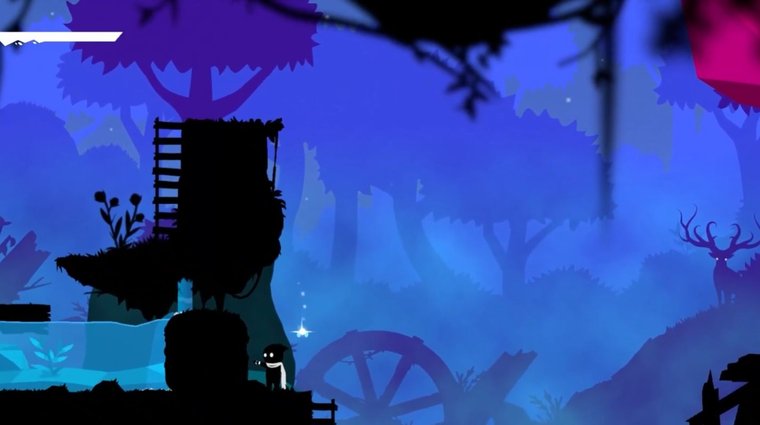
A moody, pretty platformer about crossing into a shadow world to continue a love story. It’s brief and a little rough, but the heart shows through.
Switching between realms adds a neat twist to familiar platforming. The shadow layer hides paths, helpers, views, and hazards you learn to spot. I liked the melancholy tone and clean silhouettes.
I treated Eternal Hope like a short story night and it worked nicely. The palette is simple yet affecting. Shifting shows hidden bridges and watchful shapes, which makes observation feel rewarding. Controls are serviceable for those who keep expectations calibrated for a compact indie run. It runs short, which works for a single sitting.
Practice snap‑swapping between realms to “print” platforms and avoid last‑second slips.
Final Verdict: Compact, earnest, and thematically aligned with Spiritfarer’s afterlife thread.
19. Ori and the Blind Forest [Tear‑Streaked, Agile, Gorgeous]
| Our score | 7
☆
★
☆
★
☆
★
☆
★
☆
★
☆
★
☆
★
☆
★
☆
★
☆
★
|
|---|---|
| Platforms | PC, Xbox One, Switch |
| Year of release | 2015 |
| Creator/s | Developer: Moon Studios • Publisher: Microsoft Studios |
| Unique features | Precision platforming, fluid traversal with Bash and wall jumps, emotional storytelling with painterly visuals |
| Metacritic score | 88 (PC, Xbox One) |
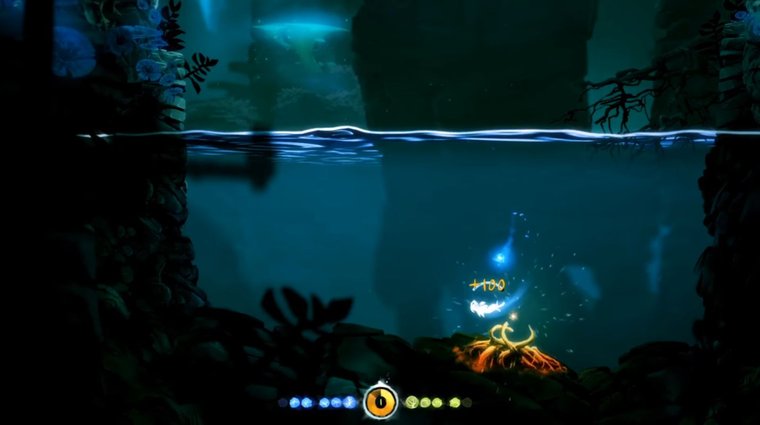
If you want your feelings and your movement to soar, this is the one. Ori and the Blind Forest is a standout metroidvania that pairs a poignant opener with some of the most satisfying traversal around.
Movement feels like a celebration. Double jumps, wall climbs, and Bash chain into routes that look impossible, then click. The forest itself tells the story, with painterly scenes and music that swells in all the right places. Save points reward planning.
Route planning becomes a satisfying side hobby once movement clicks. Practice sections in safer rooms, then thread skills through escape sequences calmly. Challenge spikes exist, but practice turns them into pride.
Master Bash early. It’s the engine behind escape sequences and clever routing.
Final Verdict: A high‑skill catharsis that complements Spiritfarer’s gentler evenings.
FAQs
What is the best game like Spiritfarer?
Mutazione is often considered the closest match. Its focus on community healing, musical gardens, and everyday acts of kindness mirrors Spiritfarer’s themes while still telling its own heartfelt story as an immersive experience of self discovery.
What type of game is Spiritfarer?
Spiritfarer is best described as a cozy management and exploration game. Players take on crafting, farming, cooking, and light platforming while building relationships with spirits aboard a customizable boat. It blends life-sim mechanics with gentle storytelling.
How long is Spiritfarer?
Most players will spend 25–35 hours finishing the main story, depending on how much side content they complete. Those who explore every island, upgrade the ship fully, and collect every item often push beyond 40 hours. Completionists chasing all recipes, events, and spirit requests can extend playtime into the mid-40s or even 50 hours.
How many endings are in Spiritfarer?
There is only one definitive ending in Spiritfarer. The game does not branch into multiple conclusions; instead, the focus is on the journey, the memories you create, and the goodbyes you choose to make. Each spirit’s farewell adds immersion and resonance, but the final send-off remains the same for all players.
Is Spiritfarer based on a true story?
The story of Spiritfarer is inspired by real experiences of loss and caregiving, drawn from the creative team’s personal lives. Developers have shared that many characters reflect people they knew, and themes of grief and moving on were shaped by their own encounters with death.