How to Make Money Playing Video Games: 6 Proven Ways to Earn Real Income in 2026

Eneba Hub contains affiliate links, which means we may earn a small commission if you make a purchase through them—at no extra cost to you. Learn more



Recent update
This list is regularly updated to match what’s trending and in-demand among gamers.
If you want to know how to make money playing video games, the good news is that there are a lot of options open to you. However, the journey from casual player to earning actual money may not be as straightforward as you expect. For starters, most guides on how to make money playing video games promise quick cash, but the reality involves way more strategy than you’d think.
You should know that making money from gaming is absolutely possible in 2026. I’ve tested everything from streaming to competitive tournaments, and I can tell you exactly which methods actually pay and which ones waste your time. This guide breaks down several legitimate ways to earn income through gaming, complete with realistic timelines and what you’ll actually need to invest.Understanding how to make money playing video games requires treating it like any other business venture with clear goals, measurable milestones, and a willingness to adapt when something isn’t working. The key is understanding that not all money earning games offer the same return on your time investment, so choosing the right titles for your monetization strategy matters enormously.
Jump to:
How to Make Money Playing Video Games – 6 Tested Methods That Pay Real Money in 2026
First, the good news when it comes to looking into how to earn money by playing games: the gaming industry has evolved into a massive ecosystem where skilled players can actually earn a living. I’ve personally tried all the methods mentioned below over the past few years, and the earning potential varies wildly depending on your approach.
When it comes to learning how to make money playing video games, some paths require elite gaming skills. Others need strong communication abilities or business sense. The key is matching your strengths to the right monetization method.
The most successful people who know how to make money playing games typically identify their competitive advantage early, regardless of whether that’s exceptional mechanical skill, an entertaining personality, or deep game knowledge (and then they build their entire strategy around it).
Most gamers combine multiple income streams rather than relying on just one. I started with streaming, added coaching after six months, and eventually picked up some game testing gigs for steady side income. This diversification kept money flowing even when one stream dried up temporarily.
1. Streaming and Content Creation – Build Your Gaming Brand
Streaming became my primary income source after about eight months of consistent effort, and it’s the first method I recommend if you want to know how to make money playing video games at home. The first three months earned me exactly zero dollars. Month four brought in $47 from my first three subscribers. By month eight, I was clearing $800 monthly from a mix of subscriptions, bits, and occasional donations.
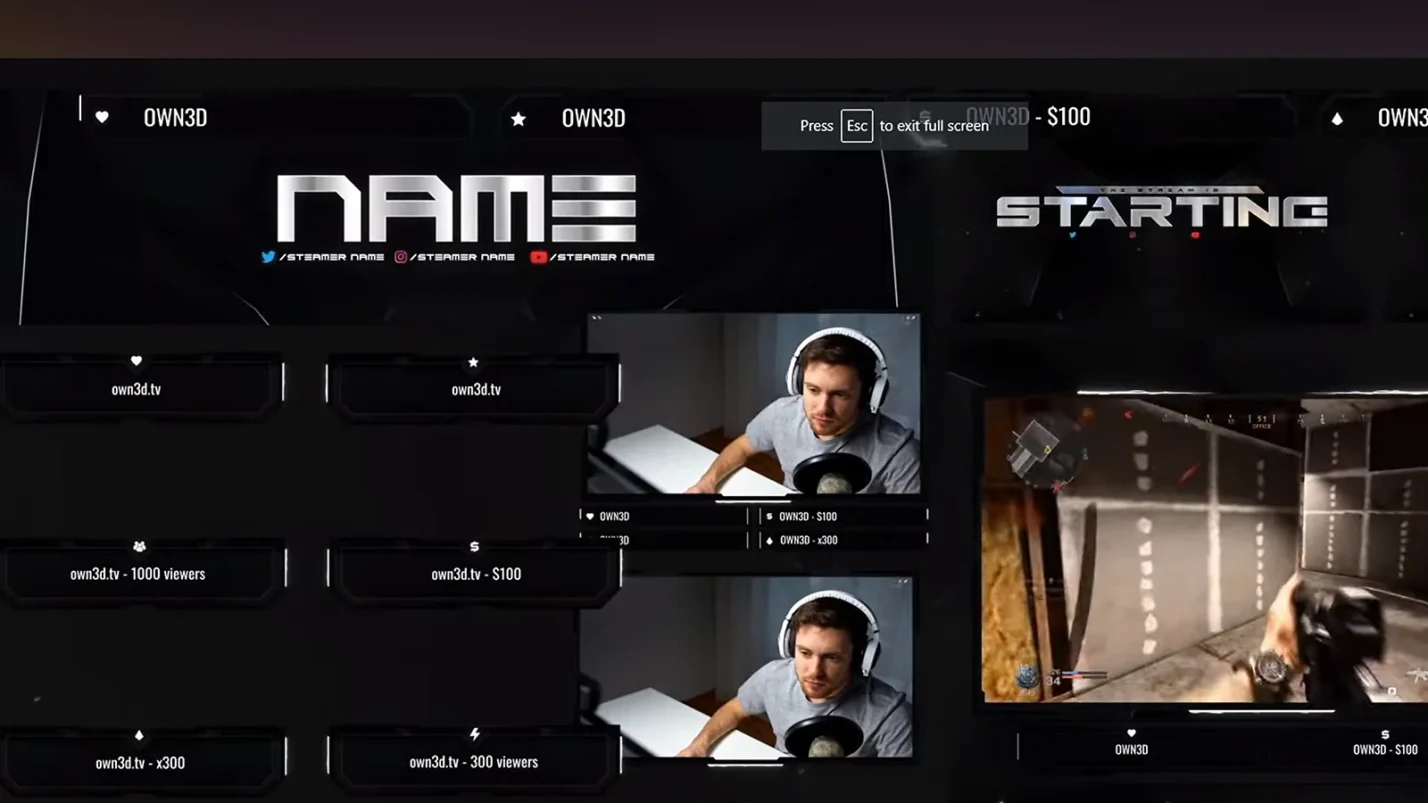
How Streaming Platforms Pay You
Twitch, YouTube, and Facebook Gaming all offer multiple revenue streams once you hit their partnership thresholds. To qualify for Twitch, which is arguably the best streaming platform to earn money playing video games, you’ll need to have at least six individual streams each month for two months prior to applying for a partnership, and they must all meet the minimum requirement of 75+ average viewers.
YouTube’s Partner Program asks streamers to have 1,000 subscribers with either 4,000 valid public watch hours over the preceding year, or 10 million valid public views over the last 90 days on Shorts. Facebook Gaming is in the process of winding down its partner program, but it does have a Level Up scheme, which requires having at least 100 followers.
To access this, you’ll then need to stream for at least two days and a minimum of four hours in one consecutive 14-day period, which makes it one of the easiest targets to hit out of the three partner programs.
All of these platforms incorporate subscription models:
- Twitch viewers start at between $4.99 – $5.99 monthly, with you keeping roughly 50% per sub.
- YouTube predominantly offers 55% on ad revenue for streamers, but you can also set up your own subscription tiers.
- Facebook’s Level Up scheme works in the same way as YouTube, although it varies the cut it takes by user.
Donations and tips come through platform-specific systems like Twitch Bits and YouTube Super Chat. These typically give you a better revenue split (1 Bit equals 1 cent; Super Chat confers 70%). I’ve had streams where donations out-earned subscriptions by three times, especially during charity events or special milestone celebrations.
Ad revenue kicks in once you’re partnered, though it’s usually the smallest income source. Keep this in mind if you want to know how to make money playing video games at home and expect to earn big bucks: my ad earnings average about 10% of total streaming income. Sponsorships become available after you build an audience of several thousand followers, and these deals can match or exceed all your other income combined.
Getting Started with Game Streaming
Platform selection matters more than most beginners realize when looking at how to make money playing video games. I started on Twitch because that’s where gaming audiences naturally congregate. YouTube works better if you’re planning to create edited content alongside streams. Facebook Gaming offers faster monetization but smaller gaming audiences.
Your equipment doesn’t need to be expensive initially. I streamed for four months using a $60 microphone and my existing gaming PC. Audio quality matters way more than video quality because viewers will tolerate 720p video, but will bounce immediately if your audio sounds like you’re talking through a tin can. Setting up your stream takes about two hours if you follow a basic tutorial, and OBS Studio is free and handles everything you need.
Two habits made the biggest difference when I was figuring out how to make money playing video games through streaming:
- Stream on a fixed schedule. My viewership doubled when I switched from random sessions to a consistent Tuesday, Thursday, and Saturday schedule. Consistency signals reliability to both the algorithm and your audience.
- Build your audience off-platform first. I gained my first 100 followers by actively participating in other streamers’ chats, networking in Discord communities, and posting clips on Twitter. The grind is real, but consistency beats talent every single time.
Content Creation Beyond Live Streaming
YouTube gaming videos opened up a second income stream for me after I’d been streaming for six months. I started uploading edited highlights from my streams, which required learning basic video editing. Those highlight videos now earn about $300 monthly in ad revenue with minimal extra effort.
Short-form content on TikTok and YouTube Shorts has become a standalone income path in its own right (not just a feeder channel for your stream). A single 45-second clip from one of my streams hit 200,000 views and brought 150 new followers to my Twitch channel, but the bigger opportunity is that short-form platforms now pay creators directly and attract brand deals at surprisingly accessible audience sizes.
For anyone figuring out how to make money playing video games at home with minimal setup, short-form is the lowest barrier entry point available:
- YouTube Shorts: The YouTube Partner Program now includes Shorts monetization, with payouts based on your share of the Shorts ad revenue pool once you hit 1,000 subscribers and 10 million Shorts views in 90 days.
- TikTok LIVE gifting: Once you hit 1,000 followers, you can go LIVE and receive virtual gifts from viewers that convert to real cash. Mid-tier gaming accounts with 10,000 to 50,000 followers routinely earn $200 to $800 monthly from gifts alone.
- Brand deals: Gaming peripheral and accessories brands actively seek micro-influencers in the 5,000 to 25,000 follower range. Sponsored posts at this level typically pay $50 to $300 per post, which is modest but meaningful when combined with other income streams.
The algorithm on both platforms heavily favors gaming content that shows skill, humor, or a surprising outcome in the first two seconds. Clip accordingly.
Also, if you’re looking to optimize your presence across platforms, our guide on how to level up on Steam covers strategies that translate well to building your overall gaming profile and credibility.
Game Reviewing and Journalism
One underrated way to earn money by playing games is writing about them. Game reviewers and gaming journalists get paid to play new titles before they’re widely available, then produce written or video coverage for publications, outlets, and content hubs. Entry-level freelance reviews typically pay $25 to $150 per piece depending on the outlet, while staff roles at established gaming publications offer salaries in the $40,000 to $60,000 range.
You don’t need a journalism degree to get started. A portfolio of well-written reviews published on a personal blog or platforms like Medium is enough to pitch to mid-tier outlets. The skills that matter most are clear writing, genuine game knowledge, and the ability to give a balanced verdict rather than just a summary. If you can do that consistently, this is one of the more sustainable ways to get paid to play games because demand for fresh game coverage never dries up.
For anyone building a presence in the gaming content space, reviewing ties naturally into streaming and short-form content, which makes it an efficient second income layer rather than a standalone effort.
2. Competitive Gaming and Esports – Turn Skills Into Prize Money
If you’re into competitive gaming and want to know how to make money playing video games, then tournament earnings remain the most skill-dependent monetization method. I’ve placed in the money exactly twice in three years of competing in mid-tier tournaments. Both times required months of dedicated practice and team coordination before I could start to earn money playing games.
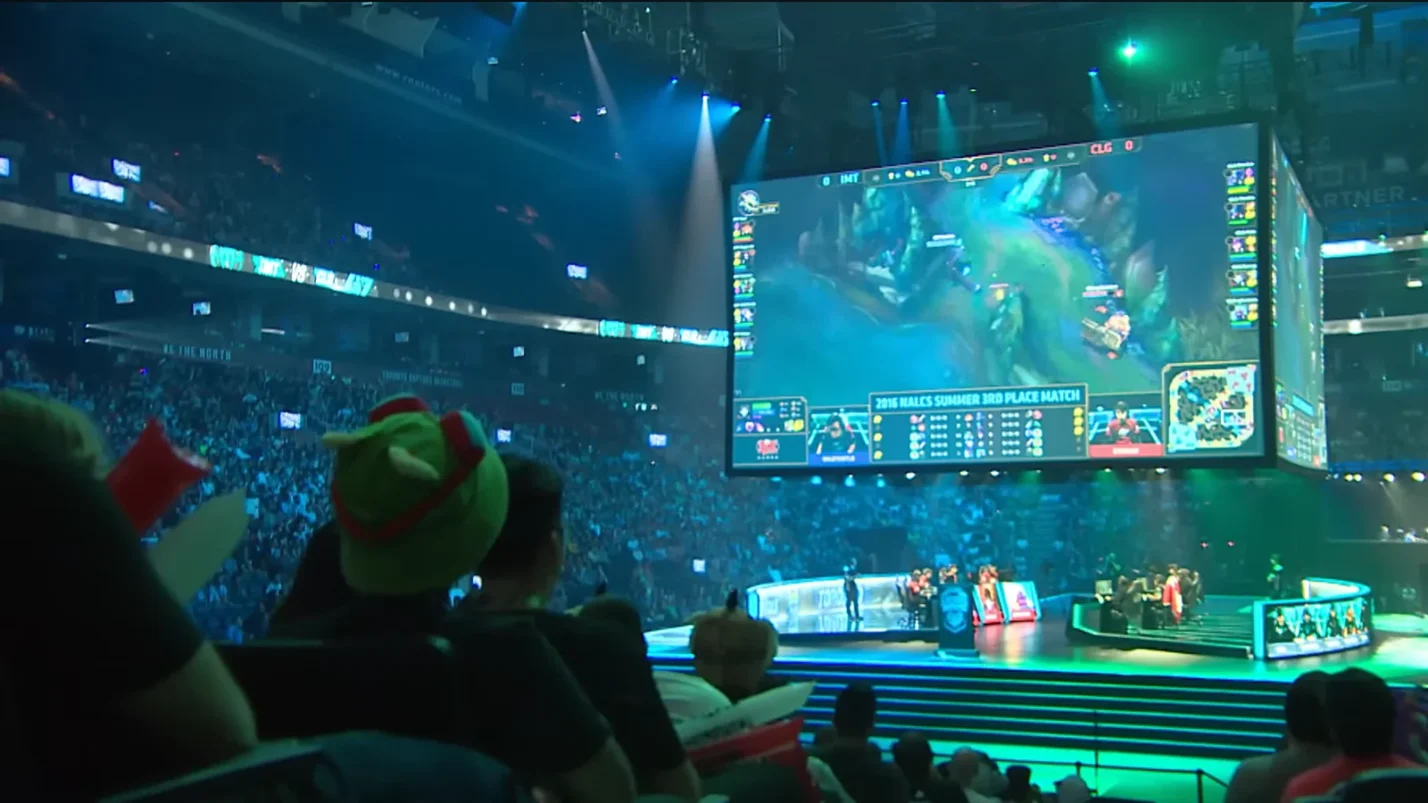
Understanding the Esports Ecosystem
Prize pools for major esports titles reach millions of dollars, but the reality hits different. The top 1% of players earn 90% of the prize money. I competed in League of Legends tournaments for 18 months, and my total earnings were $1,200 across four placements. If LoL is your game, our dedicated guide on how to make money playing League of Legends goes deeper on every viable earning path.
Team salaries offer more stability than tournament prizes. Professional players in established organizations earn $2,000 to $10,000 monthly, plus housing and equipment. Getting signed requires consistent top-tier performance and networking within the competitive community.
Sponsorships become available once you establish yourself in the competitive scene. Even mid-tier players can land peripheral sponsorships worth $500 to $2,000 monthly. I know several players who earn more from sponsorships than tournament winnings.
Path from Amateur to Professional
Skill development demands structured practice, not just playing for fun. When I was seriously pursuing esports income, I spent two hours daily on aim training, another two on strategy review, and four hours on actual competitive matches. The timeline from amateur to professional typically spans two to three years of focused effort, and most players I know who went pro started competing seriously in their late teens or early twenties.
Building your competitive resume is how teams find you. Here’s the standard progression most players follow:
- Ranked grind: Climb your game’s ranked ladder consistently. I reached the top 500 in my region before teams started reaching out with tryout offers.
- Amateur leagues: Platforms like FACEIT and ESEA track your performance and put you in front of org scouts. These are the stepping stones between pub games and signed contracts.
While esports offers the highest ceiling to earn money by playing games, the extremely competitive nature means only a tiny fraction of aspiring pros actually reach sustainable income levels.
Best Games for Competitive Earnings
Different games offer vastly different earning potential when it comes to how to earn money by playing games in the esports field. I analyzed tournament data for the most popular esports games and found that established titles like Dota 2, League of Legends, Fortnite, and CS2 still dominate prize pools.
| Game | Annual Prize Pool | Skill Ceiling | Competition Level | Earning Accessibility |
|---|---|---|---|---|
| Dota 2 | $20M+ | Very High | Extreme | Very Low |
| League of Legends | $9M+ | Very High | Extreme | Low |
| CS2 | $20M+ | Very High | Extreme | Low |
| Fortnite | $10M+ | High | Very High | Medium |
| Valorant | $8M+ | High | Very High | Medium |
| Call of Duty | $6M+ | Medium-High | High | Medium-High |

3. Game Testing and Quality Assurance – Get Paid to Play Early
When you’re checking out how to make money playing video games, I should tell you that game testing provided my most consistent early income when streaming wasn’t paying bills yet. I landed my first testing gig through PlaytestCloud; you can sign up for PC/Steam and mobile game playtests and typically earn $9 per 15-minute session. The work isn’t always glamorous, but it pays immediately.

Types of Game Testing Opportunities
Beta testing programs are one way you can earn money playing games, though most are unpaid volunteer opportunities. I’ve participated in about 20 beta tests over two years, and only three offered compensation. The paid ones typically come through specialized platforms such as Apple’s TestFlight and Test IO rather than direct developer recruitment.
Professional QA positions let you get paid to play games and offer steady employment at $15 to $25 hourly. I worked part-time for a mobile game studio for eight months, and I tested builds and documented bugs. The work became repetitive, but the paychecks cleared reliably every two weeks.
Game testing remains one of the most accessible ways to earn money playing games because it requires no audience, no elite skills, and pays from day one.
Playtesting platforms like PlaytestCloud, Gametester.gg, Beta Family, and UserTesting connect testers with developers. I’ve earned about $2,000 total through these platforms over 18 months. Sessions often pay up to $20 for 15 to 30 minutes of recorded gameplay and feedback.
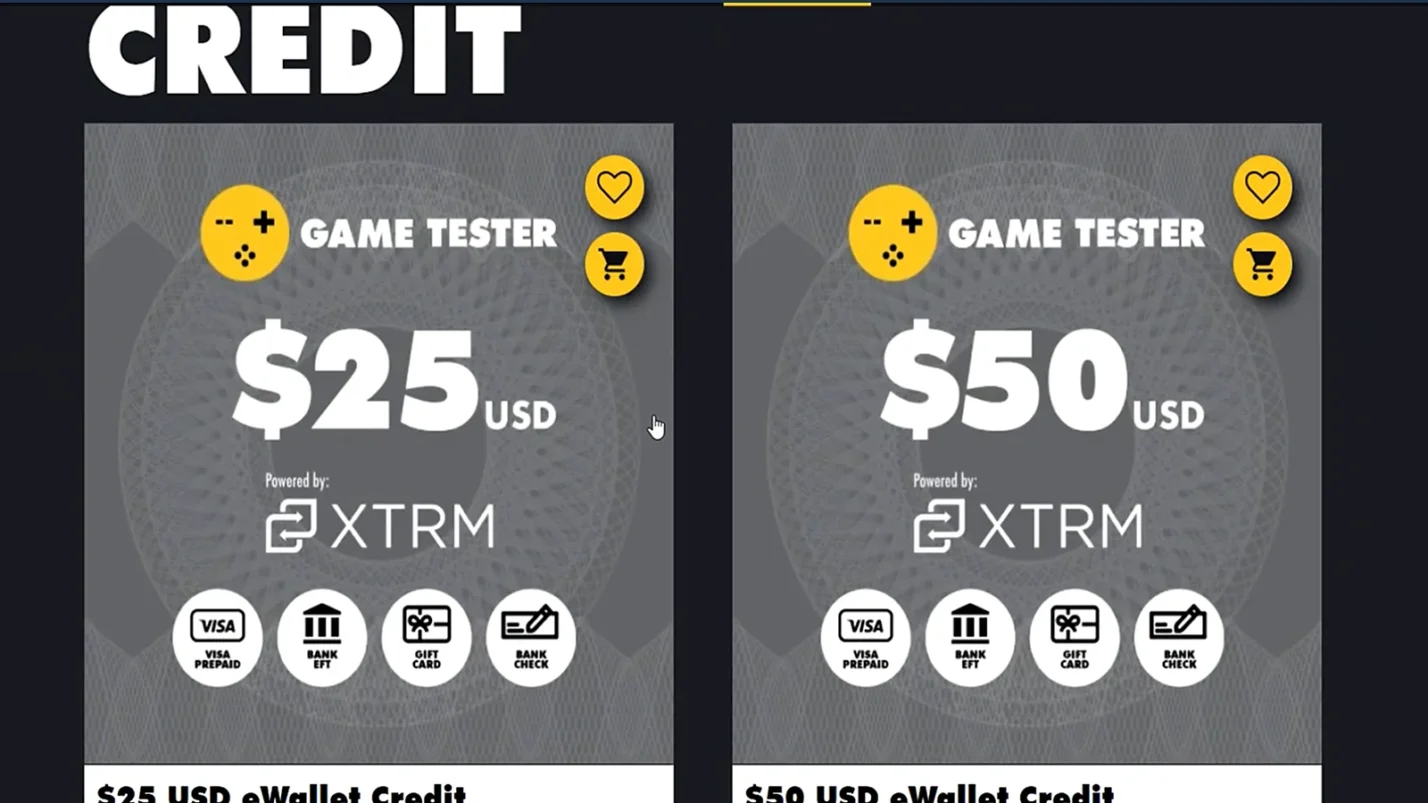
Also, while researching the best apps to make money playing games, I found that legitimate platforms genuinely focus on structured feedback sessions rather than promising passive income for casual play.
What Game Testers Actually Do
Bug reporting requires meticulous documentation. While you can earn money playing games for fun, game testing requires more attention to detail; I spent hours replaying the same level 30 times to reproduce a specific crash. Every bug needs detailed steps, screenshots, and system information.
Gameplay feedback involves articulating what works and what doesn’t. Developers want specific observations about difficulty curves, UI clarity, and engagement. I learned to take notes while playing, documenting my moment-to-moment reactions.
The skills extend beyond gaming ability. Clear communication, attention to detail, and patience matter more than being good at games. I’ve seen elite players fail as testers because they couldn’t articulate feedback effectively.
Play to Earn Apps
If you like the idea of playing games to earn money but would rather do it on something that isn’t likely to be filled with glitches and bugs, then a related option is play-to-earn apps. I’ve highlighted some crypto-based ones below, but there are plenty out there that rely on normal cash and let you get paid to play games.
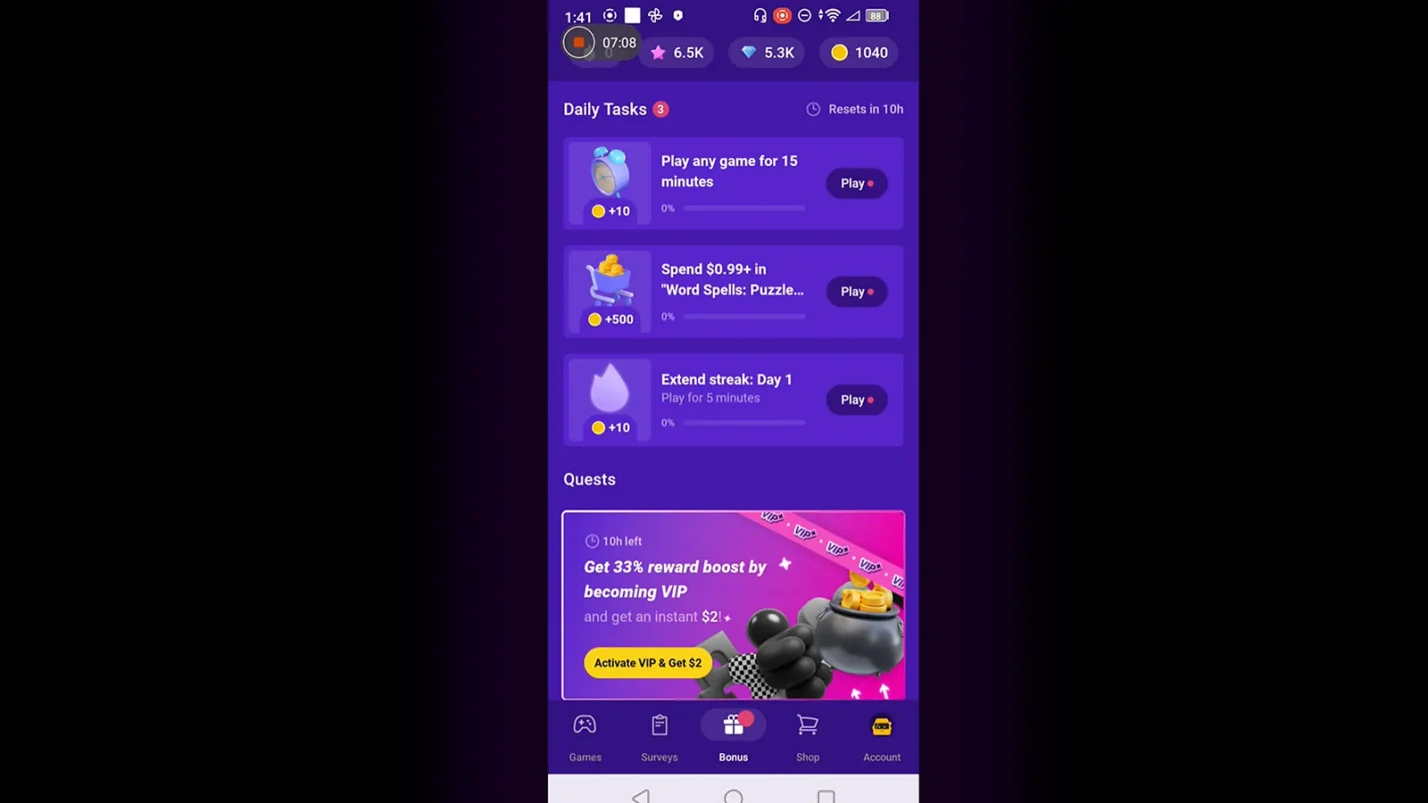
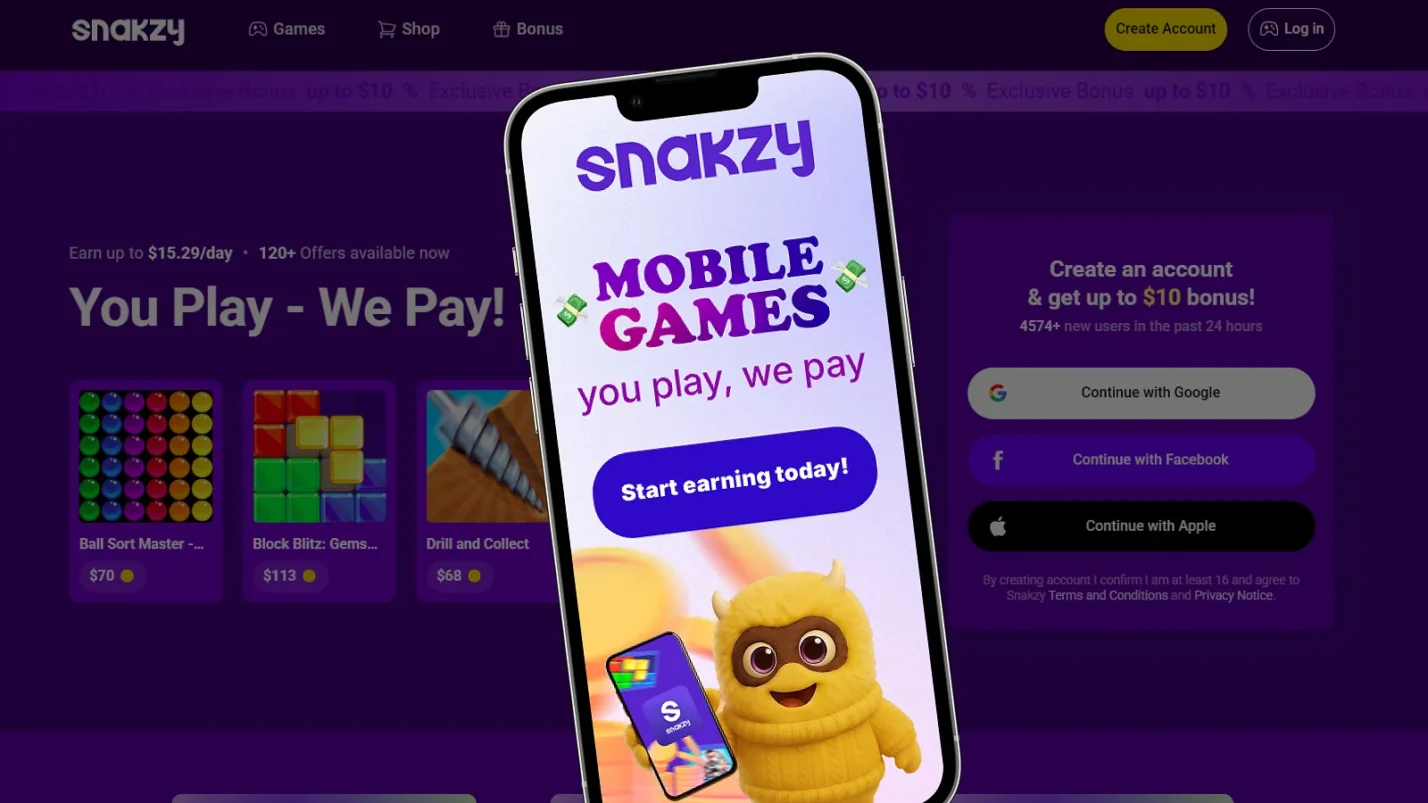
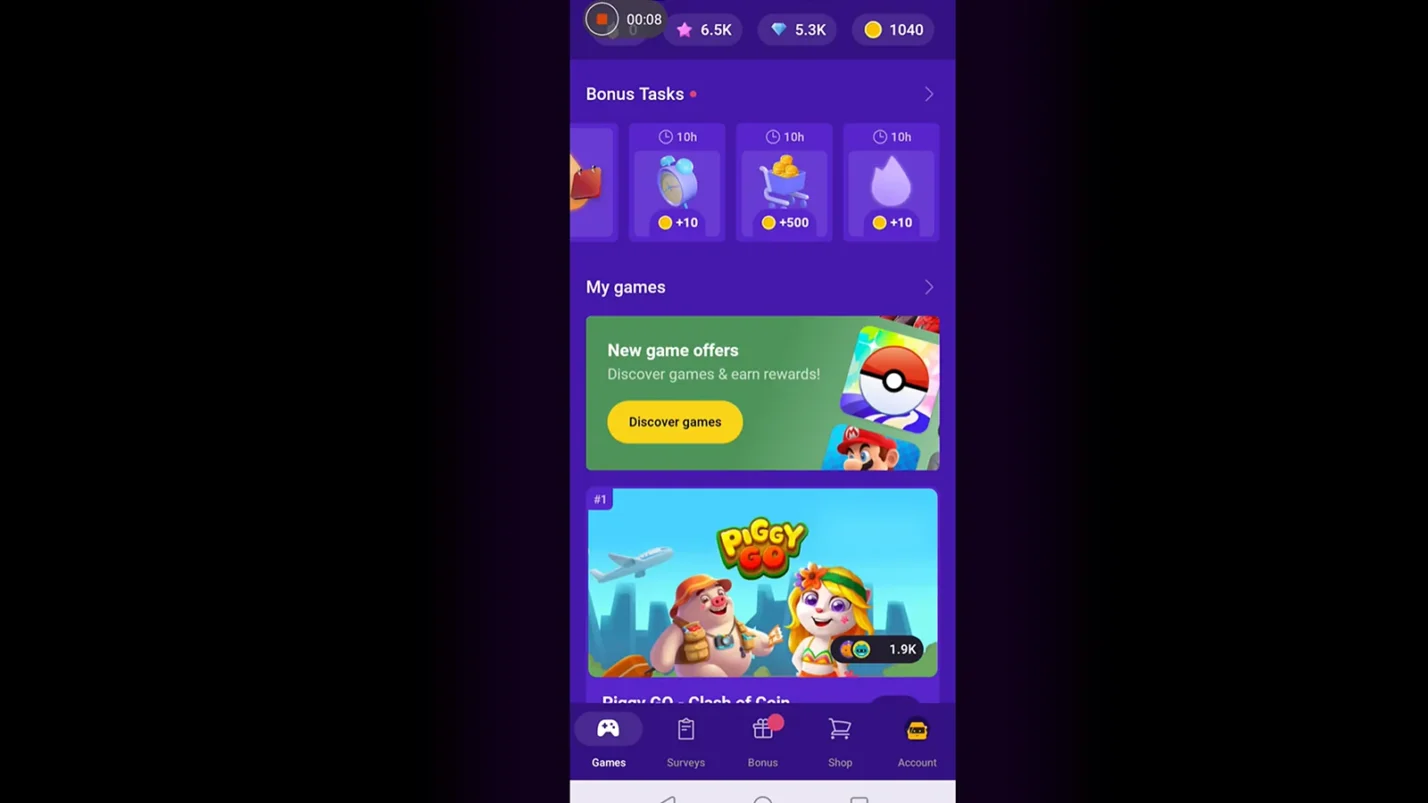
Snakzy, Freecash, and Scrambly are popular choices if you want to earn money playing games, and sometimes complete surveys or other tasks. I prefer Snakzy, though, as it’s focused on games (with about 50 available) and you can link it to your PayPal account. It also increases rewards the more you play; I got just under $50 from it in my first month.
For a broader look at what’s available in the play-to-earn space, make sure to read our roundup of games that pay real money instantly.
4. Play-to-Earn Gaming: Cryptocurrency and NFT Games
As for crypto-based apps, I approached this form of play-to-earn gaming cautiously after watching several friends lose money on unsustainable models. The concept sounds like a perfect way to earn money playing games, but the reality involves significant risk and market volatility.
How Play-to-Earn Games Work
Blockchain games reward players with cryptocurrency or NFTs that can be sold for real money. I tested Axie Infinity for three months and earned about $400 before the token value crashed (you buy, breed, and battle virtual pets). My initial investment of $600 meant I actually took an L of $200 overall.
The appeal of being able to play games and earn money simultaneously attracted millions of players to these platforms, though the reality proved more complicated than the marketing promised.
Popular P2E platforms like Gods Unchained and The Sandbox offer different earning mechanics. Gods Unchained is a free-to-play TCG where the virtual cards are NFTs, and it includes a native ERC-20 token, $GODS.
This can be earned via daily quests and rewards, and then withdrawn. The Sandbox is similar to Roblox, in that you can create and monetize your own experiences within it. It also comes with its own token, SAND, which can be earned via quests as well as through selling NFTs and in-game items, and then redeemed. I found the free-to-play earnings averaged about $2 to $5 daily for several hours of grinding.
Also, be fully aware that the landscape of earning games changes rapidly, with new titles launching monthly and older ones shutting down, so staying informed about which platforms remain viable is essential.
Risks and Considerations
One important thing to keep in mind when talking about how to make money playing video games, especially when it comes to cryptocurrency, is that crypto volatility makes earnings unpredictable. Tokens I earned worth $100 one week dropped to $40 the next. This instability makes P2E unsuitable as a primary method to earn money playing games unless you immediately convert earnings to stable currency.
Many online earning games also require constant daily logins and grinding sessions that can quickly feel more like a job than entertainment.
Another crucial point when looking into how to earn money by playing games is that initial investment requirements can be substantial. Some games require $500 to $2,000 in NFT purchases before you can earn meaningfully. I’ve seen these entry costs drop to near-zero as game economies collapse.
Sustainability concerns plague the entire P2E sector. Most games I’ve tracked show declining player bases and token values after initial hype periods. The few sustainable models focus on actual gameplay quality rather than pure earning mechanics.
Before investing time or money into any online earning game, research its player count trends, token price history, and developer track record to avoid joining a sinking ship.
5. Coaching and Tutoring – Share Your Gaming Expertise
Coaching became my favorite income stream for how to make money playing video games, because it directly rewarded game knowledge rather than entertainment skills. I started offering League of Legends coaching at $20 per hour after hitting Diamond rank. Within three months, I was booked solid at $45 per hour.
Gaming Coaching Platforms
Gamer Sensei and Fiverr connect coaches with students. I listed my services on both platforms and got my first client within a week. Gamer Sensei is run by game peripheral company Corsair and takes a larger commission but provides better client matching; you’ll also need to have extensive, proven esports experience to land a coaching job. If you don’t have this, then Fiverr is your best option as it offers more control over pricing and scheduling.
Discord communities often facilitate private coaching arrangements. I found several long-term students through game-specific Discord servers where I’d been active for months. These direct arrangements let me keep 100% of what I make when I earn money playing games without platform fees.
Setting Up Your Coaching Business
Identifying your expertise area matters more than being the absolute best player. I coach mid-lane fundamentals and macro strategy, not so much the mechanical outplays. Students want structured improvement, not highlight reel moments. The clearer your niche, the easier it is to market yourself and justify your rate.
Pricing should reflect your rank and results. I started at $20 hourly as a Diamond player. Masters and Grandmaster coaches in my game charge $60 to $100 hourly, while professional players command $150 to $300 per session. Raise your rates as your reviews accumulate.
Two structural decisions increased my monthly coaching income significantly when I was working out how to make money playing video games this way:
- Offer session packages. I introduced a four-session package at a 15% discount, which improved client retention and gave me predictable income. Most students book packages rather than single sessions once the option exists.
- Use Discord for direct clients. Long-term students I found through game-specific Discord servers let me keep 100% of earnings with no platform fees (the highest-margin work I do).
6. Virtual Item Trading and Gaming Marketplaces
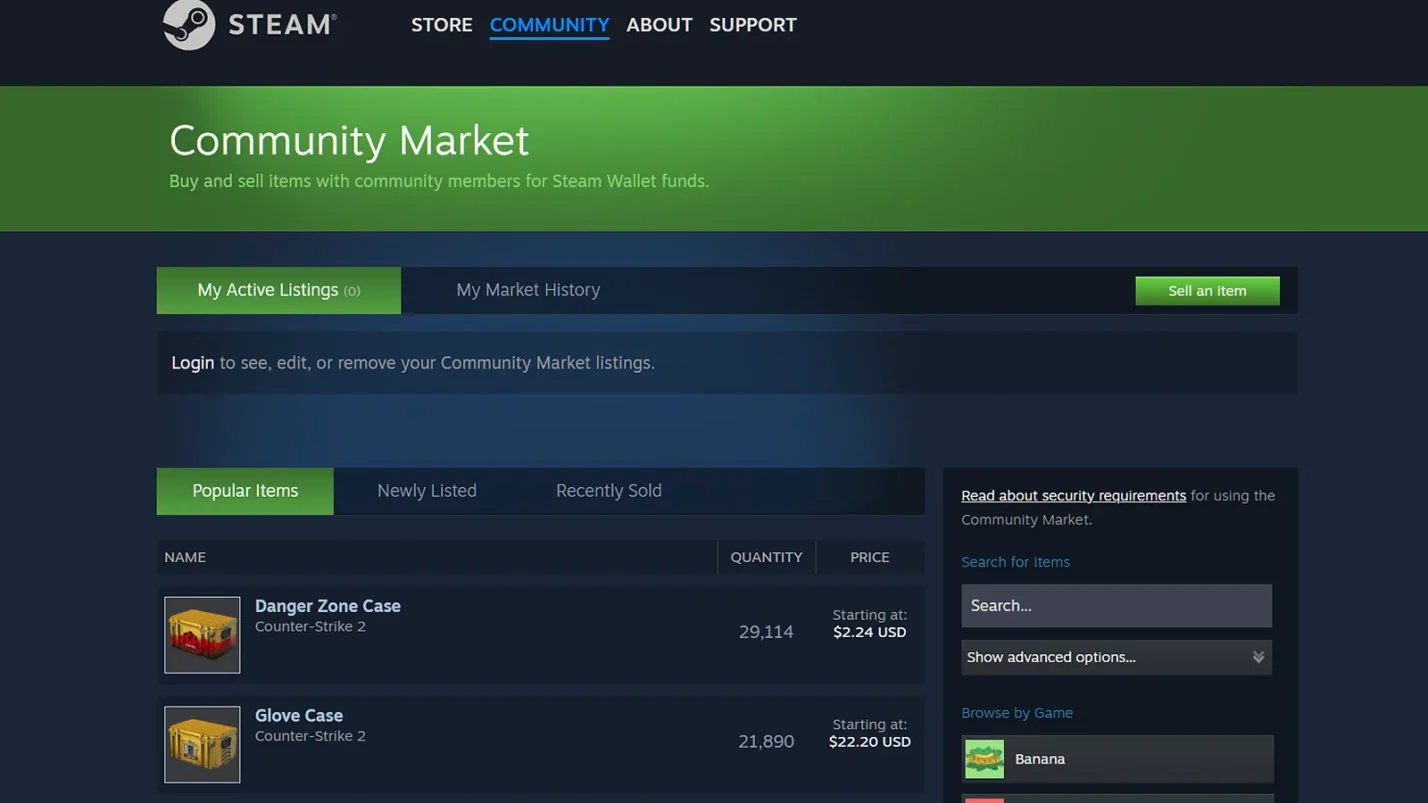
While the above options to earn money playing games are all worth a try, I also recommend item trading, as it taught me more about markets than any economics class. I started with $100 in CS2 skins and grew it to $800 over six months through careful market analysis and patience. Trading digital cosmetics might not be the first thing that comes to mind when looking at how to make money playing video games, but it’s a potentially worthwhile one.
Converting virtual game money and items into real-world currency requires understanding each platform’s trading rules, fee structures, and cash-out limitations.
Understanding Gaming Marketplaces
Steam Community Market handles billions in annual transactions. I focused on CS2 and Dota 2 items because they have the most liquid markets. Items can be bought and sold quickly without waiting days for buyers.
Third-party trading platforms like ShadowPay and DMarket offer better prices than Steam but involve more risk. I lost $60 to a scammer on a third-party site before learning to verify every trade thoroughly. If you want a full breakdown of how to navigate them safely, our guide on how to trade CS2 skins for money covers everything from float values to scam prevention.
Getting Started with Trading
Initial capital requirements start around $50 to $100 for meaningful trading. I began with $100 and made about $15 to $30 weekly through patient buying and selling. The key is buying items during market dips and selling during demand spikes. For a full platform comparison, see our guide on the best place to sell CS2 skins.
Market analysis involves tracking price trends, understanding seasonal patterns, and following game updates. Major patches often crash or spike certain item values. I made $200 in one week by buying weapon skins before a popular streamer tournament.
Risk management is paramount, and I never invest more than 20% of my trading capital in any single item. This rule saved me when several items I owned dropped 40% in value overnight after an unexpected game update.
| Game | Market Liquidity | Entry Capital | Monthly Earning Potential | Risk Level |
|---|---|---|---|---|
| CS2 | Very High | $100-$500 | $50-$500 | Medium |
| Dota 2 | High | $100-$500 | $50-$400 | Medium |
| TF2 | Medium | $50-$200 | $20-$150 | Medium-High |
| Rust | Medium | $100-$300 | $30-$200 | High |
Which Method Is Right for You?
Before diving into the details, the fastest way to figure out how to make money playing video games is to match your natural strengths to the right method. Some people who want to earn money playing games, but fail at it, do so because they pick the wrong path for their skill set and burn out before seeing results. Use this quick-match guide to find your starting point when you want to get paid to play games.
| Your Strength | Best Method |
|---|---|
| Entertaining personality | Streaming / Content Creation |
| Elite mechanical skill | Esports / Competitive Gaming |
| Attention to detail | Game Testing / QA |
| Writing ability + game knowledge | Game Reviewing and Journalism |
| Teaching ability | Coaching |
| Market analysis mindset | Virtual Item Trading |
| Patience + consistency | Play-to-Earn Apps |
| Risk tolerance + research mindset | Crypto / NFT Games |
None of these paths are closed off to you permanently. Plenty of people eventually combine two or three. But if you’re just starting out and want to get paid to play games as quickly as possible, pick the one that maps to what you already do well and go deep on it first.
Essential Equipment and Setup for Making Money Gaming
Equipment investment confused me initially because everyone recommends different gear. After testing various setups, I learned that audio quality and consistency matter more than expensive hardware.

Budget-Friendly Starter Setup
My first streaming setup cost $750 total. I used my existing $500 gaming PC, added a $60 Audio-Technica AT2020 microphone, a $40 Logitech C920 webcam, and a $30 ring light. This setup earned me my first $1,000 in streaming income.
Prioritizing investments means spending more on what directly impacts quality. I upgraded my microphone before my camera because viewers tolerate lower video quality but leave streams with bad audio. My $150 microphone upgrade increased viewer retention noticeably.
Free software alternatives work perfectly for beginners. OBS Studio handles streaming and recording. DaVinci Resolve offers professional video editing at no cost. I used exclusively free software for my first year before investing in any paid tools.
For a comprehensive look at optimizing your gaming space, check out our guide on the best gaming setup ideas to upgrade your space.
Also, one of the most common questions from people researching how to make money playing video games is how much it actually costs to get started. The honest answer is: less than most guides imply.
Here’s a straightforward three-tier breakdown:
| Level | Typical Cost | What It Covers |
|---|---|---|
| Beginner | $150–$500 | Entry-level mic, existing PC, free streaming software (OBS) |
| Intermediate | $500–$1,500 | Quality mic + webcam, dedicated streaming PC or upgrade, ring light |
| Professional | $2,000+ | High-end PC, DSLR or mirrorless camera, acoustic treatment, lighting rig |
Start at the beginner tier and upgrade only once you’re earning consistently. Spending $2,000 on equipment before your first dollar of income is one of the most common mistakes people make when trying to figure out how to make money playing games.
Intermediate and Professional Setups
Quality streaming equipment becomes worthwhile after you’re earning $500 monthly consistently. I upgraded to a $1,200 PC, $200 microphone, and $150 camera once streaming became my primary income. These improvements increased production quality and viewer engagement.
Competitive gaming peripherals make a real difference at higher skill levels. I tested various mechanical keyboards and found that faster actuation improved my reaction times measurably in competitive matches. Our guide on the best gaming keyboards to elevate your setup breaks down the options that actually matter for competitive play.
For content creators who need portability, investing in reliable hardware pays off. Our analysis of the best gaming laptops covers options that handle both gaming and content creation without breaking the bank.
Network stability matters as much as hardware. I upgraded to gigabit internet and added a gaming VPN after losing a tournament match to lag. Our guide on the best VPN for gaming covers options that reduce latency while protecting your connection. NordVPN is what I personally use, and it’s made a noticeable difference in connection stability during ranked matches.
Realistic Expectations – Timeline and Earning Potential
Setting realistic expectations saved me from burning out during the first year when I started to earn money playing games. Most gaming income guides skip this part, but understanding the actual timeline prevents disappointment and helps you plan properly.
The harsh truth is that receiving consistent money for playing games requires treating it as a legitimate career path with all the discipline, planning, and patience that entails.

Income Progression Timeline
Months 1–3: My first three months earned exactly $0 across all methods. I streamed 12 hours weekly, competed in two tournaments, and completed 15 playtesting sessions. The playtesting brought in $135, but streaming and competition earned nothing.
Months 3–6: This is when my first streaming income arrived. I hit Twitch Affiliate status in month four and earned $47 that month from 25 followers. By month six, I was clearing $200 monthly from streaming and ad revenue, plus another $150 from playtesting and occasional coaching.
Months 6–12: Real growth started here. My streaming income hit $500 monthly, coaching added another $400, and I placed in a tournament for $300. Total earnings reached about $1,200 monthly, though this required 30 to 40 hours weekly of focused effort.
Years 1–2: I crossed $2,000 monthly in combined income and started treating gaming as my primary job. This level required full-time hours and constant content creation, networking, and skill development.
Factors That Influence Success
Time investment directly correlates with earnings up to a point. I tracked my hours meticulously and found that 20 to 30 hours weekly was the sweet spot for building income without burning out. More hours helped initially, but led to diminishing returns after about 40 hours weekly.
Beyond hours, here are the three factors that most determined whether someone succeeded at making money playing video games in my experience:
- Skill-to-method match – Streaming rewards personality and consistency more than elite skills. Competitive gaming demands top-tier abilities. Coaching requires good skills plus teaching ability. Choosing the wrong method for your strengths wastes months.
- Content personality – I’m not the funniest or most skilled streamer, but I’m consistent and genuinely enthusiastic about the games I play. Those traits built my audience more than raw gaming ability ever did.
- Business mindset – Understanding basic marketing, networking, and financial management accelerated my growth significantly. I treat gaming income as a business, which means I track expenses, optimize tax deductions, and reinvest earnings strategically.
Once you understand how to earn money by playing games, the next challenge becomes scaling your efforts efficiently without sacrificing the enjoyment that drew you to gaming in the first place.
Avoiding Scams and Common Mistakes
For every legitimate method to make money playing video games, there are several scams designed to exploit people who are eager to earn. I’ve been targeted by most of them at some point, and knowing what to look for will save you real money and serious frustration.
- Fake playtesting platforms that charge upfront fees. Legitimate platforms like PlaytestCloud and UserTesting never ask you to pay to access work. Any site that requires a registration fee or “membership” before you can earn money playing games is a scam. Full stop.
- Play-to-earn games with no real liquidity. Before investing time or money into any P2E title, check whether the in-game token is actually tradeable on a real exchange and whether daily trading volume is meaningful. A lot of P2E projects launch with a token that has no buyers, so even if you earn it, you can never convert it to real money. Exit scams, where developers disappear with investor funds shortly after launch, are also common in this space.
- Skin trading scammers on third-party platforms. I lost $60 early on because I didn’t verify a trader’s account age and history before completing a deal. Always use escrow where available, never trade outside the platform’s official system, and treat any offer that seems too good at face value as a red flag.
- “Gaming income” courses promising fast results. If someone is selling a $197 course on how to get paid to play video games and their main credential is that they sell courses, not that they actually earn from gaming, skip it. The methods that work are documented for free across forums, YouTube, and guides like this one.
- Home-based earning apps with no verifiable payout history. This is especially relevant if you’re researching how to make money playing video games at home through mobile apps. Many apps in this category show fake balance accumulations that reset or become unredeemable once you hit the withdrawal threshold. Before spending time on any app, search for its name alongside “payout proof” or “review” and check whether real users report actually receiving money.
The rule I apply to everything when I’m looking to earn money playing games: if a platform makes it hard to find independent reviews from people who’ve been paid by them, that’s reason enough to walk away. Legitimate ways to earn money playing games don’t need to hide their track record.
Start Your Gaming Income Journey Today
Finding out how to make money playing video games demands more than just the ability to be good at playing them. I’ve spent three years testing these methods, and the pattern is clear. Success comes from choosing one or two methods that match your strengths, investing in essential equipment, and committing to consistent effort over months.
The gaming industry offers legitimate ways to get paid to play video games in 2026. Streaming, competitive play, coaching, and content creation all provide viable income paths. Most successful gaming earners combine multiple methods rather than relying on a single source.
Start with the method that excites you most. Building your gaming income starts with that first stream, first tournament entry, or first coaching session. The sooner you start, the sooner you’ll see results.
If you want the fastest possible first-day earnings while you’re building toward the bigger methods, Snakzy is where I’d start. You can be earning within minutes of signing up, and it runs quietly in the background while you focus on everything else.
FAQs
Yes, you can make a living playing video games, but it represents a small percentage of people who attempt it. When looking at how to earn money by playing games, note that most gamers earn $50 to $500 monthly as side income during their first year, while full-time gaming income typically takes one to three years of dedicated effort to achieve sustainable levels above $2,000 monthly.
Beginner gamers typically make up to $50 per month during their first three to six months of monetization efforts. The first few months focus on building skills, audience, and meeting platform requirements rather than generating income, with most people earning their first dollar after two to four months of consistent work.
No, you do not need expensive equipment to start making money from gaming, as a minimum viable setup costs $500 to $800 including a basic gaming PC and quality microphone. Audio quality matters more than video quality initially, and many successful streamers started with existing gaming computers and entry-level microphones before upgrading as they earned income.
The time it takes to start earning money from playing video games varies by method, with game testing paying within one to two weeks, streaming requiring three to six months to reach affiliate status, and competitive gaming taking one to two years before consistent tournament earnings. Sustainable full-time income typically requires one to three years of dedicated effort across multiple monetization methods.
Yes, kids and teens can make money playing video games legally with parental consent and supervision, though age restrictions vary by platform with Twitch and YouTube requiring users to be 13 or older. Minors need parental involvement for payment processing since PayPal and similar services require users to be 18, and parents must handle tax implications and account management for underage earners.